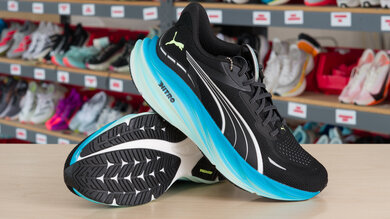
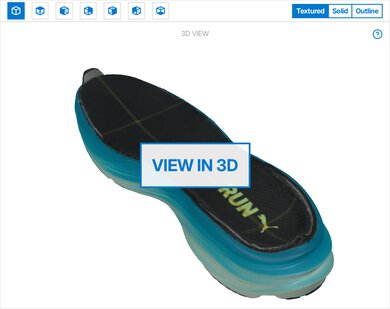
The PUMA Magnify NITRO 3 is the German brand's updated, modern interpretation of a daily trainer, and marks a shift for the Magnify series. Although the midsole bears the same NITRO branding as its Magnify NITRO 2 predecessor, they are not the same: the 3rd iteration has a nitrogen-infused PEBA foam that feels softer and bouncier, elevating it into the upper ranks of daily trainers, with the versatility to work at various paces. The Magnify NITRO 3 has a slightly rockered geometry that is less aggressive than the speed shoes in PUMA's lineup, but still aids with leg turnover on longer runs.
Our Verdict
The PUMA Magnify NITRO 3 is a surprisingly decent shoe for marathon racing, given that it is primarily intended as a daily trainer. The soft, bouncy NITRO midsole helps to protect legs over long distances, and the energy return is good, but the lack of a plate and the shoe's relatively higher weight compared to dedicated racing shoes make it a less competitive option for faster marathon runners.
Bouncy, energetic midsole.
Lack of plate in midsole.
Too heavy to be a competitive race shoe.
The PUMA Magnify NITRO 3 is alright as a middle-distance race shoe, but too heavy to be a truly speedy racer. Good energy return and a forefoot that firms up considerably when force is applied make it a reasonable, if not particularly impressive, option for 5 to 10K races.
Bouncy, energetic midsole.
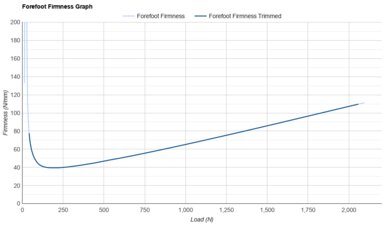
Forefoot becomes firmer at faster paces.
Lack of plate in midsole.
Too heavy to be a competitive race shoe.
Changelog
-
Updated Jul 29, 2026:
We updated the lineup section of the Popular Running Shoe Comparisons to mention the latest iterations of PUMA models.
- Updated Jul 07, 2026: We've converted this review to Test Bench 0.13, which identifies the different foams used in the shoe's midsole. We've included a microscopic image of the foam cells to give you an idea of what the microstructure looks like. To read more about the changes, see the changelog.
- Updated Jun 17, 2026: We've converted this review to Test Bench 0.12, which fixes how we measure firmness, a component of the Stability and 5K/10K Racing usages. There may be inconsistencies between the text and the scores for these usages, but the scores should still be considered valid. We've also brought back the Energy Return score and added two new usages: Daily Training and Long Run. To read more about the changes, see the changelog.
-
Updated Apr 30, 2026:
We've updated this review to add text for the new Responsiveness usage box.
- Updated Apr 28, 2026: We've converted this review to Test Bench 0.11, adding two new rocker measurements to the Design section, and three new responsiveness tests to the Performance section. The Energy Return usage score has been replaced with Responsiveness. Check out the details in our changelog.
-
Updated Feb 16, 2026:
We fixed a typo in the Fit usage box of the review and added a clear recommendation for sizing.
-
Updated Feb 16, 2026:
We updated the review to include text for the full set of new fit tests and the corresponding usage box, which were recently added to our test bench.
- Updated Feb 16, 2026: We've converted this review to Test Bench 0.10, adding a new set of fit tests to the Design section and an overall fit performance usage. Check out the details in our changelog.
-
Updated Jan 09, 2026:
We updated the Popular Comparisons section to include a reference to the recently reviewed PUMA MagMax NITRO 2.
-
Updated Dec 02, 2025:
We updated the Popular Running Shoe Comparisons to include the latest (fourth) iteration of the PUMA Velocity NITRO in PUMA's lineup.
- Updated Oct 28, 2025: We've converted this review to Test Bench 0.9, which adds a Forefoot Long Run Cushioning test to our performance section. Read more in our changelog.
-
Updated Oct 21, 2025:
We updated the Pros & Cons, Lateral Stability, Energy Return, Cushioning, Heel Cushioning, Forefoot Cushioning, and Forefoot Energy Return boxes to align with the latest test bench and revised the side-by-side comparisons to keep the review accurate.
- Updated Oct 20, 2025: We've converted this review to Test Bench 0.8.2, which updates our methodology for the impact force range used in our compression tests to improve their accuracy. This also affects all usage and performance usage boxes using those compression tests as score components.
- Updated Aug 21, 2025: Review published.
- Updated Aug 11, 2025: Early access published.
- Updated Jul 15, 2025: Our testers have started testing this product.
- Updated Jul 07, 2025: The product has arrived in our lab, and our testers will start evaluating it soon.
- Updated Jun 27, 2025: We've purchased the product and are waiting for it to arrive in our lab.

We've bought and tested more than 250 running shoes. Every pair purchased with our own money, never supplied or sponsored by brands. Our data-driven tests are designed to go beyond marketing claims, and since every shoe goes through the exact same methodology, you can directly compare results to find the right pair for your needs.
Test Results
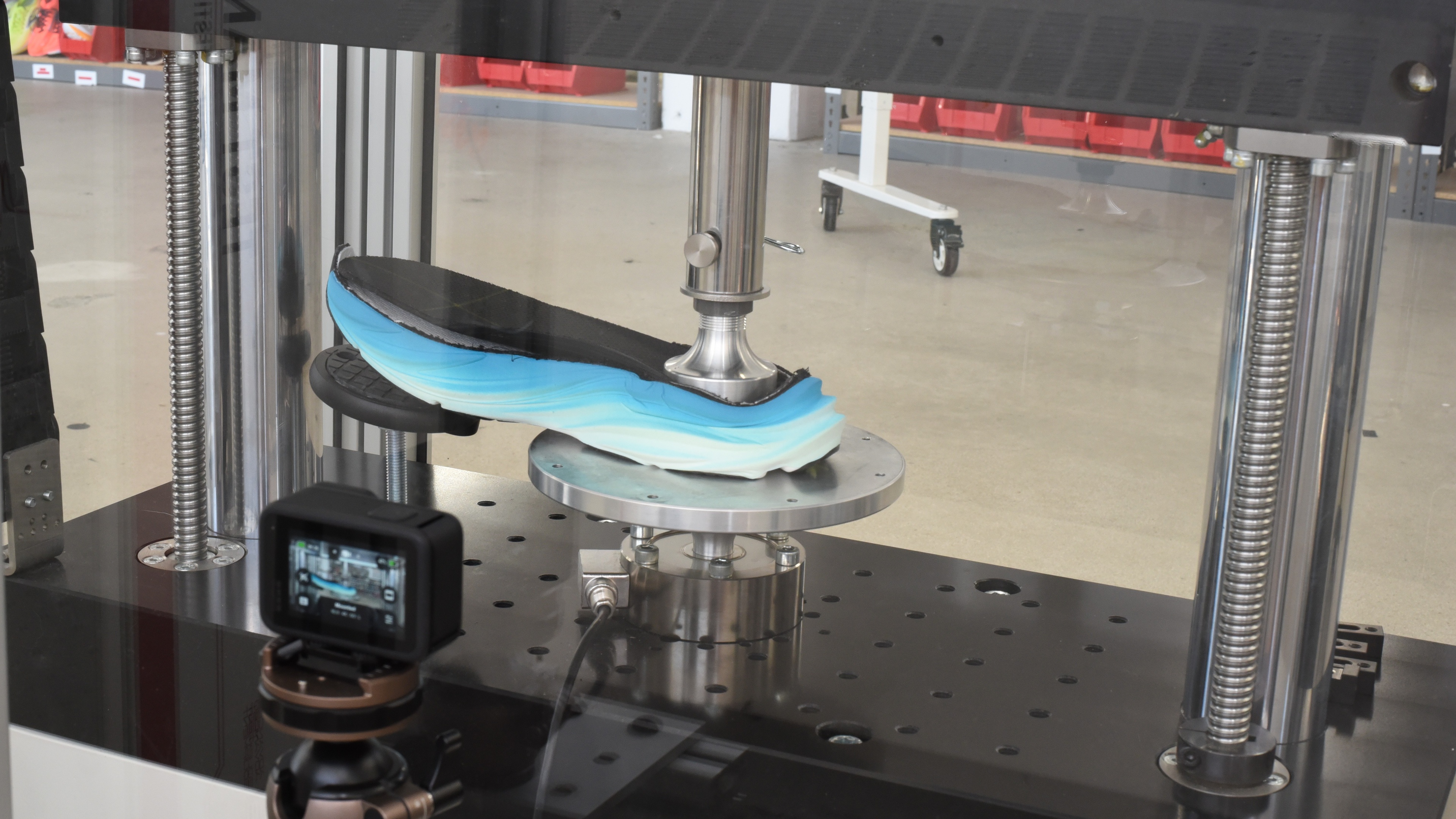
Energy Return
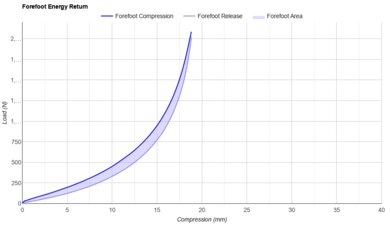
The forefoot is even springier than the heel, with very good energy return that contributes to the overall bouncy feel.
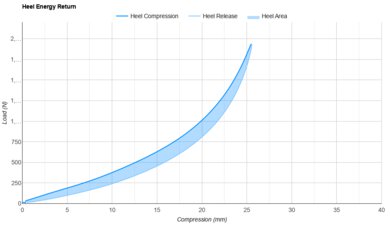
The heel energy return is decent, especially for a daily trainer, with the midsole releasing more energy in the rear foot than even some dedicated speed shoes like the Deviate NITRO 3, aiding in smoother, more efficient stride transitions.
Stability
The PUMA Magnify NITRO 3 offers very good stability, as befits a daily trainer. Although it doesn't have dedicated stability features, the supportive structure around the arch and the wide platform contribute to an overall stable ride. The soft heel foam could cause stability problems for heavy heel strikers.
Supportive, gently structured heel collar.
Forefoot becomes firmer at faster paces.
Lack of plate in midsole.
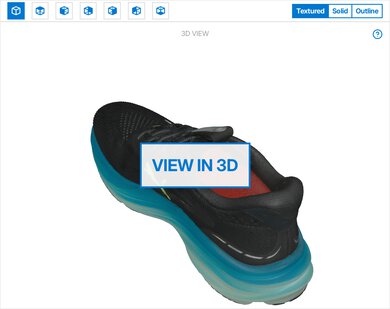
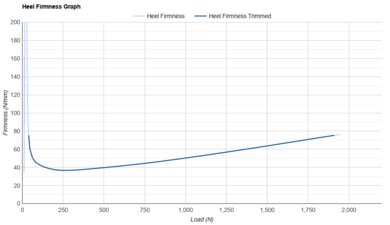
The heel is not particularly firm, even at higher efforts. The layer of PUMA GRIP rubber on the outsole is thinner than on some other models in the brand's lineup, including the MagMax and the Deviate Nitro 3, resulting in a less pronounced ground feel, and softer landings.
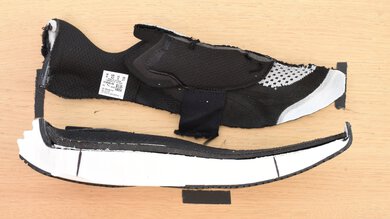
Cushioning
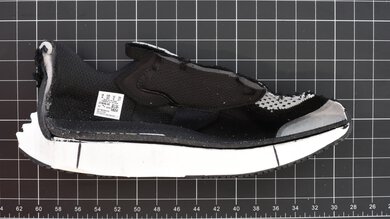
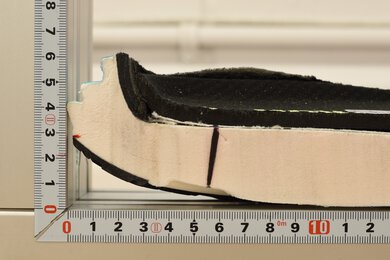
The PUMA Magnify NITRO 3 has very good cushioning in the heel, but the forefoot protection is just okay. Although it is not the most maximally cushioned shoe in PUMA's lineup, the soft Nitrogen-infused PEBA midsole absorbs impact relatively well.
Protective heel.
Forefoot isn't as well padded.
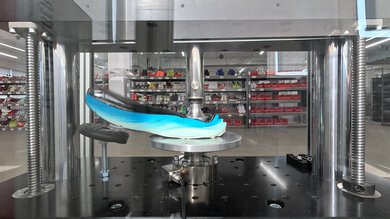
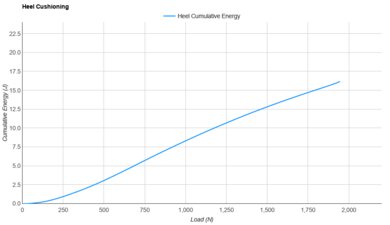
The heel has very good cushioning, and the soft NITRO foam will ensure soft landings for heel strikers, especially those who apply low to normal force when hitting the ground.
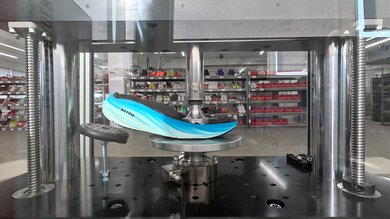
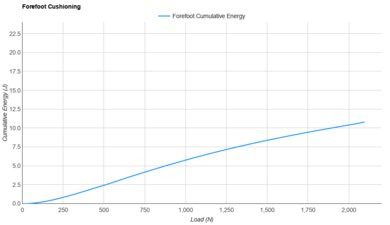
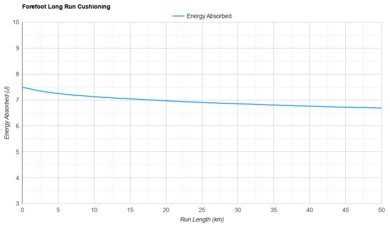
The cushioning under the forefoot will offer a distinct feel depending on the runner. Those who don't apply a lot of force upon each strike, such as lighter and/or slower runners, will find it well cushioned. However, more powerful runners will find the midsole harsher and a lot less protective. Overall, it is not as plush as the MagMax Nitro or the ASICS NOVABLAST 5.
Responsiveness
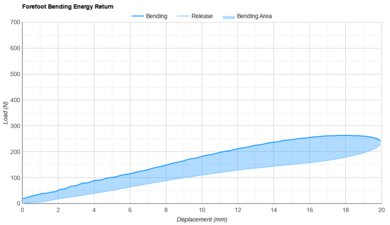
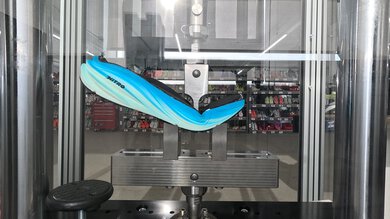
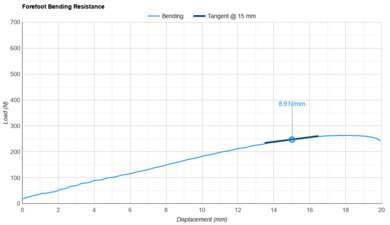
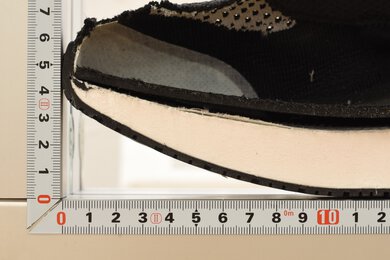
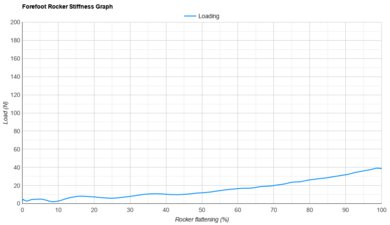
The PUMA Magnify NITRO 3 delivers acceptable responsiveness for a daily trainer. The nitrogen-infused PEBA-based foam in the midsole helps to create a bouncy effect in the forefoot. The shoe has a slight rocker, but it's not stiff or steep enough to drive forward propulsion.
Bouncy, energetic midsole.
True To Size
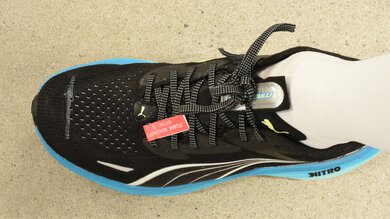
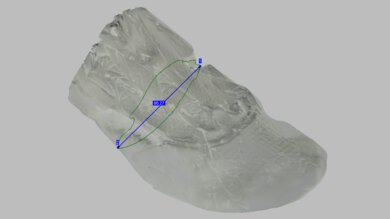
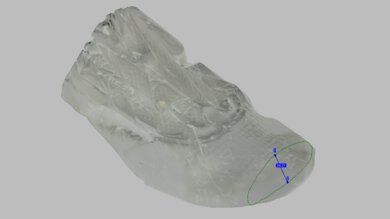
The PUMA Magnify NITRO 3 can deliver a decent fit once you dial in sizing, but it isn't especially true to size overall. The length runs long, which can leave extra space up front. That said, the biggest limitation is through the arch: PUMA's elastic gusseting creates a constrictive wrap, which can feel tight and restrictive if you have a wide midfoot. Up front, the toebox has enough width for most runners, though the forefoot height isn't the roomiest. Runners with long and or narrow feet can stick to their usual size, whereas those with wider arches might want to get half a size up.
Good amount of room at the forefoot.
Snug arch wrap can feel constricting.
Runs long.
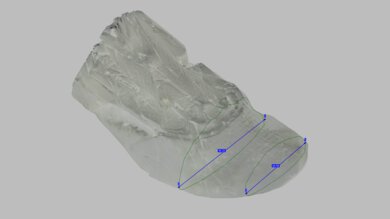
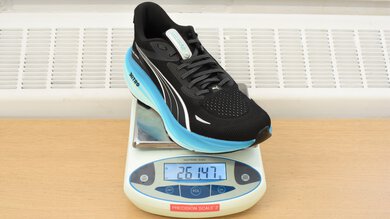
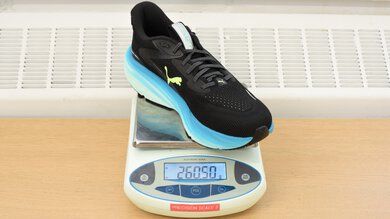
The Magnify NITRO 3 is well within the daily trainer weight class, but toward the lower end, weighing in much lighter than the Nike Vomero 18 or Saucony Triumph 22, but slightly more than the ASICS NOVABLAST 5. The shoe can feel bottom-heavy, though.

Popular Running Shoe Comparisons
The PUMA Magnify NITRO 3 stands alongside other modern daily trainers that are built for comfort and versatility. With its upgraded, PEBA-based midsole, it joins a growing category of running shoes that incorporate supercritical foams into everyday shoes. The Magnify NITRO 3 holds up well against other daily trainers like the HOKA Clifton 10 or Saucony Triumph 22, delivering significantly better energy return than either of these competitors. However, the Magnify NITRO 3 has a relatively narrow arch, and Puma's method of gusseting the tongue can hug the foot so tightly that it becomes constricting when the foot swells during longer runs. Therefore, runners with wider feet who are looking for a bouncy daily trainer might prefer the ASICS NOVABLAST 5.
Among PUMA's lineup of daily trainers, the Magnify NITRO 3 sits between the PUMA Velocity NITRO 5, a firmer, less cushioned classic trainer, and the PUMA MagMax NITRO 2, a high stack, max-cushioned shoe. These shoes are all unplated, unlike the Deviate series, which includes the PUMA Deviate NITRO 3 speed trainer and the PUMA Deviate NITRO Elite 3 racing shoe.
For more options, check out our recommendations for the best running shoes, as well as the best long-distance running shoes and the best shoes for running a marathon.
The PUMA Magnify NITRO 3 and PUMA Velocity NITRO 3 are both daily trainers, but they serve slightly different purposes. The Velocity NITRO 4 is the more classic daily trainer: lighter, lower to the ground, and more traditional in geometry, so it feels nimble and quite grounded, which favors quick turnover. The Magnify NITRO 3, by contrast, leans into comfort and fun with a higher stack and a midsole that feels a bit more energetic, especially in the heel. It offers more cushioning overall, holds onto that protection better as the distance increases, and comes across as softer underfoot for longer runs. That said, both shoes share some fit drawbacks: they have a fairly constricting, narrow toebox and a snug, almost elastic wrap through the arch that won't suit wide feet, though they do redeem themselves with excellent grip from their PUMAGRIP outsoles.
The PUMA Magnify NITRO 3 and the Nike Vomero 18 represent slightly different interpretations of the modern workhorse shoe. The Nike is heavier, higher stacked, and of more stout construction, with a dual-density midsole and thicker, less stretchy upper. The PUMA is lighter and bouncier, with more even cushioning throughout the midsole, whereas the Nike has a more pronounced difference between the soft heel and firmer forefoot.
The PUMA Magnify NITRO 3 and ASICS NOVABLAST 5 are both bouncy, versatile trainers built for everyday use. The NOVABLAST 5 packs more cushioning underfoot for a plusher ride but sacrifices some energy return, most notably in the forefoot, where the Magnify NITRO 3 delivers much better return. The fit of the ASICS might be more accommodating to runners with wider feet, as PUMA's sizing is narrower in both the heel and forefoot.
The PUMA MagMax NITRO and the PUMA Magnify NITRO 3 are a bit like siblings who have developed their own separate personalities. The MagMax is by far the more cushioned shoe, with a taller stack height, but a less pronounced heel-to-toe drop. In addition to a thicker midsole, it also has a more extensive PUMA GRIP outsole, giving it more grip and ground feel. The Magnify NITRO 3 is the lighter and more energetic of the two, and the combination of better stability and bounciness makes it better suited to varying paces in long runs than its sibling shoe.
The PUMA Magnify NITRO 3 and New Balance FuelCell Rebel v5 are both lively trainers that nicely balance cushioning and stability. The Rebel v5 is significantly lighter and has a lower heel-to-toe drop than the Magnify NITRO 3, making the New Balance shoe marginally more stable. The plush foam in the Rebel v5's midsole provides a bit better protection, but both shoes have great cushioning. The primary advantage the PUMA shoe has is its superior energy return; while the Rebel v5 has some bounce, it lags well behind the Magnify NITRO 3 in both the forefoot and the heel's ability to rebound when force is applied.
Differences Between Sizes And Variants
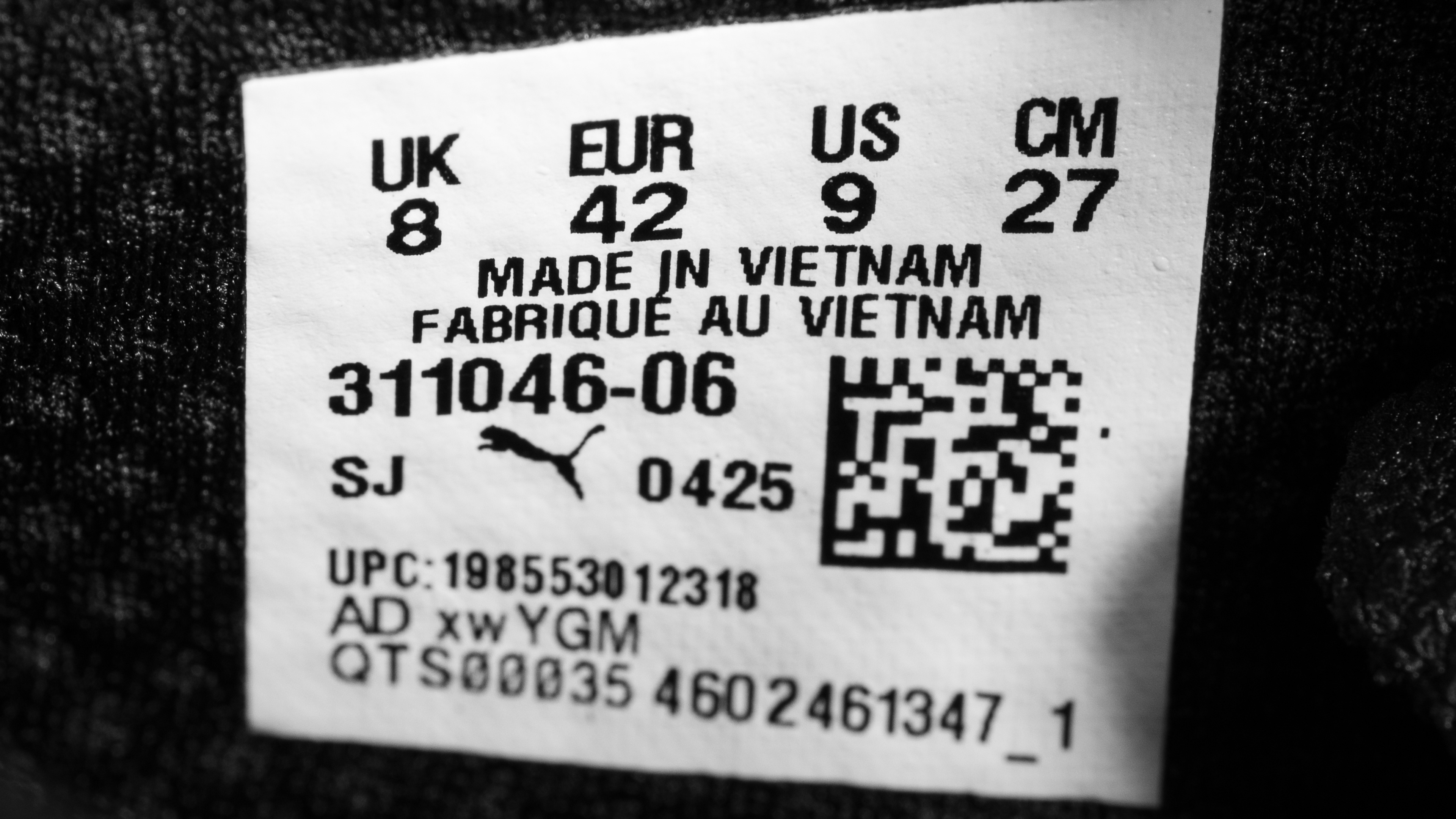
We bought and tested the PUMA Magnify NITRO 3 in men's US size 9, as indicated on the label for our pair. The colorway shown here is PUMA Black-Speed Blue, and the shoe is available in several other colorways, including PUMA Black-PUMA White | PUMA White-Warm White | Speed Blue-PUMA Black | and Gray Echo-Speed Blue-PUMA White for men. The women's version is available in Sea Glass-Mint Melt | PUMA Black-Mint Melt | PUMA White-PUMA Silver | and PUMA Black-PUMA White. Wide versions are not available for this model.