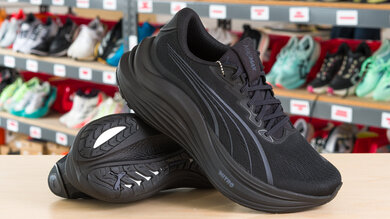
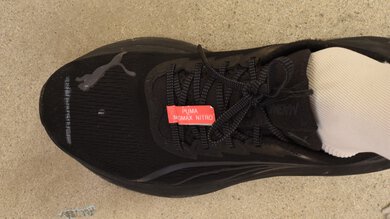
The PUMA MagMax NITRO is, as the name suggests, a maximum-cushioned running shoe and the brand's tallest and widest offering to date. PUMA has been rapidly expanding its shoe lineup since its return to making road running shoes in 2021, and the MagMax NITRO represents the brand's first serious foray into the maximalist, premium trainer category. Although PUMA's nomenclature for its midsole compounds is ambiguous, the NITRO foam in the MagMax appears to be the same that was previously branded as NITRO ELITE, and used in shoes like the PUMA Deviate NITRO Elite 2. The shoe promises (under the heel tab) to be Bouncy AF, although the MagMax's heavy weight can detract from the bounce. Despite all the cushioning underfoot, the PUMA Grip outsole gives the shoe a pronounced ground feel, which can feel harsh compared to other max cushioned trainers.
Our Verdict
The PUMA MagMax NITRO isn't built for racing, but it's a reasonable choice for runners just looking to finish a marathon without worrying about time. The deep cushioning will keep your legs protected throughout the marathon distance, but it's not light or streamlined enough to give any competitive advantage.
Deeply cushioned midsole.
Shoe provides decent stability and support over long distances.
Shoe feels bulky and clunky.
Bottom-heavy construction.
The PUMA MagMax NITRO would be a poor choice for 5K or 10K racing, as it's built for comfort over speed. Shorter races will expose the downsides of the shoe's maximum cushioning (namely, its heavy weight) without being long enough to reap the benefits of its protective ride.
Shoe feels bulky and clunky.
Bottom-heavy construction.
Changelog
-
Updated Feb 27, 2026:
We updated the review to include text for the new Fit usage box, which was recently added to our test bench.
- Updated Feb 20, 2026: We've converted this review to Test Bench 0.10, adding a new set of fit tests to the Design section and an overall fit performance usage. Check out the details in our changelog.
- Updated Oct 28, 2025: We've converted this review to Test Bench 0.9, which adds a Forefoot Long Run Cushioning test to our performance section. Read more in our changelog.
-
Updated Oct 24, 2025:
We updated the Compared Summary, Pros & Cons, Lateral Stability, Energy Return, Cushioning, Forefoot Cushioning, and Heel Firmness boxes to align with the latest test bench and refreshed the Popular Running Shoe Comparisons section to keep the review accurate.
- Updated Oct 20, 2025: We've converted this review to Test Bench 0.8.2, which updates our methodology for the impact force range used in our compression tests to improve their accuracy. This also affects all usage and performance usage boxes using those compression tests as score components.
- Updated Aug 28, 2025: Review published.
- Updated Aug 19, 2025: Early access published.
- Updated May 22, 2025: Our testers have started testing this product.
- Updated May 07, 2025: The product has arrived in our lab, and our testers will start evaluating it soon.
- Updated May 05, 2025: We've purchased the product and are waiting for it to arrive in our lab.

We've bought and tested more than 250 running shoes. Every pair purchased with our own money, never supplied or sponsored by brands. Our data-driven tests are designed to go beyond marketing claims, and since every shoe goes through the exact same methodology, you can directly compare results to find the right pair for your needs.
Test Results
Energy Return
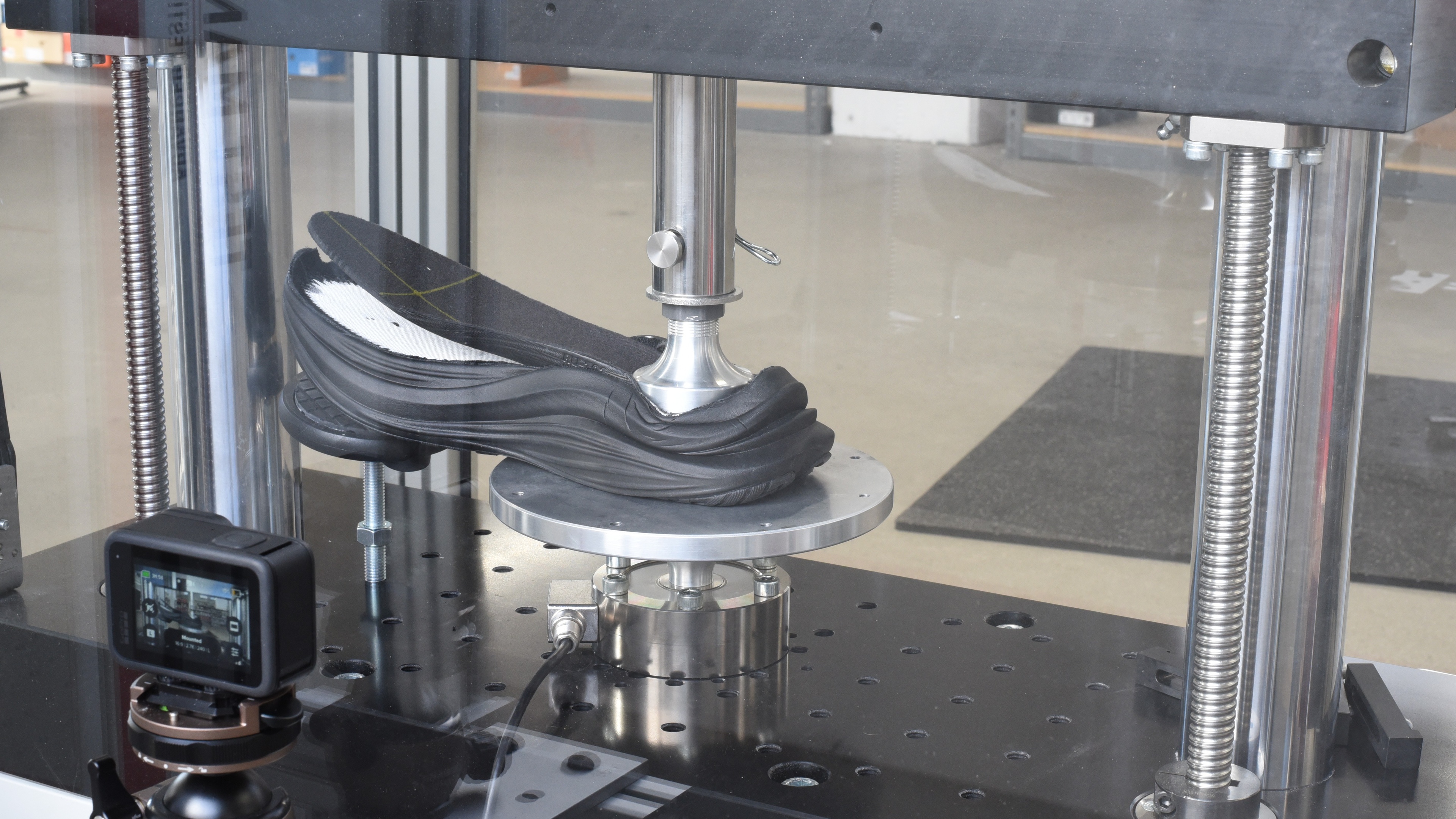
Despite the 'Bouncy AF' claim under the shoe's heel tab, the energy return from the PUMA MagMax NITRO is mediocre at best. The shoe is built like a tank, with a thick and clunky midsole that prioritizes protection over propulsion.
Midsole isn't as bouncy as promised.
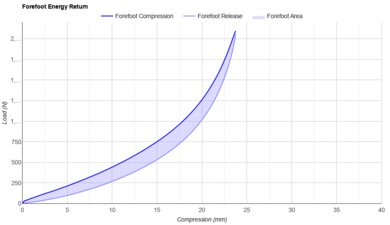
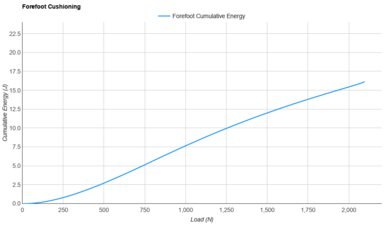
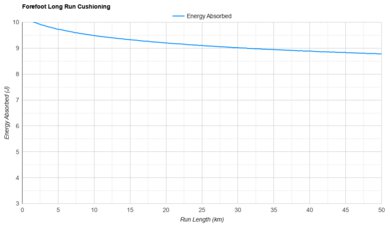
The forefoot returns energy much better than the heel, but the responsiveness is still sub-par. This shoe still outperforms max-cushioned shoes like the Brooks Glycerin Max or the ASICS GLIDERIDE MAX, but lags behind maximalist super trainers like the ASICS SUPERBLAST 2 or HOKA Mach X 2.
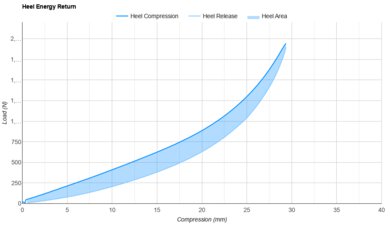
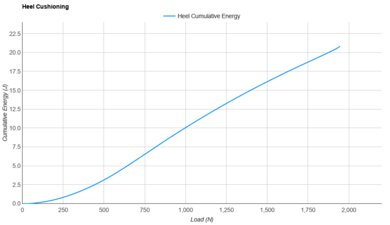
The heel returns energy poorly, although better than some other max cushioned shoes, like the Brooks Glycerin Max or the ASICS GLIDERIDE MAX. Still, runners should not expect much rebound on heel landings in the MagMax.
Cushioning
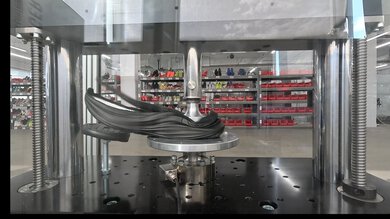
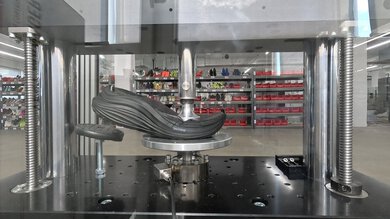
The PUMA MagMax NITRO has fantastic cushioning. The deep stack of foam underfoot keeps legs feeling fresh throughout longer runs and protected even during harder efforts.
Deeply cushioned midsole.
Foam is very soft underfoot.
Lateral Stability
The PUMA MagMax NITRO offers decent stability, especially for a max stacked trainer. Unsurprisingly, the soft midsole doesn't provide the firmest foundation, but the shoe's wide platform helps to compensate for its tall stack height.
Wide platform balances tall stack height.
Firmer forefoot provides some stability during toe-off.
Foam is very soft underfoot.
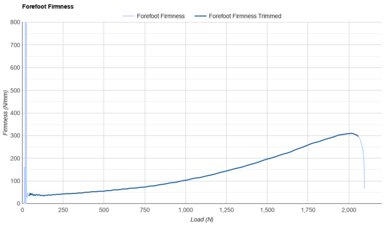
The forefoot is considerably stiffer than the heel, providing a satisfactory platform for toe-offs. This rigidity in the forefoot allows the shoe to turn over quickly if you want to push the pace a bit.
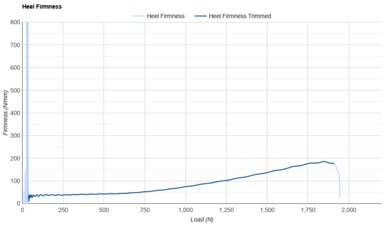
As we would expect from a max-cushioned shoe, it's not very firm in the heel. It stiffens up somewhat when force is applied, but it's still less firm overall than the ASICS SUPERBLAST 2 or Brooks Glycerin Max.
True To Size
The PUMA MagMax NITRO fits very close to true to size. PUMA's shoes tend to run long and narrow, and while the MagMax NITRO is not an exception, it's also not quite as exaggerated as other PUMA models. Most runners can safely buy their usual size.
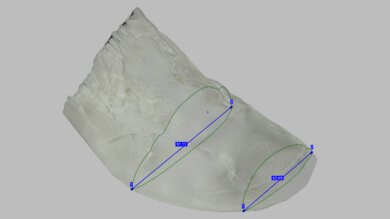
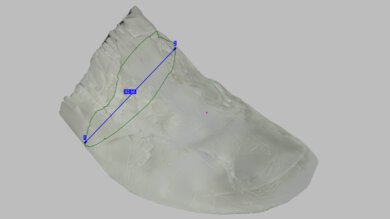
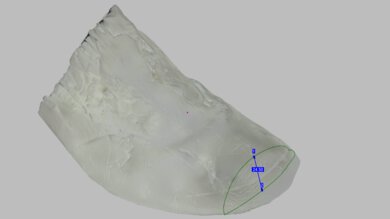
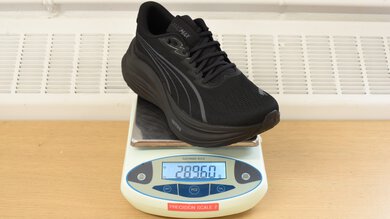
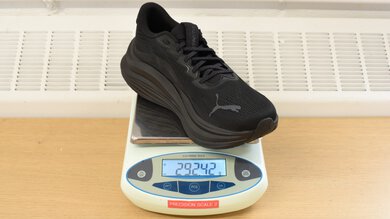
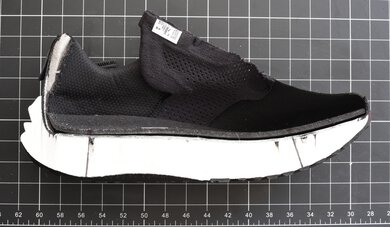
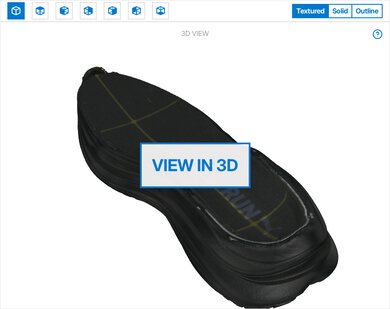
The PUMA MagMax NITRO is bulky, owing to both its deep cushioning and wide platform. For similarly stacked shoes, though, it sits within the normal weight range, albeit slightly on the heavier side.
Popular Running Shoe Comparisons
The PUMA MagMax NITRO occupies an interesting position within the growing maximalist trainer category: its cushioning is more protective than similarly stacked shoes, like the ASICS SUPERBLAST 2, Brooks Glycerin Max, or HOKA Bondi 9, but it's firmer than a pure recovery shoe, like the HOKA SKYWARD X. The MagMax is heavier and less responsive than a maximalist super trainer like the SUPERBLAST 2, but much bouncier and more nimble than the plush Brooks Glycerin Max. In sum, the MagMax NITRO is a versatile, max-cushioned trainer that does a decent job at several things, but isn't exactly optimized for one particular use.
Within PUMA's current offering, the MagMax NITRO stands at the deep end of the daily trainer range, as its most cushioned running shoe. It's significantly heavier than even the PUMA Magnify NITRO 3, a modern trainer and the MagMax's closest companion in the brand's lineup, with the expected tradeoffs in energy return and responsiveness. It sits even higher and is much more cushioned than the PUMA Velocity NITRO 4, the brand's classic daily trainer.
For more options, check out our recommendations for the best running shoes, as well as the best long-distance running shoes and the best shoes for running a marathon.
The PUMA MagMax NITRO has been succeeded by the PUMA MagMax NITRO 2, and the second version is neither the same old shoe nor a clear upgrade. The MagMax 2 weighs significantly less than the original, despite maintaining essentially the same stack height and dimensions. It also has a slightly reworked toe box that allows a bit more toe splay than the original MagMax, and a different outsole grip pattern that maintains the characteristic groundfeel of PUMAGRIP, but has less of a dampening effect on the cushioning. But for all these changes, the second version doesn't necessarily feel more nimble than the first MagMax, as the NITRO foam in the midsole is less bouncy. Both shoes share the same broad platform that ensures decent stability, even with all that cushioning.
The PUMA MagMax NITRO and the Brooks Glycerin Max are both maximalist trainers, but this Brooks shoe is the more maxed-out of the two. It is stacked higher and weighs in heavier, so it's unsurprising that the MagMax feels more nimble and bouncy. Both shoes are good options for everyday miles, but the Glycerin Max is a better choice for easy, recovery runs, whilst the MagMax would be better suited for runs that include some strides or even some light tempo work.
The PUMA MagMax NITRO and HOKA Bondi 9 deliver very different takes on highly cushioned daily training. The MagMax has a taller stack height and a much roomier forefoot fit, while the softer heel gives it a more relaxed feel over long distances. In contrast, the Bondi 9 delivers significantly better heel energy return alongside somewhat better forefoot rebound, helping it feel less sluggish despite the firmer ride. The MagMax still holds a slight edge in cushioning over longer distances, while the Bondi 9 offers a more balanced mix of protection and rebound.
The PUMA MagMax NITRO and PUMA Deviate NITRO 3 occupy largely different ends of the spectrum of run types, with only some overlap. The MagMax is primarily intended for casual, everyday runs, with some variation in pace. The Deviate NITRO 3 is built for faster tempo and interval workouts, so the only overlapping use case for these two shoes would be strides or fartleks. Even there, the experience these two shoes provide is quite different: where the MagMax is soft, the Deviate NITRO 3 is snappy. While the MagMax attains stability through a wide platform, the Deviate NITRO 3 puts a carbon plate in a much narrower midsole. The two shoes are thus good training companions for runners who like PUMA's fit and ground feel.
The PUMA MagMax NITRO and the PUMA Magnify NITRO 3 are a bit like siblings who have developed their own separate personalities. The MagMax is by far the more cushioned shoe, with a taller stack height, but a less pronounced heel-to-toe drop. In addition to a thicker midsole, it also has a more extensive PUMA GRIP outsole, giving it more grip and ground feel. The Magnify NITRO 3 is the lighter and more energetic of the two, and the combination of better stability and bounciness makes it better suited to varying paces in long runs than its sibling shoe.
At first glance, the Puma MagMax NITRO and the ASICS SUPERBLAST 2 look like similar shoes, aimed at similar uses: both are unplated, deeply-cushioned trainers with tall stack heights. The MagMax feels ready to roll, straight out of the gate, whereas the SUPERBLAST 2 requires a bit of time to break in. The SUPERBLAST 2 is arguably the faster of the two shoes, as it returns energy better, but some runners find the MagMax more forgiving at faster paces. The MagMax NITRO is a sturdier and more cushioned shoe, so it might be the better choice for heavier runners.
Both the PUMA MagMax NITRO and the Mizuno Neo Vista 2 stack tons of cushioning underfoot for a fun, bouncy ride. For runners who want the floating feeling of traipsing on the moon, the Mizuno is unmatched in its ability to pack soft foam underfoot without adding excess weight. For runners who want a more grounded, but still cushioned experience, the PUMA shoe offers much better stability and a firmer foundation.
Differences Between Sizes And Variants
We bought and tested the PUMA MagMax NITRO in men's US size 9, as indicated on the label for our pair. The colorway shown here is PUMA Black-Galactic Gray, and the shoe is available in several other colorways, including PUMA White-PUMA Silver for both men and women. The men's version is also available in Lapis Lazuli-Nitro Blue, PUMA Black-PUMA White-Cool Dark Gray, Speed Blue-Mint Melt, and Warm White-Gold Moon. The women's version is available in Mint Melt-Speed Blue, Nitro Blue-Lapis Lazuli, Cool Weather-PUMA Silver, and Gold Moon. Wide versions aren't available for this model. The design section applies only to the exact pair we tested, but we expect other sizes to perform similarly.