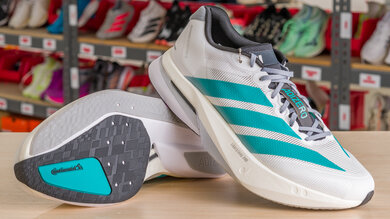
The adidas Adizero Boston 13 is a plated super trainer that bridges everyday mileage and uptempo workouts. A larger slab of Lightstrike Pro sits above the updated Lightstrike carrier foam, giving the ride a noticeably livelier, slightly more forgiving feel than the adidas Adizero Boston 12 while still feeling firmly grounded and stable. Full-length ENERGYRODS add some snap to your step, making it easier for you to pick up speed during tempo workouts. Thanks to a substantial weight reduction and a slightly more accommodating toebox, the Boston 13 marks a welcome update that delivers a lighter, more energetic, yet still stable experience that stays clear of today's ultra-soft trend.
Our Verdict
The adidas Adizero Boston 13 delivers decent performance for marathon racing. You won't see elite runners lacing it up at the Boston Marathon, but it still offers a reliable, stable ride that's ideal for runners who prioritize durability over cutting-edge efficiency, and still want the added stiffness of ENERGYRODS. While it doesn't have the energy return and absorption of modern super shoes, the midsole is quite energetic and offers acceptable protection (especially towards the forefoot), making it a satisfactory option for most runners. That said, the limited cushioning and firmer ride will likely make the final miles feel longer and harsher on your legs.
ENERGYRODS add some structural integrity.
Bouncy ride due to Lighstrike Pro, especially in the forefoot.
Stable ride due to firmer carrier foam.
Still a bit heavy.
Insufficient underfoot protection, especially in the heel.
The adidas Adizero Boston 13 is good for shorter races, thanks to its firm, snappy forefoot, carbon rods, and good bounce, underlining its versatility across a range of paces and distances. That said, true super shoes in this category are far lighter, giving them an edge in terms of overall efficiency.
ENERGYRODS add some structural integrity.
Bouncy ride due to Lighstrike Pro, especially in the forefoot.
Still a bit heavy.
Changelog
- Updated Sep 17, 2026: We've converted this review to Test Bench 0.14, which adds new lace-specific results. We've included a close-up photo of the laces, as well as details including lace type, width, thickness, and stretch. To read more about the changes, see the changelog.
- Updated Sep 15, 2026: We've converted this review to Test Bench 0.13, which identifies the different foams used in the shoe's midsole. We've included a microscopic image of the foam cells to give you an idea of what the microstructure looks like. To read more about the changes, see the changelog.
- Updated Jun 17, 2026: We've converted this review to Test Bench 0.12, which fixes how we measure firmness, a component of the Stability and 5K/10K Racing usages. There may be inconsistencies between the text and the scores for these usages, but the scores should still be considered valid. We've also brought back the Energy Return score and added two new usages: Daily Training and Long Run. To read more about the changes, see the changelog.
-
Updated Jun 05, 2026:
We corrected the plate type, which was previously identified as carbon rod but is actually fiberglass rod, and updated the information throughout the review. This change doesn't impact our scores.
-
Updated Apr 30, 2026:
We've updated this review to add text for the new Responsiveness usage box and made minor phrasing adjustments throughout the review for consistency.
- Updated Apr 28, 2026: We've converted this review to Test Bench 0.11, adding two new rocker measurements to the Design section, and three new responsiveness tests to the Performance section. The Energy Return usage score has been replaced with Responsiveness. Check out the details in our changelog.
-
Updated Feb 27, 2026:
We updated the review to include text for the new Fit usage box, which was recently added to our test bench.
- Updated Feb 20, 2026: We've converted this review to Test Bench 0.10, adding a new set of fit tests to the Design section and an overall fit performance usage. Check out the details in our changelog.
-
Updated Feb 16, 2026:
We refreshed the Popular Running Shoe Comparisons to include recent and relevant models as comparison points.
- Updated Oct 28, 2025: We've converted this review to Test Bench 0.9, which adds a Forefoot Long Run Cushioning test to our performance section. Read more in our changelog.
-
Updated Oct 21, 2025:
We've adjusted this review's writing to align with the new test bench, including updates to all usage scores and test boxes for Cushioning, Firmness, and Energy Return. We've updated the side-by-side comparisons with other shoes accordingly.
- Updated Oct 20, 2025: We've converted this review to Test Bench 0.8.2, which updates our methodology for the impact force range used in our compression tests to improve their accuracy. This also affects all usage and performance usage boxes using those compression tests as score components.
-
Updated Sep 04, 2025:
We added the adidas Adizero Adios 9 to the Adizero lineup overview of the popular running shoe comparisons box.
-
Updated Jul 30, 2025:
We revised the phrasing in the Lateral Stability, Cushioning, Heel Cushioning, Forefoot Cushioning, and side-by-side comparison with the adidas Adizero Boston 12 to better align with the latest test bench scores.
- Updated Jul 30, 2025: We've converted this review to Test Bench 0.8.1, which mainly updates the score components for the Marathon Racing and Lateral Stability usage boxes to improve accuracy.
- Updated Jun 06, 2025: Review published.
- Updated Jun 02, 2025: Early access published.
- Updated May 09, 2025: Our testers have started testing this product.
- Updated May 09, 2025: The product has arrived in our lab, and our testers will start evaluating it soon.
- Updated May 06, 2025: We've purchased the product and are waiting for it to arrive in our lab.

We've bought and tested more than 250 running shoes. Every pair purchased with our own money, never supplied or sponsored by brands. Our data-driven tests are designed to go beyond marketing claims, and since every shoe goes through the exact same methodology, you can directly compare results to find the right pair for your needs.
Test Results
Energy Return
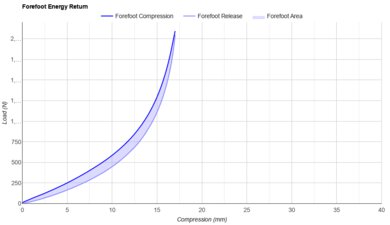
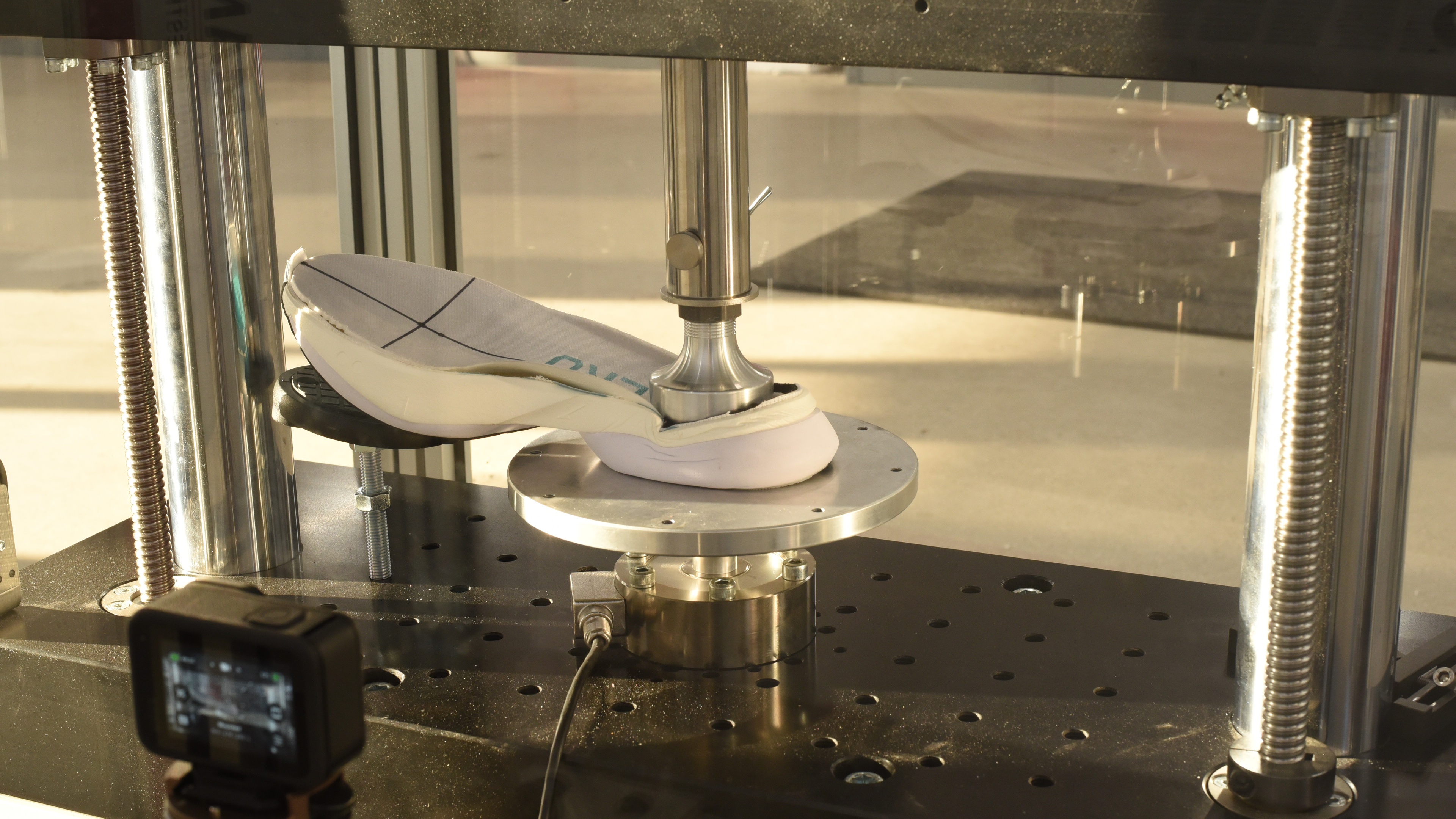
The forefoot energy return is a standout feature of the model. Thanks to the increased Lightstrike Pro up front, the shoe feels more energetic and propulsive than ever before. While it might not be the most explosive ride out there (the Saucony Endorphin Speed 4, for example, has a bit more pop), it's still a significant upgrade that makes this shoe genuinely fun to pick up the pace in.
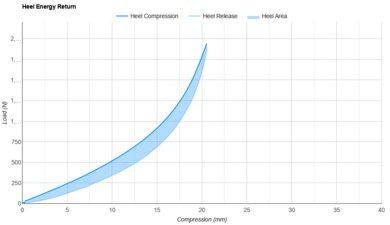
The heel energy return is reasonable in the Adidas Boston 13. It still doesn't deliver the substantial bounce of other shoes from the German brand like the Adizero Evo SL, but there's an adequately responsive feel in the heel that helps runners transition rapidly towards their forefoot upon each impact.
Stability
The adidas Adizero Boston 13 has great lateral stability, helped by its structured midsole design. Whether you're pushing the pace or just logging steady miles, the combination of a firmer platform and wide base ensures a traditional, confidence-inspiring ride. It's not quite as stable as the previous version, mostly because it's narrower at the arch, but this is balanced out by a slightly wider base everywhere else. This stability is a key strength of the model, especially for runners who want a plated trainer that feels secure but is still very capable of pushing the pace.
ENERGYRODS add some structural integrity.
Stable ride due to firmer carrier foam.
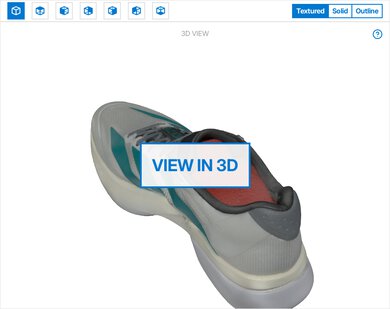
The arch is narrower than in the previous iteration, mainly due to a redesigned cutout that's larger and more triangular, extending through the side of the outsole. This new shape, closer to the one found on the Adizero Adios Pro 4, can reduce stability for some runners. On the flip side, the forefoot is slightly wider, providing a more grounded feel during toe-off.
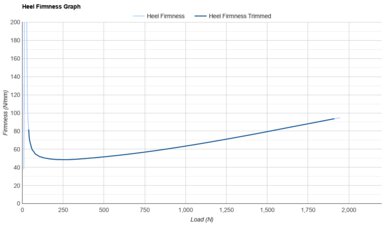
The shoe is very firm in the heel, making for a stable platform. However, at lower impact forces, it's a bit softer than the adidas Adizero Boston 12, but this isn't game-changing in any way. Runners looking for an ultra-soft ride for their super trainer should look elsewhere, perhaps towards the HOKA Mach X 2.
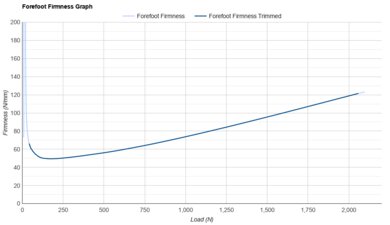
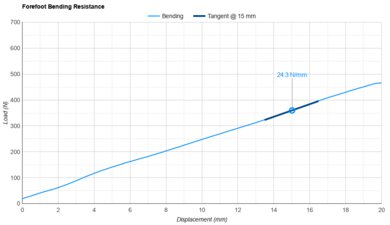
The forefoot is exceptionally firm, giving this shoe a very direct, snappy toe-off and a stable feel. This firmness is consistent across different forces, making it a standout for runners who prefer a stiff, responsive ride up front, though it might feel too harsh for those seeking a softer, more forgiving feel during longer runs.
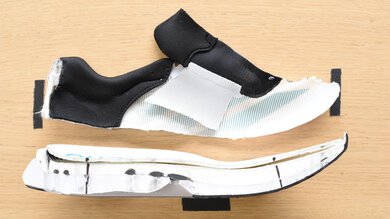
Cushioning
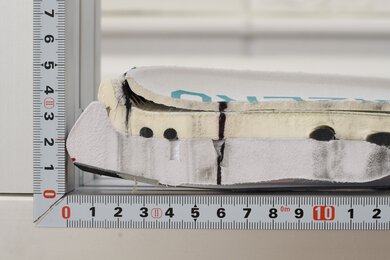
The adidas Adizero Boston 13's cushioning is mediocre. There's more Lightstrike Pro foam in the forefoot than previous iterations, offering a bump in impact absorption and a slightly more forgiving ride that's appreciated for longer efforts. However, the heel feels noticeably underprotected compared to most super trainers, lacking that plush, marshmallow-like protection some runners might prefer.
Insufficient underfoot protection, especially in the heel.
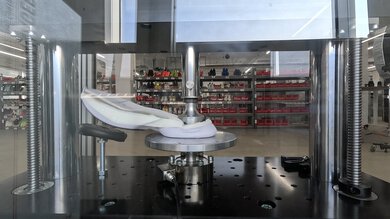
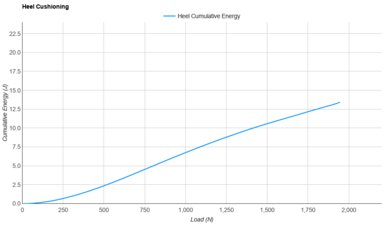
Heel cushioning in the shoe is marginally improved compared to the adidas Adizero Boston 12, absorbing impacts a bit more effectively, especially at lower forces like during easy runs. That said, it's still lacking a lot and won't offer the plush, pillowy feel you might expect from some max-cushion super trainers like the HOKA Mach X 2.
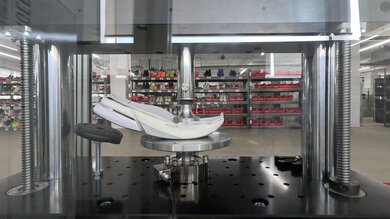
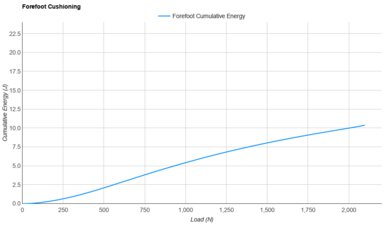
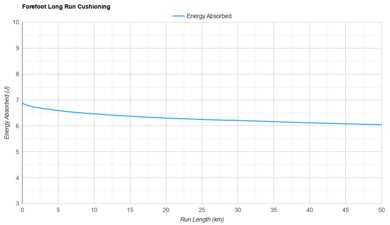
Forefoot cushioning is alright. The large slab of Lightstrike Pro in this area helps, but it delivers only adequate protection. While this premium compound is noticeable and makes the shoe feel quite a bit forgiving up front, it's still relatively under-cushioned compared to more protective options like the HOKA Mach X 2, so it might feel a little harsh during longer efforts for forefoot strikers.
Responsiveness
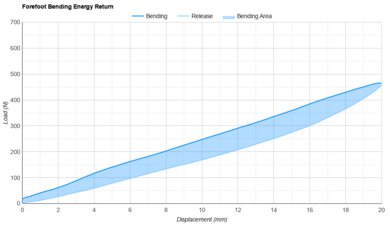
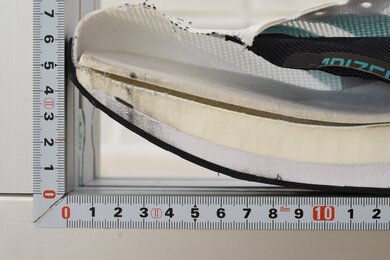
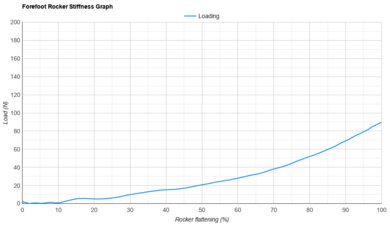
The adidas Adizero Boston 13 provides a nicely responsive ride, particularly in the forefoot, where the larger chunk of Lightstrike Pro foam creates a bouncy experience. The carbon rods add enough stiffness to the midsole to give a snappy response when you push off. It's a fun shoe for pushing the pace, especially for tempo days and shorter efforts, giving you a sensation of controlled, predictable rebound.
Bouncy ride due to Lighstrike Pro, especially in the forefoot.
ENERGYRODS create snappy response.
True To Size
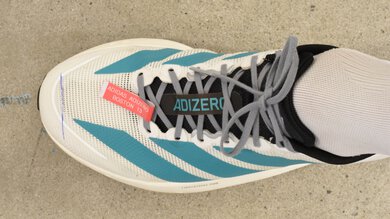
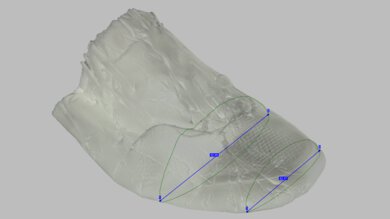
The adidas Adizero Boston 13 is close to true to size. The arch runs slightly narrow, and the forefoot has a bit less volume, so this isn't an ideal shoe for runners with wider feet. The length is true to size, so most other runners can stick to their usual size.
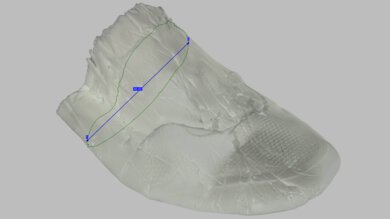
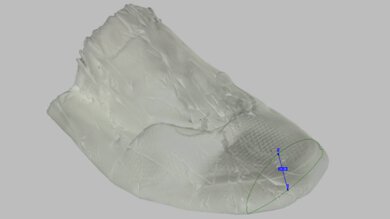
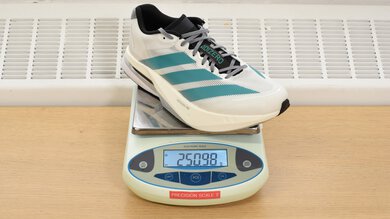
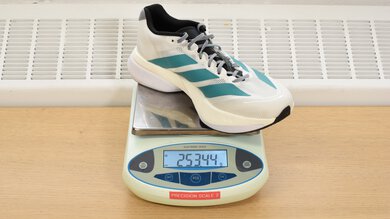
The adidas Adizero Boston 13 is noticeably lighter than its predecessor, giving it better efficiency. However, it's still heavier than other super trainers like the Saucony Endorphin Speed 4 and Hoka Mach X 2, so it might not feel as effortless for extended race paces. Still, the weight reduction is a welcome improvement that helps this shoe feel more nimble.
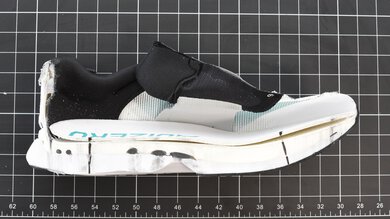
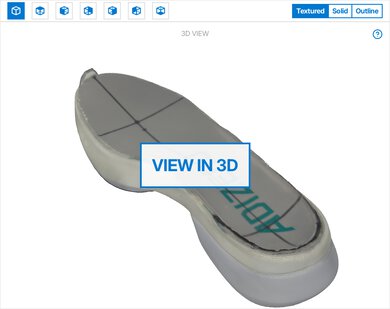
The shoe runs slightly longer than the previous iteration, so you might need to double-check your sizing to get the best fit. It's also a touch roomier in the heel and forefoot, making it a bit more accommodating overall compared to the snugger adidas Adizero Boston 12. This update can be a positive for those who want a bit more breathing room up front without sacrificing too much lockdown.


Popular Running Shoe Comparisons
The adidas Adizero Boston 13 sits squarely in the super trainer category, offering a ride that's ideal for runners who prefer a traditional, grounded feel rather than max softness. While many of today's top super trainers lean into maximum cushioning and soft foam bounciness, the Boston 13 delivers a firmer, more connected ride that rewards good mechanics and purposeful turnover. Its dual-density midsole, featuring a top layer of Lightstrike Pro for some bounce and a stabilizing Lightstrike carrier underneath, makes it a great choice for speed workouts and tempo efforts. Sure, you can also use it for daily miles, but it won't be the most forgiving option for that. Compared to peers like the ASICS MAGIC SPEED 5, PUMA Deviate NITRO 3, or Saucony Endorphin Speed 5, the Boston 13 is the firmest option; it's better suited to runners who prefer some structure and snappiness in order to efficiently gain speed or who find high-stack soft foams too unstable.
The Boston 13 replaces the adidas Adizero Boston 12 and brings clear improvements for most runners. Weight savings, improved energy return, and a better overall fit are key updates that make it a more refined option in the super trainer game. If you're a runner who wants to build speed and strength the old-fashioned way, the Boston 13 is a dependable partner.
Within the adidas premium Adizero lineup, the Boston 13 fills a key gap between the lightweight Adizero Evo SL (an unplated uptempo trainer with top softness, protection, and bounciness) and their flagship super shoe (the adidas Adizero Adios Pro 4, a pure race-day tool). The Boston 13 shares the ENERGYRODS found in the Adios Pro 4, but its geometry and midsole are tuned for durability and versatility, making it the "do-it-all" trainer for runners who want one shoe that can handle steady runs, speed sessions, and even occasional amateur races. While the Evo SL is more fun and playful, the Boston 13 is the more reliable workhorse, particularly for runners who appreciate a firm, confidence-inspiring platform. In parallel, there's also the adidas Adizero Adios 9, which will appeal to amateurs of lower stack shoes that can still handle fast training and racing.
For more options, check out our recommendations for the best running shoes, as well as the best running shoes for men and the best running shoes for women.
The adidas Adizero Boston 13 and adidas Adizero Evo SL may sit side by side in the Adizero lineup, but they occupy very different spaces. The Evo SL is an uptempo trainer that's unplated (apart from a partial plastic shank), making it a playful option for steady miles. Its midsole is full Lightstrike Pro, giving it a soft, cushioned, and energetic feel underfoot—perfect for runners who want a forgiving, bouncy ride that's smooth and fun. In contrast, the Boston 13 is a super trainer that brings a firmer, more controlled experience to the table. Its dual-density midsole combines Lightstrike Pro with a stabilizing Lightstrike carrier foam. The full-length ENERGYRODS on the Boston add noticeable stiffness and snap, giving it the kind of firm, quick turnover that suits structured speed sessions or marathon-pace efforts for runners who like a classic responsive feel that's also very stable.
The adidas Adizero Adios Pro 4 and adidas Adizero Boston 13 are both performance-leaning models that use carbon rods, but they're built for different roles within a rotation. The Adios Pro 4 is a true super shoe made for racing, especially the marathon, with a highly cushioned, bouncy midsole that feels protective over long distances while remaining very light on foot. The Boston 13 is more of a super trainer, designed to handle interval sessions and high-mileage workouts with greater durability than a pure race-day shoe. It feels firmer and very snappy, with a more distinct response that tends to reward powerful runners, particularly forefoot strikers who can really load and activate the platform.
The adidas Adizero Boston 13 and the Nike Zoom Fly 6 are both super trainers from two of the biggest names in the game. Despite its higher stack, the Zoom Fly 6 is actually a bit lighter, delivering a plusher, softer underfoot feel thanks to a ZoomX top layer over SR-02 foam and a full-length carbon plate. It excels in steady efforts where cushioning and smooth transitions take priority. The Boston 13, by contrast, brings a firmer, more grounded ride with ENERGYRODS and a dual-foam setup that's more energetic and snappy, especially during faster paces. It also offers a more accommodating fit for those with wider feet, particularly through the midfoot and forefoot. If you're after a firmer, snappy platform, turn to the adidas. But if plush cushioning and a higher stack are what you want for your workouts, the Nike has you covered with a more forgiving, softer ride that's still bouncy.
The adidas Adizero Boston 13 and adidas Adizero Boston 12 are close siblings, but the 13 refines the formula in ways that make it more approachable and enjoyable for a broader range of runners. Both share the same fundamental super trainer DNA (a dual-density midsole with Lightstrike Pro on top and a stabilizing Lightstrike carrier underneath, combined with the ENERGYRODS), but the Boston 13 brings notable updates that smooth out the ride. The combination of improved energy return and a more accommodating fit makes the Boston 13 feel less harsh and more fun to run in, especially when you're holding marathon pace. That said, the Boston 12 is a better option for those with narrower feet or who prioritize ground feel.
The Saucony Endorphin Speed 5 and the adidas Adizero Boston 13 are both plated speed trainers designed for uptempo efforts, but they differ notably in execution. The Saucony uses a softer PWRRUN PB foam paired with a nylon plate, resulting in a slightly more protective ride that allows you to do faster work. The Saucony is lightweight, flexible, and more accessible for runners who want plated performance without the rigidity of carbon. The adidas shoe, on the other hand, features adidas' carbon ENERGYRODS embedded in a firmer dual-density midsole, delivering a snappier, more aggressive feel. It's a shoe that rewards precise mechanics at faster paces, especially for runners who prefer a grounded, firm platform and don't mind a little stiffness underfoot.
The adidas Adizero Boston 13 and ASICS MAGIC SPEED 4 are both super trainers built for uptempo training, but they go about it in very different ways. The MAGIC SPEED 4 is lighter and uses a full-length carbon plate, with a more cushioned underfoot experience. The Boston 13 relies on ENERGYRODS instead, pairing them with a Lightstrike Pro-based midsole in the forefoot that feels bouncier, but the shoe is also noticeably firmer overall. That firmness is a big part of the Boston’s identity: it can feel snappier and more aggressive, but you have to load it with higher force and commit to the pace to really unlock the payoff. The adidas is also flatter, with a less pronounced rocker, so it doesn't feel as smooth when rolling forward. The MAGIC SPEED 4 is less demanding and retains more of its cushioning performance, making it the more reliable option when distance starts to pile up.
The ASICS MAGIC SPEED 5 and adidas Adizero Boston 13 are both moderately stacked super trainers with similar overall geometry, but their underfoot feel is quite different. The adidas Adizero Boston 13 relies on EnergyRods and a much firmer platform that demands more force to really come alive, so it tends to reward powerful runners who can consistently load the shoe. The ASICS MAGIC SPEED 5 uses a full-length carbon plate in a noticeably lighter and lower-stacked package, which makes it feel more efficient and easier to turn over, especially when fatigue starts to creep in. This also means it will feel more at home for short racing.
The Saucony Endorphin Speed 4 and adidas Adizero Boston 13 are both versatile, plated trainers that can handle everything from steady daily miles to faster workouts, but they lean into slightly different strengths. The Saucony is lighter and more energetic, featuring a softer, more cushioned heel and a more bouncy feel. Its plastic plate is a bit less stiff than the adidas' ENERGYRODS. The Boston 13, on the other hand, is built for those who prefer a firmer feel in the heel and a more connected ride overall. It's also slightly heavier than the Saucony, so overall, the Saucony is the better performer in most use cases, while the Boston 13 offers a classic, workhorse feel that's great for runners who want a firmer, more grounded ride during tempo efforts.
The Brooks Hyperion Max 2 and adidas Adizero Boston 13 are both plated super trainers with the ability to handle faster efforts, but they achieve it in different ways. The Hyperion Max 2 absorbs more energy with each foot strike, delivering a softer and more forgiving ride that's ideal for runners who want a shoe that can eat up long miles without feeling harsh. It also has a nylon plate, while the adidas features full-length ENERGYRODS that are stiffer. The Boston 13 is also lighter and has a more energetic midsole, making it the more efficient and lively option for runners looking to rip apart those uptempo workouts.
Differences Between Sizes And Variants
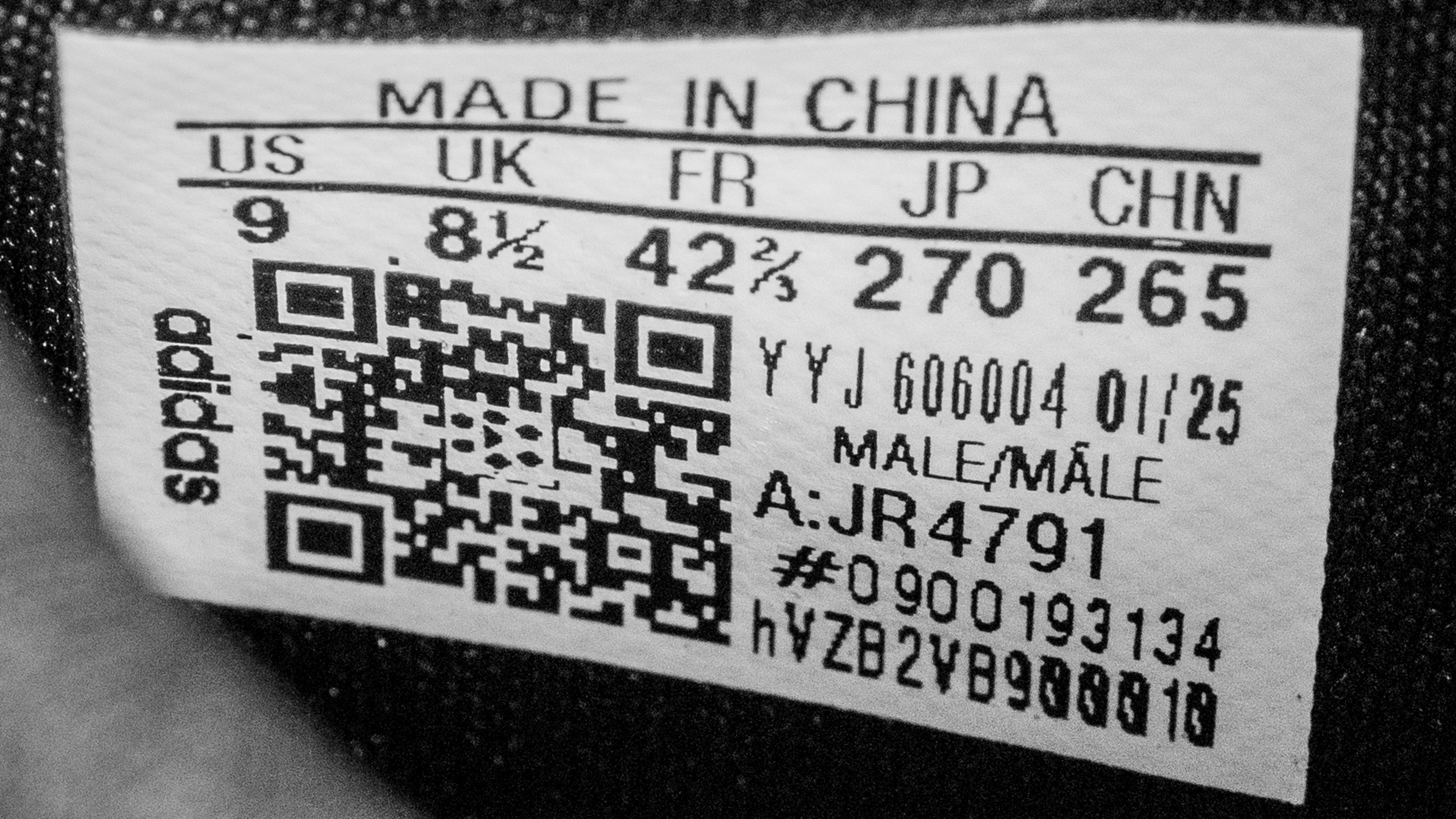
We tested the adidas Adizero Boston 13 in men's US size 9, as noted on the label for our pair. The color shown here is Cloud White/Pure Teal/Grey. This model is also available in other colorways, including Cloud White/Core Black/Lucid Red and Core Black/Cloud White/Grey Five, as well as Cloud White/Matte Silver/Dash Grey. Wide versions are not available for this model. The design section applies only to the exact model we tested, but we expect other size and gender variants to perform similarly.