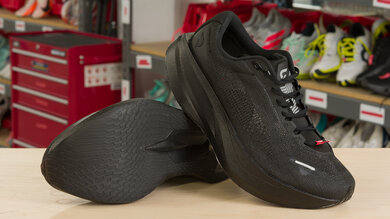
The Dynafish Xiaonian is a lightweight, high-stack, unplated performance trainer from emerging Chinese brand Dynafish. Built around a full-length TPEE midsole and a pronounced rocker, it aims to deliver a smooth, protective ride across pretty much any pace or run length. In a market crowded with unplated, do-it-all trainers like the adidas Adizero Evo SL and Saucony Endorphin Azura, it's hard for a lesser-known brand to stand out. Still, Dynafish manages to do exactly that with an impressive mix of premium foam, low weight, and a responsive ride that comes from its rockered geometry and bouncy midsole. At slower paces, it feels stable and protective enough for easy miles. The magic really comes from the midsole when you pick up the pace, where it feels very propulsive and well-suited to faster workouts or even some racing.
Our Verdict
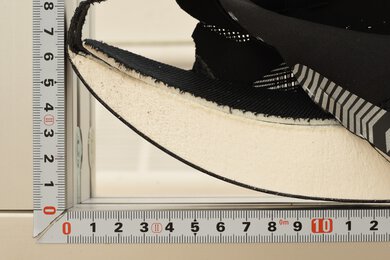
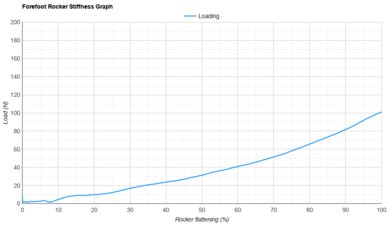
The Dynafish Xiaonian performs very well for marathon racing, although it's designed primarily as a training shoe. Its very light build, highly cushioned midsole, and responsive forefoot make it efficient and forgiving over long efforts, while its rockered geometry helps it roll smoothly through toe-off. However, its unplated design gives it less bending stiffness than a carbon-plated super shoe, so the rocker flattens out a bit more under load instead of delivering the same snap.
Very light for a trainer.
Strong forefoot energy return.
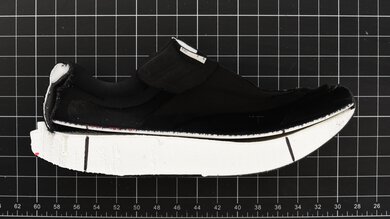
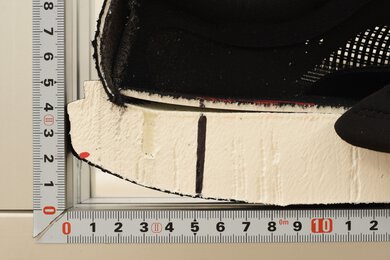
Rockered geometry helps smooth toe-off.
No plate means the shoe isn't very stiff.
The Dynafish Xiaonian isn't truly designed for 5K and 10K racing. Its low weight and energetic midsole help it feel quick enough for faster efforts, and it has enough rebound to handle intervals, tempo work, and shorter races. That said, its forefoot isn't the snappiest as the absence of a plate limits the powerful toe-off sensation you get from dedicated short-distance racing shoes.
Very light for a trainer.
Strong forefoot energy return.
No plate means the shoe isn't very stiff.
Changelog
- Updated Jul 16, 2026: We've converted this review to Test Bench 0.15, which replaces Responsiveness with three specific performance usages: Bounciness, Snappiness, and Roll. To read more about the changes, see the changelog.
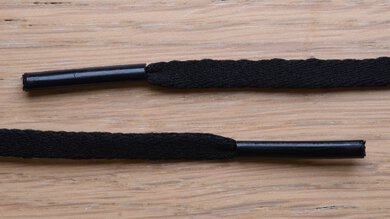
- Updated Jul 09, 2026: We've converted this review to Test Bench 0.14, which adds new lace-specific results. We've included a close-up photo of the laces, as well as details including lace type, width, thickness, and stretch. To read more about the changes, see the changelog.
- Updated Jul 03, 2026: We've converted this review to Test Bench 0.13, which identifies the different foams used in the shoe's midsole. We've included a microscopic image of the foam cells to give you an idea of what the microstructure looks like. To read more about the changes, see the changelog.
-
Updated Jun 24, 2026:
We've updated the Popular Comparisons section to include a link to the newly reviewed ANTA Zone 2 90.
- Updated Jun 17, 2026: We've converted this review to Test Bench 0.12, which fixes how we measure firmness, a component of the Stability and 5K/10K Racing usages. There may be inconsistencies between the text and the scores for these usages, but the scores should still be considered valid. We've also brought back the Energy Return score and added two new usages: Daily Training and Long Run. To read more about the changes, see the changelog.
-
Updated Jun 09, 2026:
We fixed a typo in the Other Features section of the review to indicate that the shoe has no plate.
- Updated Jun 03, 2026: Review published.
- Updated May 26, 2026: Early access published.
- Updated Apr 16, 2026: Our testers have started testing this product.
- Updated Apr 13, 2026: The product has arrived in our lab, and our testers will start evaluating it soon.
- Updated Mar 30, 2026: We've purchased the product and are waiting for it to arrive in our lab.
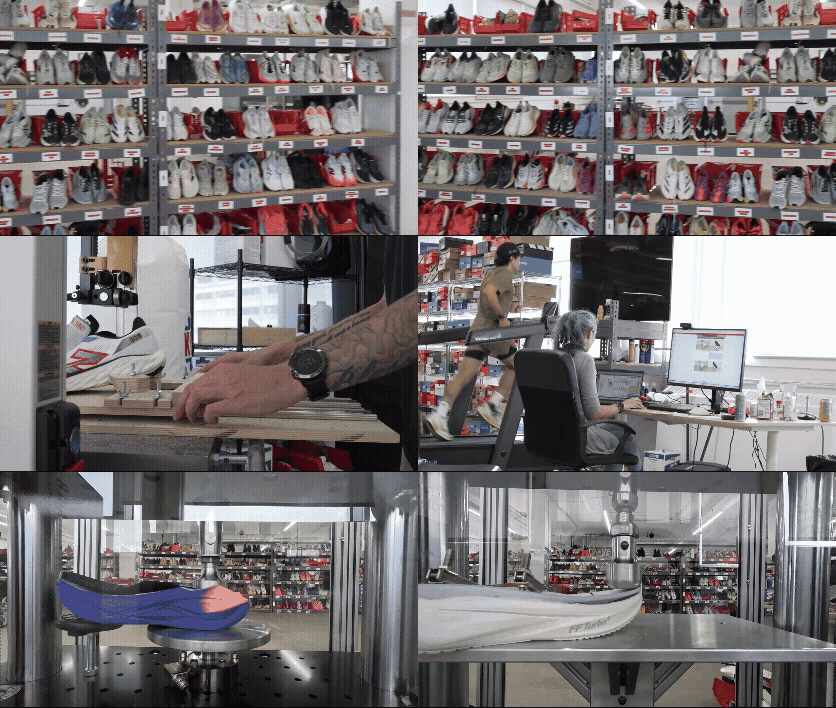
We've bought and tested more than 300 running shoes. Every pair purchased with our own money, never supplied or sponsored by brands. Our data-driven tests are designed to go beyond marketing claims, and since every shoe goes through the exact same methodology, you can directly compare results to find the right pair for your needs.
Test Results
Energy Return
Stability
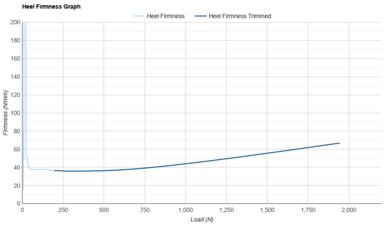
The Dynafish Xiaonian has decent lateral stability, especially considering its tall stack and soft midsole. Its wide outsole platform, especially at the arch, helps it feel controlled through regular road running and longer efforts. Still, the softer foam underfoot keeps it from feeling especially super planted during sharper turns or uneven landings.
Wide outsole platform adds stability.
Soft heel can feel less planted.
Cushioning
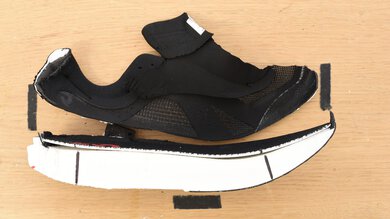
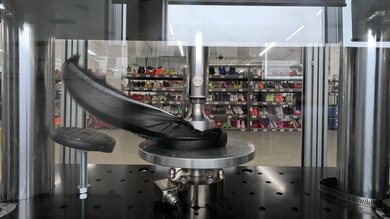
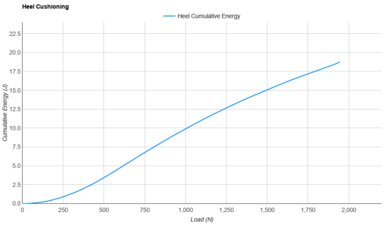
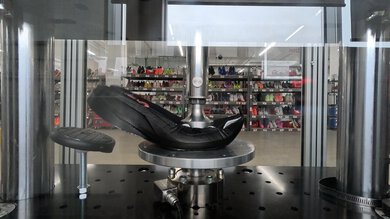
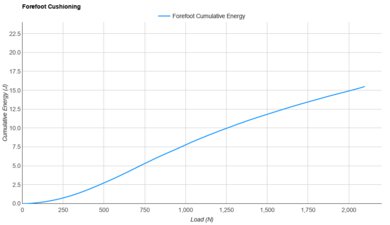
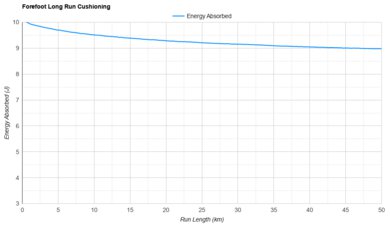
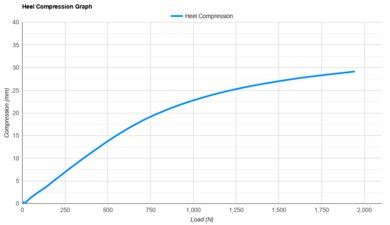
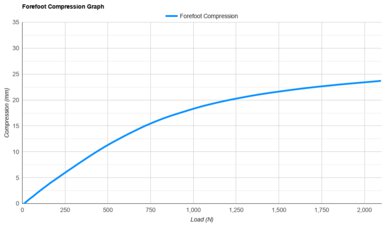
The Dynafish Xiaonian has outstanding cushioning. It delivers a very high level of impact protection under both the heel and forefoot, making it well-suited for high-mileage running and runners who want a lot of foam underfoot without a sluggish feel. The midsole has enough absorption capabilities to be suitable for long runs, though its cushioning becomes noticeably less protective after very long efforts than it feels at the start of a run.
Excellent impact protection under heel and forefoot.
Bounciness
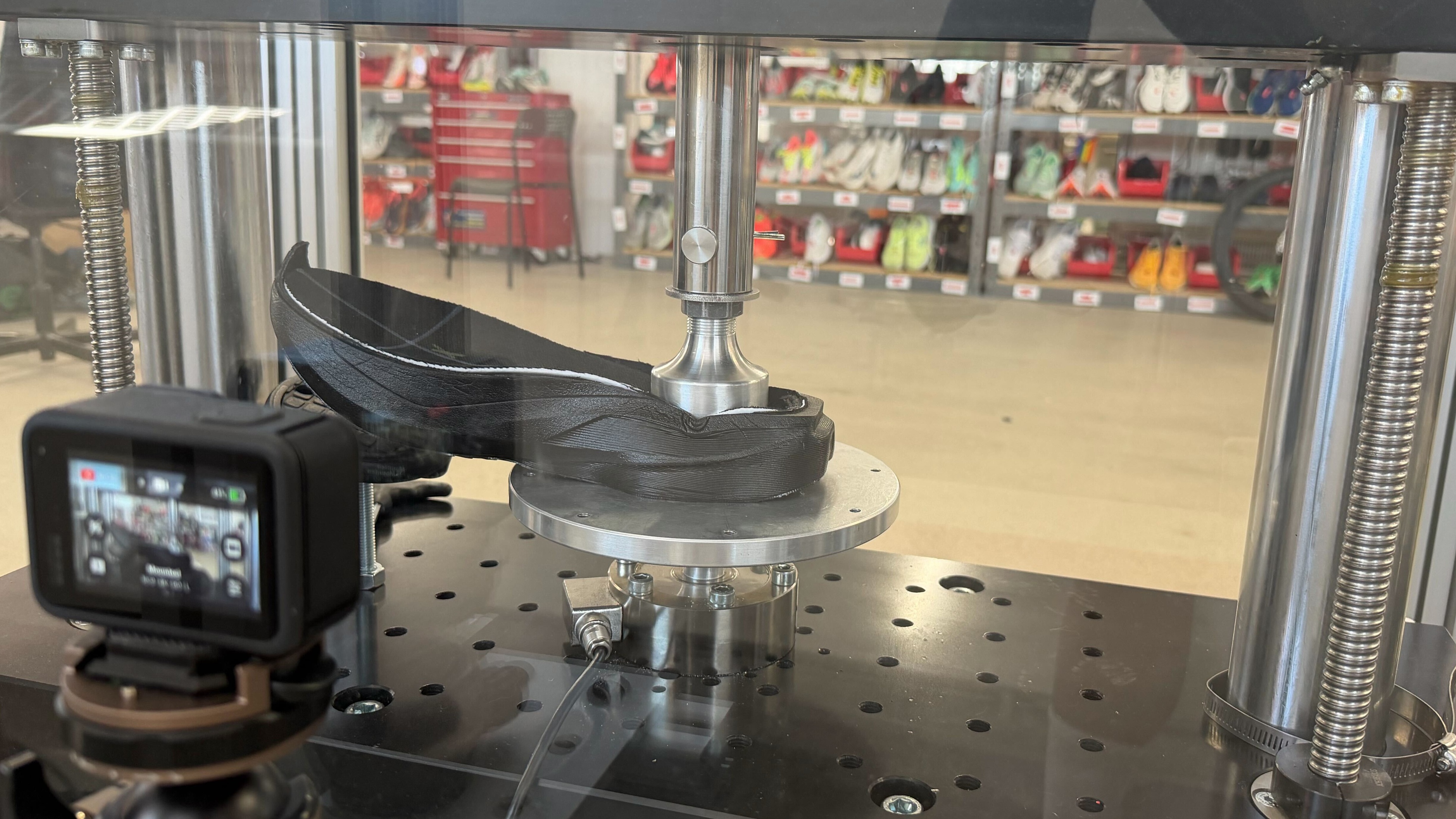
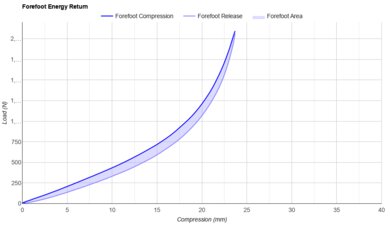
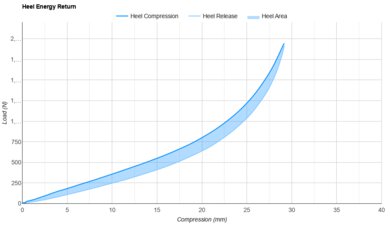
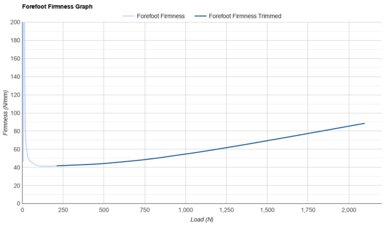
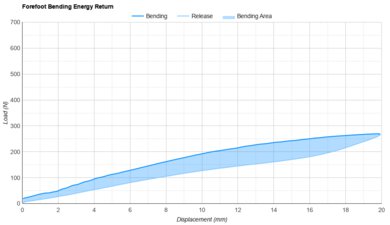
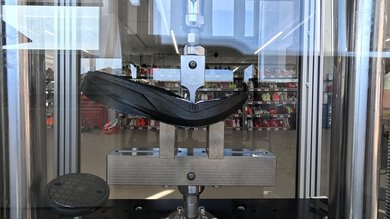
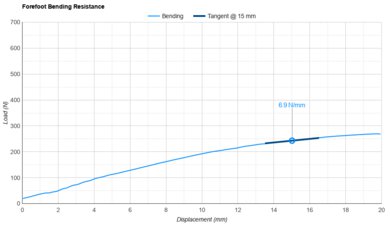
The Dynafish Xiaonian is very responsive for an unplated shoe. Its midsole returns energy well under both the heel and forefoot, and the pronounced rocker helps create a propulsive, rolling transition when you pick up the pace. It doesn't feel as rigid as a plated super trainer, since the forefoot doesn't have much bending stiffness, but that also makes it feel smoother and more adaptable across different paces.
Strong forefoot energy return.
Rockered geometry helps smooth toe-off.
No plate means the shoe isn't very stiff.
Snappiness
Roll
True To Size
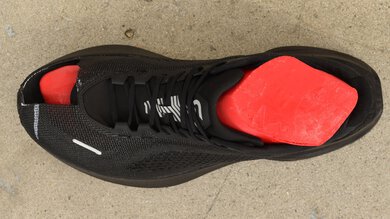
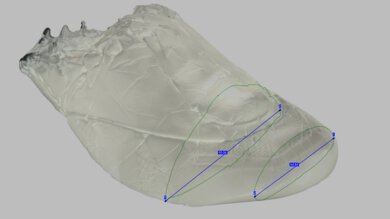
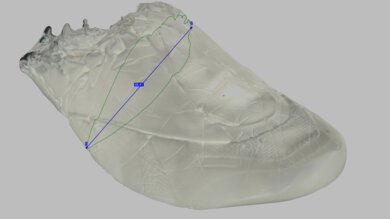
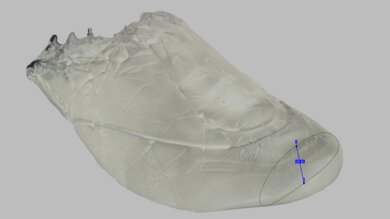
The Dynafish Xiaonian fits true to size. Its length, width, arch volume, and forefoot height all closely match our reference fit, so most runners should find it easy to get a natural fit in their usual size.
Fits true to size in length and volume.

Popular Running Shoe Comparisons
The Dynafish Xiaonian is a lightweight, high-stack performance trainer that pushes the current wave of unplated do-it-all trainers a step further. It follows the same general formula as popular shoes like the adidas Adizero Evo SL while addressing many of that shoe's biggest flaws: it's less chaotic underfoot and feels even more propulsive thanks to its very bouncy foam and more pronounced rocker. Similar uptempo trainers like the ANTA Zone 2 90, the Saucony Endorphin Azura, and the Kiprun Kipstorm Tempo also aim to balance protection for daily mileage with enough responsiveness for faster workouts, but they don't match the Xiaonian's low weight, which gives the Dynafish a more nimble feel that's especially noticeable when picking up the pace.
Within Dynafish's young lineup, the Xiaonian is only the second running shoe after the carbon-plated Silurus 1.0, making it especially impressive that the execution already feels this refined.
If you're looking for more options, take a look at our recommendations for the best running shoes and the best shoes for long runs.
The Dynafish Xiaonian is better than the Li-Ning Red Hare 9 Ultra. It has a more stable platform and works better across regular mileage. It is lightweight, which helps it feel less demanding over repeated training miles. The Red Hare 9 Ultra absorbs more impact, making it more comfortable for easy miles. It has more bounce, adding some life to everyday running.
The Dynafish Xiaonian has the edge over the ASICS MEGABLAST. It's more stable underfoot, and its low weight helps it feel less demanding over repeated training miles. The MEGABLAST absorbs more impact, making it more comfortable for easy miles. Its lively energy return also gives it range across different training paces. The MEGABLAST is easier to purchase, with wider retail availability.
The Dynafish Xiaonian is a better shoe than the ANTA Zone 2 90. It's lighter, more cushioned, and more stable, making it the more complete performance trainer. The ANTA has a bouncier ride, but its narrow midfoot and below-average stability make it harder to trust over longer distances.
The Dynafish Xiaonian is a better all-around choice than the ASICS SUPERBLAST 3 if you want a lightweight shoe for daily runs and faster efforts. It combines lower weight with greater stability and higher energy return, without giving up much impact protection. Its roomier forefoot and less restrictive arch also make the fit more accommodating. The ASICS is better for runners who prioritize maximum cushioning on long runs. It absorbs more impact as the miles add up and has a softer forefoot, but it weighs considerably more.
The Dynafish Xiaonian is a better shoe than the Kiprun Kipstorm Tempo for faster running. It's lighter and much bouncier, while still providing plenty of protection for longer efforts. The Kiprun offers a more controlled ride with deeper cushioning, so it's the better pick if regular training matters more than outright speed.
The adidas Adizero Evo SL is a better pick than the Dynafish Xiaonian for most runners, as it's much easier to buy, and its firmer feel is steadier underfoot. The Dynafish is lighter, more protective, and more responsive, so it's worth tracking down, though it's currently harder to buy.
The Dynafish Xiaonian is a better all-around training shoe than the New Balance SuperComp Rebel. It's lighter, more stable, and better cushioned under the forefoot, which makes it better suited for virtually all types of runs, including daily runs, long runs, and even racing. The New Balance shoe still has better energy return and comes in wide sizes, so it's still worth considering if you have wide feet.
The Dynafish Xiaonian is a better all-around training shoe than the Li-Ning Feidian 6 Elite. It's lighter and more stable while providing very similar impact protection, making it easier to recommend for everyday runs and longer efforts. Its much roomier arch also makes it less restrictive through the middle of the foot. The Li-Ning is better if you plan to prioritize high energy return and a softer forefoot for racing. It gives back more energy with each step, but its less stable feel makes it a more specialized choice that you can't use that much for training.
The Dynafish Xiaonian is a better shoe than the 361 Flame 5 for most runners. It's much lighter, more cushioned, more energetic, and more stable, making it far more versatile for everything from daily running to racing. The Flame 5 gives you a quicker, more forceful ride, so it's the better choice if you specifically want a carbon-plated racer, though runners with sensitive heels or Achilles tendons may want to avoid it due to its problematic heel counter.
The Dynafish Xiaonian is a better choice for various types of runs than the ASICS NOVABLAST 6, including shorter sessions, long runs, and even racing. That's because it's substantially lighter, returns more energy, and offers stronger forefoot cushioning without sacrificing stability. Its protection also holds up better over longer runs, making it a strong option for runners who want one shoe for daily mileage and faster efforts. The ASICS shoe is worth considering if you need wide sizing, which the Dynafish doesn't offer. Also, keep in mind that delivery usually takes longer for the Dynafish if you live in a Western country.
The Dynafish Xiaonian is a better running shoe than the ANTA C202 7. The much better cushioning holds up significantly better over longer distances, so it protects your legs more on long runs and even through a marathon. Its lighter, bouncier platform also returns significantly more energy, making it less tiring to run in, whether you're logging daily miles or holding race pace. It's more stable too, with a less finicky fit, so whether you're training, running long, or racing a marathon, the Dynafish is the shoe to get.
The Dynafish Xiaonian is a better running shoe than the ASICS SUPERBLAST 2. It's significantly lighter, has much better energy return, and is a bit more cushioned, so it takes less effort to run in, better protects your legs from impact, and can handle everything from faster sessions to long runs and marathon racing more comfortably. The ASICS is slightly more stable and still a great option for regular miles, but unless that extra stability is important to you, the Dynafish is the better shoe overall.
The PUMA Deviate Pure NITRO and Dynafish Xiaonian are both lightweight uptempo trainers, but the Dynafish feels like the more complete execution of the category. It's even lighter than the PUMA, while also offering more cushioning and a more responsive ride, so it feels comfortable enough at easy paces but sharper and crisper when you pick up the pace. The PUMA's main advantage is its more stable, grounded feel, which makes it easier to control during daily training, but it doesn't match the Dynafish's combination of low weight, protection, and bounce.
The Dynafish Xiaonian is a better choice than the Saucony Endorphin Azura for most runners. It's much lighter and more cushioned, and its curved sole helps carry you through each stride, but it's currently harder to buy. The Azura is easier to find, and its stiffer front gives you more leverage as you push off, so it suits runners who prefer a firmer feel.
The Dynafish Xiaonian is a better all-around running shoe than the adidas Adizero Adios Pro 4. The much better cushioning keeps your legs more protected no matter the distance, and its unplated design is also far better suited to daily miles. It's also significantly more stable, so it's much easier to trust underfoot. That said, the adidas returns more energy and is slightly bouncier, so it's the better option for shorter races.
The ANTA PG7 3 and Dynafish Xiaonian are running shoes from rival Chinese brands, but the Dynafish is a much more versatile shoe, with a higher price tag. The ANTA shoe is a solid daily trainer that works well for walking, jogging, and shorter runs. The Dynafish is a much lighter, livelier shoe that is a better choice for intervals, long runs, and more intense training. If you are just starting out running and want a shoe that you can also wear to the gym or around town, the ANTA shoe makes the most sense. If you are a more advanced runner and want a shoe that can handle all your training runs, the Dynafish's higher price tag is worth it.
The Dynafish Xiaonian and XTEP 360X 2.0 are two intriguing running shoes from different Chinese brands that offer very different experiences. The Dynafish is an unplated, deeply cushioned performance trainer that has the versatility to cover a range of paces and distances. The XTEP is a firmer, carbon-plated trainer that is lower-stacked but heavier. Its cushioning is much less effective, so it's really only a viable option for shorter runs. Overall, the Xiaonian is the more well-rounded shoe.
Differences Between Sizes And Variants
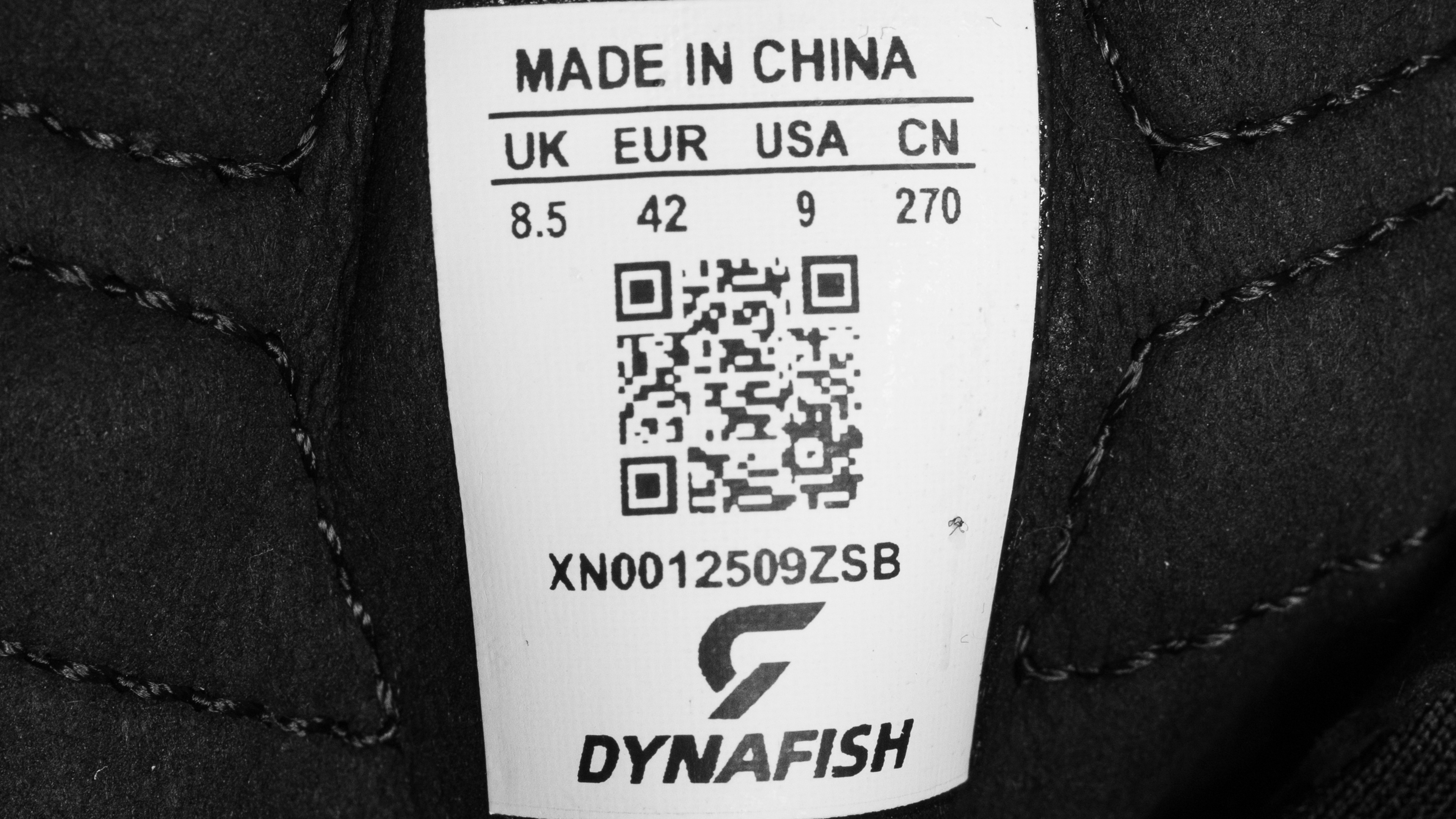
We tested the Dynafish Xiaonian in men's U.S. size 9, as indicated on the label of our unit. The specific colorway shown here is "Black 目中无人", which vaguely translates to "Be stuck-up." This model is available in additional colors as well. Availability is still variable depending on the region; in North America, it's possible to find the shoe through some online retailers, such as shopnings. Most of our review results are valid for all variants, though the design section applies only to the model we tested. We expect other size and gender variants to perform similarly.