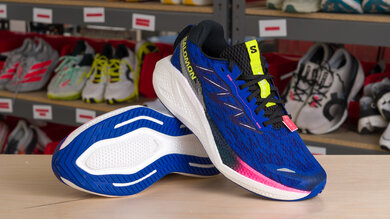
The Salomon Aero Glide 4 is Salomon's max-cushioned shoe for runners who want plenty of protection without the sluggish feel that can come with this category. Its updated TBU-based OptiFOAM² midsole gives it a well-balanced ride that makes it a jack of all trades for daily mileage, long runs, and tempo efforts. It has enough bounce to pick up the pace when needed, but it's heavier than the Salomon Aero Glide 3, so it feels less nimble and less effortless at faster speeds. Its grip is also reassuring for a road shoe, and while the cushioning feels protective and comfortable for long runs, it does lose a bit of that plush feel late into longer efforts.
Our Verdict
The Salomon Aero Glide 4 isn't designed for marathon racing, but it can work for runners who want a protective shoe rather than a dedicated racing shoe. Its excellent cushioning and good energy return help it feel comfortable and reasonably lively through extended efforts, and the high stack gives it plenty of underfoot protection. However, its heavier build and lack of a plate make it feel less efficient and less propulsive than true marathon racers, so it fits better as a long-run shoe than a performance-focused marathon option.
Lively midsole returns energy well.
Excellent impact absorption.
Too heavy to feel efficient for faster efforts.
The Salomon Aero Glide 4 isn't designed for 5K or 10K racing. Its midsole has enough bounce to handle tempo efforts and workouts, but the shoe is too heavy and not aggressive enough to feel at home at very fast paces. It works better as a cushioned daily trainer that can pick up the pace than as a lightweight, fast-turnover shoe for shorter races.
Lively midsole returns energy well.
Too heavy to feel efficient for faster efforts.
Changelog
-
Updated Jul 31, 2026:
We've updated the popular comparisons section to include a comparison with the recently reviewed Salomon Aero Blaze 4.
- Updated Jun 11, 2026: Review published.
- Updated Jun 08, 2026: Early access published.
- Updated Mar 24, 2026: Our testers have started testing this product.
- Updated Feb 25, 2026: The product has arrived in our lab, and our testers will start evaluating it soon.
- Updated Feb 23, 2026: We've purchased the product and are waiting for it to arrive in our lab.

We've bought and tested more than 300 running shoes. Every pair purchased with our own money, never supplied or sponsored by brands. Our data-driven tests are designed to go beyond marketing claims, and since every shoe goes through the exact same methodology, you can directly compare results to find the right pair for your needs.
Test Results
Energy Return
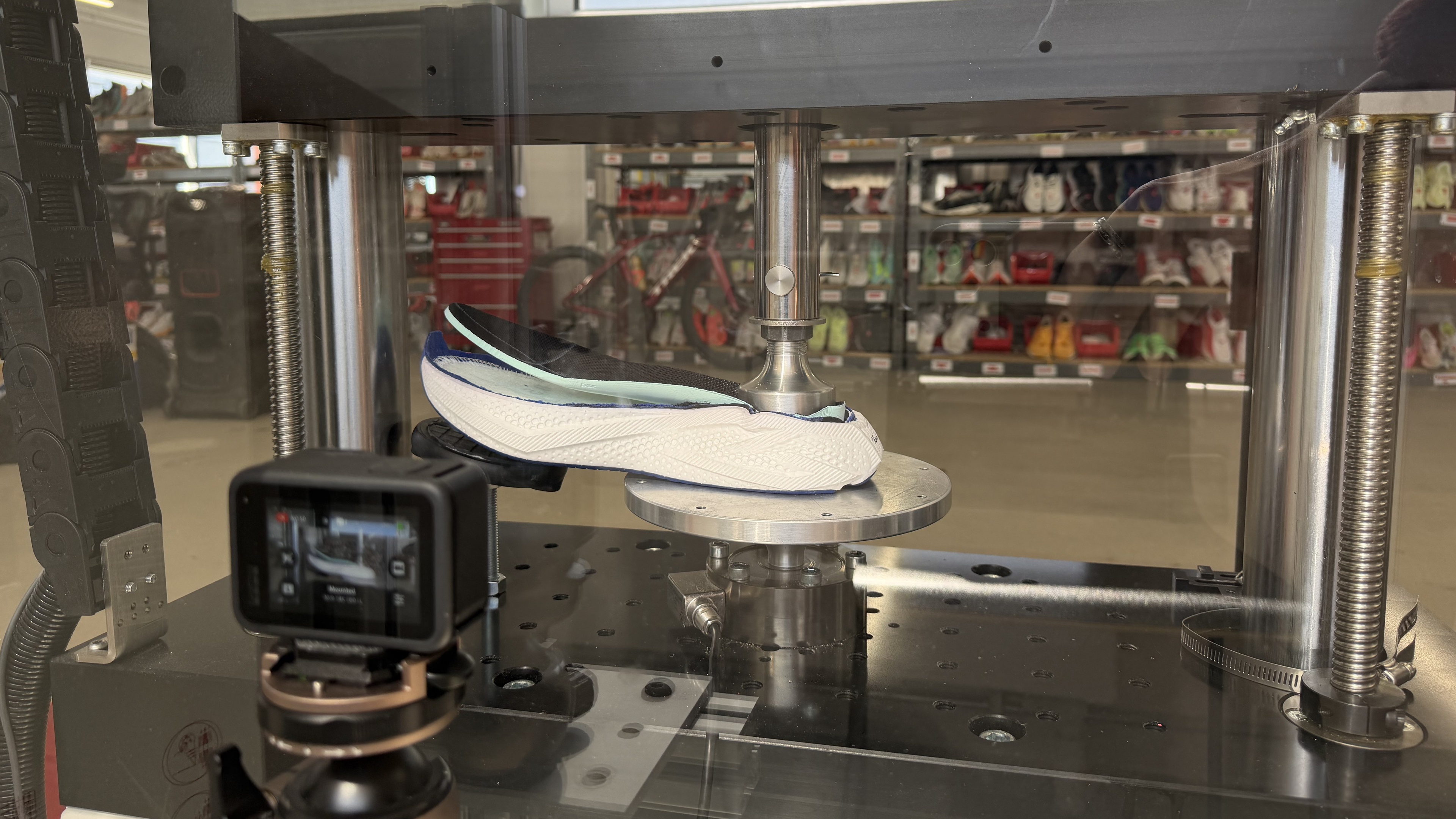
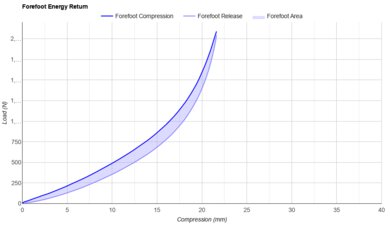
The Salomon Aero Glide 4 has good energy return, thanks to its updated TPU-based midsole, giving it a bouncy feel that adds some life to daily miles and helps when picking up the pace for tempo efforts. The forefoot feels especially bouncy, so the ride has more pop than many max-cushioned trainers and doesn't feel dull underfoot. However, the shoe still feels fairly cumbersome, so it isn't the most efficient option for faster workouts at top-end speeds.
Lively midsole returns energy well.
Forefoot feels especially bouncy.
Cushioning
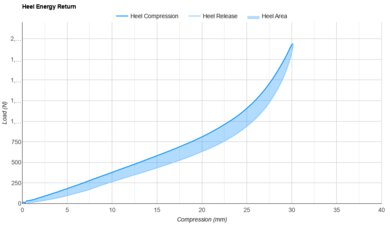
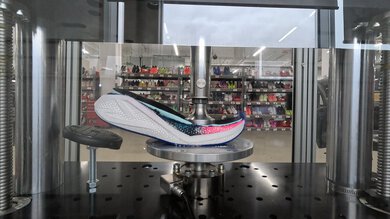
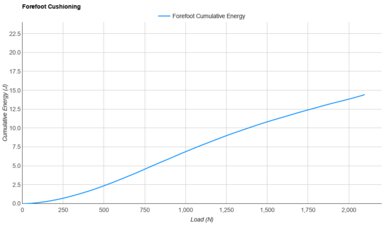
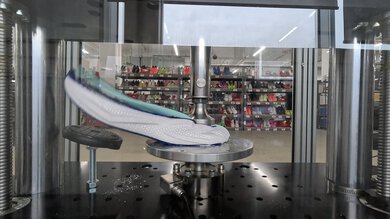
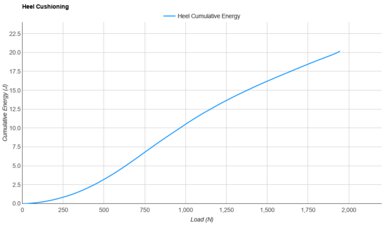
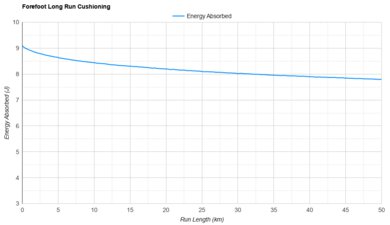
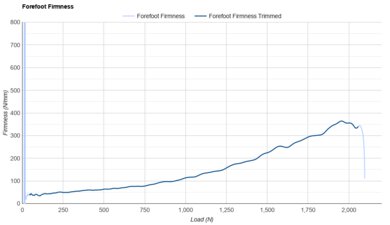
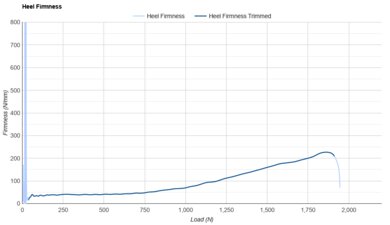
The Salomon Aero Glide 4 delivers excellent cushioning, with a very protective feel under both the heel and forefoot. This makes it a good option for most strike patterns, though heel strikers will find it especially buoyant. It has enough stack to absorb impact well during daily mileage and long runs, making it a strong option for runners who want a comfortable, high-cushion platform. That said, while the cushioning is clearly one of its biggest strengths, it won't feel quite as plush late into longer efforts.
Excellent impact absorption.
Lateral Stability
The Salomon Aero Glide 4 has decent lateral stability for a soft, high-stack trainer. Its broad outsole and secure upper help offset some of the instability that can come from its tall and cushioned platform. However, it still doesn't feel as planted as lower, firmer, or more structured daily trainers, so it's best suited to runners who don't need extra stability or guidance.
Wide platform keeps your foot planted.
Length is spot-on.
Soft foam can make the ride a bit wobbly.
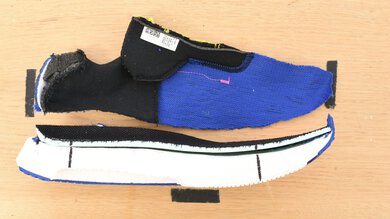
True To Size
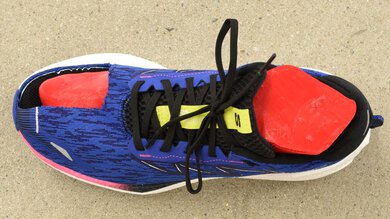
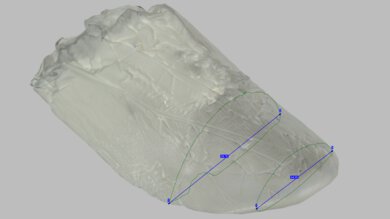
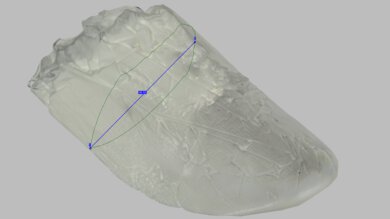
The Salomon Aero Glide 4 fits true to size overall, so most runners can confidently choose their usual size. Its length and arch fit are accurate, and the forefoot width is accommodating enough for most runners. However, the forefoot height is only okay, so runners with higher-volume feet may feel some pressure over the top of the toebox.
Fit is accurate overall.
Could use a bit more space above the toes.
Popular Running Shoe Comparisons
The Salomon Aero Glide 4 is a max-cushioned daily trainer that sits between soft, protective daily shoes and livelier trainers built to handle some faster work. In the broader market, it overlaps with shoes like the Nike Vomero Plus and the PUMA MagMax NITRO 2 as a high-stack trainer made for comfort and longer runs, but it feels lighter, less purely plush, and more rebound-focused than those options. It also shares some ground with lighter, more energetic trainers like the Saucony Endorphin Azura or the original Mizuno Neo Zen, though the Salomon's heavier build means it doesn't have the same quick, easy turnover when the pace gets faster. Its cushioning is very protective, but it loses some plushness late into longer efforts. The ASICS SUPERBLAST 3 is a better option if your long runs regularly stretch very long.
Within the French brand's growing road lineup, it sits below the Salomon S/LAB Phantasm 3, which is the brand's dedicated super shoe, and above the Salomon Aero Blaze 4 in terms of stack and protection, as the Aero Blaze 4 is a lighter, lower-stacked trainer built for faster workouts.
If you're looking for more options, check out our recommendations for the best running shoes and the best long-distance running shoes.
The Salomon Aero Glide 4 and Salomon Aero Blaze 3 sit in different parts of a training rotation despite sharing some family traits. The Aero Glide 4 is a max-cushion trainer built around comfort and protection, with a higher stack, a bouncier ride, and better long-run cushioning. The Aero Blaze 3 is the lighter and more workout-oriented option, sitting closer to the ground and offering more road feel, which makes it feel more nimble during faster efforts. While both can handle daily mileage, the Aero Glide 4 is better suited to easy runs and long outings, whereas the Aero Blaze 3 shines when the pace picks up.
The Salomon Aero Glide 4 and Salomon Aero Glide 3 represent two generations of the shoe that turned the Aero Glide line into a serious max-cushion option. The Aero Glide 3 is lighter and feels a bit more planted underfoot, giving it a slightly more restrained character. Even if the Aero Glide 4 gained weight, it moves things further forward, with a bouncier and more cushioned ride that feels softer and more protective overall. It also fits more true to size, whereas the previous version tended to run a bit long.
The Salomon Aero Glide 4 and Salomon Aero Blaze 4 are the French brand's two everyday road running shoes, each offering slightly different strengths. The Aero Glide 4 is for runners who want amazing cushioning and plan on doing longer runs, while the Aero Blaze 4 will appeal to runners who want a lighter shoe for shorter, daily outings.
The Salomon Aero Glide 4 and PUMA MagMax NITRO 2 are both max-cushion trainers built for easy miles and long runs, but they achieve that role differently. The Aero Glide 4 feels bouncier and more energetic, with a ride that encourages a bit more rhythm and flow despite its high stack. The MagMax NITRO 2 leans further into pure cushioning, delivering a more substantial and deeply protective feel, especially over longer distances. The Salomon is also lighter and feels less cumbersome when picking up the pace, while the PUMA prioritizes comfort and impact absorption above all else.
Differences Between Sizes And Variants
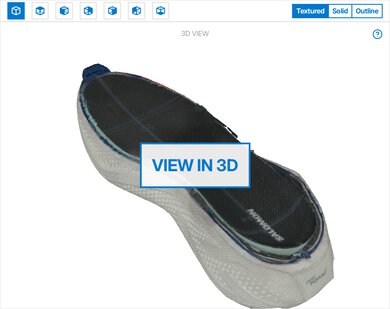
We tested the Salomon Aero Glide 4 in men's US size 9, as indicated on the label for our pair, in the Bluing/White/Black colorway. It's available in different colorways, depending on your region. There's also a GRVL edition with a different lacing system and an outsole that's meant to add extra grip for traction when you wander off the beaten path. We haven't tested this GRVL model as we don't yet have a traction test. The design section applies only to the exact model we tested, but we expect other variants to perform similarly.