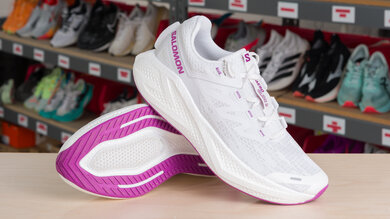
The Salomon Aero Glide 3 is a max-cushioned trainer that packs a good amount of energy return and impressive cushioning into a relatively lightweight package. Skeptical runners who were unimpressed with previous Aero Glides will find that the Aero Glide 3 has been significantly redesigned since the first and second iterations, with a bouncy new TPU-based foam and a different upper geometry that accommodates slightly wider feet, though it runs long. As befits a brand with roots in mountain sports, the outsole grip is good across a variety of surfaces. With the Aero Glide 3, Salomon has made a very versatile shoe that has enough pep for speed workouts and enough stability and comfort for daily mileage.
Our Verdict
The Salomon Aero Glide 3 is a satisfactory shoe for marathon running. The lively midsole will help keep you bouncing along, and the cushioning is durable enough to keep your legs decently protected over the marathon distance, though the forefoot gradually bottoms out over long distances. This shoe isn't optimized for racing, but if you want to train and race in the same shoe, it can do both.
Lively midsole returns energy well.
Relatively good fit in width at the arch and forefoot.
Geometry isn't designed for racing.
The Salomon Aero Glide 3 is an acceptable option for running shorter races. While it's lightweight and bouncy for a daily trainer, it's heavier than a dedicated racing shoe, and it doesn't have the aggressive geometry that gives those shoes extra propulsion.
Lively midsole returns energy well.
Relatively good fit in width at the arch and forefoot.
Geometry isn't designed for racing.
Changelog
-
Updated Jun 04, 2026:
We mentioned the Salomon S/LAB Phantasm 3 in the Popular Running Shoe Comparisons section of the review.
-
Updated Feb 16, 2026:
We updated the text in the Fit usage box to clarify our interpretation of the results.
-
Updated Feb 16, 2026:
We updated the review to include text for the full set of new fit tests and the corresponding usage box, which were recently added to our test bench.
- Updated Feb 16, 2026: We've converted this review to Test Bench 0.10, adding a new set of fit tests to the Design section and an overall fit performance usage. Check out the details in our changelog.
- Updated Jan 20, 2026: Review published.
- Updated Nov 12, 2025: Early access published.
- Updated May 14, 2025: Our testers have started testing this product.
- Updated Apr 23, 2025: The product has arrived in our lab, and our testers will start evaluating it soon.
- Updated Apr 11, 2025: We've purchased the product and are waiting for it to arrive in our lab.

We've bought and tested more than 250 running shoes. Every pair purchased with our own money, never supplied or sponsored by brands. Our data-driven tests are designed to go beyond marketing claims, and since every shoe goes through the exact same methodology, you can directly compare results to find the right pair for your needs.
Test Results
Energy Return
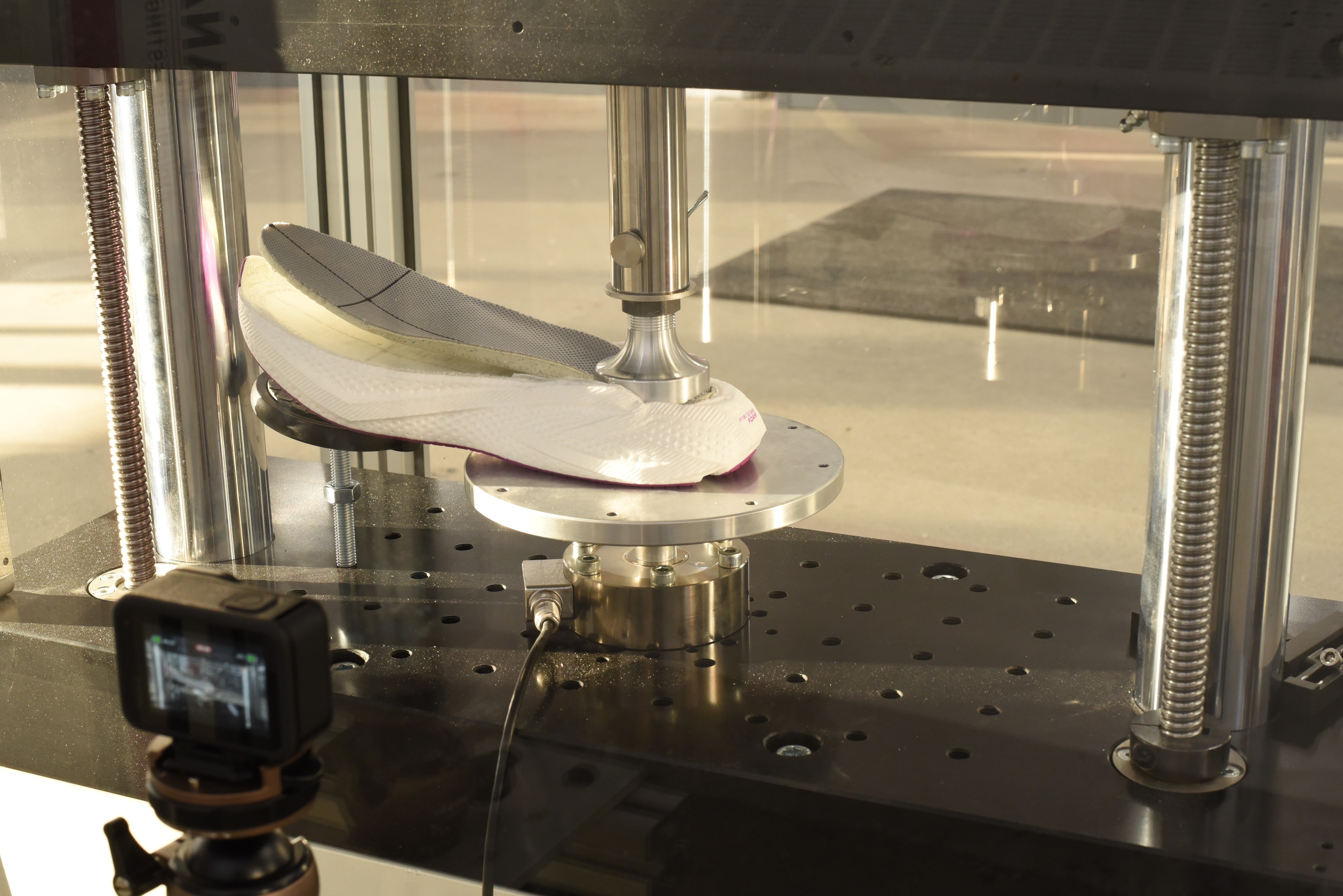
The Salomon Aero Glide 3 has good energy return with a lively midsole that gives back the more you put into it. The forefoot is especially bouncy, with a nice spring-like sensation at push off.
Lively midsole returns energy well.
Forefoot is particularly bouncy.
Relatively good fit in width at the arch and forefoot.
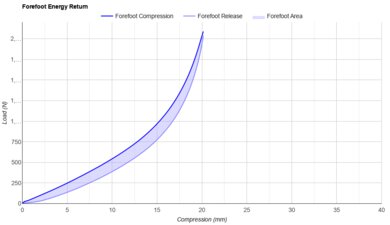
The forefoot of the Salomon Aero Glide 3 gives good bounce back, with a trampoline-like feel at push-off. It has better energy return than the ASICS NOVABLAST 5 or ASICS SUPERBLAST 2, but falls short of the liveliness of the adidas Adizero Evo SL.
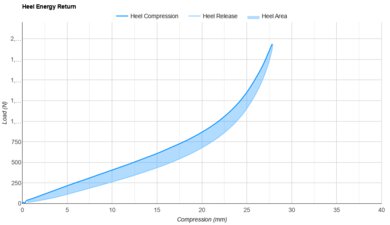
The energy return in the heel of the Salomon Aero Glide 3 is decent, giving just enough back to help spring you forward onto your toes. The bounce is comparable to that of the ASICS SUPERBLAST 2 or the Saucony Triumph 23.
Cushioning
The Salomon Aero Glide 3 has impressive cushioning, especially for such a lightweight shoe. The excellent cushioning under the heel makes this a particularly appealing shoe for heel strikers.
Cushioning in the heel is excellent.
Great overall impact absorption.
Relatively good fit in width at the arch and forefoot.
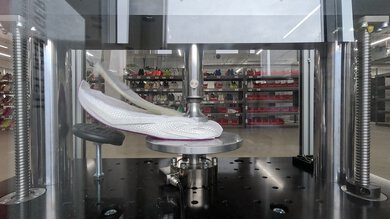
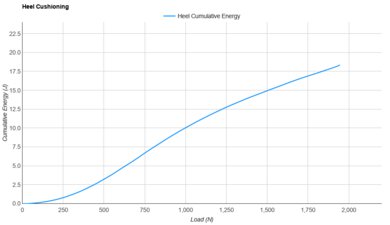
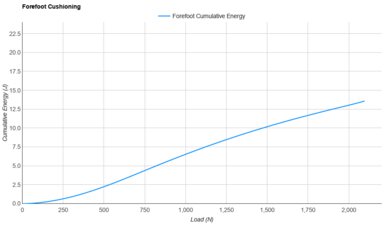
The heel cushioning of the Salomon Aero Glide 3 is amazing. The updated TPU midsole does an excellent job of absorbing impact across a range of force levels. Lighter runners or less forceful heel strikers will find the Aero Glide 3 more protective than higher-stacked shoes like the Brooks Glycerin Max 2 or ASICS SUPERBLAST 2, though heavy heel strikers will get a bit less protection.
Lateral Stability
The Salomon Aero Glide 3 has decent lateral stability. The midsole's softness and lightness can make it feel unstable when you step in, but it firms up enough during running to keep most runners on a sure footing.
Solid platform geometry.
Relatively good fit in width at the arch and forefoot.
Soft, lightweight foam isn't the most stable.
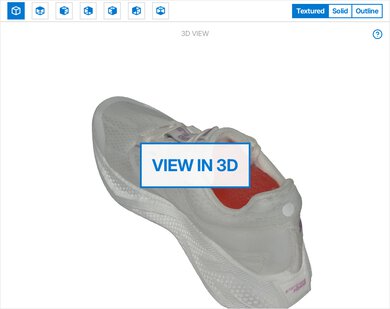
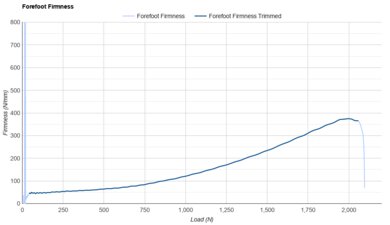
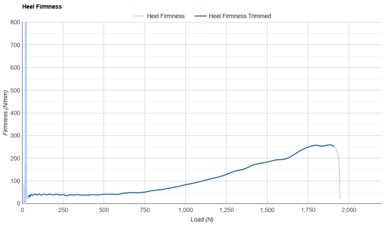
The forefoot of the Salomon Aero Glide 3 starts off much firmer than the heel, but follows a similar pattern, firming up much faster than other shoes. This helps keep turnover high when you start picking up the pace.
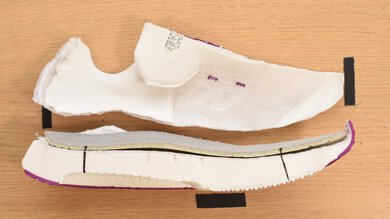
True To Size
The Salomon Aero Glide 3 fits well overall, with a long length characteristic of the French brand that gives your toes extra space up front, perhaps a bit too much. That said, the forefoot is true to size in terms of width, though it can feel a bit snug vertically if you have a higher-volume forefoot. Overall, it's a fit that's relaxed in length while staying reasonably secure through the midfoot.
Relatively good fit in width at the arch and forefoot.
On the longer side.
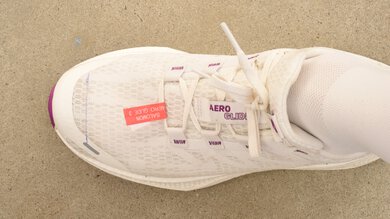
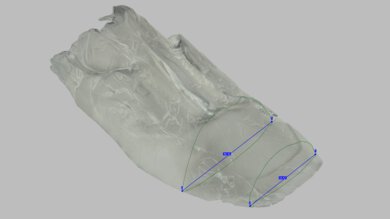
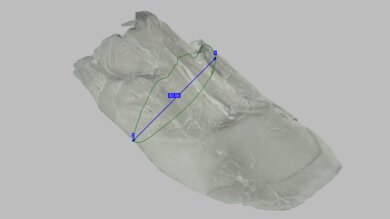
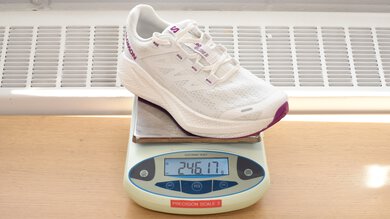
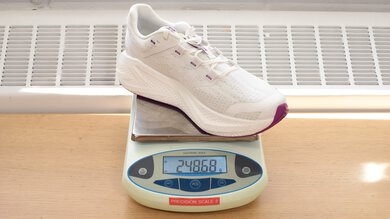
The Salomon Aero Glide 3 has shaved considerable weight compared to the Salomon Aero Glide 2, thanks to the updated foam, which is considerably lighter and bouncier.
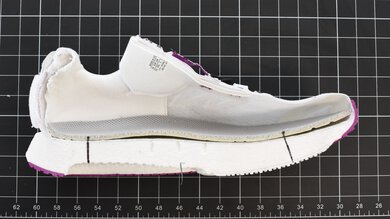
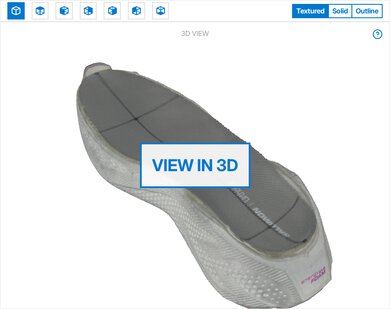
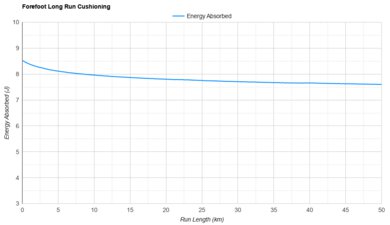
The cushioning in the forefoot of the Salomon Aero Glide 3 provides satisfactory protection over long runs, losing much of its absorption after the first 10k, but stabilising thereafter. For runs longer than 20k, it holds up slightly better than the ASICS NOVABLAST 5, but is much less protective than the ASICS SUPERBLAST 2.
Popular Running Shoe Comparisons
The Salomon Aero Glide 3 represents the French outdoor company's most convincing take on a daily road-running shoe yet. With a lightweight, TPU-based midsole that delivers impressive cushioning and good energy return, Salomon has now produced a highly-cushioned daily trainer that approaches the versatility and performance of the ASICS NOVABLAST 5 or ASICS SUPERBLAST 2, weighing almost exactly the same, and proving as capable of covering daily miles as picking up the pace for tempo workouts. For longer runs, a slightly heavier but equally bouncy shoe like the Saucony Hurricane 25 will provide better cushioning.
Salomon's road running lineup is still evolving and feels incomplete compared to brands that have been focused on the roads for longer, but the Aero Glide 3 stands out as the most versatile shoe. The Salomon Aero Blaze 3 is a lighter, lower-stacked trainer that is better suited to speed workouts but lacks cushioning for longer runs. There is also the Salomon DRX Bliss, which is a stability-focused trainer. Salomon has several racing shoes released under the S/Lab brand, including the Spectur, which is designed for 3:30 (or slower) marathoners, and the Salomon S/LAB Phantasm 3, which is aimed at faster marathoners.
For more options, check out our recommendations for the best running shoes to find the perfect pair.
The Salomon Aero Blaze 3 and Salomon Aero Glide 3 form the core of the French outdoor company's foray into road running shoes. The Aero Blaze 3 is a lightweight, lower-stacked trainer designed for faster workouts and better suited to shorter distances, thanks to its thinner midsole. The Aero Glide 3 is a higher-stacked trainer that still packs a punch in terms of energy return, but is much more heavily cushioned. This makes it a better choice for long runs than the Aero Blaze 3. If you want a one-shoe rotation, the Aero Glide 3 is a worthwhile contender, while the Aero Blaze 3 makes the most sense for runners with several shoes in rotation who want a lightweight, unplated shoe for speed workouts.
The Salomon Aero Glide 4 and Salomon Aero Glide 3 represent two generations of the shoe that turned the Aero Glide line into a serious max-cushion option. The Aero Glide 3 is lighter and feels a bit more planted underfoot, giving it a slightly more restrained character. Even if the Aero Glide 4 gained weight, it moves things further forward, with a bouncier and more cushioned ride that feels softer and more protective overall. It also fits more true to size, whereas the previous version tended to run a bit long.
The ASICS NOVABLAST 5 and Salomon Aero Glide 3 are two versatile daily trainers that perform similarly across a wide range of roles in a shoe rotation, capable of handling daily miles, workouts, and long runs. The Salomon is better cushioned in the heel, so heavy heel strikers will get better protection. The Salomon also has better energy return, making it a better pick if you plan to do lots of speed workouts. The ASICS still offers very good cushioning but provides a firmer feel underfoot. Overall, the more relaxed geometry of the ASICS makes it a good option for runners who want some versatility but are not aiming for top speed.
The HOKA Clifton 10 and Salomon Aero Glide 3 are both versatile running shoes with a variety of uses, but they serve different overall aims. The Salomon shoe, with its bouncy midsole and impressive cushioning, can handle daily miles and a variety of uptempo workouts, from intervals to fartleks to strides. The HOKA shoe is also a solid, reliable workhorse that can handle daily miles, but its versatility stretches in the opposite direction: it's a comfortable shoe for easy runs, walking around, or a job where you have to be on your feet all day.
The Salomon Aero Glide 3 and Salomon S/LAB Phantasm 3 occupy completely different roles within the French brand’s lineup. The Aero Glide 3 is a max-cushioned trainer built for easy miles and long, comfortable runs, while the S/LAB Phantasm 3 is a race-day shoe focused on minimizing weight and maximizing efficiency. The S/LAB is much lighter and includes a carbon plate, but its midsole is surprisingly restrained by modern super shoe standards. In fact, the Aero Glide 3's midsole returns more energy and feels bouncier underfoot. The S/LAB instead relies more heavily on its lightweight construction, aggressive geometry, and carbon plate to generate propulsion.
Differences Between Sizes And Variants
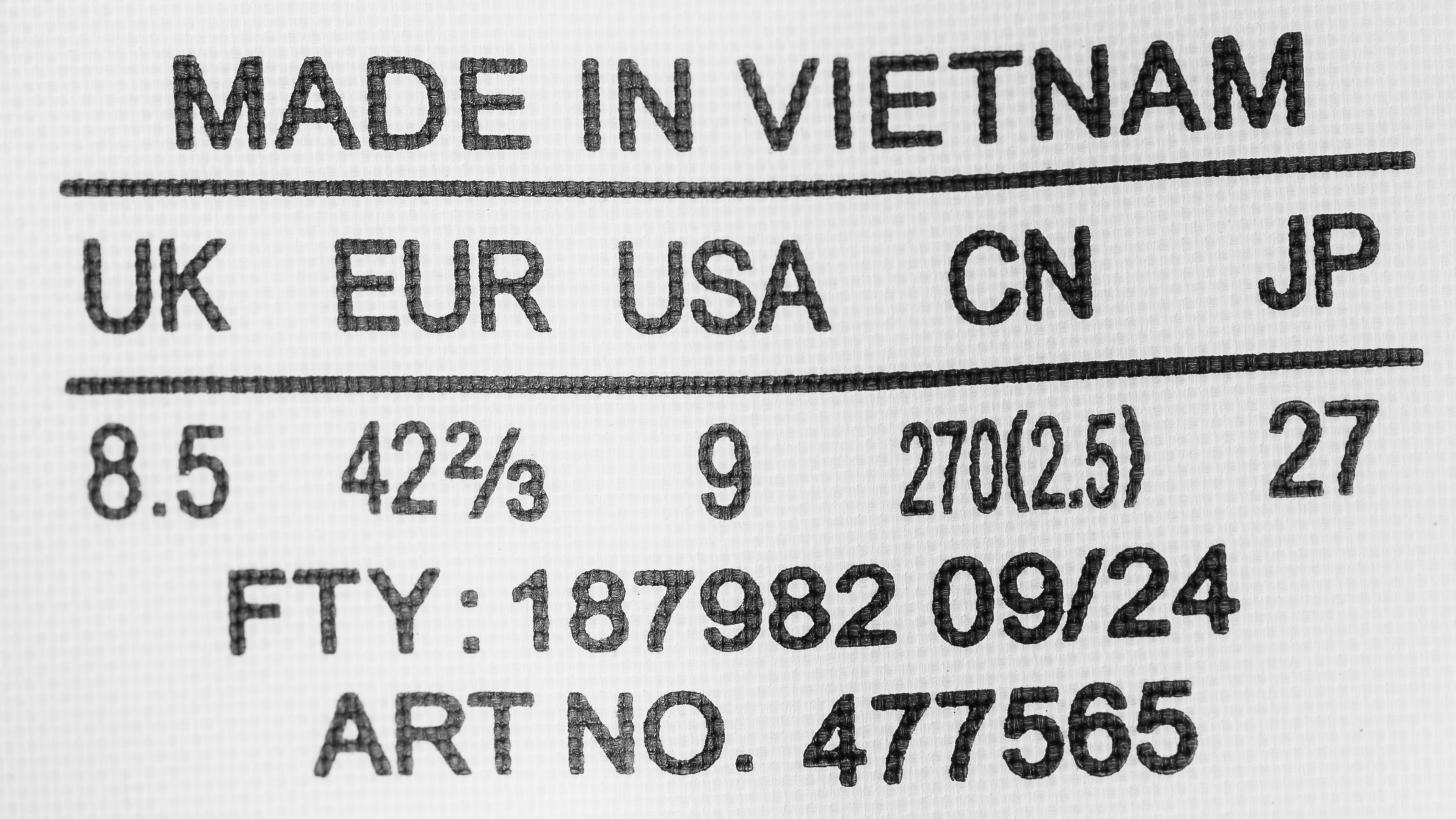
We tested the Salomon Aero Glide 3 in men's US size 9, as indicated on the label for our pair, in the evocatively named White / White colorway. It's available in different colorways, depending on your region. There's also a GRVL edition of the Aero Glide 3 that adds extra grip to the outsole for traction on non-road surfaces. We haven't tested this model, and we don't yet have a traction test. The design section applies only to the exact model we tested, but we expect other variants to perform similarly.