The Mizuno Hyperwarp Pro is a stable super shoe designed to make long-distance racing feel more controlled and predictable, especially for slower marathoners and runners who want a safer, more guided ride. It uses a Mizuno Enerzy XP midsole made from a supercritical TPEE compound paired with a full-length, carbon-infused nylon plate to deliver efficient propulsion without the overly aggressive feel of many top-end racers. It features a relatively wide platform and a nice rocker that helps steady the transition, while the high stack of premium foam still provides generous underfoot protection. Within Mizuno's new Hyperwarp racing lineup, it's the most support-oriented option, sitting alongside the ultra-minimal Mizuno Hyperwarp Pure and the more performance-focused Mizuno Hyperwarp Elite.
Our Verdict
The Mizuno Hyperwarp Pro is very well-suited for marathon racing, offering a protective platform that holds up over longer efforts. Its solid cushioning and energy return help reduce fatigue late in the race, while its good lateral stability gives it a more composed and reassuring feel than many aggressive super shoes. However, its forefoot doesn't feel especially snappy or propulsive, but for runners targeting steady marathon pacing, it provides a confident and controlled ride that feels especially dependable over the distance.
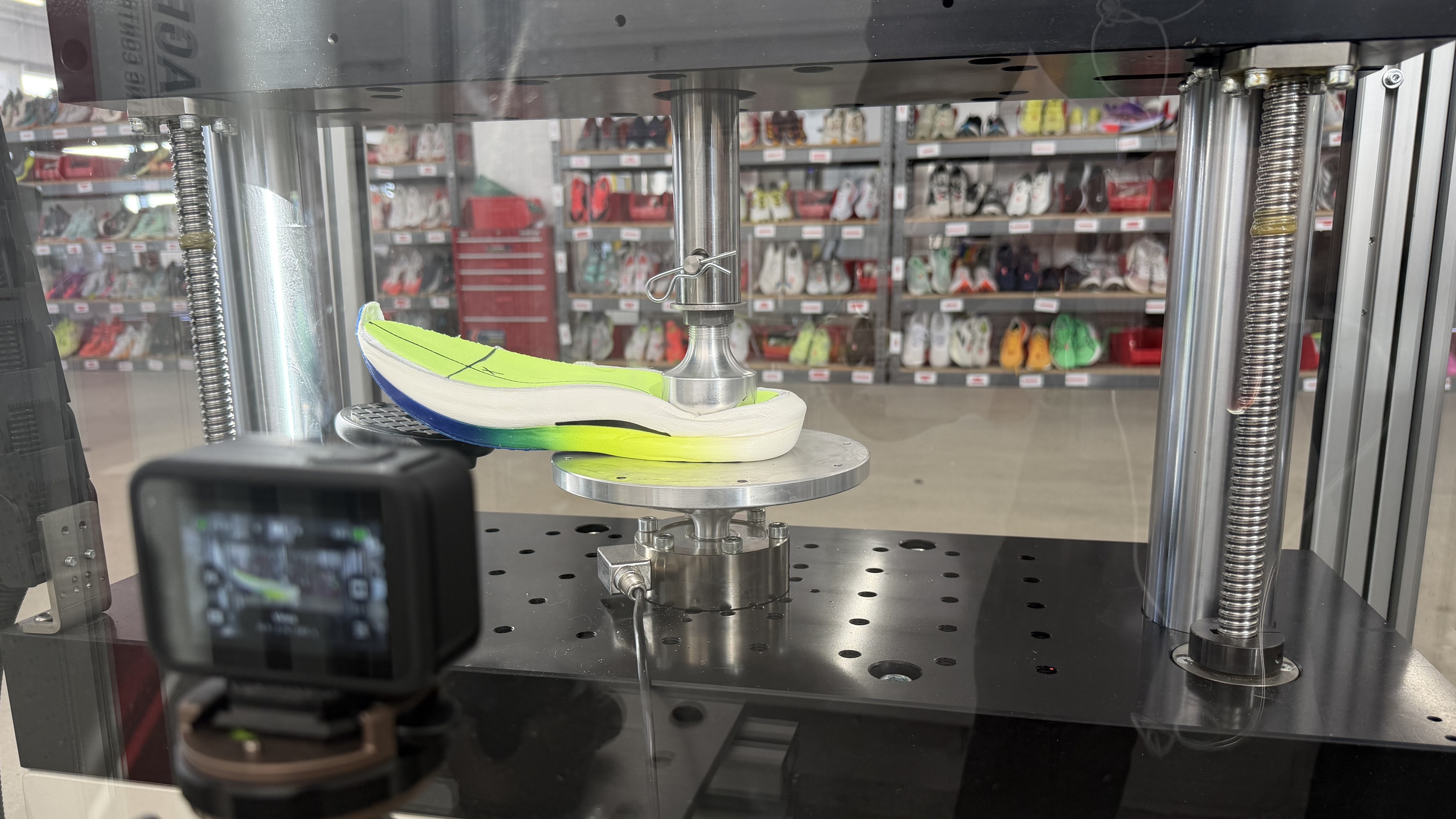
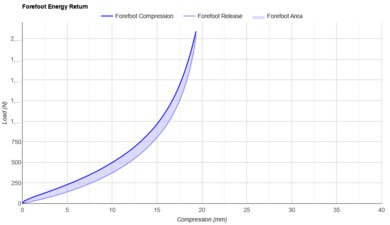
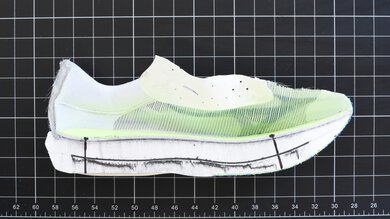
Dual-layer midsole delivers strong, consistent rebound.
Full-length carbon plate adds some stiffness.
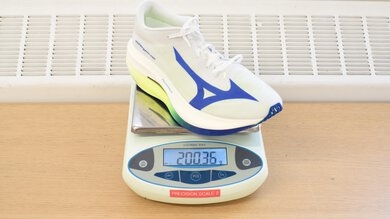
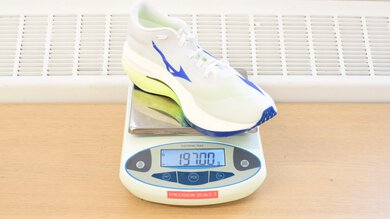
Lightweight.
Generous heel cushioning.
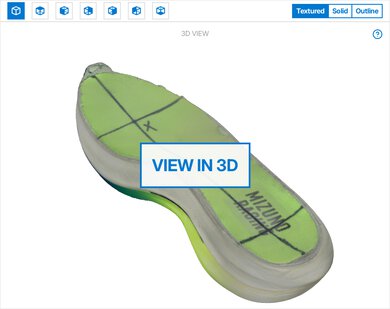
Relatively wide platform keeps the ride planted.
The Mizuno Hyperwarp Pro performs well for 5K and 10K racing. Its low weight and firm forefoot platform help keep it feeling efficient at faster paces, yet its geometry and overall tuning prioritize stability over explosiveness, which isn't very useful for shorter distances. Overall, it's certainly race-capable, but its more controlled design makes it a bit less ideal than the most aggressive, purpose-built top-end racers.
Dual-layer midsole delivers strong, consistent rebound.
Full-length carbon plate adds some stiffness.
Lightweight.
Changelog
- Updated Jun 17, 2026: We've converted this review to Test Bench 0.12, which fixes how we measure firmness, a component of the Stability and 5K/10K Racing usages. There may be inconsistencies between the text and the scores for these usages, but the scores should still be considered valid. We've also brought back the Energy Return score and added two new usages: Daily Training and Long Run. To read more about the changes, see the changelog.
-
Updated Apr 30, 2026:
We've updated this review to add text for the new Responsiveness usage box and made minor phrasing adjustments throughout the review for consistency.
- Updated Apr 28, 2026: We've converted this review to Test Bench 0.11, adding two new rocker measurements to the Design section, and three new responsiveness tests to the Performance section. The Energy Return usage score has been replaced with Responsiveness. Check out the details in our changelog.
-
Updated Mar 05, 2026:
We updated the plate type in the Other Features section of the review to provide a more accurate description of the shoe's materials.
-
Updated Mar 05, 2026:
Following Test Bench 0.10, we wrote the full review with the most recent testing and results available.
- Updated Feb 20, 2026: We've converted this review to Test Bench 0.10, adding a new set of fit tests to the Design section and an overall fit performance usage. Check out the details in our changelog.
- Updated Feb 16, 2026: Review published.
- Updated Feb 05, 2026: Our testers have started testing this product.
- Updated Jan 16, 2026: The product has arrived in our lab, and our testers will start evaluating it soon.
- Updated Jan 08, 2026: We've purchased the product and are waiting for it to arrive in our lab.

We've bought and tested more than 250 running shoes. Every pair purchased with our own money, never supplied or sponsored by brands. Our data-driven tests are designed to go beyond marketing claims, and since every shoe goes through the exact same methodology, you can directly compare results to find the right pair for your needs.
Test Results
Energy Return
Stability
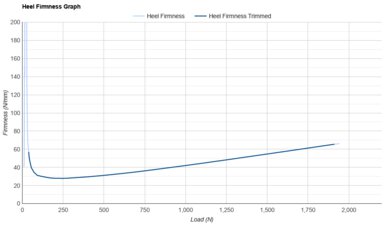
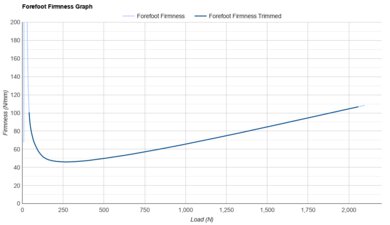
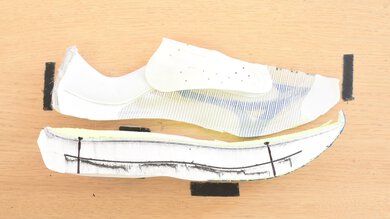
The Mizuno Hyperwarp Pro provides good lateral stability, which is especially rare for a high-stack super shoe. Its relatively wide platform and straightforward design keep it feeling steady, giving it a more stable character than most other racing shoes, making for a reassuring option for runners who want extra composure at speed.
Full-length carbon plate adds some stiffness.
Relatively wide platform keeps the ride planted.
Firmer midsole tuning at the forefoot helps with stability.
Cushioning
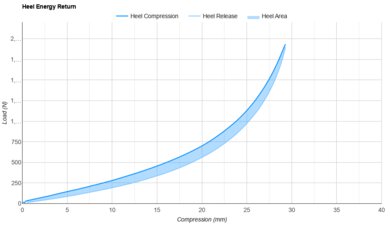
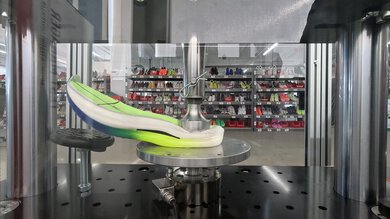
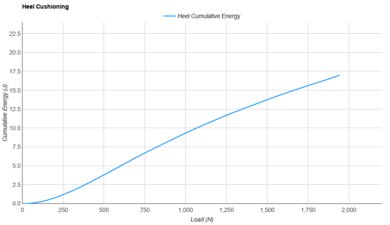
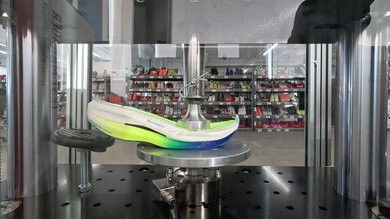
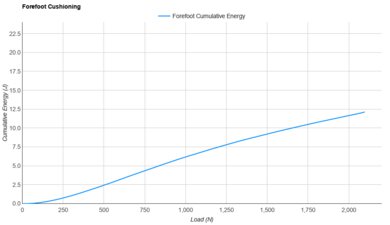
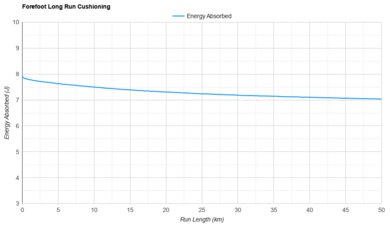
The Mizuno Hyperwarp Pro delivers a great level of cushioning, with generous underfoot protection at both the heel and forefoot. The heel feels particularly well-padded for long-distance comfort, while the forefoot remains protective but a bit less in comparison, especially at higher forces. This makes it a compelling choice for runners who want substantial impact protection without sacrificing a stable feel.
Generous heel cushioning.
Responsiveness
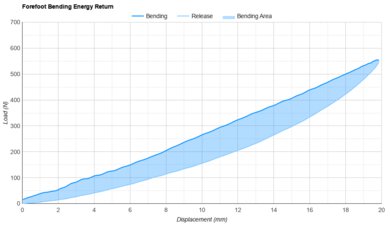
The Mizuno Hyperwarp Pro offers strong responsiveness, with a responsive forefoot and a bouncy heel that work together to create an efficient toe-off. The rebound feels noticeable and consistent, helping maintain rhythm over longer efforts. That said, the forefoot rocker isn't the most pronounced. Therefore, while it may not feel as responsive as some elite-tier racers, it provides a balanced and reliable bounce that supports fast, steady running.
Dual-layer midsole delivers strong, consistent rebound.
Full-length carbon plate adds some stiffness.
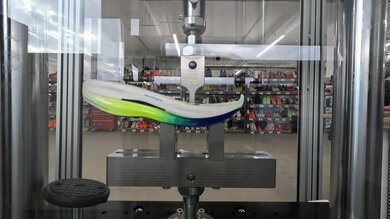
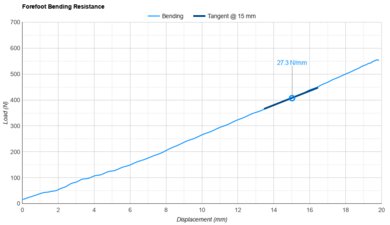
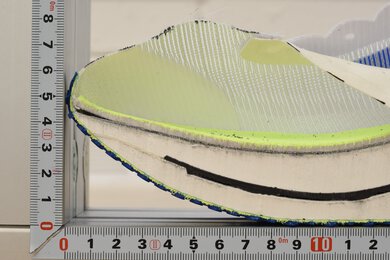
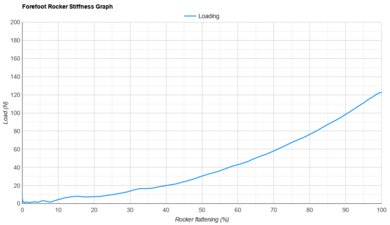
True To Size
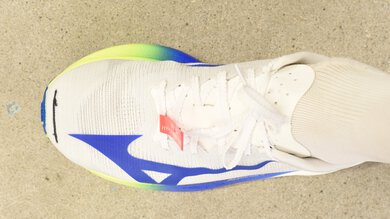
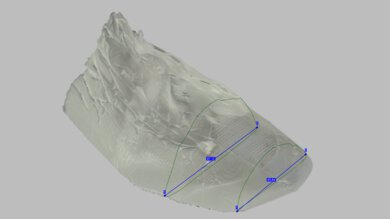
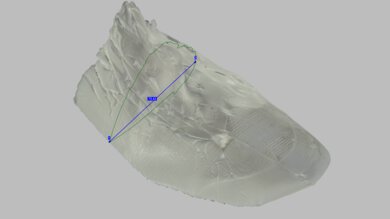
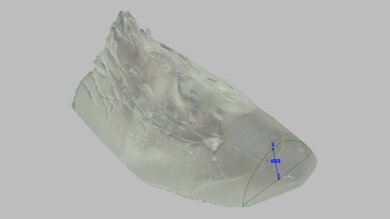
The Mizuno Hyperwarp Pro fits a bit short in length and doesn't offer much extra vertical room in the toe box, which can become noticeable once your feet swell during longer runs or races. Because of that, going up half a size is the safer choice for most runners to reduce the chance of uncomfortable pressure points late in the run. On the plus side, there is quite a bit of lateral room in the forefoot. Keep in mind that the arch area is also very narrow and can feel constricting, especially for higher-volume feet.
Good amount of lateral space for your toes to splay.
Arch area can feel constricting.
Runs short with limited vertical toe box room.
Popular Running Shoe Comparisons
The Mizuno Hyperwarp Pro is a stability-oriented super shoe built for long-distance racing with a controlled and protective feel. Within Mizuno's Hyperwarp series, it sits as the more approachable option, feeling noticeably less aggressive than the Mizuno Hyperwarp Elite and far more substantial than the lower-stack Mizuno Hyperwarp Pure. While the Elite inspires with a more propulsive and lighter, more efficient ride, the Pro trades some of that excitement for composure, delivering a firmer, more grounded platform that feels safer and more predictable over the marathon distance.
In the broader super shoe market, taking this more approachable route often means giving up performance in the form of extra weight and less bounce or cushioning, and that tradeoff is usually obvious. This is still present here to some extent, but far less than in similarly positioned options. Compared to the On Cloudboom Max, which sacrifices a lot in every department, or the Saucony Endorphin Pro 5, which is solid but not quite as light or protective, the Hyperwarp Pro truly stands out. Against the New Balance FuelCell SuperComp Elite v5, which has a similarly approachable geometry, the Mizuno is more stable. One of the closest alternatives is the Diadora Gara Carbon 2, which delivers a bouncier sensation underfoot but feels slightly less protective over longer efforts. Runners who want maximum efficiency for elite racing will be better served by more performance-focused super shoes like the PUMA Fast-R NITRO Elite 3, while those who prefer an unplated option should look toward options like the ASICS MEGABLAST or ASICS SUPERBLAST 3 for ultimate race-day comfort.
For more options, check out our recommendations for the best running shoes, or more specifically, for the best long-distance running shoes and the best shoes for running a marathon.
The Mizuno Hyperwarp Elite and Mizuno Hyperwarp Pro sit in the same super shoe family and share a similar race-ready intent, but their midsoles are tuned for different priorities. The Elite feels like the more efficiency-driven sibling, with a midsole that offers better protection and resists bottoming out as the distance piles up, making it the more confidence-inspiring option for longer races where top performance matters. The Elite is also noticeably lighter, delivering top-tier efficiency that the Pro simply can't match. The Pro feels more approachable by shifting the focus toward stability and structure, using a wider base, a firmer forefoot, and a plate setup that sits closer to the ground, which makes toe-off feel more controlled but rather uninspiring compared to the Elite.
The Mizuno Hyperwarp Pro and Mizuno Hyperwarp Pure sit in the same Hyperwarp family but target very different race-day priorities. The Pure is the more minimal short-distance racer, sitting lower to the ground and feeling much lighter with a more energetic midsole that makes turnover feel fast, though it's noticeably less protective over longer efforts. The Pro adds more cushioning and a more substantial stack, leaning into a more stable, more controlled super-shoe feel that's easier to manage when the pace is high and the distance starts to add up. Interestingly, despite the Pro's stability-focused positioning, the Pure can actually feel a bit more laterally stable simply because it's so much closer to the ground, while the Pro stands out for being very stable for a higher-stacked super shoe.
The Mizuno Hyperwarp Pro and Diadora Gara Carbon 2 are both approachable super shoes that prioritize stability and long-distance control. The Mizuno leans more toward protection, offering a more cushioned ride while weighing a bit less as well. The Diadora, on the other hand, delivers a noticeably bouncier and more energetic underfoot sensation, making it feel livelier at faster paces, though it doesn't feel quite as protective initially, and it's also heavier, which negatively impacts running economy. Both stand out as two of the strongest options in this more stable, controlled super shoe subcategory, with the Mizuno favoring protection, and the Diadora emphasizing rebound and stability.
The Mizuno Hyperwarp Pro and Saucony Endorphin Pro 5 are both stable, approachable super shoes, but they deliver that accessibility in different ways. The Mizuno feels more protective, with a higher forefoot stack that reduces ground feel and makes the ride feel more protective, and it also weighs less, which helps it feel more efficient overall. The Saucony Endorphin Pro 5 leans more toward stability and control, giving you a more confidence-inspiring platform when you're pushing hard, and its fit is closer to true-to-size. In terms of use, the Mizuno makes more sense when you want a lighter, more protective race shoe for long distances, while the Saucony tends to suit fast workouts and shorter-distance racing better.
Differences Between Sizes And Variants
We tested the Mizuno Hyperwarp Pro in men's US size 9, as indicated on the label for our pair. This shoe is currently only available in the White/Lightning Yellow colourway. Mizuno uses unisex sizing for this model, and wide versions aren't currently available. The design section applies only to the exact model we tested, but we expect other size and gender variants to perform similarly.