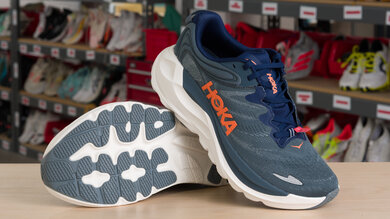
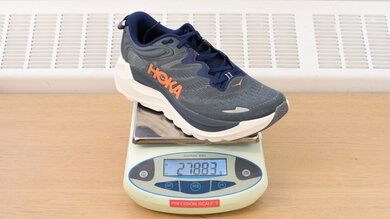
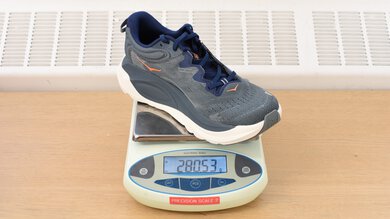
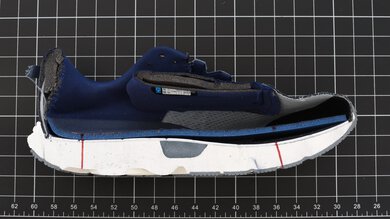
The HOKA Gaviota 6 is a premium support trainer and a long-awaited update to HOKA’s most protective stability model. Its stack height is a bit lower than the HOKA Gaviota 5, but the midsole still feels quite protective, while maintaining a very stable, subtly guided ride. Despite the updated upper, which adds more padding around the heel collar, the shoe still feels noticeably lighter than the previous version, making for a more refined overall running experience. That combination makes it a strong option for people who spend a lot of time on their feet, or walk often, but still want a supportive shoe that can also handle the occasional midweek jog. It delivers some support to correct overpronation, mainly through its H-Frame, a firmer foam structure shaped like an H that adds guidance and stability on both sides of the foot. Overall, compared with most shoes in its category, the Gaviota feels lighter and less clunky underfoot.
Our Verdict
The HOKA Gaviota 6 isn't designed for marathon racing. It has good initial cushioning and stack to keep your legs reasonably protected, and its very stable platform can be reassuring. However, it feels too heavy and too flat underfoot to be a serious marathon option, especially compared with more efficient modern racers. With very little bounce from the midsole and no plate to help with propulsion, it lacks the smooth efficiency you want over longer races.
Very stable, guided platform.
Not bouncy.
Too heavy for performance running.
The HOKA Gaviota 6 isn't built for 5K or 10K racing. Its forefoot is firm enough to avoid a sinking feeling, but the shoe still feels too heavy and too unresponsive for short, faster efforts. It doesn't give you the snappy toe-off or energetic rebound that makes race shoes feel quick and efficient.
Not bouncy.
Too heavy for performance running.
Changelog
-
Updated Jul 16, 2026:
We mentioned the HOKA Arahi 9 in the Popular Running Shoe Comparisons section of the review.
- Updated Apr 08, 2026: Review published.
- Updated Mar 31, 2026: Early access published.
- Updated Mar 02, 2026: Our testers have started testing this product.
- Updated Jan 27, 2026: The product has arrived in our lab, and our testers will start evaluating it soon.
- Updated Jan 23, 2026: We've purchased the product and are waiting for it to arrive in our lab.
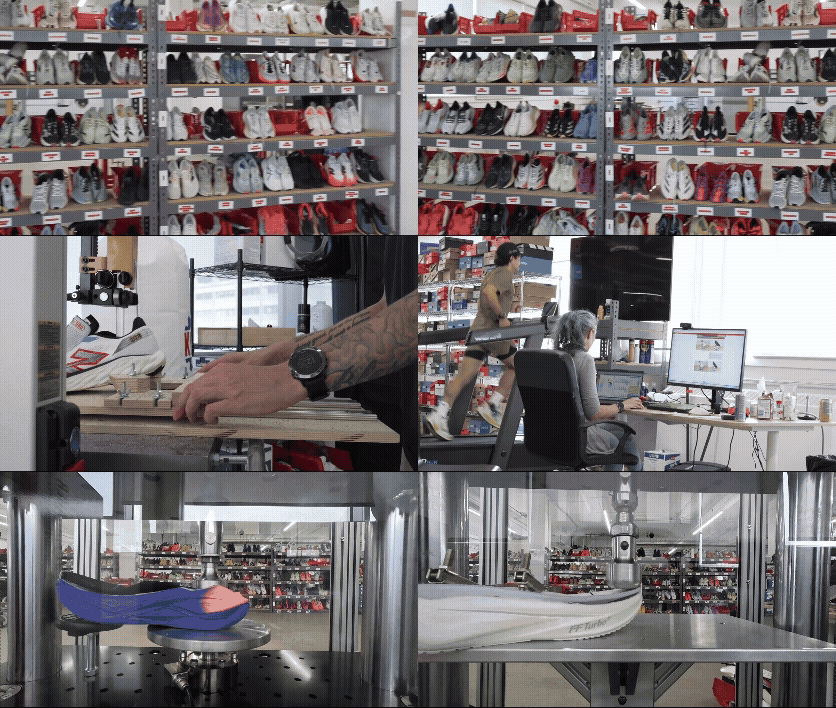
We've bought and tested more than 300 running shoes. Every pair purchased with our own money, never supplied or sponsored by brands. Our data-driven tests are designed to go beyond marketing claims, and since every shoe goes through the exact same methodology, you can directly compare results to find the right pair for your needs.
Test Results
Energy Return
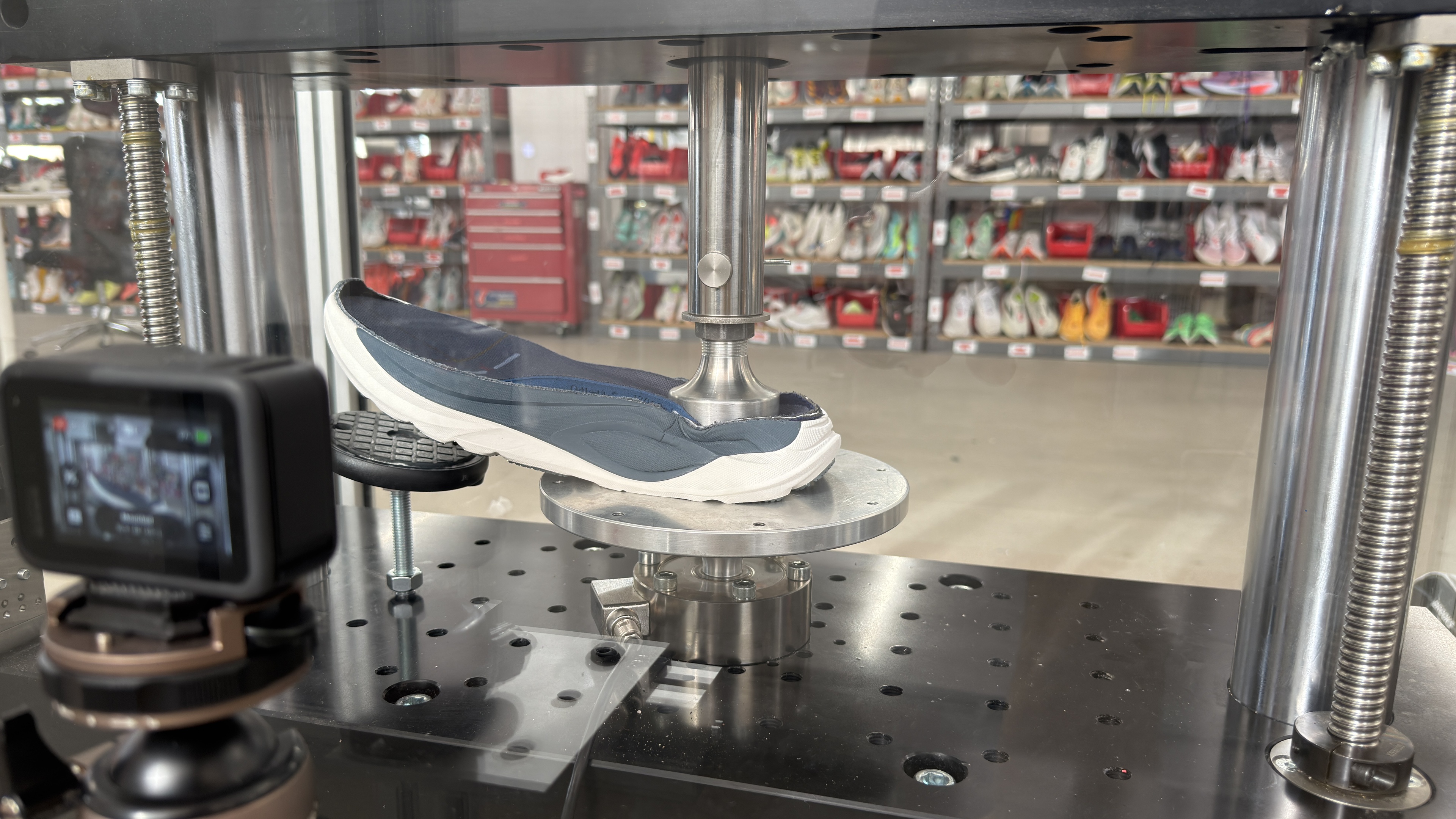
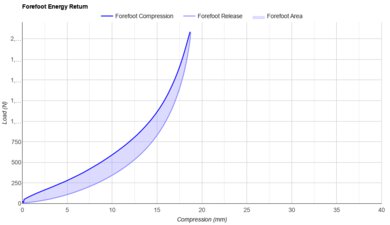
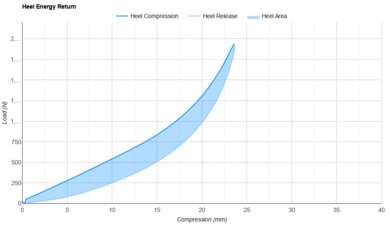
The HOKA Gaviota 6 has very poor energy return. Its midsole absorbs impact more than it gives energy back, so each step comes across as dull and muted instead of springy or bouncy. That works in favor of predictability, but it also makes the ride feel flat when you want the shoe to help you move faster.
Not bouncy.
Cushioning
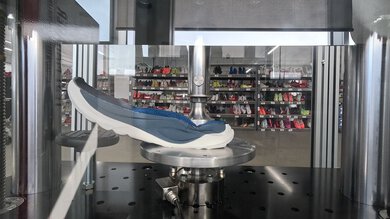
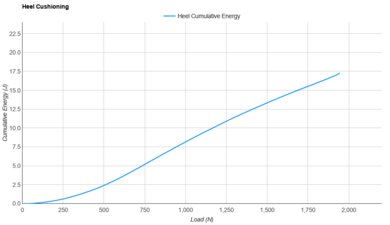
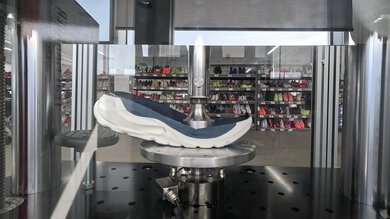
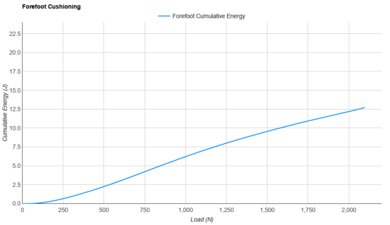
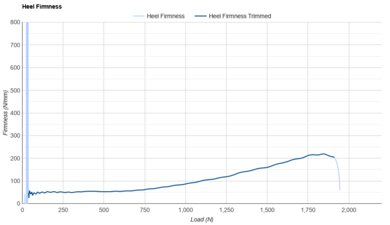
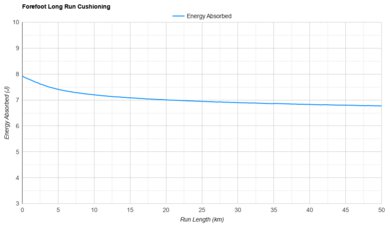
The HOKA Gaviota 6 delivers good cushioning that feels protective and fairly comfortable for easy runs, walking, and long hours on your feet. It absorbs impact well enough at both the heel and forefoot, keeping the ride comfortable without feeling too unstable. However, it doesn't maintain that level of protection very well, so once you get beyond roughly 15 to 20 km, it can start to feel noticeably harsher underfoot as the midsole loses some of its absorbent character. As a result, its cushioning is solid for daily use, but it isn't especially plush or deeply protective over longer efforts.
Good cushioning for easy daily miles.
Lateral Stability
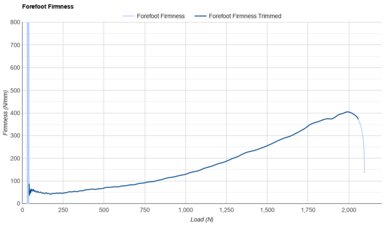
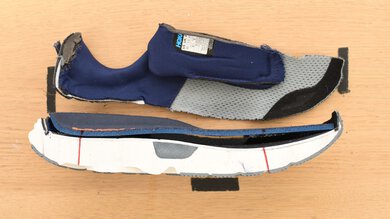
The HOKA Gaviota 6 is very stable by design. Its broad platform and firmer H-Frame structure keep the ride centered and guided, giving it a planted feel that works especially well for runners who want corrective support. The foam under the heel is on the softer side, but since the overall geometry is inherently stable, the shoe will still support you very well, stride after stride.
Very stable, guided platform.
H-Frame support system helps keep your stride centered.
Heel is softer and less stable than the rest of the platform.
True To Size
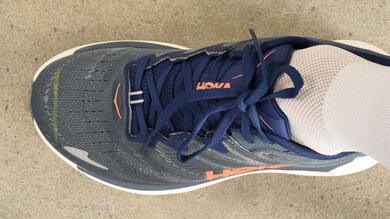
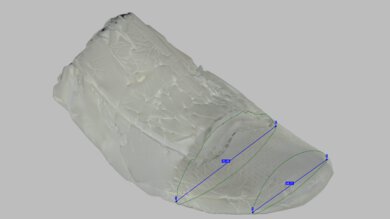
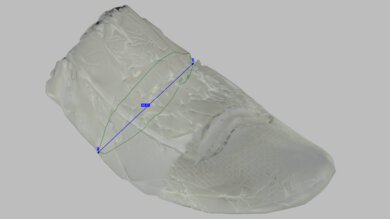
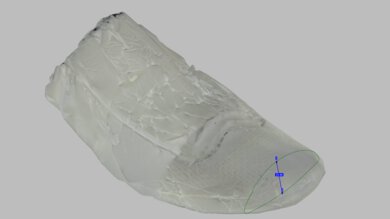
The HOKA Gaviota 6 fits true to size overall, and most runners can confidently pick their usual size. Its length is dialed in, and the forefoot has a fairly accommodating width. The only minor downside is that the toe box is a bit shallow, so higher-volume feet may find the toe box a little tight for their liking.
Length fits true to size.
Forefoot has fairly accommodating width.
Popular Running Shoe Comparisons
The HOKA Gaviota 6 is a premium support trainer that blends strong stability elements with a more protective, cushioned ride than many traditional stability shoes. Therefore, it fits naturally alongside shoes like the Nike Structure Plus, the Saucony Hurricane 25, and the ASICS GT-2000 14. Like those models, it combines a very stable platform and noticeable guidance features with enough cushioning and protection to feel comfortable over daily mileage. That balance is what makes it appealing, as it delivers the best-of-both-worlds mix of stability and comfort that many runners want from a daily trainer. Among this group, though, the Saucony Hurricane 25 stands out as the most cushioned option, with a midsole that feels less dull overall, making it a better choice for most people.
Within HOKA's lineup, the HOKA Arahi 9 is the lighter stability option, but it doesn't offer the same level of cushioning up front. The HOKA Bondi 9, on the other hand, is a premium, cushioned trainer that also works very well for all-day wear. While it doesn't have dedicated support features, it's likely the better choice for most runners without pronation issues who want comfort and protection. The HOKA Clifton 10 sits as the simpler, more straightforward neutral daily trainer in the lineup.
If you're looking for more shoes, take a look at our recommendations for the best HOKA running shoes and the best running shoes from all brands.
The HOKA Bondi 9 is a better choice than the HOKA Gaviota 6 for daily training if you don't have pronation issues. It's plush and comfortable, with superior protection and a heavily padded upper. The Gaviota 6 uses guidance features to help control overpronation, making it more stable and the better pick if you need support.
The HOKA Gaviota 6 is a better support shoe than the HOKA Gaviota 5. It's lighter, better cushioned, a bit more responsive, and a touch more stable, and its foam absorbs shock better, so it feels more protective. The Gaviota 5 sits a bit higher, which some runners may prefer.
The HOKA Gaviota 6 and HOKA Arahi 8 are both support trainers built around HOKA's H-Frame guidance system, but they provide that support differently. The Gaviota 6 is the more stable of the two, using a wider base to create a more planted ride that feels especially reassuring if your priority is maximum support and protection through daily miles. The Arahi 8 is lighter despite being a bit higher stacked, which helps it feel less bulky and a little more protective on foot, but its platform is not as broad, so it does not feel quite as stable overall.
The HOKA Clifton 10 is a better choice than the HOKA Gaviota 6 if you want a reliable neutral trainer. It's well cushioned and naturally stable, working well for short, easy runs. The Gaviota 6 uses guidance features to help manage overpronation, making it the better pick if you want more support and structure.
The HOKA Arahi 9 and HOKA Gaviota 6 are stability trainers that use an H-Frame, a firmer foam structure shaped like an H that supports the foot from both sides. The Arahi is a bit lighter and takes a more straightforward approach to support, using a firmer platform to create a planted, controlled ride. The Gaviota is HOKA's more premium stability shoe, with more cushioning and a more padded, comfortable feel. It also relies more on its wider base for stability, with the difference most noticeable at the heel.
The On Cloudrunner 3 and HOKA Gaviota 6 are two support trainers from popular brands, but they deliver guidance and comfort in very different ways. The HOKA relies on its H-Frame system, a firmer foam structure shaped like an H that adds support on both sides of the foot. It is also higher stacked and more protective while still being lighter, which makes it a more capable option overall. The On uses a structured heel clip and raised sidewalls to guide the foot, with the support feeling more focused at the rearfoot and more reliant on firmness to control movement.
Differences Between Sizes And Variants
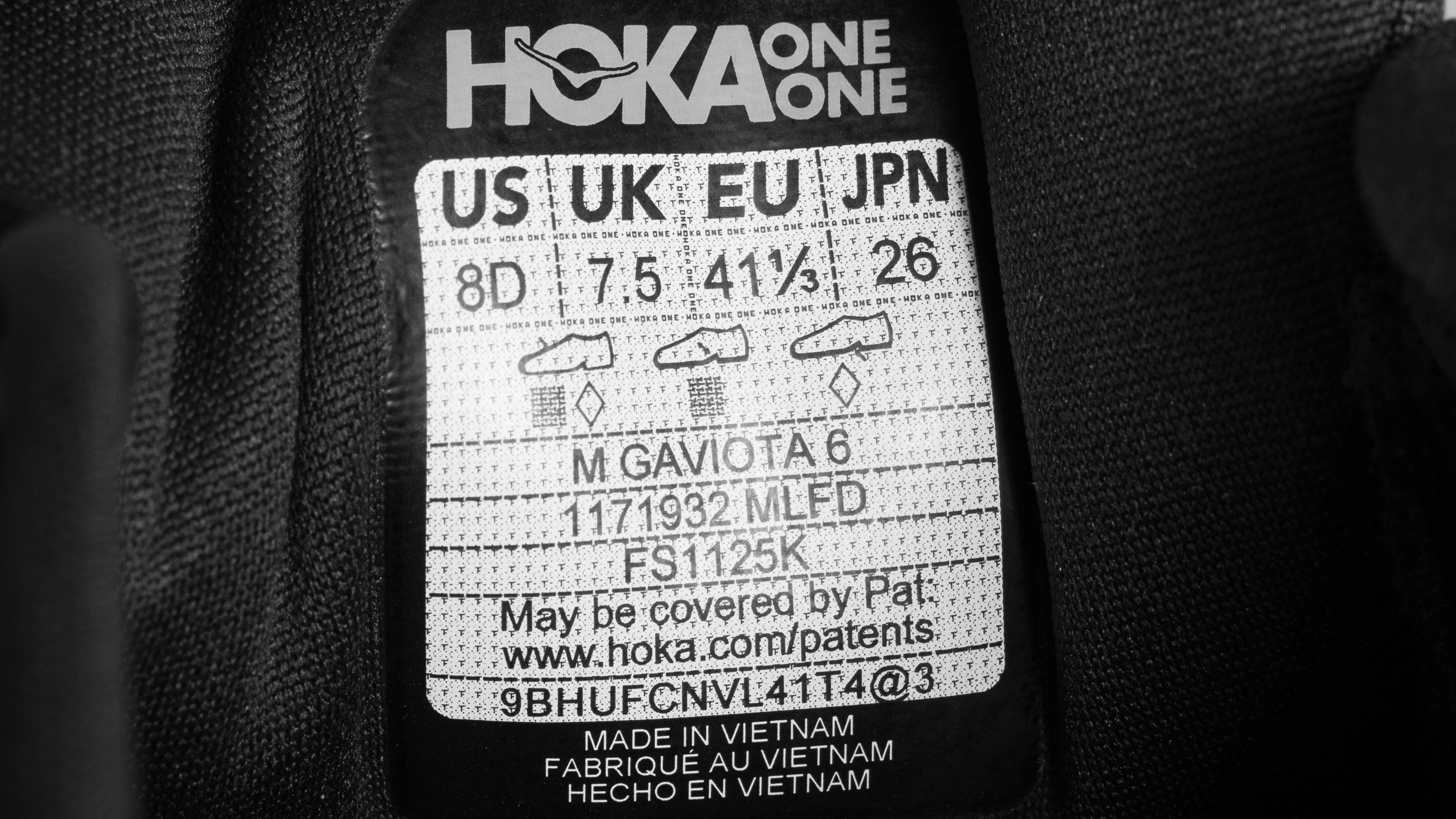
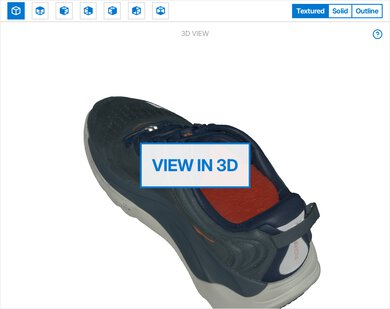
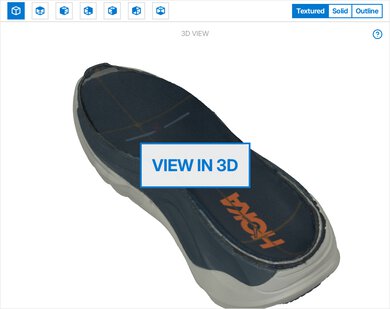
We tested the HOKA Gaviota 6 in men's US size 9, as indicated on the label for our pair. The color shown here is Midnight Blue/Faded Navy, and the shoe is available in several other colorways, including Grout/Stucco, Stellar Grey/Stardust, and Birch/Yellow Gold. Wide (and extra-wide!) versions are available separately for both men and women. The design section applies only to the exact model we tested, but we expect other size and gender variants to perform similarly.