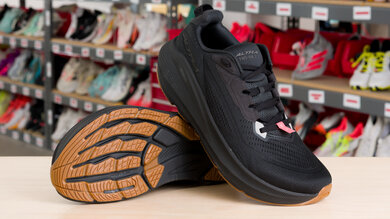
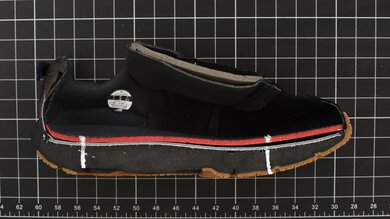
The Altra FWD VIA 2 is Altra's attempt at a higher-stacked, max-cushion daily trainer that moves the brand in a more mainstream direction without fully leaving its roots behind. Altra is still best known for its roomy toe boxes, zero-drop platforms, and natural-feeling geometries, and the FWD VIA 2 departs from that formula in a few important ways. It still offers the brand's characteristically generous forefoot shape, but it uses a 4 mm heel-to-toe drop, which is a clear shift away from Altra's traditional zero-drop, even if it remains lower than most road shoes on the market. The midsole also uses Altra's EGO P35 foam, which feels plush and relatively protective, helping make the shoe more comfortable and pleasant for easy daily mileage, especially compared with other shoes in Altra's lineup that tend to feel noticeably harsher. That said, despite its ambitions, it still doesn't fully deliver the high stack, highly protective ride that usually defines the best max-cushion trainers.
Our Verdict
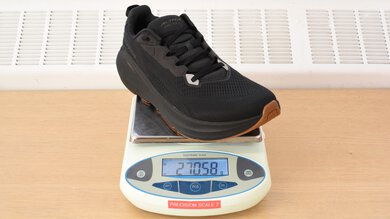
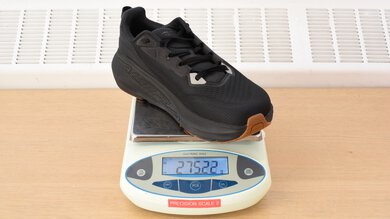
The Altra FWD VIA 2 isn't a compelling option for marathon racing. Its stable platform and decent underfoot protection can help keep things predictable and comfortable over long distances, but its dull rebound, lack of a plate, and average weight make it feel inefficient once pace starts to matter. It's far better suited to easy runs than marathon racing, where its unresponsive ride can start to feel energy-draining over time.
Very stable platform.
Midsole returns very little energy.
Unplated design.
Heavy.
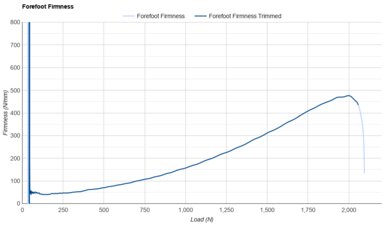
The Altra FWD VIA 2 isn't suitable for 5K or 10K racing. Its firm forefoot helps keep the ride controlled, but the extremely poor energy return, lack of a plate, and only average weight make it feel dull and draining when trying to run fast. This shoe comes across as flat and inefficient, so it's much better left to easy running than any kind of fast-paced short-distance racing.
Midsole returns very little energy.
Unplated design.
Heavy.
Changelog
-
Updated Apr 28, 2026:
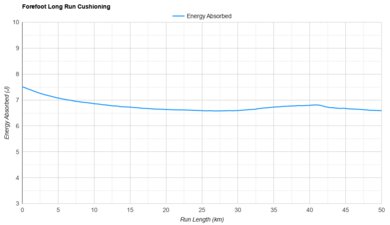
We have added a note to the Forefoot Long Run Cushioning box after noticing irregularities in our lab test results.
- Updated Mar 19, 2026: Review published.
- Updated Mar 13, 2026: Early access published.
- Updated Feb 16, 2026: Our testers have started testing this product.
- Updated Jan 20, 2026: The product has arrived in our lab, and our testers will start evaluating it soon.
- Updated Jan 15, 2026: We've purchased the product and are waiting for it to arrive in our lab.

We've bought and tested more than 250 running shoes. Every pair purchased with our own money, never supplied or sponsored by brands. Our data-driven tests are designed to go beyond marketing claims, and since every shoe goes through the exact same methodology, you can directly compare results to find the right pair for your needs.
Test Results
Energy Return
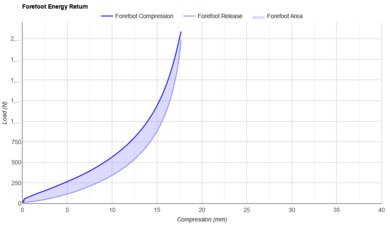
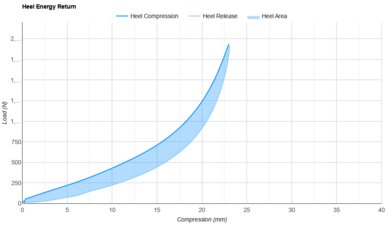
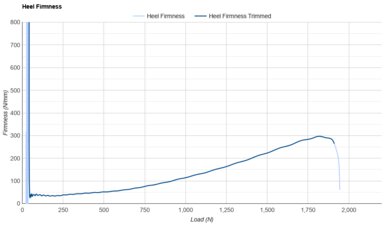
The Altra FWD VIA 2 has a flat ride that doesn't give much back when you load it up, especially at the heel. It feels predictable and controlled rather than lively, which suits relaxed cruising better than faster running. Runners who want bounce and propulsion will find it dull, while those who prefer a calmer, less springy platform may not mind as much.
Midsole returns very little energy.
Cushioning
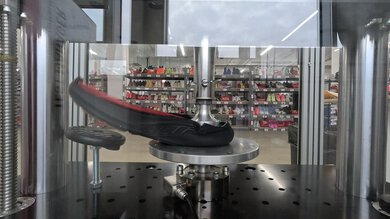
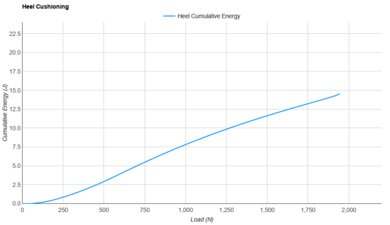
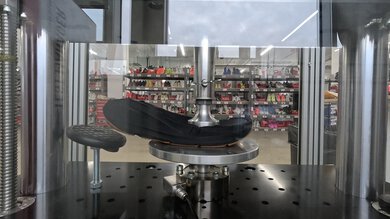
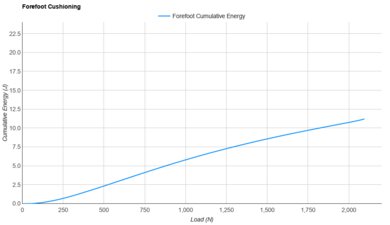
The Altra FWD VIA 2 delivers decent overall cushioning, making it suitable for easy daily miles. It provides good protection under lighter loads, so slower runners and those who strike the ground with less force may still find it sufficiently cushioned for relaxed training. That said, runners who put more force into each step may find that it feels quite harsh and less protective than the best max-cushion options on the market.
Good cushioning at low forces.
Midsole feels much less protective under heavier loads.
Lateral Stability
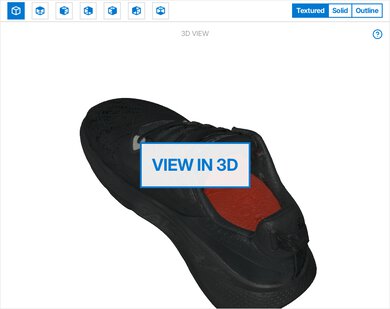
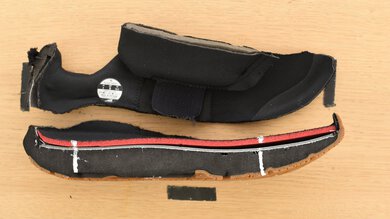
The Altra FWD VIA 2 feels super stable overall. Its broad base, especially through the arch and heel, combines with a predictable midsole to keep the ride steady through landings and transitions. The stack is higher than in most of the brand's models, but it's still fairly moderate, so the ride feels quite planted. The semi-gusseted tongue also helps keep your foot in place. It's a strong option for runners who value security and composure, even if that stable feel comes with a slightly less dynamic ride.
Very stable platform.
Very wide base.
True To Size
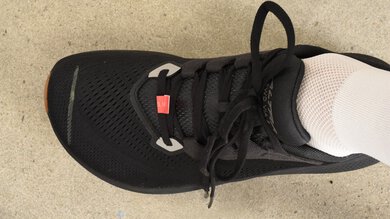
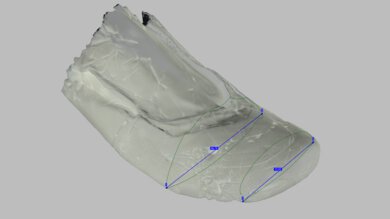
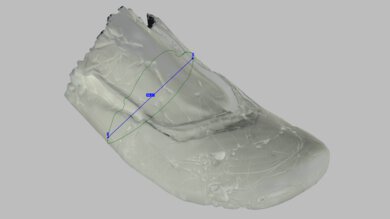
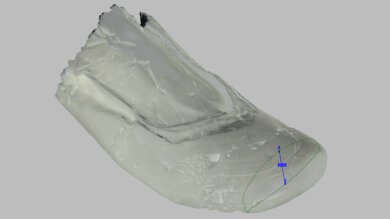
The Altra FWD VIA 2 fits true to size overall, with a good amount of space lengthwise. Thanks to Altra's foot-friendly shape, the forefoot is very roomy, allowing for your toes to splay. The midfoot area isn't especially generous, so it can feel a bit tighter for people with especially wide arches. Still, since there is plenty of overall room in length and forefoot volume, most runners can confidently pick their usual size.
Roomy forefoot lets the toes splay.
Fits true to size overall.
Midfoot can feel snug for wide arches.
Popular Running Shoe Comparisons
The Altra FWD VIA 2 is a daily trainer that keeps the brand's roomy toe box but packages it in a low-drop platform (rather than Altra's more usual zero-drop setup), along with a higher-stacked, more cushioned design than what's typical for the brand. In the broader market, it lands less like a true max-cushion cruiser and more like a stable, comfort-oriented daily trainer with a natural, fairly flat ride. It's still far from true max-cushion shoes like the PUMA MagMax NITRO 2 or the HOKA Skyward X, both of which have more towering stack heights and noticeably more impact absorption. It feels somewhat similar to the Topo Atmos and Topo Phantom 4, which are also stable, low-drop shoes with some plushness and accommodating toe boxes.
The Brooks Glycerin Flex also offers a stable, natural ride with a flat geometry and decent protection, though it gets there through a bendy, segmented platform, whereas the Altra achieves it more through its much lower drop, a broad base, and a wider toe box. The PUMA Velocity NITRO 4 is another shoe with a moderate stack and predictable ride, but with more bounce and less weight.
Within Altra's lineup, the Altra Escalante 4 is a very minimalist shoe, with a low stack and little cushioning, while the Altra Torin 8 holds onto Altra's trademark zero-drop with a slightly livelier midsole. The Altra Experience Flow 2 is a lighter low-drop daily trainer, whereas the Altra VIA Olympus 2 is the more cushioned alternative with a similar heel stack to the FWD VIA 2, though it is not quite as stable.
For additional options, check out our recommendations for the best running shoes, the best long-distance running shoes, and the best shoes for running a marathon.
The Altra Experience Flow 3 and Altra FWD VIA 2 are two Altra models that use a 4 mm drop instead of the brand’s usual zero-drop platform, but they apply that more conventional geometry in different ways. The Experience Flow 3 is the lighter, more nimble option, with a more grounded and connected ride that feels easier to turn over for everyday miles. The FWD VIA 2 brings a higher stack to the table, which doesn’t make it plush, but it does create a bigger buffer between your legs and the road.
The Altra FWD VIA 2 and Altra Torin 8 are both very stable shoes with Altra's accommodating foot shape, but one prioritises energy return, and the other prioritises protection. The Torin 8 sits lower and keeps the brand's traditional zero-drop setup, with a ride that feels firmer and more focused on energy return, especially through a forefoot that offers a pleasant sense of bounce. The FWD VIA 2 features a low-drop platform, which makes it a bit more conventional than the Torin. It also shifts the emphasis toward plushness and cushioning, using a higher-stacked midsole that absorbs more impact and creates a bigger buffer underfoot.
The Altra FWD VIA 2 and Altra VIA Olympus 2 are two of Altra's most cushioned road shoes, even if both still feel a lot less plush than most max-cushion models in the market. The VIA Olympus 2 absorbs more of the force you put into it, and it also sticks with a zero-drop platform that reduces ground feel at the forefoot and creates a more even feel underfoot, though it also feels heavier. The FWD VIA 2 uses a 4 mm drop, which is still quite low but can allow for smoother heel-to-toe transitions. It also feels lighter and much more stable overall, even if its midsole isn't quite as capable of absorbing impacts from the ground.
The Altra FWD VIA 2 and Altra Experience Flow 2 are two low-drop Altra models that step away from the brand's usual zero-drop formula, but they do so with different priorities. The FWD VIA 2 is the more cushioned and higher-stacked option, built to create a bigger protective buffer underfoot for easy miles and longer runs where comfort matters most. The Experience Flow 2 feels more grounded and a bit more lively, with a lighter build that makes it easier to turn over and better suited to runners who want a more natural, less bulky daily trainer.
Differences Between Sizes And Variants
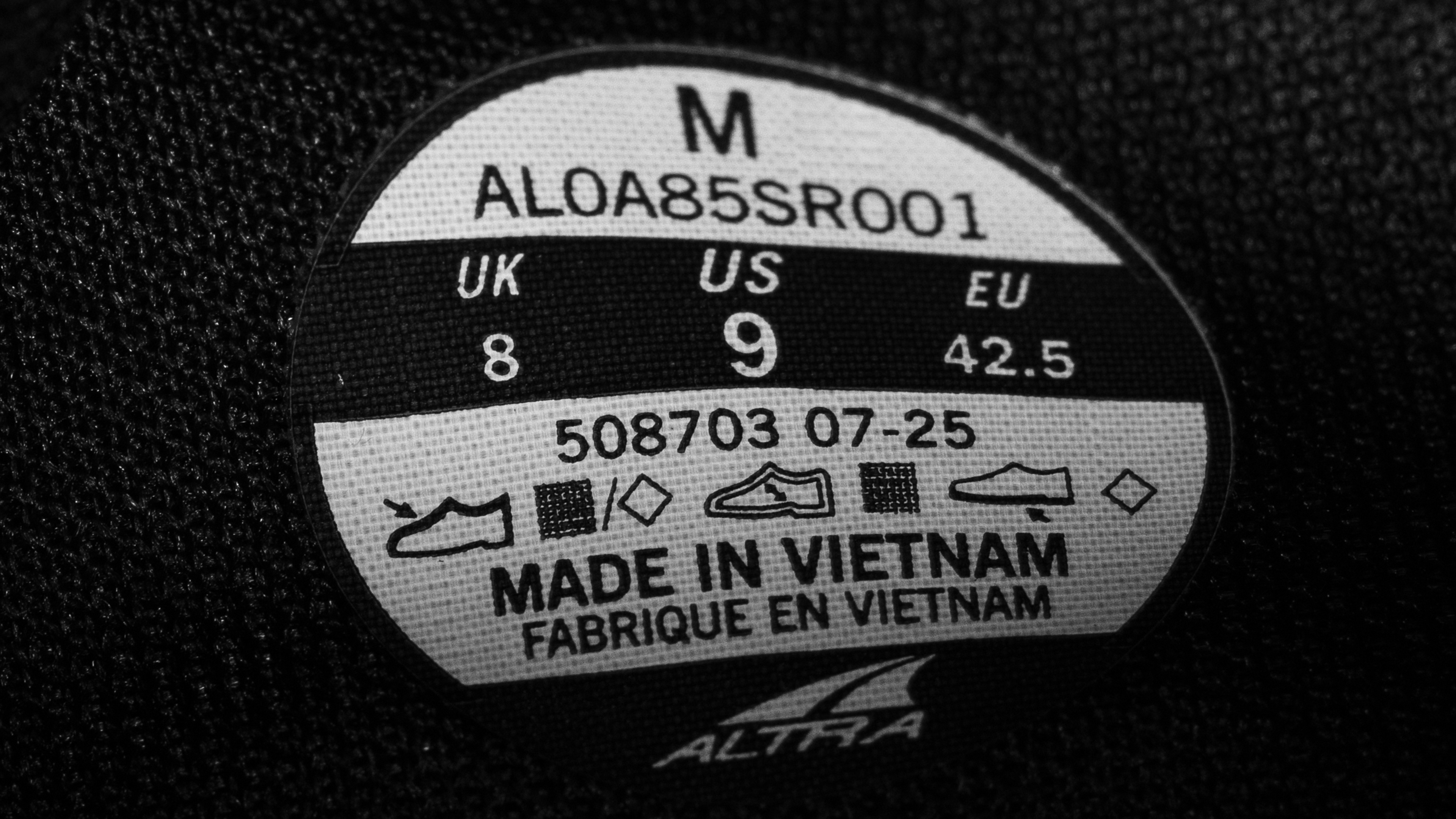
We bought and tested the Altra FWD VIA 2 in men's US size 9, as noted on the label for our pair. The pair we purchased is the Black/Black colorway, but you can also buy this shoe in other colors, depending on your region. This shoe is only available in standard width for both men and women. The design section applies only to the exact model we tested, but we expect other size variants to perform similarly. For the women's version of this shoe, the exact results may differ slightly because Altra uses its "Fit4Her" design, with a slightly narrower profile and female-specific shaping and geometry.