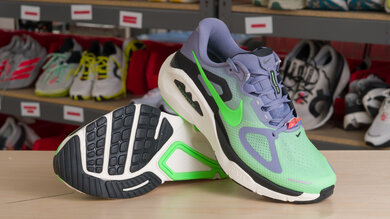
The Nike Structure Plus is Nike's attempt at building a support trainer that feels cushioned and protective without crossing into the harsher, restrictive territory that has long defined the support trainer category. While the Structure Plus does use a top layer of ZoomX, don't let that fool you into expecting a particularly bouncy ride, as the ReactX bottom layer dampens the experience and shifts the focus toward protection and stability. Guidance comes from a broad base, especially the tall sidewalls wrapping the foot through the heel and midfoot on both the medial and lateral sides, which help the foot sit down into the platform for a more supportive feel that still avoids feeling overly corrective. In Nike's current lineup, it sits as the more cushioned stability-oriented option for easy miles and long runs, while the regular Nike Structure 26 remains the simpler, firmer support trainer.
Our Verdict
The Nike Structure Plus isn't designed as a marathon racing shoe. Its cushioned platform and steady support can help keep things comfortable over long distances, but the ride feels too heavy and too muted to work well for racing, especially compared with shoes built to help you hold faster paces more efficiently. That said, for runners with pronation issues who need some guidance, it's a reasonable option for marathon training and one of the better choices in the support-trainer category.
Very protective heel cushioning.
Broad, stable platform.
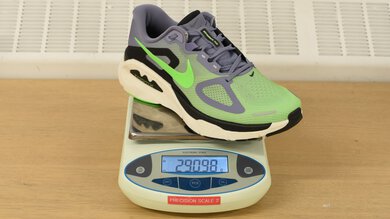
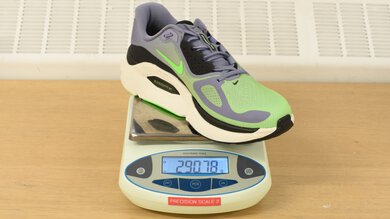
Quite heavy.
Not a bouncy shoe.
The Nike Structure Plus isn't well-suited to 5K and 10K racing, where its bulky feel and lack of rebound become more obvious. Its forefoot is fairly firm, but that firmness is there to reinforce stability, not to create a snappy toe-off, and it isn't paired with the kind of aggressive geometry that helps a shoe feel efficient and race-ready. This is a support trainer first and foremost, not a shoe designed for chasing fast times.
Quite heavy.
Not a bouncy shoe.
Changelog
- Updated Jul 16, 2026: We've converted this review to Test Bench 0.15, which replaces Responsiveness with three specific performance usages: Bounciness, Snappiness, and Roll. To read more about the changes, see the changelog.
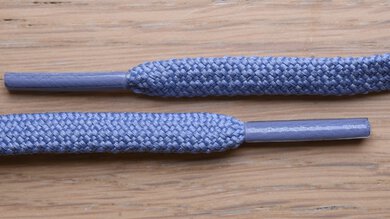
- Updated Jul 09, 2026: We've converted this review to Test Bench 0.14, which adds new lace-specific results. We've included a close-up photo of the laces, as well as details including lace type, width, thickness, and stretch. To read more about the changes, see the changelog.
- Updated Jul 07, 2026: We've converted this review to Test Bench 0.13, which identifies the different foams used in the shoe's midsole. We've included a microscopic image of the foam cells to give you an idea of what the microstructure looks like. To read more about the changes, see the changelog.
- Updated Jun 17, 2026: We've converted this review to Test Bench 0.12, which fixes how we measure firmness, a component of the Stability and 5K/10K Racing usages. There may be inconsistencies between the text and the scores for these usages, but the scores should still be considered valid. We've also brought back the Energy Return score and added two new usages: Daily Training and Long Run. To read more about the changes, see the changelog.
-
Updated Jun 09, 2026:
We modified the writing to reflect the new test bench and updated the Responsiveness box text to reflect the new scores.
- Updated May 26, 2026: We've converted this review to Test Bench 0.11, adding two new rocker measurements to the Design section, and three new responsiveness tests to the Performance section. The Energy Return usage score has been replaced with Responsiveness. Check out the details in our changelog.
- Updated Mar 24, 2026: Review published.
- Updated Mar 17, 2026: Early access published.
- Updated Mar 11, 2026: Our testers have started testing this product.
- Updated Feb 16, 2026: The product has arrived in our lab, and our testers will start evaluating it soon.
- Updated Feb 10, 2026: We've purchased the product and are waiting for it to arrive in our lab.
We've bought and tested more than 250 running shoes. Every pair purchased with our own money, never supplied or sponsored by brands. Our data-driven tests are designed to go beyond marketing claims, and since every shoe goes through the exact same methodology, you can directly compare results to find the right pair for your needs.
Test Results
Energy Return
Stability
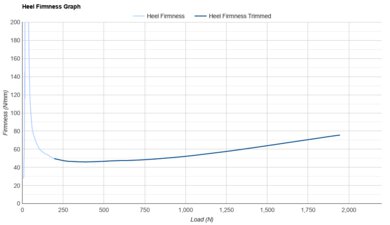
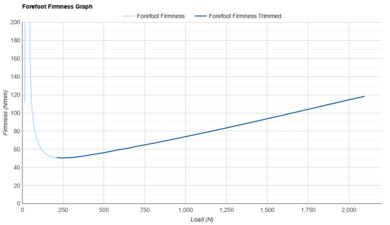
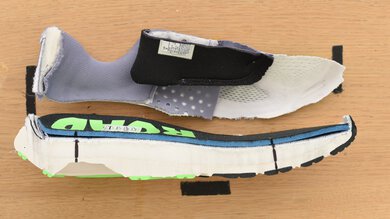
The Nike Structure Plus feels reassuringly stable for a fairly tall trainer, with a wide base, firm forefoot foam, and pronounced sidewalls that help keep the foot centered through the heel and midfoot. This gives the shoe a steady, supportive character that works especially well for easy runs, longer outings, and runners who appreciate guidance without an overly intrusive sensation.
Broad, stable platform.
Firm forefoot helps keep the ride steady.
Cushioning
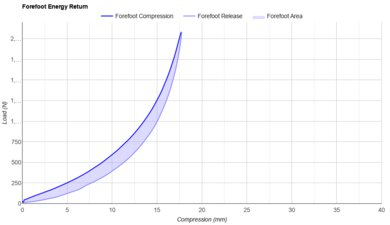
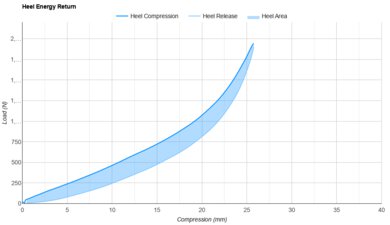
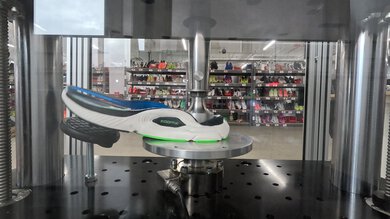
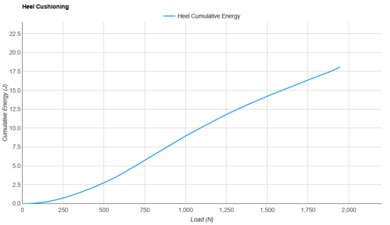
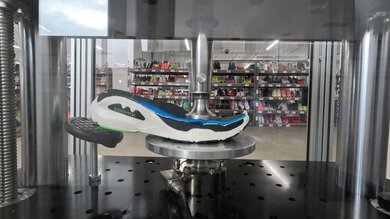
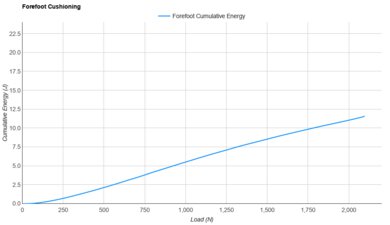
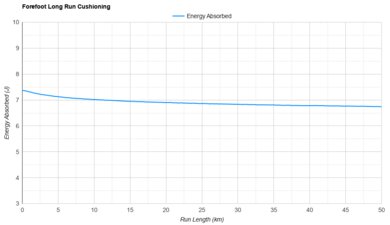
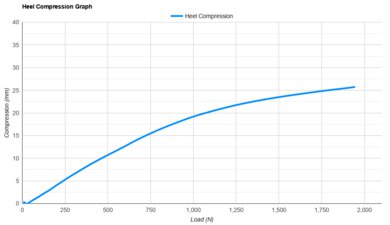
The Nike Structure Plus offers good cushioning that feels protective. The heel is especially well cushioned, helping to significantly dampen the ride, especially for heel strikers. The forefoot offers decent protection but won't feel as plush as the heel. Overall, it doesn't reach the absorption levels of the best max-cushion trainers, but it does a good job of blending comfort with control.
Very protective heel cushioning.
Forefoot cushioning is only decent.
Bounciness
The Nike Structure Plus has a fairly dull, dampened ride that prioritizes control over excitement. There's a bit more life up front than at the heel, but overall, it doesn't do much to spring you forward. That restrained character matches the shoe's focus on stability, though it also means the prominent ZoomX branding on the midsole is bigger than any bounce it delivers.
Not a bouncy shoe.
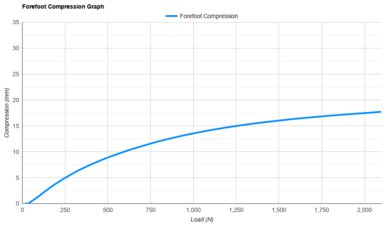
Snappiness
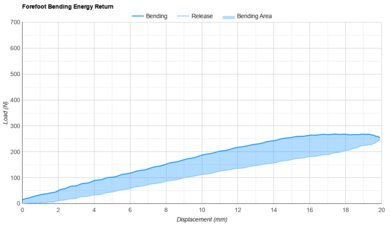
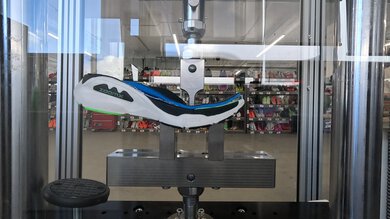
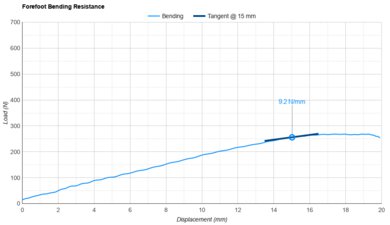
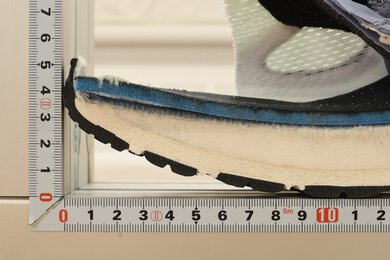
Roll
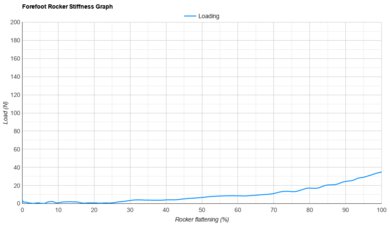
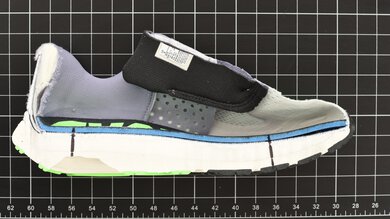
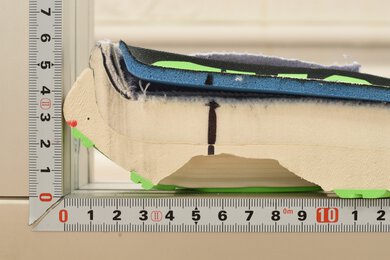
True To Size
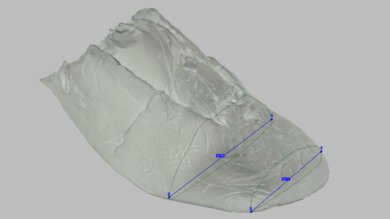
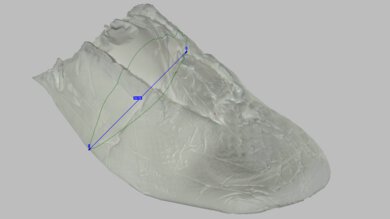
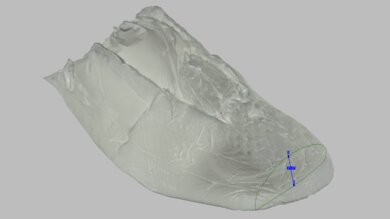
The Nike Structure Plus fits true to size overall, and most runners should be fine going with their usual size. The toebox is fairly wide, so it doesn't feel too cramped side to side, but it lacks some vertical room, which can make the fit feel a bit shallow over the toes. Outside of that lower forefoot height, the rest of the shoe fits as expected and should feel comfortable but secure for most people.
Fits true to size in length.
Roomy toe box width.
Toe box doesn't have a lot of vertical room.


Popular Running Shoe Comparisons
The Nike Structure Plus is a cushioned support trainer that tries to make stability feel less harsh and old-school than other shoes in that category, using a plush ZoomX top layer, a firmer ReactX carrier, and tall sidewalls to deliver guidance in a modern way. More broadly, it sits between two types of stable shoes in the market. On one side are classic support trainers like the ASICS GEL-KAYANO 32, Saucony Guide 18, and Brooks Adrenaline GTS 25, which rely heavily on corrective features and often give up some softness, freedom, and fun in the process. On the other side are neutral trainers that can feel naturally stable by design but don't offer any real guidance features, like the New Balance FuelCell Rebel v5 or Nike's own Pegasus Plus. In that sense, the Structure Plus ends up fairly close in concept to the Saucony Hurricane 25, because both rely on sidewalls and geometry rather than firm corrective posts, though the Hurricane is the more cushioned and bouncier shoe of the two.
Within Nike's daily training lineup, the brand splits things into three silos: Structure as the support trainers, Pegasus for bounce, and Vomero as the cushioning-focused family. Each of those silos now has a standard version, namely the Nike Structure 26, Nike Pegasus 41, and Nike Vomero 18, while the Plus tier adds more ZoomX to the mix with the Nike Structure Plus, Nike Pegasus Plus, and Nike Vomero Plus. There's also the Nike Pegasus Premium and Nike Vomero Premium, built around a large Air Zoom unit. While the Nike Structure Premium is the only trainer that still hasn't been officially confirmed, the very idea of a stability shoe built around a large malleable Air Zoom unit feels a bit counterintuitive, so if that sounds odd to you, you're not alone.
For more options, check out our recommendations for the best Nike running shoes and the best running shoes overall.
The Nike Structure Plus and Nike Structure 26 share the same support-shoe DNA, but the Plus feels like a Structure on steroids in almost every way except outright support features. The Structure Plus sits higher and delivers more cushioning, using a top layer of ZoomX over its support platform to create a softer, more premium, more protective ride. The Structure 26, by contrast, uses a full ReactX midsole and stays lower to the ground, which gives it a classic support-trainer feel with a steadier, traditional sense of guidance. Even though both are in a similar weight range, the Structure 26 feels more grounded and support-focused, while the Structure Plus is the better fit if you want a more cushioned and balanced take on the category.
The ASICS GEL-KAYANO 33 and Nike Structure Plus are both premium support shoes, but they deliver that support in different ways. The ASICS is the softer, more cushioned option, providing better protection and holding up better over longer distances despite remaining the heavier of the two. The Nike takes a firmer approach, giving it more stability underfoot, though it sacrifices a fair amount of comfort in the process. Neither shoe is especially lively, but if your priority is long-run comfort, the ASICS is the better choice. If you prefer a firmer, more stable ride, the Nike is the pick.
The On Cloudrunner 3 Max and Nike Structure Plus are high-stack support shoes designed to provide guidance for daily mileage. The Nike is the better daily trainer for most runners. It's lighter, more protective at the heel, and considerably livelier, making it less cumbersome for daily mileage and pace changes. The On is more stable and rolls more smoothly thanks to its rocker, so choose it only if you prefer a more traditional, geometry-driven ride.
The Nike Structure Plus and Saucony Hurricane 25 are both mild support trainers that manage to add guidance features without making the usual big sacrifices in cushioning and comfort. The Nike has a higher 10 mm drop and a ride that feels more in line with a classic support shoe, just with more cushioning than the category usually offers. The Saucony pushes further into the modern side of things, delivering much more cushioning and noticeably more bounce from the midsole while staying in a similar weight range. It also uses a lower-drop setup, which gives it a less traditional feel overall.
The Nike Structure Plus and Brooks Adrenaline GTS 25 are both support trainers built to help correct overpronation, and both use raised sidewalls to guide the foot, but the Adrenaline GTS 25 is the more support-oriented shoe. That's because it pairs its GuideRails system with a firmer, more prescriptive midsole that can feel harsh, but is more effective at guiding the foot cleanly through the stride. The Structure Plus takes a more comfort-oriented approach, using a dual-layer midsole with a ZoomX top layer to create a more cushioned, plusher ride that feels less corrective and more accommodating underfoot. Both are high-drop shoes, though the Brooks goes even further in that direction with a 12 mm drop.
The New Balance Fresh Foam X 860v15 and Nike Structure Plus are both stability-oriented daily trainers, but the Nike is the easier shoe to use every day if you don't need as much support. It feels more like a regular daily trainer, with a less intrusive ride that works better for routine mileage and shorter easy runs. The New Balance is heavier and less nimble, but it does a better job when protection and support matter more. Its taller cushioning, wider platform, and more planted feel make it better suited to long runs, especially if you want a more stable ride when your form starts to fade.
The Nike Structure Plus and Diadora Nucleo 2 are very similar stability-focused shoes that use sidewalls to guide the ride, but the Nike is the better daily trainer overall. It's much more cushioned underfoot, especially for heel strikers, and though it isn't lively, the ride is much less dull than the Diadora. The Diadora is lighter and more stable, however, rolling more smoothly through the whole stride, so if you want the most secure shoe in a less cumbersome package, it’s the one to get.
Differences Between Sizes And Variants
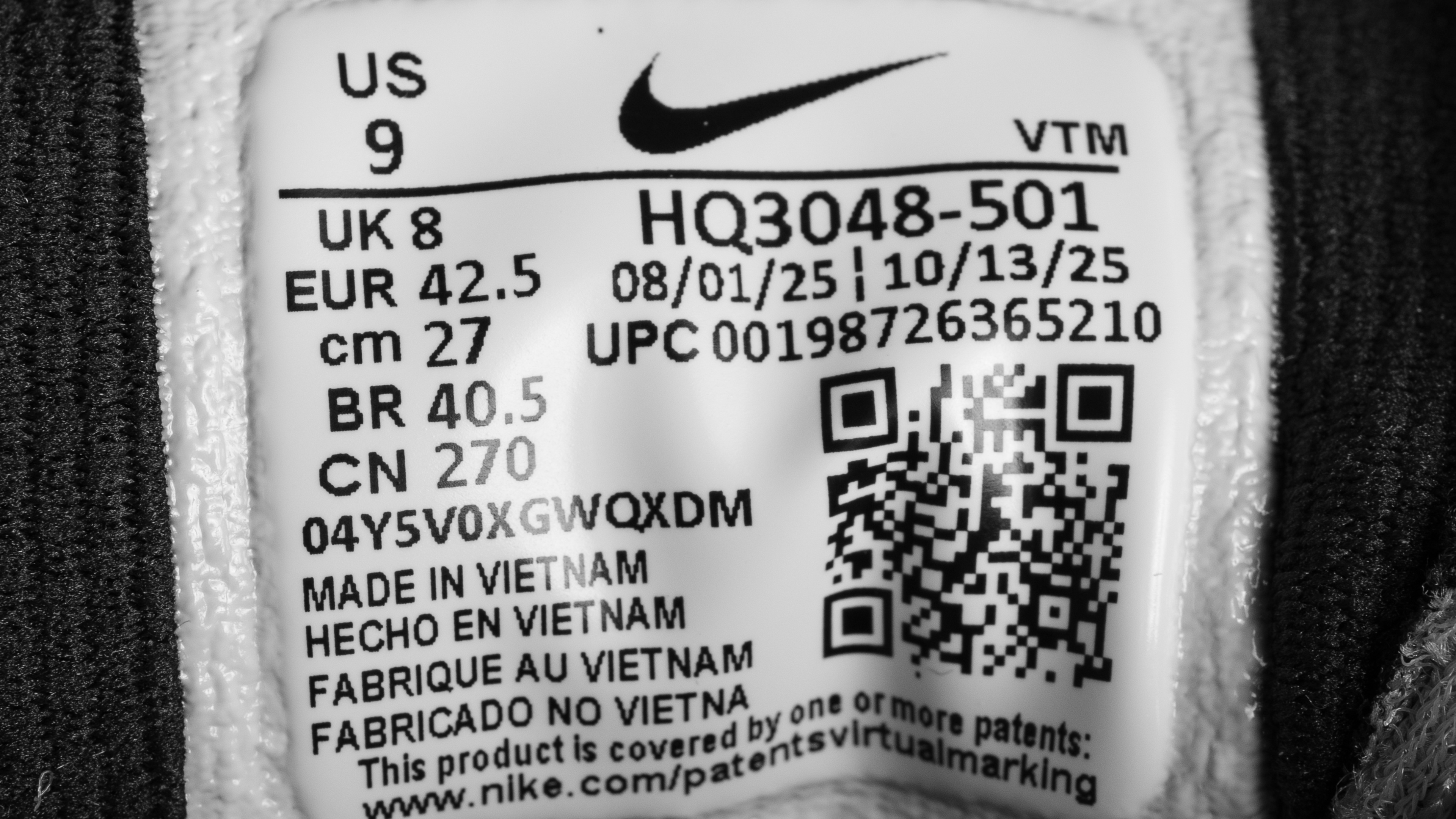
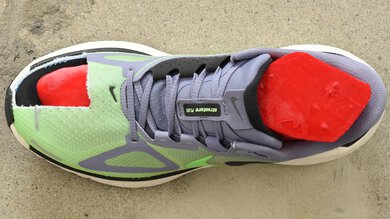
We bought and tested the Nike Structure Plus in men's U.S. size 9, as noted on the label for our pair. The pair we purchased is the Iron Purple/Off-Noir/Sail/Voltage Green. This shoe is available in a variety of other colorways, depending on the region, including White/Pure Platinum/Volt/Black, White/Sail/Sea Glass/White, and Tattoo/Hot Lava/Black/Silver. The design section applies only to the exact model we tested, but we expect other sizes and gender variants to perform similarly.