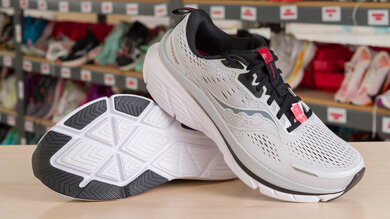
We've tested these running shoes to expand our database and allow users to compare results to help with their buying decisions. We don't expect to write a full review, but if you have any questions about this product, please let us know.
Changelog
- Updated Dec 09, 2025: Review published.
- Updated Dec 08, 2025: Early access published.
- Updated Oct 15, 2025: Our testers have started testing this product.
- Updated Sep 24, 2025: The product has arrived in our lab, and our testers will start evaluating it soon.
- Updated Sep 19, 2025: We've purchased the product and are waiting for it to arrive in our lab.
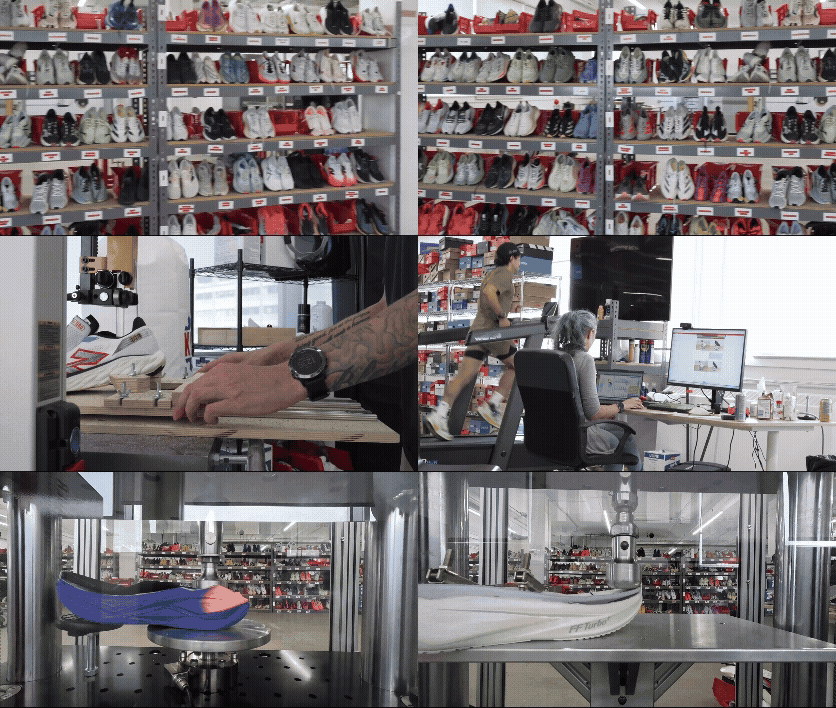
We've bought and tested more than 300 running shoes. Every pair purchased with our own money, never supplied or sponsored by brands. Our data-driven tests are designed to go beyond marketing claims, and since every shoe goes through the exact same methodology, you can directly compare results to find the right pair for your needs.
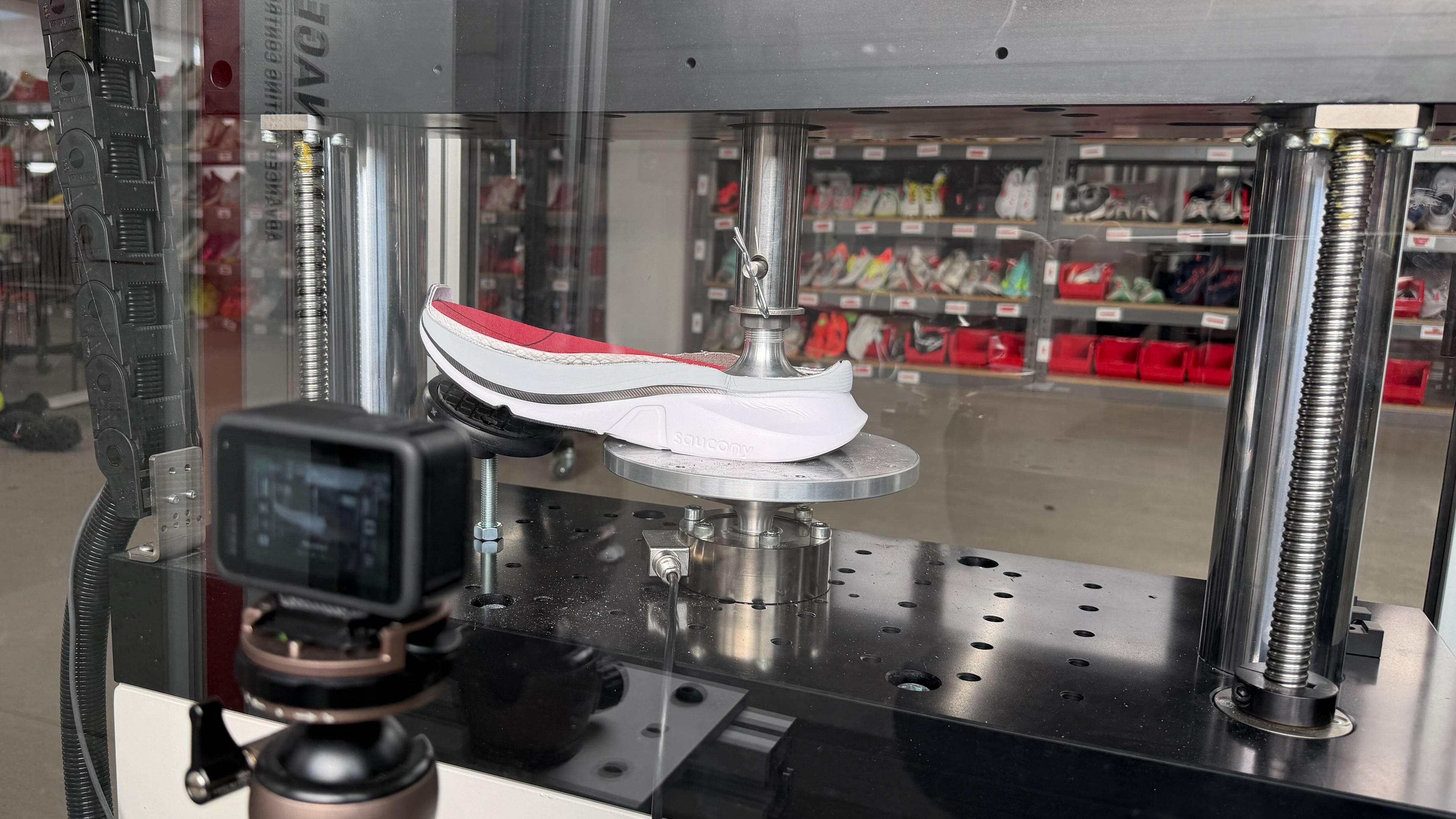
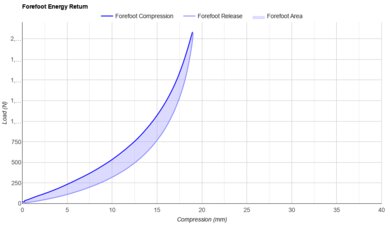
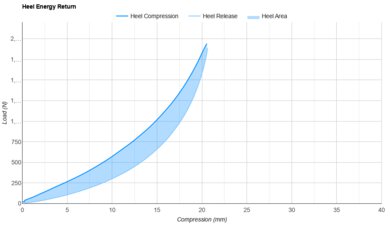


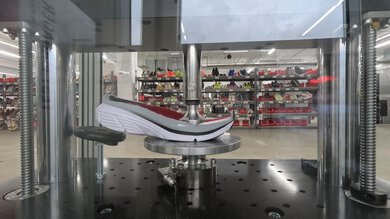
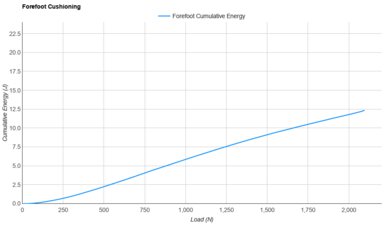
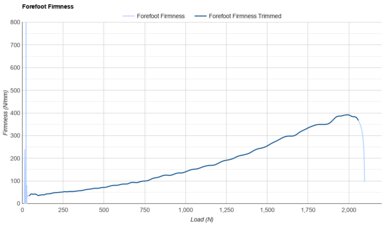
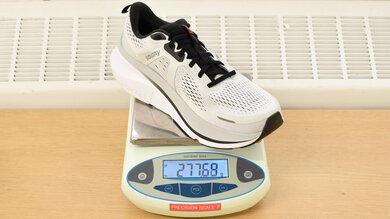
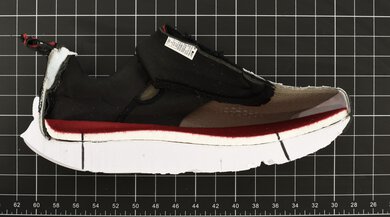
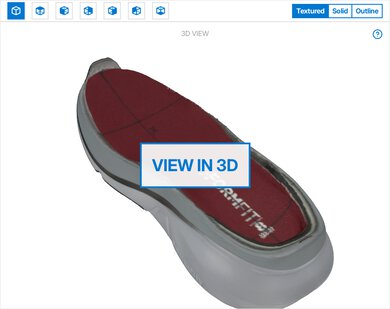
Popular Running Shoe Comparisons
The Saucony Guide 19 builds on the same formula as the Saucony Guide 18, but with more cushioning, a broader arch platform, and a more responsive ride. Both deliver excellent stability, but the newer model is more protective underfoot. The Guide 18 remains a dependable support shoe at a lower price, while the Guide 19 is the better pick for runners who want a bit more protection.
The On Cloudrunner 3 and Saucony Guide 18 are two support trainers, but they approach their role quite differently. The Saucony uses a much wider platform, which makes it feel more substantial underfoot, even though it is slightly lighter. Its midsole is also a bit more cushioned, which adds protection without sacrificing control, resulting in a more stable and more complete ride overall. The On relies more on a structured heel clip and raised sidewalls, with a firmer, more rearfoot-focused approach to guidance that feels less forgiving and less well-rounded.