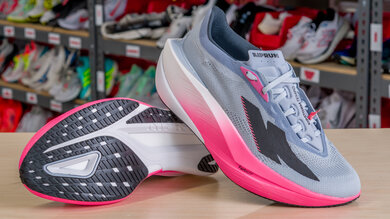
The Kiprun Kipstorm Tempo is a lightweight, unplated performance trainer that's versatile enough to handle most types of running. Its superb cushioning provides exceptional impact protection, while the rebound keeps faster running efficient without needing a plate. However, the softer rearfoot can become less secure when cornering or when tired, and although the shoe works well for faster efforts, it isn't the snappiest pick for racing.
| ✅ Buy If: | ❌ Skip If: |
|
|
Our Verdict
The Kiprun Kipstorm Tempo is good enough for racing a marathon, though it won't feel as efficient as a dedicated long-distance super shoe. Its high stack height and excellent cushioning provide the protection needed for longer efforts, though the midsole itself feels more firm than plush. Also, the good energy return helps it feel reasonably lively when you settle into a steady rhythm. However, it lacks a plate, and its weight isn't super impressive by modern racing standards, so it won't feel as efficient and race-focused as true super shoes over marathon distances.
Superb cushioning provides great protection over the marathon distance.
Good rebound helps sustain race pace efficiently.
Lightweight build keeps turnover easy deep into the race.
Softer rearfoot less secure as fatigue builds.
The Kiprun Kipstorm Tempo is a passable choice for 5K/10K racing. Its good energy return and reasonably light build help it pick up the pace better than a standard daily trainer, but the forefoot feels only moderately firm, and the lack of a plate limits its snap at faster speeds. It can handle shorter races if you want a single shoe for training and occasional racing, but it won't feel as snappy and efficient as a dedicated 5K/10K racer.
Lightweight build makes faster turnover easy.
Good rebound helps maintain race pace efficiently.
Softer forefoot limits aggressive snap at toe-off.
Not the most assistive shoe at top speeds.
The Kiprun Kipstorm Tempo is a good long-run shoe. Its superb cushioning provides exceptional impact protection, and that cushioning holds up very well as the miles build. The shoe also moves smoothly through the stride, which works especially well for progressive efforts. However, the softer rearfoot can become less secure when tired.
Superb cushioning provides great protection over distance.
Smooth transitions work particularly well for progressive efforts.
Good rebound helps sustain faster paces.
Softer rearfoot less secure as fatigue builds.
The Kiprun Kipstorm Tempo is a very good daily trainer. Its superb cushioning takes plenty of sting out of regular mileage, while the good rebound gives the shoe enough liveliness for faster running. The heel rocker also moves heel strikers smoothly into midstance. However, runners who need dedicated support may find the softer rearfoot less trustworthy.
Superb cushioning takes plenty of sting out of regular mileage.
Good rebound gives the shoe plenty of versatility for faster running.
Lightweight build keeps daily miles from feeling cumbersome.
Softer rearfoot may not suit runners with dedicated support needs.
Changelog
- Updated Sep 17, 2026: We've converted this review to Test Bench 0.15, which replaces Responsiveness with three specific performance usages: Bounciness, Snappiness, and Roll. To read more about the changes, see the changelog.
- Updated Aug 27, 2026: We've converted this review to Test Bench 0.14, which adds new lace-specific results. We've included a close-up photo of the laces, as well as details including lace type, width, thickness, and stretch. To read more about the changes, see the changelog.
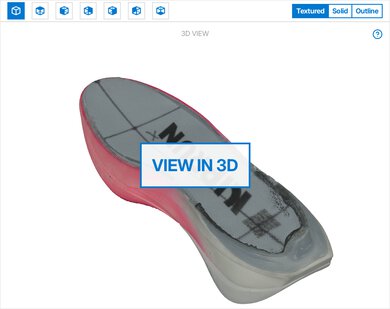
- Updated Aug 26, 2026: We've converted this review to Test Bench 0.13, which identifies the different foams used in the shoe's midsole. We've included a microscopic image of the foam cells to give you an idea of what the microstructure looks like. To read more about the changes, see the changelog.
-
Updated Jul 07, 2026:
We've updated the Popular Comparisons section to add more context to Kiprun's running line-up and help distinguish between their racing shoe options.
- Updated Jun 22, 2026: We've converted this review to Test Bench 0.12, which fixes how we measure firmness, a component of the Stability and 5K/10K Racing usages. There may be inconsistencies between the text and the scores for these usages, but the scores should still be considered valid. We've also brought back the Energy Return score and added two new usages: Daily Training and Long Run. To read more about the changes, see the changelog.
- Updated Jun 22, 2026: We've converted this review to Test Bench 0.11, adding two new rocker measurements to the Design section, and three new responsiveness tests to the Performance section. The Energy Return usage score has been replaced with Responsiveness. Check out the details in our changelog.
- Updated May 25, 2026: Review published.
- Updated May 12, 2026: Early access published.
- Updated Apr 07, 2026: Our testers have started testing this product.
- Updated Apr 02, 2026: The product has arrived in our lab, and our testers will start evaluating it soon.
- Updated Mar 30, 2026: We've purchased the product and are waiting for it to arrive in our lab.

We've bought and tested more than 300 running shoes. Every pair purchased with our own money, never supplied or sponsored by brands. Our data-driven tests are designed to go beyond marketing claims, and since every shoe goes through the exact same methodology, you can directly compare results to find the right pair for your needs.
Test Results
Energy Return
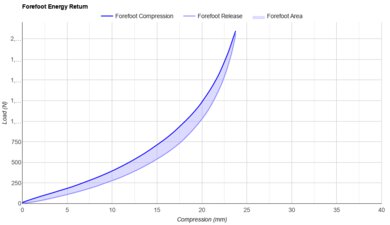
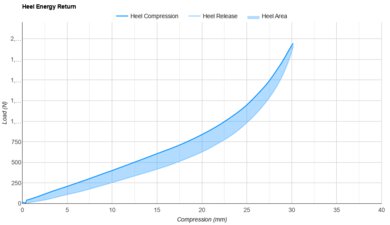
The Kiprun Kipstorm Tempo has good energy return. The forefoot gives back plenty at toe-off, helping faster running remain efficient, while the heel provides decent rebound after landing. The difference between the two makes the shoe livelier once you move farther forward through the stride.
Good forefoot rebound keeps faster running efficient.
Decent heel rebound gives landings some liveliness.
Heel gives noticeably less back than the forefoot.
Stability
The Kiprun Kipstorm Tempo is quite stable overall. Its wide outsole under the forefoot and sock-like gusseted tongue help keep the foot feel locked-down and planted. However, the softer, narrow heel makes the rearfoot a bit less supportive, so heel strikers or runners who need a very planted platform may notice some instability when cornering, running tired, or landing farther back. Still, this level of stability will be enough for most runners.
Wide forefoot provides a secure platform at toe-off.
Fully gusseted tongue keeps the foot locked down.
Softer heel makes rearfoot landings less secure.
Heel strikers may notice some wobble when cornering or running tired.
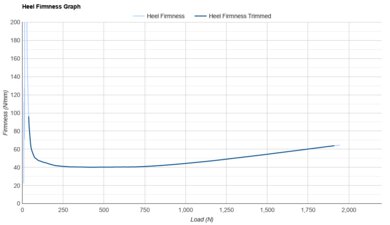
The heel is relatively soft overall, so rearfoot landings aren't especially secure. Although it firms up as more force is applied, it remains softer than ideal for runners who rely on a very planted heel.
Cushioning
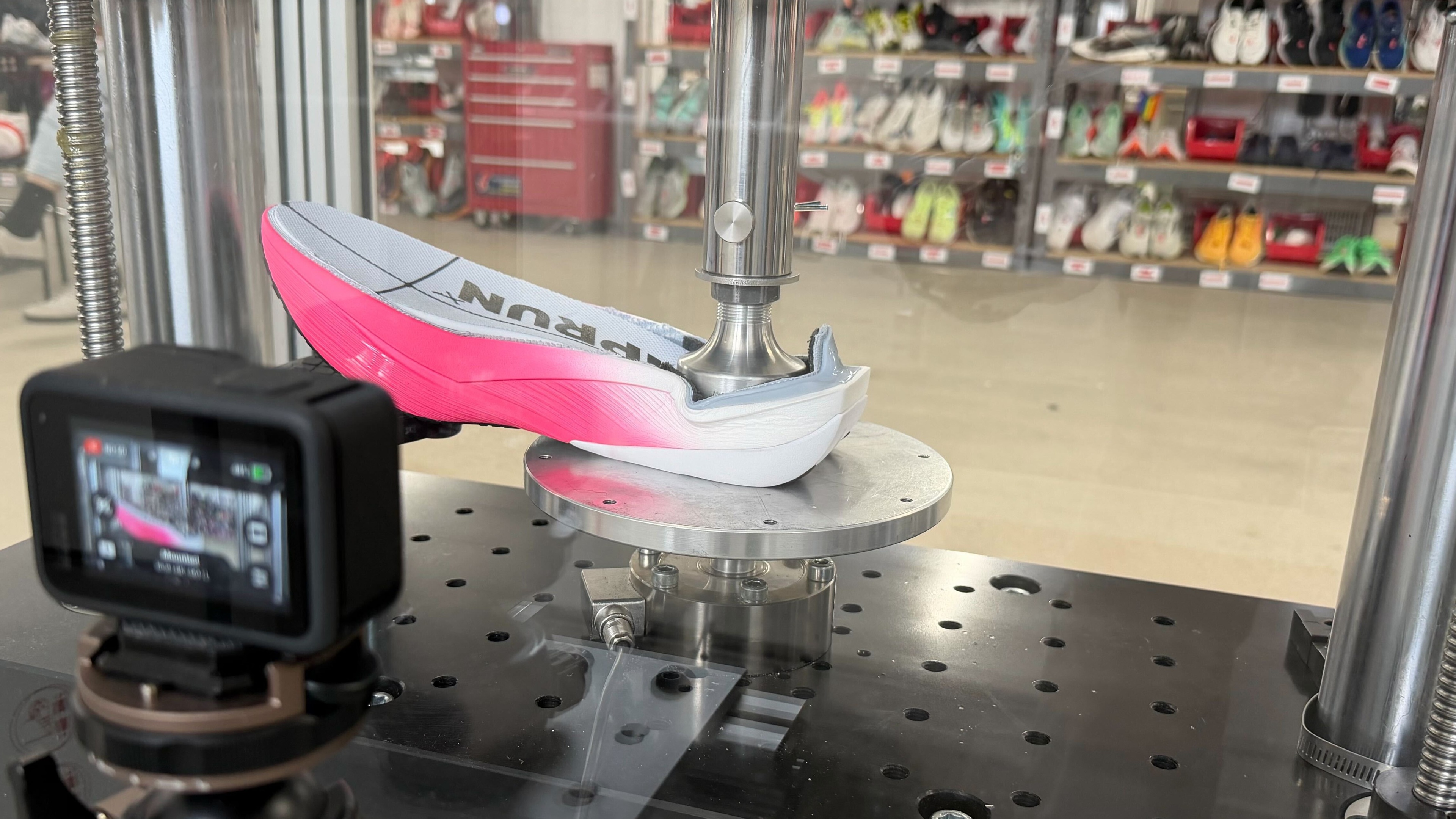
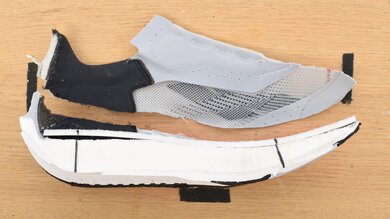
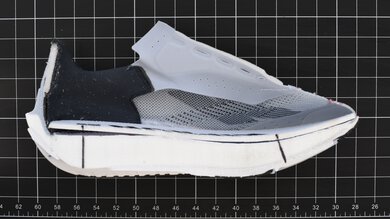
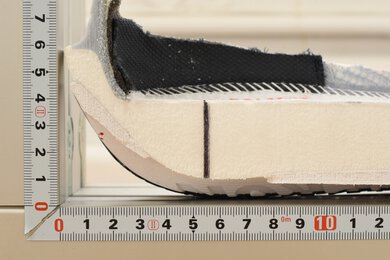
The Kiprun Kipstorm Tempo has superb cushioning. Its tall midsole provides plenty of protection under both the heel and forefoot, making it a great option for runners who want a well-cushioned shoe for long runs, steady mileage, or harder efforts where impact protection still matters. That said, it doesn't have an extremely soft, sink-in feel, and its performance-oriented geometry can make it feel a bit harsher on easy miles than its cushioning score suggests. Still, it delivers a very protective underfoot experience, making it suitable for long runs.
Superb cushioning provides exceptional impact protection underfoot.
Heel absorbs impact well across different force levels.
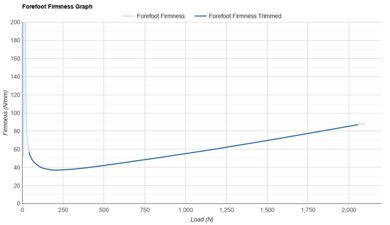
Forefoot provides amazing protection across different loads.
Ride may lack the plushness some runners expect from such deep protection.
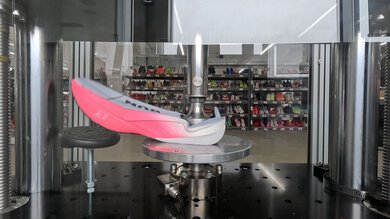
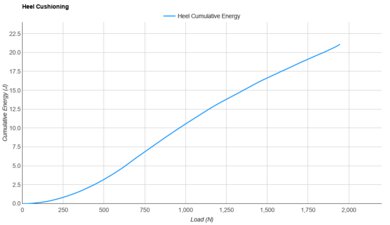
The heel provides superb impact protection overall. Protection improves as more force is applied, making the shoe particularly capable at absorbing harder rearfoot landings.
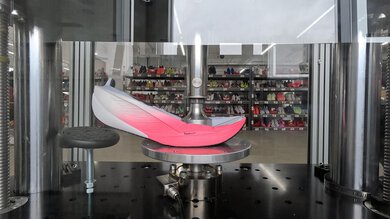
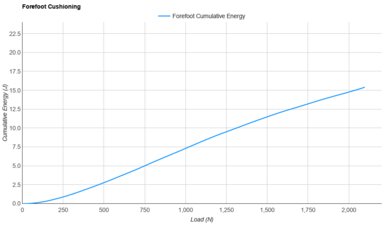
The forefoot provides excellent impact protection. Protection declines as more force is applied, though even heavier loading leaves plenty of buffer from the road.
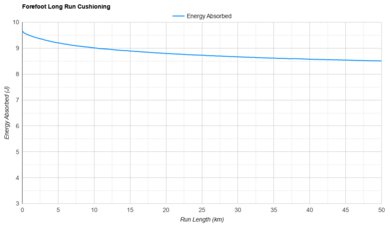
The Kiprun Kipstorm Tempo is a great option for long runs, with impact protection holding up very well as the miles build. It outperforms the adidas Adizero Evo SL by some margin.
Bounciness
The Kiprun Kipstorm Tempo has decent bounce. Both ends compress reasonably well under load, while the good forefoot rebound adds some spring through toe-off. However, the heel returns less energy, so landings lack the same liveliness.
Forefoot compresses decently to add some spring at toe-off.
Good forefoot rebound keeps the ride lively.
Heel compression only provides reasonable spring on landing.


Snappiness
The Kiprun Kipstorm Tempo has decent snap. The forefoot takes a lot of force to bend, providing good leverage through toe-off, while it returns a good amount of the energy stored as it unbends. However, the forefoot itself is fairly soft, so it's not as snappy as dedicated racers. The rocker angle also provides only adequate assistance moving onto the toes.
Good bending energy return keeps push-off efficient.
Forefoot provides good leverage through toe-off.
Softer forefoot limits aggressive snap.
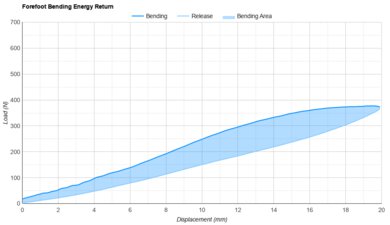
The forefoot returns a good amount of the energy stored while bending, adding efficiency through toe-off.
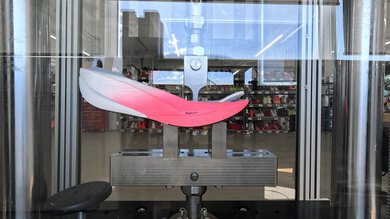
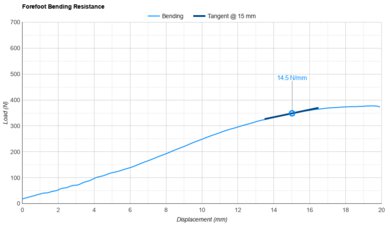
Roll
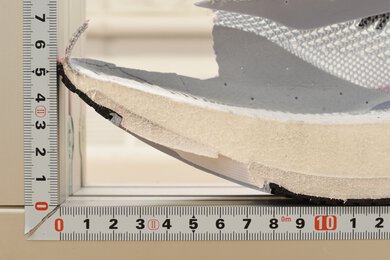
The Kiprun Kipstorm Tempo rolls well through the stride. The good heel rocker moves heel strikers smoothly into midstance, while the forefoot geometry helps carry the transition through toe-off. The rocker also resists flattening reasonably well under load, preserving assistance as you move forward. However, the rocker isn't exceptionally stiff, so the shoe lacks the more aggressive nature of a dedicated racer.
Good heel rocker moves heel strikers smoothly into midstance.
Good forefoot geometry carries the transition smoothly through toe-off.
Rocker resists flattening well enough to preserve assistance through the stride.
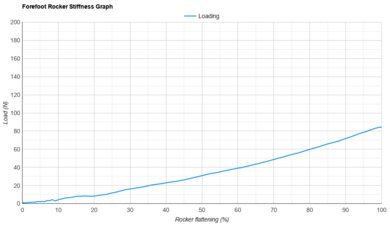
The rocker is decently stiff and takes a reasonable amount of force to flatten, providing useful assistance through the stride without making the shoe overly rigid.
True To Size
The Kiprun Kipstorm Tempo fits true to size overall, but it runs quite long. There's enough room at the arch to avoid feeling restrictive; however, the extra length makes the lockdown less precise, especially for faster efforts, and the lower forefoot height may feel a bit cramped despite the generous width.
Forefoot width gives most runners plenty of room.
Arch provides ample room without becoming restrictive.
Most runners can confidently get their usual size.
Low forefoot height may cause scraping for runners with taller toes.
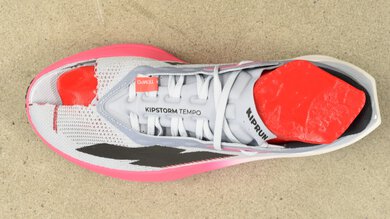
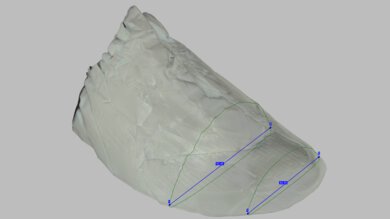
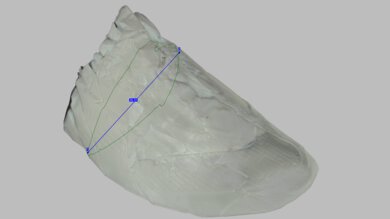
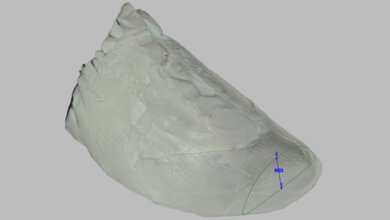
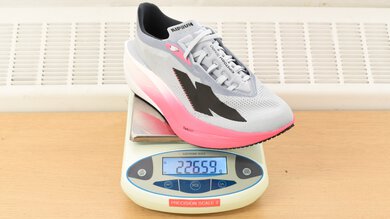
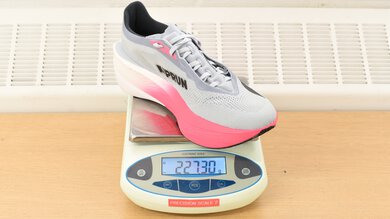
The Kiprun Kipstorm Tempo is reasonably light for a performance trainer. It weighs less than shoes like the ASICS SUPERBLAST 3, though the adidas Adizero Evo SL comes in a touch lighter.


Popular Running Shoe Comparisons
The Kiprun Kipstorm Tempo is a high-stack, unplated uptempo trainer built for runners who want a cushioned but responsive shoe for workouts, faster daily training, and long runs with pace changes. In the broader market, it sits near unplated performance trainers like the R.A.D UFO and the On Cloudmonster 3 Hyper, since they all use a dual-layered midsole to balance bounce and control without relying on a plate. The Kipstorm Tempo's top layer adds a livelier, more responsive feel, while the firmer carrier helps stabilize the tall platform. The ASICS SUPERBLAST 3 is an even better dual-density option if you want stronger long-distance protection with similar pace versatility, though it isn't quite as nimble as the Kiprun.
Within Kiprun's lineup, this model is part of a broader reset around clearer road-running categories and more serious midsole compounds. The Kipstorm Tempo falls within their faster-running range, below more race-focused models like the Kiprun Kipstorm Challenger, the most versatile racing shoe, and the Kiprun Kipstorm Elite, the more accessible racing option. On the other end, the Kiprun Kipride and Kiprun Kipride Max cover daily training and cushioned mileage.
For more options, check out our recommendations for the best running shoes, as well as the best long-distance running shoes and the best shoes for running a marathon.
The Dynafish Xiaonian is a better shoe than the Kiprun Kipstorm Tempo for faster running. It's lighter and much bouncier, while still providing plenty of protection for longer efforts. The Kiprun offers a more controlled ride with deeper cushioning, so it's the better pick if regular training matters more than outright speed.
The ASICS MEGABLAST is a better shoe than the Kiprun Kipstorm Tempo for most runners. It provides more cushioning and slightly better rebound, giving it more range for faster running while remaining highly protective. The Kiprun offers a more controlled ride, so pick it if you prefer less bounce and more guidance through the stride.
The Kiprun Kipstorm Tempo is a better running shoe than the adidas Adizero Evo SL. Despite weighing a bit more, its taller platform is significantly more cushioned and better protects your legs over longer distances, making it the better option for long runs and marathon racing. It's also slightly more stable and carries you more smoothly through each stride, so it handles weekly miles more reliably. However, unlike the adidas, runners with taller toes may experience chafing.
The Kiprun Kipstorm Challenger is a better shoe than the Kiprun Kipstorm Tempo for racing or harder speed sessions. It's much lighter and returns more energy, while the Kipstorm Tempo provides considerably more cushioning for daily training or long runs. Get the Challenger if speed takes priority; get the Tempo if you want one shoe to handle more of your weekly running.
The ASICS SUPERBLAST 3 is a better shoe than the Kiprun Kipstorm Tempo for most runners. It provides better long-run protection and a bouncier ride, making it more capable across longer efforts with pace changes. The Kiprun has a slightly snappier forefoot and costs less, so it remains a good pick if you want a very capable performance trainer without spending as much.
The Kiprun Kipstorm Elite is a better shoe than the Kiprun Kipstorm Tempo for racing. It's lighter, more energetic underfoot, and much better suited to faster efforts. The Kipstorm Tempo is the better choice for training, with deeper cushioning and more versatility for regular mileage or long runs.
The Kiprun Kipstorm Tempo and R.A.D UFO are both cushioned performance trainers, but the R.A.D is the livelier option. It has more bounce underfoot, while the Kiprun provides deeper protection and a more controlled ride. Get the R.A.D if you want a more energetic trainer; get the Kiprun if cushioning matters more.
Differences Between Sizes And Variants
We bought and tested the Kiprun Kipstorm Tempo in men's US size 9, and here's the label for our pair. The pair we purchased is the Foggy blue/fluo neon pink, but you can also buy the shoe in other colors, depending on the region. This shoe isn't available in wide widths. The design section applies only to the exact model we tested, but we expect other sizes and gender variants to perform similarly.