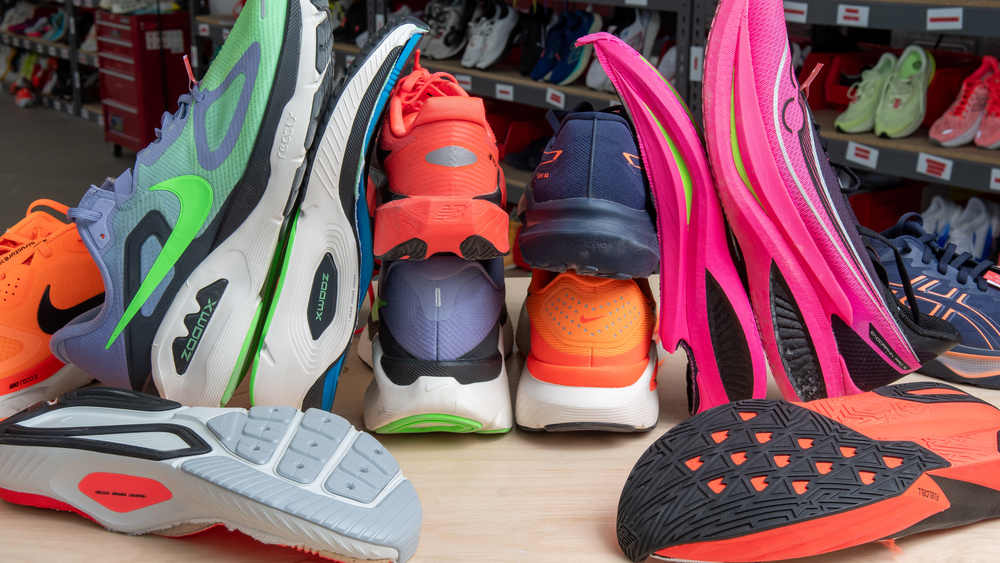
If you're looking for a stability running shoe, chances are you want more support than a typical neutral shoe provides. Neutral shoes are designed for runners without excessive inward ankle movement (overpronation), while stability shoes add support features such as raised sidewalls and medial posts to limit it. Those features can also make a shoe feel firmer or more intrusive, so you'll notice them guiding or correcting your foot more through your stride. The amount of support varies considerably, so choosing the right shoe comes down to how much guidance you want and what you're willing to give up to get it.
We've tested over 300 running shoes, and to help you compare the picks below, there are a few key things worth paying attention to:
- Stability: Higher scores mean less unwanted movement and more support. A score of 7.5+ is good. Every stability shoe recommended below also has built-in support features; our neutral pick is the exception.
- Cushioning: More cushioning can make a shoe harder to control if the platform is very soft. A score of 7+ gives you decent shock absorption without automatically sacrificing support.
- Weight: Extra support often adds weight. Around 260 g is fairly typical for a running shoe, while shoes approaching or exceeding 300 g will feel noticeably heavier.
- Tongue Gusset Type: A gusseted tongue holds your foot more securely inside the shoe, which can improve lateral stability by reducing side-to-side movement.
- Energy Return: Stability shoes often sacrifice energy return as they prioritize support over rebound. A score of 7+ means you'll get a decent amount of help back through each stride.
This article is intended to help you compare our top stability running shoes, not diagnose whether you need one. If you have pain, an injury, or concerns about your gait, speak with a qualified medical professional.
Below are our picks for the best stability shoes for runners. If you're new to running, check out our picks for the best running shoes for beginners. If comfort is your priority, see our most comfortable running shoes, or check out our best running shoes for more general recommendations.
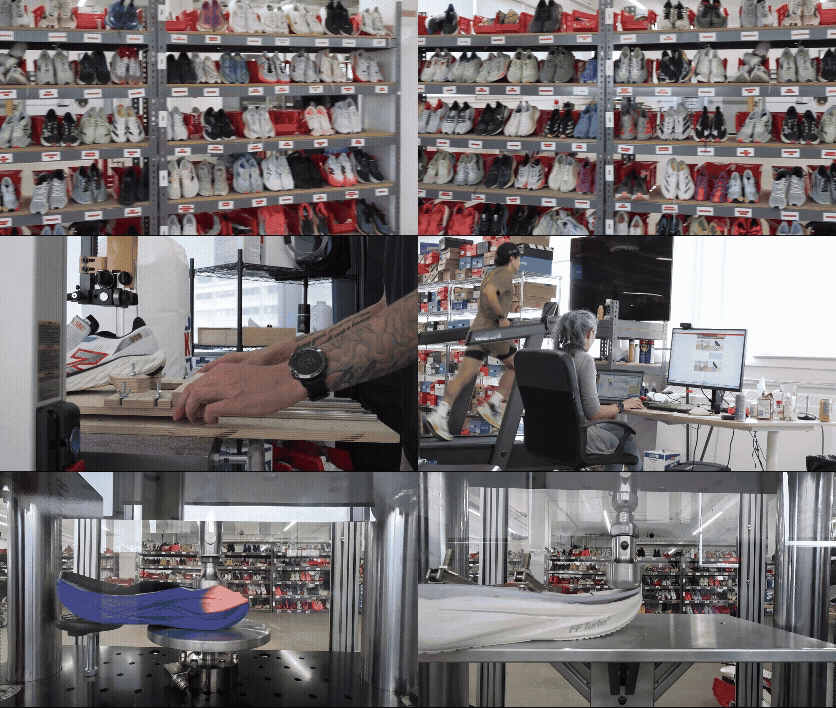
We've bought and tested more than 300 running shoes. Every pair purchased with our own money, never supplied or sponsored by brands. Our data-driven tests are designed to go beyond marketing claims, and since every shoe goes through the exact same methodology, you can directly compare results to find the right pair for your needs.
-
Best Stability Running Shoe
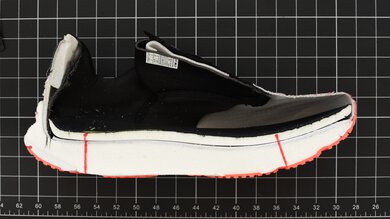
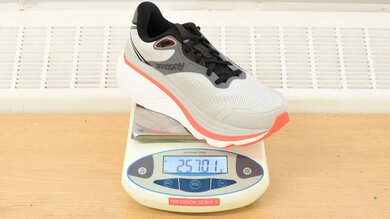
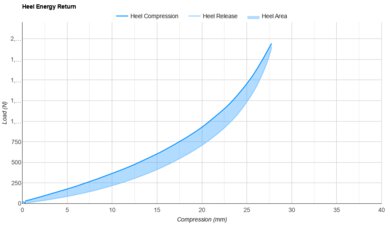
 Stability7.8Cushioning8.4Energy Return8.0Weight:260.6 g (9.19 oz)See all our test resultsTongue Gusset Type:Fully-gusseted
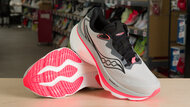
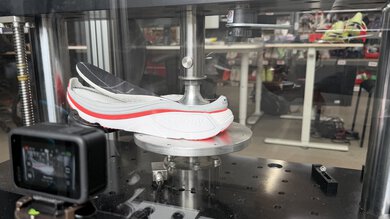
If you want a stability shoe that balances support and performance but don't need maximum stability like our pick further down, the Saucony Hurricane 26 is the best stability running shoe we've tested. It has very good stability that helps control excessive overpronation without feeling stiff or aggressively forcing your foot through your stride. Its great cushioning absorbs an impressive amount of shock across different runner weights and paces, while its broad platform helps keep the tall stack of foam secure, so your legs stay well protected over regular miles and longer runs without feeling wobbly.
Despite the added support, it weighs about as much as a typical running shoe, so it doesn't feel excessively heavy on your feet. You also get great energy return, making it less tiring to run in than more traditional stability shoes, while the fully-gusseted tongue helps keep your foot securely locked in place. There's a decent amount of bounce, too, so you get some spring through your stride. It can handle a marathon if you're looking to finish rather than race, and it comes in a good range of colors for both men and women, with wide sizing available if you need more room.
That said, the shoe isn't perfect. The soft forefoot and heel can make landings feel less planted than in firmer support shoes. If you're not used to a bouncy shoe, it can also feel a little unpredictable at first. Though it can handle some faster running, it's not built for top-end speeds, as its broad build feels quite bulky compared with more streamlined shoes.
-
Best Mid-Range Stability Running Shoe
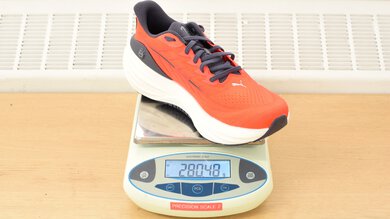
 Stability8.4Cushioning7.6Energy Return5.6Weight:279.1 g (9.84 oz)See all our test resultsTongue Gusset Type:Semi-gusseted
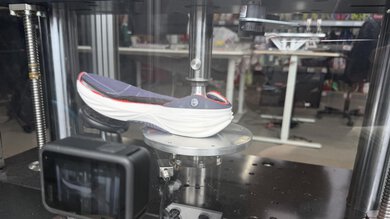
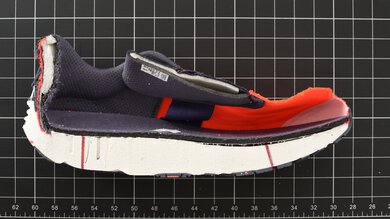
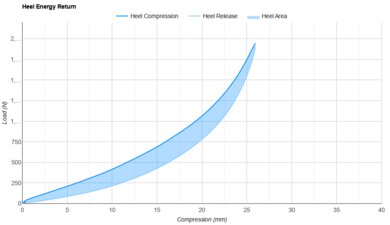
If you still want a stability shoe that balances support and performance, but the Saucony Hurricane 26 is out of your price range, the PUMA ForeverRun NITRO 3 is a great alternative. It feels much more planted and secure when you land, thanks to its firmer, more stable build. It does a better job of keeping your ankles from rolling inwards excessively, too. However, the firmer setup can also feel a bit more intrusive than the Saucony, and you'll feel that guidance more through your stride; if you only have mild stability needs, it may be too much. Its heavier build is much more noticeable when you try to run faster, too, so it's much more at home at easy paces rather than quicker efforts, and it's not a good choice for completing a marathon. While its heel still does a very good job of absorbing shock across different weights and paces, the forefoot becomes much harsher as more force is applied, so heavier runners will feel more impact from the road. It also gives you relatively little help back through your stride, which makes it a more tiring shoe to run in.
Still, it's a very good option if most of your miles are at easier paces and you don't care about getting much spring from the shoe. It also sits a little closer to the ground than our top pick, so it'll feel more familiar if you're not used to truly max-stack shoes. Even though PUMA shoes tend to run narrow, this shoe comes in wide sizing if you need more room, and it comes in several color options across the men's and women's versions.
-
Best Budget Stability Running Shoe
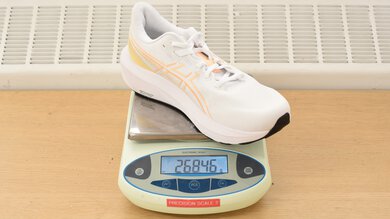
 Stability8.1Cushioning5.0Energy Return1.8Weight:266.6 g (9.40 oz)See all our test resultsTongue Gusset Type:Non-gusseted
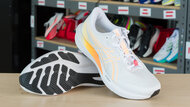
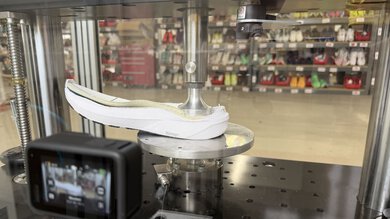
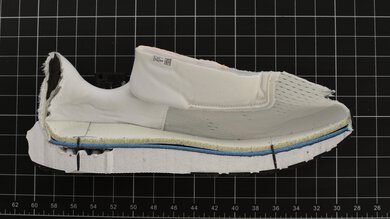
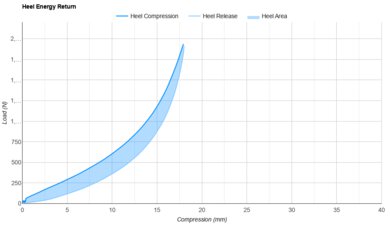
If you want a budget stability shoe that gives you the most performance for your money, the ASICS GT-1000 15 is the best option we've tested. While our mid-range pick, the PUMA ForeverRun NITRO 3, is the better shoe between the two, you still get a very stable shoe from the ASICS for much less. You make some clear compromises elsewhere, though. It does a great job of keeping your ankles from collapsing inward without feeling overly intrusive, so it's a good fit if you only need mild support. You'll miss out on the PUMA's much better cushioning, though. The ASICS is the firmest shoe on this list, too, and while that can make your landings feel even more planted, you'll also feel considerably more road impact coming through the shoe.
Even so, the ASICS has a much narrower platform and is relatively light for a stability shoe, so it feels less bulky and more manageable on your feet. That doesn't make it a fast shoe, though, as it has very little rebound, so picking up the pace feels harder, and sustaining it takes more effort. If you're a guy and need extra room, you have more options, as the men's version comes in wide and extra-wide sizes. If you're a woman, it only comes in wide. You also get a black colorway in a standard width for both genders, so it's got you covered if you want something neutral enough to wear for both running and walking without needing a wide fit.
-
Best Stability Running Shoe For Maximum Support

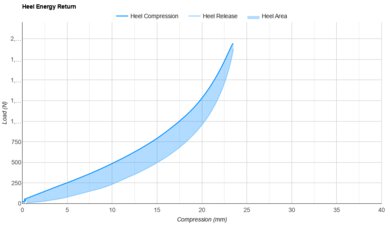 Stability9.0Cushioning7.4Energy Return1.9Weight:312.8 g (11.03 oz)See all our test resultsTongue Gusset Type:Fully-gusseted
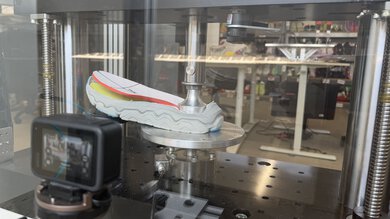
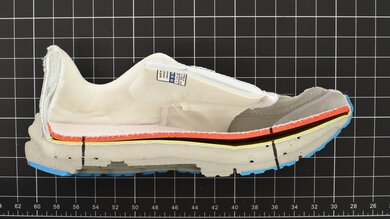
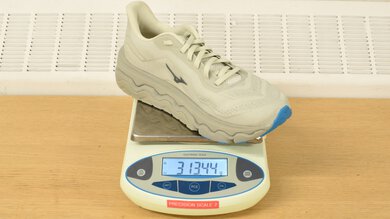
If a medical professional told you that you have high stability needs and deal with severe overpronation, the Mizuno Wave Horizon 9 is the most supportive shoe on this list, though it gives up a lot of performance elsewhere. It's superbly stable, with aggressive support features that do an outstanding job of keeping your ankles from collapsing inward. You'll notice much more intrusive guidance than in any of the other shoes above, so if your support needs are only mild, this isn't the shoe for you. The Mizuno is also the heaviest shoe on this list, and it's less cushioned and much firmer than our top pick, the Saucony Hurricane 26. It does a poor job of returning the effort you put into each stride, too, so your legs absorb more road impact, and the shoe's extra weight makes running more tiring.
However, if your priority is getting the most support possible for running at relaxed paces, the Mizuno is a rare shoe that combines exceptional stability with enough cushioning to keep your legs decently shielded from the road overall. It also provides adequate protection over long, slow runs and comes in wide sizing for both men and women. There are only a few colorways to choose from, but there is a black option if, like with our budget pick, the ASICS GT-1000 15, you want something neutral enough to wear for both running and walking.
-
Most Stable Running Shoe For Neutral Runners
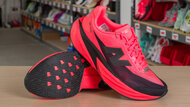
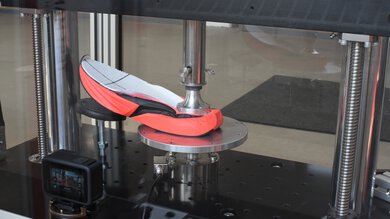
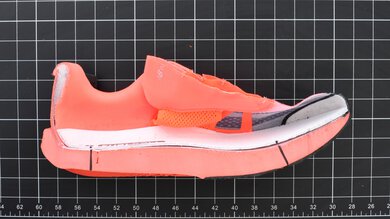
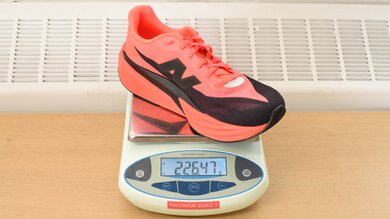
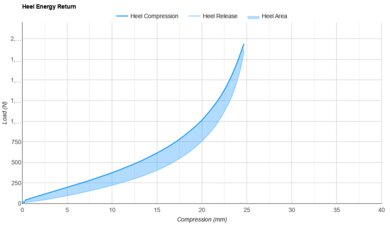 Stability8.5Cushioning7.2Energy Return6.3Weight:227.3 g (8.02 oz)See all our test resultsTongue Gusset Type:Semi-gusseted
If you don't need built-in guidance to control overpronation but still want an amazingly stable shoe for your daily miles, the New Balance FuelCell Rebel v5 is the one to get. It's a neutral shoe, meaning it doesn't use dedicated support features to guide or correct your foot. Instead, its low profile keeps your foot closer to the ground, leaving less room for wobble through your stride, while its firm build helps your landings feel very secure. Despite having a narrower heel and forefoot than our top pick, the Saucony Hurricane 26, its arch is just as wide, so you still get a solid base through the middle of the shoe without the intrusive guidance of a stability model. It isn't as complete a package as the Saucony, though, as you get less cushioning and considerably less spring. The forefoot also gets even harsher than our mid-range pick, the PUMA ForeverRun NITRO 3, as you put more force through it, so heavier runners will feel considerably more impact up front.
Despite those limitations, it's still a great daily trainer overall, especially if you want excellent stability without intrusive support features influencing your stride. In fact, it's the second-most stable shoe on this list and the lightest, so you get that security without the bulk of the picks above. For less than the PUMA, you also get a bit more help through your stride and a shoe that's better suited to faster running. It comes in narrow and wide sizing, too, with plenty of colorways to choose from.
Notable Mentions
-
Brooks Glycerin GTS 23:
The Brooks Glycerin GTS 23 is a more expensive alternative to our top pick, the Saucony Hurricane 26, if you want more stability from a more aggressive support setup. However, it's significantly heavier, less cushioned, and returns much less energy, making it more cumbersome and offering less training range.
See our review -
New Balance Fresh Foam X 860v15:
The New Balance Fresh Foam X 860v15 is a more cushioned alternative to our mid-range pick, the PUMA ForeverRun NITRO 3. It's also slightly more stable, but its significantly taller and heavier build makes it bulkier underfoot, and it's not as good of a daily trainer overall.
See our review -
Altra Experience Flow 3:
The Altra Experience Flow 3 is a much lighter alternative to our maximum-support pick, the Mizuno Wave Horizon 9, with similarly remarkable stability. However, it's much less cushioned and has a very low drop, so unless you specifically want a low-drop shoe, the Mizuno is the better pick.
See our review -
R.A.D MALLOW:
The R.A.D MALLOW is a more cushioned alternative to our neutral pick, the New Balance FuelCell Rebel v5. It also gives you a bit more energy back through your stride, but it's harder to find, it's heavier, and its higher stack gives it fewer uses across daily training.
See our review
Recent Updates
-
Oct 05, 2026 at 01:15 pm:
We updated this article to make it clearer who each pick is for. We've rewritten the introduction and changed the usage categories and picks. The PUMA ForeverRun NITRO 3 is our new mid-range pick, the Mizuno Wave Horizon 9 is our maximum-support pick, and the New Balance FuelCell Rebel v5 is our neutral-runner pick. We also replaced the Saucony Hurricane 25 with the Hurricane 26 as our top pick and swapped the ASICS GT-2000 14 for the ASICS GT-1000 15 as our budget recommendation. Finally, we refreshed the Notable Mentions by removing the ASICS GEL-KAYANO 33 and adding the Brooks Glycerin GTS 23, New Balance Fresh Foam X 860v15, Altra Escalante 3, and R.A.D. MALLOW.
-
Jul 07, 2026 at 04:46 pm:
We've updated our recommendation for the 'Best Budget Stability Shoe' after our previous pick went out of stock.
All Reviews
Our recommendations above are what we think are currently the top stability running shoes for most people. We consider factors like performance, price (a more affordable shoe wins out if the extra cost isn't justified), user feedback, and availability; we don't recommend shoes that are hard to find or nearly sold out.
If you'd rather decide for yourself, check out our full list of running shoe reviews. There's no best stability shoe for running: your stride, preferences, and goals will always be the biggest factors in finding the best stability running shoe for your needs.