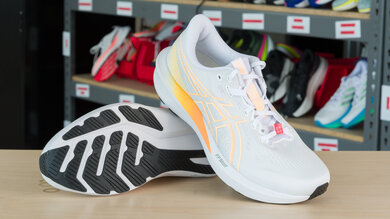
The ASICS GT-1000 15 is an entry-level stability trainer for runners who need structured support for overpronation during their daily mileage. Its broad, very firm platform provides impressive guidance, though the ride feels heavy and lacks energy. It handles short, easy runs and regular daily training well, but offers limited protection and comfort as distances increase. While it's an approachable option for runners who prioritize support, more premium stability shoes feel lighter, smoother, and better suited to longer efforts.
| ✅ Buy If: | ❌ Skip If: |
|
|
Our Verdict
The ASICS GT-1000 15 is a poor choice for marathon racing. Its significant heft, combined with its inadequate protection and poor energy return, makes it feel harsh and sluggish over distance.
Heaviness makes it lethargic over the distance.
Dull midsole makes turnover a chore.
The ASICS GT-1000 15 is an unremarkable pick for 5K/10K racing. Despite its firm forefoot, the shoe lacks snap and propulsion. Its dull midsole, lack of plate, and significant bulk make it a hard shoe to turn over at pace.
Dull midsole makes turnover a chore.
Too heavy to pick up the pace efficiently.
The ASICS GT-1000 15 is an inadequate pick for long runs. Though it has excellent stability, the sub-par midsole cushioning and lack of propulsion underfoot make it a hard shoe to turnover, and one that will leave your legs beat up over distance.
Heaviness makes it lethargic over the distance.
Midsole bottoms out very quickly.
The ASICS GT-1000 15 is an adequate pick for daily training. It's an impressively stable shoe, and the heel rocker provides adequate assistance through heel strike. However, its heft combined with its disappointing cushioning and poor propulsion makes daily miles more draining than they need to be.
Impressive width-to-stack-ratio delivers a very planted ride.
Inefficient midsole gives very little back.
Changelog
- Updated Sep 16, 2026: We've converted this review to Test Bench 0.15, which replaces Responsiveness with three specific performance usages: Bounciness, Snappiness, and Roll. To read more about the changes, see the changelog.
- Updated Sep 02, 2026: We've converted this review to Test Bench 0.14, which adds new lace-specific results. We've included a close-up photo of the laces, as well as details including lace type, width, thickness, and stretch. To read more about the changes, see the changelog.
- Updated Sep 02, 2026: We've converted this review to Test Bench 0.13, which identifies the different foams used in the shoe's midsole. We've included a microscopic image of the foam cells to give you an idea of what the microstructure looks like. To read more about the changes, see the changelog.
-
Updated Aug 25, 2026:
We refreshed the Popular Running Shoe Comparisons box to include recently released models.
-
Updated Jul 24, 2026:
We've added a new table in the intro to help you quickly determine if this shoe matches your needs.
-
Updated Jun 30, 2026:
We've updated the article to add text, Pros, and Cons for the Long Run, Daily Training, and Energy Return sections after converting the shoe to Test Bench 0.12. We've also tweaked the wording in the Marathon, 5K/10K, Heel Firmness, and Forefoot Firmness boxes to align with the new scores.
- Updated Jun 30, 2026: We've converted this review to Test Bench 0.12, which fixes how we measure firmness, a component of the Stability and 5K/10K Racing usages. There may be inconsistencies between the text and the scores for these usages, but the scores should still be considered valid. We've also brought back the Energy Return score and added two new usages: Daily Training and Long Run. To read more about the changes, see the changelog.
- Updated Jun 26, 2026: Review published.
- Updated Jun 23, 2026: Early access published.
- Updated Jun 15, 2026: Our testers have started testing this product.
- Updated Jun 12, 2026: The product has arrived in our lab, and our testers will start evaluating it soon.
- Updated May 14, 2026: We've purchased the product and are waiting for it to arrive in our lab.
We've bought and tested more than 250 running shoes. Every pair purchased with our own money, never supplied or sponsored by brands. Our data-driven tests are designed to go beyond marketing claims, and since every shoe goes through the exact same methodology, you can directly compare results to find the right pair for your needs.
Test Results
Energy Return
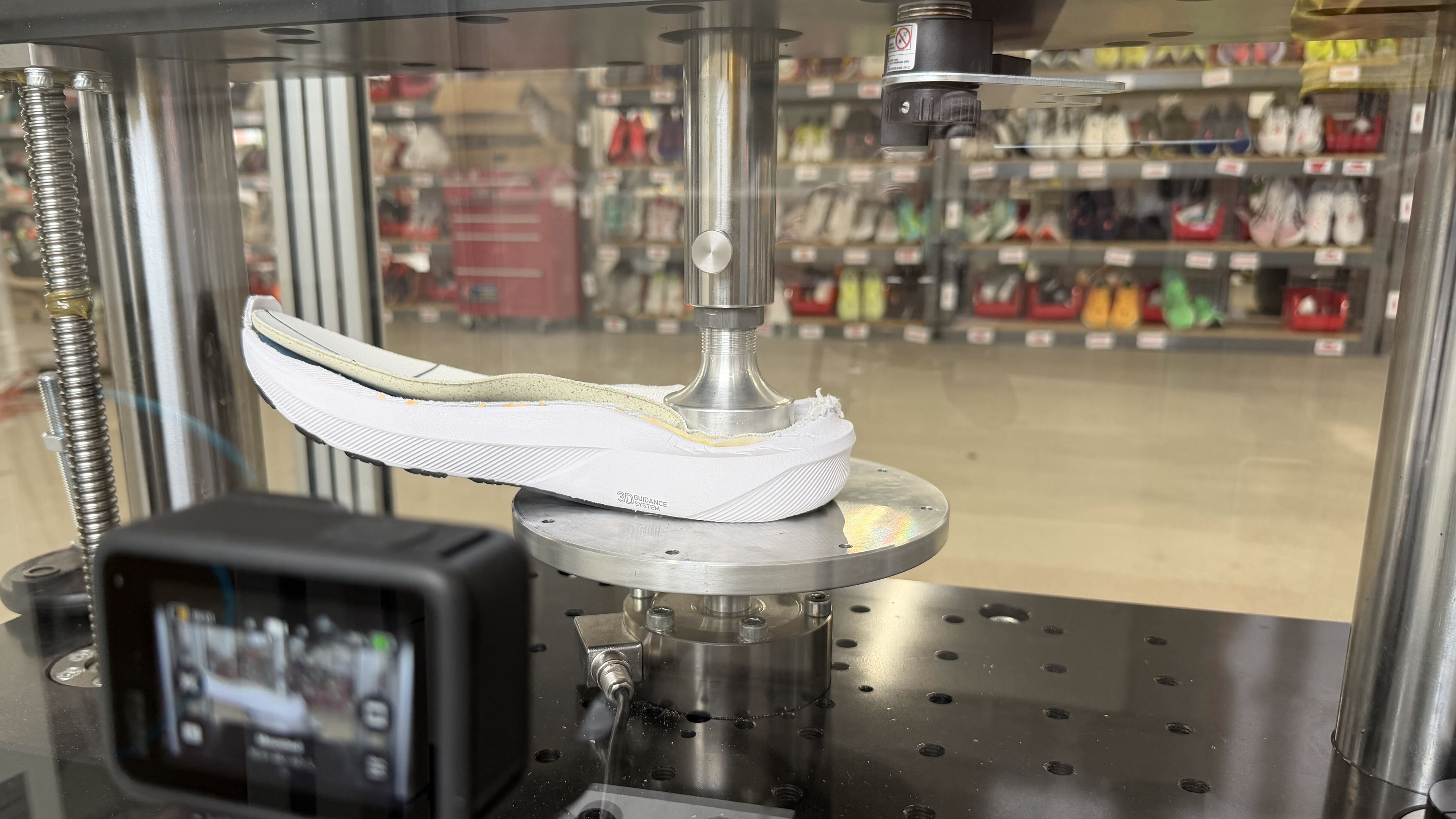
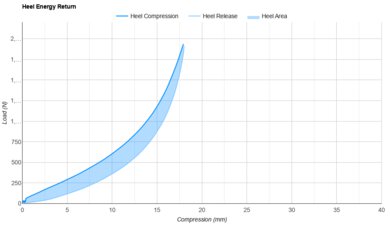
The ASICS GT-1000 15 has terrible energy return overall. The midsole provides very little rebound, making roll-through and toe-off a flat and lifeless experience.
Dull midsole makes turnover a chore.
The midsole foam is lifeless.

Stability
The ASICS GT-1000 15 is impressively stable. Its firm forefoot, wide base, and impressive overall width-to-stack ratio make for a supremely planted, supportive ride.
Impressive width-to-stack-ratio delivers a very planted ride.
Superb forefoot firmness controls toe-off exceptionally.
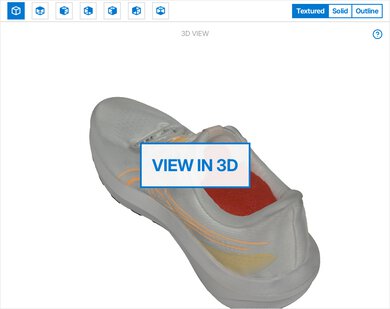

The heel is remarkably firm across the board, contributing to the shoe's excellent overall stability. However, those who prefer a more plush feel underfoot may find it too harsh.

Cushioning
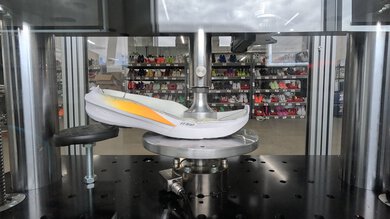
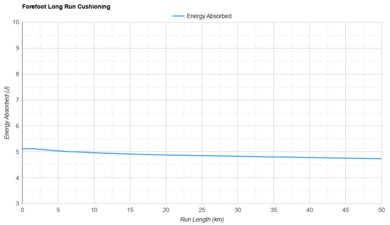
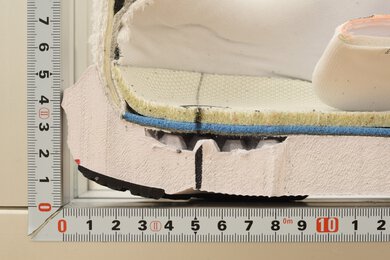
The ASICS GT-1000 15 has disappointing cushioning. The midsole lacks the protection of more premium foams, providing inadequate buffer from the road, especially at higher force levels, making it a bad pick for heavier runners.
Disappointing heel protection.
Forefoot protection is especially bad.
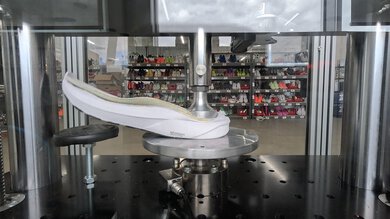

This shoe is really disappointing at protecting the heel from impact. The ride feels harsh underfoot, without the plush feel of more modern support shoes like the Saucony Hurricane 25, and shows a significant decline at higher force levels, making it a poor choice for heavier runners.

Bounciness
The ASICS GT-1000 15 provides poor responsiveness. Though the rocker geometry is passable, its midsole is highly inefficient, and its forefoot is too soft, meaning the ride has lackluster propulsion and lacks snap.
The midsole foam is lifeless.
Inefficient midsole gives very little back.


Snappiness
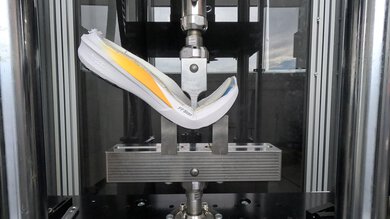
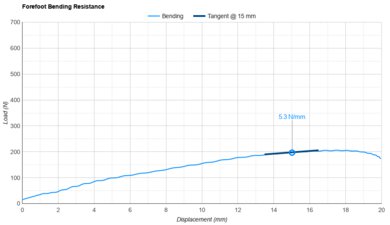
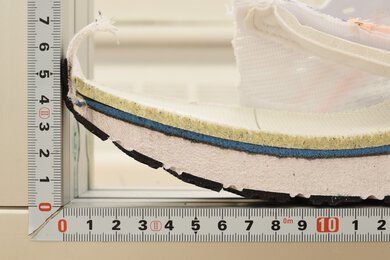
The ASICS GT-1000 15 isn't snappy. Its exceptionally firm forefoot provides a solid surface to push against, but the shoe bends easily and offers little spring-back as it straightens. The modest forefoot rocker angle also provides limited assistance at toe-off, leaving the response without much snap.
Superb forefoot firmness controls toe-off exceptionally.
Flexible forefoot limits leverage at toe-off.
Little spring-back as the forefoot unbends.
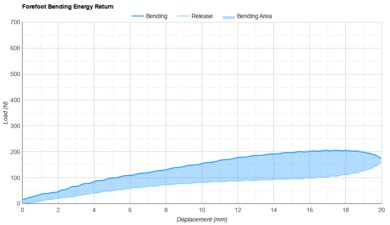
The shoe returns very little of the energy stored as it bends through the forefoot, meaning the toe-off lacks energy and efficiency.
Roll
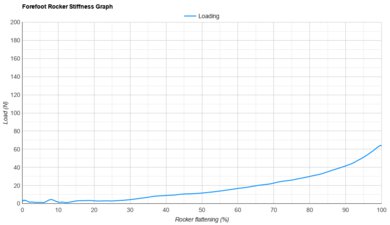
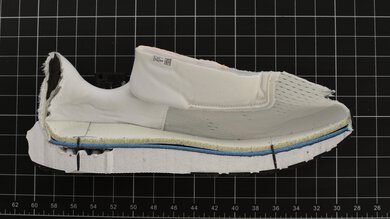
The ASICS GT-1000 15 delivers limited roll. Its modest heel and forefoot rockers provide some guidance through the stride, but the rocker flattens fairly easily under load. The flexible forefoot also struggles to maintain a firm, curved shape as you push off, limiting the sensation of being rolled forward.
Rocker geometry provides some guidance through the stride.
Flexible forefoot limits leverage at toe-off.
Rocker flattens fairly easily under load.
True To Size
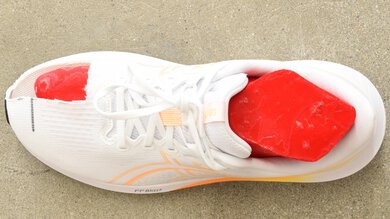
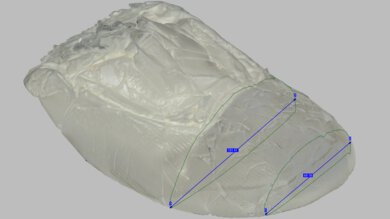
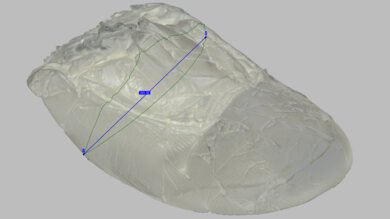
The ASICS GT-1000 15 fits true to size, with a spot-on length and an accommodating fit through the forefoot and arch. The low toe box might be an issue for those with taller toes, but most runners can confidently buy their usual size.
True-to-size forefoot length.
Roomy through the arch.
Low toe-box may be an issue for those with tall toes.
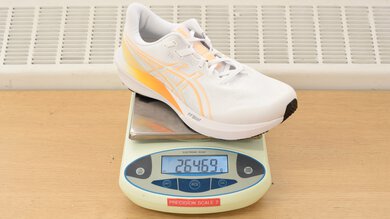
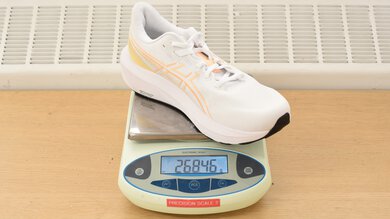
Despite its overall heft, this shoe is actually light in its class, and comes in significantly lighter than others like the Nike Structure 26 and Saucony Guide 19.
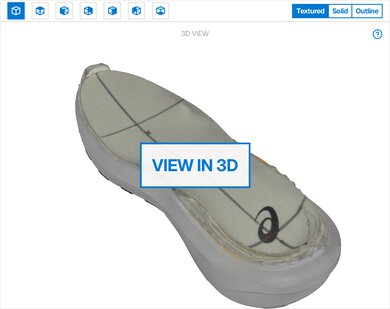

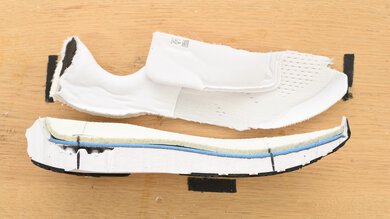
The ASICS GT-1000 15 uses FF BLAST, an EVA/OBC blend that's a more basic option within the brand's lineup. The more premium ASICS GT-2000 15, another stability shoe in the lineup, uses FF BLAST MAX, a polyolefin elastomer (POE) foam.

Popular Running Shoe Comparisons
The ASICS GT-1000 15 is a budget-friendly support shoe that knows exactly what it is. It continues the line's history of providing impressive support without the bells and whistles or the premium price tag of shoes like the Nike Structure 26 and the Brooks Adrenaline GTS 25. Both rivals offer more cushioning, with the Nike adding more overall protection and the Brooks better serving heel strikers with its towering drop, but they're also much heavier and far more expensive. Keep in mind, none of these shoes is impressively lively or protective in the grand scheme of shoes, and with the ASICS retailing for significantly less, the trade-offs for spending more aren't nearly as dramatic as the marketing may suggest.
Within the ASICS lineup, the GT-1000 is the first foothold on the stability ladder, sitting below the more premium ASICS GT-2000 15 and ASICS GEL-KAYANO 33. The GT-2000 is the most stable of the three and, like the GT-1000, uses ASICS' 3D GUIDANCE SYSTEM, whereas the KAYANO 33 gets the 4D GUIDANCE SYSTEM, which adds extra arch support and offers the deepest protection overall. For neutral runners, the ASICS GEL-CUMULUS 28 is the classic, no-frills daily trainer, and the ASICS GEL-NIMBUS 28 is the premium, plush cruiser, and neither has guidance support. Ultimately, the GT-1000 isn't trying to compete with those shoes. It's built for runners who want a dependable daily trainer with impressive support and enough cash left over to grab groceries, too.
If you're looking for more options from ASICS, check out our recommendations for the best ASICS running shoes. If you're new to running and don't know where to start, check out the best running shoes for beginners. If you're looking to get the most bang for your buck, our best cheap running shoes recommendation has everything you need.
The ASICS GT-1000 15 and Nike Structure 26 are both support shoes from their respective brands, but they have a few important distinctions. The ASICS is the much lighter and slightly taller of the two, feeling more nimble on foot. The Nike shoe uses traditional guide rails to achieve its support, and though it offers more protection underfoot, in the big picture, it's still only mediocre. With both delivering comparable stability overall, it largely comes down to whether you're willing to pay a premium for the Nike shoe's extra cushioning.
The ASICS GT-1000 15 and ASICS GEL-KAYANO 32 are both support trainers from the same brand, but they sit on different rungs of the ladder. The GEL-KAYANO 32 is the more premium option, using ASICS' 4D GUIDANCE SYSTEM to provide much more stability and pairing it with an FF BLAST+ ECO midsole to offer more protection overall. It is, however, much heavier and retails for considerably more, and runners who don't need all the bells and whistles will still find the GT-1000 15 an impressively stable shoe overall.
The ASICS GT-1000 15 and ASICS GEL-CUMULUS 28 are both daily trainers from ASICS, but they're intended for very different runners. The GT-1000 15 is the dedicated, entry-level support shoe, providing impressive support for those who struggle with excessive overpronation thanks to its 3D GUIDANCE SYSTEM. The CUMULUS 28 is the no-nonsense daily trainer, delivering more protection, more versatility, and, despite lacking a dedicated guidance system, more support overall. The CUMULUS 28 retails far above the GT-1000 15, however, making it the more premium pick.
The Mizuno Wave Inspire 22 is a better support shoe than the ASICS GT-1000 15. It's much more stable and significantly more cushioned, performing better across all daily training, though its plate makes it more rigid. The ASICS is much lighter and retails for far less, but its ride is much duller. Get the ASICS if you're on a budget; get the Mizuno if you want maximum support and don't mind the rigid ride the plate provides.
Differences Between Sizes And Variants
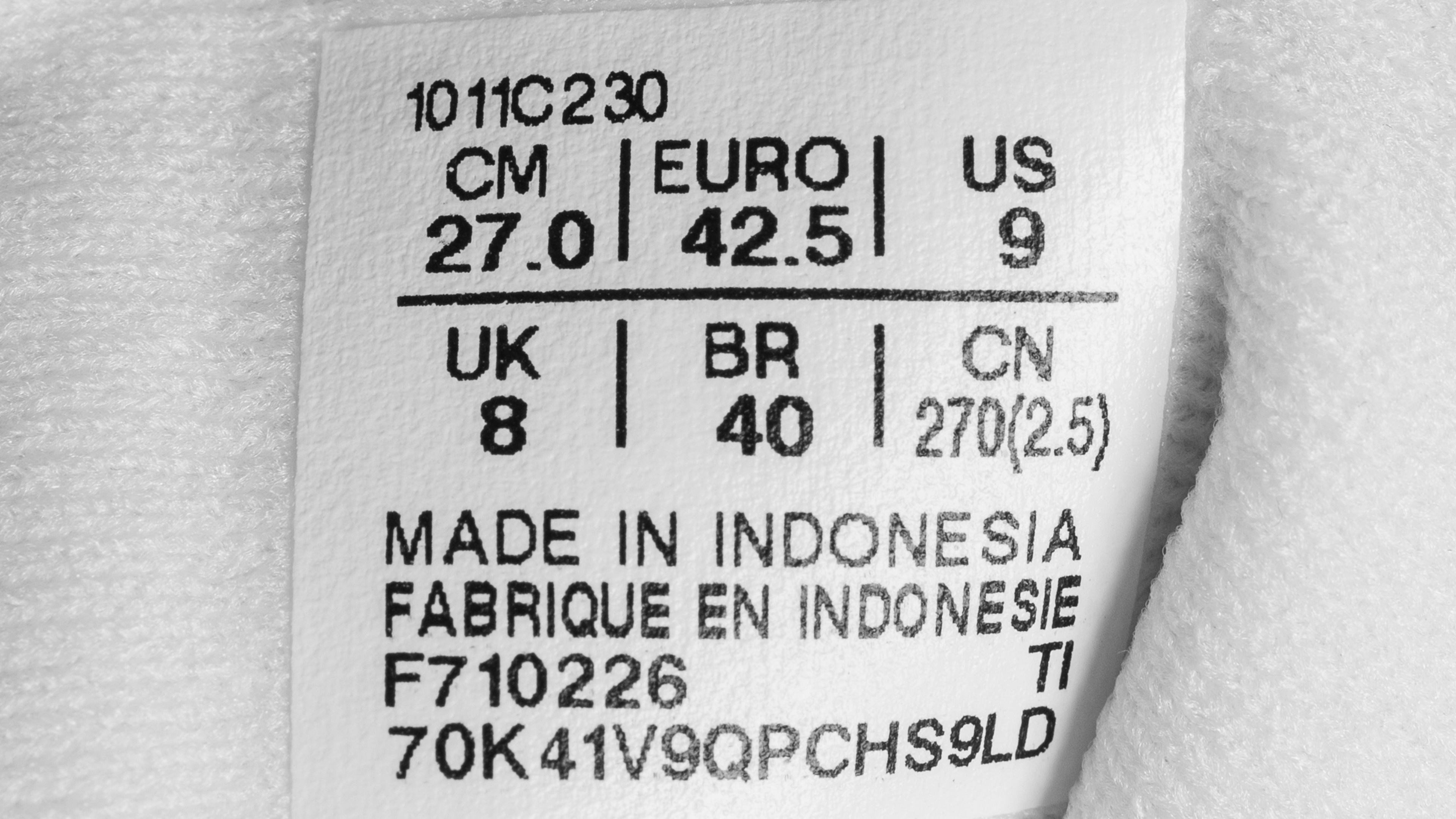
We tested the ASICS GT-1000 15 in men's US size 9, as indicated on the label of our pair. The color featured on the shoe we tested is White/Stadium Orange, but you can also get it in other colors, depending on the region. This shoe is available in a variety of widths, ranging from Standard, Wide, and Extra Wide. The design section applies only to the exact model we tested, but we expect other sizes to perform similarly.