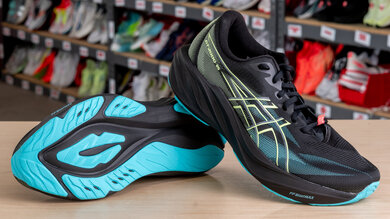
The ASICS GT-2000 15 is a moderate support shoe for runners who overpronate or want extra guidance during their daily mileage. Its broad base and firm heel and forefoot help keep the foot centered, providing impressive stability and good cushioning without feeling overly intrusive. It can handle easy runs and some slightly longer outings, but its heavy weight and limited snappiness make it feel bulky when picking up the pace.
| ✅ Buy If: | ❌ Skip If: |
|
|
Our Verdict
The ASICS GT-2000 15 isn't designed primarily for racing, but it's still a decent option for marathon racing if stability and protection matter more to you than speed. Its tall stack and great support keep landings controlled, but its mediocre weight, only adequate long-run cushioning, and unresponsive feel make sustained faster pacing harder.
Broad platform provides strong stability.
Firm foam keeps the platform controlled under load.
Good initial cushioning protects the foot when landing.
Unremarkable weight makes pace changes harder.
Cushioning gradually loses protection over longer distances.
Limited stiffness and snap-back means it's not very propulsive.
The ASICS GT-2000 15 isn't designed primarily for racing, but it could still be an okay choice for completing a 5K or 10K in a pinch. Its firm forefoot gives push-offs a controlled feel, but the weight and limited rebound make trying to run fast paces more tiring, while the geometry isn't as aggressive as a racing shoe.
Firm foam keeps the platform controlled under load.
Decent forefoot rocker assists the foot through push-off.
Unremarkable weight makes pace changes harder.
Limited stiffness and snap-back means it's not very propulsive.
The ASICS GT-2000 15 is a decent option for long runs. Its great stability and good initial cushioning keep the ride controlled and protective, but the cushioning doesn't hold up really well over distance, and the shoe's weight becomes increasingly noticeable.
Broad platform provides strong stability.
Firm foam keeps the platform controlled under load.
Good initial cushioning protects the foot when landing.
Decent forefoot rocker assists the foot through push-off.
Unremarkable weight makes pace changes harder.
Cushioning gradually loses protection over longer distances.
Limited stiffness and snap-back means it's not very propulsive.
The ASICS GT-2000 15 is a good daily trainer. Its great stability, good cushioning, and plate-free construction make it dependable for regular mileage, though its mediocre weight and only adequate rocker keep it from feeling especially versatile at faster paces.
Broad platform provides strong stability.
Firm foam keeps the platform controlled under load.
Good initial cushioning protects the foot when landing.
Plate-free construction keeps the ride natural for daily mileage.
Unremarkable weight makes pace changes harder.
Limited stiffness and snap-back means it's not very propulsive.
Changelog
- Updated Aug 25, 2026: Review published.
- Updated Aug 21, 2026: Early access published.
- Updated Aug 11, 2026: Our testers have started testing this product.
- Updated Aug 07, 2026: The product has arrived in our lab, and our testers will start evaluating it soon.
- Updated Jul 02, 2026: We've purchased the product and are waiting for it to arrive in our lab.
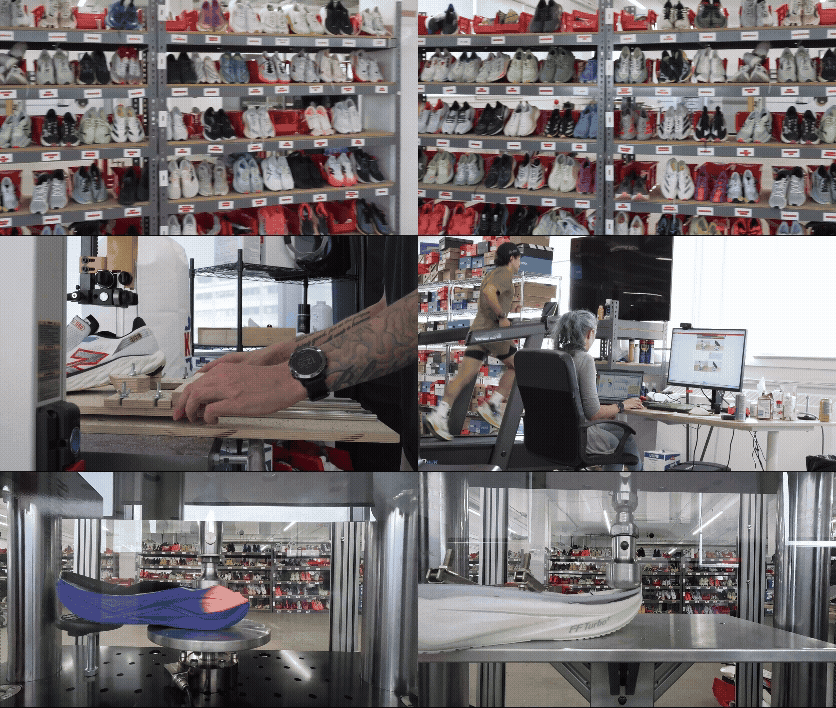
We've bought and tested more than 300 running shoes. Every pair purchased with our own money, never supplied or sponsored by brands. Our data-driven tests are designed to go beyond marketing claims, and since every shoe goes through the exact same methodology, you can directly compare results to find the right pair for your needs.
Test Results
Energy Return
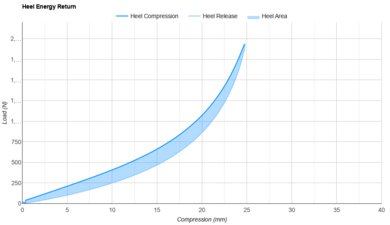
The ASICS GT-2000 15 has decent energy return overall. The forefoot returns energy well, while the midsole feels less lively under the heel, giving the ride enough rebound for daily mileage without making it too chaotic underfoot for runners who prioritize stability.
Decent rebound makes daily miles feel more engaging.
The heel doesn't feel very lively.
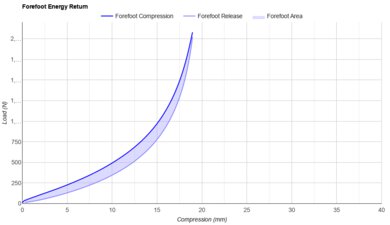
The shoe has good forefoot energy return, helped by the FF BLAST MAX bounce pod present in this area, which returns a meaningful amount of energy at push-off. Still, this makes the ride feel quite dynamic for daily miles, but don't expect a very propulsive ride either.
Stability
The ASICS GT-2000 15 provides great stability. Its broad base and firm heel and forefoot resist unwanted movement effectively, while the gusseted tongue keeps your foot locked down securely.
Broad platform provides strong stability.
Firm foam keeps the platform controlled under load.
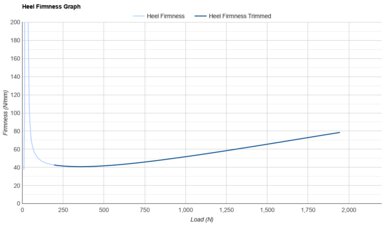
The heel is firm and becomes even firmer under higher loads. This provides good stability for most runners, though it also means the shoe doesn't feel silky soft when landing.
Cushioning
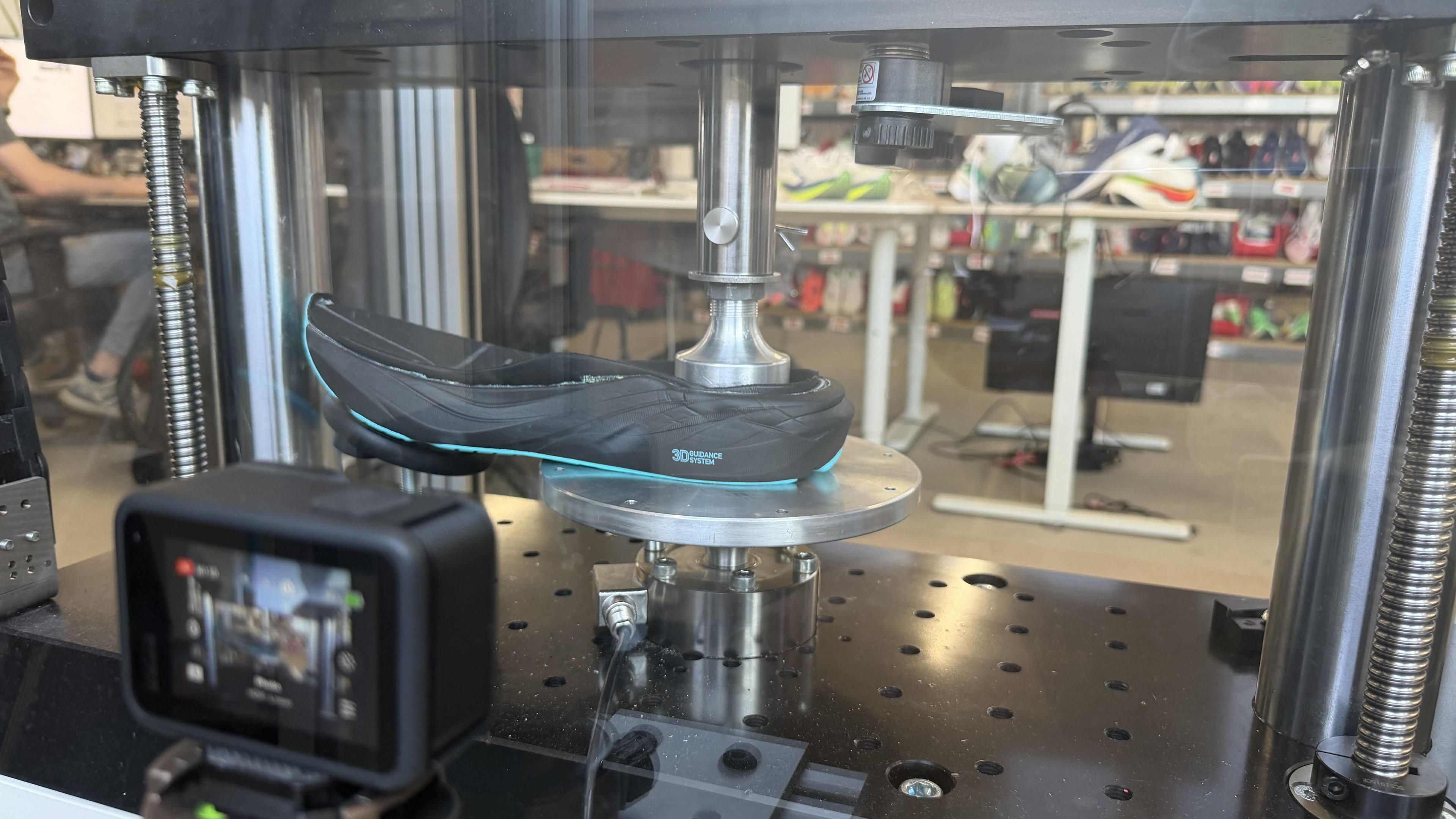
The ASICS GT-2000 15 provides good overall cushioning. The heel absorbs impact well, and the forefoot offers decent protection, though the midsole's absorption capabilities fade quite a bit over longer distances.
Good initial cushioning protects the foot when landing.
Cushioning gradually loses protection over longer distances.
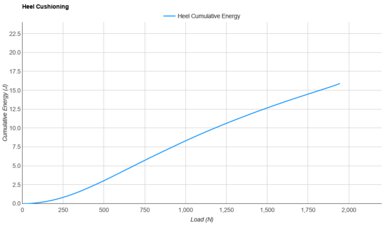
The impact absorption is good under lighter and moderate loads and remains decent at the highest load, providing dependable protection for most runners using the shoe for their daily miles. It's quite cushioned for a stability shoe, but don't expect the same plush sensation of modern trainers like the ASICS NOVABLAST 6.
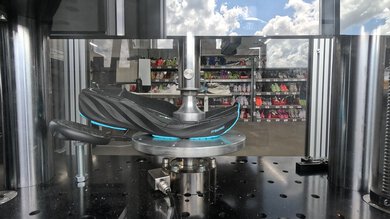
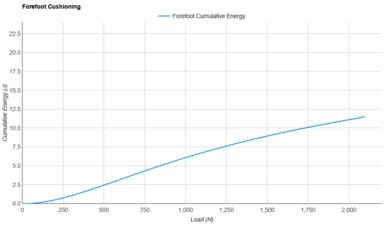
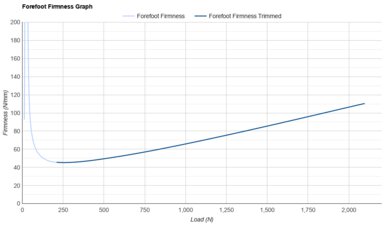
Forefoot cushioning is decent overall. Impact absorption is great at lower loads, but it can start to bottom out if you put down a lot of forces, so heavier runners or those running at fast paces won't experience the same cushioned sensation.
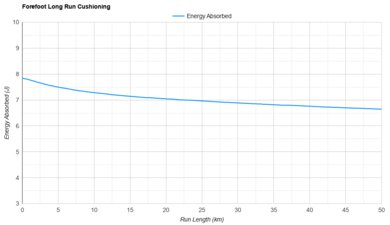
The forefoot cushioning decreases quite a lot in our simulated 50K long-run test. As is typical, energy absorption decreases at every 10 km checkpoint, and while that decline becomes more gradual after the first 15K, it never stops, so it feels a lot harsher by the end of a long run than when starting out. To put that into perspective, some other ASICS shoes (such as the ASICS MEGABLAST and the ASICS SUPERBLAST 3) retain way more of their absorption capabilities as the distance increases, making them more suited to long runs.
Bounciness
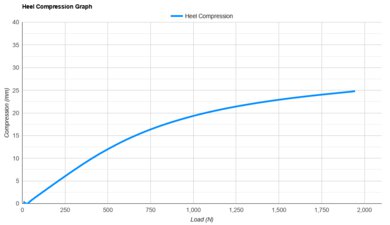
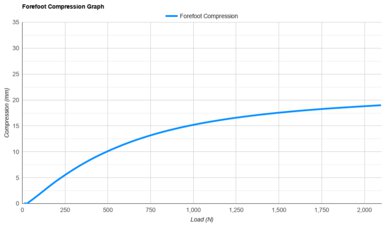
The ASICS GT-2000 15 doesn't feel super bouncy. There isn't much foam compression at either the heel or forefoot, so the ride rebounds in a controlled way, so the ride doesn't feel really springy.
Decent rebound makes daily miles feel more engaging.
Shallow compression limits bouncy feel at push-off.
Snappiness
The ASICS GT-2000 15 has okay snappiness. The forefoot feels firm and direct and the rocker offers some assistance, but the platform returns little energy as it unbends and isn't stiff enough to create a propulsive toe-off.
Decent forefoot rocker assists the foot through push-off.
Limited stiffness and snap-back means it's not very propulsive.
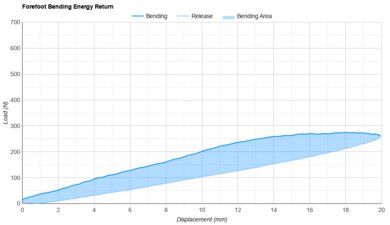
The forefoot doesn't feel very energetic as it snaps back. A lot of the energy stored while bending the shoe is lost as it straightens, limiting efficiency and producing a less propulsive toe-off.
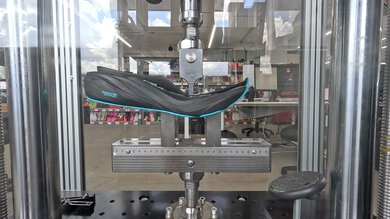
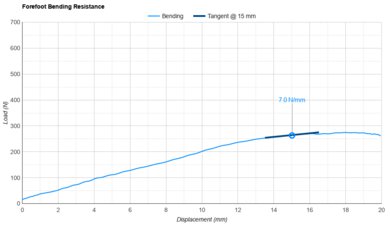
The forefoot of this shoe is moderately stiff. The shoe bends quite easily, so it doesn't feel very rigid or snappy when you toe off. That said, it feels more flexible than the previous ASICS GT-2000 14.
Roll
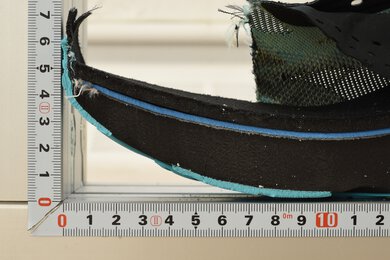
The ASICS GT-2000 15 has an okay rolling motion. Its heel and forefoot rockers provide some guidance through transitions, but neither is pronounced enough to make the ride feel especially effortless. Also, the forefoot rocker flattens quite easily when you put load on it, so it loses part of its effectiveness.
Forefoot rocker provides some assistance through the stride.
Rocker isn't very aggressive and flattens quite easily under load, limiting its effectiveness.
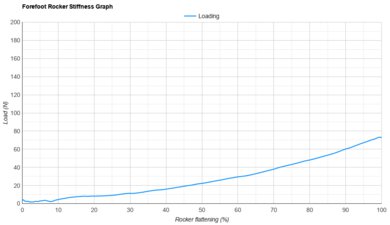
The rocker is moderately stiff. There's enough curvature to provide some guided rollover, but the rocker flattens relatively easily which limits the mechanical assistance it actually provides.
True To Size
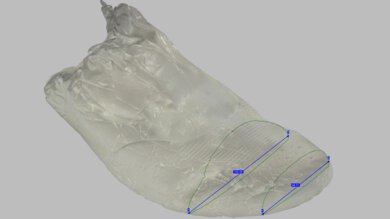
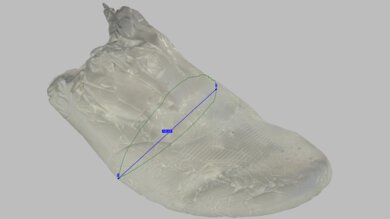
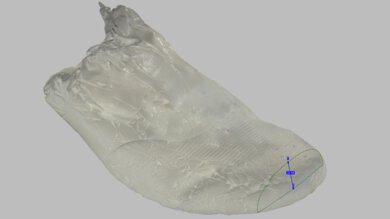
The ASICS GT-2000 15 fits true to size in length and width, so you can confidently pick your usual size. However, its toe box is very low, so runners with high-volume feet may feel pressure over the toes.
Fits true to size in length.
Forefoot and arch widths closely match expected sizing.
Exceptionally low toe box offers very little vertical space.
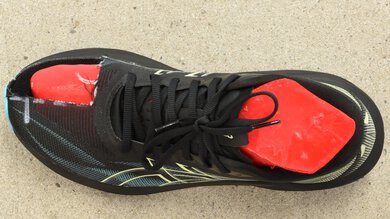
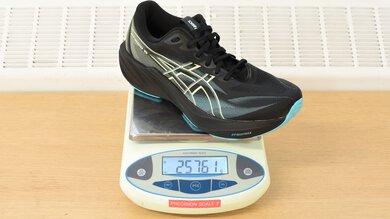
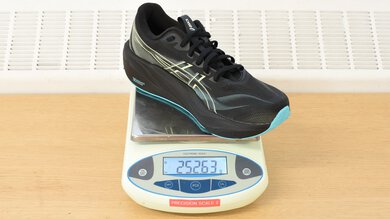
The ASICS GT-2000 15's weight is only acceptable. Overall, that makes the shoe manageable for easy daily training, but it contributes to a bulky, inefficient feel at faster paces. Still, this iteration is lighter than the previous ASICS GT-2000 14, so it feels a bit less cumbersome underfoot.
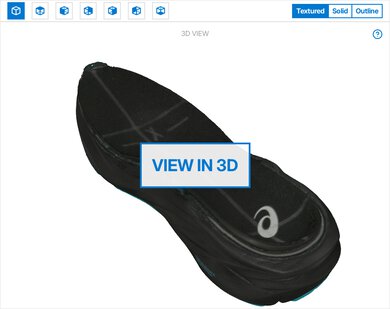
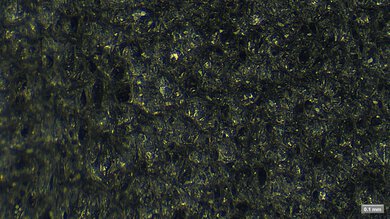
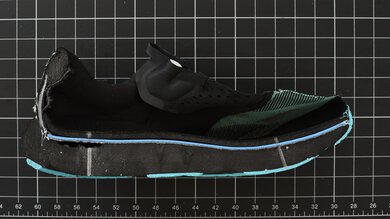
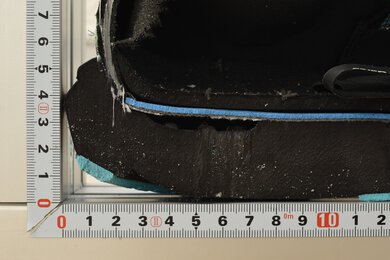
The midsole uses FF BLAST MAX, the same foam found in the ASICS NOVABLAST 5. However, the tuning here is much denser, which creates a firmer, more stable ride instead of the NOVABLAST's plush and nimble feel.
Popular Running Shoe Comparisons
The ASICS GT-2000 15 is a well-cushioned support shoe that sits below the more premium ASICS GEL-KAYANO 33 in the brand's stability lineup. The brand's entry-level support trainer is the ASICS GT-1000 15, but it's a far less refined shoe overall, and you should only get it if you have a strict budget to stick to. The GT-2000 is lighter and more cushioned than the previous ASICS GT-2000 14, making it a worthwhile upgrade. Its stability is impressive and doesn't feel overly corrective, though it lacks the liveliness of the Saucony Hurricane 26, a more modern take on the stability shoe.
Runners who don't need dedicated support will be better served by a neutral trainer like the ASICS NOVABLAST 5 or ASICS GEL-NIMBUS 28, which remain stable by design while providing deeper, more protective cushioning for daily training.
For more options from the brand, check out our recommendations for the best ASICS running shoes. If you're new to running and looking for your first pair, check out our picks for the best running shoes for beginners.
The ASICS GT-2000 15 and ASICS GEL-KAYANO 33 are two stability-focused daily trainers, but the GT-2000 is the better running shoe for most people. It provides nearly the same support in a much lighter, more energetic package, making it more versatile. That said, the KAYANO is more cushioned and retains that protection better over long distances, so it's the one to get if comfort and support matter more than liveliness.
The ASICS NOVABLAST 6 is a better daily trainer than the ASICS GT-2000 15 for runners who prioritize practicality over added stability. It absorbs more impact under both the heel and forefoot, offers a softer feel, and maintains better forefoot protection over longer runs. That makes it a more appealing option for comfortable everyday mileage. The GT-2000 15 is better if you need a firmer platform with guidance features to prevent excessive inward rolling of your foot. It also has a roomier arch, although the very low toe box may press on higher-volume feet.
The ASICS GT-2000 15 and ASICS GT-2000 14 are two iterations of the same support trainer, but the newer model is the better running shoe overall. It's lighter, more cushioned, and considerably more energetic while remaining impressively stable. The GT-2000 14 is firmer and slightly more stable, so it's worth considering if you prefer a rigid and corrective support shoe or find it for substantially less.
The Saucony Hurricane 26 is a better, more practical support shoe for daily training than the ASICS GT-2000 15. It offers stronger impact protection at both the heel and forefoot, maintains that protection better over distance, and feels considerably softer under the forefoot. It also returns more energy there, making it appealing for runners who want comfort without an overly firm ride. The ASICS is a better choice if you're a runner who has trouble keeping your foot centered and needs maximum stability.
The ASICS GT-2000 15 and ASICS GEL-NIMBUS 28 are two daily trainers by the same Japanese brand, but only the GT-2000 includes dedicated guidance for overpronation. It's also much lighter and more energetic. The NIMBUS provides substantially deeper cushioning that stays more protective over long distances, making it the better option for neutral runners who don't need extra guidance and those prioritizing recovery and long runs.
The ASICS GT-2000 15 and HOKA Clifton 10 are two daily trainers for easy mileage, but the ASICS is lighter, more energetic, and includes dedicated guidance to correct overpronation. The HOKA is softer and more cushioned, so it's the one to get for walking or relaxed runs if you don't need extra support and prefer a plush feel.
Differences Between Sizes And Variants
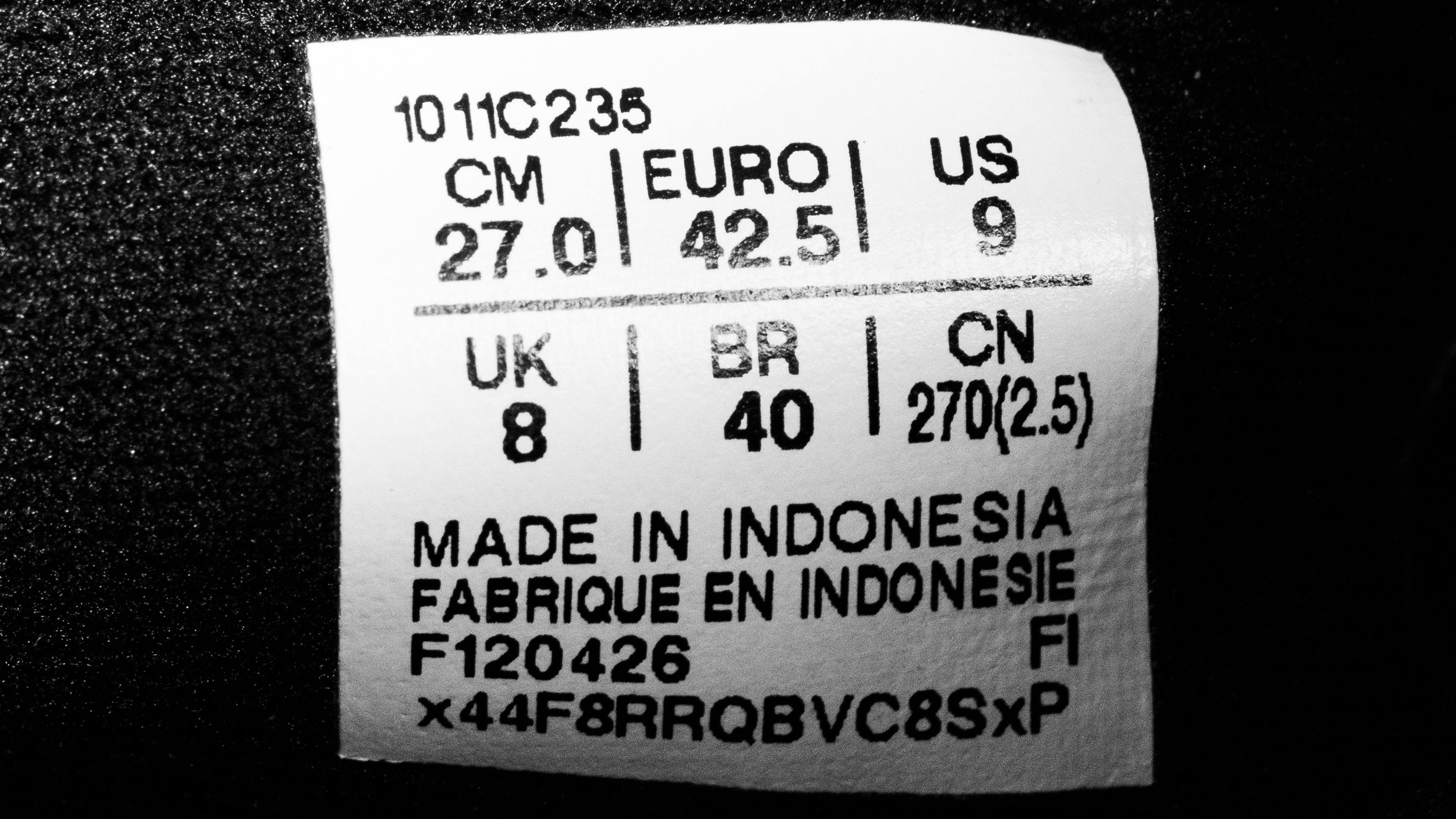
We bought and tested the ASICS GT-2000 15 in men's US size 9, as noted on the label for our pair. The pair we purchased is the Black/Energy Aqua colorway, but you can also buy this shoe in a wide range of colors, depending on the region. The women's model is available in narrow, regular, wide, and extra-wide widths, while the men's version comes in regular, wide, and extra-wide. ASICS also sells a GTX waterproof version and a GT-2000 TR (with a trail-oriented outsole), but these use different materials that we didn't test, so we can't attest to their performance.