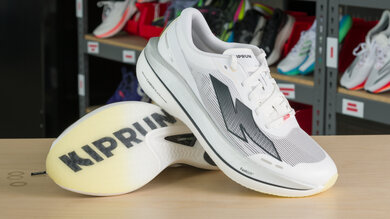
The Kiprun Kipstorm Challenger, previously known as the KD900X.2, is an entry-level carbon-plated racer suitable for anything from 5K to marathon efforts. Its light, energetic ride offers excellent protection over distance, though the flexible plate gives it a gentler ride than more aggressive racers. It suits both newer racers and experienced runners seeking premium performance without the premium price tag. It's overkill for daily training and is best reserved for workouts and race day.
| ✅ Buy If: | ❌ Skip If: |
|
|
Our Verdict
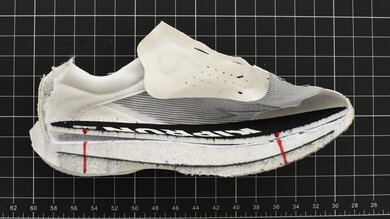
The Kiprun Kipstorm Challenger is a great pick for long-distance racing. Its dual-layer A-TPU midsole offers excellent protection overall and holds up very well as the miles build. Though it's not the lightest marathon racer out there, it's still lightweight overall, delivering a propulsive ride that thrives over the marathon distance.
Cushioning remains very protective deep into longer efforts.
Impressive propulsion keeps legs ticking over.
A-TPU midsole gives back what you put in amazingly well.
On the higher-end of weight class for a marathon shoe.
The Kiprun Kipstorm Challenger is a good option for shorter races. Though the rocker is on the compliant side, its lightweight build, good responsiveness, and early rocker help create a smooth, propulsive ride at pace. It's not as aggressive as many dedicated 5K/10K racers, but it still has enough pop for faster efforts.
Impressive propulsion keeps legs ticking over.
Light enough to turnover at pace over short distances.
Early rocker keeps legs rolling forward.
Soft forefoot limits snap at toe-off.
The Kiprun Kipstorm Challenger is a good option for long runs. Its dual-layer A-TPU midsole provides great cushioning overall and holds up very well over extended efforts, while its smooth rocker and very good responsiveness help keep the ride moving forward. However, its mediocre stability means good form is paramount as fatigue sets in.
Cushioning remains very protective deep into longer efforts.
Impressive propulsion keeps legs ticking over.
Only mediocre stability could be problematic for those who need support.
The Kiprun Kipstorm Challenger is a passable choice for daily training, providing a very planted platform that's easy to trust. Its exceptionally firm heel creates a stable base, and its energetic midsole and forefoot rocker do a very good job of turning effort into propulsion. However, the carbon plate makes this shoe a no-go for runners looking for a more laid-back ride.
Deep cushioning offers excellent impact protection.
Early rocker makes for an engaging ride.
Plate too aggressive for a laidback ride.
Only mediocre stability could be problematic for those who need support.
Changelog
- Updated Sep 17, 2026: We've converted this review to Test Bench 0.15, which replaces Responsiveness with three specific performance usages: Bounciness, Snappiness, and Roll. To read more about the changes, see the changelog.
- Updated Aug 27, 2026: We've converted this review to Test Bench 0.14, which adds new lace-specific results. We've included a close-up photo of the laces, as well as details including lace type, width, thickness, and stretch. To read more about the changes, see the changelog.
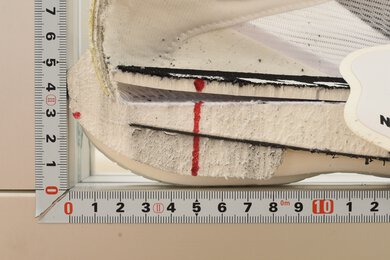
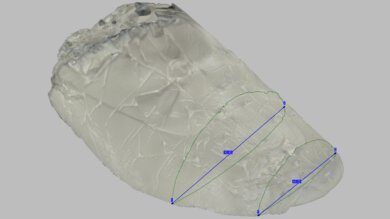
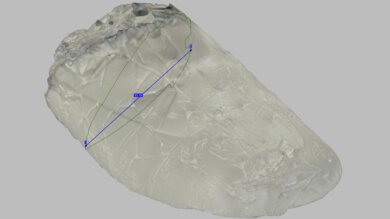
- Updated Aug 26, 2026: We've converted this review to Test Bench 0.13, which identifies the different foams used in the shoe's midsole. We've included a microscopic image of the foam cells to give you an idea of what the microstructure looks like. To read more about the changes, see the changelog.
-
Updated Jul 23, 2026:
We've added a new table in the intro to help you quickly determine if this shoe matches your needs.
-
Updated Jul 08, 2026:
We updated the article in line with our new firmness scores. This includes changes to the verdict boxes, pros and cons, popular running shoe comparisons, side-by-sides, and the heel and forefoot firmness test result boxes to match the new scores.
- Updated Jul 07, 2026: Review published.
- Updated Jul 01, 2026: Early access published.
- Updated Jun 22, 2026: Our testers have started testing this product.
- Updated Jun 10, 2026: The product has arrived in our lab, and our testers will start evaluating it soon.
- Updated Jun 09, 2026: We've purchased the product and are waiting for it to arrive in our lab.

We've bought and tested more than 300 running shoes. Every pair purchased with our own money, never supplied or sponsored by brands. Our data-driven tests are designed to go beyond marketing claims, and since every shoe goes through the exact same methodology, you can directly compare results to find the right pair for your needs.
Test Results
Energy Return
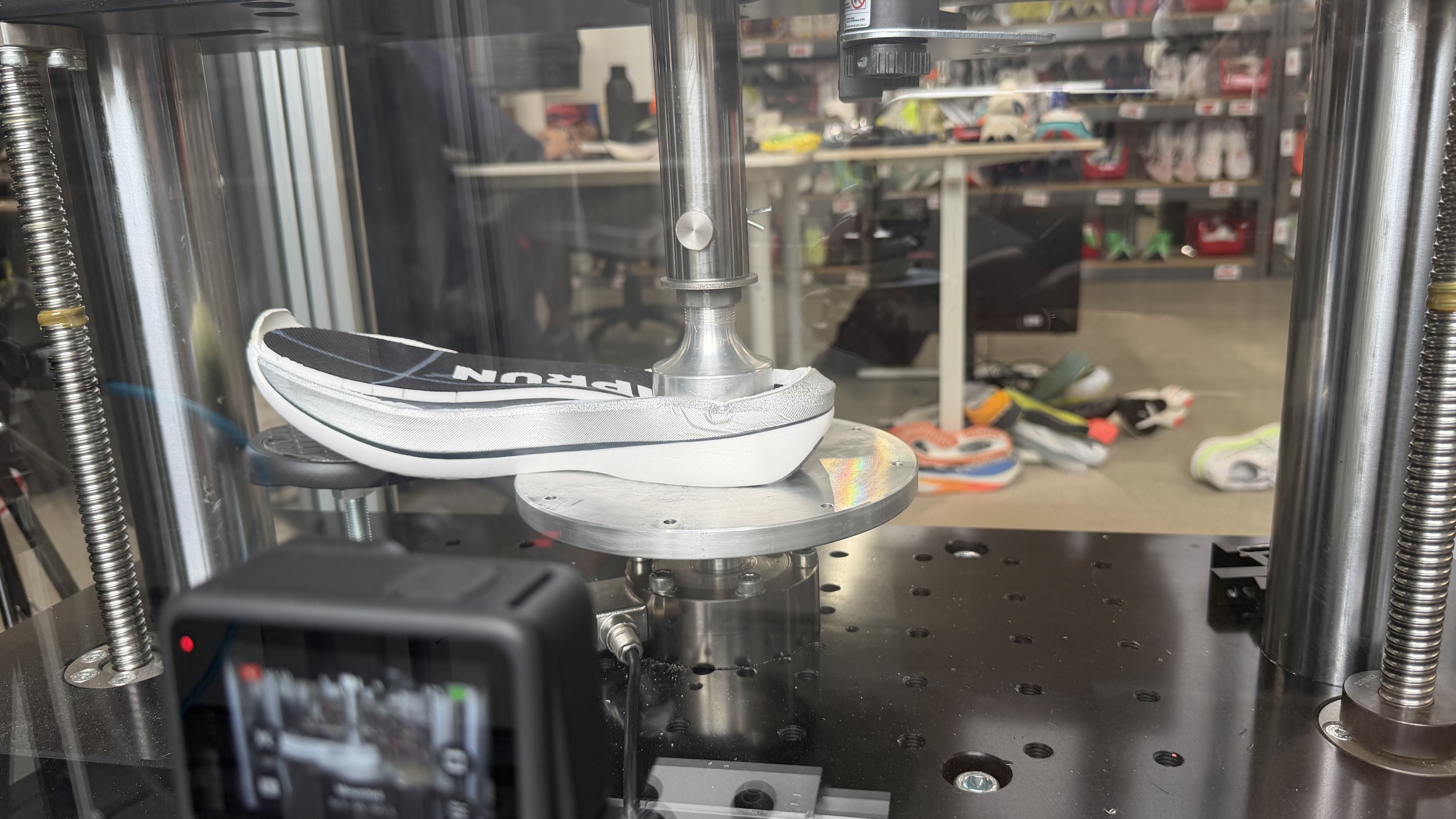
The Kiprun Kipstorm Challenger provides amazing energy return. The dual-layer A-TPU midsole is springy without being overly bouncy, and generously rewards the effort you put into the platform.
A-TPU midsole is lively underfoot.
Shoe rewards effort put in excellently.
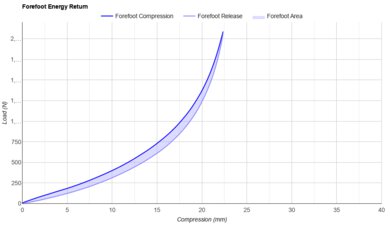
This shoe's excellent forefoot energy return means the midsole rebounds efficiently as you push off. It's more energetic than the adidas Adizero Evo SL, though much like the heel, the ride isn't overly bouncy. Instead, the forefoot rebound works with the carbon plate to provide a propulsive ride without making the shoe overly aggressive.
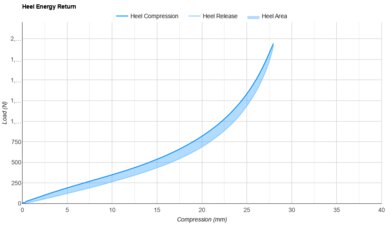
The Kiprun Kipstorm Challenger returns an excellent amount of energy in the heel thanks to its A-TPU midsole, which helps it rebound efficiently after landing. It's much more energetic than the adidas Adizero Evo SL, but the ride still isn't super bouncy. Instead, it helps heel strikers transition smoothly through the midfoot without making the shoe feel overly soft or unstable.
Stability
The Kiprun Kipstorm Challenger has mediocre overall stability. Its outsole is reasonably wide at the heel and forefoot, and the heel width-to-stack ratio is good, but the narrow arch and softer midsole stop it from feeling especially planted. This is stable enough for most faster efforts, but runners who need a more secure platform may find it too unpredictable underfoot.
Good heel width-to-stack ratio helps keep rearfoot landings controlled.
Reasonably wide heel and forefoot outsole provide some security.
Narrow arch outsole width limits midfoot support.
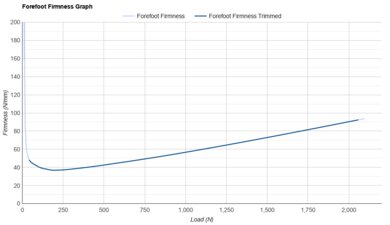
Soft heel and forefoot firmness make the platform less planted.
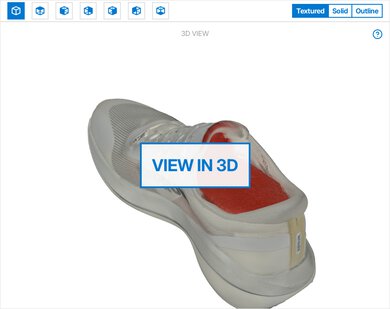
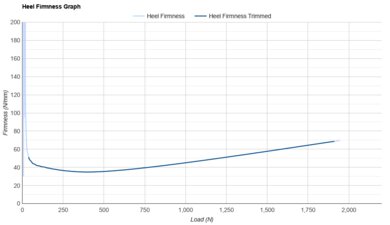
The Kiprun Kipstorm Challenger has mediocre heel firmness. The heel doesn't firm up much at higher forces, which limits how much it helps stabilize the shoe's rear.
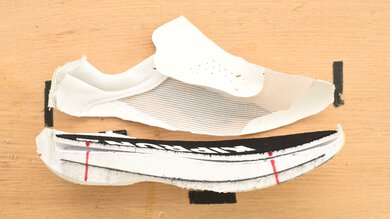
Cushioning
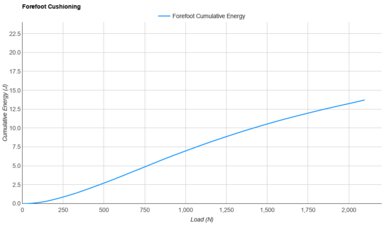
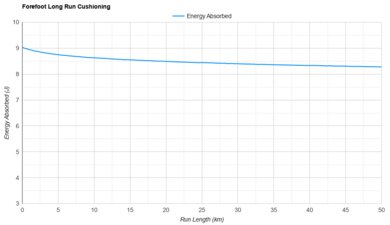
The Kiprun Kipstorm Challenger offers excellent overall cushioning. Its dual-layer A-TPU midsole stays deeply protective over extended efforts and across a wide range of force levels. Though it compresses more noticeably under higher loads, heavier runners still get very good overall impact protection.
Excellent impact protection overall.
Deeply cushioned across the full midsole.
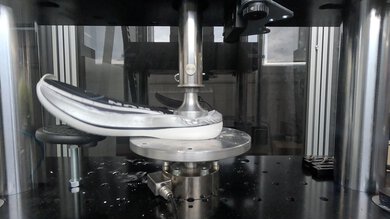
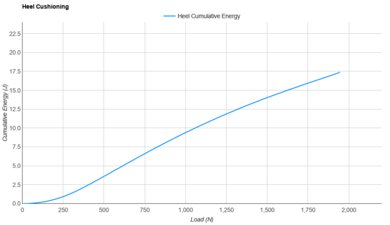
The Kiprun Kipstorm Challenger has excellent heel cushioning overall, with outstanding impact absorption at lower forces. Heel strikers will be well served by the midsole, and the cushioning remains very good under higher forces.
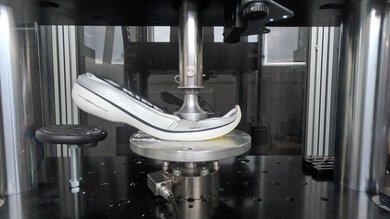
Bounciness
The Kiprun Kipstorm Challenger has good bounce without being too chaotic. The midsole returns energy amazingly well, but it doesn't compress that deeply before rebounding, so you'll feel a spring in your step, but it's not like bouncing on a trampoline.
Impressive propulsion keeps legs ticking over.
Forefoot returns energy excellently when bent.


Snappiness
The Kiprun Kipstorm Challenger has good snap. The forefoot stays rigid when you apply force, so you have lots of leverage as you push off. As the forefoot unbends, it returns most of the energy required to bend it, resulting in a powerful snap-back.
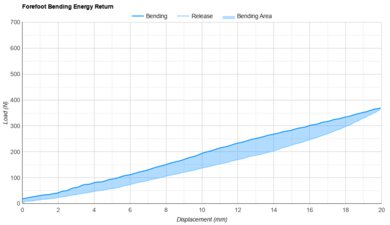
This shoe gives back an amazing amount of energy stored as the forefoot bends, providing ample rebound through toe-off. Combined with its carbon plate, this means it's efficient and propulsive as the pace picks up.
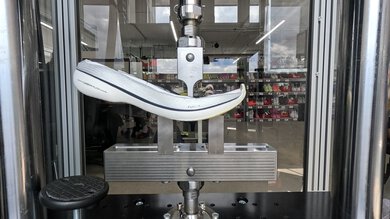
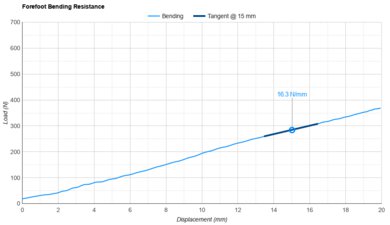
The Kiprun Kipstorm Challenger has good forefoot bending stiffness. The shoe resists flexing enough to create a snappy platform at toe-off, without becoming as rigid as carbon-plated racers like the Kiprun Kipstorm Elite. This means the ride is accessible yet direct and propulsive.
Roll
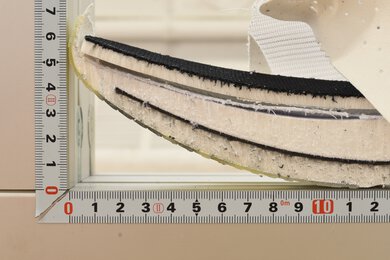
The Kiprun Kipstorm Challenger rolls decently well through each stride. It has an early rocker that helps you get forward quickly onto your toes, but the rocker starts to lose its shape under pressure, making the roll less smooth at faster paces.
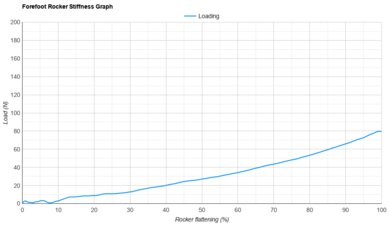
The Kiprun Kipstorm Challenger's forefoot rocker is on the compliant side for a shoe in its class. Though it gives some guidance through toe-off, it still flattens under load. That said, it helps the shoe roll forward smoothly, though runners seeking a more rigid, levered ride will find the Kiprun Kipstorm Elite more aggressive.
True To Size
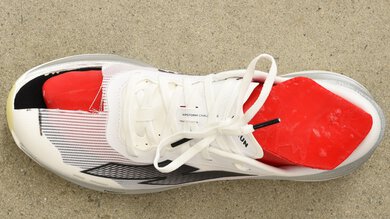
The Kiprun Kipstorm Challenger fits true to size. The length is spot on, while the forefoot width, height, and arch fit are accommodating enough to go with your usual size.
Length is spot on.
Accommodating forefoot height and width.
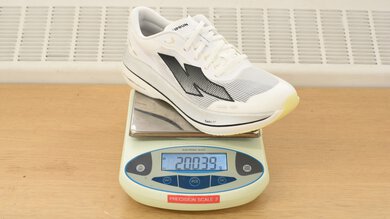
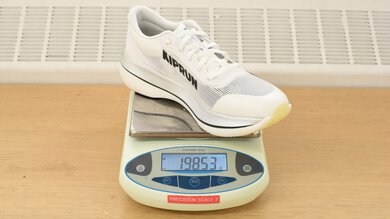
The Kiprun Kipstorm Challenger is light overall, making it well-suited to faster training and race-day efforts. It's still on the higher end for a carbon-plated marathon shoe, though, with shoes like the PUMA Deviate NITRO Elite 4 being much lighter.
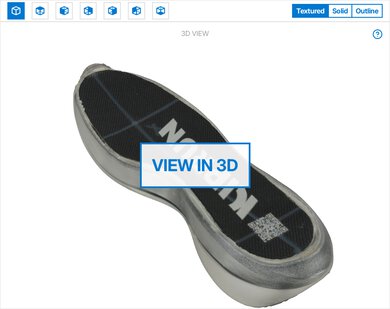

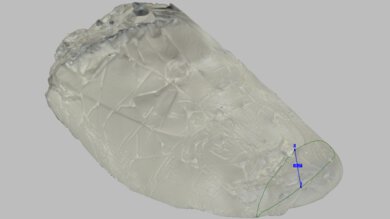
The foam in the Kiprun Kipstorm Challenger is called FASTECH + and is a formulation of Aliphatic TPU, the same lightweight, bouncy compound found in the ASICS METASPEED RAY.

Popular Running Shoe Comparisons
The Kiprun Kipstorm Challenger is a carbon-plated racer that refuses to stay boxed into race day. Indeed, it's equally adept at tackling workouts, threshold sessions, long runs, and even some daily training if you don't mind a plate underfoot. If you want a shoe for faster training without a plate, get the Kiprun Kipstorm Tempo. If you're looking for a dedicated racing shoe, check out the Kiprun Kipstorm Elite. Runners looking for a more nimble racing shoe from another brand should check out the PUMA Deviate NITRO Elite 4.
For more options, check out our recommendations for the best running shoes, as well as the best long-distance running shoes and the best shoes for running a marathon.
The Kiprun Kipstorm Challenger is a better shoe than the Kiprun Kipstorm Tempo for racing or harder speed sessions. It's much lighter and returns more energy, while the Kipstorm Tempo provides considerably more cushioning for daily training or long runs. Get the Challenger if speed takes priority; get the Tempo if you want one shoe to handle more of your weekly running.
The adidas Adizero Evo SL and Kiprun Kipstorm Challenger are both versatile performance shoes, but they suit different use cases. The adidas is the non-plated option, with enough range for daily mileage and faster training, and it flourishes during tempo workouts. The Kiprun is the more aggressive shoe overall, coming in much lighter, featuring a carbon plate and a more energetic, propulsive ride. You'll likely prefer the adidas if you want a lively shoe that sits closer to a daily trainer, whereas the Kiprun is the better pick if you want an accessible plated performance shoe that can handle everything from workouts to racing.
The Kiprun Kipstorm Challenger and PUMA Deviate NITRO Elite 4 are both accessible carbon-plated racers, with a few key distinctions. The Kiprun is the more accessible shoe overall, suitable when you want a less aggressive race-day ride. The PUMA is the nimbler, slightly more cushioned shoe that's more responsive and a more capable racer. The Kiprun is the pick if you want a more laid-back race-day option, while the PUMA is the pick if you want a full-on race-day weapon.
Differences Between Sizes And Variants
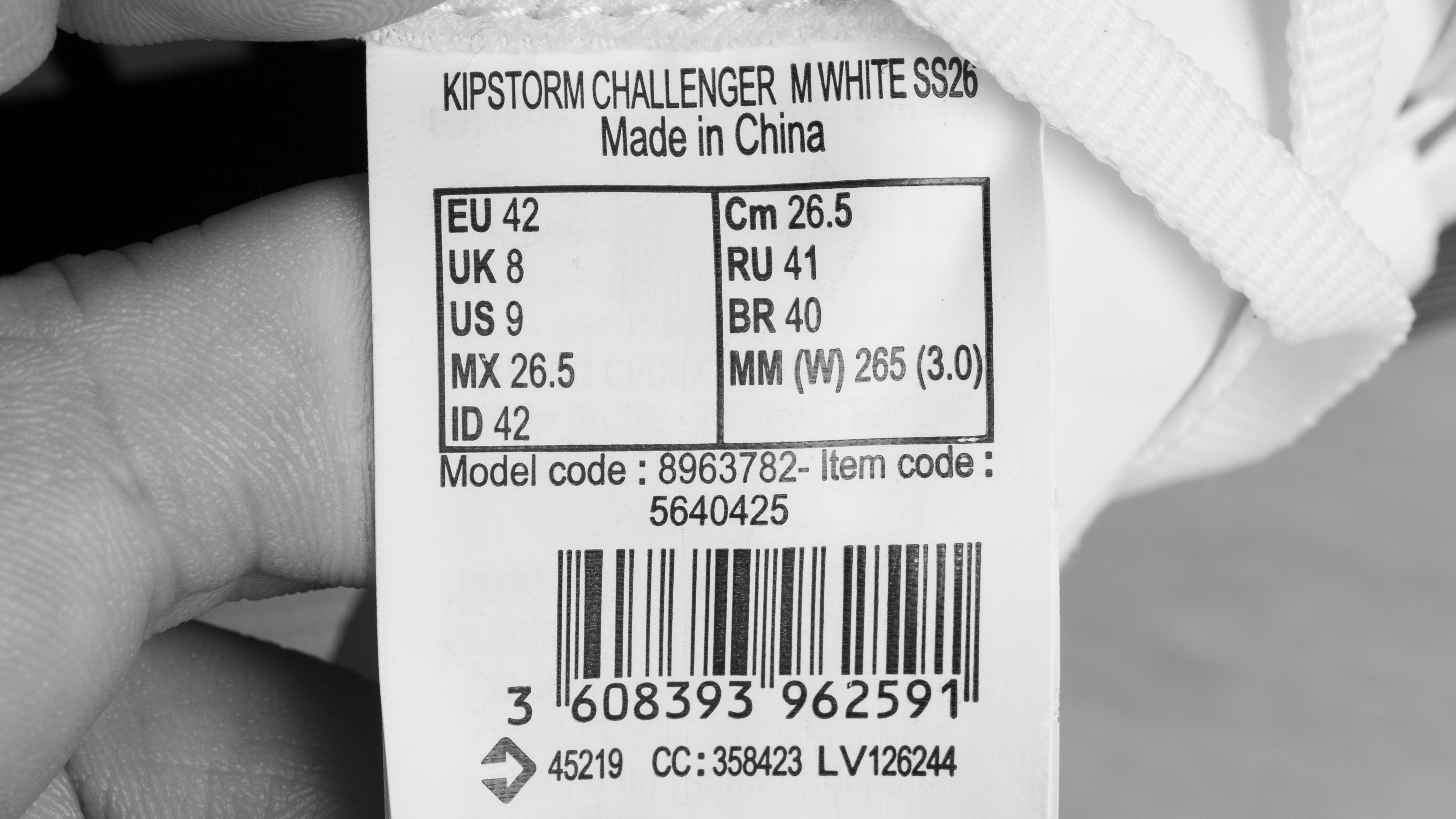
We tested the Kiprun Kipstorm Challenger in men's US size 9, as indicated on the label of our pair. The shoe pictured here is in the Snow White/Smoked Black colorway. This model is available in several other colors, depending on your region. Wide versions are not available for this shoe. The design section refers specifically to the model we tested, but we expect other sizes and gender variants to perform similarly.