The HOKA Clifton 10 revamps the legacy of the Clifton series, offering a reliable daily trainer that puts comfort and smoothness at the forefront. With its familiar compression-molded EVA midsole, it delivers the classic Clifton feel: soft, compliant, and gentle underfoot. This latest version stands out with an increased stack height and improved cushioning, creating an even more protective and forgiving ride than previously. While it still doesn't deliver the energetic pop of some modern daily trainers, it excels at soaking up impact and providing a plush, stable ride that's especially welcoming for those prioritizing easy miles or recovery runs.
Our Verdict
The HOKA Clifton 10 isn't particularly suited for marathon racing, with a performance that leans more toward comfort than efficiency. The plush EVA foam provides impressive impact protection, but at the cost of energy return. With its heavier build and relaxed geometry, it's not a great pick for runners looking to maintain faster marathon paces or those seeking a propulsive feel over long distances. However, it can still be an acceptable option for those prioritizing comfort and stability during longer, easier efforts, or who are newer to the marathon distance and not focused on racing fast.
Super protective midsole.
The midsole feels flat and dull.
Very heavy shoe.
The HOKA Clifton 10 is a sub-par option for short races, as it doesn't offer the nimble, energetic feel that faster efforts typically demand. The midsole's muted energy return and heavy overall weight make it feel a bit too sluggish for speed-focused racing. However, for casual runners doing shorter distances at more relaxed paces, where comfort and protection matter more than efficiency, it can still cover the distance.
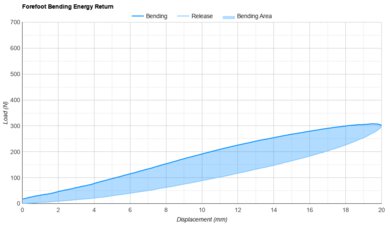
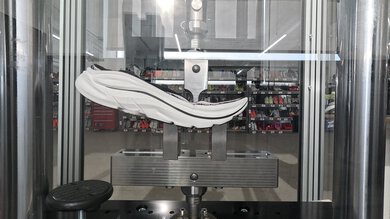
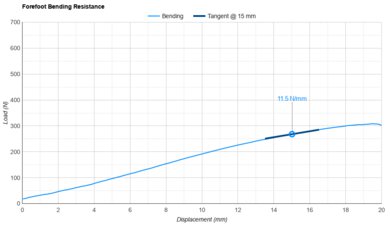
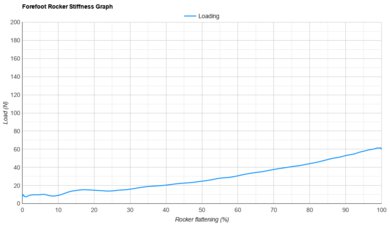
Relatively stiff forefoot.
The midsole feels flat and dull.
Very heavy shoe.
Changelog
- Updated Sep 17, 2026: We've converted this review to Test Bench 0.14, which adds new lace-specific results. We've included a close-up photo of the laces, as well as details including lace type, width, thickness, and stretch. To read more about the changes, see the changelog.
-
Updated Jul 02, 2026:
We've updated the Popular Comparisons section to include a link to the newly reviewed Saucony Triumph 24.
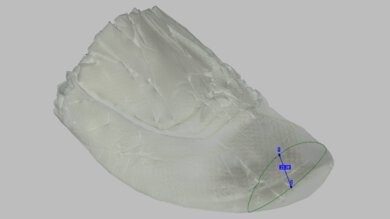
- Updated Jun 30, 2026: We've converted this review to Test Bench 0.13, which identifies the different foams used in the shoe's midsole. We've included a microscopic image of the foam cells to give you an idea of what the microstructure looks like. To read more about the changes, see the changelog.
- Updated Jun 17, 2026: We've converted this review to Test Bench 0.12, which fixes how we measure firmness, a component of the Stability and 5K/10K Racing usages. There may be inconsistencies between the text and the scores for these usages, but the scores should still be considered valid. We've also brought back the Energy Return score and added two new usages: Daily Training and Long Run. To read more about the changes, see the changelog.
-
Updated May 29, 2026:
We've updated the Popular Comparisons section to include a link to the newly reviewed HOKA Skyward X 2.
-
Updated Apr 15, 2026:
We've replaced the Energy Return usage box with Responsiveness, which incorporates four additional tests, and updated the text accordingly.
- Updated Apr 15, 2026: We've converted this review to Test Bench 0.11, adding two new rocker measurements to the Design section, and three new responsiveness tests to the Performance section. The Energy Return usage score has been replaced with Responsiveness. Check out the details in our changelog.
-
Updated Feb 27, 2026:
We updated the review to include text for the new Fit usage box, which was recently added to our test bench.
- Updated Feb 20, 2026: We've converted this review to Test Bench 0.10, adding a new set of fit tests to the Design section and an overall fit performance usage. Check out the details in our changelog.
-
Updated Jan 12, 2026:
We added a comparison to the Kiprun KS900 2 in the Weight section of the review.
-
Updated Oct 23, 2025:
We updated the review to include text for the Forefoot Long Run Cushioning test, which was recently added to our test bench.
- Updated Oct 23, 2025: We've converted this review to Test Bench 0.9, which adds a Forefoot Long Run Cushioning test to our performance section. Read more in our changelog.
-
Updated Oct 01, 2025:
We updated the Heel Energy Return, Forefoot Cushioning, Forefoot Energy Return, and Heel Firmness boxes to align with the latest test bench and keep the review accurate.
- Updated Oct 01, 2025: We've converted this review to Test Bench 0.8.2, which updates our methodology for the impact force range used in our compression tests to improve their accuracy. This also affects all usage and performance usage boxes using those compression tests as score components.
-
Updated Jul 30, 2025:
We revised the phrasing in the Marathon Racing and Lateral Stability boxes to better align with the latest test bench scores and to ensure the stability comparison with the HOKA Clifton 9 is as accurate as possible in the side-by-side between them and the External Shape box.
- Updated Jul 30, 2025: We've converted this review to Test Bench 0.8.1, which mainly updates the score components for the Marathon Racing and Lateral Stability usage boxes to improve accuracy.
- Updated Jun 06, 2025: Review published.
- Updated Jun 02, 2025: Early access published.
- Updated May 14, 2025: Our testers have started testing this product.
- Updated Apr 08, 2025: The product has arrived in our lab, and our testers will start evaluating it soon.
- Updated Apr 08, 2025: We've purchased the product and are waiting for it to arrive in our lab.

We've bought and tested more than 250 running shoes. Every pair purchased with our own money, never supplied or sponsored by brands. Our data-driven tests are designed to go beyond marketing claims, and since every shoe goes through the exact same methodology, you can directly compare results to find the right pair for your needs.
Test Results
Energy Return
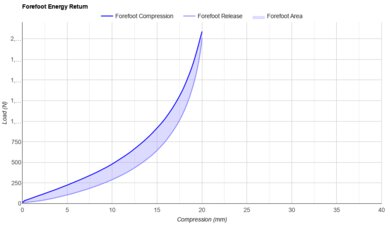
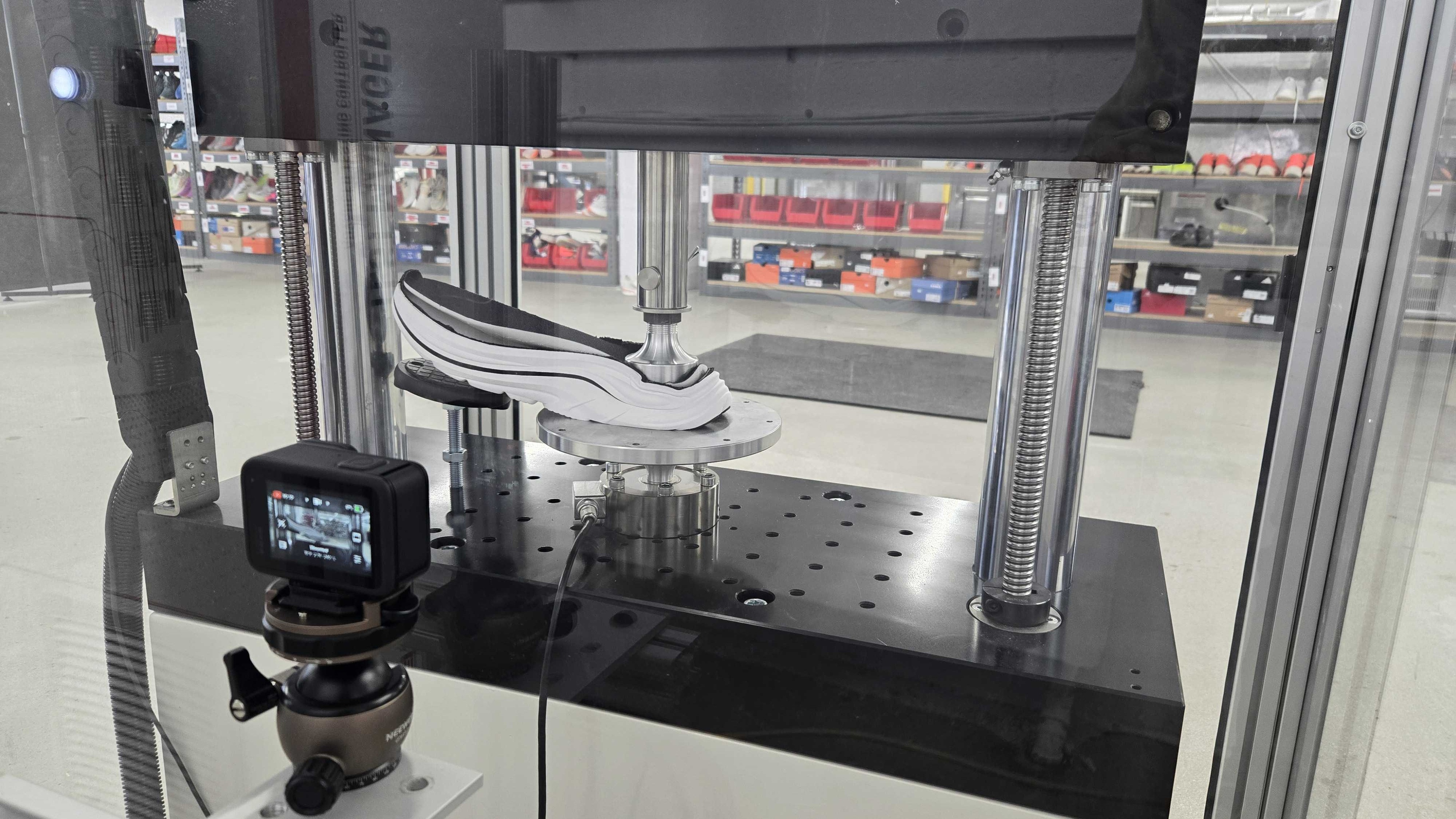
The forefoot performs similarly to the heel in terms of rebound and still falls short of offering any real pop. The ride feels flat under load, especially compared to bouncier daily trainers like the ASICS NOVABLAST 5. If you’re looking for a fun, energetic trainer, this isn’t it.
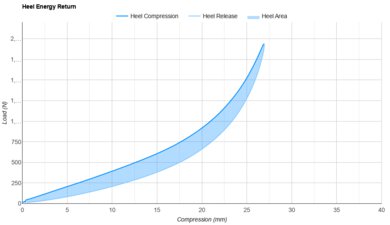
This model has poor heel energy return, with the compression-molded EVA midsole prioritizing absorption over rebound. It doesn’t snap back in a way that propels you forward; this is a shoe that soaks up impact rather than giving much back, which limits its performance at higher speeds.
Stability
The HOKA Clifton 10 delivers good lateral stability, thanks to its super-wide outsole platform and semi-gusseted tongue. This makes it easier to maintain balance and feel secure during daily runs. Still, the high stack of soft foam negatively affects balance, but it's a very stable shoe overall. This can also be a plus for new runners or those who prefer a more secure ride.
Very wide base.
Semi-gusseted tongue.
Foam is quite soft, especially in the heel.
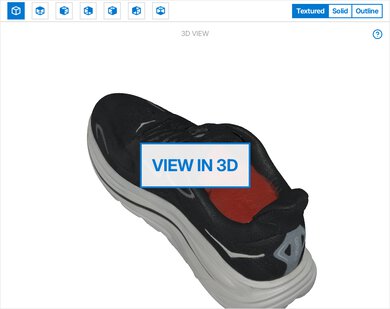
The HOKA Clifton 10 has a wider platform than the HOKA Clifton 9, adding confidence during landings and transitions. This helps offset the higher stack height and limits the overall loss of stability in this iteration a bit.
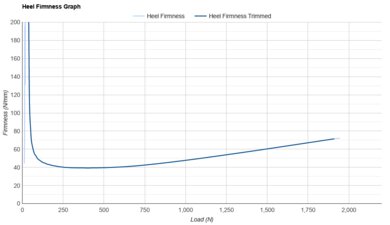
The heel is soft, contributing to the forgiving ride but also reducing stability. This helps soften landings, but may not be ideal for runners who prefer a firmer base.
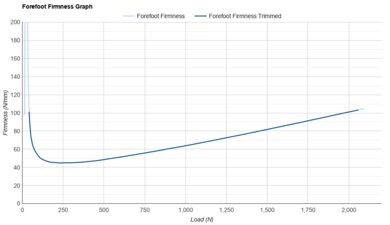
In contrast to the heel, the forefoot is firmer. This adds some structure to the toe-off phase and helps balance out the overall ride. It also gives the shoe a slightly more stable feel up front, which helps offset the squishier heel and high stack. That said, it still feels noticeably softer than firmer models like the Nike Vomero 17 and the HOKA Clifton 9, particularly when more force is applied.
Cushioning
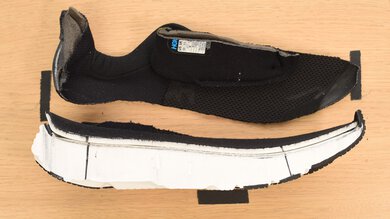
The HOKA Clifton 10 delivers impressive cushioning. Impact protection is a clear highlight of the updated tenth iteration, with a plush feel underfoot that excels at absorbing shocks during easy miles. The high stack height and compression-molded EVA midsole ensure plenty of protection, especially for heel strikers. Both the heel and forefoot cushioning are great, making it one of the more comfortable daily trainers in its class for short to mid-range efforts.
Super protective midsole.
Good cushioning for all foot strikes.
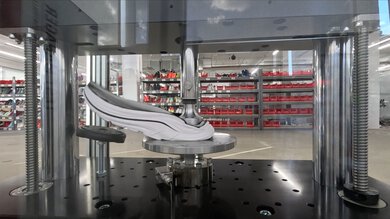
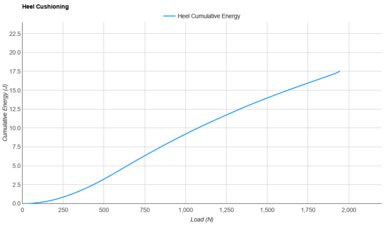
Heel cushioning is one of the shoe's standout strengths. The added stack height and EVA foam deliver a protective landing, which is ideal for recovery days and suitable for runners with a heel strike pattern. This level of impact absorption firmly places the shoe within the max-cushioned category.
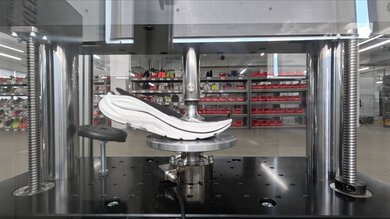
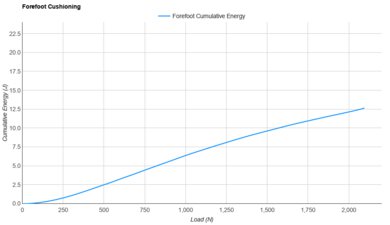
While it's a bit less plush than the heel, the forefoot still delivers very good underfoot protection. The forefoot provides a forgiving feel that holds up well over shorter, slower efforts, making it a solid choice for easy cruising. That said, runners who apply a lot of force when running will find it a bit less plush than less powerful runners.
Responsiveness
The HOKA Clifton 10 has sub-par responsiveness. The midsole returns a poor amount of energy upon impact, as expected for a shoe focused on comfort rather than bounciness. The EVA foam feels flat and lacks the lively bounce of modern compounds. For runners looking for a daily trainer with a more propulsive feel, this shoe might feel a bit dull and uninspired.
The midsole feels flat and dull.
True To Size
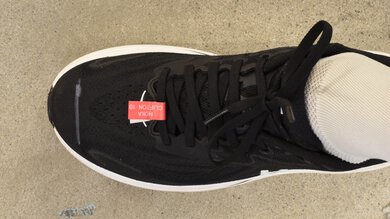
The HOKA Clifton 10 fits close to true to size. Unlike many other HOKA shoes, the arch is very accommodating. The sizing runs slightly long, so if your foot is between sizes, you should consider the smaller one.
Arch is not too narrow.
Length runs slightly long.
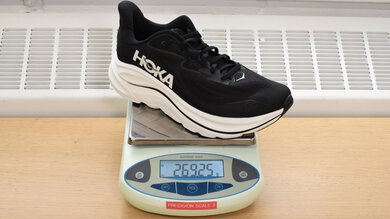
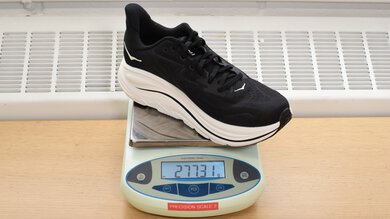
The HOKA Clifton 10 is on the heavier side for a daily trainer. It also weighs notably more than the HOKA Clifton 9, which felt nimbler on foot but offered less protection. That said, this added weight is the tradeoff for a more cushioned, max-stack platform. For runners prioritizing impact absorption over speed or efficiency, the weight is unlikely to be a dealbreaker.
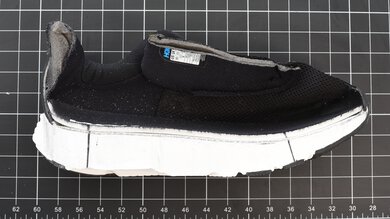
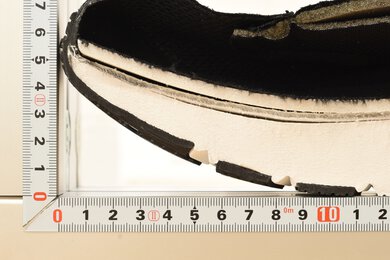
This version introduces a significantly higher stack in both the heel and forefoot, pushing the Clifton 10 towards max-cushion territory. This makes it similar in height to other shoes in the same category, such as the Kiprun KS900 2. This new geometry also increases the drop, which slightly alters the feel when transitioning from heel to toe.
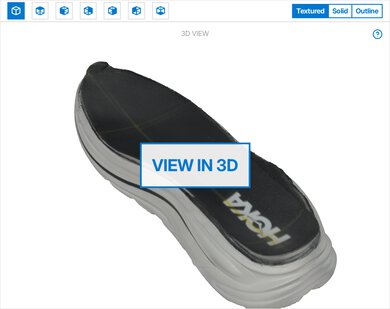
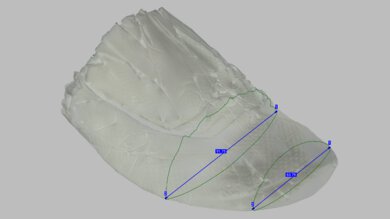
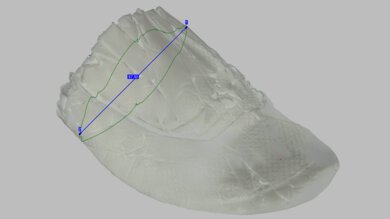
Fit is more generous in the Clifton 10, with extra width at both the forefoot and heel providing a more accommodating feel compared to the HOKA Clifton 9. However, the shoe also runs noticeably longer than the Clifton 9, which might require sizing adjustments.
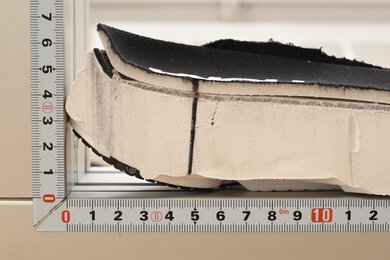
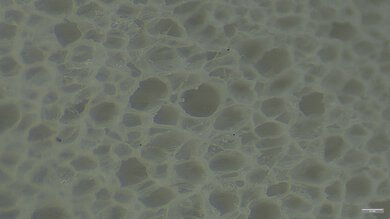

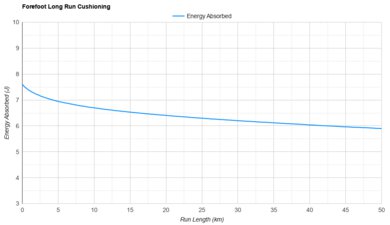
The HOKA Clifton 10 feels plush and well-cushioned initially, such as when trying it on, but its basic EVA midsole quickly shows its limits over distance. The shoe’s energy absorption drops sharply early in a long run, meaning that while it still provides acceptable protection up to about 20 km, it becomes noticeably less cushioned beyond that point. Despite its high stack height, the midsole compresses heavily and loses much of its initial cushioning, resulting in a harsher feel reminiscent of earlier Clifton versions on longer efforts.
Popular Running Shoe Comparisons
The HOKA Clifton 10 serves as a classic max-cushioned daily trainer in a market increasingly dominated by bouncier compounds. While many modern trainers chase energy return for added versatility or simply to deliver a more engaging ride, the Clifton 10 doubles down on delivering a plush but grounded ride with a focus on impact absorption over responsiveness. Its compression-molded EVA midsole provides a smooth, cushioned feel that excels during easy runs, walks, and lifestyle wear, but offers little in the way of bounce. Meanwhile, other brands have begun to move past the idea that it has to be one or the other: models like the Mizuno Neo Zen, the ASICS NOVABLAST 5, and even the Saucony Triumph 24 show that it's possible to pair a deeply cushioned experience with a fun, lively bounce, often through more premium or modern midsole foams. Still, with a new, higher stack and improved cushioning, the Clifton 10 feels way more protective than the HOKA Clifton 9 and takes the model in a new direction.
Within HOKA's lineup, the Clifton 10 sits as the brand's classic, no-frills daily trainer, offering reliable cushioning and an accommodating fit for a broad audience. Its closely discussed partner, the HOKA Bondi 9, utilized for similar rides, gives the runner a more protective ride and bounce to create an exciting take on easy, long miles that the Clifton shies away from. Both are more cushioned but less lively than the HOKA Mach 7, their lightweight daily trainer. The brand also offers the HOKA Gaviota 6, a premium support trainer that actively keeps your foot centered, and the HOKA Skyward X 2, an ultra-high-stack plated cruiser designed for high-mileage with maximum protection. The Clifton 10 may not be the most exciting option in HOKA's lineup, but it remains a safe, dependable choice for relaxed runs, long walks, or all-day wear.
For more options, check out our recommendations for the best running shoes, as well as the best running shoes for men and the best running shoes for women.
The HOKA Clifton 10 and HOKA Bondi 9 are both daily trainers, but they deliver noticeably different ride experiences. The Clifton 10 remains lighter and more versatile, offering a firmer and more structured ride that works well across a variety of different mileage. The Bondi 9, however, leans further into max-cushion comfort, and, thanks to its updated supercritical EVA midsole, has a more forgiving ride with better long-run protection and slightly more energetic transitions. While both shoes handle daily training comfortably, runners looking for a lighter and more versatile option will likely prefer the Clifton 10, while those prioritizing cushioning and protection over longer distances will prefer the Bondi 9.
The HOKA Clifton 11 and HOKA Clifton 10 are extremely similar daily trainers. The Clifton 11 is lighter but slightly less stable; however, it performs better on longer runs and has more step-in comfort. The Clifton 10 is still just as cushioned overall, a bit more stable, and performs almost identically across most use cases. Neither shoe is lively or built for speed, and both are best suited to easy daily mileage. The Clifton 11 makes sense if you want the newer upper and better forefoot protection over longer efforts, but if you can find the Clifton 10 on sale, it’s the better pick.
The HOKA Clifton 10 and the HOKA Mach 7 are two popular daily trainers, but they target different types of runs. The Clifton 10 is the more traditional option, with a higher stack, a heavier build, and a more accommodating fit that makes it feel comfortable and plush at step-in. The Mach 7 is the lighter, more nimble trainer, with a more efficient and streamlined feel that makes it easier to pick up the pace and handle a wider range of runs. In terms of cushioning, the Clifton feels plusher initially, but as the run goes on, that sensation levels out, and the cushioning can feel similar and even less consistent than the Mach 7 after a few kilometers.
The HOKA Arahi 8 and HOKA Clifton 10 are two daily trainers that serve different runners. The Clifton 10 is a neutral running shoe with an accommodating fit and an impressive amount of cushioning underfoot. It's a good all-around shoe that's suitable for running or walking. The Arahi 8 is a dedicated stability shoe that uses an H-frame of firmer foam around the outer edges of the midsole to counter over- or under-pronation. It has less cushioning than the Clifton 10, but still has good impact absorption. If you know that you have pronation issues, the Arahi 8 is a safer choice, but for runners with a neutral stride, the Clifton 10 is a more enjoyable ride.
The HOKA Skyflow and HOKA Clifton 10 are both comfort-first daily trainers, but the Clifton 10 feels more straightforward, while the Skyflow is a more cushioned, fully committed take on the same idea. Neither model is built to feel particularly lively or propulsive, and both sit firmly in the easy mileage lane. The Skyflow trends a bit more toward premium recovery, with a higher stack of foam to isolate your legs from the ground. Meanwhile, the Clifton 10 leans a touch more toward stability and feels a bit less cumbersome for day-to-day running due to a lower overall weight.
The Brooks Glycerin Max and the HOKA Clifton 10 offer two different options for runners and walkers seeking a comfortable, reliable shoe. The heel of the HOKA sits higher off the ground than the Brooks, but because the former has a steeper heel-to-toe drop, the forefoot stack height is the same in both shoes. The HOKA is the softer, more cushioned shoe, and it also offers better energy return. Its semi-gusseted tongue provides a bit better lockdown, but the fit can be more constricting than that of the Brooks. If you plan to run more than walk, the HOKA is a more compelling option, but the Brooks is still a good choice if you want a solid, comfortable everyday shoe.
The HOKA Clifton 10 and the Brooks Ghost 17 are two everyday trainers that garner broad appeal, each taking a different route. The Clifton 10 is built on HOKA's trademark plush cushioning and high-stack platform. This does come at the expense of stability, and the Ghost 17 is a safer bet for any runners who feel unsteady in their stride. The heel in the Clifton 10 runs much narrower, so the fit of the Ghost 17 will likely be more comfortable for runners with wider feet.
The HOKA Clifton 10 and the HOKA Mach 6 represent two distinct takes on daily training within HOKA's lineup. The Clifton 10 is the brand's classic, comfort-oriented daily trainer, built around a higher stack of compression-molded EVA foam that prioritizes protection, impact absorption, and a plush underfoot feel. It's heavier, softer, and ideal for runners who want maximum cushioning for easy runs. The Mach 6, on the other hand, is HOKA's lighter, more stripped-down daily trainer, offering a simpler, more minimal feel underfoot that's also a bit more stable. Its midsole is more energetic, giving it a noticeably more efficient ride overall. If you're after cushioning and softness, the Clifton 10 is the way to go; if you prefer a lighter, more energetic ride, the Mach 6 is the better pick.
The HOKA Clifton 10 and Nike Vomero Plus are both cushioned daily trainers in a similar weight range, but they deliver that comfort in different ways. The Nike sits a bit higher and feels more well-rounded for runners who want a softer, more protective ride that still has some bounce to keep easy mileage from feeling dull. The HOKA, on the other hand, focuses more on a stable, predictable platform, so it remains the preferred option if you highly value a more planted ride.
The HOKA Clifton 10 and Nike Vomero 18 are both cushioned daily trainers with a similarly stable, easy-to-trust feel, but they differ in how that comfort shows up on the run. The HOKA feels a bit lighter and delivers a more supportive, more protective sensation up front, making it especially pleasant if you like a cushioned forefoot for easy mileage. The Nike, on the other hand, feels more consistent as the distance increases, with cushioning that tends to hold its character better over longer runs.
The HOKA Clifton 10 and Brooks Glycerin 23 are both comfort-forward daily trainers, but they deliver different ride experiences. The HOKA has slightly more stack, better heel and forefoot cushioning at step-in, and a lighter build, making it a good option for shorter, relaxed mileage. The Brooks shoe has the brand's more traditional feel, with a thick upper, a familiar daily-trainer ride, and slightly better forefoot cushioning retention over longer distances. However, neither shoe is exceptional in this regard. It's heavier and less cushioned overall, but may appeal more to runners who prefer a conventional Brooks trainer over HOKA's softer, higher-stack feel.
The HOKA Bondi 8 and HOKA Clifton 10 are both comfort-first daily trainers, but the Clifton 10 feels more modern. The Bondi 8 is heavier, slightly firmer in the heel, and much less responsive, though its broad platform and mild rocker still make it a stable, easy-rolling option for walking and slow recovery miles. The Clifton 10 adds more stack, better protection, and a lighter build, while retaining the smooth, cushioned feel HOKA is known for. It isn't especially energetic either, but compared with the Bondi 8, it gives you more cushioning, more rebound, and a better overall ride for daily miles.
The ASICS NOVABLAST 5 and the HOKA Clifton 10 are both solid daily trainers, but they offer very different ride experiences. The NOVABLAST 5 is a modern daily trainer built with a more premium midsole foam that delivers a blend of cushioning and bounce, all while keeping the weight impressively low. It feels energetic and responsive underfoot but still offers good stability for its category, making it versatile for everything from easy runs to light uptempo work. The Clifton 10, by contrast, sticks to plush cushioning and a smooth, stable ride. It's heavier and less dynamic than the NOVABLAST, but it shines in its ability to absorb impact and keep things comfortable and consistent, especially for runners who want a no-fuss, protective option.
The HOKA Gaviota 6 and HOKA Clifton 10 are two of the most popular shoes just within HOKA’s lineup, and across the daily trainer market more generally. The Clifton 10 is the simpler, more straightforward running shoe, offering a higher-stacked and well-cushioned ride that works well for short, easy runs. It also has a naturally stable platform, even though it doesn't use any dedicated guidance features. The Gaviota 6, on the other hand, is the more corrective option, using guidance elements such as the H-frame system to actively help manage overpronation and keep your stride on track. That makes the Gaviota 6 the better choice if you want support and structure, while the Clifton 10 makes more sense if you just want a reliable, cushioned neutral trainer.
The HOKA Clifton 10 and Brooks Adrenaline GTS 25 are two daily trainers, but they're intended for different runners. The HOKA shoe is a classic daily trainer, best for neutral runners to handle short to mid-range efforts with comfort and smoothness, providing excellent cushioning and a soft, compliant feel. The Brooks, meanwhile, is a dedicated stability shoe, offering a more controlled, though slightly less cushioned ride.
The Brooks Glycerin 22 and HOKA Clifton 10 both deliver a cushioned, comfortable ride, but they feel quite different underfoot. The HOKA Clifton 10 is lighter and rolls forward more easily thanks to its firmer foam and pronounced rocker, giving it a smoother, more versatile ride across a range of paces. The Brooks Glycerin 22 feels denser and more traditional, focusing on deep cushioning and a stable, planted feel. Runners who want an easy, efficient turnover will prefer the Clifton 10, while those who prioritize softness and consistent comfort will appreciate the Glycerin 22.
The HOKA Clifton 10 and ASICS GEL-NIMBUS 28 are both premium daily trainers that fall within a similar weight range, but they deliver cushioning in very different ways. The Clifton 10 feels comfortably cushioned at first and has a smooth, easygoing ride, but its underfoot protection tends to fade more quickly as the miles add up, so it can feel less consistently protective on longer runs or later in a training block. The GEL-NIMBUS 28, on the other hand, does a better job maintaining its cushioning character over prolonged use, making it the more dependable choice when your main goal is steady protection, especially for longer, easy runs and recovery mileage.
The adidas Adizero Evo SL and HOKA Clifton 10 are both popular daily trainers, but they shine in different ways. The adidas is the more versatile option, feeling lighter, snappier, and more efficient as you lean into uptempo running, which makes it a better fit for long runs with pace variations and steady efforts. The HOKA is a cushioned daily trainer, with a softer, higher-stacked platform that feels plush and relaxed at easy speeds, making it the easier choice for short, mellow miles and recovery days when you want comfort and a smooth ride. While the HOKA can feel more inviting at first, the adidas foam offers better energy absorption once the distance piles up, even if it can feel a bit harsh when you're strictly jogging easy.
The HOKA Clifton 10 and Saucony Triumph 23 are similar on paper in terms of weight and overall geometry, but they deliver different daily-training experiences. The HOKA is a comfort-first, cushioned trainer that prioritizes protection and a smooth ride, making it a dependable choice for relaxed miles when you want a plush feel. The Saucony feels more modern and well-rounded, combining cushioning with a more energetic, bouncier sensation that keeps the shoe engaging. It also feels more stable overall, which can make it easier to trust for longer steady runs when form starts to fade.
The ASICS GEL-NIMBUS 27 and HOKA Clifton 10 are both protective daily trainers, but they sit at different points on the max-cushion spectrum. The ASICS is the more true max-cushion option, with a bigger stack, a plusher and more premium feel, and a ride that prioritizes softness and impact dampening above all else, especially for easy days and long recovery-focused mileage. The HOKA, with this iteration, pushes closer to that territory than past versions, offering a protective high-stack that works well for everyday training, but it still stops short of the ASICS in pure depth and plushness. On the flip side, the HOKA feels lighter and more stable, which makes it compelling if you want a daily trainer that doesn't feel quite as bulky.
The HOKA Clifton 10 and ASICS SUPERBLAST 2 are both popular high-cushion shoes, but are built around different levels of versatility. The HOKA is a cushioned daily trainer that feels most at home on short, easy runs where you want a plush, comfort-first ride and a relaxed pace. The ASICS, on the other hand, feels more consistent and more capable as distance increases, with cushioning that holds up better deep into long runs and a noticeably more energetic midsole that keeps the shoe engaging when you start changing gears. It's also lighter despite the higher stack, making it easier to use across a wider range of training, from easy mileage to steady efforts to long sessions with pace variations.
The Saucony Ride 19 and HOKA Clifton 10 are two classic daily trainers, but they follow different paths. The HOKA Clifton 10 follows the path it helped popularize, using a higher stack to create a big, absorbent buffer between your legs and the ground, with the clear focus being protection and comfort. However, this protection is most noticeable on shorter runs, since the midsole tends to bottom out after a few kilometers. The Saucony Ride 19 takes a more moderate stack approach, but its PWRRUN+ midsole gives it a livelier feel, and it also comes in lighter, making it feel more versatile and less one-dimensional in daily training. The Saucony is also more stable overall, while the HOKA leans more fully into that soft, protective cruiser role.
The HOKA Clifton 10 and New Balance FuelCell Rebel v5 are both daily trainers, but they serve different types of runners with very different design philosophies. The Clifton 10 is a high-stack, comfort-first shoe that emphasizes protection and impact absorption. It delivers a plush, soft ride that's ideal for easy runs, recovery days, and walks. The Rebel v5, on the other hand, is a lighter, lower-to-the-ground trainer. It's built for runners who want a bit more natural feel, with a bit of rebound and easy turnover for strides and daily mileage at a variety of paces. While both shoes are well cushioned, the Clifton feels more protective due to the higher stack of foam that helps dampen the road effects.
The ASICS GEL-CUMULUS 27 and the HOKA Clifton 10 are two classic daily trainers that both prioritize underfoot protection and comfort, and they weigh about the same. However, the Clifton 10 has a higher stack and softer midsole, offering a plusher, more cushioned ride that excels at easy and recovery runs where impact absorption is key. In contrast, the ASICS sits a bit closer to the ground, with a slightly firmer feel that provides more ground contact and a more traditional running sensation. While both are well-suited for daily mileage, the Clifton 10 leans more toward maximum comfort and protection, whereas the CUMULUS 27 appeals to runners who prefer a lower-profile, more stable ride without sacrificing too much cushioning.
The New Balance Fresh Foam X 880v15 and the HOKA Clifton 10 are two popular shoes that are available in a range of widths, and while both can be used for either running or walking, each has unique characteristics. The Clifton 10 is narrower through the arch and is focused on cushioning, with the heel in particular absorbing much more impact than the New Balance shoe. The 880v15 is firmer and a bit more stable, and although it's not as soft as the HOKA shoe, its cushioning doesn't bottom out as quickly during long runs.
The Nike Pegasus 41 and HOKA Clifton 10 are two of the most recognizable daily trainer series, but they represent different philosophies. The Nike carries the legacy-trainer identity, offering a firmer, more stable ride that feels grounded and consistent for everyday miles, with a traditional feel that many runners trust. The HOKA builds on its reputation as a higher-stacked, cushioned cruiser, delivering a more protective underfoot experience that prioritizes impact absorption and comfort.
The HOKA Clifton 10 and adidas Supernova Rise 3 are two daily trainers, but they have different strengths. The adidas feels more stable and a bit lighter, with a more grounded ride. The HOKA uses a higher stack and feels more cushioned at first, but as the distance builds, that cushioning effect fades somewhat, bringing the ride closer to the more ground-connected feel of the adidas. The HOKA also feels less restrictive at the arch.
The HOKA Skyward X 2 and HOKA Clifton 10 are both cushioned shoes that can handle daily training, but they're built for very different jobs. The Clifton 10 is the simpler daily trainer: lighter, more stable, and more traditional for regular mileage. The Skyward X 2 is the bigger premium option, using a PEBA top layer, EVA base, and convex carbon plate to deliver far better responsiveness and long-run protection. It's heavier and less stable than the Clifton 10, but much more cushioned under the forefoot. The Clifton 10 makes more sense for runners who want a dependable daily shoe, while the Skyward X 2 is the pick if you want a more energetic long-run cruiser.
The Nike Pegasus Premium and the HOKA Clifton 10 both prioritize comfort and protection, but they go about it with distinct personalities. The Clifton 10 has a lighter build, a firmer foam, and pronounced MetaRocker geometry, making it more adaptable across paces, from easy recovery runs to moderate uptempo efforts. The Pegasus Premium focuses more on comfort, providing a softer and more insulated ride during long or easy miles. Runners seeking a well-rounded daily trainer will find the Clifton 10 more versatile, while those prioritizing plush cushioning and protection will prefer the Pegasus Premium.
The HOKA Clifton 10 and On Cloudmonster 3 are two daily trainers that provide an impressive amount of cushioning while still maintaining a fairly firm ride. The Clifton 10 has better heel cushioning, while the Cloudmonster 3 is better cushioned in the forefoot. This, combined with the steeper heel-to-toe drop in the Clifton, makes it slightly better suited to heel strikers.
The HOKA Clifton 10 and ASICS MEGABLAST both cover daily training, but they serve very different purposes. The HOKA is the more traditional cushioned trainer, offering a reliable, predictable ride with a stable platform that works best when you're keeping things short and easy. The ASICS feels more modern and performance-leaning, with a lighter build and a midsole that's both bouncier and more cushioned, so it stays engaging across a wider spread of paces and holds up better when you extend the distance.
The New Balance SuperComp Rebel and HOKA Clifton 10 are two popular shoes with very different purposes. Get the New Balance if you want a much lighter and more energetic option for faster workouts, long runs, and racing. Get the HOKA if you prioritize stability and a predictable ride for easy daily mileage. It's heavier and less lively, but much easier to manage at relaxed paces.
The Saucony Endorphin Azura and HOKA Clifton 10 serve very different purposes despite both offering plenty of cushioning. The HOKA Clifton 10 is a cushioned daily trainer best suited for easy miles, delivering a stable, predictable platform that focuses on comfort and protection at relaxed paces. It's not particularly meant to go very far, as its foam tends to bottom out relatively quickly. The Saucony Endorphin Azura provides even more cushioning but pairs it with noticeably more bounce, and it comes in lighter, which makes it far more versatile across different types of runs and distances. While the Clifton feels more stable and straightforward, the Saucony feels more dynamic and adaptable.
The adidas Adizero Adios Pro 4 and HOKA Clifton 10 serve completely different purposes in a rotation. The HOKA is a cushioned daily trainer built for easy-day running, offering a stable, predictable platform and a comfortable ride that works well for relaxed mileage and recovery efforts. The adidas is a true racing shoe, designed to maximize efficiency when you're pushing hard. Its lighter build, more energetic foam, and full-length carbon rods create a propulsive sensation that improves running economy and helps you sustain faster paces with less wasted energy.
The PUMA Deviate NITRO Elite 4 and HOKA Clifton 10 sit in completely different parts of a rotation. The HOKA is a daily trainer built for easy running, with a consistent, reliable, and stable ride that works well for relaxed mileage, though it isn't especially light or efficient. The PUMA is engineered for race-day efficiency, with a very light build, highly energetic cushioning, and enough protection to help preserve your legs while providing the propulsion needed to reach the finish line faster.
The Saucony Triumph 24 and HOKA Clifton 10 are both daily trainers, but they deliver very different rides. The Saucony is the softer, bouncier, and much more energetic shoe, providing better cushioning while remaining surprisingly lighter than the HOKA. The HOKA has a more traditional feel, with a firmer, more stable platform that suits runners looking for a calmer, more predictable ride. Runners who want maximum comfort without sacrificing fun should go for the Saucony, while the HOKA is the better choice if stability is your priority.
The ASICS GT-2000 15 and HOKA Clifton 10 are two daily trainers for easy mileage, but the ASICS is lighter, more energetic, and includes dedicated guidance to correct overpronation. The HOKA is softer and more cushioned, so it’s the one to get for walking or relaxed runs if you don't need extra support and prefer a plush feel.
The HOKA Clifton 10 and ANTA PG7 3 are both highly cushioned daily trainers, mostly separated by price. The HOKA shoe is more stable thanks to a wider arch platform and a semi-gusseted tongue, so if that's important to you, the higher price tag might be worth it. Otherwise, the ANTA shoe offers similar performance at a more competitive price.
The ASICS METASLEEK and HOKA Clifton 10 are designed for very different types of running. The HOKA is the better daily trainer, as its higher-stack, more cushioned platform and greater stability make it more suitable for easy runs and longer efforts. The ASICS is the better option for intervals and short races, thanks to its remarkably lightweight build and energetic ride.
The PUMA ForeverRun NITRO 3 and HOKA Clifton 10 are daily trainers made for different types of runners. The PUMA is a stability shoe for overpronators, while the HOKA is a neutral shoe that prioritizes soft cushioning. Get the PUMA for a firmer, more stable ride with slightly better energy return. Get the HOKA if you prioritize deeper cushioning and a more pronounced rocker.
The Kiprun Kipride Max and HOKA Clifton 10 are two daily trainers with similar weight and stack, but they feel better suited to different distances. The Kiprun is more cushioned at step-in and retains that cushioning more effectively as the miles build, making it the stronger option for longer runs. The HOKA offers a good level of stability with more ground feel and a more straightforward ride, which works especially well for shorter, easy miles.
The HOKA Clifton 10 and Mizuno Hyperwarp Pure target completely different uses. The HOKA is a daily trainer built around reliable protection and durability, giving you a predictable, comfort-first ride for everyday mileage, with the trade-off being a heavier feel and a midsole that isn't especially lively. The Mizuno is a racing tool, sitting lower to the ground and feeling extremely lightweight with a very bouncy, snappy ride that works best when you're running hard, especially in shorter races. It also stays surprisingly stable for such a minimal racer, but it isn't meant to shuffle through easy miles.
The Brooks Launch 12 and HOKA Clifton 10 are both daily trainers, but they go about that role in different ways. The HOKA is the more cushioned and higher-stacked option, focusing on comfort, smoothness, and a protective ride while still feeling quite stable for its category. The Brooks is lighter and a bit more stable, with a lower stack and more ground feel as soon as you step in, which makes it feel less protective but a bit more connected to the road. It also has a touch more bounce in the forefoot, giving it a slightly livelier feel when you start to turn over.
The HOKA Clifton 9 and the HOKA Clifton 10 share the same DNA, but the 10 refines the formula in ways that make it a better daily trainer for runners who prioritize softness and protection. The Clifton 10 has a higher stack height and is more cushioned. However, the added stack means it's less stable than the Clifton 9 despite its wider platform. It also runs longer and offers a softer underfoot feel, perfect for easy daily runs. In contrast, the Clifton 9 is lighter and a bit more compact, giving it a more nimble feel that may suit runners who prefer a firmer ride. While both shoes are fine at relaxed paces, the Clifton 10 feels like a clear upgrade for those seeking a plush, forgiving trainer with more protection for everyday mileage.
The Kiprun KS900 2 and the HOKA Clifton 10 are both high-stack daily trainers with EVA-based midsoles that prioritize impact absorption over bounce, but they approach that goal a bit differently. The Clifton 10 delivers a softer, more cushioned ride overall, with a lighter build and a smoother step-in feel that makes it more immediately comfortable for easy, short daily runs. The KS900 2, on the other hand, feels firmer and simpler underfoot, with a more basic EVA midsole that feels predictable and tends to hold its cushioning character a bit better as distances stretch out.
The HOKA Clifton 10 and Salomon Aero Glide 3 are both versatile running shoes with a variety of uses, but they serve different overall aims. The Salomon shoe, with its bouncy midsole and impressive cushioning, can handle daily miles and a variety of uptempo workouts, from intervals to fartleks to strides. The HOKA shoe is also a solid, reliable workhorse that can handle daily miles, but its versatility stretches in the opposite direction: it's a comfortable shoe for easy runs, walking around, or a job where you have to be on your feet all day.
Differences Between Sizes And Variants
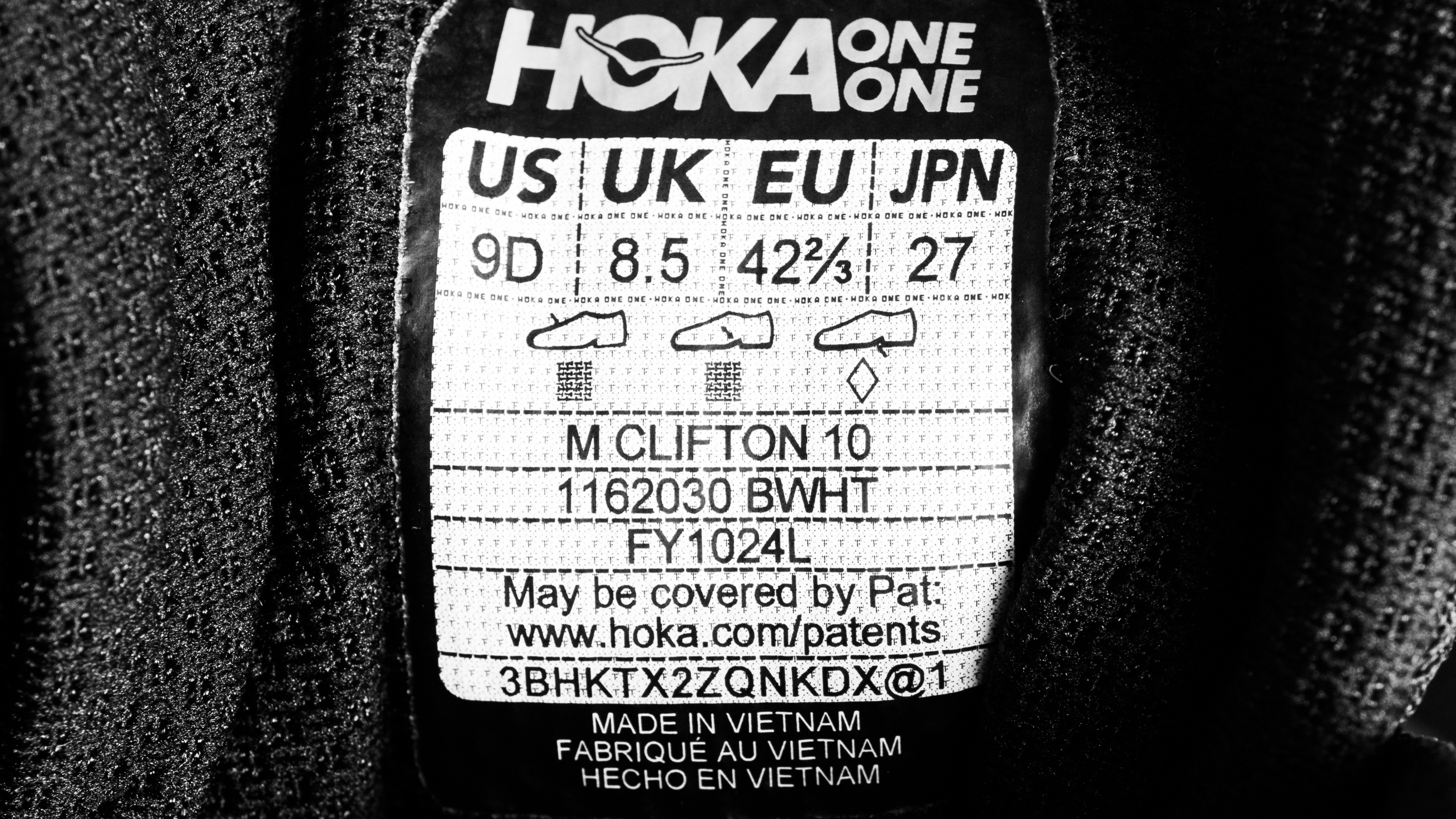
We tested the HOKA Clifton 10 in men's US size 9, as indicated on the label of our unit. The colorway shown here is Black/White. This model is also available in numerous other colorways, including Blue Spark/White, White/White, Black/Black, Vanilla/Birch, and HOKA Blue/Skyward Blue. HOKA offers both wide and extra wide versions for men and women, with multiple color options available even in the wide fittings, which is rare. The design section applies specifically to the version we tested, but we expect other sizes and gender variants to perform similarly.