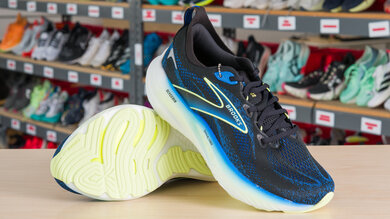
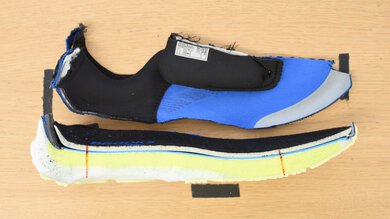
The Brooks Glycerin 22 is a premium daily trainer that has an updated midsole, but continues the series' longstanding reputation for smooth and reliable comfort. In keeping with that focus, the Glycerin 22 also has an updated heel collar that is less rigid outside and more padded inside, improving lockdown while still feeling plush. And while this iteration of the Glycerin reduces its heel-to-toe drop from the series' traditional 12mm to 10mm, this is still very much a shoe designed with heel strikers in mind. The new "DNA Tuned" cushioning is a dual-density, nitrogen-infused material that has larger cells in the rear of the shoe to absorb more impact, and smaller cells in the forefoot, which are designed to be more responsive. As much a walking shoe as a running shoe, the 22nd version of the Glycerin delivers premium comfort for everyday use.
Our Verdict
The Brooks Glycerin 22 is a middling shoe for the marathon distance. While the cushioning is adequate, it's not the most resilient over long distances. With the lackluster energy return from the midsole, your tired legs won't get much of a boost.
Heavy build feels sluggish compared to lighter trainers.
Limited energy return reduces efficiency.
The Brooks Glycerin 22 is a sub-par racing shoe for shorter distances. It's not tuned for speed, and the combination of poor energy return and heavier weight will make it feel sluggish if you're trying to run your best race.
Heavy build feels sluggish compared to lighter trainers.
Limited energy return reduces efficiency.
Changelog
- Updated Apr 29, 2026: We've converted this review to Test Bench 0.10, adding a new set of fit tests to the Design section and an overall fit performance usage. Check out the details in our changelog.
-
Updated Mar 12, 2026:
We've updated the Popular Comparisons section to include a link to our recently published article on the best Brooks running shoes.
-
Updated Mar 02, 2026:
We included the Brooks Glycerin Flex in Brooks' lineup within the Popular Running Shoe Comparisons section of the review.
-
Updated Dec 05, 2025:
We've updated the Popular Comparisons section to reference the recently reviewed Brooks Adrenaline GTS 25.
-
Updated Dec 03, 2025:
We updated the Popular Running Shoe Comparisons section to include the recently reviewed Brooks Glycerin Max 2 in Brooks' lineup.
- Updated Nov 20, 2025: We've converted this review to Test Bench 0.9, which adds a Forefoot Long Run Cushioning test to our performance section. Read more in our changelog.
- Updated Nov 17, 2025: Review published.
- Updated Nov 03, 2025: Early access published.
- Updated Aug 12, 2025: Our testers have started testing this product.
- Updated Jul 07, 2025: The product has arrived in our lab, and our testers will start evaluating it soon.
- Updated Jul 02, 2025: We've purchased the product and are waiting for it to arrive in our lab.

We've bought and tested more than 250 running shoes. Every pair purchased with our own money, never supplied or sponsored by brands. Our data-driven tests are designed to go beyond marketing claims, and since every shoe goes through the exact same methodology, you can directly compare results to find the right pair for your needs.
Test Results
Energy Return
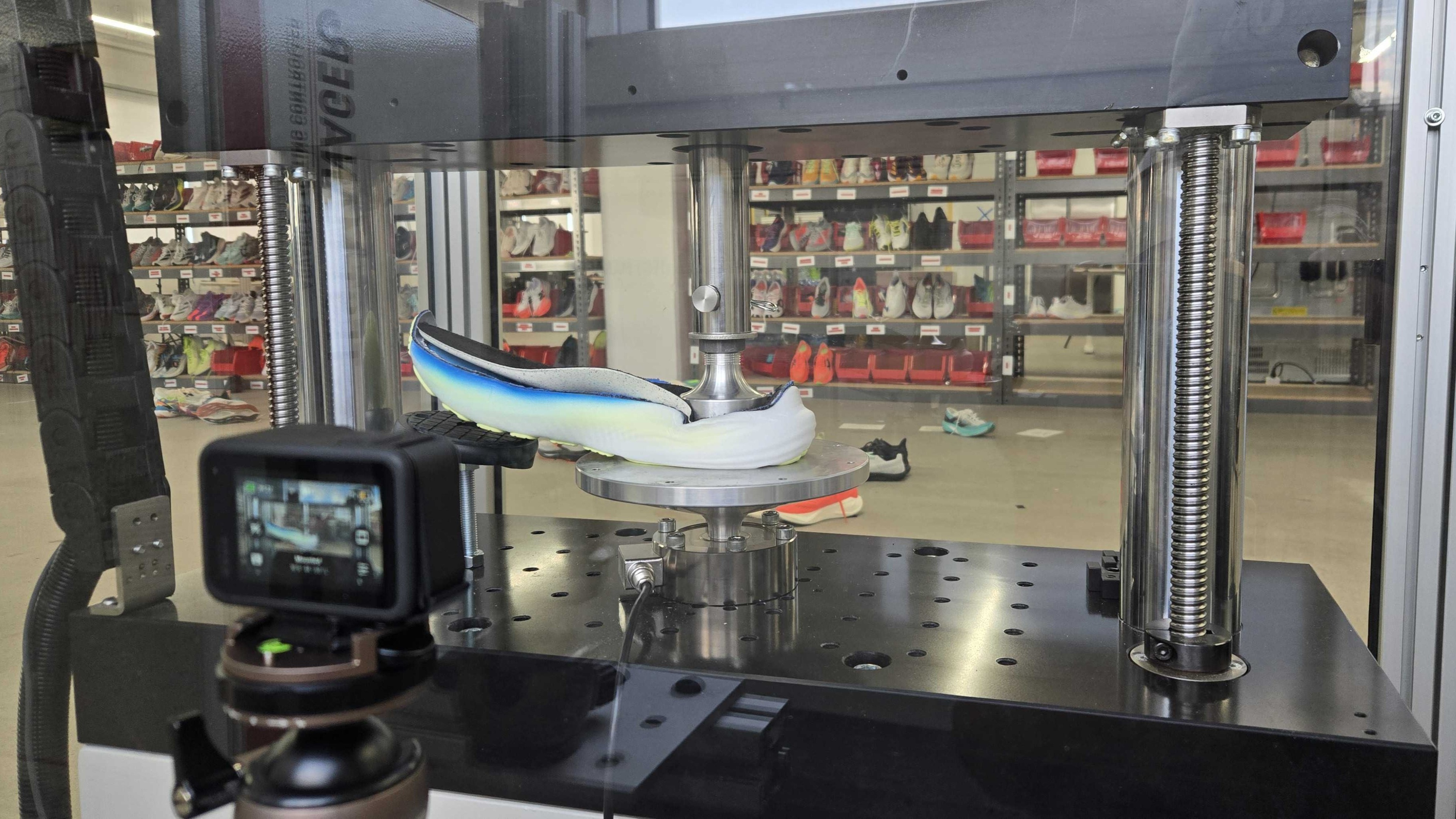
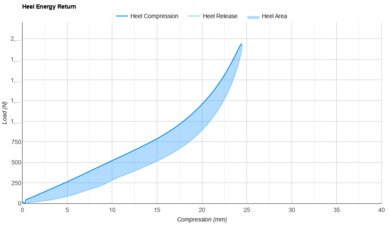
The Brooks Glycerin 22 has poor energy return. The dual-density arrangement of cells in the DNA Tuned midsole do make the forefoot much more responsive than the heel, but neither feels particularly lively or bouncy, and the shoe can feel like it's slapping the road rather than rolling along it.
Limited energy return reduces efficiency.
Minimal responsiveness.
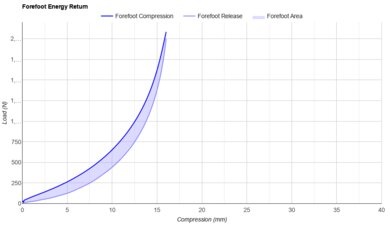
The forefoot returns energy better than the heel, but the bounce is still middling. While it's much better than a premium daily trainer like the ASICS GEL-NIMBUS 27 or even Nike Vomero 18, it lags behind the Saucony Triumph 23 or HOKA Bondi 9.
Cushioning
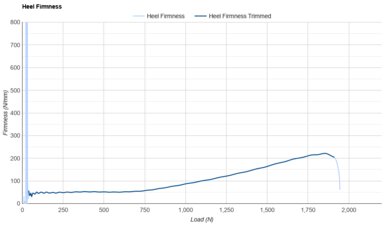
The Brooks Glycerin 22 has reasonable cushioning throughout, although it is much better protected under the heel than the forefoot, and heel strikers will definitely benefit most from the shoe's new midsole. Where the heel stays plush and absorbent, even under heavy impact, the forefoot wears thin and bottoms out over longer distances.
Well-cushioned heel can handle heavy impact.
Mediocre protection in forefoot.
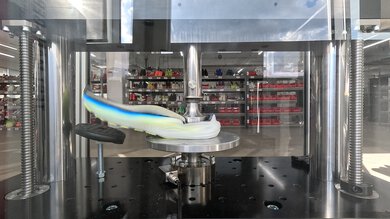
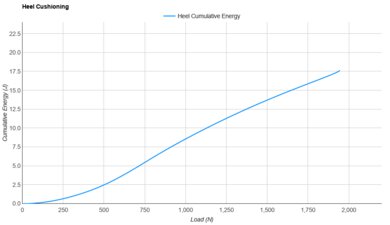
This is a shoe made for heel strikers, and this is most clear in the cushioning. The heel is reasonably soft on step-in, and does an impressive job of absorbing more and more impact as walking turns to jogging turns to running.
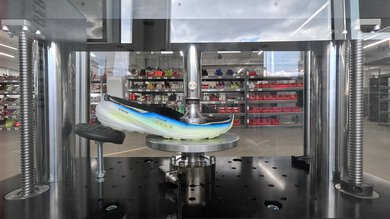
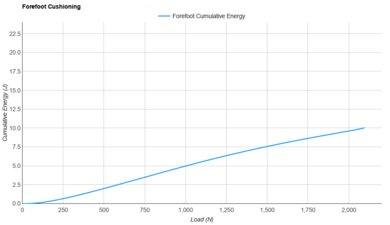
The forefoot of the Brooks Glycerin 22 is much less impressive in its cushioning. The smaller cells in the front of the shoe's midsole collectively absorb less impact, making the ride less cushy than an ASICS GEL-NIMBUS 27 or Saucony Triumph 23.
Lateral Stability
The Brooks Glycerin 22 has very good lateral stability. The upside of having a very firm and relatively low-stacked forefoot is a very grounded, controlled push-off on each step. The reasonable stack height, on top of a wide outsole platform, give the shoe a secure, solid construction that withstands any wobbles.
Firm forefoot enhances control through transitions.
Wide base creates a secure landing platform.
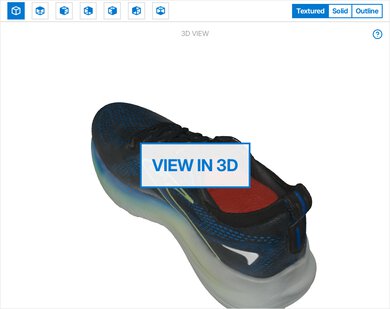
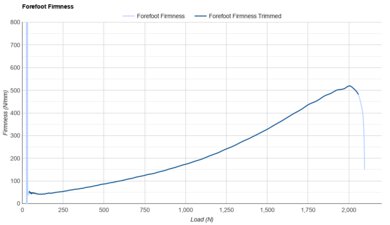
The forefoot of the Brooks Glycerin 22 is among the firmest of any premium daily trainer, which gives it a very stable, controlled feel underfoot, but can also feel too harsh for intense effort.
True To Size
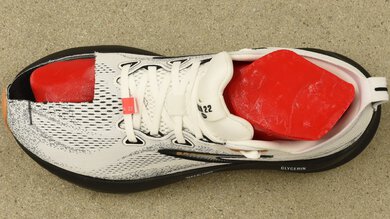
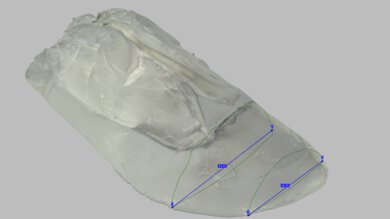
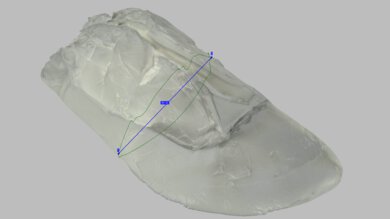
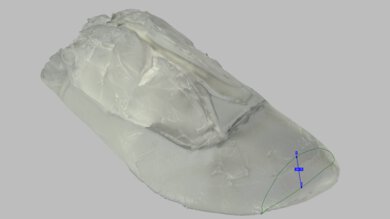
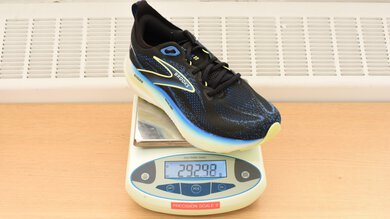
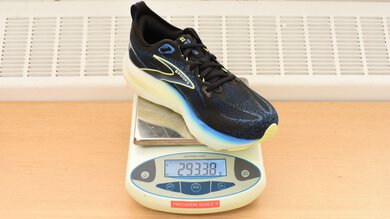
The comfort of this shoe comes at a cost: all the padding and premium materials in the upper add to the shoe's weight, and can make it feel sluggish.
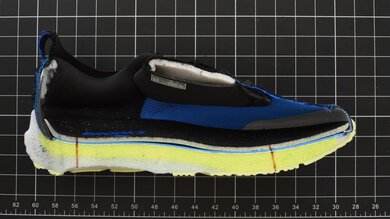
The Glycerin series has been slower to adopt higher stack heights than many other premium daily trainers, and the Glycerin 22 now sits much lower than the Nike Vomero 18 or HOKA Bondi 9.
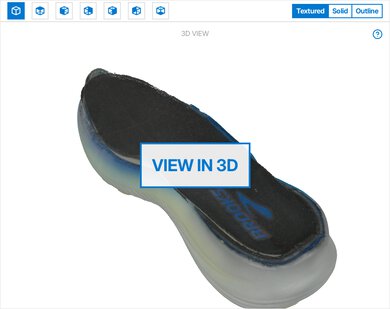
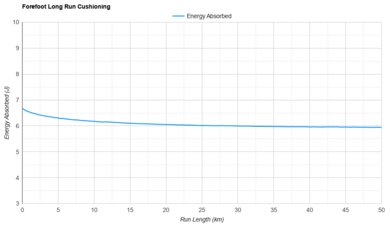
The forefoot cushioning of the Brooks Glycerin 22 does not hold up well over long runs. As with many shoes, the biggest drop-off in impact absorption is after the first 10k, and then more steadily thereafter. Because the forefoot cushioning in the Glycerin 22 absorbs less impact out of the gate than the Nike Vomero 18 or Saucony Triumph 23, it bottoms out sooner.
Popular Running Shoe Comparisons
The Brooks Glycerin 22 is a daily trainer with a long lineage, one that has slowly but continuously evolved in response to successive changes in the broader running shoe market. It now sits with the Nike Vomero 18, Saucony Triumph 23, and ASICS GEL-NIMBUS 27 in the premium trainer category, shoes that are sturdy and stable enough to be daily workhorses, but more comfort-oriented than classic daily trainers. However, all of these series predate the current market categorization, and while they have all evolved in response to similar trends over the years, each has followed its own unique trajectory. The Glycerin, for its part, has long stood out as the trainer with the biggest heel-to-toe drop: 12mm in previous versions, but now only 10mm in the Glycerin 22, bringing it more in line with its peers. While the Glycerin series has grown in stack height over the years, the increase has been much more gradual than its peers', such that the Glycerin 22 now sits much lower than the Vomero 18 or NIMBUS 27. The Glycerin 22 walks a fine line: it focuses on comfort without embracing maximum cushioning, and is soft and smooth enough for walking around, yet robust enough for daily training.
The Glycerin 22 remains one of the core pillars in the Brooks family of daily trainers that has become increasingly crowded in recent years. It sits alongside the Brooks Ghost 17 as one of the brand's legacy series, with the Glycerin remaining the softer, more cushioned, daily trainer; the Ghost is the firmer, and more stable, but less lively of the two elder siblings. Each shoe now also has a max-cushioned version, and the Brooks Glycerin Max 2 takes the Glycerin's focus on comfort to the extreme stack height and cushioning. There's also the Brooks Glycerin Flex, a high-stack daily trainer with a flexible platform that naturally bends. For runners who need more support to correct overpronation, there is the Brooks Adrenaline GTS 25, which still has dedicated stability features, as well as a steeper heel-to-toe drop to accommodate heel strikers.
For more options, check out our recommendations for the best running shoes, as well as our guide to the best running shoes from Brooks. If you're after shoes well-suited for long runs, check out our recommendations for the best long-distance running shoes.
The Brooks Ghost 17 and Brooks Glycerin 22 are two of the Seattle-based brand's most popular daily trainers. They serve very similar purposes, but the Glycerin 22 is more cushioned and bouncier, while the Ghost 17 is firmer and has more dedicated stability features, like a reinforced heel counter and raised sidewalls . Neither shoe is built for speed, but the Glycerin 22's midsole has more bounce, while the Ghost 17 gives a more grounded feel.
The Brooks Ghost Max 3 and Brooks Glycerin 22 are two running shoes that show a clear divergence in the brand's lineup. The Glycerin is part of a flagship series that has long catered to heel strikers, and this iteration largely continued that legacy, with a 10 mm heel-to-toe drop and DNA Tuned cushioning that is softer under the heel. The Ghost Max, on the other hand, has a much less pronounced heel drop, and its heel cushioning is not as good as the Glycerin's, but its forefoot cushioning is much better. Neither shoe is particularly lively, but the Glycerin easily outclasses the Ghost Max's abysmal energy return. If you're a heel striker and you want a shoe for everyday runs, the Glycerin is a better choice. If you are a mid to forefoot striker and want a walking shoe that can double as a running shoe, go with the Ghost Max.
The Brooks Glycerin 22 and the Brooks Adrenaline GTS 25 are two of the brand's best-selling shoes, each targeting slightly different runners. The Adrenaline GTS 25 is a dedicated stability shoe with multiple support features, including a medial post and guide rails, to combat over-pronation. Its firmer midsole further reduces any unsteadiness. The Glycerin 22, meanwhile, is a neutral daily trainer with better cushioning and an overall livelier midsole. The Adrenaline GTS 25 remains a solid choice for beginner runners who feel unsteady in their stride, while the Glycerin 22 is a more comfortable shoe, especially for heel strikers.
The Brooks Glycerin 22 and HOKA Clifton 10 both deliver a cushioned, comfortable ride, but they feel quite different underfoot. The HOKA Clifton 10 is lighter and rolls forward more easily thanks to its firmer foam and pronounced rocker, giving it a smoother, more versatile ride across a range of paces. The Brooks Glycerin 22 feels denser and more traditional, focusing on deep cushioning and a stable, planted feel. Runners who want an easy, efficient turnover will prefer the Clifton 10, while those who prioritize softness and consistent comfort will appreciate the Glycerin 22.
The Brooks Glycerin 23 features a few important updates to the Brooks Glycerin 22. The 23 iteration has reduced the heel-to-toe drop, and there's more cushioning under the forefoot. Both shoes still primarily cater to heel strikers, but the Glycerin 23's forefoot holds up better over long distances and doesn't bottom out as quickly as the Glycerin 22. Another significant change is the triple jacquard mesh upper of the Glycerin 23, which gives a more flexible and secure fit, but is quite thick and could make the shoe hotter in the summer months.
While the Brooks Glycerin 22 and Brooks Glycerin Max share a similar name and a focus on comfort, they diverge in the experience on foot. The Glycerin 22 still has a steeper heel-to-toe drop, and attempts to balance comfort and stability, resulting in a more versatile daily trainer that is a reliable companion for most heel strikers. The Glycerin Max prioritizes comfort and cushioning above all else, resulting in a deeply protective, albeit bulky and occasionally unstable shoe that is best suited for easy, recovery runs.
The HOKA Bondi 9 and Brooks Glycerin 22 are both daily cushioned trainers but differ in feel and purpose. The Bondi 9's supercritical EVA foam and wide platform deliver a softer, more protective ride ideal for easy or recovery runs. The Glycerin 22's nitrogen-infused DNA Loft v3 midsole feels denser and more stable, offering a firmer, more traditional experience suited for steady daily mileage. Runners prioritizing plush comfort will favor the Bondi 9, while those wanting a balanced, consistent ride will prefer the Glycerin 22.
The Brooks Adrenaline GTS 24 and Brooks Glycerin 22 are both daily trainers, but they’re built around different priorities. The Adrenaline GTS 24 is the dedicated stability shoe, with a broad support-focused platform, firmer forefoot, and guide-rail-style support that gives it a more controlled feel underfoot. The Glycerin 22 is the more cushioned, comfort-first option, with better heel and forefoot protection, a roomier fit, and slightly more rebound overall. Neither shoe feels especially snappy, but the Glycerin 22 is the better pick for a softer, more comfortable daily trainer for running or walking. The Adrenaline GTS 24 is the one to reach for if you need structured support to help with overpronation.
The ASICS NOVABLAST 5 and the Brooks Glycerin 22 are two daily trainers that take very different approaches. The ASICS is the lighter, more lively option, prioritizing cushioning across both forefoot and heel, and excels in everything from recovery miles to long distances, whilst remaining responsive enough for light uptempo efforts as well. The Brooks shoe is the more classic option. A sturdy workhorse with a smaller stack, it prioritizes stability and, though it still has adequate cushioning, it's best for runners looking for a dependable companion for easy, long, and recovery runs without any aggressive pace changes.
The Saucony Triumph 23 and Brooks Glycerin 22 are both popular cushioned models from their respective brands, and are part of product lines that are undergoing significant evolution. In this respect, the Triumph 23 is a step ahead of the Glycerin 22, as Saucony has managed to make this iteration of the Triumph significantly lighter while still providing better cushioning. The Triumph 23 also returns energy much better than the Glycerin 22. One area where the Glycerin 22 has an advantage would be for heavier heel strikers, as the cushioning in the rearfoot of the Glycerin does a better job of absorbing impact at higher force levels.
The Brooks Glycerin Max 2 is like the Brooks Glycerin 22 on steroids: both are premium neutral trainers from the same brand, but they differ a lot in execution and capabilities. The Glycerin 22 is lighter, with a more traditional, lower-profile build that feels more stable underfoot. In contrast, the Max 2 utilizes its extra weight to support a much taller stack, offering noticeably better cushioning, especially as the distance increases. Even though they share DNA-Tuned foam, stack height also matters for impact absorption, and the Max 2 simply keeps your legs more protected late in long runs. It also features a more pronounced rocker, allowing for a smoother ride and helping you cruise along.
The ASICS GEL-NIMBUS 27 and Brooks Glycerin 22 are contemporary premium daily trainers from their respective brands. The ASICS is the softer, better-cushioned of the two, and it holds up much better over long runs. The Brooks isn't the fastest shoe, but it has much better energy return than the ASICS, and is also much more stable, thanks to its firmer midsole and lower stack height.
The Brooks Glycerin 22 and Nike Vomero 18 are cushioned daily trainers built for comfort, but they approach it from different angles. The Vomero 18 feels firmer and more structured, giving it a stable, dependable character that holds up well over high mileage. The Glycerin 22 leans softer and smoother, providing a plush landing that's ideal for easy, relaxed runs. Those looking for a steady, responsive feel will favor the Vomero 18, while runners chasing comfort will find the Glycerin 22 more inviting.
The Brooks Glycerin Flex and Brooks Glycerin 22 are very different shoes despite having similar names. The Brooks Glycerin 22 is a more conventional premium trainer, using its geometry and rocker to create smooth transitions and a plush, protective ride for everyday miles. The Brooks Glycerin Flex keeps a similar cushioned intent and high drop, but instead of leaning on a rocker, it builds flexibility directly into the midsole through a deep decoupling groove and segmented forefoot pods that allow the platform to articulate and bend more naturally with your stride. That design creates a more fluid, ground-connected feel. Outside of that flexibility-focused construction, both shoes end up offering a comparable level of cushioning and overall stability, though the Flex weighs less.
The Brooks Glycerin 22 and ASICS GEL-NIMBUS 28 are both premium daily trainers built for comfort, but they deliver that comfort in very different ways. The GEL-NIMBUS 28 feels better executed, staying surprisingly light even with a higher stack and delivering a more protective, softer ride that better isolates you from the road on easy miles and longer runs. The Glycerin 22, on the other hand, is more traditional and planted, with a steadier platform that feels more stable underfoot, plus a touch more rebound and liveliness from its midsole compared to the NIMBUS. If you want maximum protection in a lighter, higher-stacked shoe, the NIMBUS makes more sense, but if you prioritize a stable, predictable ride with a bit more bounce back, the Glycerin is the better match.
Differences Between Sizes And Variants
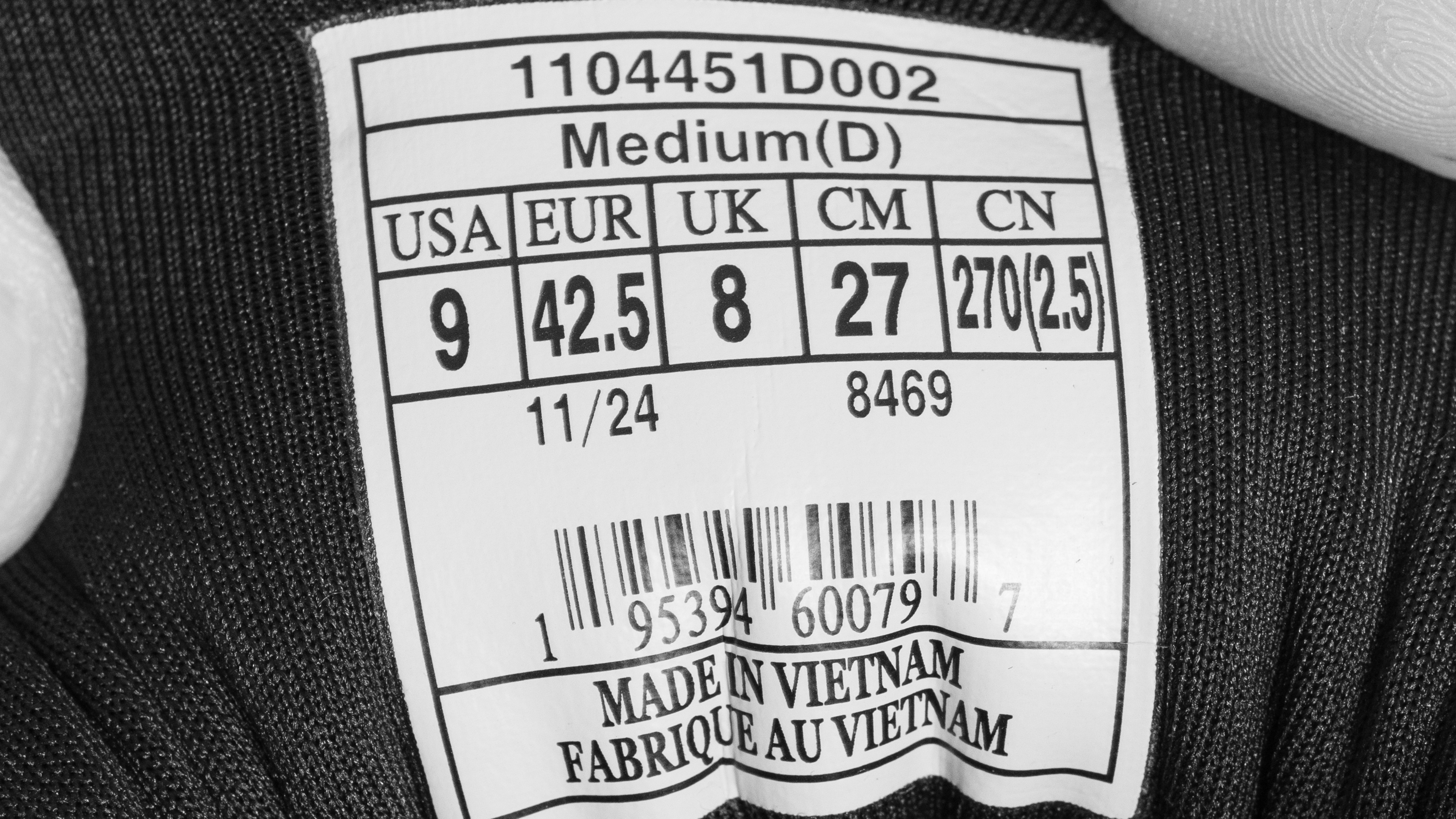
We purchased and tested this shoe in a men's US size 9, as shown here on the label of our pair. The pair we bought is in the Black/Cobalt/Neo Yellow colorway. The model is available in more than 19 colorways, purchasable through various retailers depending on your region. This shoe is available in a variety of widths, ranging from 2A (Women's Narrow), B (Women's Medium) to D (Women's Wide; Men's Medium), 2E (Men's Wide; Women's Extra Wide), and 4E (Men's Extra Wide). The design section applies only to the exact model we tested, but we expect other sizes and gender variants to perform similarly.