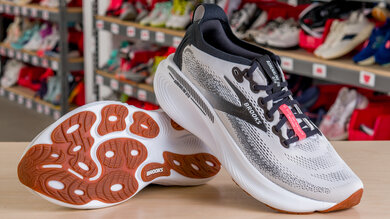
The Brooks Adrenaline GTS 25 is a solid stability trainer with dedicated support features for over-pronators. Raised sidewalls extending from the heel to the midfoot act as guide rails to prevent excessive pronation, and the midsole is sculpted to be relatively soft and cushioned toward the interior of your foot, but much firmer on both the lateral and medial sides, in order to guide your foot into a neutral position. In both fit and feel, the Adrenaline GTS 25 is quite similar to the Brooks Adrenaline GTS 24, and it maintains the Adrenaline GTS line's character as a beginner-friendly shoe, offering a consistent and secure ride, but with very little bounce. It's the Honda Civic of running shoes: a popular, dependable model that offers few surprises and little excitement, but gets the job done.
Our Verdict
The Brooks Adrenaline GTS 25 is a poor choice for marathon racing. The already mediocre cushioning becomes even less protective over long distances, and the limited energy return from the midsole will make each step feel even more labored as your legs fatigue.
Bulky and heavy.
Cushioning bottoms out too quickly.
Limited energy return.
The Brooks Adrenaline GTS 25 is a sub-par shoe for shorter races. It's heavy for a running shoe, and its relatively rigid structure is designed to neutralize problematic strike patterns rather than add any spring to your step.
Bulky and heavy.
Limited energy return.
Changelog
-
Updated Jul 24, 2026:
We've updated the Popular Comparisons section to add a link to the newly reviewed Mizuno Wave Inspire 22.
-
Updated Jul 02, 2026:
We've updated the Popular Comparisons section to include a link to the newly reviewed Brooks Anthem 8.
-
Updated Jun 26, 2026:
We've updated the Popular Comparisons section to include a link to the newly reviewed ASICS GT-1000 15.
- Updated Jun 17, 2026: We've converted this review to Test Bench 0.12, which fixes how we measure firmness, a component of the Stability and 5K/10K Racing usages. There may be inconsistencies between the text and the scores for these usages, but the scores should still be considered valid. We've also brought back the Energy Return score and added two new usages: Daily Training and Long Run. To read more about the changes, see the changelog.
-
Updated Jun 09, 2026:
We've updated the text of the Responsiveness box to reflect updated scores and added text to the True To Size box.
- Updated May 26, 2026: We've converted this review to Test Bench 0.11, adding two new rocker measurements to the Design section, and three new responsiveness tests to the Performance section. The Energy Return usage score has been replaced with Responsiveness. Check out the details in our changelog.
- Updated Mar 25, 2026: We've converted this review to Test Bench 0.10, adding a new set of fit tests to the Design section and an overall fit performance usage. Check out the details in our changelog.
- Updated Dec 05, 2025: Review published.
- Updated Dec 03, 2025: Early access published.
- Updated Nov 25, 2025: Our testers have started testing this product.
- Updated Oct 29, 2025: The product has arrived in our lab, and our testers will start evaluating it soon.
- Updated Oct 15, 2025: We've purchased the product and are waiting for it to arrive in our lab.
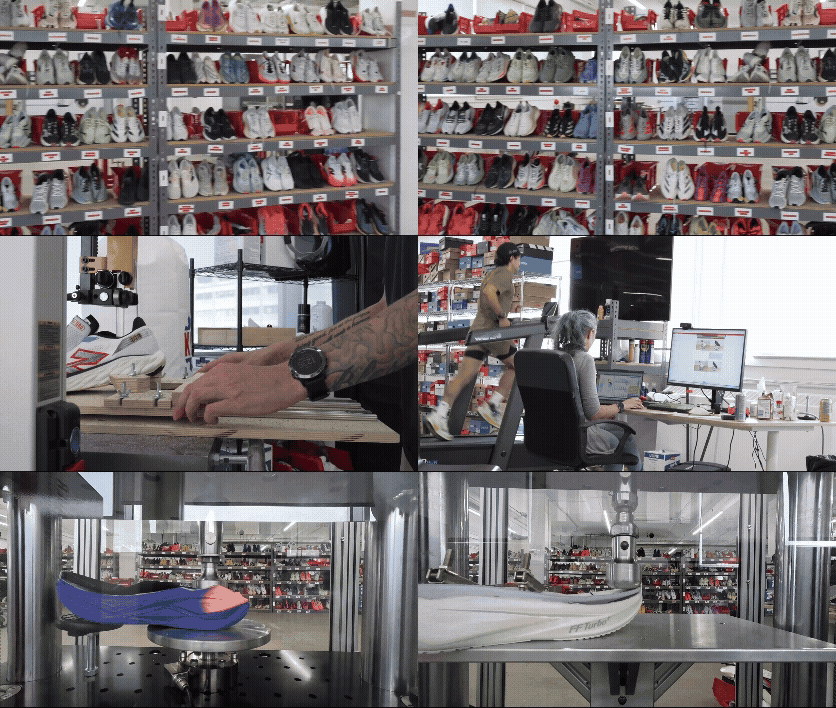
We've bought and tested more than 250 running shoes. Every pair purchased with our own money, never supplied or sponsored by brands. Our data-driven tests are designed to go beyond marketing claims, and since every shoe goes through the exact same methodology, you can directly compare results to find the right pair for your needs.
Test Results
Energy Return
Stability
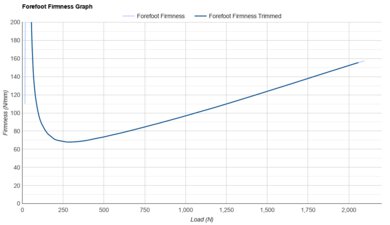
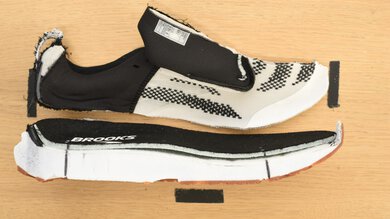
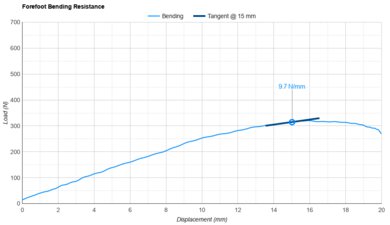
The Brooks Adrenaline GTS 25 is a very stable shoe. The flared midsole helps accentuate an already wide base, creating a broad landing platform, especially under the heel. Rising up from this platform are guide rails that wrap from heel to midfoot to counter any side-to-side movement. The exceptionally firm forefoot also ensures a solid, planted feel when pushing off.
Very wide outsole platform.
Very firm forefoot.
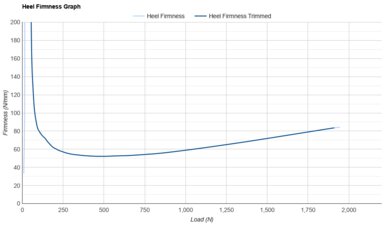
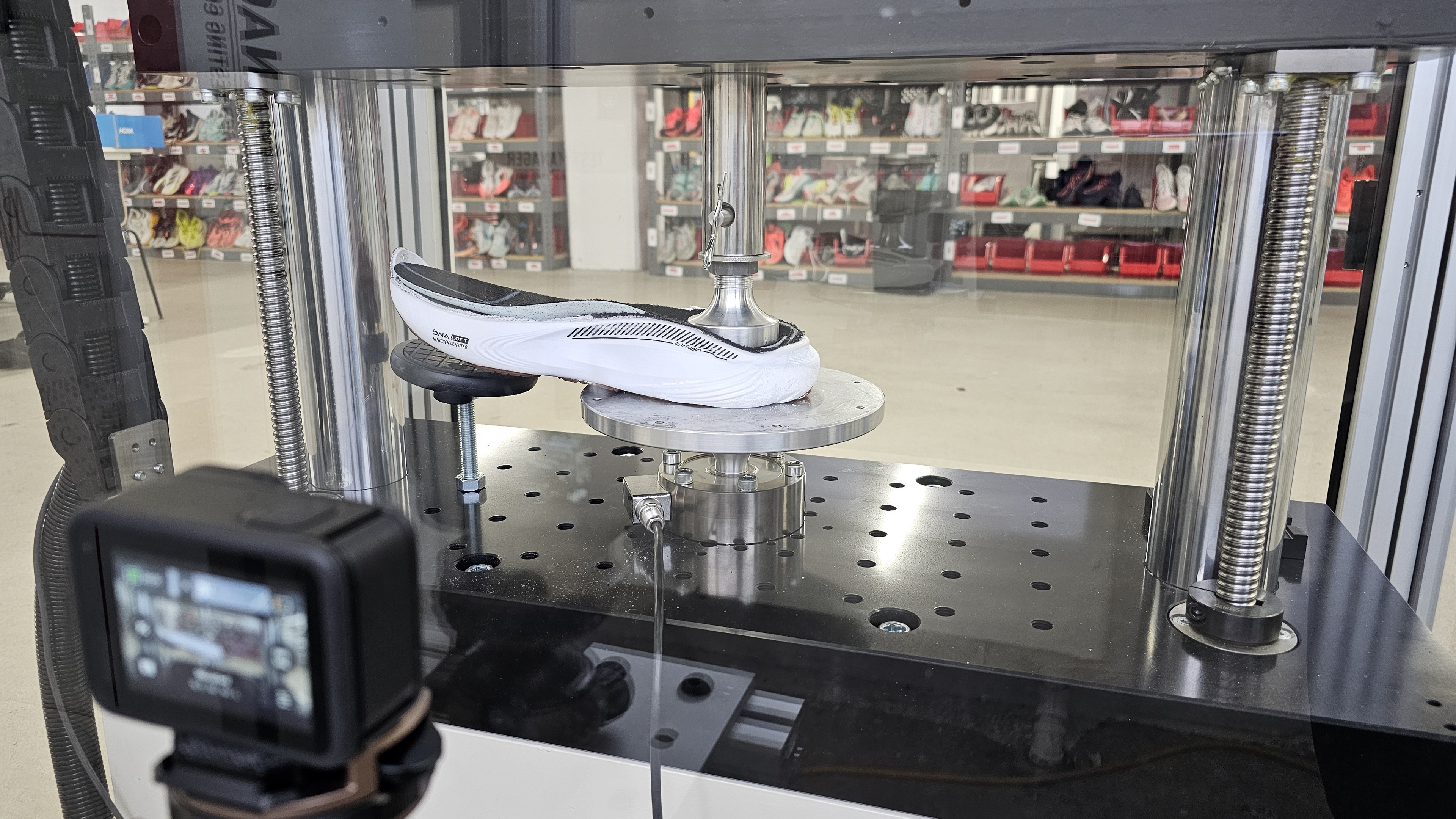
The heel of the Brooks Adrenaline GTS 25 isn't excessively firm, and under lighter loads, it's more malleable than its predecessor, the Brooks Adrenaline GTS 24, but as the applied force increases, the 25 is actually much firmer than the 24.
Cushioning
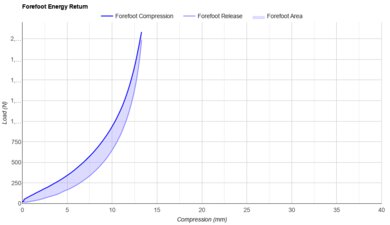
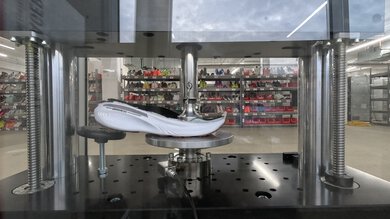
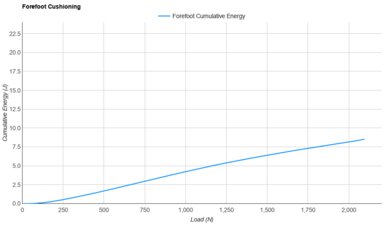
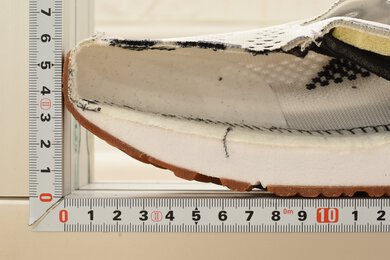
The cushioning in the Brooks Adrenaline GTS 25 isn't bad, but this isn't the softest shoe. The heel is decently cushioned, but the comparatively steep heel-to-toe drop leaves much less stack, and thus much less protection, in the forefoot.
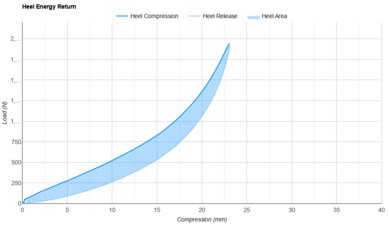
Decent protection under the heel.
Cushioning bottoms out too quickly.
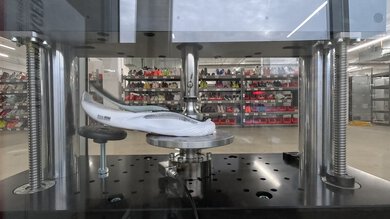
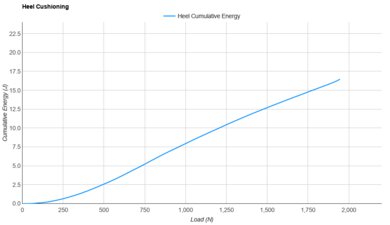
The cushioning in the heel of the Brooks Adrenaline GTS 25 is satisfactory for most heel strikers, as it absorbs shock well, even under heavier loads. It sits solidly among other stability shoes like the Nike Structure 26, the Saucony Tempus 2, and the ASICS GEL-KAYANO 32 in its ability to protect your heel from impact.
Responsiveness
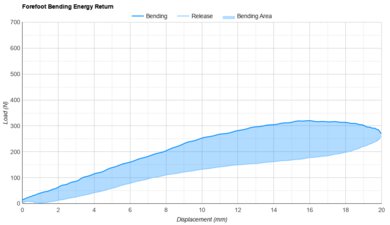
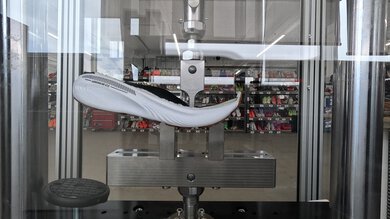
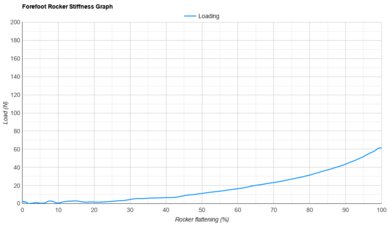
The Brooks Adrenaline GTS 25 has poor responsiveness. The DNA Loft midsole has little bounce, so the ride feels flat but controlled. The firmness of the posts pushing your foot from the medial side also contributes to a sensation of being bounced sideways rather than forward.
Limited energy return.
Landings feel dull and flat.
True To Size
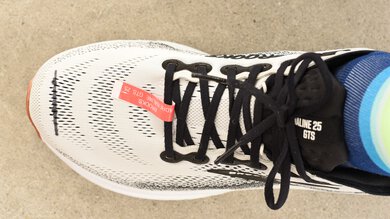
The Brooks Adrenaline GTS 25 fits very close to true to size, and most runners can confidently buy their normal size. If you have tall toes, though, the forefoot could feel a bit cramped.
Length is true to size.
Very accommodating width.
Toe box isn't very tall.
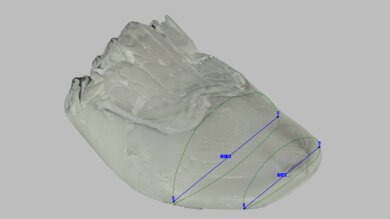
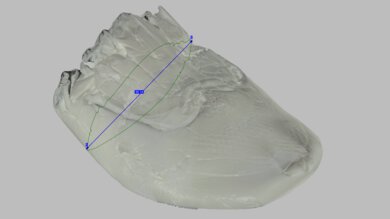
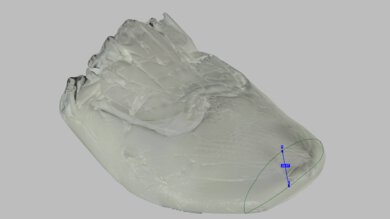
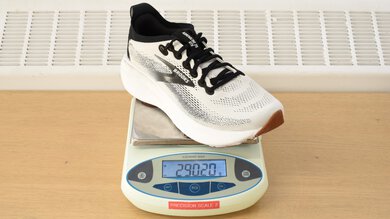
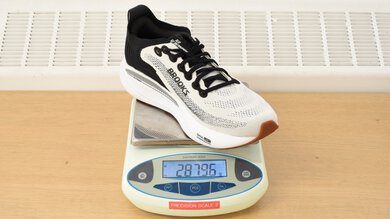
The Brooks Adrenaline GTS 25 weighs almost exactly the same as the Brooks Adrenaline GTS 24. It's in the same weight class as other stability trainers, like the Nike Structure 26 or ASICS GEL-KAYANO 32, although much heavier than the Saucony Tempus 2, a more performance-oriented stability trainer.
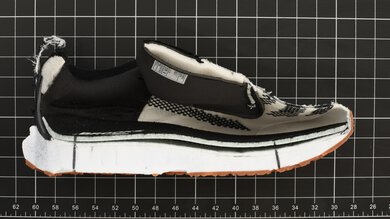
While Brooks has reduced the heel-to-toe drop in their other daily trainers, the Adrenaline GTS 25 maintains a very steep drop. This is fine for heel strikers, but it will likely get in the way of mid to forefoot strikers.
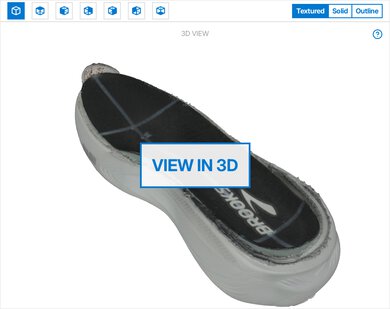
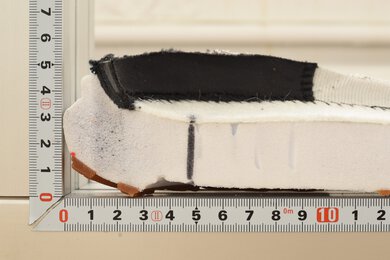
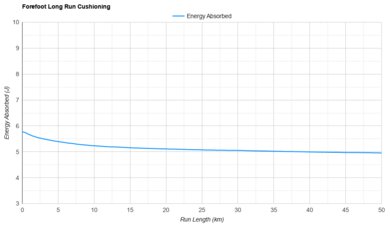
The cushioning in the forefoot of the Brooks Adrenaline GTS 25 doesn't start out impressive, and it quickly deteriorates, becoming much less protective after the first 10 kilometers. Runners wanting to do long runs but needing some stability features would be much better served by the ASICS GEL-KAYANO 32 or the Saucony Hurricane 25.
Popular Running Shoe Comparisons
The Brooks Adrenaline GTS 25 is a traditional stability shoe with a combination of dedicated support features like sidewalls and medial post, integrated into an inherently stable midsole platform. It's an incredibly popular shoe among novice runners and those who struggle with overpronation because it manages to ensure a stable and controlled ride, while still feeling reasonably comfortable. That said, it's very much a classic stability shoe, in the same class as the Mizuno Wave Inspire 22, Nike Structure 26, and the ASICS GT-1000 15; it's designed to correct over-pronation rather than to enhance propulsion. While this is fine for runners who are primarily looking for support from a stability shoe, there are alternatives like the Saucony Hurricane 25 and Saucony Tempus 2 that pair mild stability features with a more performance-oriented design. For runners who don't need overpronation correction, but who still want a shoe with good structural stability, the New Balance FuelCell Rebel v5 is an example of a shoe that has great inherent stability.
Within Brooks' daily trainer lineup, the Adrenaline GTS is the main stability trainer. The Brooks Anthem 8 is the no-frills budget trainer; the Brooks Ghost 17 is a classic daily trainer that has the same DNA Loft foam as the Adrenaline, but without any medial post. The Brooks Glycerin 22 is a premium daily trainer that has softer DNA Tuned foam in its midsole for a livelier, more forgiving ride. There's also a GTS (Go To Stability) version of the Glycerin, which incorporates the same support features into the softer midsole of the Glycerin.
For more options, check out our recommendations for the best running shoes, as well as the best running shoes from Brooks. If you're after shoes well-suited for long runs, check out our recommendations for the best long-distance running shoes.
The Brooks Glycerin GTS 23 is a more premium support shoe than the Brooks Adrenaline GTS 25. Though they both use sidewalls to be impressively stable shoes, the Glycerin GTS 23 is more protective for daily miles and more capable over long runs, too. That said, the Adrenaline is lighter and its higher drop suits heel strikers better. Get the Glycerin GTS 23 if you want the plusher ride and don't mind paying more. Get the Adrenaline GTS 25 if you want to spend less and prefer a firmer ride, or if you're a heel striker.
The Brooks Ghost 17 and the Brooks Adrenaline GTS 25 share more similarities than differences: they both have a rather firm DNA Loft midsole, and thus similar levels of cushioning and energy return (or lack thereof). Both are built on a broad, stable platform, but the Adrenaline GTS goes further with dedicated support features, including a medial post, to correct overpronation. The Adrenaline also has a more pronounced heel-to-toe drop, so while both shoes are more suited to heel-strikers, the GTS 25 gives you practically no choice but to land on the backfoot.
The Brooks Ghost Max 3 and Brooks Adrenaline GTS 25 are both comfort-focused Brooks trainers, but they're built for different runners. The Ghost Max 3 is the neutral max-cushion option, with a wider, higher-stack platform that provides more forefoot protection and a softer, more cushioned feel for easy runs or walking. The Adrenaline GTS 25 is the stability shoe, using guide-rail-style support and firmer sidewalls to correct excessive overpronation. Neither shoe feels lively underfoot, but the Ghost Max 3 is the better pick if you want a relatively stable, neutral-cushioned option. The Adrenaline GTS 25 makes more sense if you need dedicated support.
The HOKA Arahi 8 and Brooks Adrenaline GTS 25 are both stability trainers, but they tackle the task very differently. The HOKA is the lighter, more cushioned option, with the brand's H-Frame support system and a smoother rocker that makes it feel less like a traditional corrective shoe. It still doesn't offer much bounce, but it provides good underfoot protection and a less bulky ride for daily miles. The Brooks is the more classic stability shoe, with guide-rail-style support, a firmer forefoot, and a more controlled feel underfoot. You'll likely prefer the HOKA if you want lightweight stability with more cushioning, while the Brooks makes more sense if you want a dependable support shoe with a more traditional feel.
The HOKA Bondi 9 and Brooks Adrenaline GTS 25 are two daily trainers, though they have different applications. The HOKA is a premium daily trainer that provides excellent cushioning and protection, making it a reliable companion across easy, long, and recovery runs at relaxed paces. Conversely, the Brooks is a support shoe intended to assist with excessive pronation, with sidewalls and a medial post baked in, making it a stability-first option.
The ASICS GEL-KAYANO 32 and the Brooks Adrenaline GTS 25 are two classic stability trainers that incorporate a variety of support features to correct over-pronation. The Brooks shoe has a higher heel-to-toe drop and a much greater disparity in the levels of cushioning, with a heel that's slightly more protective than the ASICS shoe, but a forefoot that's much harsher. Neither shoe is very lively, as both are focused on a stable, controlled ride, but the Adrenaline GTS 25 does return energy slightly better.
The HOKA Clifton 10 and Brooks Adrenaline GTS 25 are two daily trainers, but they're intended for different runners. The HOKA shoe is a classic daily trainer, best for neutral runners to handle short to mid-range efforts with comfort and smoothness, providing excellent cushioning and a soft, compliant feel. The Brooks, meanwhile, is a dedicated stability shoe, offering a more controlled, though slightly less cushioned ride.
The ASICS GEL-KAYANO 33 and Brooks Adrenaline GTS 25 are both support shoes, but they approach the job differently. The ASICS prioritizes cushioning, delivering a softer, more protective ride that's better suited to longer runs. The Brooks, meanwhile, leans further into stability, pairing a lighter build with a higher drop that makes it particularly well-suited to heel strikers. Neither shoe is especially lively underfoot, but if comfort and impact protection are your priorities, the ASICS is the better choice. If you want a more supportive shoe with a firmer, more structured ride, the Brooks is the shoe for you.
The Brooks Glycerin 22 and the Brooks Adrenaline GTS 25 are two of the brand's best-selling shoes, each targeting slightly different runners. The Adrenaline GTS 25 is a dedicated stability shoe with multiple support features, including a medial post and guide rails, to combat over-pronation. Its firmer midsole further reduces any unsteadiness. The Glycerin 22, meanwhile, is a neutral daily trainer with better cushioning and an overall livelier midsole. The Adrenaline GTS 25 remains a solid choice for beginner runners who feel unsteady in their stride, while the Glycerin 22 is a more comfortable shoe, especially for heel strikers.
The ASICS GT-2000 14 and the Brooks Adrenaline GTS 25 present two different approaches for a stability trainer to correct stride patterns. The Brooks shoe is a bit more intrusive in its approach, with a firm medial post that guides your foot back into a neutral position if you over-pronate. The GT-2000 14 takes a softer approach, with a pod of springier foam on the medial side that is meant to bounce your foot back to neutral if it rolls inward. Neither shoe does much to bounce your foot forward, although the ASICS shoe does have better energy return.
The Mizuno Wave Inspire 22 and Brooks Adrenaline GTS 25 are both traditional support trainers, but the Mizuno is the better shoe for most runners. Its plate-led geometry makes it more stable and less intrusive, and it's much more cushioned, with better performance across daily mileage and longer efforts. The Brooks uses more heavy-handed guide rails to correct excessive overpronation, and has a higher heel-to-toe drop, making it more suited to heel strikers, though it's heavier and less energetic. The Mizuno is still a solid option for heel strikers, so unless you don't like the feel of a plate, it's the shoe to get.
The Brooks Glycerin Flex and Brooks Adrenaline GTS 25 sit on opposite ends of the daily-trainer spectrum, targeting runners who want very different things from their shoe. The Adrenaline is a stability trainer designed for guidance and correction, using support features that help manage overpronation and keep your stride aligned. The Brooks Glycerin Flex is built for the opposite philosophy, prioritizing freedom and a more natural, uninhibited transition, using a highly flexible, decoupled midsole design that bends easily and feels less corrective. Despite those different intents, both can feel similarly stable laterally, but the Adrenaline adds corrective support while the Flex relies more on its inherent geometry. The Flex also feels more cushioned overall and has a bit of a lower drop, even if both shoes feature very high drops.
The Brooks Adrenaline GTS 25 and HOKA Arahi 9 are both supportive daily trainers, but they take different approaches to stability. The Brooks is heavier, though neither shoe is especially light, and its firm GuideRails provide more traditional, pronounced correction that can feel restrictive and harsher underfoot. The HOKA offers a bit more cushioning, especially at the heel, along with a wider arch and more rocker, giving it a smoother, more rolling ride that feels easier to use across daily mileage.
The Nike Structure Plus and Brooks Adrenaline GTS 25 are both support trainers built to help correct overpronation, and both use raised sidewalls to guide the foot, but the Adrenaline GTS 25 is the more support-oriented shoe. That's because it pairs its GuideRails system with a firmer, more prescriptive midsole that can feel harsh, but is more effective at guiding the foot cleanly through the stride. The Structure Plus takes a more comfort-oriented approach, using a dual-layer midsole with a ZoomX top layer to create a more cushioned, plusher ride that feels less corrective and more accommodating underfoot. Both are high-drop shoes, though the Brooks goes even further in that direction with a 12 mm drop.
Differences Between Sizes And Variants
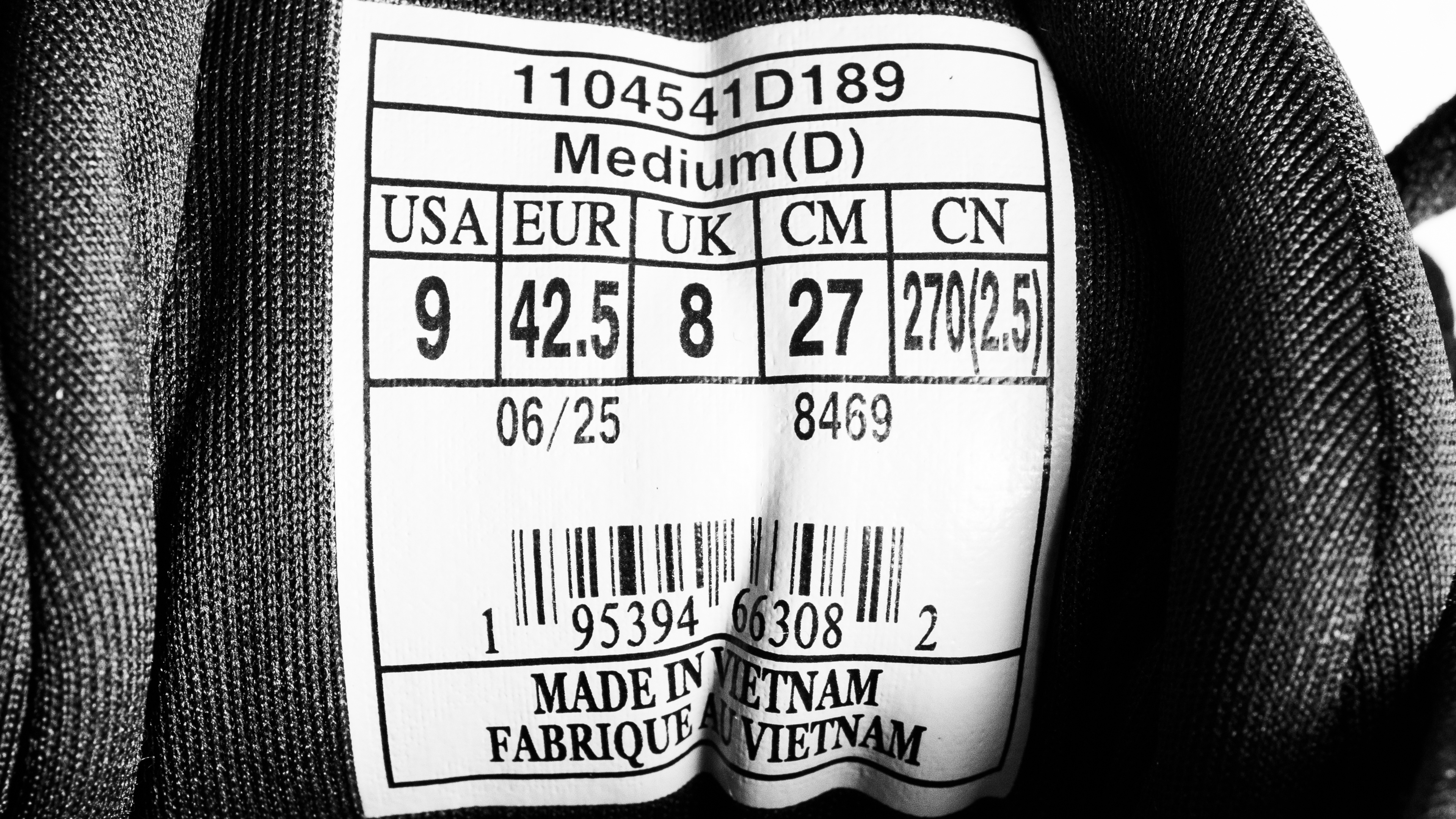
We purchased and tested this shoe in a men's US size 9, as shown here on the label of our pair. The pair shown here is the White/Black/White colorway, and the shoe is available in a variety of other colorways depending on your region. This shoe is available in a variety of widths, ranging from 2A (Women's Narrow), B (Women's Medium) to D (Women's Wide; Men's Medium), 2E (Men's Wide; Women's Extra Wide), and 4E (Men's Extra Wide). The design section applies only to the exact model we tested, but we expect other sizes and gender variants to perform similarly.