
The Nike Pegasus 41 is a classic daily trainer that aims to balance comfort, durability, and adaptability for easy runs. It's a stable, reliable shoe that can handle the grind of everyday use without any fuss. It's not a particularly lively or exciting shoe, though, and the ride feels a bit flat compared to many of its contemporaries.
| ✅ Buy If: | ❌ Skip If: |
|
|
Our Verdict
The Nike Pegasus 41 is a poor choice for marathon racing, primarily due to its limited cushioning and lack of energy return. These make it uncomfortable and inefficient for sustained long-distance efforts, relegating the shoe to shorter or more casual runs rather than competitive marathon events.
Very stable ride.
Heavy.
Midsole feels thin and harsh.
The Nike Pegasus 41 offers an acceptable, though not ideal, experience for 5K and 10K races. Its exceptionally firm forefoot helps in theory, but this is paired with poor energy return and a heavy construction, which compromises its overall performance. It's not bad for casual racers or training runs, but serious competitors should seek more specialized, lightweight racing options.
Firm forefoot foam.
Heavy.
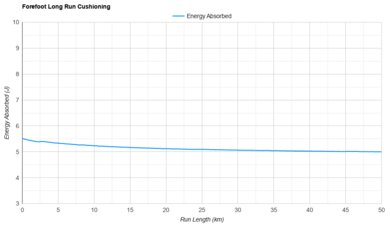
The Nike Pegasus 41 is a middling long run shoe. It stays stable and controlled even as fatigue builds, but the firm midsole bottoms out and feels harsh for extended efforts.
The Nike Pegasus 41 does a satisfactory job as a daily trainer. It's sturdy and stable, and lets you run without getting in your way. It isn't highly cushioned, though, so it's better for shorter runs.
Changelog
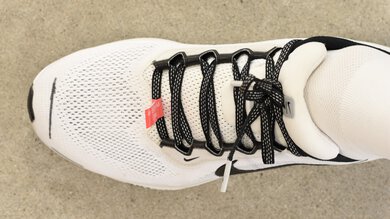
- Updated Sep 17, 2026: We've converted this review to Test Bench 0.14, which adds new lace-specific results. We've included a close-up photo of the laces, as well as details including lace type, width, thickness, and stretch. To read more about the changes, see the changelog.
- Updated Sep 15, 2026: We've converted this review to Test Bench 0.13, which identifies the different foams used in the shoe's midsole. We've included a microscopic image of the foam cells to give you an idea of what the microstructure looks like. To read more about the changes, see the changelog.
-
Updated Sep 04, 2026:
We've added text to all the new usage boxes and a table to the intro to help you quickly decide whether to buy this shoe.
- Updated Jun 17, 2026: We've converted this review to Test Bench 0.12, which fixes how we measure firmness, a component of the Stability and 5K/10K Racing usages. There may be inconsistencies between the text and the scores for these usages, but the scores should still be considered valid. We've also brought back the Energy Return score and added two new usages: Daily Training and Long Run. To read more about the changes, see the changelog.
-
Updated Jun 08, 2026:
We modified the writing due to the new test bench and have updated the Responsiveness box text to reflect the new scores and added text to the True to Size box.
- Updated May 26, 2026: We've converted this review to Test Bench 0.11, adding two new rocker measurements to the Design section, and three new responsiveness tests to the Performance section. The Energy Return usage score has been replaced with Responsiveness. Check out the details in our changelog.
- Updated Mar 25, 2026: We've converted this review to Test Bench 0.10, adding a new set of fit tests to the Design section and an overall fit performance usage. Check out the details in our changelog.
-
Updated Nov 13, 2025:
We've updated the Popular Comparisons section following the release of the Nike Pegasus Plus and Nike Pegasus Premium.
- Updated Oct 28, 2025: We've converted this review to Test Bench 0.9, which adds a Forefoot Long Run Cushioning test to our performance section. Read more in our changelog.
-
Updated Oct 20, 2025:
We've adjusted this review's writing to align with the new test bench, including updates to all usage scores, and test boxes for Cushioning, Firmness, and Energy Return.
- Updated Oct 20, 2025: We've converted this review to Test Bench 0.8.2, which updates our methodology for the impact force range used in our compression tests to improve their accuracy. This also affects all usage and performance usage boxes using those compression tests as score components.
-
Updated Sep 09, 2025:
We've updated the Popular Running Shoe Comparisons section to include a reference to the recently reviewed Nike Structure 26.
-
Updated Jul 30, 2025:
We revised the phrasing in the Lateral Stability and Compared to Other Running Shoes boxes to better align with the latest test bench scores. We also updated the side-by-side comparisons with the Altra Torin 7, On Cloudsurfer 2, and Saucony Triumph 22 to ensure they are as accurate as possible with regards to lateral stability.
- Updated Jul 30, 2025: We've converted this review to Test Bench 0.8.1, which mainly updates the score components for the Marathon Racing and Lateral Stability usage boxes to improve accuracy.
-
Updated May 23, 2025:
We updated the mention of the Vomero in Nike's lineup to the most recent iteration in the Compared to Other Running Shoes box.
- Updated Apr 02, 2025: Converted to Test Bench 0.8.
- Updated Apr 02, 2025: Review published.

We've bought and tested more than 250 running shoes. Every pair purchased with our own money, never supplied or sponsored by brands. Our data-driven tests are designed to go beyond marketing claims, and since every shoe goes through the exact same methodology, you can directly compare results to find the right pair for your needs.
Test Results
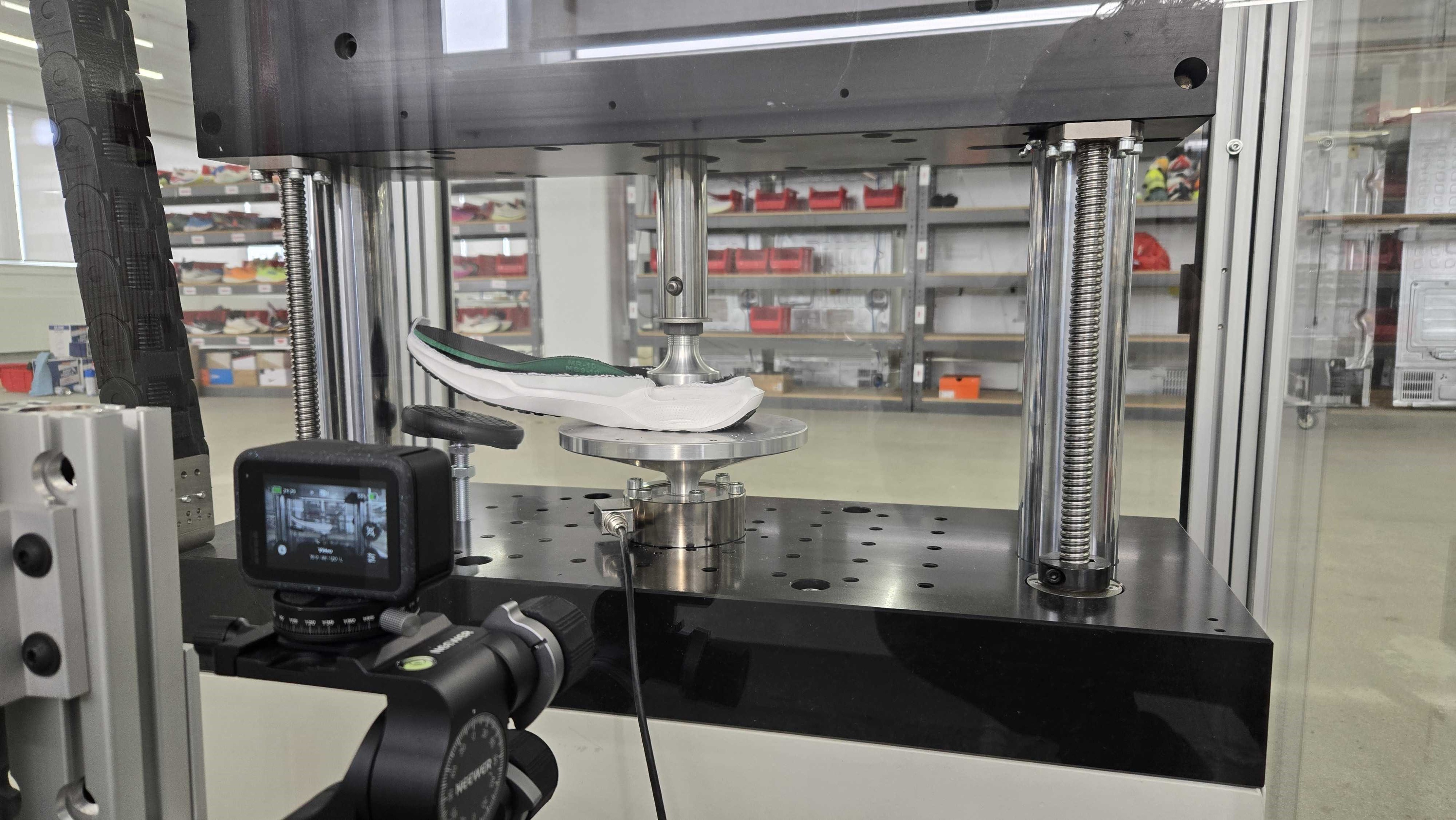
Energy Return
The Nike Pegasus 41 has poor energy return. Heel landings feel flat, and the forefoot doesn't give much back when you push off.
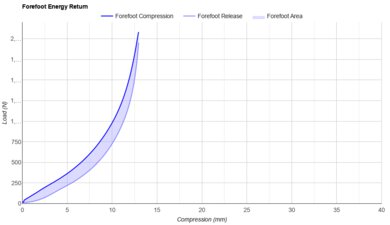
Although it outperforms the heel, the forefoot energy return still falls short of delivering meaningful bounce, which could leave forefoot runners wanting more dynamic feedback from their strides.
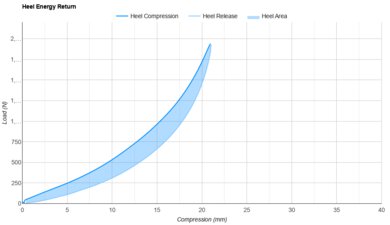
The heel energy return is poor, providing minimal bounce or responsiveness upon impact. For heel strikers seeking a lively or energetic ride, this shoe feels somewhat dull, limiting its appeal to runners looking for snappier performance during tempo runs or interval training.
Stability
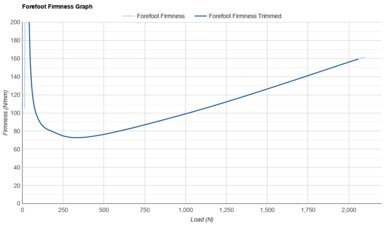
The Nike Pegasus 41 has impressive lateral stability, making it a great choice for runners who prioritize a secure, confident feel underfoot. Its midsole is very firm, which, combined with a moderate stack height, offers excellent support. Runners seeking reliable stability will find the Pegasus 41 a trustworthy companion across varied running surfaces.
Wide heel base.
Foam is extra firm.
A bit narrower at the arch.
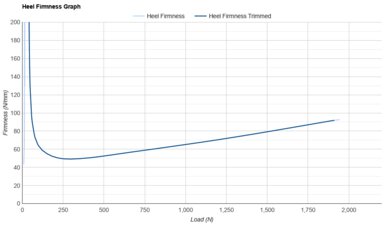
The Nike Pegasus 41 is acceptably firm at the heel, providing stable and secure support. Runners who prioritize stability and predictability will appreciate this feature, but some alternatives like the Nike Vomero 18 are softer and less harsh.
Cushioning
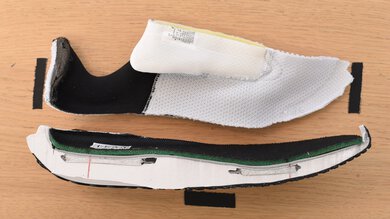
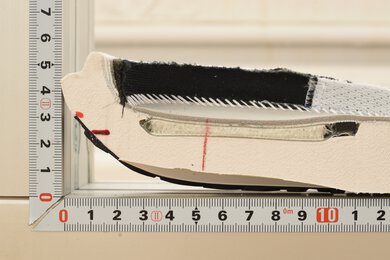
The Nike Pegasus 41's cushioning is sub-par, particularly in the forefoot. This is inadequate for runners who need significant protection or comfort, especially during longer or more intense runs. The heel cushioning is slightly better but still insufficient for sustained efforts, making the shoe a questionable choice for those prioritizing comfort.
Midsole feels thin and harsh.
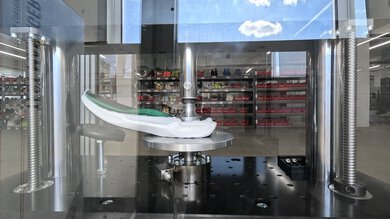
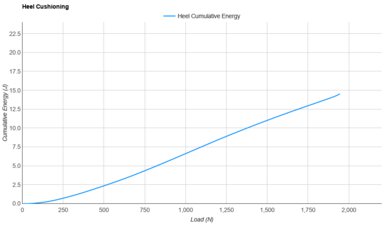
Heel cushioning is mediocre overall, and might feel insufficiently plush or protective during longer runs, particularly for runners who prefer a softer ride.
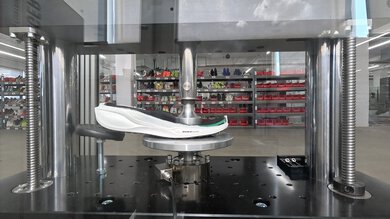
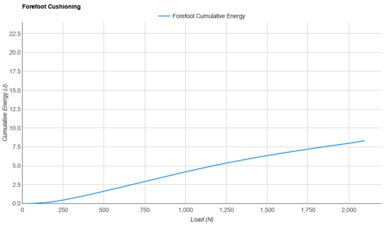
The forefoot cushioning is disappointing, feeling thin and minimally protective. Mid and forefoot strikers seeking a plush, comfortable landing will find this shoe too harsh or unforgiving, particularly over extended runs or faster-paced sessions, since the foam will bottom out underfoot.
Responsiveness
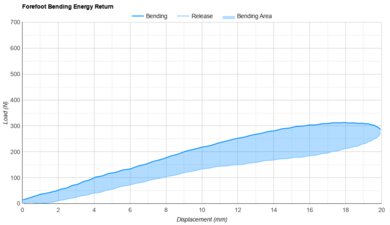
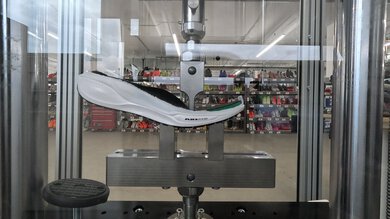
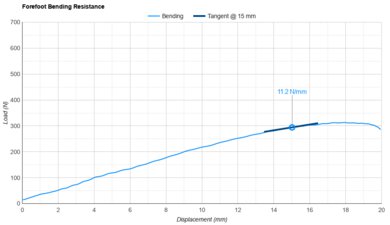
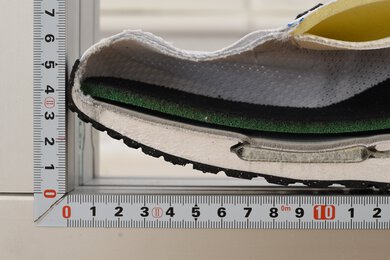
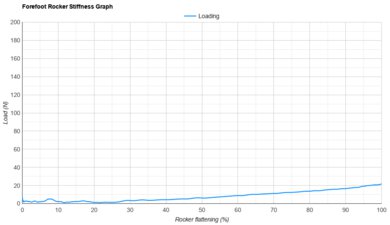
The Nike Pegasus 41 has disappointing responsiveness. The energy return is overall poor, and the lack of a rocker in the front of the shoe makes the ride feel rather flat. The stiff forefoot does give decent snap when you push off, but the shoe feels generally uninspiring for runners looking to sustain higher intensities.
Not bouncy.
True To Size
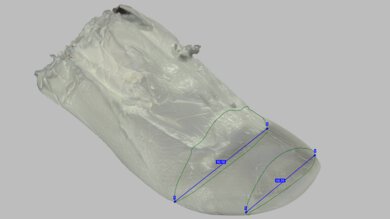
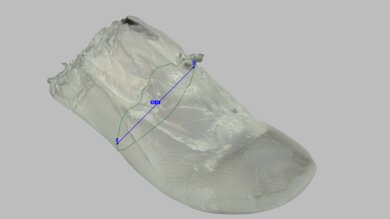
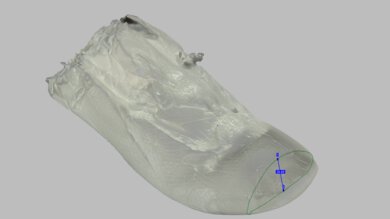
The Nike Pegasus 41 fits close to true to size, and most runners can stick to their normal size. The length is spot on, and there's enough room in the forefoot and through the toes. The arch is on the narrower side, but the shoe is available in a Wide version.
Length is true to size.
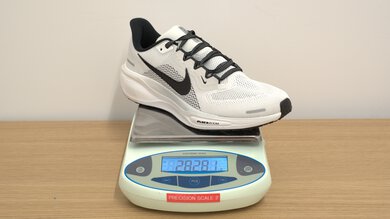
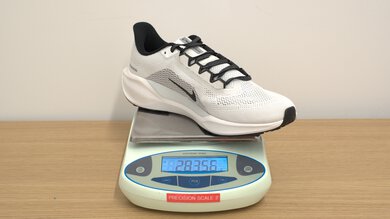
The Nike Pegasus 41 has average weight for a daily trainer, but many comparable models, like the Brooks Hyperion 2, feel noticeably lighter underfoot. That said, for typical daily training, this extra weight shouldn't significantly hinder performance.


Popular Running Shoe Comparisons
Launched in 1982, the Nike Pegasus has evolved through slow, steady iterations, cementing its legacy as a reliable, classic daily trainer. The Nike Pegasus 41 remains true to this heritage, offering a super stable, consistent ride and strong overall value for everyday mileage. For most runners logging easy, uncomplicated miles, it provides all the essentials without unnecessary frills. However, the current market offers numerous alternatives that deliver a significantly more cushioned and enjoyable ride, such as the ASICS NOVABLAST 5 or the adidas Adizero Evo SL.
Nike's daily trainer lineup has recently been reorganized into three core series: the Pegasus, a classic trainer; the Vomero, a more protective, cushioned trainer; and the Structure, a dedicated stability shoe. Each series will have a 'legacy' model: the current iterations are the Pegasus 41, the Nike Vomero 18, and Nike Structure 26, which is the basic version that features the series' core DNA. There will also be a Plus version with a full ZoomX midsole and a Premium version with a wraparound AirZoom unit. Within the Pegasus series, both the Nike Pegasus Plus and Nike Pegasus Premium have been released.
If you're looking for more shoes, look at our recommendations for the best Nike running shoes.
For more options, check out our recommendations for the best running shoes.
The Nike Vomero 18 and the Nike Pegasus 41 are both daily trainers, but they serve different roles in Nike's lineup. The Vomero 18 is the more cushioned and protective option, featuring a taller stack and dual-density midsole that does a better job shielding your legs on short, easy runs, which is exactly what most people need from a daily trainer. While the Pegasus 41 does offer a bit more energy return, that added bounce is less relevant in practice for this shoe category; you're not likely to pick either of these for speed work or intervals. In the end, the Vomero may be heavier, but it delivers better on the core promise of a daily trainer: comfort, protection, and durability.
The Nike Pegasus Plus is lighter and considerably more efficient than the Nike Pegasus 41, making it the better pick if you want a daily trainer that can handle some faster running. However, the Pegasus 41 offers better impact protection and a more traditional daily-training ride. Get the Pegasus Plus for a faster version of the Pegasus 41; get the Pegasus 41 for easy miles.
The Nike Pegasus 41 and the Brooks Ghost 17 are two classic daily trainers built for runners who just expect their shoes to get them through the run without getting in the way. Neither is very heavily cushioned (although the Ghost 17 absorbs impact better) nor particularly springy(here the Pegasus 41 has an edge in energy return). The two shoes are nearly identical in terms of weight and stack height, but Nike's sizing runs shorter and narrower.
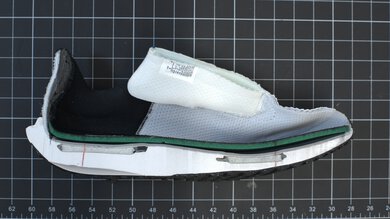
The Nike Pegasus 42 has a few noteworthy updates to the Nike Pegasus 41. There's an extra millimeter of stack height in the 42, and its toe box is more tapered between the ball of the foot and the toe. The 42nd version also has a new outsole pattern that replaces the classic waffle design and leaves more of the midsole foam exposed. Most significantly, the 42nd version has a full ZoomAir unit instead of the two ZoomAir pods in the 41st. This change does make the 42 less susceptible to discomfort if you land on the wrong spot, and the 42 feels more comfortable when you are standing or walking, but any added cushioning quickly disappears once you start running. Despite Nike's claims, the Pegasus 42 doesn't have significantly more energy return than the 41.
The Nike Pegasus 41 and Nike Structure 26 are contemporary iterations of two of the swoosh's most long-running shoe series. Both have undergone numerous updates over the decades without changing their respective identities: the Pegasus a daily workhorse, and the Structure a dedicated stability trainer. Neither is built for speed, but rather for reliably plodding through miles upon miles. For runners with a neutral stride, looking for a no-fuss trainer that can endure the daily grind, the Pegasus 41 is a solid option. For runners whose form breaks down easily or who have known pronation issues, the Structure 26 is a safe choice.
The Nike Pegasus Premium and the Nike Pegasus 41 share the same DNA but serve very different roles in Nike's daily trainer lineup. The Pegasus 41 feels lighter, quicker, and more agile underfoot, making it a more natural fit for runners who want a more grounded feel for easy miles. The Pegasus Premium, on the other hand, leans into its thick ZoomX midsole, delivering a more cushioned feel with its Zoom Air pod, but trades away some snap in return. Runners chasing versatility and pace will find the Pegasus 41 more engaging, while those insisting on short mileage comfort and softer landings will appreciate the Pegasus Premium.
The Nike Pegasus 41 and HOKA Clifton 10 are two of the most recognizable daily trainer series, but they represent different philosophies. The Nike carries the legacy-trainer identity, offering a firmer, more stable ride that feels grounded and consistent for everyday miles, with a traditional feel that many runners trust. The HOKA builds on its reputation as a higher-stacked, cushioned cruiser, delivering a more protective underfoot experience that prioritizes impact absorption and comfort.
The Nike Pegasus 41 and Nike Revolution 8 are both daily trainers with impressive lateral stability, but the Pegasus 41 is the more complete everyday running shoe. The Pegasus 41 has Nike’s ReactX foam and Air Zoom units, giving it a more premium underfoot feel and slightly better protection for regular daily mileage. The Revolution 8 is simpler, with a standard EVA midsole and a more stripped-back ride, though it still feels stable enough for easy runs or walking. You’ll likely prefer the Pegasus 41 if you want one dependable shoe for weekly mileage, while the Revolution 8 makes more sense if you want a simpler Nike trainer for occasional runs, walking, or casual use.
The adidas Supernova Rise and the Nike Pegasus 41 are similar trainers overall. Neither is especially lightweight or high-stack, although the Supernova Rise has better cushioning. The adidas is a bit more efficient, with a more responsive PEBA-incorporated foam.
The Nike Vomero 17 is like a more premium, built-up Nike Pegasus 41. With more responsive ZoomX foam in its midsole, the Vomero provides more energy return and feels noticeably more cushioned, giving it a softer, plusher feel that makes it a better option for easier paces and longer runs.
The Nike Pegasus 41 and the Nike Invincible 3 are both daily trainers, but they cater to different preferences. The Pegasus 41 offers a firmer, more grounded ride, making it a more traditional daily trainer. It's also marginally lighter. In contrast, the Invincible 3 is more cushioned, bouncier, and more versatile, thanks to its plush ZoomX foam, which makes it a better option for most.
The Altra Torin 7 and the Nike Pegasus 41 are both daily trainers offering great levels of stability. The Torin 7 features a zero-drop design and some cushioning, appealing to those who prefer a more grounded feel and a wider toe box. However, its cushioning, while present, may not provide the plushness some runners desire. In contrast, the Pegasus 41 maintains a traditional higher heel-to-toe drop, which can benefit heel strikers looking for a smooth transition. Also, the Nike has a slightly more energetic ride. This makes the Nike a suitable option for runners who prefer to avoid max-cushioned models but still desire a higher heel-to-toe drop.
The Saucony Triumph 22 and the Nike Pegasus 41 are both daily trainers, but their ride experience is distinct. The Nike shoe has a more traditional design, with a lower stack height and a firmer feel. The Saucony is a more modern trainer, providing a softer, more cushioned ride, appealing to runners who prioritize plush comfort during their runs.
The On Cloudsurfer 2 and the Nike Pegasus 41 are both classic daily trainers, but they offer notably different ride experiences. The Pegasus 41 is heavier and firmer overall, with a snugger fit. While its ReactX foam provides a livelier feel, it also results in a less cushioned, more ground-connected ride compared to the Cloudsurfer. The Cloudsurfer 2 is lighter and slightly more forgiving underfoot, offering a smoother, more rockered transition and better impact absorption.
Differences Between Sizes And Variants
We tested the Nike Pegasus 41 in men's US size 9, as noted on the label. The color shown here is White/Pure Platinum/Summit. This model is available in a wide range of other colorways, including Ashen Slate/Armory, Summit White/Bright Crimson/Glacier, and Black/Anthracite/Black. The 'Nike By You' platform also lets you create your own custom designs. Lastly, there's a waterproof GORE-TEX edition.

Wide versions are available for both men and women. There are also several special editions, such as the Electric, "Prequel," and Blueprint editions, along with sports team variants like the "NFL Dallas Cowboys," "Cincinnati Bengals," "North Carolina A&T," "Virginia," and "Michigan" editions. The "EasyOn" edition shares most features and materials, though its upper has a slightly different shape.
Nike also sells the Nike Pegasus Trail and other lifestyle, throwback, and sneaker variants with the Pegasus name, though these aren't road-running shoes, so our results don't apply to those models.