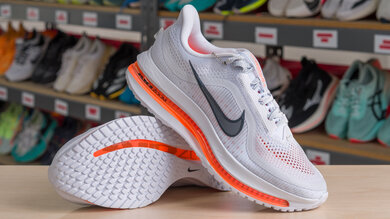
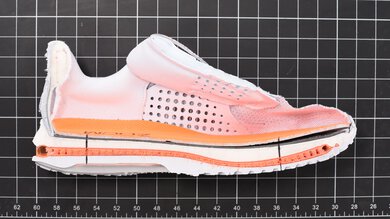
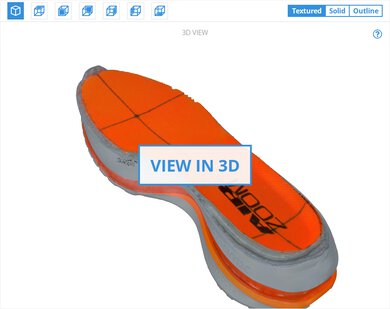
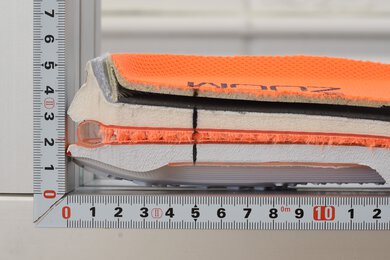
The Nike Pegasus Premium is Nike's most experimental take yet on the classic Pegasus line, with an unprecedented amount of technology thrown into the shoe's triple-density midsole. A layer of bouncy ZoomX foam sits on top, with a Zoom Air pod sandwiched in the middle, and a layer of denser ReactX foam underneath. With so much going on inside, the ride of the Pegasus Premium is, perhaps unsurprisingly, less than cohesive. At slower paces, transitions feel relatively smooth and rolling, but the ride gets increasingly harsh and chaotic the more you try to pick up the pace. It's not entirely clear what the Pegasus Premium is trying to be: a cushioned daily trainer or a flashy lifestyle shoe. The shoe looks and feels like a concept that's still in development and in search of an identity.
Our Verdict
The Nike Pegasus Premium isn't a shoe built for race-day efficiency. Though it offers decent step-in comfort, its narrow fit will become increasingly restrictive as your foot swells, and the inconsistencies in its triple-layered midsole make it too chaotic to reliably go the distance.
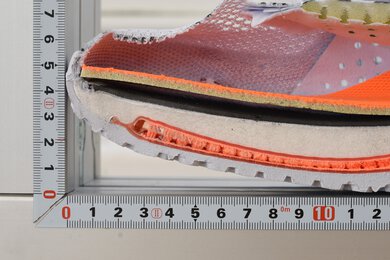
Protective layering of three different midsole compounds.
Not responsive under higher forces.
Very heavy and bulky.
The Nike Pegasus Premium is unfit for shorter, faster races. The sheer weight of the shoe, as well as its Frankenstein midsole, makes it feel too clunky to pick up the pace.
Not responsive under higher forces.
Changelog
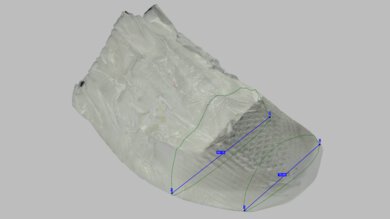
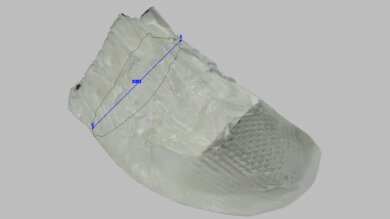
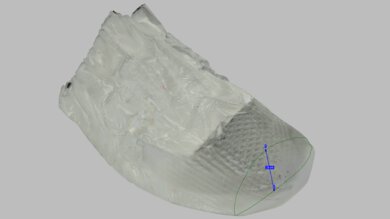
- Updated Sep 15, 2026: We've converted this review to Test Bench 0.13, which identifies the different foams used in the shoe's midsole. We've included a microscopic image of the foam cells to give you an idea of what the microstructure looks like. To read more about the changes, see the changelog.
- Updated Jun 30, 2026: We've converted this review to Test Bench 0.12, which fixes how we measure firmness, a component of the Stability and 5K/10K Racing usages. There may be inconsistencies between the text and the scores for these usages, but the scores should still be considered valid. We've also brought back the Energy Return score and added two new usages: Daily Training and Long Run. To read more about the changes, see the changelog.
- Updated Jun 30, 2026: We've converted this review to Test Bench 0.11, adding two new rocker measurements to the Design section, and three new responsiveness tests to the Performance section. The Energy Return usage score has been replaced with Responsiveness. Check out the details in our changelog.
-
Updated Jun 01, 2026:
We've updated the Popular Comparisons section to include a reference to the recently reviewed Li-Ning Red Hare 9 Ultra.
- Updated Mar 25, 2026: We've converted this review to Test Bench 0.10, adding a new set of fit tests to the Design section and an overall fit performance usage. Check out the details in our changelog.
- Updated Feb 09, 2026: We've converted this review to Test Bench 0.9, which adds a Forefoot Long Run Cushioning test to our performance section. Read more in our changelog.
- Updated Nov 13, 2025: Review published.
- Updated Oct 14, 2025: Early access published.

We've bought and tested more than 250 running shoes. Every pair purchased with our own money, never supplied or sponsored by brands. Our data-driven tests are designed to go beyond marketing claims, and since every shoe goes through the exact same methodology, you can directly compare results to find the right pair for your needs.
Test Results
Energy Return
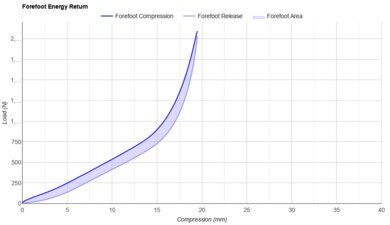
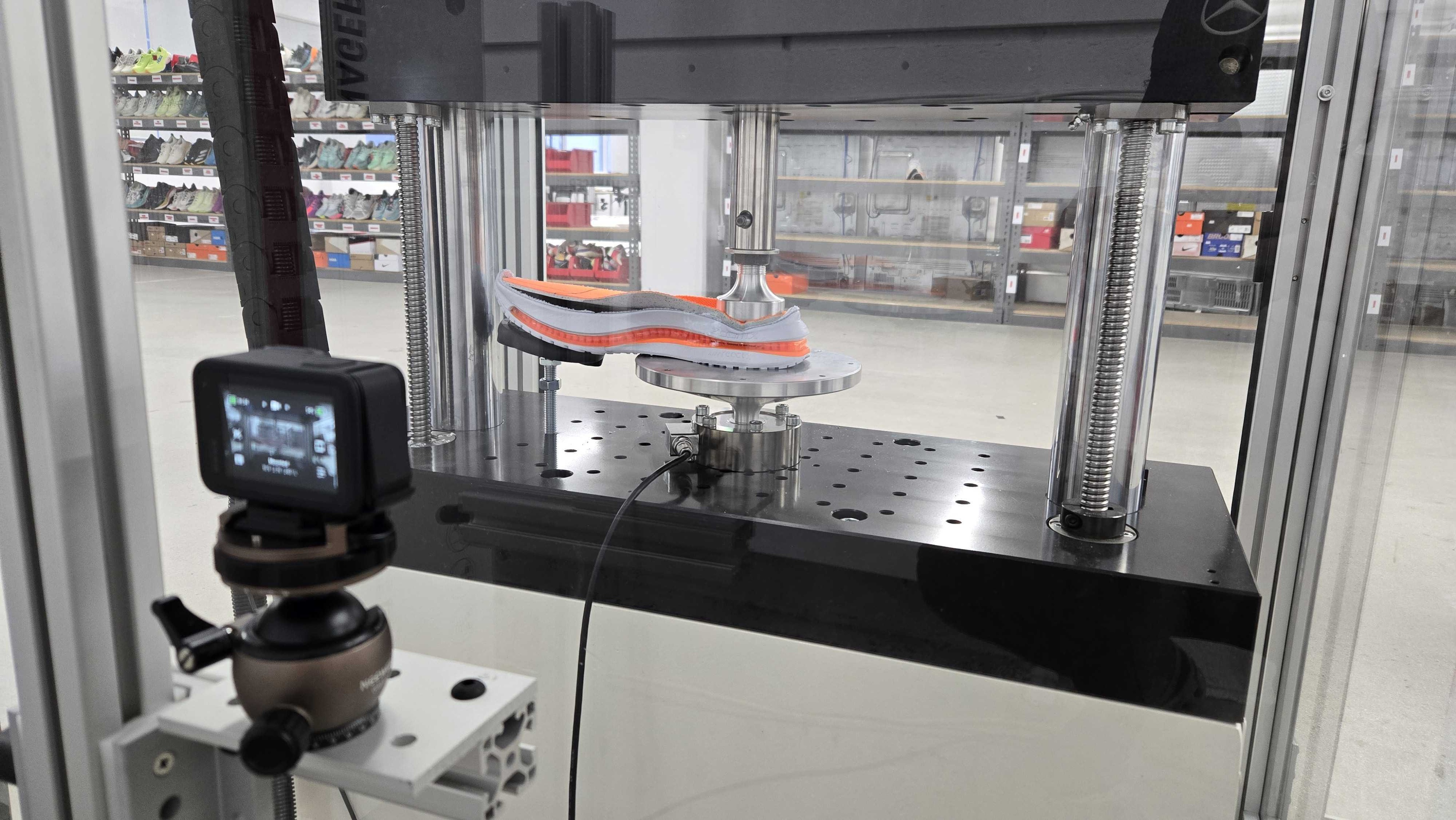
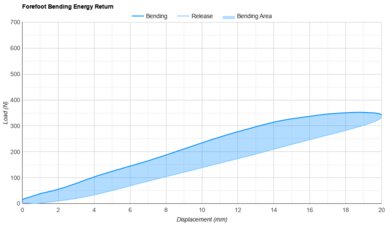
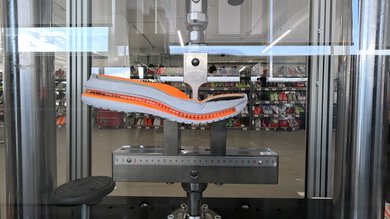
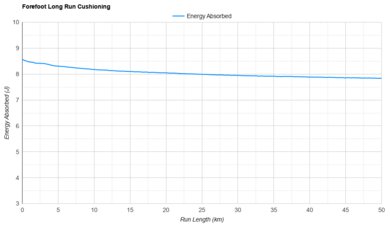
The forefoot energy return in this shoe is good and feels best at lighter paces. It's not a snappy forefoot, as the midsole becomes inconsistent as the load increases.
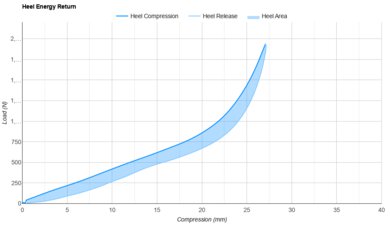
This shoe delivers okay heel energy return at best. While the ZoomX foam provides a bit of bounce on landing, the thick midsole and Zoom Air pod absorb much of that energy, resulting in a soft push-off. This is really only beneficial for runners doing easy or recovery runs.
Stability
The Nike Pegasus Premium provides moderate lateral stability at best. At slower paces, the shoe's softness makes it wobbly, which is only exacerbated by the shoe's relatively narrow platform. The Zoom Air pod has a skeleton core surrounded by air, which can create inconsistencies from one impact to the next, making it hard to have much confidence when taking tight corners.
Firm forefoot platform.
Unstable in the heel.
Zoom Air unit is too pliant.
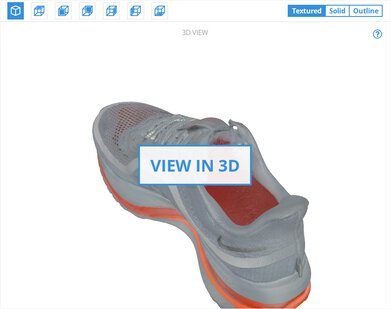
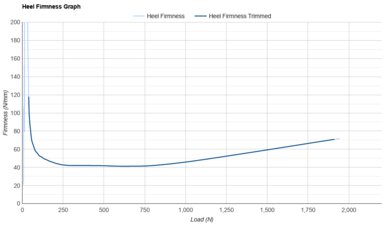
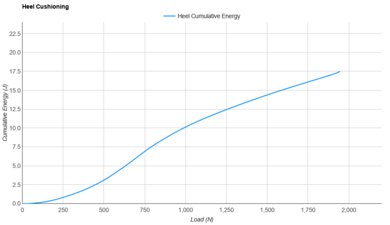
The heel of this shoe feels soft under light loads, but quickly stiffens at higher pressure. This design enhances comfort and impact absorption for easy mileage, but sacrifices stability, especially for heel strikers.
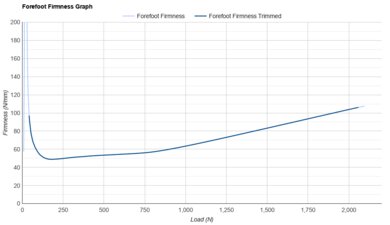
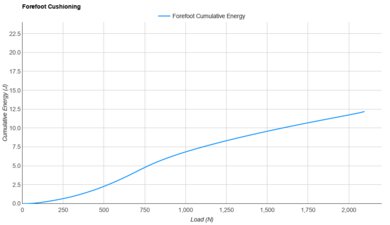
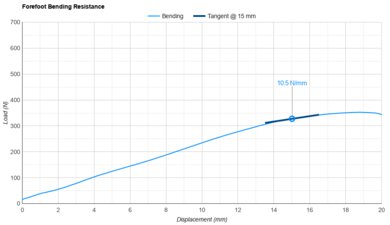
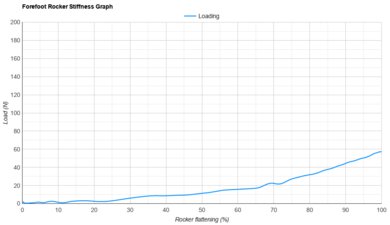
This shoe's forefoot firmness provides a rigid, stable platform during toe-off under heavy loads and helps maintain control through transitions. Otherwise, under light to moderate pressure, the midsole remains soft and feels inconsistent. Due to the sharp increase in firmness under heavier load, this shoe will feel most comfortable for short, easy mileage.

This shoe replaces a traditional plate with a full-length Zoom Air pod, giving the shoe a unique balance of structure and softness. The internal frame of the air pod is rigid and supportive. Since it's surrounded by air rather than dense foam, it delivers a cushioned, flexible ride, but at the expense of some stability.
Cushioning
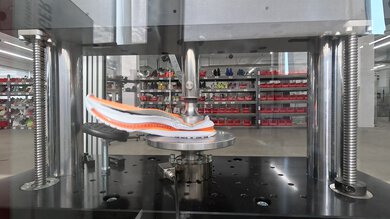
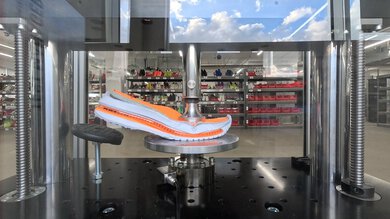
The Nike Pegasus Premium delivers great cushioning that feels soft from heel to toe when walking or lightly jogging, but quickly becomes very firm when force increases. As such, this shoe feels most comfortable on short, easy runs.
Protective layering of three different midsole compounds.
Responsiveness
The Nike Pegasus Premium provides decent overall energy return, with most of its responsiveness coming from the forefoot. The tall stack height and layer of ZoomX foam keep the rebound feeling comfortable rather than explosive.
Consistent bounce under light to moderate loads.
Very heavy and bulky.
True To Size
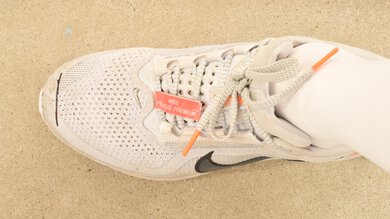
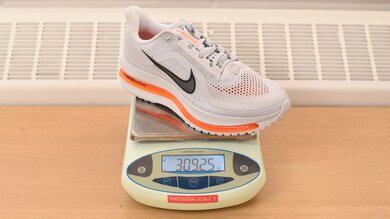
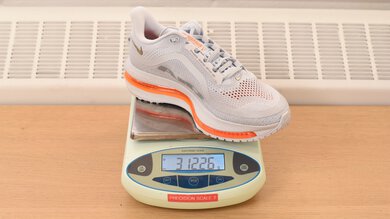
This shoe is noticeably heavy even among similarly stacked peers. For those prioritizing comfort over pace, this might be an acceptable trade-off, but overall, it's lacking in any agility or versatility.


Popular Running Shoe Comparisons
The Nike Pegasus Premium is an odd shoe that has some characteristics of a max-cushioned daily trainer that's built on the platform of a classic daily trainer. For runners seeking a similar level of cushioning but a lighter, nimbler package, the ASICS NOVABLAST 5 delivers more bounce and a livelier forefoot through its FF Blast Turbo foam. Meanwhile, the HOKA Clifton 10 delivers similar protection but a smoother rocker and lower overall weight, giving it greater versatility for a wider range of paces. If you like the experimental approach of the Pegasus Premium's triple-density midsole, but want a formula that ultimately delivers better cushioning and responsiveness, the Li-Ning Red Hare 9 Ultra is an intriguing alternative.
Nike has reorganized its daily trainer lineup around three legacy series: the Pegasus, Vomero, and Structure. Each series will have an 'icon' base model, a Plus version with a full ZoomX midsole, and a Premium version with the same triple-density setup as the Pegasus Premium. The Pegasus series is anchored by the Nike Pegasus 41, a no-frills classic daily workhorse that offers a stable, predictable (if somewhat boring) ride. There's also the Nike Pegasus Plus, which is a lower-stacked and less cushioned but bouncier trainer. The Vomero series is built around the Nike Vomero 18, a modern daily trainer that's built for comfort and has better cushioning. The Nike Structure 26, meanwhile, is a dedicated stability shoe with multiple support features to support over-pronators.
For more options, check out our recommendations for the best Nike running shoes, the best running shoes, as well as the best running shoes for men and the best running shoes for women.
The Nike Vomero Plus is a better shoe than the Nike Pegasus Premium for most runners. It provides more dependable impact protection across different loads and works much better for daily training plus longer efforts. The Pegasus Premium is more specialized, working best for easy mileage where its softer ride can take priority. Get the Vomero Plus for versatility; get the Pegasus Premium if you mainly want a highly cushioned shoe for relaxed running.
The Nike Pegasus Premium and the Nike Vomero Premium are Nike's first two running shoes to bear the Premium label, and each pushes the limits in different directions. The Pegasus Premium feels more experimental and is a flashy, noisy shoe that has a crazy mishmash of technology. It incorporates three different midsole compounds (dense ReactX foam, bouncier ZoomX foam, and two AirZoom units), and the overall experience feels less refined, with more chaotic transitions and a forefoot that goes from exceptionally protective at easy paces to somewhat harsh under heavier impacts. The Vomero Premium is still a very unconventional shoe as well, but feels more refined, with a thicker but simpler midsole (ZoomX wrapped around two AirZoom units), which delivers more consistent cushioning and energy return.
The Nike Pegasus 42 and Nike Pegasus Premium are two sibling shoes that took different paths in life. The Pegasus 42 is the dependable, slightly boring one that delivers a familiar, consistent ride, built on sturdy ReactX foam and a full ZoomAir unit. The Pegasus Premium is going through an experimental phase, with a wild, triple-density midsole that takes everything already in the Pegasus 42 and adds a layer of bouncy ZoomX foam. The extra layers make the Pegasus Premium better cushioned, but less stable.
The Nike Pegasus Premium and Nike Vomero 18 are both cushioned daily trainers, but the Vomero 18 better suits runners who prioritize stability with consistent protection. The Pegasus Premium provides more cushioning under lighter loads and a more exciting ride, though the Vomero 18 handles heavier impacts better. Get the Pegasus Premium for plush easy miles; get the Vomero 18 for a more dependable ride across regular training.
The Nike Pegasus Premium and the Nike Pegasus 41 share the same DNA but serve very different roles in Nike's daily trainer lineup. The Pegasus 41 feels lighter, quicker, and more agile underfoot, making it a more natural fit for runners who want a more grounded feel for easy miles. The Pegasus Premium, on the other hand, leans into its thick ZoomX midsole, delivering a more cushioned feel with its Zoom Air pod, but trades away some snap in return. Runners chasing versatility and pace will find the Pegasus 41 more engaging, while those insisting on short mileage comfort and softer landings will appreciate the Pegasus Premium.
The Nike Pegasus Premium and the HOKA Clifton 10 both prioritize comfort and protection, but they go about it with distinct personalities. The Clifton 10 has a lighter build, a firmer foam, and pronounced MetaRocker geometry, making it more adaptable across paces, from easy recovery runs to moderate uptempo efforts. The Pegasus Premium focuses more on comfort, providing a softer and more insulated ride during long or easy miles. Runners seeking a well-rounded daily trainer will find the Clifton 10 more versatile, while those prioritizing plush cushioning and protection will prefer the Pegasus Premium.
The Nike Pegasus Premium and the ASICS NOVABLAST 5 both fall into the daily trainer category but deliver very different ride experiences. The NOVABLAST 5 feels lighter and more energetic, with its FF Blast Turbo foam providing a lively rebound that encourages quicker pacing. The Pegasus Premium takes the opposite approach, emphasizing more impact absorption at lighter loads and easy runs. Those looking to chase a fun, bouncy feel will prefer the NOVABLAST 5, while those who prioritize plush comfort will appreciate the Pegasus Premium.
Differences Between Sizes And Variants
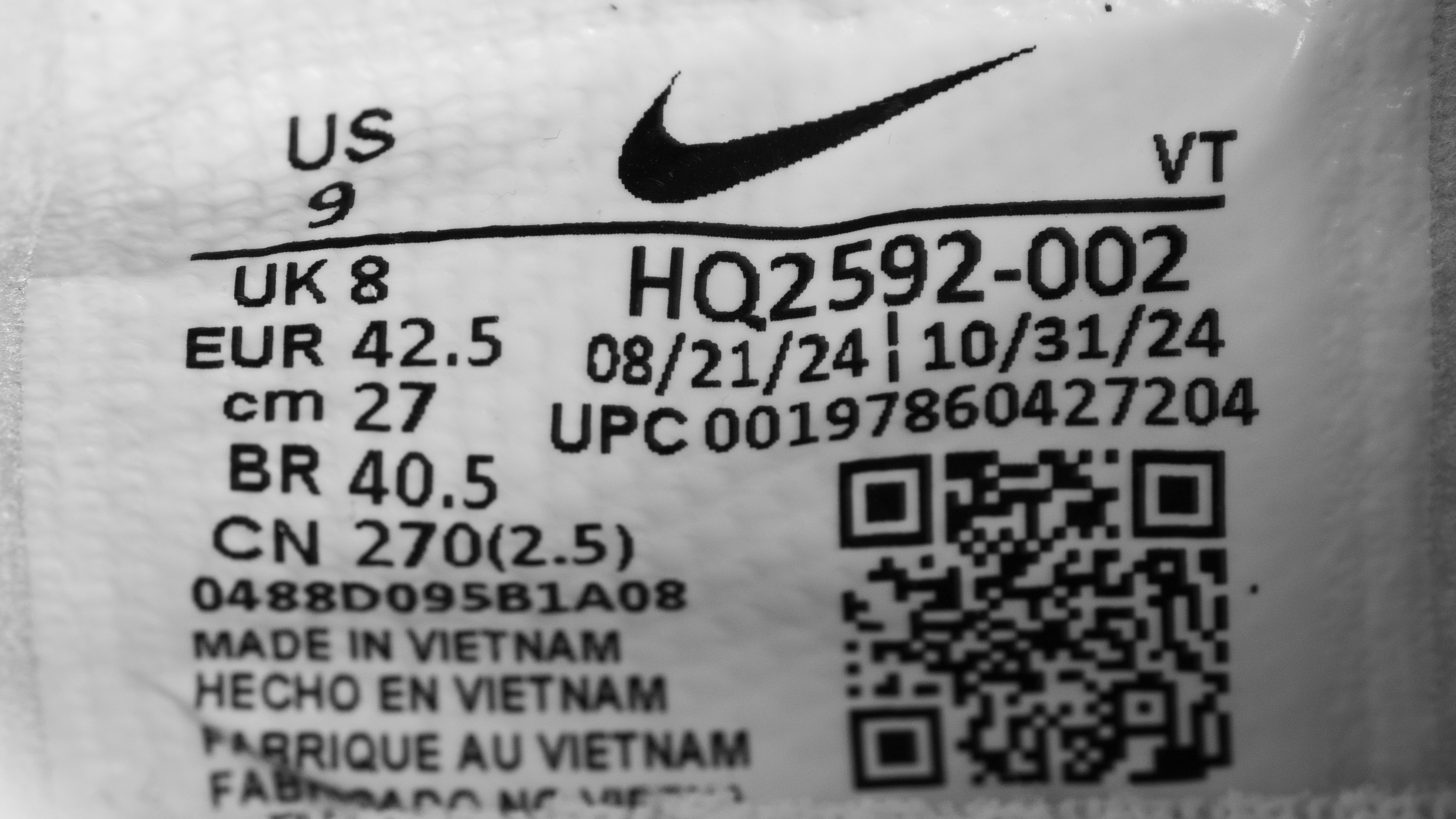
We tested the shoe in a men's US size 9, as noted on the label for our pair. Our pair is the Grey/Multi/Orange colorway. This model is also available in a multitude of other colorways, such as Cannon/Seaweed/Barely Volt, Crimson Tint/Washed Coral/Hyper Orange, Light Army/Jade Horizon, and many more, though availability can vary by region and retailer. There are no wide widths offered. The design section of this review applies only to the exact pair we tested, but we expect other sizes and gender variants to perform similarly.