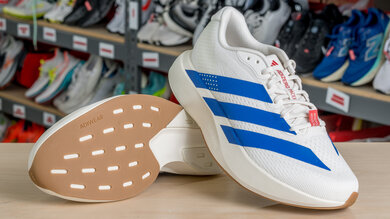
The adidas Adizero Pacer is a budget daily trainer built for straightforward everyday mileage. It echoes the sleek look of the adidas Adizero Evo SL, but while the container is similar, the content is very different. The very firm, EVA-based Lightstrike midsole makes the name 'Pacer' feel generous, since it struggles to come alive at faster paces. It might have been more accurately called the EVA SL. The shoe is stable and durable, but it offers limited cushioning, bounce, and versatility.
| ✅ Buy If: | ❌ Skip If: |
|
|
Our Verdict
The adidas Adizero Pacer isn't designed for marathon racing and is an inadequate choice for the distance. Its stable platform provides some control to keep you steady as fatigue builds, but the firm midsole returns very little energy and offers limited propulsion. It also isn't especially light or cushioned, making marathon pace increasingly difficult to sustain.
The midsole gives relatively little energy back.
Modest rocker geometry provides very little forward assistance.
Not light enough to feel nimble.
The adidas Adizero Pacer is a mediocre option for 5K and 10K racing. Its very firm forefoot provides a direct and stable feel, but the modest rocker and dead midsole fail to turn that firmness into actual responsiveness. It also isn't particularly light, so picking up the pace feels more laborious than it does in a dedicated racing shoe.
The midsole gives relatively little energy back.
Modest rocker geometry provides very little forward assistance.
Not light enough to feel nimble.
The adidas Adizero Pacer isn't a great choice for long runs. Its stable platform help keep the ride stable as your form begins to deteriorate, but the EVA-based foam doesn't absorb impact especially well or give much energy back. Its modest rocker and only average weight further contribute to a harsh, tiring ride over longer distances.
Firm heel and forefoot keep the platform planted.
The midsole gives relatively little energy back.
Modest rocker geometry provides very little forward assistance.
The adidas Adizero Pacer is decent for daily training. Its firm, stable platform and unplated construction create a predictable ride for straightforward, easy mileage, with enough cushioning for shorter daily runs. However, its dull midsole, modest rocker, and average weight make it feel limited when you try to increase the pace or the distance of your outings.
Firm heel and forefoot keep the platform planted.
Unplated construction keeps the ride straightforward for easy mileage.
Good forefoot cushioning at low forces.
Not a fun, engaging ride.
Changelog
- Updated Aug 27, 2026: We've converted this review to Test Bench 0.15, which replaces Responsiveness with three specific performance usages: Bounciness, Snappiness, and Roll. To read more about the changes, see the changelog.
-
Updated Jul 21, 2026:
We've added a new table in the intro to help you quickly determine if this shoe matches your needs.
- Updated Jul 14, 2026: Review published.
- Updated Jul 13, 2026: Early access published.
- Updated Jun 29, 2026: Our testers have started testing this product.
- Updated Jun 25, 2026: The product has arrived in our lab, and our testers will start evaluating it soon.
- Updated Jun 22, 2026: We've purchased the product and are waiting for it to arrive in our lab.

We've bought and tested more than 300 running shoes. Every pair purchased with our own money, never supplied or sponsored by brands. Our data-driven tests are designed to go beyond marketing claims, and since every shoe goes through the exact same methodology, you can directly compare results to find the right pair for your needs.
Test Results
Energy Return
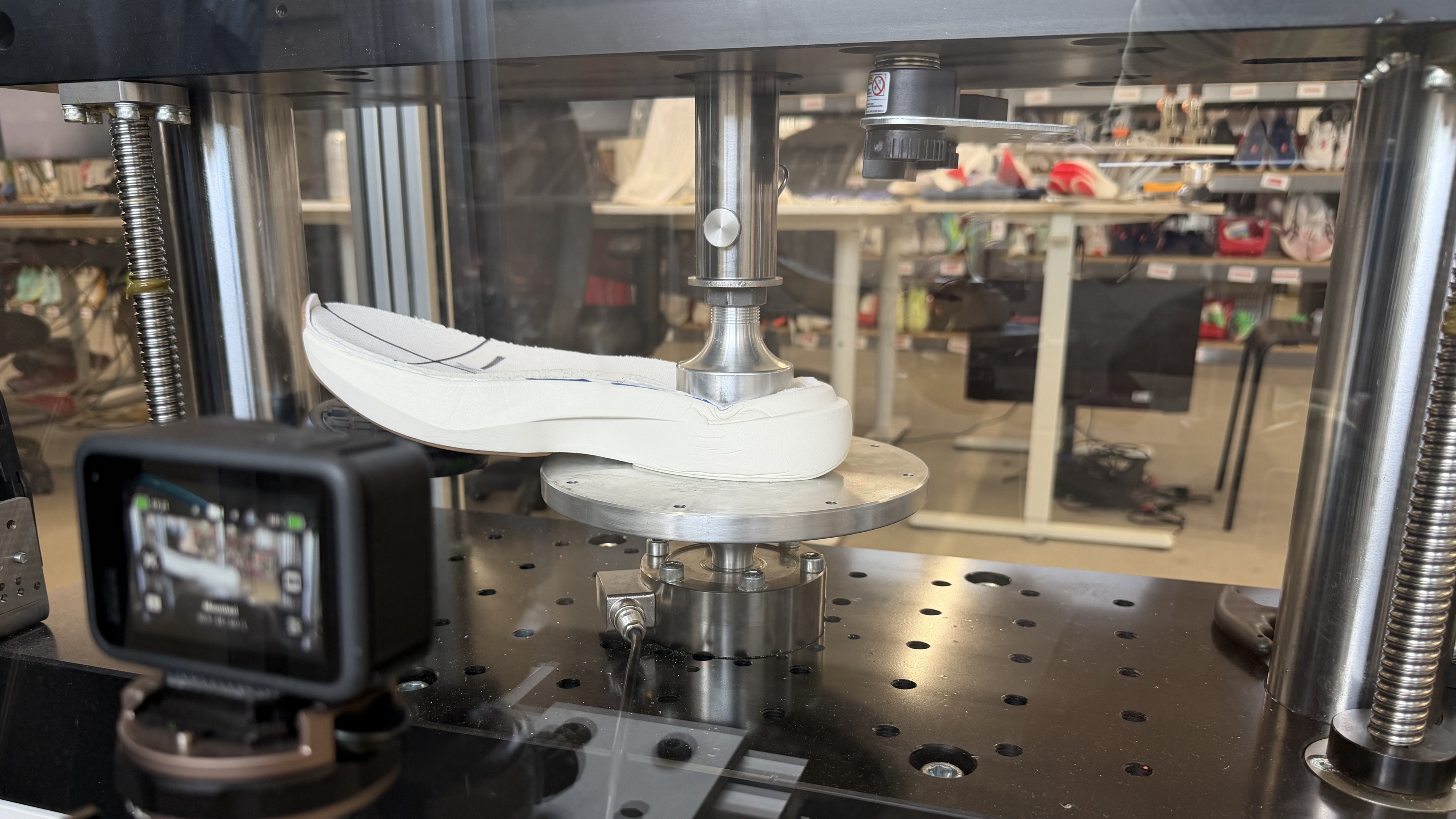
The adidas Adizero Pacer has poor energy return compared to most running shoes. Its EVA-based midsole absorbs part of the force from each landing but gives relatively little of it back, leaving the ride feeling flat and lifeless rather than springy. This makes maintaining momentum more demanding, especially as the distance increases.
The midsole gives relatively little energy back.
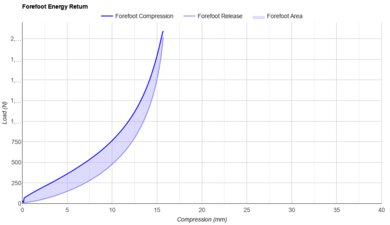
The midsole also returns very little energy under the forefoot. The foam compresses under load but rebounds poorly, leaving toe-off feeling flat rather than springy.
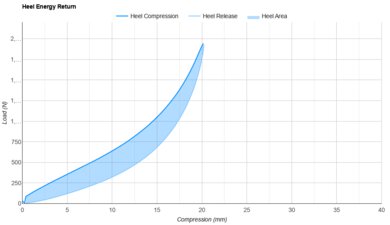
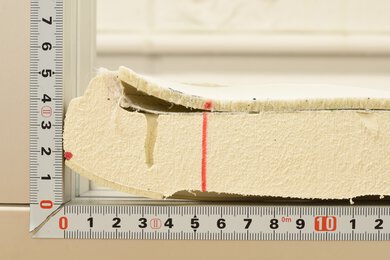
The adidas Adizero Pacer has exceptionally poor energy return at the heel. To put it in perspective, it gives back a similar amount of energy to a Crocs Classic Clog, which illustrates just how little bounce runners get from this shoe.
Stability
The adidas Adizero Pacer feels very stable, especially for a neutral shoe without specific guidance features. Its very firm heel and forefoot help reduce side-to-side movement, while the broad base relative to the stack helps keep landings controlled. That said, it's narrower under the midfoot, and its non-gusseted tongue prevents it from feeling exceptionally secure, but it remains stable enough for most runners during easy daily mileage.
Firm heel and forefoot keep the platform planted.
Wide forefoot base adds security through toe-off.
Narrower outsole at the arch.
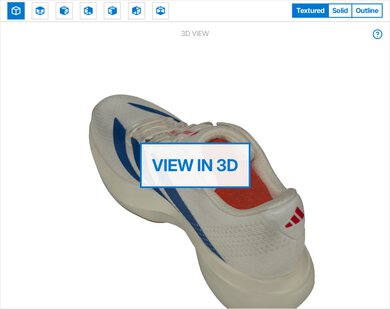
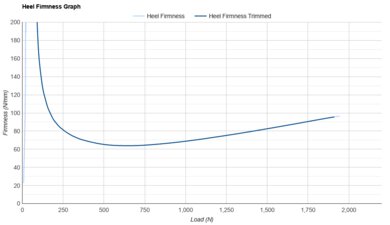
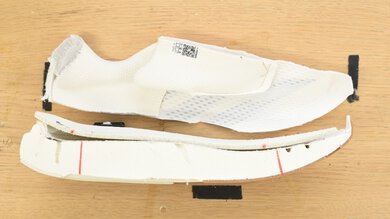
The adidas Adizero Pacer has an exceptionally firm heel that feels quite punishing underfoot but contributes to its planted ride. It's even firmer than some notoriously brick-like stability shoes, including the ASICS GT-1000 15.
Cushioning
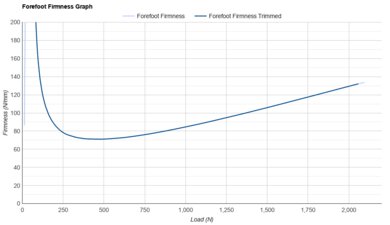
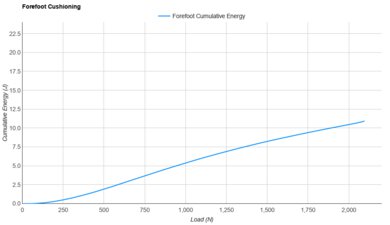
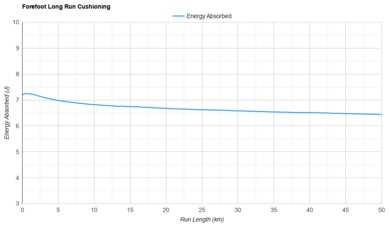
The adidas Adizero Pacer offers some impact protection that's adequate for shorter everyday runs. Its forefoot provides slightly better protection than the heel, but the EVA-based Lightstrike foam limits how much shock the shoe actually absorbs. It's adequate for shorter everyday runs, though runners seeking a highly protective ride will find it harsh.
Good forefoot cushioning at low forces.
Limited heel cushioning can feel harsh as distance increases.
Not very protective.
Forefoot tends to bottom out if you apply a lot of pressure.
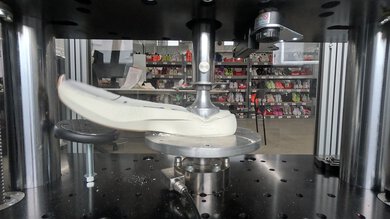
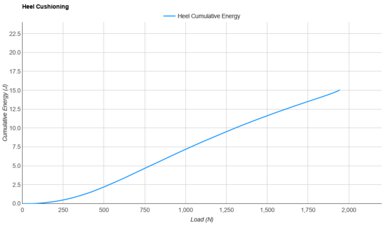
The adidas Adizero Pacer provides limited impact protection at the heel. The foam has a bit more give when greater force is applied, which helps it absorb slightly more shock for heavier or harder landings, but protection remains unimpressive across force levels.
Bounciness
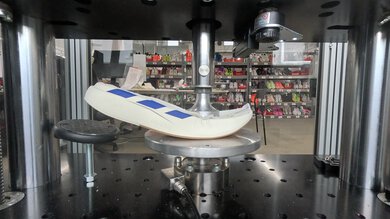
The adidas Adizero Pacer feels very sluggish underfoot. Its midsole gives little energy back, while the rocker isn't pronounced or stiff, so it doesn't provide enough leverage to compensate for the lower-quality midsole. Transitions feel controlled, but there's no real sense of propulsion when you try to accelerate.
The midsole gives relatively little energy back.
Modest rocker geometry provides very little forward assistance.


Snappiness
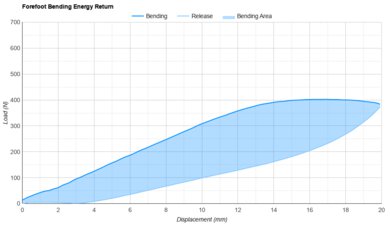
This model feels just as dull when bent as it does when compressed. The forefoot resists flexing to some extent, but that stiffness doesn't translate into meaningful rebound or a springy toe-off.
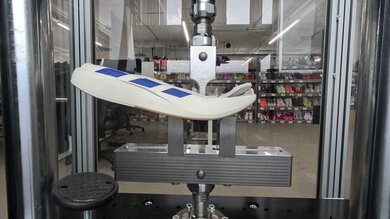
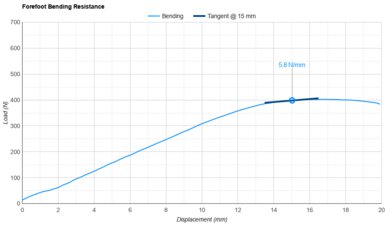
The forefoot offers quite a bit of resistance when bent, similar to the adidas Adizero Evo SL, which makes it feel quite stiff at toe-off. That said, it's still noticeably more flexible than the adidas Supernova Rise 3, which is another more basic daily trainer by the German brand.
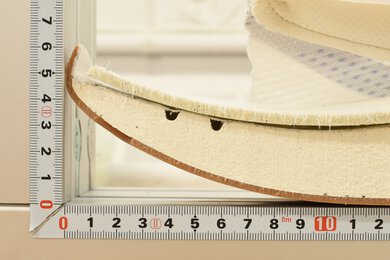
The forefoot rocker is quite modest. Along with its dull foam, the less pronounced rocker means it's not as responsive as the adidas Adizero Evo SL.
Roll
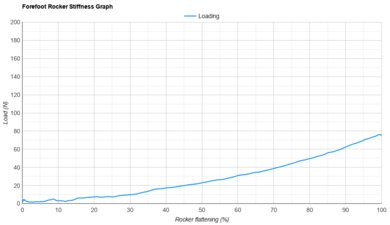
The adidas Adizero Pacer has a fairly stiff rocker, largely because the firm foam helps it hold its shape. It still flattens more under load than most shoes reinforced by a plate or full-length rods, such as the adidas Adizero Boston 13.
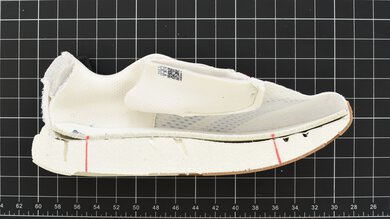
This shoe has a very similar stack profile and overall geometry to the adidas Adizero Evo SL, which it clearly draws inspiration from.
True To Size
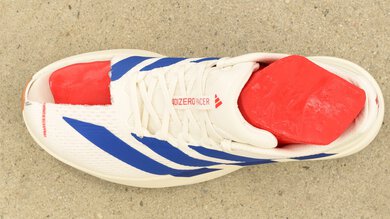
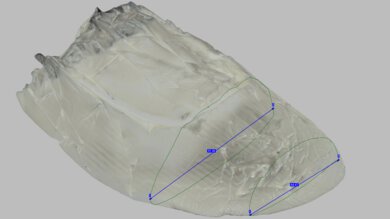
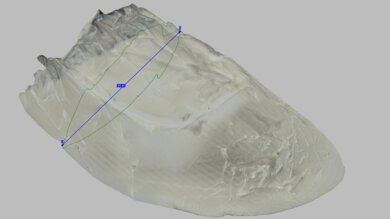
The adidas Adizero Pacer fits true to size. Its length, forefoot width, and arch width closely match the standard, making your usual size the right starting point for most runners. However, the toe box is somewhat low in height, so runners who need extra vertical space may notice pressure over their toes.
Length fits as expected.
Enough room widthwise.
Lower forefoot height might annoy runners who need more toe-box volume.
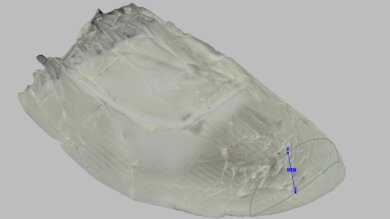
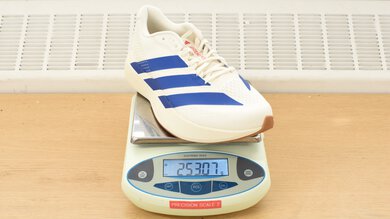
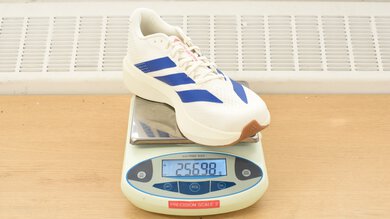
The adidas Adizero Pacer has an average weight overall. That's respectable for a budget daily trainer, but it's considerably heavier than the adidas Adizero Evo SL, which contributes to its less efficient feel overall.
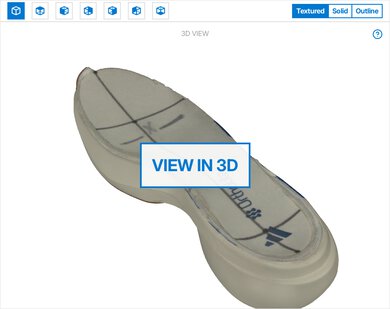

The foam used in the midsole is standard Lightstrike foam, which shouldn't be confused with the TPEE-based Lightstrike Pro found in higher-end Adizero models. This EVA-based compound can absorb some impact initially, but it tends to bottom out as distance increases and is comparatively heavy.
Popular Running Shoe Comparisons
The adidas Adizero Pacer is a budget daily trainer that makes the most sense as a primarily casual or walking shoe that you can also use for occasional runs. It's considerably lighter and more well-rounded than other basic options like the Nike Downshifter 14, so it still offers good value, but models such as the Dynafish Xiaonian and ANTA Zone 2 90 provide much better cushioning, responsiveness, and overall running performance for only a modest price step up.
Its place within adidas' lineup is also unusual: despite carrying the Adizero name, normally reserved for the brand's performance shoes, the adidas Supernova Rise 3 feels more cushioned and responsive. It clearly draws on the adidas Adizero Evo SL's popular shape and geometry, but the relatively small upgrade to the Evo SL delivers performance that's miles ahead, making the Pacer feel more like an attempt to capitalize on that model's success than a true performance-oriented shoe.
If you're looking for more options, check out our recommendations for the best running shoes, the best adidas running shoes, and the best cheap running shoes.
The adidas Adizero Evo SL and adidas Adizero Pacer share a very similar look and geometry, but their actual capabilities are very different. The Evo SL uses TPEE-based Lightstrike Pro foam, giving it a lighter, much more energetic, and cushioned ride that works well for both daily training and genuine uptempo efforts, making it the better value for most runners. Meanwhile, the Pacer is a less expensive and much less capable version of the Evo SL. Its very firm EVA-based Lightstrike midsole makes it more stable, but it provides far less impact protection, bounce, or responsiveness.
The adidas Adizero Pacer and adidas Supernova Rise 3 are both basic daily trainers from the three stripes, but the Pacer is slightly lighter, while the Supernova Rise 3 feels much more cushioned and responsive underfoot. The Supernova Rise 3 gets its stability from a broad platform, whereas the Pacer relies mainly on its exceptionally firm foam to keep the ride planted. Overall, the Supernova Rise 3 feels like a more capable and well-rounded shoe overall, as it feels less harsh underfoot.
The adidas Adizero Pacer and Nike Downshifter 14 are both budget shoes from rival brands, but the adidas is better suited to actual running because it's lighter and offers more cushioning. The Nike has a lower stack that results in more ground feel and a higher drop, while its broad platform and fully gusseted tongue give it the more stable and secure ride.
The adidas Adizero Pacer and adidas Questar 4 are two entry-level budget trainers from the German brand. The Questar 4 is the better daily trainer overall, thanks to its more cushioned, stable ride, making it the better choice for most runners. The Pacer isn't far behind, though, and its lower weight makes it worth considering if you can find it for substantially less.
The HOKA Rincon 5 and adidas Adizero Pacer are both lifestyle shoes that can handle some running, but the HOKA is the better running shoe. It's much more cushioned and more stable, with geometry better suited to daily training and a taller stack that favors heel strikers. The adidas makes more sense if you prefer its look and expect to spend more time walking than running.
The ASICS DYNABLAST 6 and adidas Adizero Pacer are basic neutral trainers with firm, low-energy midsoles. The DYNABLAST 6 is the better shoe overall: it's more cushioned, stable, and protective over distance, with a smoother rolling ride that better suits daily mileage. Get the Adizero Pacer only if you can find it for substantially cheaper, or if you prioritize a lower stack and lighter build over cushioning.
Differences Between Sizes And Variants
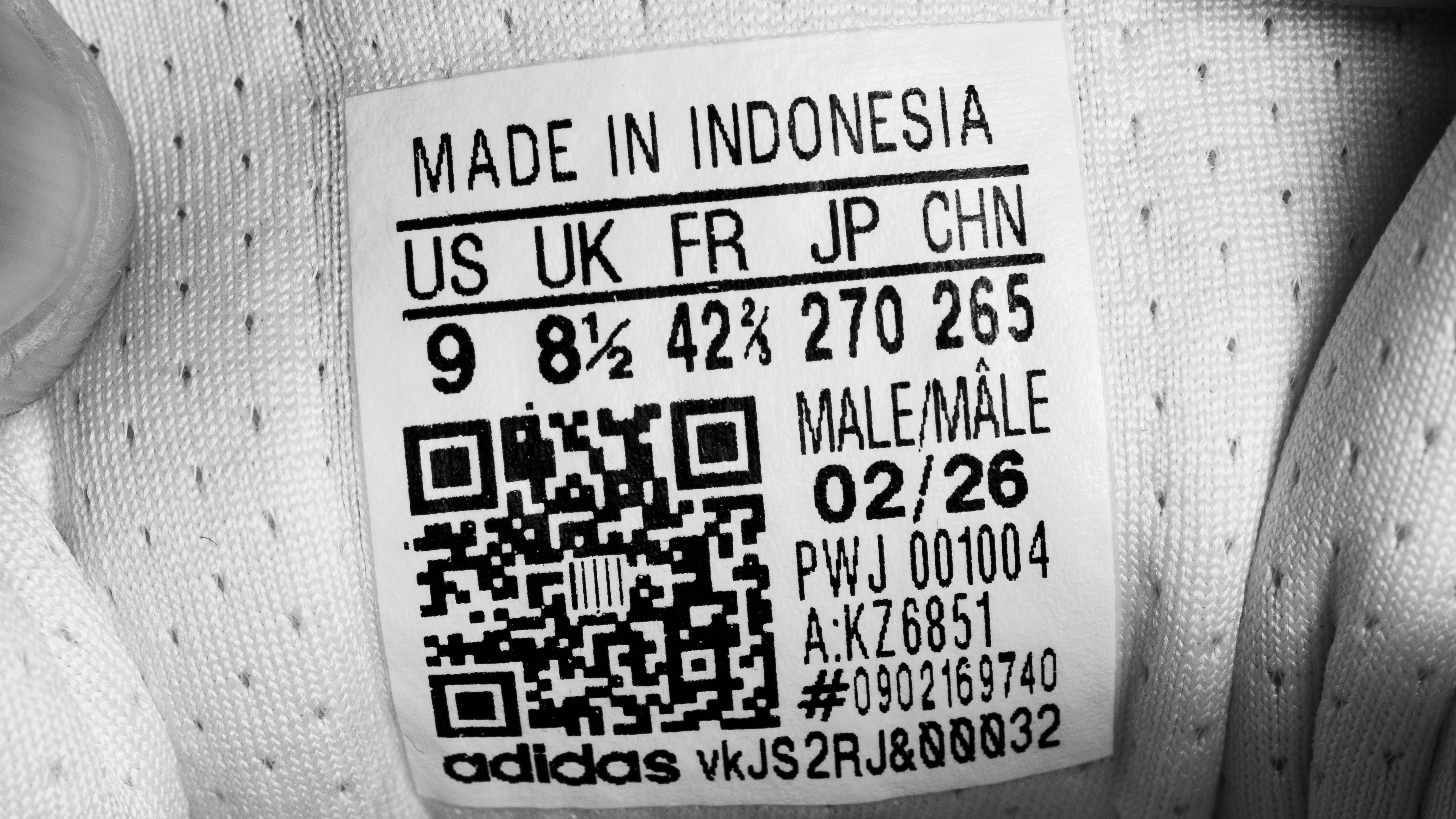
We bought and tested the adidas Adizero Pacer in a men's U.S. size 9, as noted on the label for our pair. The pair we purchased is the Core White / Royal Blue / Pure Ruby colorway, with additional color options expected to release in the near future, depending on the region. Both the men's and women's versions are only available in a standard width. The design section applies only to the exact model we tested, but we expect other size and gender variants to perform similarly.