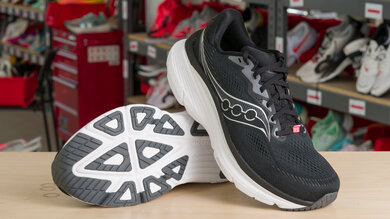
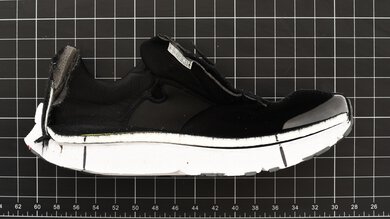
The Saucony Guide 19 is a dependable daily stability trainer that sits between conventional support shoes and more modern stability options. While older models relied more heavily on stricter support elements, the Guide 19 picks up where its predecessor, the Saucony Guide 18, left off, relying on geometry to guide the ride. Rather than medial posts, it uses Saucony's CenterPath technology, combining a wide platform, raised sidewalls, and aggressive rocker to keep the ride smooth and stable. The new PWRRUN foam composition is slightly more cushioned and a bit more responsive, and the shoe is slightly taller and more supportive. The updated rocker also helps transitions roll through more smoothly. Though it's a heavy shoe, it remains a solid pick for runners who want modest support without an overly controlling ride.
Our Verdict
The Saucony Guide 19 is a sub-par shoe for marathon racing. It's uneconomical over long distances due to its heavy weight and disappointing responsiveness.
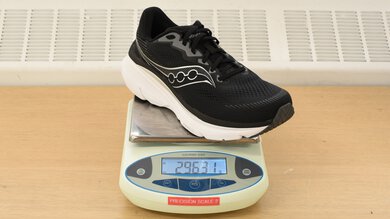
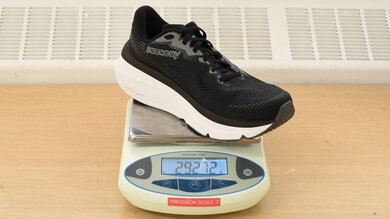
Weight is cumbersome over long distances.
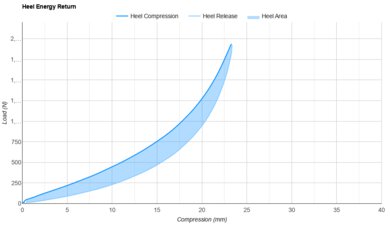
Inadequate energy return makes it sluggish.
The Saucony Guide 19 wasn't designed for speed, so it's no surprise it can't really pick up the pace. Its heftiness, combined with its middling energy return, makes it a shoe to avoid for racing.
Significant heft limits ability to pick up the pace.
Disappointing responsiveness makes it feel dead.
Changelog
-
Updated Jul 21, 2026:
We've updated the Popular Comparisons section to include a link to the newly reviewed Saucony Hurricane 26.
-
Updated Jun 29, 2026:
We've updated the Popular Comparisons section to include a link to the newly reviewed ASICS GEL-KAYANO 33.
- Updated Jun 17, 2026: We've converted this review to Test Bench 0.12, which fixes how we measure firmness, a component of the Stability and 5K/10K Racing usages. There may be inconsistencies between the text and the scores for these usages, but the scores should still be considered valid. We've also brought back the Energy Return score and added two new usages: Daily Training and Long Run. To read more about the changes, see the changelog.
- Updated Jun 11, 2026: Review published.
- Updated Jun 08, 2026: Early access published.
- Updated May 04, 2026: Our testers have started testing this product.
- Updated Apr 24, 2026: The product has arrived in our lab, and our testers will start evaluating it soon.
- Updated Apr 14, 2026: We've purchased the product and are waiting for it to arrive in our lab.
We've bought and tested more than 300 running shoes. Every pair purchased with our own money, never supplied or sponsored by brands. Our data-driven tests are designed to go beyond marketing claims, and since every shoe goes through the exact same methodology, you can directly compare results to find the right pair for your needs.
Test Results
Energy Return
Stability
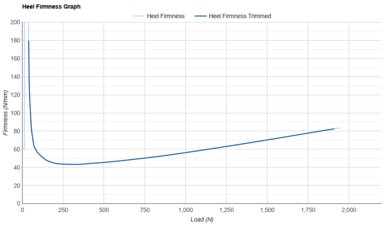
The Saucony Guide 19 provides great stability. The tall sidewalls feel secure, and its wide platform creates a superbly sturdy base. Though the heel isn't the firmest, its width-to-stack ratio is excellent, and the shoe does a great job of stopping the foot rolling inward.
Wide outsole provides a solid platform.
Outstanding around corners and on uneven ground.
Softer heel could be an issue for some runners.
Cushioning
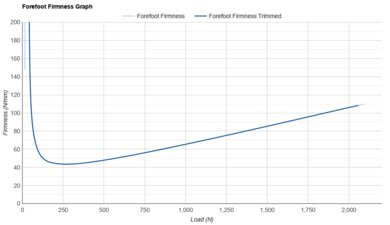
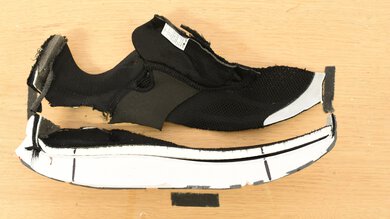
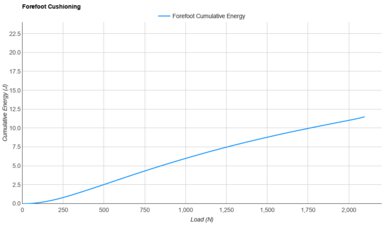
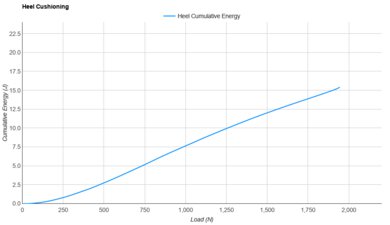
The Saucony Guide 19 has decent cushioning across both the heel and forefoot, providing adequate protection, and is especially great for lighter runners at slower paces who land on their forefoot.
Particularly great for slower, lighter runners who forefoot strike.
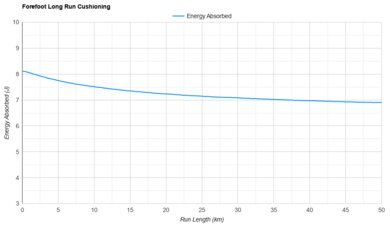
Protection dissipates quickly as the miles build.


Responsiveness
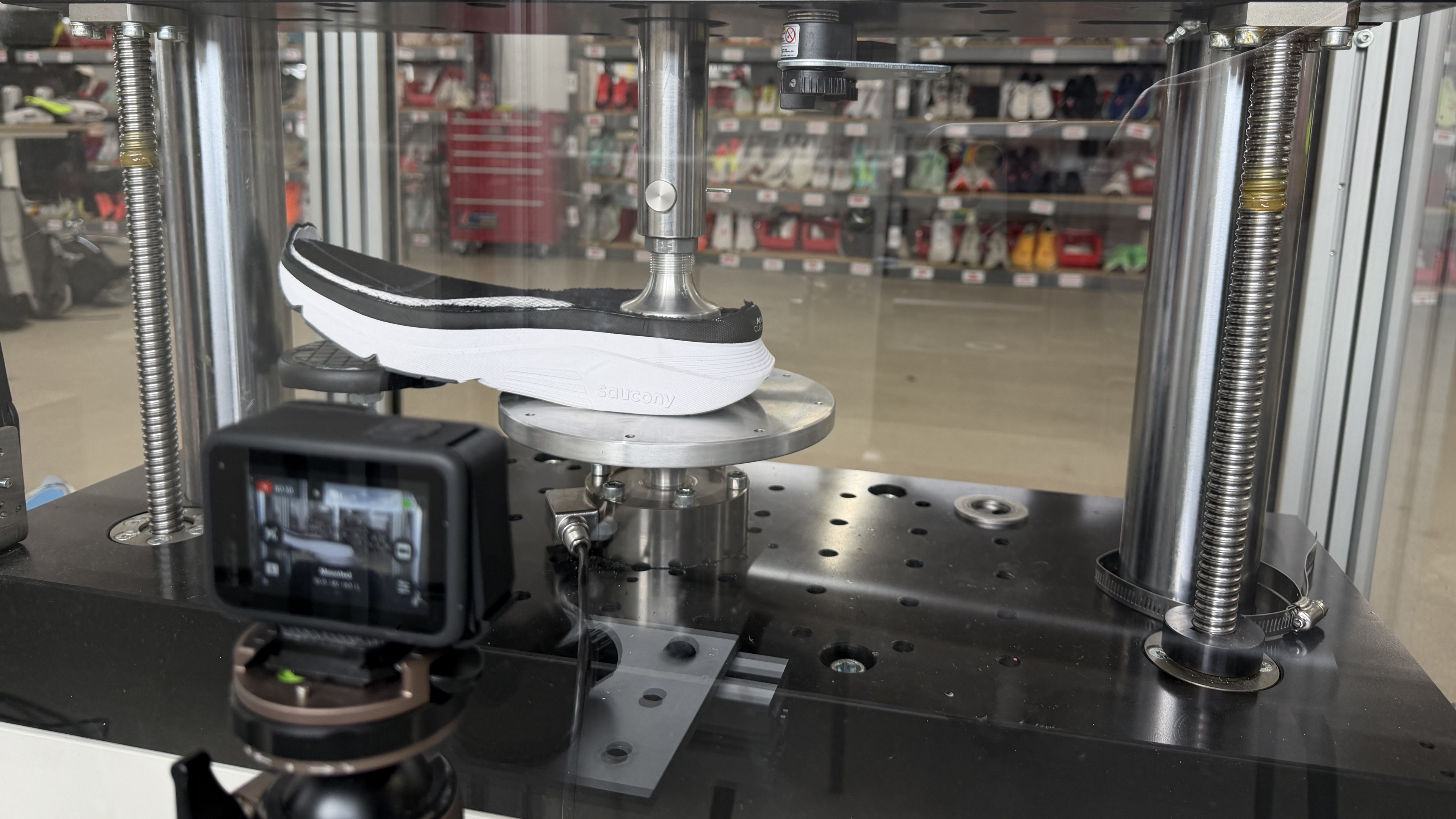
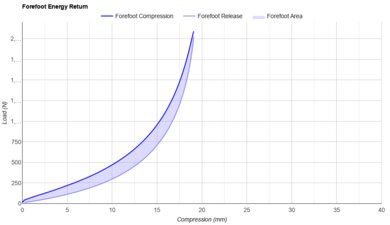
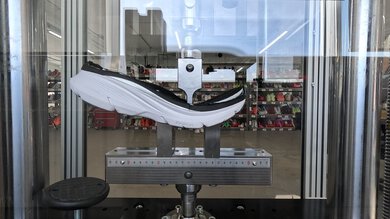
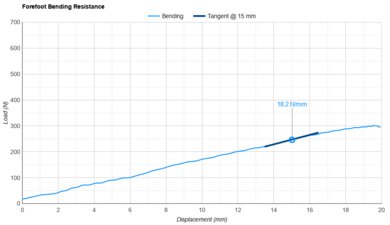
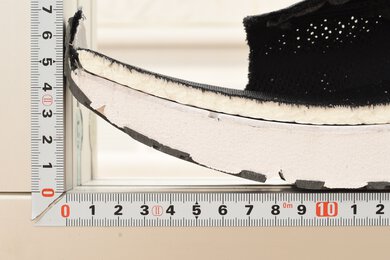
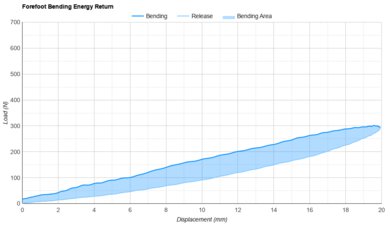
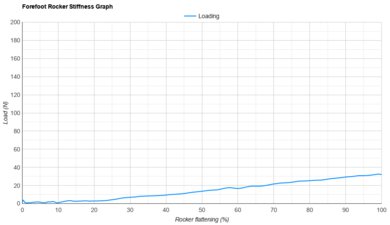
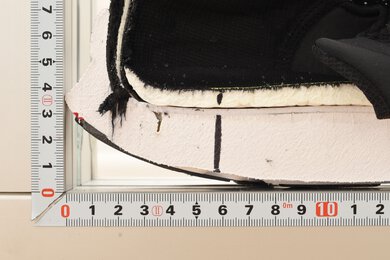
The Saucony Guide 19 has disappointing responsiveness. Though the forefoot is decently stiff, the outdated PWRRUN foam has poor energy return and provides a flat, spiritless ride.
PWRRUN foam has less than satisfactory energy return.
True To Size
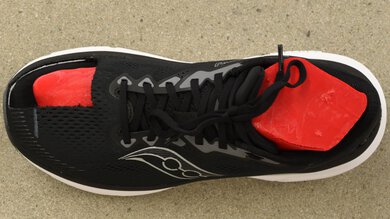
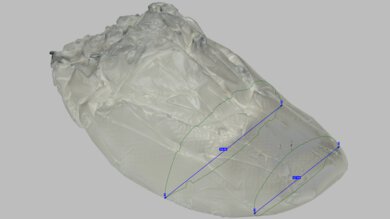
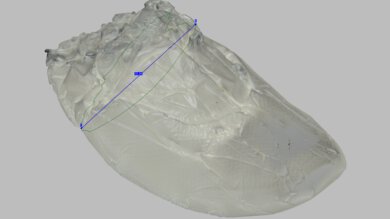
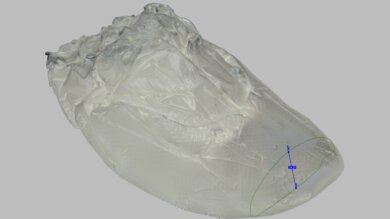
The Saucony Guide 19 fits true to size overall. The length is spot-on, and the arch and forefoot width are superb. Most runners can choose their usual size, though the forefoot might run too low for runners with taller toes.
Length fits amazingly.
Arch and forefoot width are superb.
Forefoot height runs low.
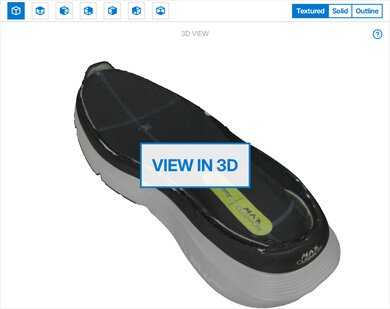
Popular Running Shoe Comparisons
The Saucony Guide 19 continues the line's long history of providing durability and comfort for runners seeking support, thanks to tall sidewalls and a wide midsole that create impressive stability. The latest version also features a softer PWRRUN foam formulation, offering a more cushioned ride than previous Guides, though it still lags behind more premium, responsive foams. Compared to similar shoes like the Brooks Adrenaline GTS 25 and ASICS GEL-KAYANO 33, the Guide 19 offers a more stable platform and a slightly more responsive ride, though the KAYANO provides a bit more cushioning underfoot. Still, the Guide 19 remains a dependable option for runners who prioritize support and guidance over speed.
Within Saucony's lineup, the Saucony Guide 19 is the support-first sister of the Saucony Ride 19. It sits between the plush, lively Saucony Hurricane 26, which uses dual-density foam, medial sidewalls, and sole flare for softer guidance, and the lighter, uptempo-focused Saucony Tempus 2, which wraps its superfoam core in a support frame to achieve midfoot stability. It isn't an old-school correction shoe, nor is it Saucony's most modern stability option, either; instead, it occupies the middle ground with impressive support, reliability, and decent cushioning. The Saucony Omni 22 is the brand's most rigorously corrective model, using traditional medial sideposts to help with excessive overpronation. Runners looking for Saucony's performance-oriented shoes should seek out the Endorphin line instead.
For more options, check out our recommendations for the best stability running shoes. If you're new to running, you may also want to see our picks for the best running shoes for beginners.
The Saucony Guide 19 and Saucony Ride 19 may be sister shoes, but they're built for different runners. The Ride 19 is lighter, more cushioned, and more responsive, making it the better pick for runners with a neutral stride who want a more versatile daily trainer. The Guide 19 is heavier and less lively, but its CenterPath design adds more stability for runners who like the Ride's feel but need extra guidance.
The Saucony Hurricane 25 is a better shoe than the Saucony Guide 19 for most runners. It's much more cushioned and bouncier, making it the pick for runners who want a comfortable stability shoe for daily training and long runs. The Guide 19 is firmer and noticeably more stable, with a wider base under the arch, so it's the better choice for runners whose feet tend to roll inward and who need as much support as possible.
The Saucony Hurricane 26 and Guide 19 are both part of Saucony's daily trainer stability lineup, but the Guide 19 is the more aggressive support shoe. It has a lower profile and provides a more planted, trustworthy ride if stability is your main priority. The Hurricane 26 is still very stable, but it’s the more cushioned and energetic option, making it the better pick if you want support with a higher stack and bouncier ride.
The Saucony Guide 19 builds on the same formula as the Saucony Guide 18, but with more cushioning, a broader arch platform, and a more responsive ride. Both deliver excellent stability, but the newer model is more protective underfoot. The Guide 18 remains a dependable support shoe at a lower price, while the Guide 19 is the better pick for runners who want a bit more protection.
Differences Between Sizes And Variants
We tested the Saucony Guide 19 in men's US size 9, and here's the label for our pair. The pair we purchased is Black/Silver, but you can also get the shoe in other colors, depending on the region. This shoe is available in a variety of widths, ranging from Regular, Wide, and Extra Wide. The design section applies only to the exact model we tested. We expect other size and gender variants to perform similarly.