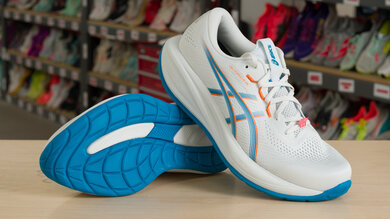
The ASICS GEL-CUMULUS 28 is a no-nonsense daily trainer built for runners who want a stable, predictable shoe for relaxed mileage. Its firm platform is amazingly stable and delivers adequate impact protection underfoot, making it an easy shoe to trust for new runners or those looking for a good daily trainer to get the job done. However, it's not a fun or exciting shoe by any means, with a dull midsole that lacks pep or rebound, and it's not a good pick for any kind of racing.
| ✅ Buy If: | ❌ Skip If: |
|
|
Our Verdict
The ASICS GEL-CUMULUS 28 isn't a racing shoe, so it's no surprise it's a sub-par pick for marathons. The awful forefoot energy return and weight make it poorly suited to sustaining pace over longer efforts. Runners going the distance will be better served by a lighter, more responsive shoe with deeper long-run protection.
Very stable platform.
Midsole has terrible energy return.
Weight feels cumbersome as miles build.
The ASICS GEL-CUMULUS 28 is inadequate for 5K and 10K racing. Its great forefoot firmness gives toe-off some structure, but the awful heel and forefoot energy return leave the ride flat when you try to pick up the pace, and its lack of plate and dull midsole mean it struggles to reward harder efforts.
Rockered geometry helps keep feet turning over.
Lifeless midsole stunts the ride.
Plateless ride lacks propulsion.
The ASICS GEL-CUMULUS 28 is a decent shoe for long runs. The stable platform keeps it steady and consistent, even as fatigue sets in, and it has enough of a rocker to help your legs keep turning over. Even if your endurance is good, the CUMULUS 28's cushioning is not, so you will feel the shoe bottoming out if you push much past 20k.
Very stable platform.
Rockered geometry helps keep feet turning over.
Cushioning doesn't hold up well over long distances.
Lack of responsiveness makes longer runs more laborious.
The ASICS GEL-CUMULUS 28 performs its job as a daily trainer very well. The incredibly stable platform makes it a trusty everyday companion, and it's adequately cushioned for the grind of daily miles. The ride is not very responsive, so it's not ideal for faster training, but it's more than capable of handling the bulk of your training.
Very stable platform.
Rockered geometry helps keep feet turning over.
Lack of responsiveness makes longer runs more laborious.
Changelog
- Updated Sep 16, 2026: We've converted this review to Test Bench 0.15, which replaces Responsiveness with three specific performance usages: Bounciness, Snappiness, and Roll. To read more about the changes, see the changelog.
- Updated Sep 02, 2026: We've converted this review to Test Bench 0.14, which adds new lace-specific results. We've included a close-up photo of the laces, as well as details including lace type, width, thickness, and stretch. To read more about the changes, see the changelog.
- Updated Sep 02, 2026: We've converted this review to Test Bench 0.13, which identifies the different foams used in the shoe's midsole. We've included a microscopic image of the foam cells to give you an idea of what the microstructure looks like. To read more about the changes, see the changelog.
-
Updated Aug 18, 2026:
We've updated the introduction to make the usage of this shoe clearer for the user. We've also updated the Popular Comparisons section to include a link to the newly reviewed ASICS GEL-EXCITE 11.
-
Updated Jul 31, 2026:
We've added text to the new usage boxes and updated the popular comparisons section to include a comparison with the recently reviewed Salomon Aero Blaze 4.
-
Updated Jul 14, 2026:
We've updated the Popular Comparisons section to include a link to the newly reviewed Mizuno Wave Rider 30.
-
Updated Jun 26, 2026:
We've updated the Popular Comparisons section to include a link to the newly reviewed ASICS GT-1000 15.
- Updated Jun 22, 2026: We've converted this review to Test Bench 0.12, which fixes how we measure firmness, a component of the Stability and 5K/10K Racing usages. There may be inconsistencies between the text and the scores for these usages, but the scores should still be considered valid. We've also brought back the Energy Return score and added two new usages: Daily Training and Long Run. To read more about the changes, see the changelog.
- Updated Jun 19, 2026: Review published.
- Updated Jun 16, 2026: Early access published.
- Updated Jun 02, 2026: Our testers have started testing this product.
- Updated Apr 01, 2026: The product has arrived in our lab, and our testers will start evaluating it soon.
- Updated Mar 30, 2026: We've purchased the product and are waiting for it to arrive in our lab.
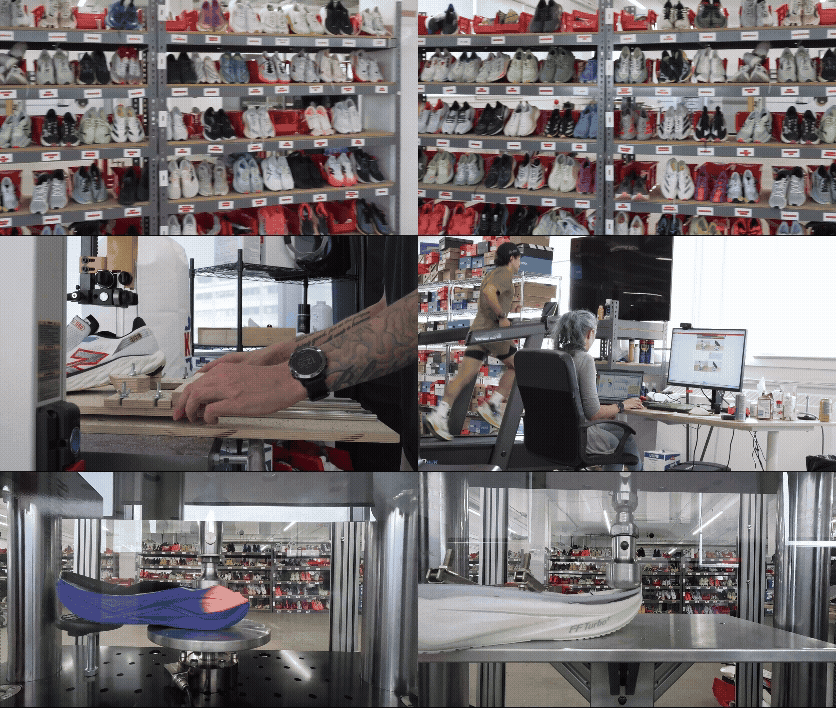
We've bought and tested more than 250 running shoes. Every pair purchased with our own money, never supplied or sponsored by brands. Our data-driven tests are designed to go beyond marketing claims, and since every shoe goes through the exact same methodology, you can directly compare results to find the right pair for your needs.
Test Results
Energy Return
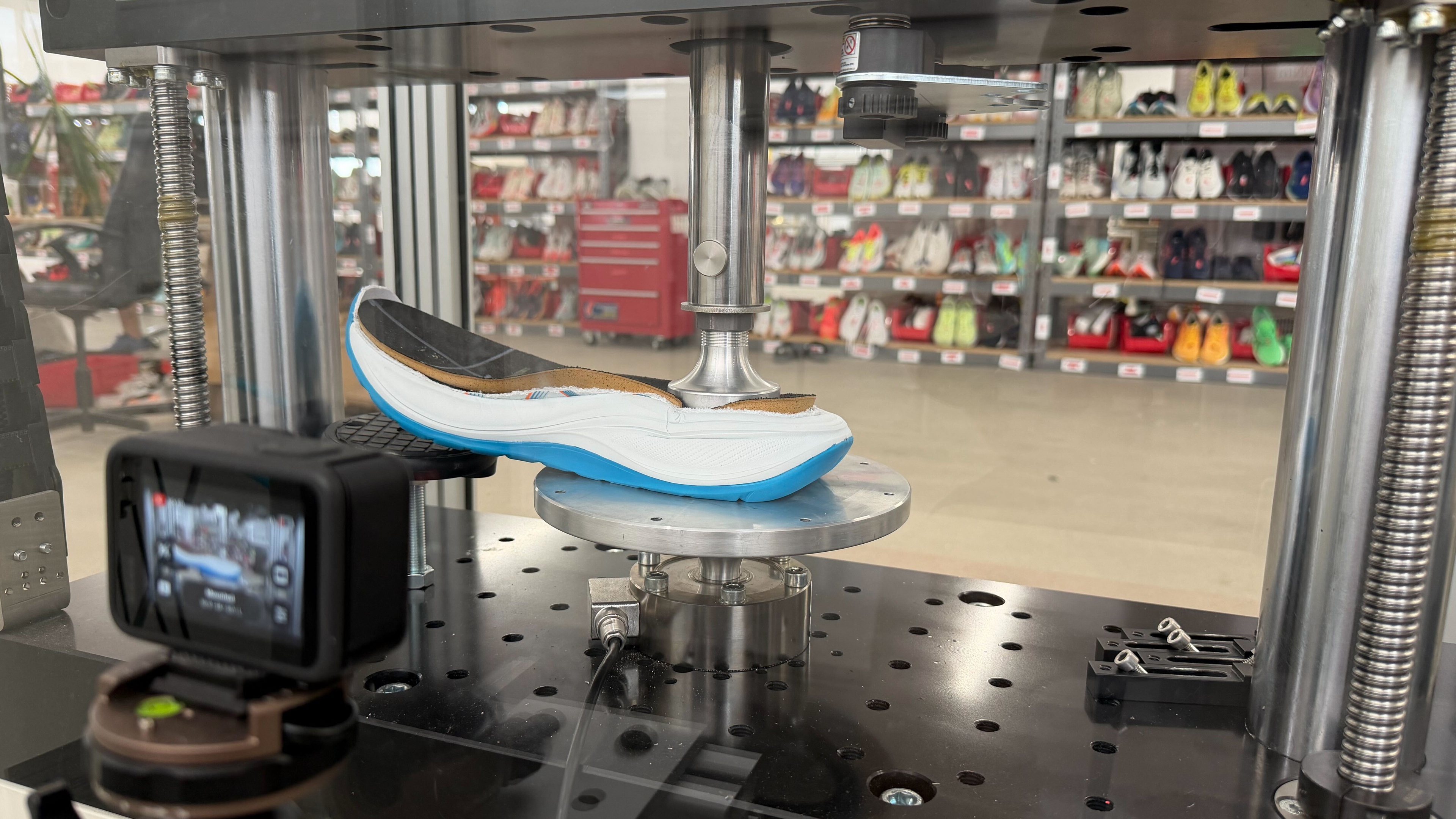
The ASICS GEL-CUMULUS 28 has terrible energy return. It's not designed to be a fast shoe, so it's no surprise the midsole feels inefficient when you try to push the pace.
Forefoot doesn't have much life.
Heel landings feel flat.

The forefoot returns energy very inefficiently. The foam provides little noticeable rebound as you push off. For a daily trainer with more liveliness underfoot, check out the ASICS NOVABLAST 5.

Stability
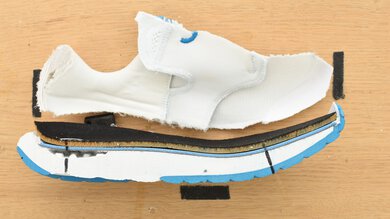
The ASICS GEL-CUMULUS 28 offers very good lateral stability. Despite moving into max-cushion territory, its wide outsole, firm forefoot, stiff heel counter, and fully-gusseted tongue help keep the ride impressively steady underfoot.
Superb outsole width overall.
Impressively firm forefoot.
Soft heel may feel less secure for some.
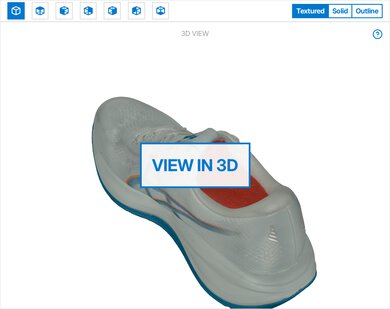

The heel is very firm, which provides a steady base for landings. This contributes to the shoe's excellent stability, though runners seeking a soft, pillowy sensation may find it unforgiving.

Cushioning
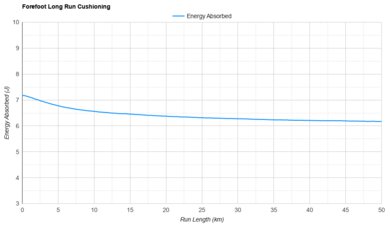
The ASICS GEL-CUMULUS 28 is adequately cushioned. Its midsole is decently protective in the heel and adequate in the forefoot, meaning it can handle most daily mileage, but its long-run cushioning is only mediocre, and bottoms out on longer efforts, so runners going farther should consider other shoes.
Decent heel protection suits heel strikers.
Mediocre long-run cushioning.
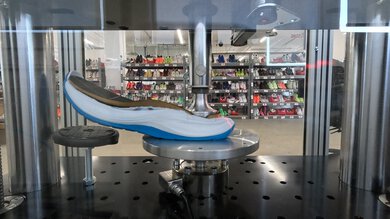

The ASICS GEL-CUMULUS 28 provides decent heel cushioning that stays fairly consistent at all tested force levels. It isn't exceptionally plush, but it feels similarly cushioned whether you land lightly or heavily.
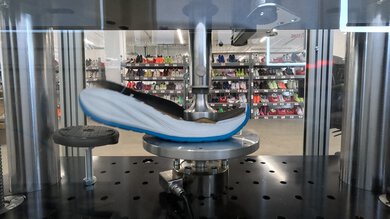

The cushioning under the forefoot is adequate. It doesn't absorb impacts as effectively as more protective trainers like the ASICS SUPERBLAST 3, but it still retains some cushioning at higher forces and doesn't completely bottom out.
Bounciness
The ASICS GEL-CUMULUS 28 provides disappointing responsiveness. Its rocker geometry helps the shoe roll forward, but the poor overall energy return renders the ride flat when you try to pick up the pace.
Forefoot is flat and dull.
Does a poor job of turning effort into propulsion.


Snappiness
The ASICS GEL-CUMULUS 28 has mediocre snappiness. Its firm forefoot provides some structure at toe-off, but it returns little energy as it snaps back. As a result, push-offs don't feel very springy, and the shoe doesn't reward faster efforts.
Rocker holds its shape well under load.
Little spring-back as the forefoot unbends.
Mediocre bending stiffness limits the levered feel.
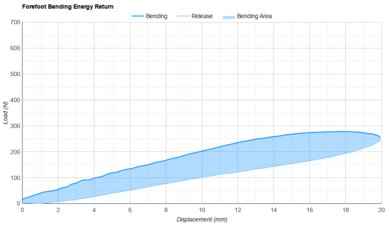
Bending energy return at the forefoot is poor. The front of the shoe doesn't spring back efficiently after bending, so there's little noticeable snap as it straightens during toe-off.
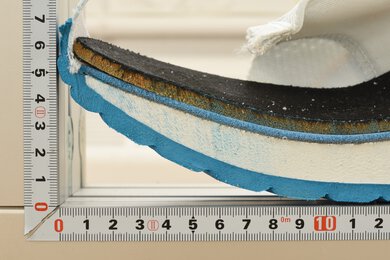
Roll
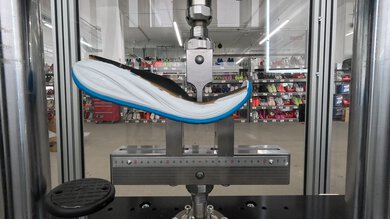
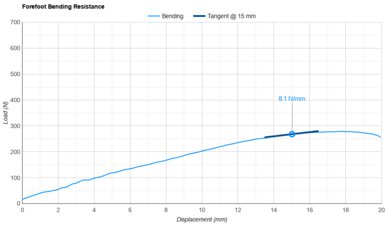
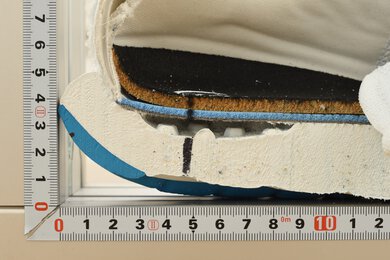
The ASICS GEL-CUMULUS 28 provides a good rolling sensation. The pronounced heel rocker and early forefoot rocker guide the foot smoothly through the stride, while the relatively stiff rocker resists flattening under load.
Rockered geometry helps keep feet turning over.
Rocker holds its shape well under load.
Mediocre bending stiffness limits the levered feel.
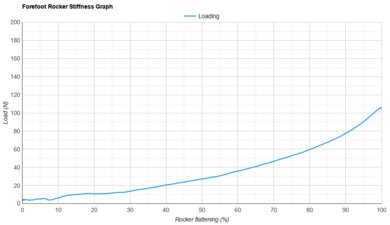
The rocker is fairly stiff and holds its shape well under load. This helps preserve its rolling motion throughout the stride rather than allowing the curved forefoot to flatten easily.
True To Size
The ASICS GEL-CUMULUS 28 fits true to size overall. The length is bang on, and it has a great fit through the forefoot and arch, so runners can confidently choose their usual size.
True-to-size length.
Forefoot and arch are roomy.
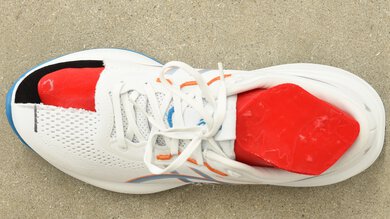
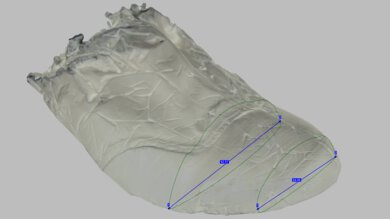
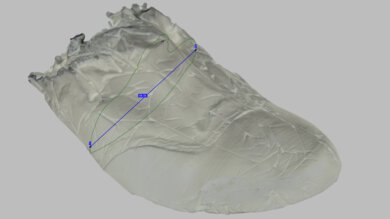
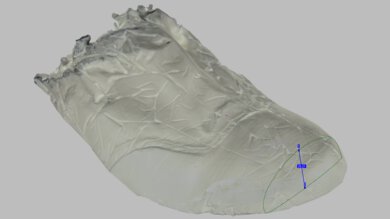
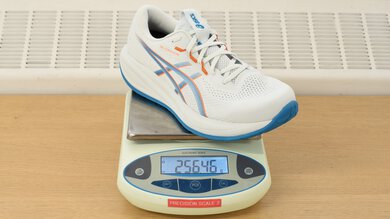
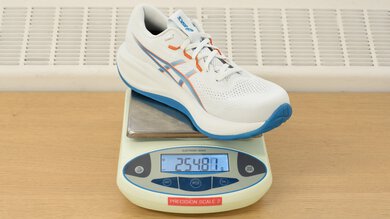
The ASICS GEL-CUMULUS 28 has an unremarkable weight for a daily trainer. It's lighter than the ASICS GEL-NIMBUS 28, the brand's more premium trainer, though that shoe's higher stack of foam, particularly under the forefoot, helps explain its extra weight.
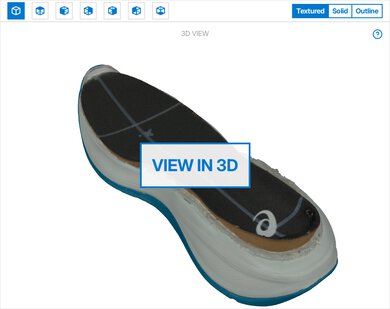

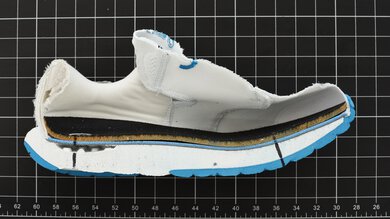
The ASICS GEL-CUMULUS 28 switches from the FF BLAST PLUS used in the previous ASICS GEL-CUMULUS 27 to FF BLAST MAX, a POE-based foam. This foam also appears in the ASICS NOVABLAST 5, although the exact formulation or tuning clearly differs. Here, it feels firmer and much less bouncy.

Popular Running Shoe Comparisons
The ASICS GEL-CUMULUS 28 is a classic daily workhorse that prides itself on getting the job done. It sits above the ASICS GEL-EXCITE 11 in this line-up, occupying the same terrain as the Mizuno Wave Rider 30. The Cumulus 28 is lighter, more stable, and its drop suits heel-strikers better than the Wave Rider 30. That said, the Wave Rider 30 absorbs shock significantly better, so if that's a priority, it's the better pick. However, both of these classic workhorses are less lively and protective than newer daily trainer series like the Salomon Aero Blaze 4, which is the best shoe of the three. However, if you need extra support underfoot, the Aero Blaze 4 can feel a bit wobbly, and we'd advise one of the other two shoes instead.
For more options, check out our recommendations for the best ASICS running shoes or the best running shoes for beginners to find your perfect pair.
The ASICS GEL-CUMULUS 28 and ASICS GEL-NIMBUS 28 are both daily trainers, but they occupy different roles in ASICS' lineup. The CUMULUS 28 is the no-frills option, better suited to runners who don't want a supremely cushioned ride and prefer a more traditional feel for relaxed mileage. The NIMBUS 28 is a much more cushioned, premium shoe, with significantly better forefoot protection and long-run cushioning, making it the better pick for recovery runs, longer efforts, and runners who want maximum protection underfoot.
The ASICS GEL-CUMULUS 28 and ASICS NOVABLAST 5 are both daily trainers that use the same FF BLAST MAX midsole compound, but they're built for different runners. The CUMULUS 28 is higher-drop, more stable, and has a stiffer rocker, making it more geared towards relaxed daily mileage. The NOVABLAST 5 is lighter, more cushioned overall, and significantly more responsive, with much better energy return under both the heel and forefoot, making it the better pick if you want a livelier shoe that can handle a wider range of paces.
The Brooks Ghost 18 and the ASICS GEL-CUMULUS 28 are classic daily trainers built around reliability rather than excitement. Both offer good stability and adequate cushioning for daily mileage. The ASICS is lighter and a bit more cushioned, while the Brooks is slightly more responsive, though neither is lively underfoot.
The ASICS GEL-CUMULUS 28 and Nike Pegasus 42 are both classic daily trainers, but they perform slightly differently. The ASICS is much lighter, with significantly more cushioning and protection overall. The Nike is firmer with more groundfeel and better responsiveness, though neither shoe is especially lively by modern standards. The ASICS is the better pick if you want more protection, while the Pegasus 42 makes more sense if you prefer a firmer ride.
The ASICS GEL-CUMULUS 28 is a slightly better daily trainer than the ASICS GEL-EXCITE 11, but the cost-to-performance gains aren't worth it. Both offer adequate shock absorption and amazing security underfoot, while the CUMULUS 28 is a bit smoother through stride. It's also less bulky, though it's still not a nimble shoe by a stretch. However, it costs significantly more and isn't as protective over long runs, so if you don't mind the extra heft of the GEL-EXCITE 11, we advise getting that shoe instead.
The ASICS GT-1000 15 and ASICS GEL-CUMULUS 28 are both daily trainers from ASICS, but they're intended for very different runners. The GT-1000 15 is the dedicated, entry-level support shoe, providing impressive support for those who struggle with excessive overpronation thanks to its 3D GUIDANCE SYSTEM. The CUMULUS 28 is the no-nonsense daily trainer, delivering more protection, more versatility, and, despite lacking a dedicated guidance system, more support overall. The CUMULUS 28 retails far above the GT-1000 15, however, making it the more premium pick.
The Mizuno Wave Rider 30 and ASICS GEL-CUMULUS 28 are both classic daily trainers, but they have slightly different approaches. The Mizuno is the more cushioned option, with better long-run protection and a plastic Wave Plate that helps make it more propulsive underfoot. The ASICS is the more stable shoe overall, with a lighter build and a more aggressive rocker, but it doesn't offer the same level of cushioning or protection as the Mizuno. Neither shoe is built for bounce or speed, and both are happiest handling regular mileage. Go with the ASICS if stability and a lighter feel matter most; go with the Mizuno if you still want impressive stability, but want much more protection underfoot and don't mind the feel of a plate.
Differences Between Sizes And Variants
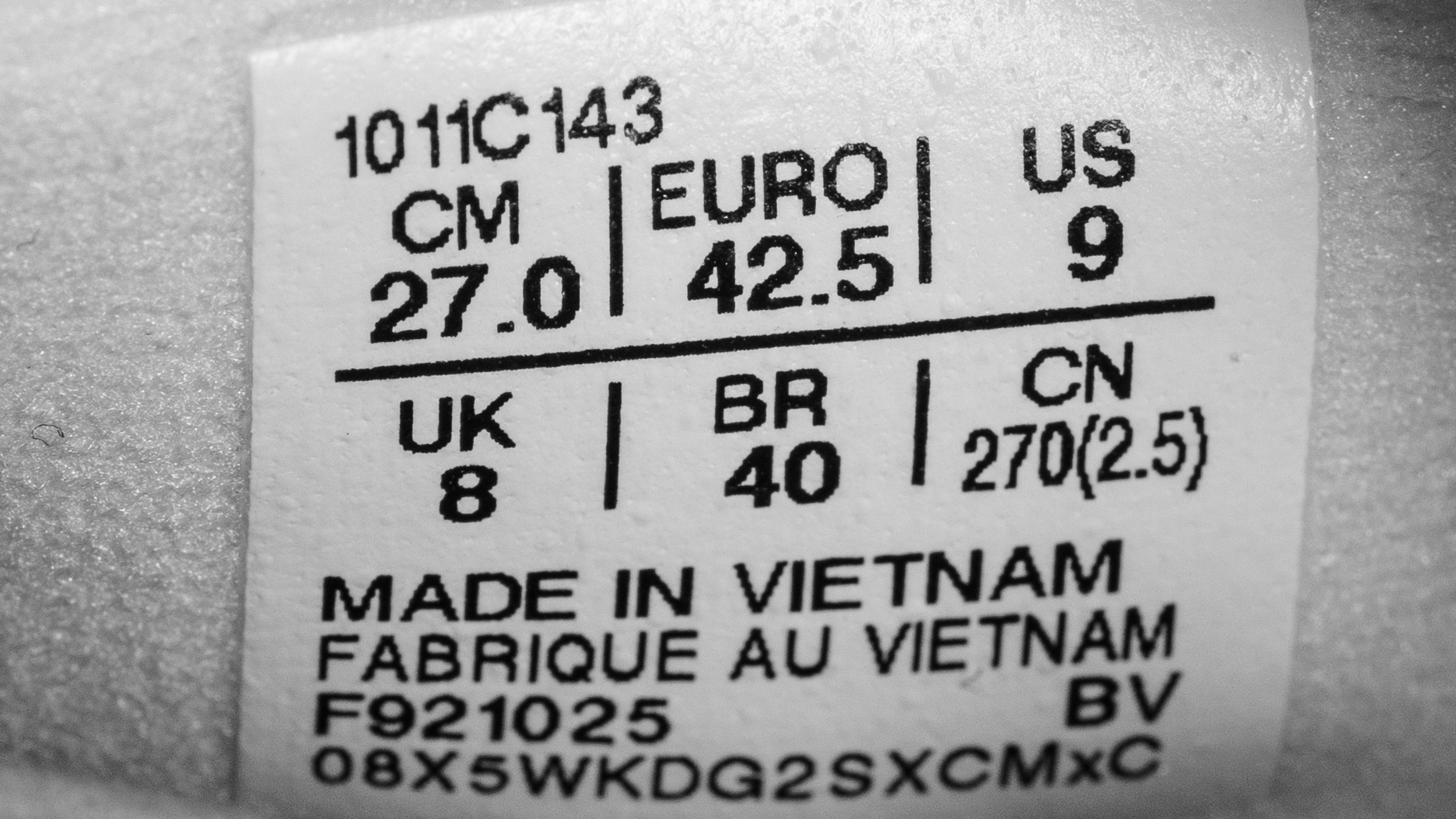
We tested the ASICS GEL-CUMULUS 28 in men's US size 9, as indicated on the label of our pair. The color featured on the shoe we tested is Arctic Blue/Aegean Blue, but you can also get it in other colors depending on the region. This shoe is available in a variety of widths, ranging from Narrow, Standard, Wide, and Extra Wide. The design section applies only to the exact model we tested, but we expect other sizes to perform similarly.