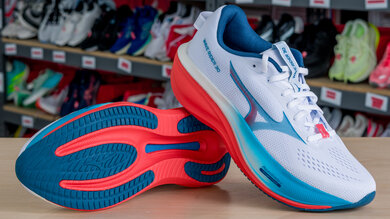
The Mizuno Wave Rider 30 is a plastic-plated classic daily trainer built for runners who want an impressively stable, well-cushioned workhorse for regular mileage. Its dual-density midsole and full-length Wave Plate give it a smoother, more protective ride than the previous Mizuno Wave Rider 29, but the Wave Rider 30 still isn't a lightweight, lively do-it-all tempo trainer like the ones currently dominating the market. It can handle everyday outings and long runs, but isn't the most enjoyable shoe for speed work or races. At its heart, this is a reliable companion that turns the daily grind into a pleasant ride.
| ✅ Buy If: | ❌ Skip If: |
|
|
Our Verdict
The Mizuno Wave Rider 30 is an okay choice for marathon racing. Its impressive stability and high stack mean it can handle the distance, and its forefoot cushioning holds up adequately as the miles build. However, its weight, poor propulsion, and lack of race-focused geometry mean it's more of a complete-the-distance shoe than a compete-over-the-distance one.
Impressive stability helps keep the shoe controlled as the miles build.
Midsole holds up reasonably well deep into runs.
Weight can make the shoe feel cumbersome.
Lack of propulsion means it's more of a cruiser than a PB chaser.
The Mizuno Wave Rider 30 is a fair choice for 5K/10K racing. Its firm forefoot gives it some control at toe-off, but this isn't a shoe built for fast racing. Its poor responsiveness, lack of propulsion, and significant weight make it harder to turn over at pace than more specialized shoes.
Firm forefoot helps keep toe-off controlled.
Decent forefoot rocker geometry gives some assistance through push-off.
Poor responsiveness makes the shoe hard to turn over at pace.
Heavy for a short-distance racing option.
The Mizuno Wave Rider 30 is a decent long-run companion, thanks to its impressive stability and good protection underfoot that holds up reasonably well as the miles build. However, it isn't very propulsive, and its significant weight can make it feel cumbersome deep into longer efforts.
Impressive stability helps keep the shoe controlled as the miles build.
Midsole holds up reasonably well deep into runs.
Weight can make the shoe feel cumbersome.
Lack of propulsion means you'll work harder to sustain the same pace.
The Mizuno Wave Rider 30 is a commendable daily trainer, especially for runners who don't mind a plate underfoot. It's easy to trust, with impressive stability and good cushioning that help keep the legs protected across regular mileage and longer efforts. That said, its gentle heel rocker and sub-par responsiveness stop it from feeling best in class, and it isn't the shoe to choose if you don't like the feel of a plate beneath your feet.
Impressive stability makes the shoe easy to trust underfoot.
Very good cushioning provides ample protection from the road.
Plated ride can take some getting used to.
Sub-par responsiveness stops the shoe feeling lively.
Changelog
-
Updated Sep 04, 2026:
We've updated this review to add a link to the newly reviewed Mizuno Wave Horizon 9 in the Popular Comparisons section.
- Updated Aug 27, 2026: We've converted this review to Test Bench 0.15, which replaces Responsiveness with three specific performance usages: Bounciness, Snappiness, and Roll. To read more about the changes, see the changelog.
-
Updated Jul 24, 2026:
We've updated the Popular Comparisons section to add a link to the newly reviewed Mizuno Wave Inspire 22.
-
Updated Jul 21, 2026:
We've added a new table in the intro to help you quickly determine if this shoe matches your needs.
- Updated Jul 14, 2026: Review published.
- Updated Jul 13, 2026: Early access published.
- Updated Jul 02, 2026: Our testers have started testing this product.
- Updated Jun 29, 2026: The product has arrived in our lab, and our testers will start evaluating it soon.
- Updated Jun 22, 2026: We've purchased the product and are waiting for it to arrive in our lab.

We've bought and tested more than 300 running shoes. Every pair purchased with our own money, never supplied or sponsored by brands. Our data-driven tests are designed to go beyond marketing claims, and since every shoe goes through the exact same methodology, you can directly compare results to find the right pair for your needs.
Test Results
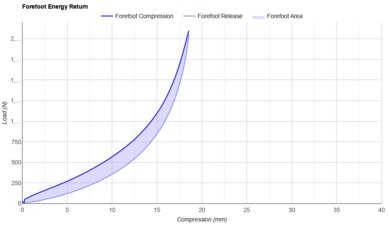
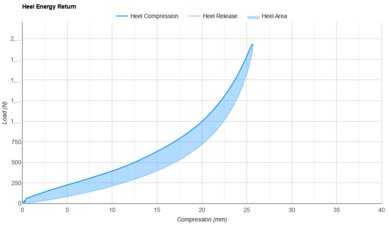
Energy Return
The Mizuno Wave Rider 30 has poor energy return overall, with the heel returning much less energy than the forefoot. This means the midsole doesn't provide much bounce or rebound, so the shoe lacks the efficient underfoot spring needed for faster efforts.
Heel gives back very little energy in transition.
Forefoot energy return is poor, limiting rebound through toe-off.
Stability
The Mizuno Wave Rider 30 is an impressively stable shoe. Its firm heel, generous outsole arch width, and amazingly firm forefoot help keep the platform secure and easy to trust underfoot.
Generous outsole arch width helps keep the midfoot secure.
Amazingly firm forefoot keeps the front of the shoe controlled.
Fully-gusseted tongue provides excellent lockdown.
Heel width-to-stack ratio is only okay for such a tall shoe.
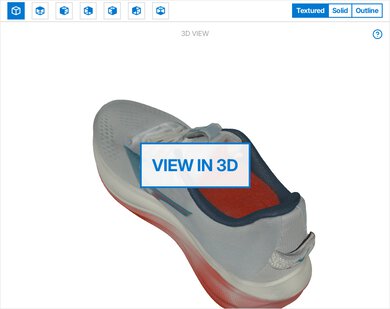
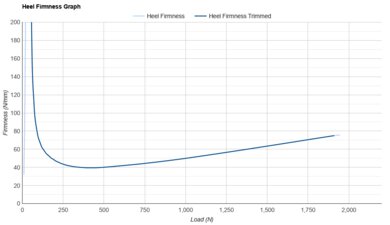
The Mizuno Wave Rider 30 has a firm heel, helping keep rearfoot landings controlled without making the shoe feel overly rigid. However, the Brooks Ghost 18 and the ASICS GEL-CUMULUS 28 are both much firmer in the heel and more planted.
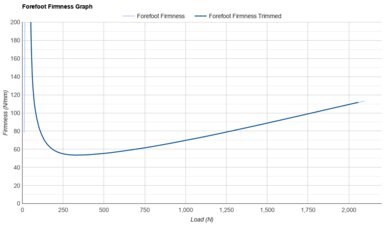
The Mizuno Wave Rider 30 has an amazingly firm forefoot, which helps keep the front of the shoe controlled when loaded. That said, the Brooks Ghost 18 and the ASICS GEL-CUMULUS 28 are even firmer, so the Wave Rider 30 isn't quite as rigid through toe-off as those shoes.
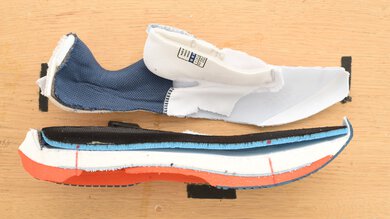
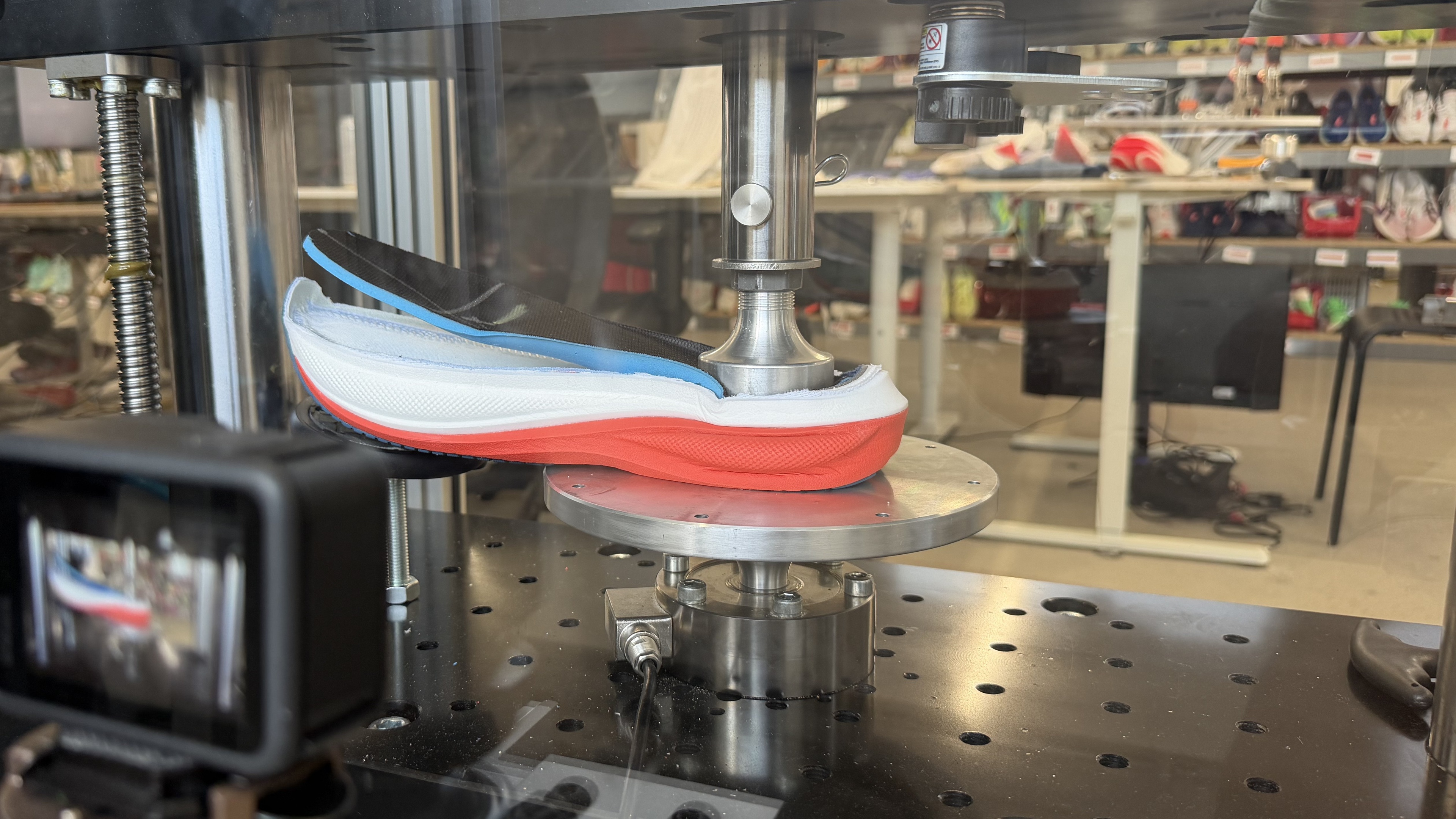
The Mizuno Wave Rider 30 uses a redesigned full-length plastic Wave Plate, replacing the rearfoot-to-midfoot plate used in the Mizuno Wave Rider 29. It sits between the softer white foam up top and firmer orange foam on the bottom, helping guide the ride while adding structure to the shoe's taller platform.
Cushioning
The Mizuno Wave Rider 30 has very good cushioning overall. Its dual-density midsole provides ample protection from the road, with the heel holding up well across all force levels. However, the forefoot cushioning declines significantly under higher forces, so runners who land hard through the front of the shoe may find the ride harsher than the score suggests.
Impressive heel cushioning mutes impact when landing.
Forefoot cushioning provides good protection at moderate loads.
Forefoot protection drops significantly under higher forces.
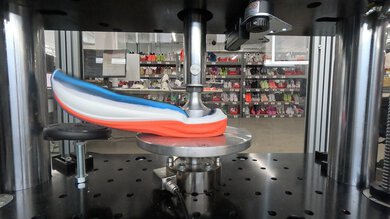
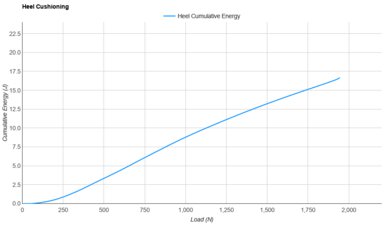
The Mizuno Wave Rider 30 provides very good heel cushioning, though protection tapers slightly as force increases. Even so, the heel remains well cushioned across all force levels and is a significant upgrade over the Mizuno Wave Rider 29.
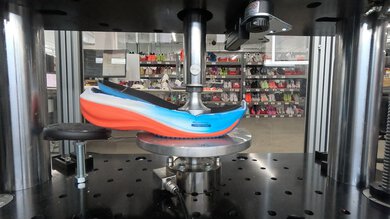
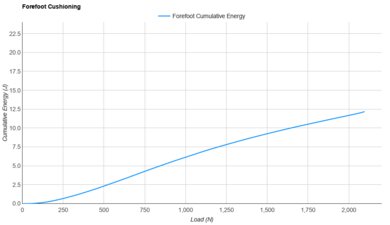
The Mizuno Wave Rider 30 has good forefoot cushioning overall and is much more protective than the Mizuno Wave Rider 29. However, protection drops under higher forces, so runners who land hard through the front of the shoe will find it less forgiving.
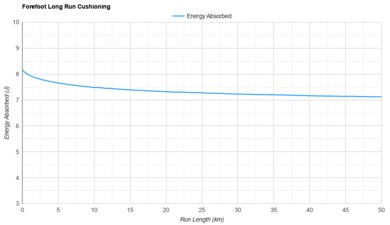
The Mizuno Wave Rider 30's forefoot cushioning holds up reasonably well over longer efforts, and it's a significant upgrade over the Mizuno Wave Rider 29. It also outperforms the Brooks Ghost 18 and the ASICS GEL-CUMULUS 28 here, making it more protective as miles build.
Bounciness
The Mizuno Wave Rider 30 has disappointing responsiveness. The forefoot is decently stiff, but it returns very little energy when bent or compressed, while the heel gives back hardly any energy at all. This makes the ride feel controlled rather than propulsive when you try to pick up the pace.
Decent forefoot bending stiffness gives toe-off some structure.
Sub-par responsiveness stops the shoe feeling lively.
Poor energy return stops the ride from being propulsive.
Heel gives back very little energy in transition.


Snappiness
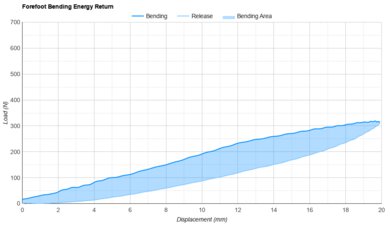
The forefoot returns little energy when bent, so the shoe loses a lot of the energy stored through toe-off.
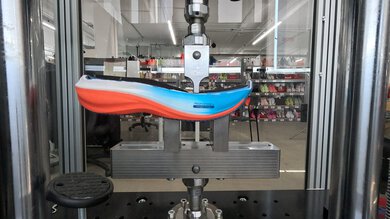
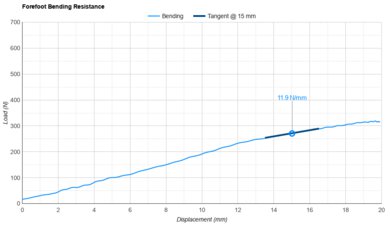
The forefoot has decent bending stiffness, so it resists flexing enough to give the shoe some leverage through toe-off.
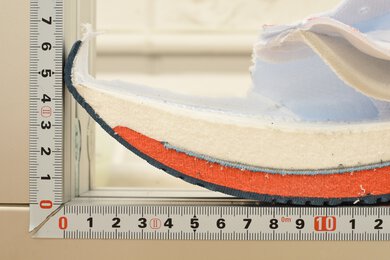
The Wave Rider 30 has a higher toe spring and a slightly steeper forefoot rocker angle than the Brooks Ghost 18, but it's not as pronounced as in shoes like the ASICS GEL-CUMULUS 28. This gives the front of the shoe decent assistance through push-off, though it isn't the most aggressive option of the three.
Roll
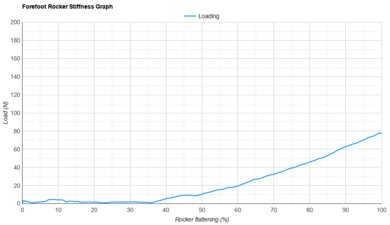
The Mizuno Wave Rider 30's rocker is stiff enough to help the shoe hold its shape under load, but it isn't especially rigid. It takes more force to flatten than the Brooks Ghost 18, but less than the ASICS GEL-CUMULUS 28.
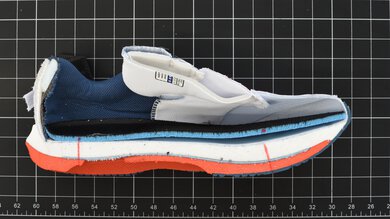
The Mizuno Wave Rider 30 has a much taller heel stack than the Mizuno Wave Rider 29, making it significantly more cushioned underfoot. Interestingly, despite Mizuno advertising a lower drop than the previous version, our measurements show a slightly higher heel-to-toe drop.
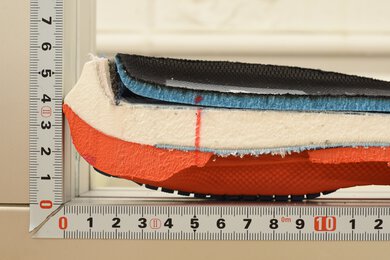
The Mizuno Wave Rider 30 has disappointing heel rocker geometry. Its heel apex starts early, but the low heel spring and shallow rocker angle mean the rear of the shoe provides much less assistance from heel strike into midstance than shoes like the Brooks Ghost 18 and the ASICS GEL-CUMULUS 28.
True To Size
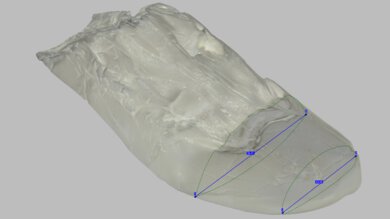
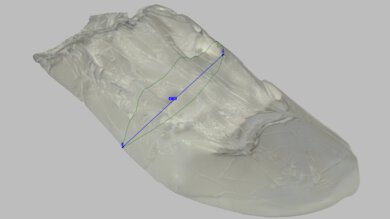
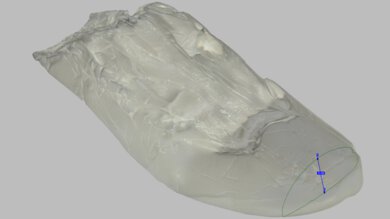
The Mizuno Wave Rider 30 fits true to size. Its length, width, and arch volume all closely match our reference fit. Though the toe box may be a bit too low for taller toes, most runners should find it easy to get a natural fit in their usual size.
Length fits true to size.
Width and arch volume closely match our reference fit.
Toe box may feel low for taller toes.
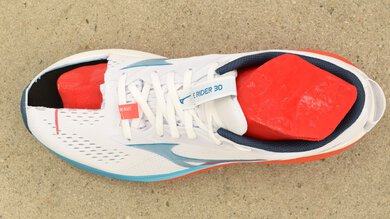
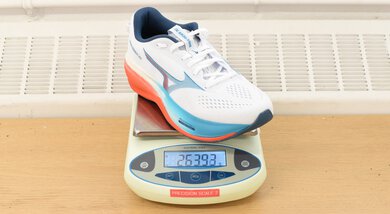
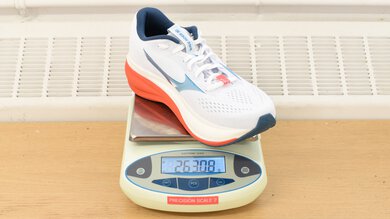
The Mizuno Wave Rider 30 is marginally heavier than the Mizuno Wave Rider 29, but not enough to make a noticeable difference on foot. It's still well within an acceptable range for a daily trainer.
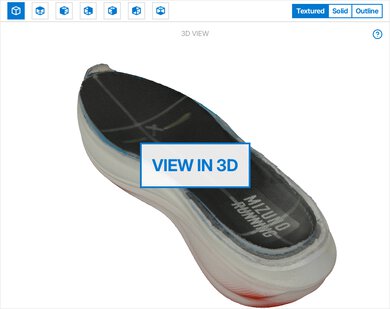


The Mizuno Wave Rider 30 uses a dual-density ENERZY NXT midsole with softer, supercritical EVA on top and a firmer EVA layer underneath. This gives the shoe more protection than the Mizuno Wave Rider 29 while keeping the platform stable, though the shoe isn't especially bouncy or propulsive.
Popular Running Shoe Comparisons
The Mizuno Wave Rider 30 is a classic daily trainer with a significant makeover from the Mizuno Wave Rider 29, adding a higher stack, more protection underfoot, and a reworked full-length Wave Plate for a smoother, more propulsive ride. Mizuno was using plates for stability long before plated shoes became a trend, and the Wave Rider 30 sits alongside unplated stalwarts like the Brooks Ghost 18 and ASICS GEL-CUMULUS 28 as a dependable daily training option. The Mizuno is the most cushioned and long-run capable of the three, while the ASICS is the lightest and most stable. The Brooks is the heaviest and most traditional, sitting lower to the ground with a firmer ride. None of these shoes is built for bounce or speed; they're built as reliable, dependable companions content to soak up daily miles.
Within Mizuno's lineup, the Wave Rider 30 is the classic daily workhorse, built to handle regular mileage with a stable, well-cushioned ride. The Mizuno Wave Inspire 22 is the least intrusive dedicated stability shoe, and the Mizuno Wave Horizon 9 is the most aggressive support shoe. The Mizuno Neo Zen 2 is the lighter, more modern daily trainer, with more cushioning and protection underfoot but significantly less stability overall.
For more options, check out our recommendations for the best running shoes for beginners or the best running shoes to find the right shoe for you.
The Mizuno Wave Rider 30 and Mizuno Wave Rider 29 are both shoes in the same line, but the Wave Rider 30 is a clear upgrade. It keeps the same classic daily-trainer DNA, but adds a much taller heel stack, significantly more cushioning, better stability, and a full-length Wave Plate instead of the rearfoot-to-midfoot plate used in the previous model. It also fixes the Wave Rider 29's shorter fit, making the new version easier to recommend in your usual size. Neither shoe is especially lively, but the Wave Rider 30 is more responsive, more protective, and smoother overall. That said, if you prefer a shorter shoe with more ground feel, the Wave Rider 29 is the better choice.
The Mizuno Wave Rider 30 and Brooks Ghost 18 are both classic daily trainers built for routine mileage, but they take different routes to get there. The Mizuno is the more modern and protective shoe, with much more cushioning, better long-run performance, and a full-length plastic Wave Plate that stabilizes the taller stack and helps it feel more propulsive. The Brooks is the more traditional option, sitting lower to the ground with a firmer, less protective ride and more heft underfoot. Both shoes are very stable, and neither is especially lively, but the Mizuno gives you more cushioning and more range for longer runs.
The Mizuno Wave Rider 30 and Mizuno Wave Prophecy 15 share parts of a name, but they could not be more different. The Wave Rider 30 is a practical daily trainer that has very good cushioning and is a decent shoe for taking on long runs. The Wave Prophecy 15 is more of a lifestyle shoe with a bold aesthetic, but it's impractical for prolonged runs. Get the Wave Rider if you are going to intentionally run several times a week. Get the Wave Prophecy if you usually just run to catch the bus or the train.
The Mizuno Wave Rider 30 and ASICS GEL-CUMULUS 28 are both classic daily trainers, but they have slightly different approaches. The Mizuno is the more cushioned option, with better long-run protection and a plastic Wave Plate that helps make it more propulsive underfoot. The ASICS is the more stable shoe overall, with a lighter build and a more aggressive rocker, but it doesn't offer the same level of cushioning or protection as the Mizuno. Neither shoe is built for bounce or speed, and both are happiest handling regular mileage. Go with the ASICS if stability and a lighter feel matter most; go with the Mizuno if you still want impressive stability, but want much more protection underfoot and don't mind the feel of a plate.
Differences Between Sizes And Variants
We tested the Mizuno Wave Rider 30 in men's U.S. size 9, as indicated on the label of our unit. The specific colorway shown here is White/Blue Jewel, but this model is available in multiple other colorways and comes in both Regular and Wide sizing. Most of our review results are valid for all variants, though the design section applies only to the model we tested. We expect other size and gender variants to perform similarly.