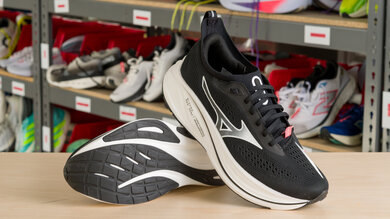
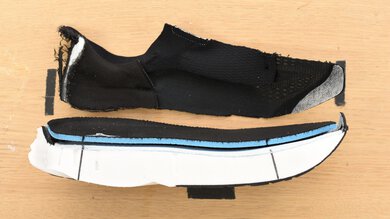
The Mizuno Neo Zen 2 is a high-stack daily trainer built mainly for easy miles and recovery runs. It combines a lightweight build, a knit upper with a padded heel collar, and a nitrogen-infused EVA midsole that delivers a very protective and controlled ride. Compared with the original Mizuno Neo Zen, though, the midsole change strips away much of the playfulness and bounce that made that first version so exciting, turning the second version into a drearily more conventional shoe that feels far less distinctive, while also adding noticeable weight to the shoe. The wider platform of more predictable EVA foam does make it feel more stable, but it also ends up feeling duller underfoot and less protective over longer distances. That said, the revised upper will appeal to runners who didn't like the sock-like upper of the first iteration.
Our Verdict
The Mizuno Neo Zen 2 is a mediocre option for marathon racing, and it isn't really designed for that purpose. Its high stack and great underfoot protection help preserve your legs, while its fairly stable platform is reassuring once fatigue starts to set in. However, the ride feels too dull to be an effective racing shoe, as the midsole gives back very little energy, and there's no plate to add extra snap. It makes more sense as a cushioned trainer than as something to race seriously in.
Great underfoot cushioning.
Quite lightweight for a trainer.
Very low energy return.
No plate.
The Mizuno Neo Zen 2 is a poor choice for 5K and 10K racing, as the shoe still lacks the quick rebound and aggressive toe-off needed for short, fast efforts. The low-energy midsole and unplated build leave it feeling dull when trying to accelerate, and it simply doesn't have the lively character most runners want for these distances. It's much better suited to relaxed training than to fast race-day running.
Quite lightweight for a trainer.
Very low energy return.
No plate.
Not really snappy at toe-off.
Changelog
-
Updated Jul 24, 2026:
We've updated the Popular Comparisons section to add a link to the newly reviewed Mizuno Wave Inspire 22.
-
Updated Jul 21, 2026:
We updated the Popular Running Shoe Comparisons to mention the latest Mizuno releases in the lineup section.
- Updated Apr 08, 2026: Review published.
- Updated Apr 02, 2026: Early access published.
- Updated Mar 18, 2026: Our testers have started testing this product.
- Updated Feb 18, 2026: The product has arrived in our lab, and our testers will start evaluating it soon.
- Updated Feb 03, 2026: We've purchased the product and are waiting for it to arrive in our lab.

We've bought and tested more than 300 running shoes. Every pair purchased with our own money, never supplied or sponsored by brands. Our data-driven tests are designed to go beyond marketing claims, and since every shoe goes through the exact same methodology, you can directly compare results to find the right pair for your needs.
Test Results
Energy Return
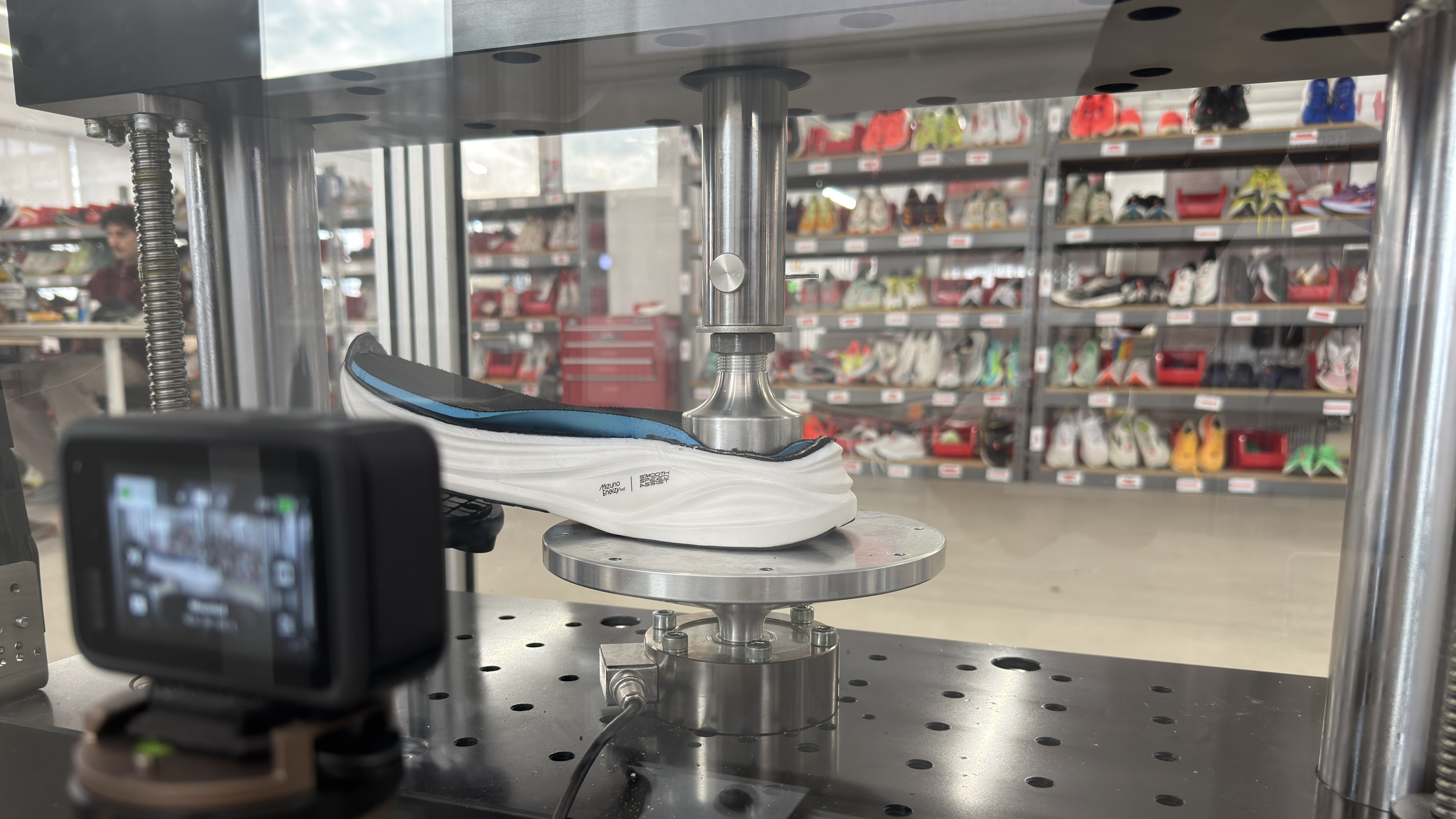
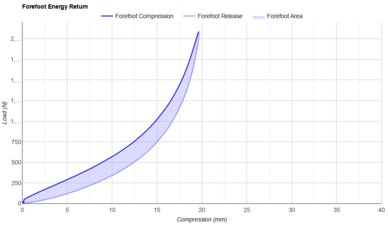
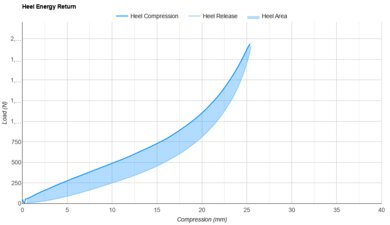
The Mizuno Neo Zen 2 has poor energy return. Instead of feeling springy or dynamic underfoot, its EVA-based midsole comes across as controlled, with very little bounce in either the heel or forefoot. That makes the ride easy to manage, but it also means the shoe doesn't do much to help move you forward, especially when picking up the pace. Runners looking for a lively daily trainer will find it flat and uninspiring.
Very low energy return.
Cushioning
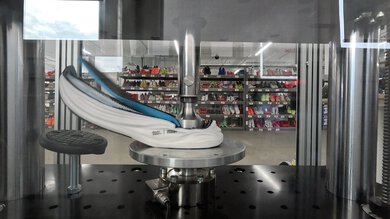
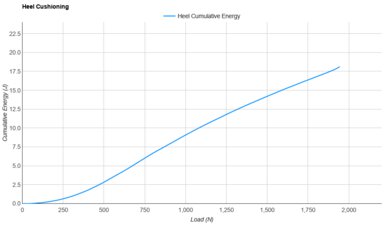
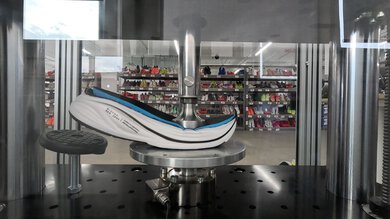
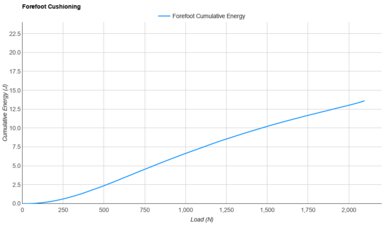
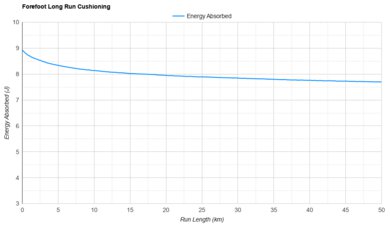
The Mizuno Neo Zen 2 has great cushioning. It offers plenty of impact protection at both the heel and forefoot, which makes it comfortable for easy runs and recovery days. The midsole is sufficiently cushioned for long runs of around 20K, but beyond that, it will feel significantly less protective.
Great underfoot cushioning.
Fairly stable for a high-stack trainer.
Lateral Stability
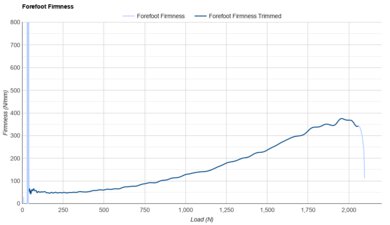
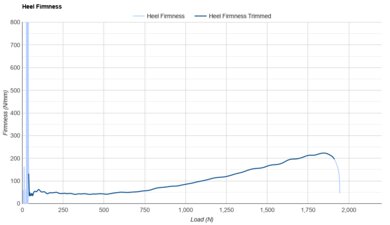
The Mizuno Neo Zen 2 has good lateral stability for a high-stack daily trainer. Its wide platform, especially through the heel and midfoot, helps it feel planted and keeps side-to-side movement in check fairly well, while the relatively firm forefoot also adds some extra steadiness. That makes it a more stable and confidence-inspiring option than many tall, soft daily trainers, particularly on longer runs when form starts to fade. Still, it remains a neutral shoe, so runners who need corrective support may want something with dedicated guidance features.
Wide heel and midfoot base.
No plate.
True To Size
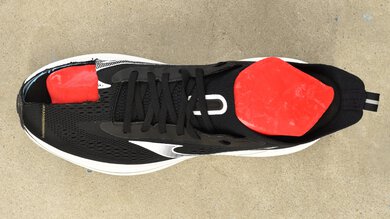
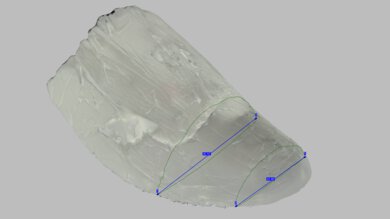
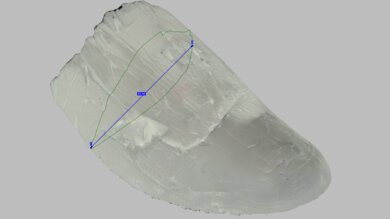
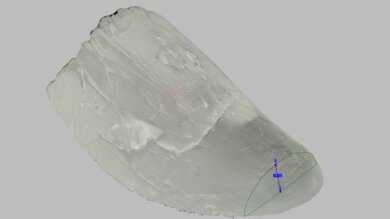
The Mizuno Neo Zen 2 fits well overall and is true to size in length, so most runners should be fine going with their usual size. The redesigned upper is also quite accommodating at the arch. However, the forefoot is a bit snug, and the toe box is notably low, so runners with wide feet or those who prefer more room up front may find it restrictive.
True-to-size length.
Arch fit is fairly accommodating.
Toe-box is a bit snug and low.
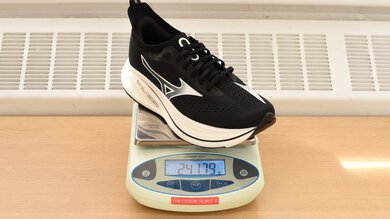
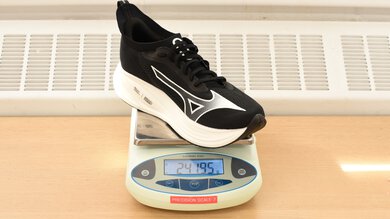
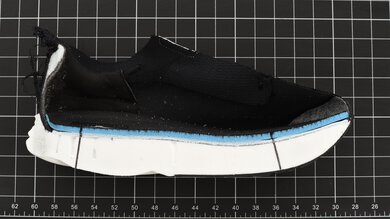
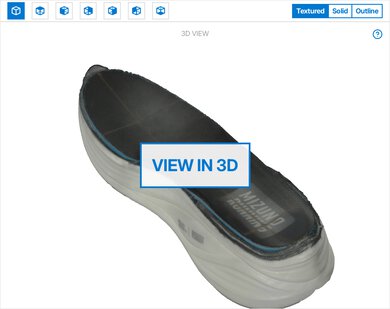
Popular Running Shoe Comparisons
The Mizuno Neo Zen 2 is a high-stack daily trainer built for easy miles and steady cruising. With the switch to a more predictable EVA-based midsole and a wider, more controlled platform, it loses so much bounce and personality that it no longer really fits in the same class as the more playful modern trainers. Therefore, runners looking for that kind of lively daily shoe are better off with the original Mizuno Neo Zen (which can still be found discounted now that this version is out) or with something like the ASICS NOVABLAST 5, whose midsole feels noticeably bouncier and more engaging. The Neo Zen 2 now feels most at home beside taller cruisers that prioritize cushioning and smoothness over excitement, such as the Brooks Glycerin Max 2, making it a better match for runners who want a calm, protected, relatively stable ride.
If what you really want from Mizuno is a true recovery cruiser with even more cushioning and a more overt max-cushion identity, the Mizuno Neo Vista 3 makes more sense. Or if you need a dedicated support shoe from the brand, the Mizuno Wave Inspire 22 is the shoe to get.
For additional options, check out our recommendations for the best running shoes, the best long-distance running shoes, and the best shoes for running a marathon.
The Mizuno Neo Zen 2 and Mizuno Neo Zen are two versions of the same model, and while both midsoles carry the Enerzy NXT branding, they aren't made from the same material. The original Neo Zen is the more exciting and more distinctive of the two, built around a supercritical TPU version of Mizuno Enerzy NXT that helps give it a bouncy, cushioned, lightweight ride. While the ride can be a bit chaotic, it definitely makes daily miles feel less monotonous. The Neo Zen 2 moves to a nitrogen-infused EVA-based Enerzy NXT foam, which tones that personality down in exchange for a more stable and controlled ride, helped further by a wider platform. It is still lightweight, but not quite as light-feeling or as wild underfoot as the original. The upper also changes meaningfully: the first Neo Zen uses a more sock-like knit upper, while the Neo Zen 2 shifts to a more conventional mesh construction layered over that knit-based concept, giving it a bit more structure, but it's not quite as roomy in the toe box.
The Mizuno Neo Zen 2 and Mizuno Neo Vista 2 serve different roles within Mizuno's lineup. The Neo Zen 2 is the more conventional trainer, offering plenty of cushioning but not to the same degree as the Vista, and it feels more stable overall as a result. It also fits closer to true to size and feels lighter on foot, which helps it work better as an everyday option for standard daily mileage. The Neo Vista 2 goes much further into protection, with a higher stack, a much more cushioned ride, and a plated design. It's a better option overall for long runs. The trade-off is that the Neo Vista 2 feels roomier and a bit too long in fit.
The Mizuno Neo Zen 2 and Mizuno Neo Vista 3 serve different roles within a rotation. Get the Neo Zen 2 if you want a lighter, simpler, and more conventional daily trainer for shorter everyday runs. It's cushioned without feeling overly plush, so it sits lower and feels more stable underfoot. Choose the Neo Vista 3 if you regularly run long distances or often start runs on tired legs, such as during a brick workout after the bike. It offers much more cushioning, but it's heavier, taller, and less stable.
The Mizuno Neo Zen 2 and Brooks Glycerin Max 2 are both protective shoes for daily miles, and they have the same heel-to-toe drop, but they feel quite different on foot. The Brooks is the more cushioned option, with a higher stack and a softer, more comfort-first ride, but it also feels heavier and less stable, and its upper is more conventional. The Mizuno is lighter (which makes it feel more nimble) and more stable.
Differences Between Sizes And Variants
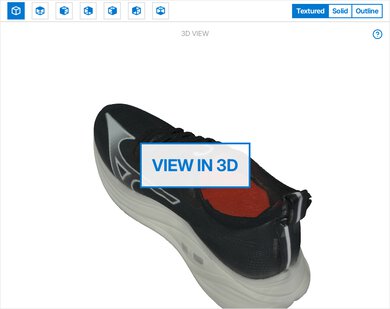
We tested the Mizuno Neo Zen 2 in men's U.S. size 9, as indicated on the label of our unit. The specific colorway shown here is Black/White. This model is available in some additional colorways, including White/Dazzling Blue, Estate Blue/White, and White/Ultramarine. Wide versions are not currently offered. Most of the test results below are valid for all variants, though the design section applies only to the model we tested. We expect other sizes and gender variants to perform similarly.