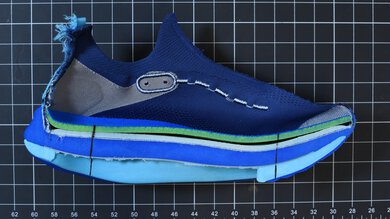
The Mizuno Neo Vista delivers a mega-cushioned, enjoyable experience for daily sessions. Featuring a knit upper and a dual layer of soft EVA foam separated by a nylon plate, this shoe offers a comfy feel meant for recovery runs and those in between training days. The inclusion of a nylon plate to stabilize the soft foam and an aggressive rocker profile position this shoe in the max-cushioned super trainer category.
Our Verdict
The Mizuno Neo Vista makes for quite a good option for marathon racing. It provides excellent cushioning and very good lateral stability, which is beneficial for long runs where comfort and foot protection matter. However, it suffers from mediocre energy return and an average weight profile, which could limit efficiency over extended distances, making it less ideal for competitive marathoners looking for optimal responsiveness and speed.
Great cushioning for long distance.
Decent stability.
Full nylon plate adds stiffness.
Heavy.
For shorter races such as 5K and 10K, the Mizuno Neo Vista isn't the best. Despite the shoe's plate design adding stiffness, the disappointing energy return and relatively soft foam hold back its ability to deliver explosive speed, potentially limiting runners seeking a more aggressive, fast-paced racing experience.
Full nylon plate adds stiffness.
Heavy.
Changelog
- Updated Jun 17, 2026: We've converted this review to Test Bench 0.12, which fixes how we measure firmness, a component of the Stability and 5K/10K Racing usages. There may be inconsistencies between the text and the scores for these usages, but the scores should still be considered valid. We've also brought back the Energy Return score and added two new usages: Daily Training and Long Run. To read more about the changes, see the changelog.
-
Updated May 12, 2026:
We've updated this review to align the text in the Responsiveness usage box with Test Bench 0.11, and added text to the True to Size box as well.
- Updated May 05, 2026: We've converted this review to Test Bench 0.11, adding two new rocker measurements to the Design section, and three new responsiveness tests to the Performance section. The Energy Return usage score has been replaced with Responsiveness. Check out the details in our changelog.
- Updated Apr 29, 2026: We've converted this review to Test Bench 0.10, adding a new set of fit tests to the Design section and an overall fit performance usage. Check out the details in our changelog.
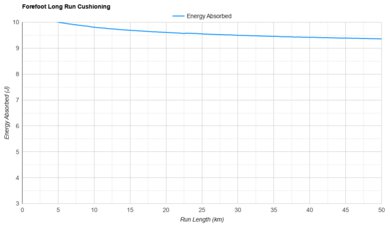
- Updated Apr 13, 2026: We've converted this review to Test Bench 0.9, which adds a Forefoot Long Run Cushioning test to our performance section. Read more in our changelog.
-
Updated Oct 24, 2025:
We updated the Energy Return, Cushioning, Marathon Racing, 5K/10K Racing, Forefoot Cushioning, and Forefoot Energy Return boxes to align with the latest test bench, refreshed the Popular Running Shoe Comparisons section, and revised the side-by-side comparisons to keep the review accurate.
- Updated Oct 20, 2025: We've converted this review to Test Bench 0.8.2, which updates our methodology for the impact force range used in our compression tests to improve their accuracy. This also affects all usage and performance usage boxes using those compression tests as score components.
-
Updated Jul 30, 2025:
We revised the phrasing in the side-by-side comparison with the Brooks Glycerin Max to ensure it remains accurate with the new test bench.
- Updated Jul 30, 2025: We've converted this review to Test Bench 0.8.1, which mainly updates the score components for the Marathon Racing and Lateral Stability usage boxes to improve accuracy.
- Updated Apr 02, 2025: Converted to Test Bench 0.8.
- Updated Apr 02, 2025: Review published.

We've bought and tested more than 250 running shoes. Every pair purchased with our own money, never supplied or sponsored by brands. Our data-driven tests are designed to go beyond marketing claims, and since every shoe goes through the exact same methodology, you can directly compare results to find the right pair for your needs.
Test Results
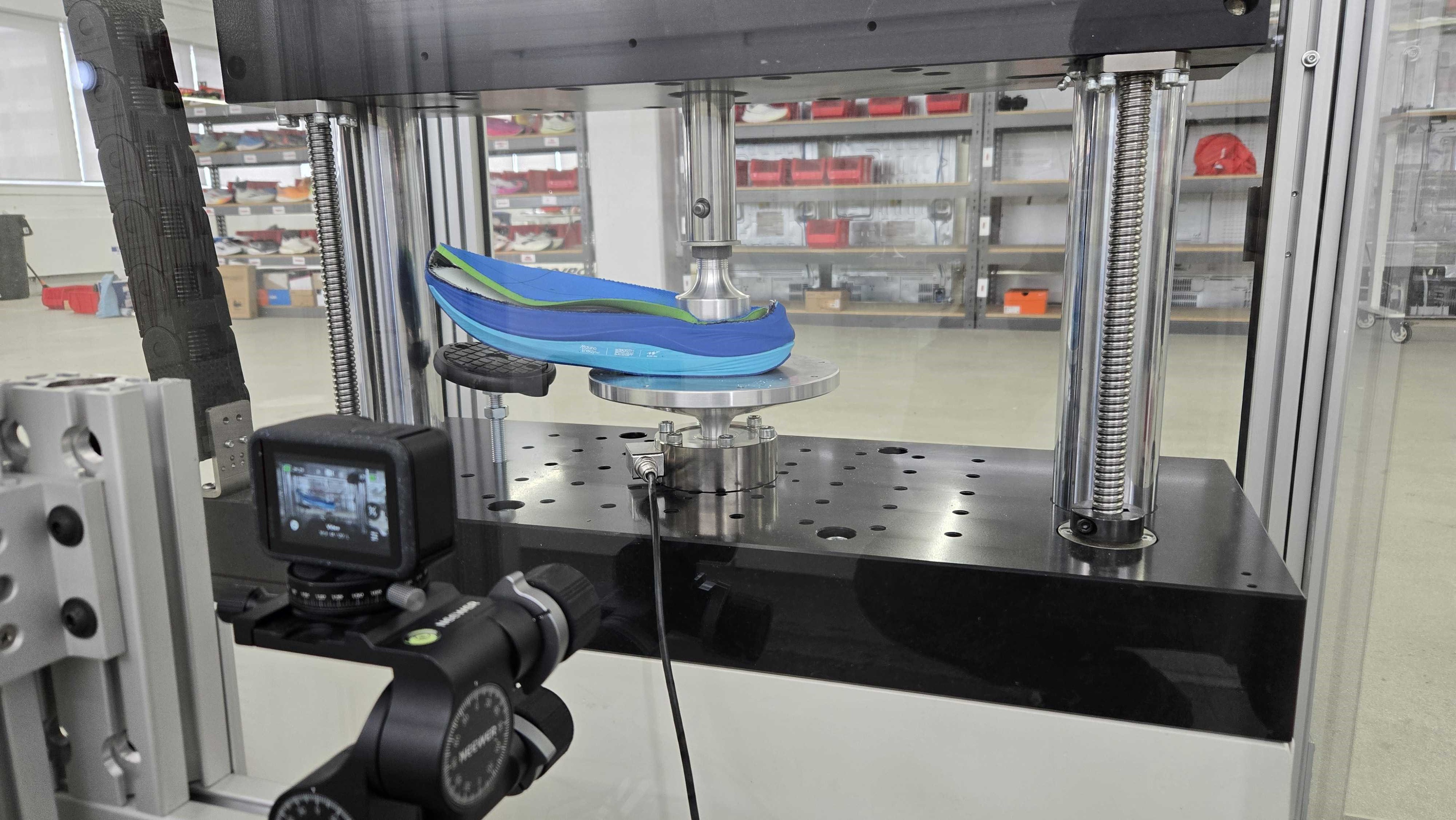
Energy Return
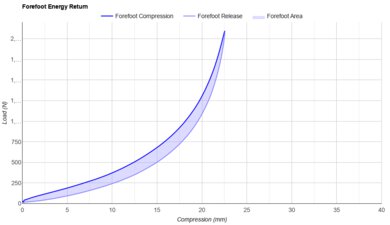
The forefoot energy return is not the best, resulting in a dull, sluggish feel during push-offs. Its low responsiveness limits the shoe's performance for runners who seek explosive strides and energetic propulsion, making it a poor option for speed workouts or competitive racing situations.
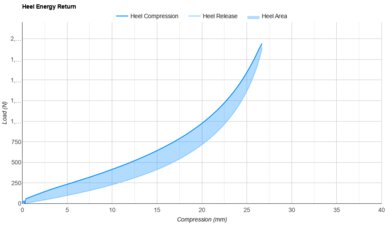
The heel energy return in the Mizuno Neo Vista is inadequate, delivering only limited responsiveness upon impact. This moderate performance means the shoe won't provide a notably springy or energetic sensation in the heel area, which may disappoint runners who prefer a more lively and responsive ride.
Stability
Lateral stability is decent in the Mizuno Neo Vista, thanks to its super wide base, ensuring a remarkably stable platform. Although the foam is notably soft, creating more lateral movements, the overall stability is solid enough to support runners effectively, especially when maintaining efficient form becomes challenging.
Full nylon plate adds stiffness.
Very wide base.
Stack height means you're high off the ground.
Foam is overly soft, especially in the heel.
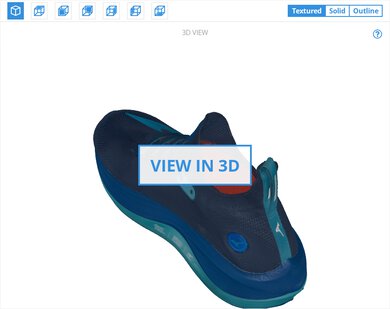
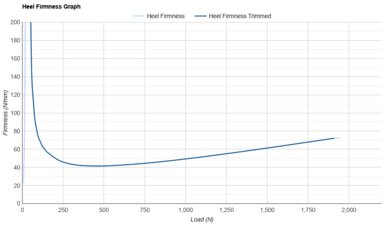
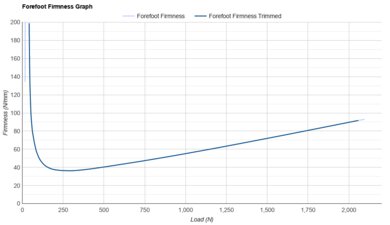
The heel of the Mizuno Neo Vista is overly soft. This can significantly detract from stability at higher impacts. While the plush cushioning might enhance comfort, the compromised firmness diminishes stability during intense runs, making the shoe less effective for runners needing solid support for consistent foot placement.
Cushioning
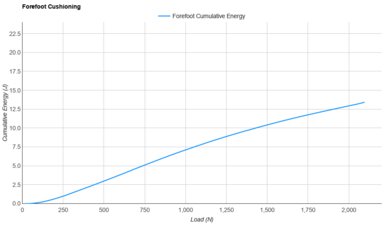
The Mizuno Neo Vista impresses with amazing cushioning. Both heel and forefoot cushioning are great, providing plush and consistent protection. This significantly reduces fatigue, making it a particularly good option for daily mileage where foot protection and recovery matter most.
Amazing cushioning.
Ultra-high stack makes for a protective midsole.
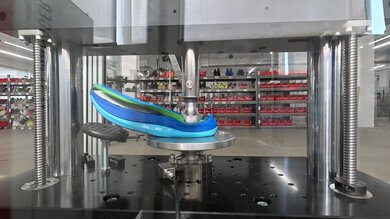
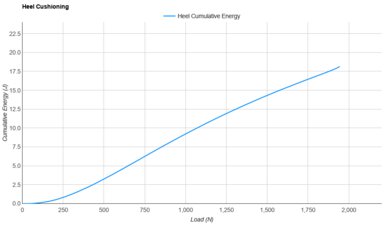
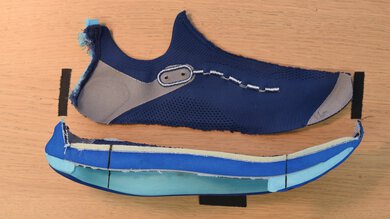
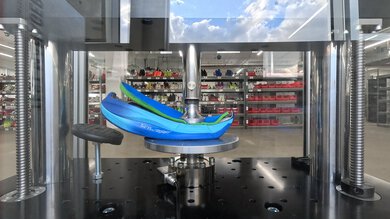
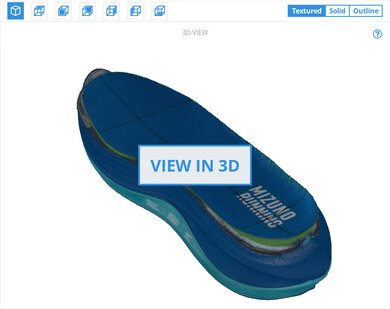
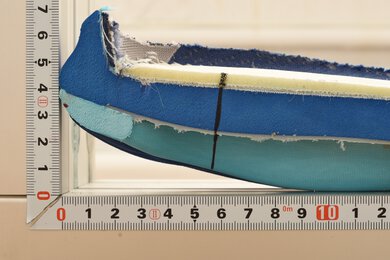
The heel cushioning is amazing, delivering a notably plush sensation underfoot. However, the unique underfoot design, characterized by a large cutout in the middle of the outsole, can create a slightly suction-cup-like feel upon impact. The foam compresses effectively, which runners who favor maximal cushioning will greatly appreciate. However, this plushness might feel overly cushioned for those seeking a more balanced experience.
Responsiveness
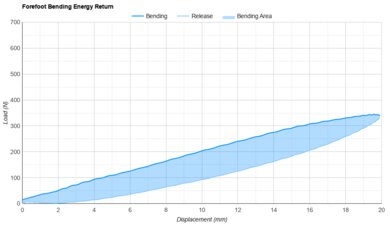
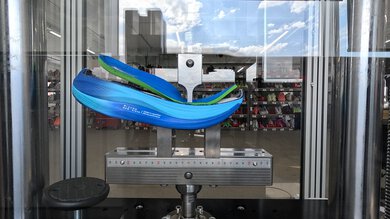
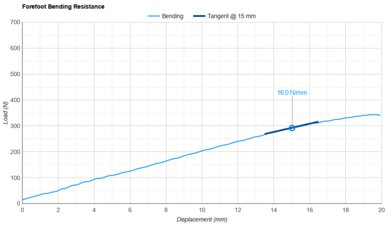
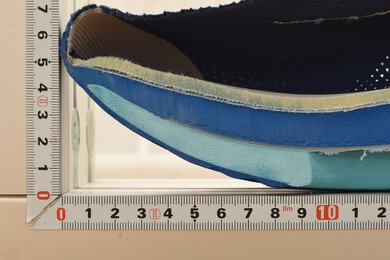
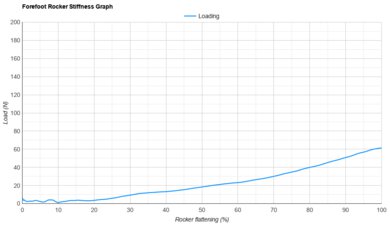
The Mizuno Neo Vista has mediocre responsiveness, making it less suitable for runners who want a springy, propulsive ride. Its forefoot stiffness and rocker geometry give it some structure through toe-off, but the low forefoot and heel compression energy return keep the ride from feeling especially lively. The low forefoot bending energy return also limits snap when you pick up the pace, so the shoe works better for steady runs than faster efforts.
Energy return is lacking.
True To Size
The Mizuno Neo Vista fits true to size overall, though the fit has some clear limitations. The length runs a bit short, but the arch and forefoot width are both accommodating enough for most runners. The main issue is the low toe box, which could feel restrictive if you have taller toes or prefer more vertical space up front.
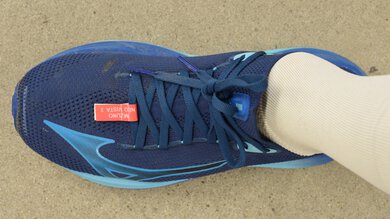
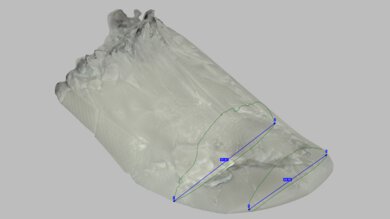
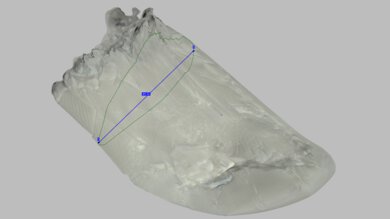
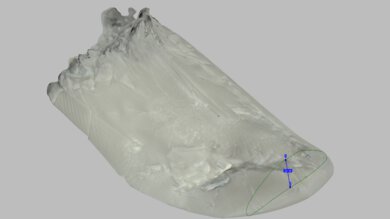
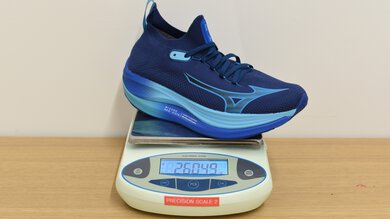
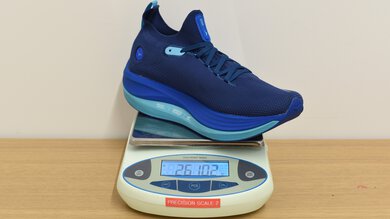
The Mizuno Neo Vista leans towards the heavier side. It isn't notably lightweight, meaning competitive runners might find it less ideal where speed and agility matter most. That said, it's way lighter than similar plated max-cushioned options like the HOKA Skyward X. For daily training or slower-paced runs, its moderate weight won't pose significant drawbacks, but for serious racing scenarios, this shoe falls short of being notably efficient.
Popular Running Shoe Comparisons
The Mizuno Neo Vista is a standout super trainer, prioritizing cushioning over responsiveness or weight. Its distinctive combination of a high stack height and a plastic plate gives it some versatility for different types of runs, but it truly shines during easy sessions. Some super trainers like the HOKA Mach X 2 offer superior cushioning, while still being more versatile for faster workouts due to a more responsive midsole and lighter build. Runners seeking plushness without the distinct suction cup and plated feel of the Neo Vista might still prefer dedicated max-cushioned options like the Brooks Glycerin Max.
Within Mizuno's own lineup, the Mizuno Neo Zen offers almost as much cushioning, but it's more responsive and significantly lighter. The Zen is a newer, better version of the Neo Vista. Ultimately, the Neo Vista is still a good choice for runners who value comfort for their recovery sessions.
For more options, check out our recommendations for the best running shoes to find the perfect pair.
The Mizuno Neo Vista and the Mizuno Neo Zen may look similar at first glance, but they deliver very different experiences underfoot. The Neo Vista includes Mizuno's signature Wave Plate, which adds some structure but ultimately makes the ride feel sluggish and out of place for a shoe trying to act like a super trainer. Its large midsole cutout also gives it a somewhat suction cup-like feel. In contrast, the Neo Zen removes the plate entirely, allowing the soft foam to move more freely and deliver a significantly more natural ride while still preserving most of the cushioning. It's also notably lighter, which helps it feel more nimble and efficient on foot. While both are well-suited for easy or recovery runs, the Neo Zen improves on nearly every aspect, making it a smoother and more refined option for daily mileage.
The Mizuno Neo Vista 2 is the sequel to the original Mizuno Neo Vista, but the second iteration brings a different take to the table. The original Neo Vista pitches itself as a plated super trainer, but it struggled to deliver the necessary pop and snappiness to justify that positioning. The ride feels more adapted to recovery runs than anything. The Neo Vista 2 embraces what the first version hinted at but didn't fully commit to. It increases stack height noticeably and updates the midsole foam, which shifts the experience toward max-cushion recovery territory. The ride is more cohesive, and the Neo Vista 2 feels more cushioned and better defined in purpose. However, it introduces fit issues that weren't present in the first version—running longer and feeling sloppier around the heel due to a more high-volume upper and longer base.
The Saucony Endorphin Speed 4 and the Mizuno Neo Vista are both plated trainers but excel in different areas. The Saucony is a lighter, more responsive super trainer, better suited for picking up the pace and racing shorter distances, making it a great option for workouts, intervals, or even competitive events. The Mizuno, on the other hand, is a plated premium trainer that provides a more cushioned, comfortable experience with greater protection, which is ideal for runners seeking plushness on recovery runs.
The HOKA Mach X 2 and the Mizuno Neo Vista are both versatile, plastic-plated trainers designed to blend cushioning and performance, but each has distinct strengths. The Mach X 2 stands out as a super trainer for being even more cushioned, lighter, and more responsive, giving it greater versatility across various workouts and paces—from daily runs to faster efforts. The Neo Vista, while heavier and less energetic, still excels as a protective, comfortable option, particularly suited for recovery miles where leg preservation is key, putting it more in the plated premium trainer category.
The Brooks Glycerin Max and the Mizuno Neo Vista are both highly cushioned, high-stack premium trainers, but they cater to slightly different needs. The Neo Vista offers a noticeably more cushioned and bouncy ride, though not the most responsive compared to some plated options. In contrast, the Glycerin Max focuses uniquely on comfort, delivering plush cushioning that's ideal for easy-paced or recovery runs.
Differences Between Sizes And Variants
We tested the Mizuno Neo Vista in men's US size 9, as indicated on the label. The color featured here is Estate Blue/River Blue. This model is also available in Plein Air/River Blue, Citadel/Bay, and Nimbys Cloud/Vintage Indigo. Wide versions are not offered for this shoe.