The Saucony Endorphin Speed 4 is a versatile super trainer meant to perform across various paces. It features a PEBA-based midsole and a winged nylon plate and is intended to deliver an energized feel suited for tempo runs and longer distances. With an updated upper and heel structure, the shoe feels secure while keeping the ride smooth and light. However, it may not be ideal for runners seeking a softer, more cushioned experience at slower paces.
Our Verdict
The Saucony Endorphin Speed 4 combines energetic foam with a nylon plate, delivering good responsiveness, which is a quality that works well for marathon racing. However, it's not the plushest option, so it will feel harsh over longer distances, and its weight slightly limits its ability to compete with top-tier marathon shoes.
Premium foam delivers high energy return.
Very stable.
On the heavier side.
Lacking underfoot protection for longer distances.
The Saucony Endorphin Speed 4 is a strong, agile performer, good for shorter race distances. Its firm forefoot translates into swift, powerful toe-offs, allowing competitive runners to push the pace confidently during shorter races. The responsiveness from the midsole and plastic plate means runners can rely on it for speed, making it a good option for achieving personal bests at 5K and 10K events. However, it's on the heavier side, which can negatively impair running economy.
Premium foam delivers high energy return.
Nylon plate adds stiffness.
On the heavier side.
Changelog
- Updated Jun 17, 2026: We've converted this review to Test Bench 0.12, which fixes how we measure firmness, a component of the Stability and 5K/10K Racing usages. There may be inconsistencies between the text and the scores for these usages, but the scores should still be considered valid. We've also brought back the Energy Return score and added two new usages: Daily Training and Long Run. To read more about the changes, see the changelog.
-
Updated May 12, 2026:
We've updated this review to add text for the new Responsiveness usage box and the True To Size box, and updated the language in the Marathon Racing and 5/10K Racing boxes. We also updated phrasing in some side-by-side comparisons for consistency.
- Updated May 05, 2026: We've converted this review to Test Bench 0.11, adding two new rocker measurements to the Design section, and three new responsiveness tests to the Performance section. The Energy Return usage score has been replaced with Responsiveness. Check out the details in our changelog.
- Updated Apr 29, 2026: We've converted this review to Test Bench 0.10, adding a new set of fit tests to the Design section and an overall fit performance usage. Check out the details in our changelog.
- Updated Apr 13, 2026: We've converted this review to Test Bench 0.9, which adds a Forefoot Long Run Cushioning test to our performance section. Read more in our changelog.
-
Updated Oct 21, 2025:
We've adjusted this review's writing to align with the new test bench, including updates to all usage scores and test boxes for Cushioning, Firmness, and Energy Return. We've updated the side-by-side comparisons with other shoes accordingly.
- Updated Oct 20, 2025: We've converted this review to Test Bench 0.8.2, which updates our methodology for the impact force range used in our compression tests to improve their accuracy. This also affects all usage and performance usage boxes using those compression tests as score components.
-
Updated Aug 04, 2025:
We updated the Cushioning, Forefoot Cushioning and Marathon Racing boxes to ensure the text remains in line with the latest test bench scores, especially regarding the amount of protection of the shoe.
- Updated Aug 01, 2025: We've converted this review to Test Bench 0.8.1, which mainly updates the score components for the Marathon Racing and Lateral Stability usage boxes to improve accuracy.
-
Updated Jun 06, 2025:
We added a comparison to the adidas Adizero Boston 13 in the Heel Firmness box.
- Updated Apr 02, 2025: Converted to Test Bench 0.8.
- Updated Apr 02, 2025: Review published.
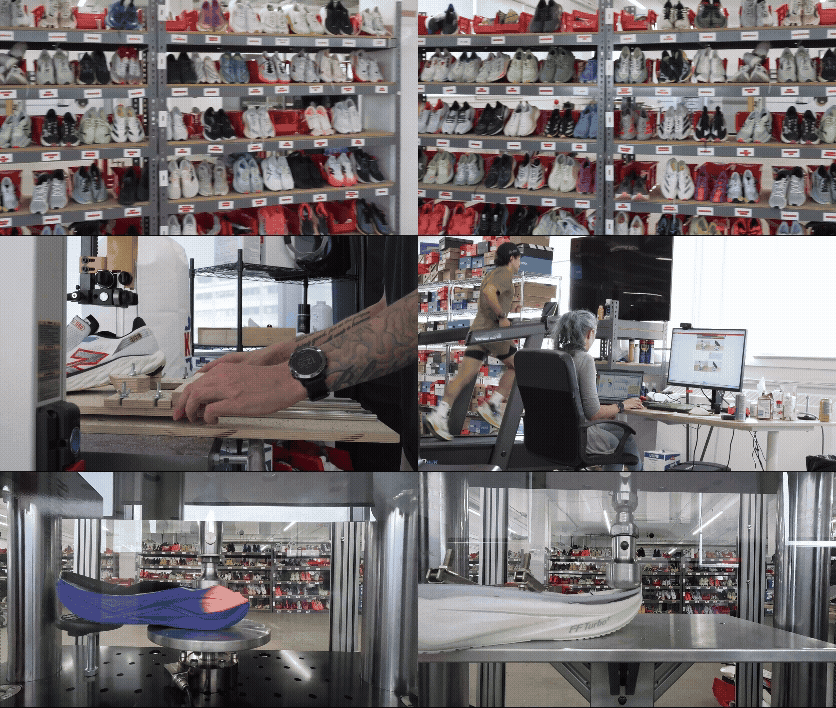
We've bought and tested more than 250 running shoes. Every pair purchased with our own money, never supplied or sponsored by brands. Our data-driven tests are designed to go beyond marketing claims, and since every shoe goes through the exact same methodology, you can directly compare results to find the right pair for your needs.
Test Results
Energy Return

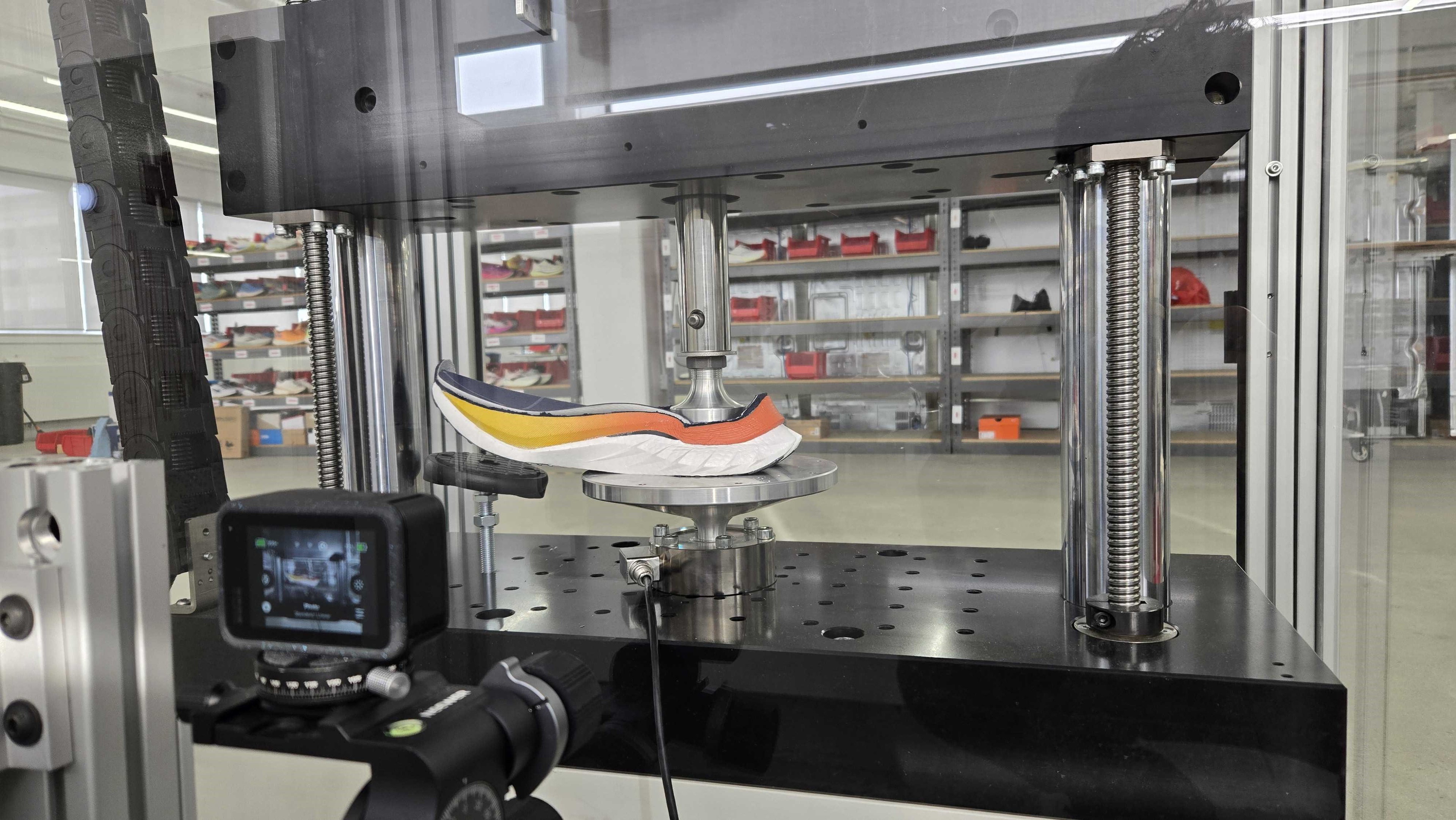
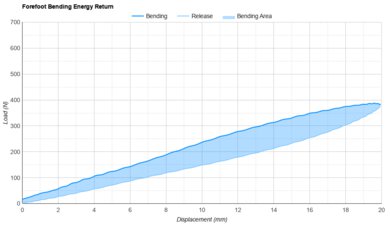
With an even higher energy return than the heel, the forefoot of the Saucony Endorphin Speed 4 is built for bounciness. When pushing off, runners will feel the foam compress and bounce back efficiently, making toe-offs snappy. It's especially useful in faster-paced efforts where maximizing every stride's output is key.

Stability
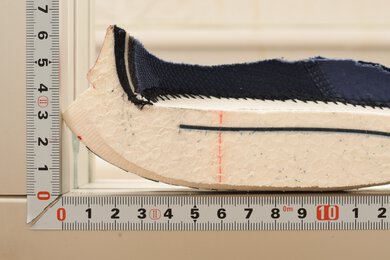
The Saucony Endorphin Speed 4 has very good lateral stability, providing runners with solid and reliable support for maintaining confident strides even during longer runs. The heel width and secure tongue construction significantly contribute to its stable feel, allowing runners to maintain consistent performance as fatigue sets in.
Nylon plate adds stiffness.
Fully-gusseted tongue.
Quite high stack.

The heel leans toward the firm side, offering a stable landing platform that prevents excessive sink-in. While this helps with stability, runners seeking a plush, soft heel might find it a bit rigid compared to other shoes like the Mizuno Neo Vista, especially at lower forces. But compared to a super trainer like the adidas Adizero Boston 13, it's quite a bit softer, offering a good balance in this area.

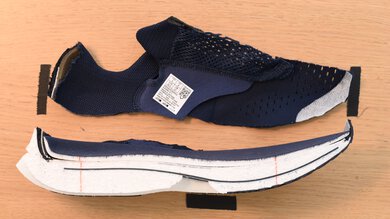
Cushioning
The Saucony Endorphin Speed 4's cushioning is alright. The midsole isn't ideal for those who desire maximum comfort or frequently tackle extended distances. While it doesn't compromise the shoe's overall usability for speed-focused sessions, runners expecting a plush or soft ride will find it insufficient for longer, high-impact runs.
Lacking underfoot protection for longer distances.
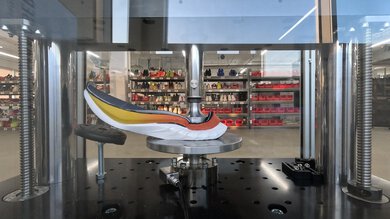

This super trainer's heel provides a moderate level of impact absorption. It's not very plush, yet it still protects heel strikers from each strike. However, the cushioning is lacking compared to some max-cushioned super trainers like the HOKA Mach X 2, particularly for those seeking a pillow-soft landing.
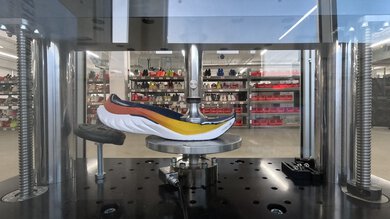

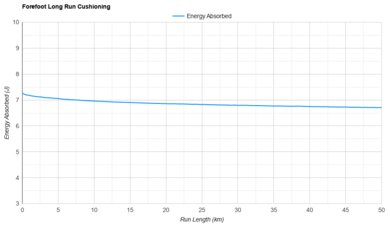
Up front, the cushioning is less substantial than in the heel and doesn't really provide sufficient protection. The forefoot retains enough give to be usable for shorter speed sessions, but runners looking for a squishy ride should look towards another option like the HOKA Mach X 2.
Responsiveness
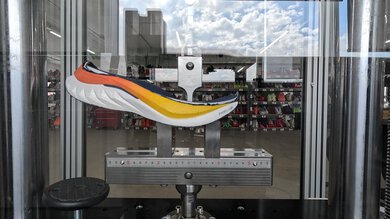
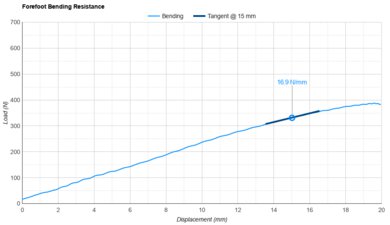
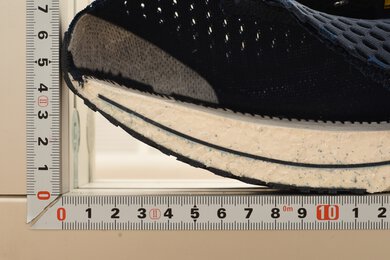
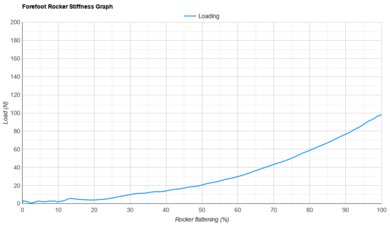
The Saucony Endorphin Speed 4 has good responsiveness, with a lively forefoot and enough stiffness from its nylon plate to create a snappy toe-off. Its forefoot compression energy return is especially strong, giving the shoe a bouncy feel when you load the front of the platform. The rocker geometry is less aggressive, so the ride doesn't roll forward as forcefully as some plated trainers, but the rocker stiffness and strong heel rebound help keep transitions controlled and energetic across a range of paces.
Premium foam delivers high energy return.
True To Size
The Saucony Endorphin Speed 4 has excellent sizing, and most runners can stick to their normal size. The length is true to size, with plenty of room through the arch and enough forefoot width for most feet. The toe box has slightly less vertical space, so runners with taller toes may notice some pressure up front, but the overall fit is very close to standard.
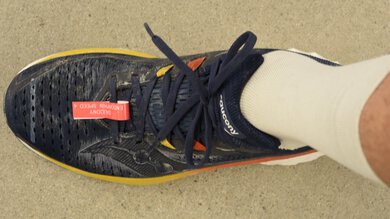
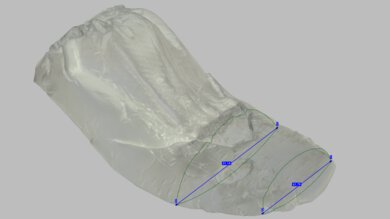
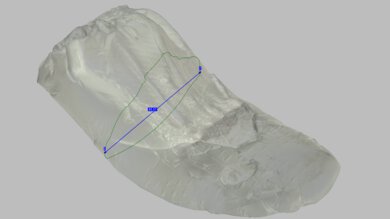
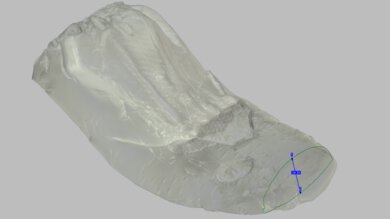
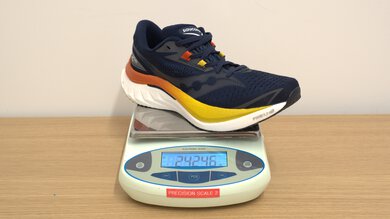
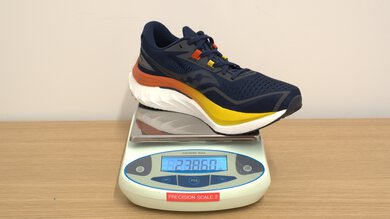
The Saucony Endorphin Speed 4 isn't the lightest in its category, but it's relatively lightweight compared to running shoes overall. While some super trainers, like the adidas Adizero Evo SL, shave off a bit more weight, this model won't weigh you down too much.
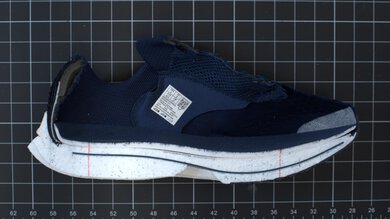
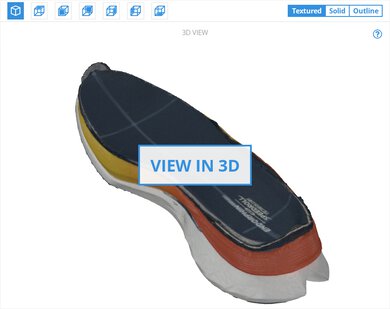
Popular Running Shoe Comparisons
The Saucony Endorphin Speed 4 stands out among versatile super trainers due to its combination of responsiveness and stability across different paces. This shoe is ideal for interval workouts and even short-to-medium distance racing. While its performance-oriented midsole is energetic, those seeking maximum cushioning and plushness for extended runs might prefer models like the HOKA Mach X 2 or the ASICS SUPERBLAST 2.
Within Saucony's lineup, this shoe sits comfortably above daily trainers such as the Saucony Triumph 22, yet it remains below the carbon-plated, race-focused Saucony Endorphin Pro 4 and the more aggressive Saucony Endorphin Elite 2, designed for peak race-day performance.
Check out our recommendations for the best running shoes to find more options.
The ASICS SUPERBLAST 2 and the Saucony Endorphin Speed 4 are both versatile trainers but cater to slightly different priorities. The ASICS is an unplated, uptempo premium trainer that emphasizes maximum cushioning and provides a stable, plush ride, making it especially appealing for longer runs. The Saucony, however, is a super trainer that prioritizes a more energetic and responsive experience, featuring a bouncy midsole and a nylon plate, making it better suited for shorter races and faster workouts. While both shoes handle versatility well, the ASICS excels in comfort and protection. In contrast, the Saucony is the preferred option if you want a snappier shoe that can comfortably pick up the pace for faster efforts like intervals or tempo runs.
The Saucony Endorphin Speed 5 and Saucony Endorphin Speed 4 may look similar on paper, but they differ meaningfully. The Speed 5 is slightly softer than its predecessor, but not dramatically so, especially in the forefoot, which remains relatively stiff when toeing off. That's partly due to the new geometry: the Speed 5 has a slightly lower stack and higher drop, so it feels a bit more traditional than in the Speed 4. One notable update is the removal of the pronounced heel flare, which now allows for smoother heel landings and transitions. The Speed 5 also fits differently. It has more room through the forefoot and a wider platform, making it more comfortable for wider-footed runners or those prioritizing step-in comfort. However, the looser fit may feel less locked-in for those seeking a snug performance feel during fast sessions.
The Saucony Endorphin Speed 4 and the PUMA Deviate NITRO 3 are both plated super trainers, but they offer different rides. The PUMA is a higher-stack shoe, with a steeper heel-to-toe drop and more absorbent heel cushioning, making it a better fit for heel strikers. The Saucony, on the other hand, is notably lighter and more responsive, making it more efficient for speedwork despite using a nylon plate rather than a carbon fiber plate like the PUMA.
The Nike Zoom Fly 6 and the Saucony Endorphin Speed 4 are both positioned as super trainers, designed to bridge the gap between daily trainers and race-day shoes. The Nike features a higher stack and full-length carbon plate, paired with a thin ZoomX top layer over firmer SR-02 foam, delivering a rockered, stable ride with decent cushioning. In contrast, the Saucony uses a plastic plate and PWRRUN PB foam, resulting in a ride that feels more energetic and responsive, but also less protective, especially under the heel. While both shoes can handle steady runs, up-tempo workouts, and occasional racing, the Saucony is lighter, bouncier, and better suited for runners who want a livelier, more grounded underfoot feel.
The Saucony Endorphin Speed 4 and adidas Adizero Boston 13 are both versatile, plated trainers that can handle everything from steady daily miles to faster workouts, but they lean into slightly different strengths. The Saucony is lighter and more energetic, featuring a softer, more cushioned heel and a more bouncy feel. Its plastic plate is a bit less stiff than the adidas' ENERGYRODS. The Boston 13, on the other hand, is built for those who prefer a firmer feel in the heel and a more connected ride overall. It's also slightly heavier than the Saucony, so overall, the Saucony is the better performer in most use cases, while the Boston 13 offers a classic, workhorse feel that's great for runners who want a firmer, more grounded ride during tempo efforts.
While they're both plated trainers, the Saucony Endorphin Speed 4 is better overall than the Brooks Hyperion Max 2. The Saucony is notably lighter and more responsive thanks to its PEBA-based midsole, making it a bit more versatile and more efficient at faster paces.
The Saucony Endorphin Speed 4 and the HOKA Mach X 2 are both versatile super trainers, but each excels in different scenarios. The Saucony is lighter and more stable and offers a snappier, more responsive feel. In contrast, the HOKA is more heavily cushioned and plush. While both shoes are versatile enough for training and some racing, the Saucony shines brightest in shorter events, whereas the HOKA is the preferred option for those prioritizing cushioning and comfort over extended distances.
The Saucony Triumph 22 and the Saucony Endorphin Speed 4 come from the same brand but serve different purposes within a runner's rotation. The Endorphin Speed 4 is a super trainer featuring a plastic plate, which enhances stability and provides significantly more energy return. This makes it well-suited for faster-paced training and racing. The Triumph 22, in contrast, offers more cushioning, providing greater comfort for daily mileage and recovery runs. That said, the Endorphin Speed 4 is a more premium model aimed at more performance-oriented runners.
The Saucony Endorphin Speed 4 and the adidas Adizero Boston 12 are both versatile, stable daily trainers, but differ notably in feel and cushioning. The Saucony provides more cushioning, a softer midsole, and better responsiveness, making it smoother for faster workouts or races. It's also lighter than the adidas, making it a more versatile partner for daily runs.
The Saucony Endorphin Speed 4 and the Mizuno Neo Vista are both plated trainers but excel in different areas. The Saucony is a lighter, more responsive super trainer, better suited for picking up the pace and racing shorter distances, making it a great option for workouts, intervals, or even competitive events. The Mizuno, on the other hand, is a plated premium trainer that provides a more cushioned, comfortable experience with greater protection, which is ideal for runners seeking plushness on recovery runs.
Differences Between Sizes And Variants
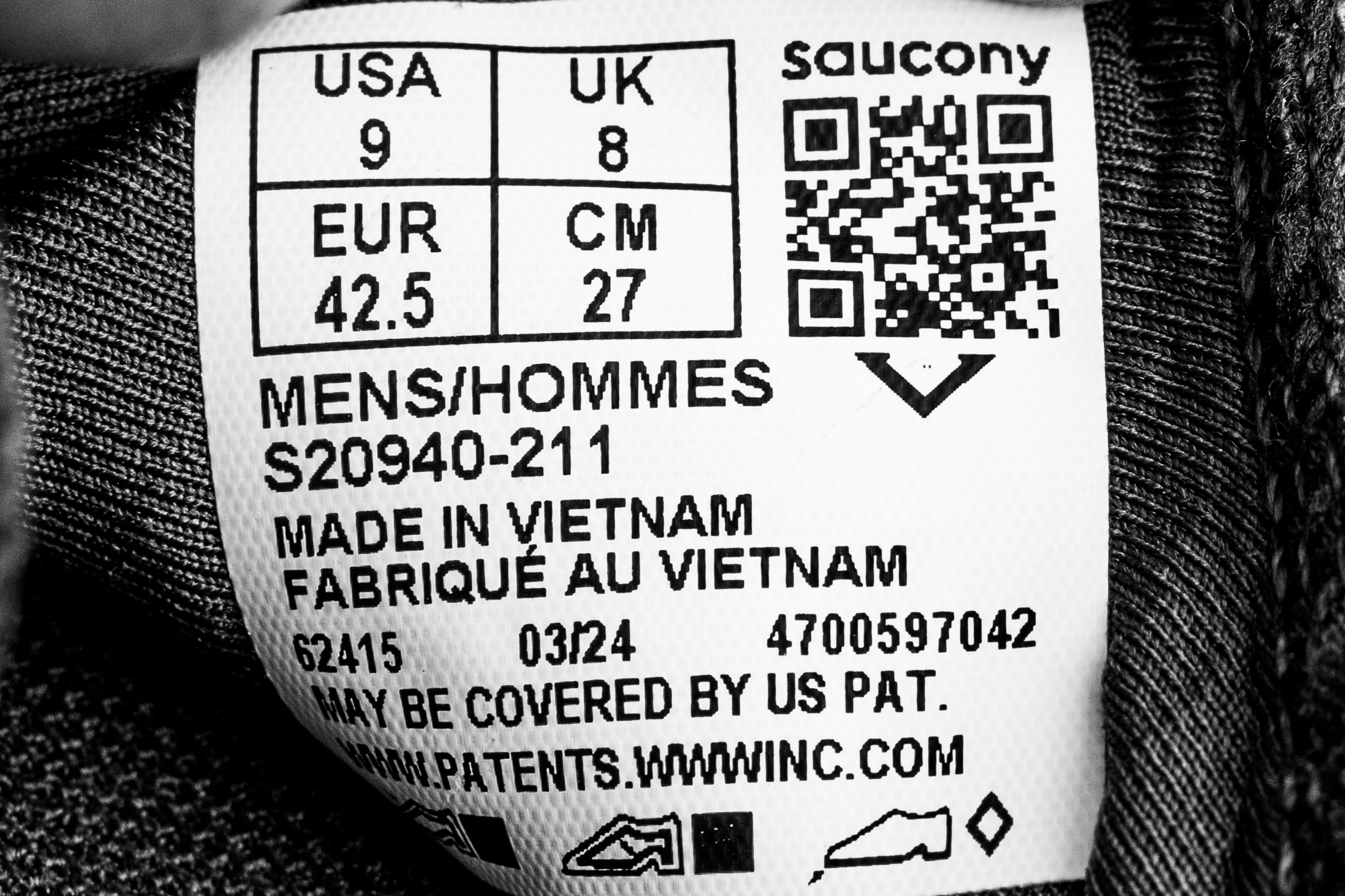
We tested the Saucony Endorphin Speed 4 in men's US size 9, as indicated on the label. The color shown here is Navy | Spice, and the shoe is available in several other colorways, including Black, Verdant | White, ViziBlue | Navy, ViZiOrange, and Moon | Plum. Additionally, there's a special edition created in partnership with Black Girls Run X Saucony, featuring a Black | Pink colorway and including a commemorative box, drawstring bag, and keychain. Wide versions are not available for this model.