
The Saucony Endorphin Pro 4 is a high-performance running shoe engineered for race day that also works well for faster workouts. Equipped with a dual-layer midsole and a full-length carbon fiber plate, it promises a lively, smooth ride that feels efficient and quick on the road. The spacious and breathable upper adds comfort for longer runs, while the well-covered outsole feels durable.
Our Verdict
The Saucony Endorphin Pro 4 is a great choice for marathons, offering a balanced combination of low weight, great energy return, and decent cushioning. It also has good lateral stability, which is rare for a super shoe, making it a good option for longer distances when form starts to break down. However, the foam's firmness can make it feel a bit harsh on the feet after a while.
Good racing option for heel strikers.
Balanced bounciness.
Accommodating fit through arch.
Not the most protective for longer distances.
The Saucony Endorphin Pro 4 is great for shorter-distance racing. Its impressive forefoot firmness and lighter weight provide a responsive and efficient running experience. The great energy return is also a significant contributor, making it a preferred choice for these distances where speed is king.
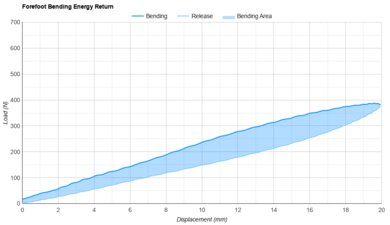
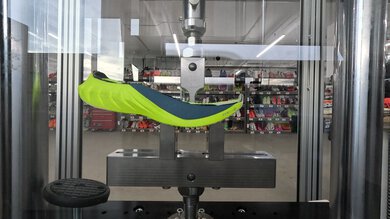
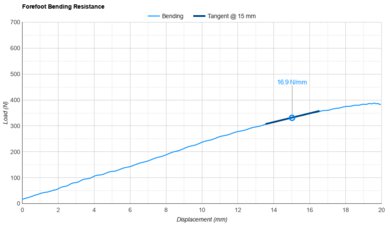
Firm forefoot foam.
Good racing option for heel strikers.
Accommodating fit through arch.
Accommodating fit through arch.
Accommodating fit through arch.
Changelog
- Updated Jun 17, 2026: We've converted this review to Test Bench 0.12, which fixes how we measure firmness, a component of the Stability and 5K/10K Racing usages. There may be inconsistencies between the text and the scores for these usages, but the scores should still be considered valid. We've also brought back the Energy Return score and added two new usages: Daily Training and Long Run. To read more about the changes, see the changelog.
-
Updated Jun 09, 2026:
We modified the writing due to the new test bench. We've updated the Responsiveness box text to reflect the new scores and added text to the True to Size box.
- Updated May 26, 2026: We've converted this review to Test Bench 0.11, adding two new rocker measurements to the Design section, and three new responsiveness tests to the Performance section. The Energy Return usage score has been replaced with Responsiveness. Check out the details in our changelog.
- Updated Mar 25, 2026: We've converted this review to Test Bench 0.10, adding a new set of fit tests to the Design section and an overall fit performance usage. Check out the details in our changelog.
- Updated Nov 20, 2025: We've converted this review to Test Bench 0.9, which adds a Forefoot Long Run Cushioning test to our performance section. Read more in our changelog.
-
Updated Oct 20, 2025:
We've adjusted this review's writing to align with the new test bench, including updates to all usage scores, and test boxes for Cushioning, Firmness, and Energy Return. We've updated the side-by-side comparisons with other shoes accordingly.
- Updated Oct 20, 2025: We've converted this review to Test Bench 0.8.2, which updates our methodology for the impact force range used in our compression tests to improve their accuracy. This also affects all usage and performance usage boxes using those compression tests as score components.
-
Updated Aug 11, 2025:
We updated the Compared To Other Running Shoes box with the inclusion of the Saucony Endorphin Speed 5.
-
Updated Jul 30, 2025:
We revised the phrasing in the Lateral Stability, Cushioning, Marathon Racing, and Heel Cushioning box, as well as in the side-by-side comparison with the Nike Vaporfly 3 to reflect the changes of the latest test bench.
- Updated Jul 30, 2025: We've converted this review to Test Bench 0.8.1, which mainly updates the score components for the Marathon Racing and Lateral Stability usage boxes to improve accuracy.
-
Updated May 28, 2025:
We added a mention of the Diadora Gara Carbon 2 in the Compared To Other Running Shoes box.
-
Updated Apr 23, 2025:
We updated the comparison in the Weight box with the latest Vaporfly iteration, the Nike Vaporfly 4.
-
Updated Apr 09, 2025:
We added a comparison with the adidas Adizero Adios Pro 4 in the Compared To Other Running Shoes section.
- Updated Apr 02, 2025: Converted to Test Bench 0.8.
- Updated Apr 02, 2025: Review published.
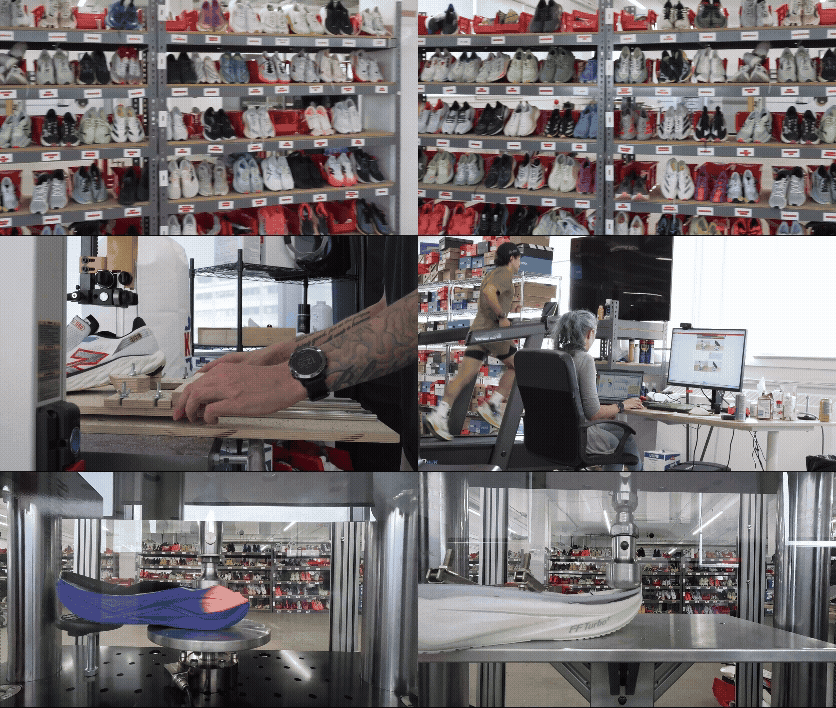
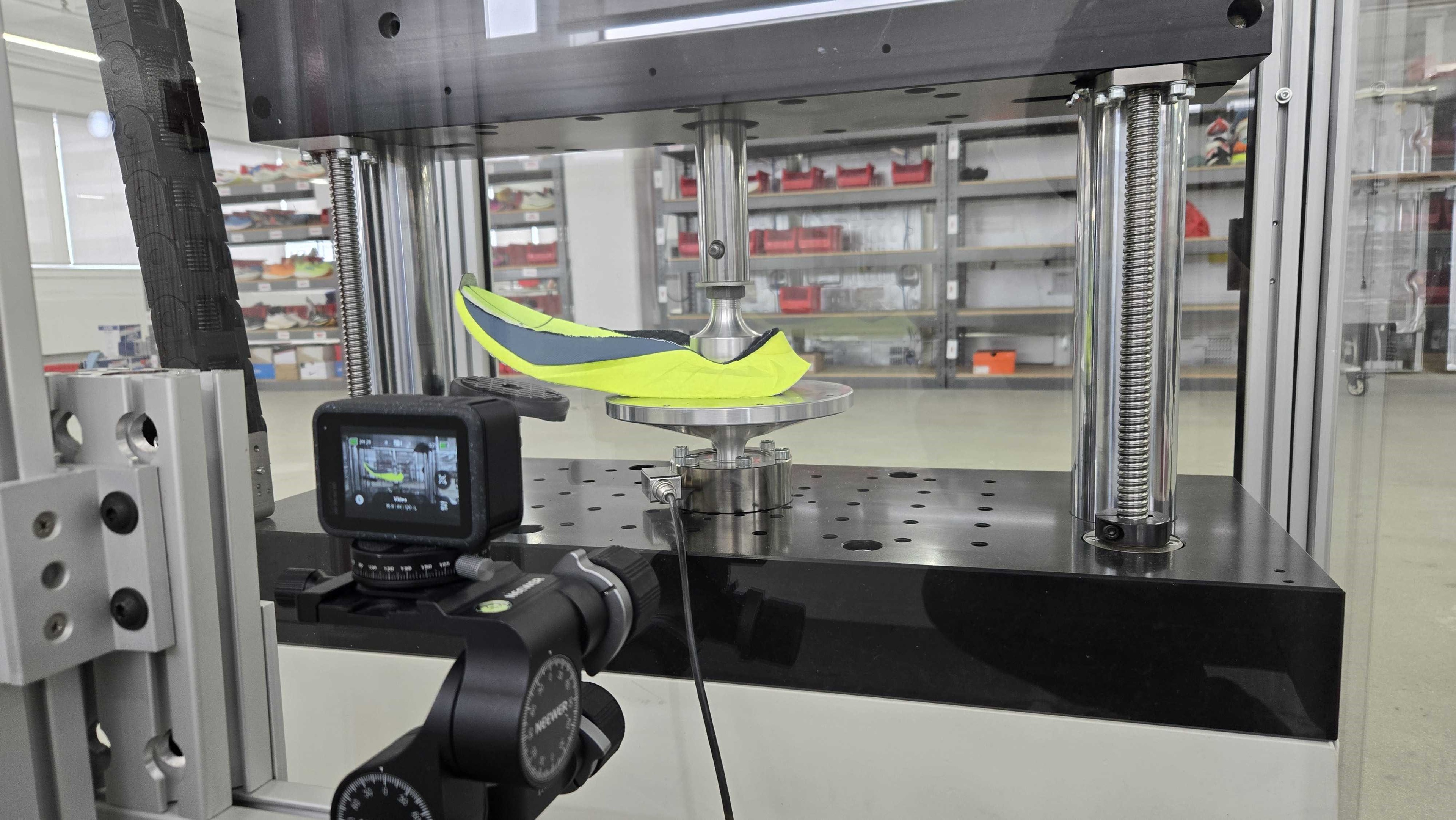
We've bought and tested more than 250 running shoes. Every pair purchased with our own money, never supplied or sponsored by brands. Our data-driven tests are designed to go beyond marketing claims, and since every shoe goes through the exact same methodology, you can directly compare results to find the right pair for your needs.
Test Results
Energy Return
Accommodating fit through arch.
Stability
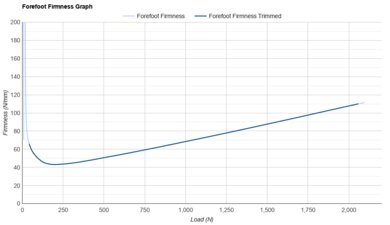
The Saucony Endorphin Pro 4 provides good lateral stability, particularly due to its wide base and very firm forefoot foam. This is beneficial for maintaining balance and efficiency, especially during longer runs. However, the high stack height makes you feel quite high off the ground, which can affect stability. That said, it has good stability for a super shoe, without significantly compromising other aspects.
Firm forefoot foam.
Wide and quite firm base.
Accommodating fit through arch.
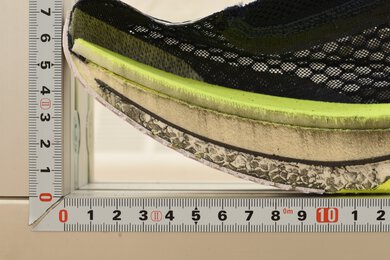
High stack.
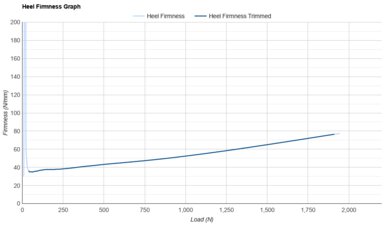
The heel feels firm enough to provide adequate stability and support during runs. However, when higher forces are applied, such as when picking up the pace, the heel starts to feel softer compared to other shoes like the Nike Vaporfly 3.
Cushioning
The cushioning is well distributed between the heel and forefoot of the Saucony Endorphin Pro 4, providing a satisfactory level of protection underfoot overall. This ensures a comfortable ride without compromising too much on responsiveness and weight.
Accommodating fit through arch.
Not the most protective for longer distances.
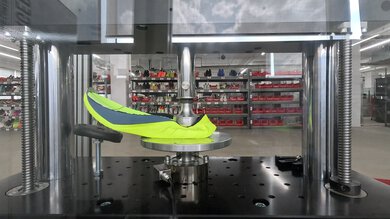
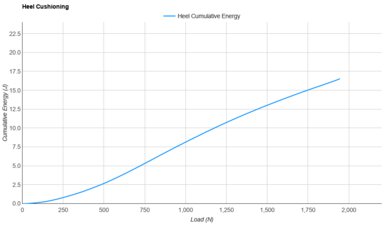
The heel cushioning provides a decent level of protection underfoot, but it's not the most cushioned option available. As the miles add up, you may start to feel the impact from the ground more.
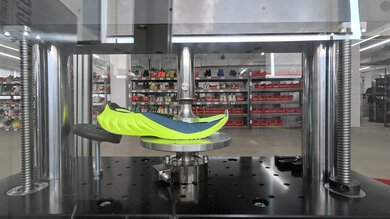
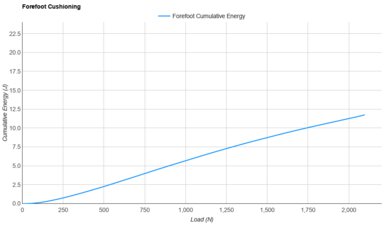
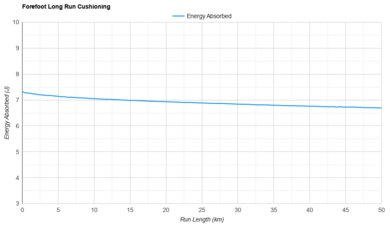
The forefoot cushioning is satisfactory, ensuring a balanced level of comfort for the runner. However, some other super shoes, such as the On Cloudboom Strike, offer significantly more cushioning in the forefoot.
Responsiveness
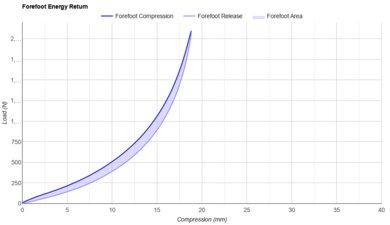
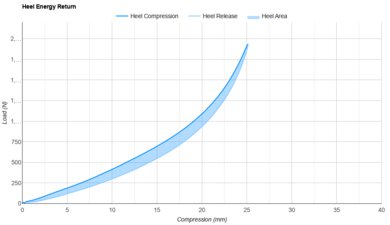
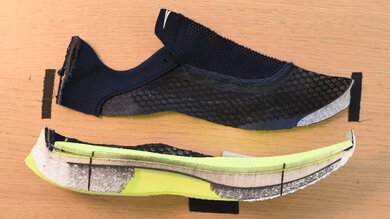
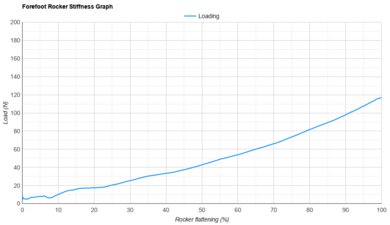
The Saucony Endorphin Pro 4 offers impressive responsiveness. The dual-layer PEBA-based foam offers great energy return, feeling just as bouncy for heel strikers as for forefoot strikers. The carbon plate helps the midsole rocker hold its shape under load, contributing to consistent forward roll and snappy toe-offs. The Endorphin Pro 4 is responsive enough to handle both faster training sessions and races.
Balanced bounciness.
Dual-layer PEBA foam.
Carbon plate adds snap at toe-off.
Accommodating fit through arch.
True To Size
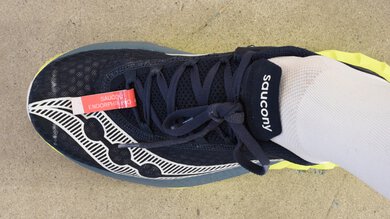
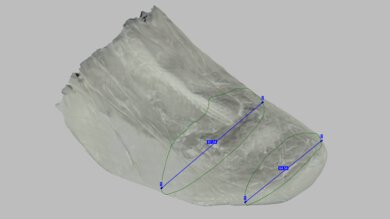
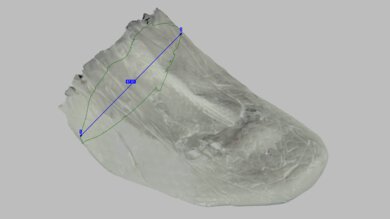
The Saucony Endorphin Pro 4 has a slightly snug but accommodating fit that is very close to true to size. The length is spot on, and most runners can comfortably buy their normal size.
Length is true to size.
Accommodating fit through arch.
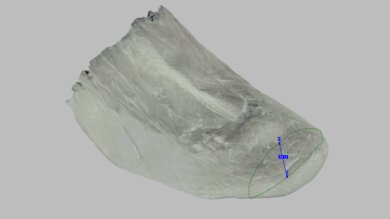
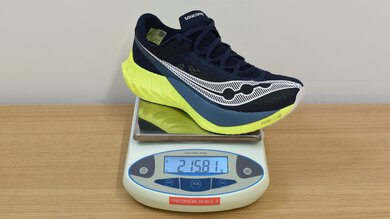
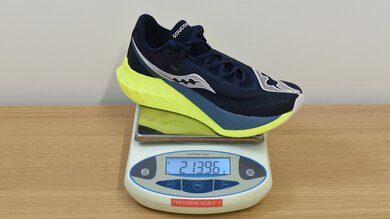
This shoe is lightweight, making it quite efficient and suitable for various racing distances. However, some other super shoes, such as the Nike Vaporfly 4, are way lighter.
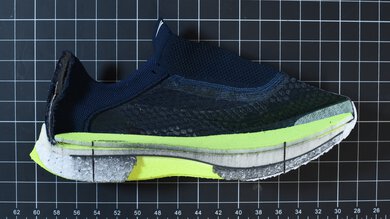
Popular Running Shoe Comparisons
The Saucony Endorphin Pro 4 is a well-balanced super shoe that blends speed, cushioning, and stability more seamlessly than many of its competitors. While it's great as a racing shoe, it leans toward the firmer side and isn't the most cushioned option, making it particularly well-suited for shorter distances like 5Ks and 10Ks. That said, it's still a capable marathon option, though not as specialized for long distances as some other super shoes like the Nike Alphafly 3 and the adidas Adizero Adios Pro 4.
This feature combination positions it among shoes in the unofficial 'hyper trainer' category—primarily built for racing but versatile enough to handle track intervals and even uptempo workouts without feeling overly aggressive. If you're searching for another super shoe with good stability but with a softer feel, take a look at the Diadora Gara Carbon 2.
Within Saucony's lineup, the Endorphin Pro 4 sits above the Saucony Triumph 22, a max-cushioned daily trainer, and the Saucony Endorphin Speed 5, a super trainer with a PEBA midsole and nylon plate designed for a mix of training and faster efforts. However, it sits below the Saucony Endorphin Elite 2, Saucony's top-tier, most aggressive racing shoe, which is built purely for absolute performance.
For more options, check out our recommendations for the best running shoes to find the perfect pair.
The Saucony Endorphin Speed 5 and Saucony Endorphin Pro 4 may share a family, but they serve different purposes within the Endorphin lineup. The Pro 4 is a race-day super shoe built for peak performance with a carbon plate, a higher stack height, and a more propulsive, energetic ride. It's noticeably lighter and more aggressive, with a snug, performance-oriented fit optimized for race conditions. The Speed 5, by contrast, is a plated super trainer. It's slightly lower to the ground and uses a nylon plate instead of carbon, offering more flexibility. The fit is also roomier, making it more comfortable and accommodating for runners who don't want an ultra-tight upper. If you're chasing a personal best and want maximum efficiency on race day, the Endorphin Pro 4 is the clear choice. But for runners who prefer something more approachable that can double for uptempo workouts and racing, the Speed 5 remains a solid alternative with a gentler feel and broader fit.
The Saucony Endorphin Pro 4 and ASICS MEGABLAST both sit in the high-stack performance space, but they serve different roles. The Endorphin Pro 4 is a plated racing shoe that is lighter, snappier, and tuned for speed, making it a great choice for workouts and race day. The MEGABLAST, while unplated, has an even higher stack height and manages to feel impressively bouncy for a training shoe, though not quite as snappy as the Saucony. It is far more protective and forgiving, with cushioning that makes it suitable for everyday mileage and long runs. While the Saucony is the sharper tool for races, the ASICS doubles as both a versatile trainer and a potential racing option for amateur runners who prefer durability and comfort over top efficiency.
The Saucony Endorphin Elite 2 and the Saucony Endorphin Pro 4 are both carbon-plated super shoes, but they serve slightly different purposes. The Elite 2 is lighter, softer, and more deeply cushioned, offering a highly energetic ride that excels in the marathon, where protection and efficiency are key. However, its ultra-soft midsole can feel overly mushy for shorter events, lacking the snappiness some runners appreciate. The Endorphin Pro 4, while slightly heavier and firmer, is more stable and versatile; it performs well across a wider range of distances, including shorter races and even track workouts. For runners chasing maximum performance and comfort over long distances, the Elite 2 is the superior tool. But for most, the Pro 4 offers a more practical and well-rounded experience.
The Nike Alphafly 3 and the Saucony Endorphin Pro 4 are both high-performance racing shoes, but they cater to different types of runners and preferences. The Saucony is stiffer in the forefoot, providing a more structured toe-off. It also offers slightly better lateral stability than the Nike, benefiting runners who need extra support during turns. Additionally, its geometry is particularly well-suited for heel strikers. On the other hand, the Nike shoe is lighter while still delivering better cushioning, maximizing efficiency over long distances. While the Saucony is an excellent option for both racing and versatile enough for workouts, the Nike remains hard to beat for those prioritizing raw speed and performance.
The Nike Vaporfly 3 and the Saucony Endorphin Pro 4 are both popular super shoes, but with different ride characteristics. The Endorphin Pro 4 offers better cushioning, especially as force increases, and is significantly more stable, thanks to its wider outsole. The Vaporfly 3 provides a bit more energy return, contributing to its propulsive feel, and is lighter, giving it a more streamlined, race-day-ready feel. The Vaporfly 3 has firmer forefoot foam, which adds to its snappy toe-off compared to the smoother, more controlled ride of the Endorphin Pro 4.
The Saucony Endorphin Pro 4 and the PUMA Deviate NITRO 3 both offer a similar level of cushioning, but they serve slightly different purposes. The Puma is a super trainer with a carbon plate, making it great for high-performance training, while the Saucony is a versatile super shoe primarily built for race day. Despite their similarities in cushioning, the Saucony is the better option for most runners since it is lighter, more stable, and more energetic, providing a snappier, race-ready feel. The Puma, while still capable of fast efforts, leans more toward durability and daily versatility rather than outright speed.
The Nike Vaporfly 4 and the Saucony Endorphin Pro 4 are both carbon-plated super shoes built for race day, but they offer different strengths. The Nike is significantly lighter and geared toward runners prioritizing absolute performance and efficiency, especially over half-marathon distances. The Saucony, while heavier, provides more stability, and it has a firmer forefoot that delivers a snappier toe-off.
The Saucony Endorphin Pro 4 and the adidas Adizero Adios Pro 3 are both high-performance racing shoes, but they cater to slightly different strengths. The adidas offers more cushioning and better energy return in the forefoot, making it feel softer and more efficient. In contrast, the Saucony is noticeably more stable and features a stiffer forefoot, which helps create a dynamic, snappy ride, especially beneficial for shorter races like 5Ks and 10Ks. Additionally, the Saucony is slightly lighter, giving it a more agile feel. Overall, the Saucony is probably the better race-day option for most.
The Saucony Endorphin Pro 5 and Saucony Endorphin Pro 4 are two iterations of the same super shoe, but the newer version clearly doubles down on being an approachable, stable race option without losing its performance edge. The Endorphin Pro 5 sits slightly lower overall, including in the forefoot, and it pairs that with a slightly higher drop and a firmer forefoot feel that makes toe-off feel more controlled and consistent. Also, its cushioning holds up better as the miles add up, even if neither shoe is a standout for maintaining cushioning over very long distances. The Endorphin Pro 4, on the other hand, feels a touch more energetic underfoot and, with its higher stack, offers a bit less ground feel, which some runners might prefer.
The Saucony Endorphin Pro 4 and adidas Adizero Evo SL sit in different categories but share a similarly bouncy midsole character. The Saucony is a true super shoe built for racing, with a full carbon plate and a slightly lighter build that gives it a more race-focused edge. It also feels impressively stable for a super shoe, which helps keep things controlled when you're pushing hard. The adidas is an uptempo trainer with premium features, including a partial plastic shank, and while it's almost as lightweight, it leans more toward versatility. Its midsole feels a bit more absorptive, making it easier to use across a broader range of training. If your goal is peak race-day performance, the Saucony holds the advantage, but if you want a lively, adaptable partner that can handle steady runs without being limited to race day, the adidas makes more sense.
The ASICS METASPEED EDGE PARIS and the Saucony Endorphin Pro 4 are both designed for race-day performance but differ in how they balance responsiveness, weight, and ride feel. The ASICS is significantly lighter, making it the more efficient choice over long distances and helping reduce fatigue late in races. Neither shoe is among the most cushioned super shoes, but the Saucony is noticeably firmer, especially in the forefoot. That firmer toe-off gives it a more dynamic, snappy feel that's appreciated by runners who prefer a sharper response. It also makes the Saucony the more stable option overall. In contrast, the ASICS offers a smoother, slightly softer ride with a more gradual rocker for runners seeking flow and efficiency.
The Saucony Endorphin Pro 4 and Diadora Gara Carbon 2 are two of the more stable super shoes on the market, thanks to their wide underfoot platforms, but they cater to different racing styles. The Endorphin Pro 4 has a more even cushioning profile and is more forgiving in the heel, especially at higher force levels, making it a more appealing option for heel strikers. The Diadora has a softer step-in feel and provides better cushioning at lower force levels, but firms up faster, resulting in a stable ride for all, but a potentially harsher feel at fast paces for larger runners.
The On Cloudboom Strike and Saucony Endorphin Pro 4 are both high-performance racing shoes but excel in different ways. The Saucony is more stable, provides better energy return, and has a stiffer forefoot foam, making it a stronger option for shorter-distance racing where a snappy, responsive ride is key. On the other hand, the On Running is more cushioned and lighter, making it a good choice for runners prioritizing comfort over longer distances while still maintaining race-day efficiency.
The Saucony Endorphin Pro 4 and Mizuno Wave Rebellion Pro 3 are both carbon-plated super shoes, but each caters to different racing scenarios. The Saucony is better suited for shorter distances thanks to its lighter weight and firmer forefoot. It's also surprisingly stable for a super shoe, and its midsole feels more energetic. The Mizuno, while slightly heavier and softer, delivers a more cushioned and protective ride, making it better suited for longer races like marathons, especially for midfoot strikers able to activate the midsole fully.
Differences Between Sizes And Variants
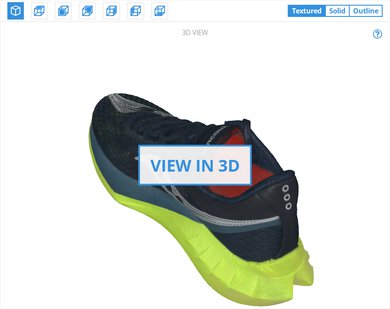
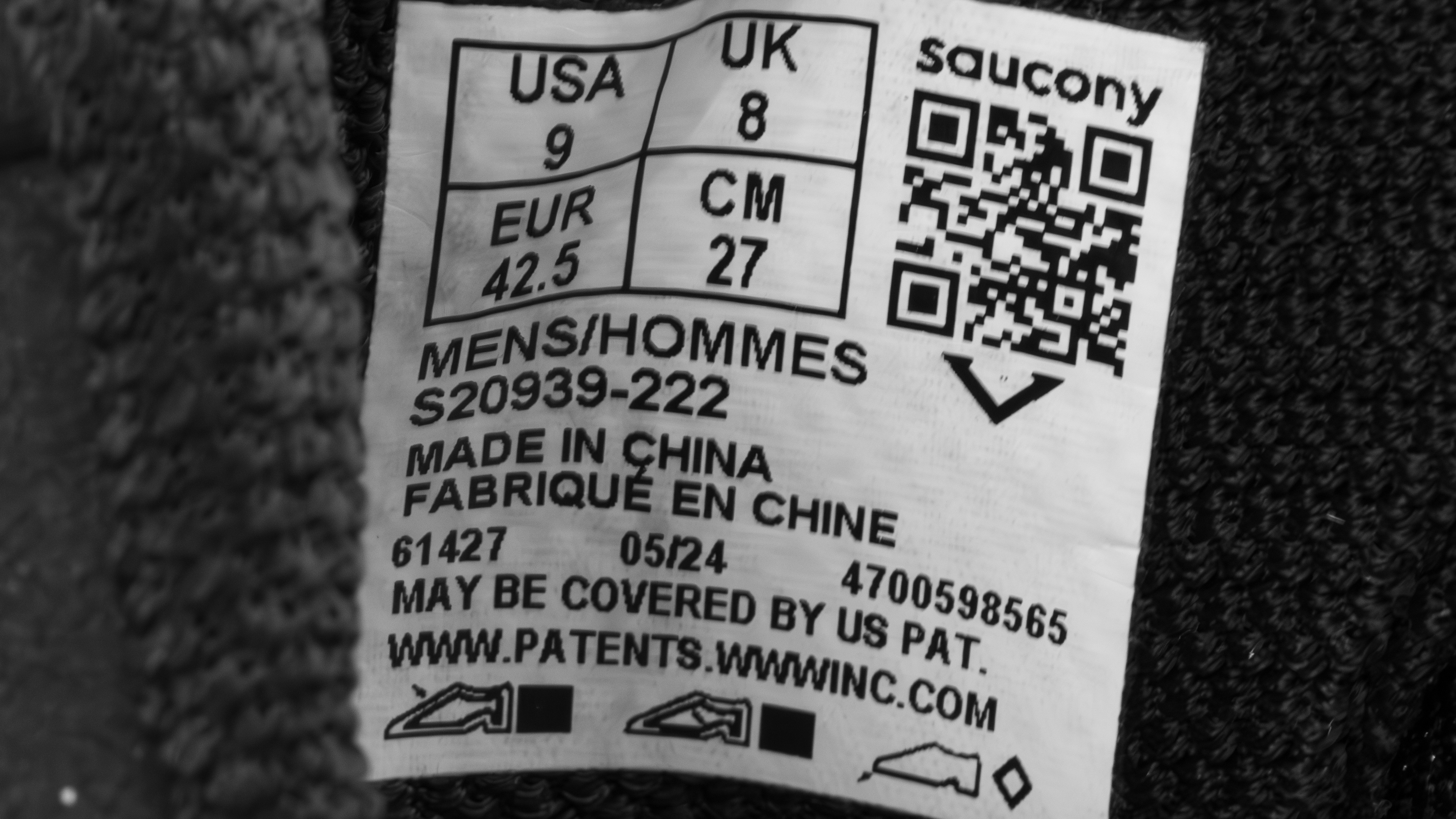
We tested the Saucony Endorphin Pro 4 in men's US size 9, as indicated on the label. The color shown here is Navy/Citron. This model is also available in other colorways, including White/Silver, Black/Electric Aqua, and White/Black.
Wide versions aren't available for this model.