The Diadora Gara Carbon 2 is a premium, carbon-plated road racer that blends Italian flair with approachability. Its dual-layer PEBA-based midsole feels softly cushioned, and the geometry remains friendly and not overly aggressive. That balance makes it an excellent choice for runners who value comfort, craftsmanship, and versatility at marathon pace, while still delivering the performance edge of a plated shoe, making it a reliable and exciting option for a wide range of runners.
Our Verdict
The Diadora Gara Carbon 2 cruises through marathons with a blend of lively rebound and underfoot protection that keeps legs feeling fresher late in the race. The foam-plate combo is very propulsive without the snap of more aggressive super-shoes. Weight is on the higher side for a super shoe, but the shoe never feels clunky, and the broad platform supplies enough stability that you can relax into a steady rhythm. All told, it's a confident pick for runners who prize a smooth, cushioned roll over raw, sparky speed.
Energetic midsole paired with approachable geometry.
Carbon plate.
Stable for a super shoe.
Very bouncy.
A bit heavy for a super shoe.
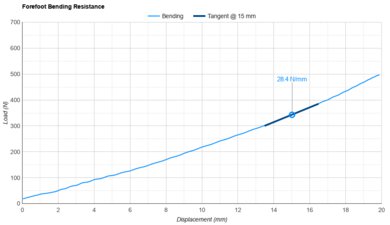
The Diadora Gara Carbon 2 holds its own for short-course racing, but it's more of a smooth cruiser than a pure burner. The carbon plate provides some stiffness, yet the softer forefoot and weight curb that all-out efficiency you get from the 5K specialists. It suits runners who prefer an energetic feel and stable landing when chasing personal bests.
Carbon plate.
Very bouncy.
A bit heavy for a super shoe.
Forefoot isn't the firmest.
Changelog
-
Updated Aug 20, 2026:
We've updated the Popular Comparisons section to include a link to the newly reviewed Diadora Nucleo 2.
- Updated Jun 30, 2026: We've converted this review to Test Bench 0.12, which fixes how we measure firmness, a component of the Stability and 5K/10K Racing usages. There may be inconsistencies between the text and the scores for these usages, but the scores should still be considered valid. We've also brought back the Energy Return score and added two new usages: Daily Training and Long Run. To read more about the changes, see the changelog.
- Updated Jun 30, 2026: We've converted this review to Test Bench 0.11, adding two new rocker measurements to the Design section, and three new responsiveness tests to the Performance section. The Energy Return usage score has been replaced with Responsiveness. Check out the details in our changelog.
- Updated Mar 25, 2026: We've converted this review to Test Bench 0.10, adding a new set of fit tests to the Design section and an overall fit performance usage. Check out the details in our changelog.
- Updated Nov 20, 2025: We've converted this review to Test Bench 0.9, which adds a Forefoot Long Run Cushioning test to our performance section. Read more in our changelog.
-
Updated Oct 24, 2025:
We updated the Pros & Cons, Cushioning, 5K/10K Racing, Heel Energy Return, Heel Cushioning, Forefoot Cushioning, Heel Firmness, Forefoot Firmness, and Forefoot Energy Return boxes to align with the latest test bench and revised the side-by-side comparisons to keep the review accurate.
- Updated Oct 20, 2025: We've converted this review to Test Bench 0.8.2, which updates our methodology for the impact force range used in our compression tests to improve their accuracy. This also affects all usage and performance usage boxes using those compression tests as score components.
-
Updated Jul 30, 2025:
We revised the phrasing in the Lateral Stability and Forefoot Cushioning boxes to reflect the changes in the latest test bench. We also revised the side-by-side comparison with the adidas Adizero Adios Pro 4.
- Updated Jul 30, 2025: We've converted this review to Test Bench 0.8.1, which mainly updates the score components for the Marathon Racing and Lateral Stability usage boxes to improve accuracy.
- Updated May 28, 2025: Review published.
- Updated May 22, 2025: Early access published.
- Updated Apr 24, 2025: Our testers have started testing this product.
- Updated Apr 14, 2025: The product has arrived in our lab, and our testers will start evaluating it soon.
- Updated Apr 02, 2025: We've purchased the product and are waiting for it to arrive in our lab.
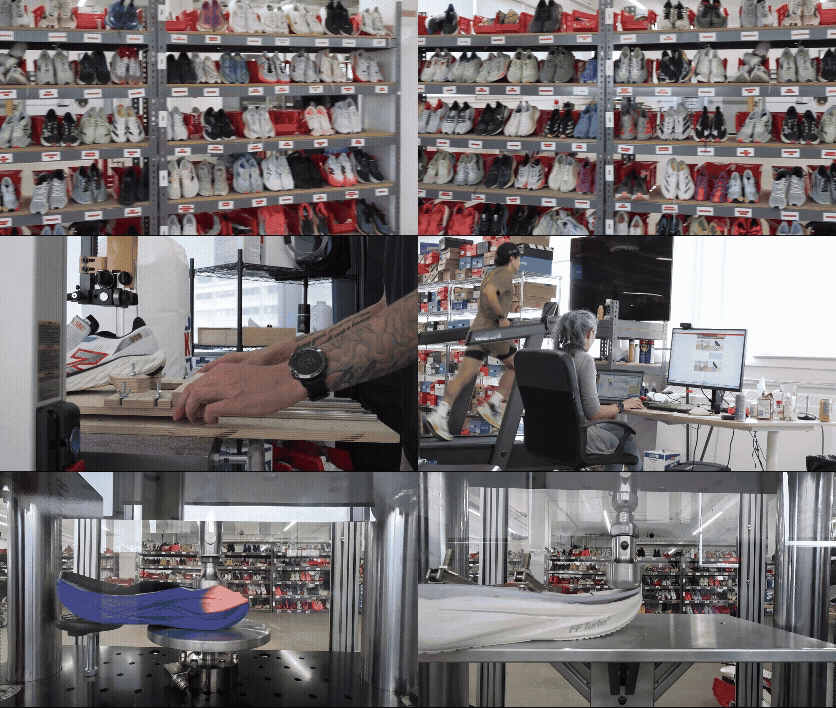
We've bought and tested more than 250 running shoes. Every pair purchased with our own money, never supplied or sponsored by brands. Our data-driven tests are designed to go beyond marketing claims, and since every shoe goes through the exact same methodology, you can directly compare results to find the right pair for your needs.
Test Results
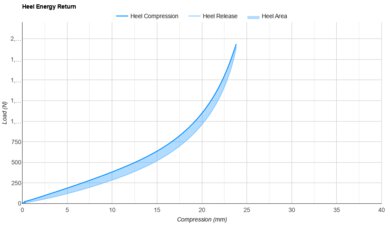
Energy Return
Stability
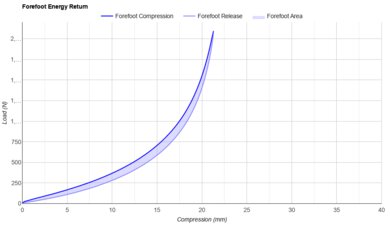
The Diadora Gara Carbon 2 is stable, especially for a super shoe. Its broad midfoot platform, carbon plate, and reasonably firm foam keep you confident without the nagging wobble common in softer racers. Even deep into a long run, most runners will find the shoe remains stable and reassuring underfoot, making it a satisfactory option for those seeking high performance without the typically aggressive geometry that often accompanies it.
Carbon plate.
Stable for a super shoe.
Wide platform.
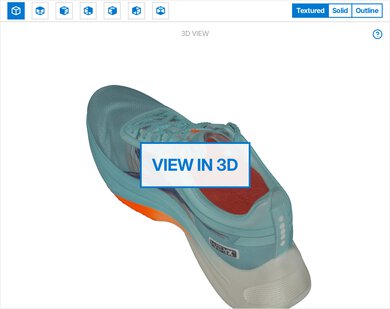
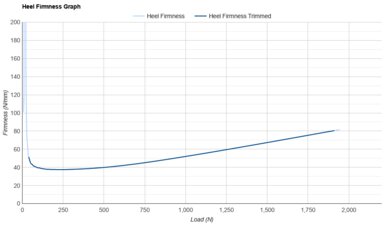
The Diadora Gara Carbon 2 strikes a comfortable middle ground in the heel: soft enough to smooth out landings, yet firm enough to prevent wobble when the miles add up. Stability-minded runners will appreciate the extra backbone without feeling like they’re striking a brick.
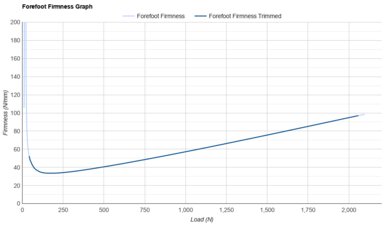
The Diadora Gara Carbon 2 leans a touch softer than aggressive super shoes optimized for shorter distances like the Nike Vaporfly 4, but that also makes it friendlier for longer efforts. The platform remains soft and forgiving at slower paces when less force is applied, but it firms up nicely at faster paces, ensuring a crisp toe-off.
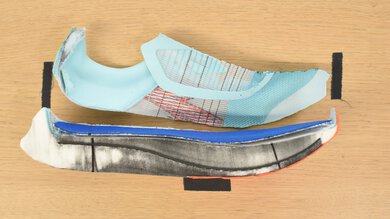
Cushioning
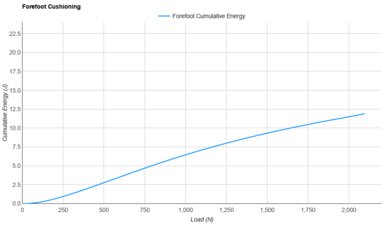
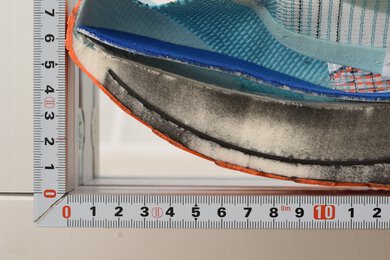
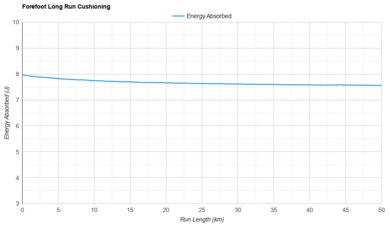
The Diadora Gara Carbon 2 delivers a satisfactorily cushioned ride. The midsole feels pleasantly plush when you step in, but it stiffens up considerably faster than other shoes when force is applied. As such, the shoe will provide a much softer ride for smaller runners.
Very cushioned, especially in the forefoot.
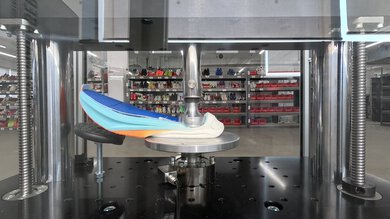
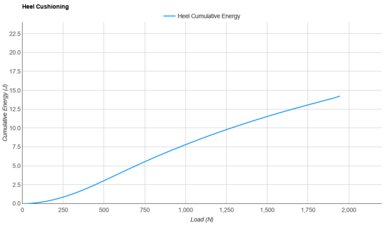
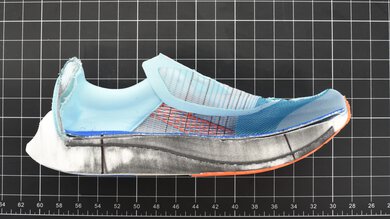
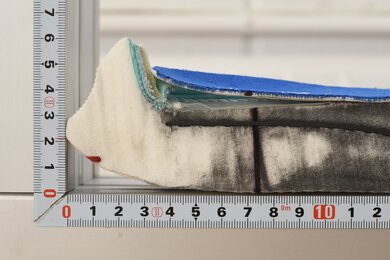
In the heel, the shoe feels decently protective without turning pillowy. The plate sits close to the foot, limiting how much the foam can absorb energy; that trims a bit of plushness compared to other super shoes like the Saucony Endorphin Elite 2.
Responsiveness
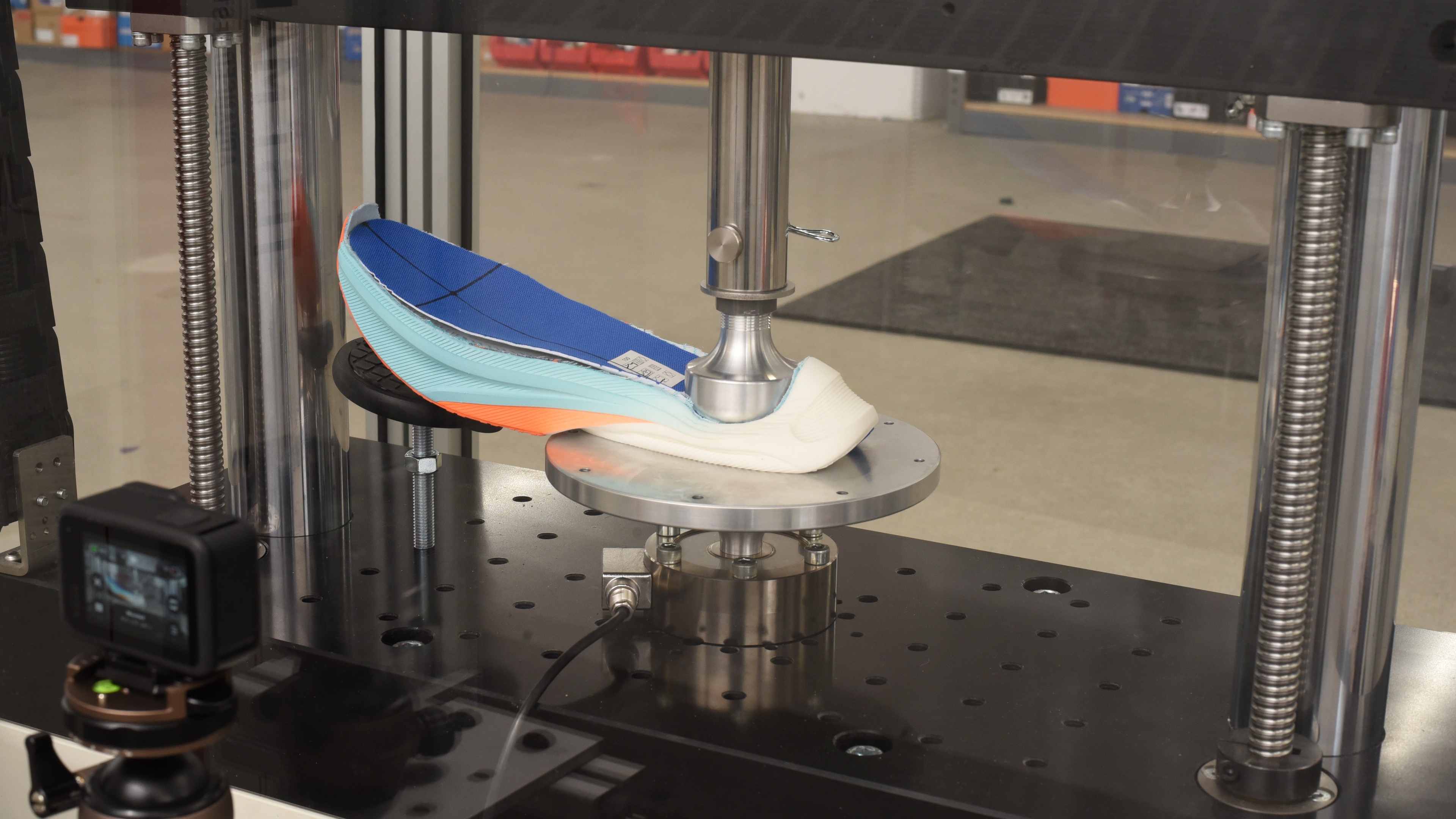
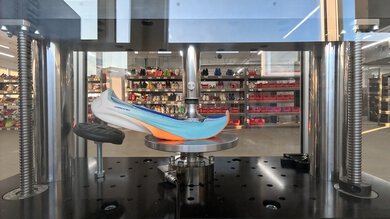
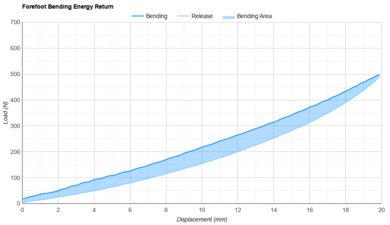
The Diadora Gara Carbon 2 feels very springy from every angle, with consistently energetic feedback that suits most strike patterns. The dual-layer PEBA foam decompresses quickly enough to keep momentum high, but does so in a measured way that doesn't feel harsh, great news for runners who want a bouncy but approachable ride.
True To Size
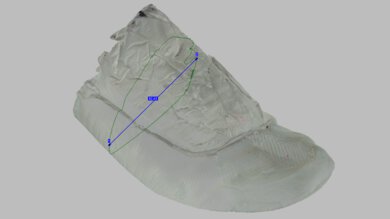
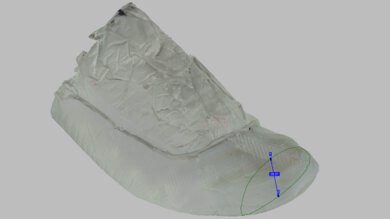
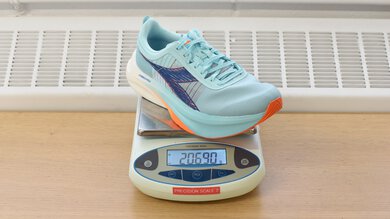
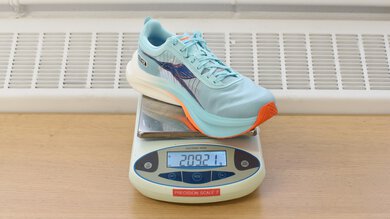
The Diadora Gara Carbon 2 is light enough to feel nimble on race day yet not as feather-weight like top-models like the adidas Adizero Adios Pro Evo 1. You still get a reassuring bit of material underfoot, which helps the shoe feel composed over the full marathon rather than flimsy like the very lightest super-shoes.
Popular Running Shoe Comparisons
The Diadora Gara Carbon 2 is a high-end carbon-plated racer that prioritizes approachability and comfort without sacrificing performance. While most top-tier racers chase maximum efficiency through lightweight constructions and firm toe-offs like the Nike Vaporfly 4, or extreme geometries like the Mizuno Wave Rebellion Pro 3, the Gara Carbon 2 takes a more forgiving approach. Make no mistake, it still packs enough energy return to pick up the pace, but its PEBA-based midsole and geometry deliver a smooth, natural-feeling transition rather than a harsh snap, making it better suited to marathon pacing or long uptempo runs rather than all-out speed over shorter events. Think the elegance and performance of a Ferrari, without the futuristic aggressiveness of a Lambo, yet still unmistakably Italian.
Its 5 mm drop sits on the lower end of the spectrum and, combined with the plate placement, gives it a ride reminiscent of the On Cloudboom Strike, though the Diadora delivers a noticeably bouncier midsole feel. The wide platform provides surprising stability for a super shoe, but it's not as stable as the Saucony Endorphin Pro 4. Within the market, it aligns most closely with the New Balance FuelCell SuperComp Elite v4: both are more approachable super shoes that prioritize comfort and versatility. It's a strong option for runners who want a similar feel and philosophy to the Diadora but don't necessarily need all its high-end features and peak performance.
Within Diadora's lineup, the Gara Carbon 2 is the brand's dedicated race-day model, sitting above the Diadora Atomo Star, an unplated uptempo trainer, and the Diadora Nucleo 2, a lifestyle shoe that can handle some running.
For more options, check out our recommendations for the best running shoes, as well as the best running shoes for men and the best running shoes for women.
The Saucony Endorphin Pro 4 and Diadora Gara Carbon 2 are two of the more stable super shoes on the market, thanks to their wide underfoot platforms, but they cater to different racing styles. The Endorphin Pro 4 has a more even cushioning profile and is more forgiving in the heel, especially at higher force levels, making it a more appealing option for heel strikers. The Diadora has a softer step-in feel and provides better cushioning at lower force levels, but firms up faster, resulting in a stable ride for all, but a potentially harsher feel at fast paces for larger runners.
The New Balance FuelCell SuperComp Elite v4 and Diadora Gara Carbon 2 both belong to the subcategory of super shoes designed with approachability and comfort in mind, targeting a broader range of runners rather than only elites. Both offer carbon plates and premium foams, but with more accommodating fits and natural transitions than their hyper-aggressive counterparts. That said, the Diadora outperforms the New Balance in terms of weight and bounciness, offering a livelier, more dynamic feel underfoot that still holds up over marathon distances. However, the SuperComp Elite v4 remains the more accessible option, and it comes in wider sizing, which the Diadora lacks.
The On Cloudboom Strike and Diadora Gara Carbon 2 are both carbon-plated racers that share many similarities on paper: similar weight, low drop, and a comparable plate position. However, the Cloudboom Strike is noticeably softer underfoot, but while it offers a well-cushioned ride, its midsole is less responsive and lacks the bounce of the Gara Carbon 2's foam.
The adidas Adizero Adios Pro 4 and Diadora Gara Carbon 2 are both carbon-plated racers that deliver different experiences in the same race-day category. The adidas is lighter and features a more responsive midsole, offering an explosive toe-off that makes it a go-to for runners chasing aggressive splits and pure speed. However, that performance focus comes at the expense of stability, with the adidas feeling a bit more precarious underfoot, especially during longer efforts or when form starts to break down. The Diadora, in contrast, is soft and cushioned, but not overly so like the adidas. It finds a middle ground that many runners will appreciate.
The Hoka Rocket X 3 and Diadora Gara Carbon 2 are two plated super shoes with similar performance profiles, offering a balanced blend of cushioning, stability, and speed without going over the top in softness or aggressiveness. Both weigh about the same and deliver comparable energy return and underfoot protection, making them solid options for long-distance racing. The main difference lies in ride character and fit: the Rocket X 3 absorbs more impact, especially in the heel, and feels a touch plusher overall, while the Gara Carbon is slightly firmer at lower forces. Diadora's tighter fit and premium upper materials create a more race-day–focused sensation, while Hoka's more forgiving upper makes it a better choice for runners who want more room without sacrificing performance.
The Mizuno Hyperwarp Pro and Diadora Gara Carbon 2 are both approachable super shoes that prioritize stability and long-distance control. The Mizuno leans more toward protection, offering a more cushioned ride while weighing a bit less as well. The Diadora, on the other hand, delivers a noticeably bouncier and more energetic underfoot sensation, making it feel livelier at faster paces, though it doesn't feel quite as protective initially, and it's also heavier, which negatively impacts running economy. Both stand out as two of the strongest options in this more stable, controlled super shoe subcategory, with the Mizuno favoring protection, and the Diadora emphasizing rebound and stability.
Differences Between Sizes And Variants
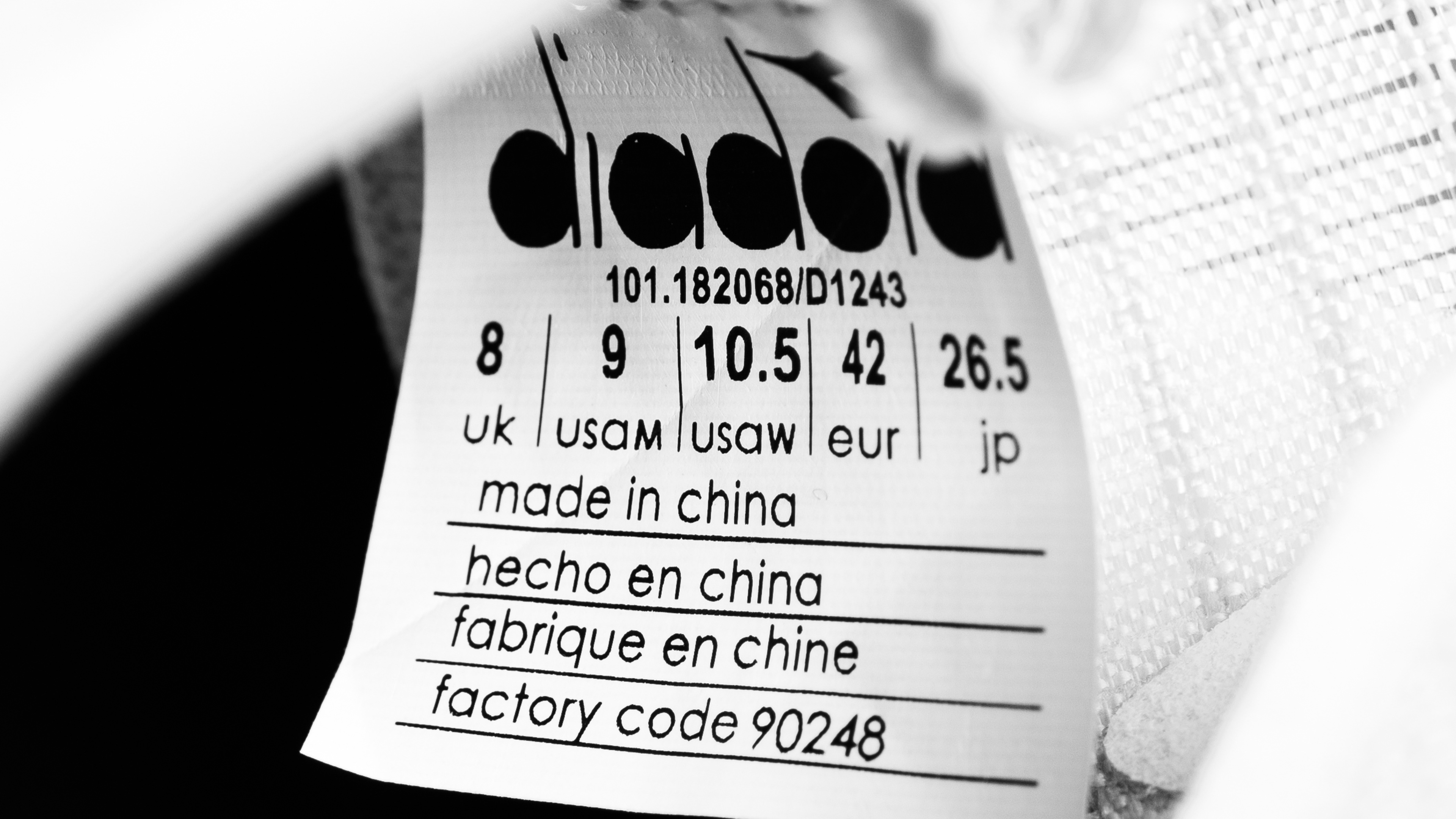
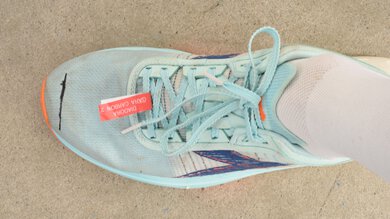
We tested the Diadora Gara Carbon 2 in men's U.S. size 9 in the Light Blue/Lapis Blue colorway, as indicated on the label of our unit. This model is sold in a full run of men's and women's sizes, but no wide-fit versions are offered. At launch, Light Blue/Lapis Blue is the only colorway available.