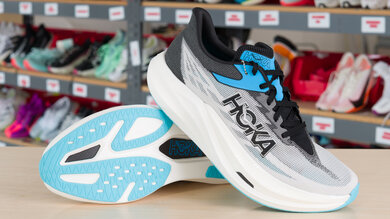
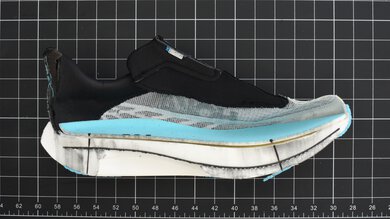
The HOKA Rocket X 3 is a carbon-plated super shoe built for reliable bounce and protection over long efforts. It evolves the Rocket X 2 into a more marathon-optimized package with a lower weight and a softer feel underfoot. It's also got a higher drop for fast heel-to-toe transitions and a winged carbon plate that now extends the full length of the shoe to deliver smooth propulsion. The updated mesh upper drops the gusseted tongue of the previous iteration, and it's less stable overall, but creates a more streamlined, performance-oriented shoe. Still, within HOKA's racing lineup, it is the less aggressive choice, more geared toward longer distances, while the HOKA Cielo X1 2.0 remains the sharper option for shorter events raced at top-end pace.
Our Verdict
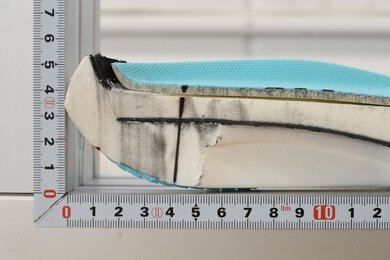
The HOKA Rocket X 3 is purpose-built for long race efforts. The tall stack and very protective midsole keep legs fresh, while the moderate drop and full-length carbon plate create a smooth, predictable roll that makes settling into marathon pace easy. It's not ultra light, but HOKA has kept the weight in check, and the ride delivers steady propulsion while remaining reasonably stable. The overall build favors efficiency and soft cushioning, and most runners will find it a confident, fuss-free option for the marathon.
Very energetic PEBA-based midsole.
Super protective shoe, especially in the heel.
Carbon-plated.
Not as lightweight as top super shoes.
The HOKA Rocket X 3 is quick enough for short races, with a forefoot that firms up nicely as you pick up the pace and easy turnover from the rocker and plate. However, it's a touch heavier than the best short-distance optimized super shoes, so pure speed hunters may prefer something lighter and more aggressive. If you like a relatively stable, predictable feel for interval sessions and local 5K or 10K events, it gets the job done.
Very energetic PEBA-based midsole.
Carbon-plated.
Not as lightweight as top super shoes.
Changelog
- Updated Jun 17, 2026: We've converted this review to Test Bench 0.12, which fixes how we measure firmness, a component of the Stability and 5K/10K Racing usages. There may be inconsistencies between the text and the scores for these usages, but the scores should still be considered valid. We've also brought back the Energy Return score and added two new usages: Daily Training and Long Run. To read more about the changes, see the changelog.
- Updated Apr 28, 2026: We've converted this review to Test Bench 0.11, adding two new rocker measurements to the Design section, and three new responsiveness tests to the Performance section. The Energy Return usage score has been replaced with Responsiveness. Check out the details in our changelog.
-
Updated Feb 26, 2026:
We updated the review to include text for the new Fit usage box, which was recently added to our test bench.
- Updated Feb 20, 2026: We've converted this review to Test Bench 0.10, adding a new set of fit tests to the Design section and an overall fit performance usage. Check out the details in our changelog.
-
Updated Feb 02, 2026:
We updated the Popular Running Shoe Comparisons section of the review to include the latest iteration of the HOKA Cielo X1.
- Updated Oct 28, 2025: We've converted this review to Test Bench 0.9, which adds a Forefoot Long Run Cushioning test to our performance section. Read more in our changelog.
-
Updated Oct 22, 2025:
We've adjusted this review's writing to align with the new test bench, including updates to all usage scores and test boxes for Cushioning, Firmness, and Energy Return. We've updated the side-by-side comparisons with other shoes accordingly.
- Updated Oct 20, 2025: We've converted this review to Test Bench 0.8.2, which updates our methodology for the impact force range used in our compression tests to improve their accuracy. This also affects all usage and performance usage boxes using those compression tests as score components.
- Updated Aug 22, 2025: Review published.
- Updated Aug 08, 2025: Early access published.
- Updated Jul 16, 2025: Our testers have started testing this product.
- Updated Jul 07, 2025: The product has arrived in our lab, and our testers will start evaluating it soon.
- Updated Jul 02, 2025: We've purchased the product and are waiting for it to arrive in our lab.

We've bought and tested more than 250 running shoes. Every pair purchased with our own money, never supplied or sponsored by brands. Our data-driven tests are designed to go beyond marketing claims, and since every shoe goes through the exact same methodology, you can directly compare results to find the right pair for your needs.
Test Results
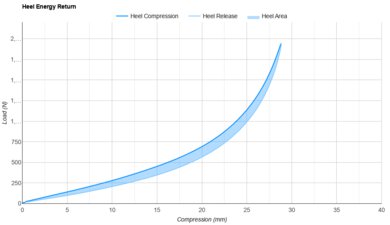
Energy Return
Stability
The HOKA Rocket X 3 delivers adequate lateral stability, especially for a super shoe focused primarily on performance. The plate and outsole width help, but the softer heel and non-gusseted tongue reduce stability. It feels fine when running at speed, though runners who need stronger side-to-side stability should look for a more supportive platform.
Carbon-plated.
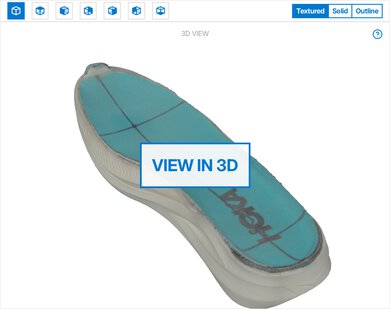
Good platform width at the arch and forefoot.
Heel can feel overly soft to some runners.
The base is a bit narrow at the heel.
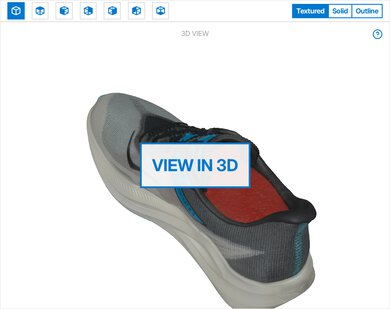
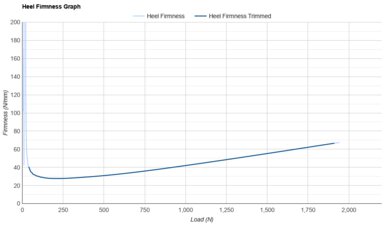
The softer heel boosts make the shoe feel plush and forgiving but slightly compromises stability, placing it on the softer side of the super shoe spectrum. Runners who prefer a firmer, more stable feel may find it too soft and should consider other super shoes, such as the Saucony Endorphin Pro 4.
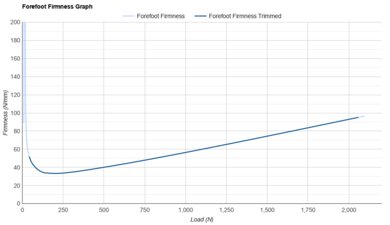
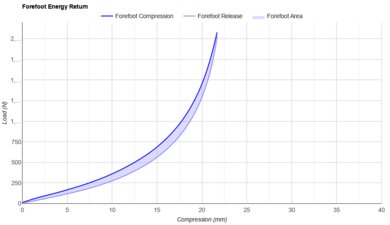
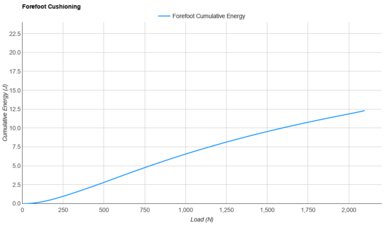
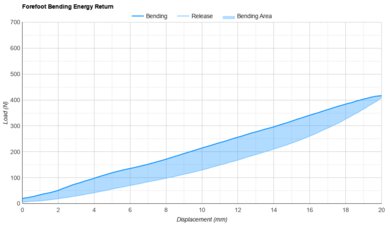
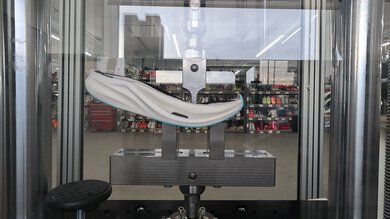
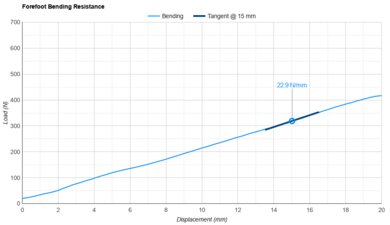
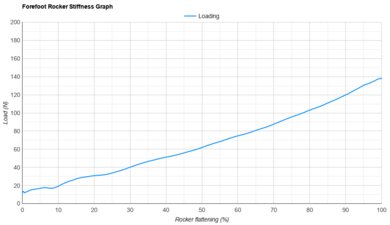
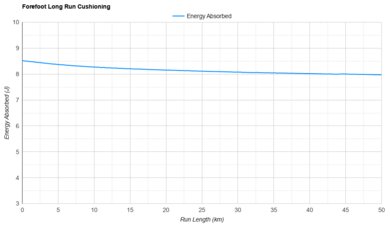
The HOKA Rocket X 3 stiffens noticeably in the forefoot at higher forces, creating a rigid feel that can be demanding over very long efforts. Compared to the Nike Alphafly 3, it feels firmer at peak forces despite being way softer at easy paces, so the ride tightens as speed (and impact forces) increase.
Cushioning
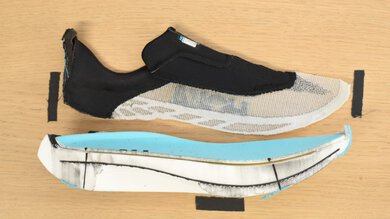
The HOKA Rocket X 3 provides impressive protection for workouts and races alike. The heel is especially well-cushioned, and the forefoot has good shock absorption as well. The generous stack of foam compresses and smooths out rough pavement.
Super protective shoe, especially in the heel.
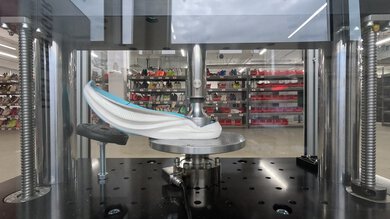
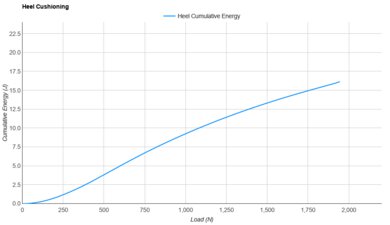
The HOKA Rocket X 3 provides impressive impact protection at the heel. It dampens hard strikes and road effects while keeping the ride composed, which is great for long efforts and fatigued mechanics. It's among the most compliant super shoes on the market, almost matching the shock absorption of the Saucony Endorphin Elite 2 and adidas Adizero Adios Pro 4.
Responsiveness
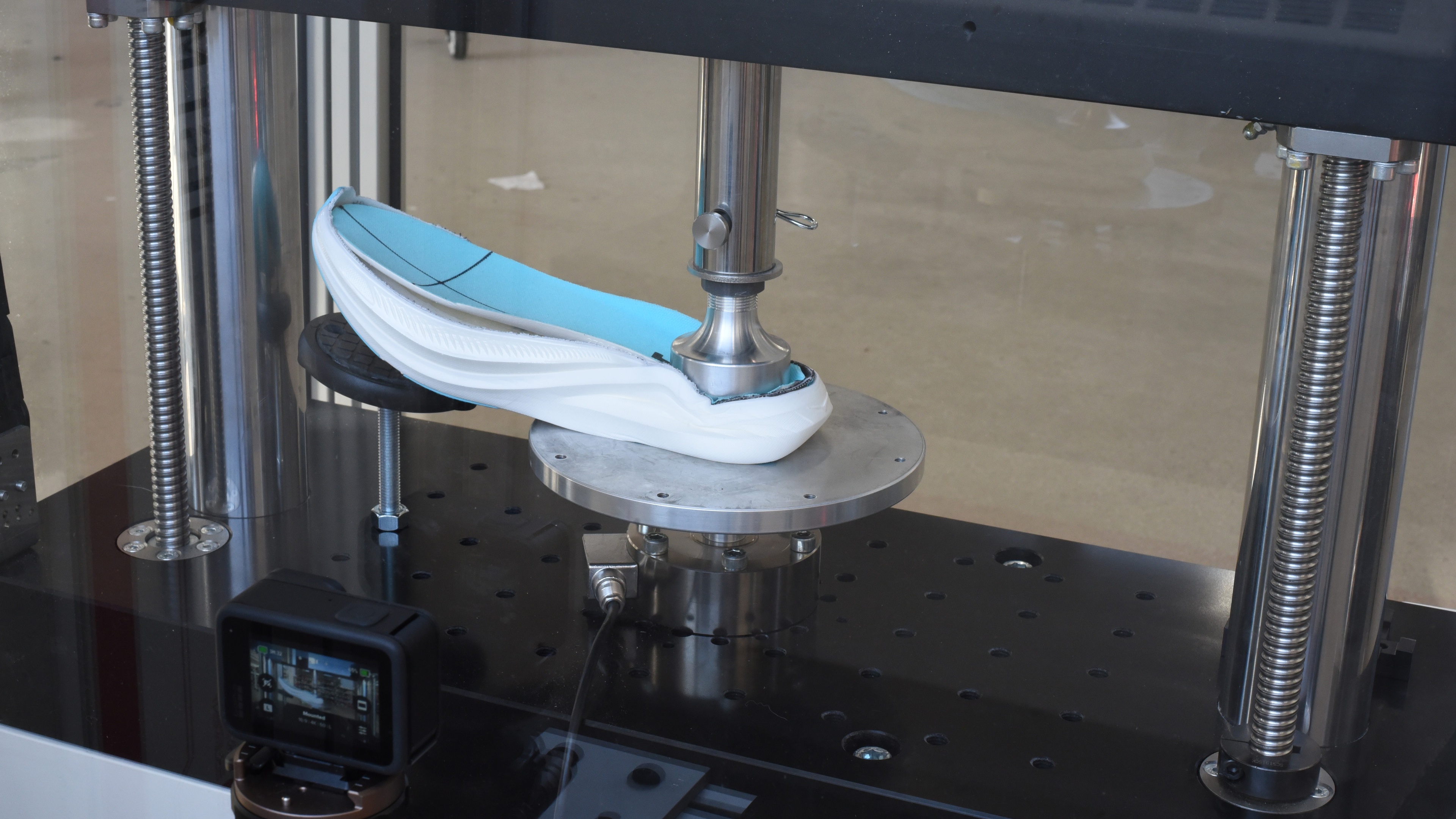
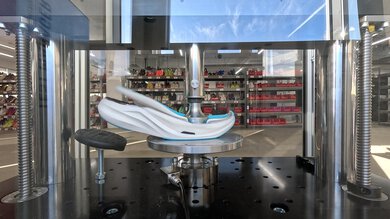
The HOKA Rocket X 3 offers great rebound that helps maintain pace without feeling too unstable. Both the heel and forefoot return energy efficiently, so the shoe feels responsive when you want it to be. Expect a smooth, consistent pop as the foam decompresses.
Very energetic PEBA-based midsole.
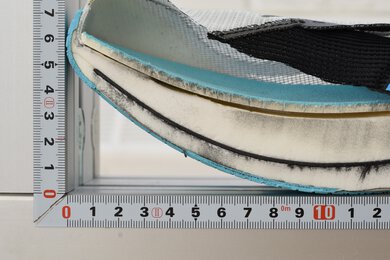
True To Size
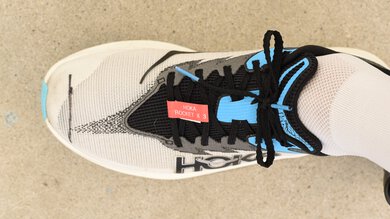
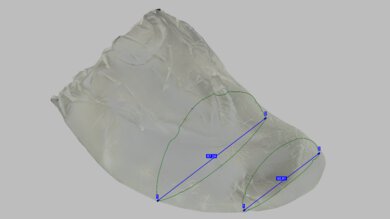
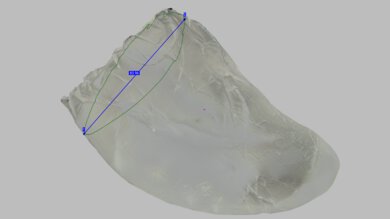
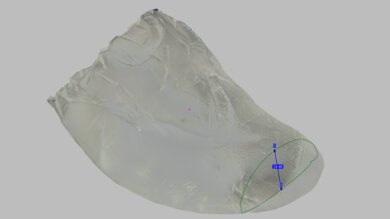
The HOKA Rocket X 3 fits remarkably true to size. It is a racing shoe, so it feels snug throughout, but shouldn't be overly restrictive for most runners. As with most HOKA shoes, the arch is narrow, but the length is true to size. Most runners should buy their usual size.
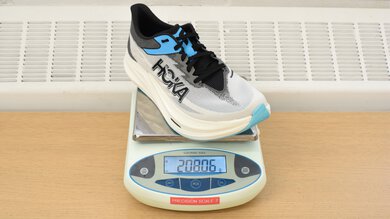
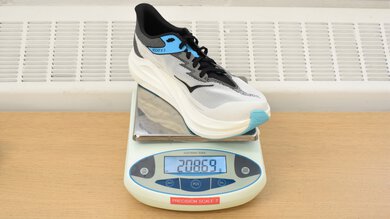
The HOKA Rocket X 3 trims a bit of mass compared to the HOKA Rocket X 2, but it still sits around the middle of the current super shoe pack. You get a nimble feel that's quick enough for workouts and racing without the agile sensation of the lightest options like the adidas Adizero Adios Pro Evo 2. Rather, this shoe trades a few grams for a more substantial upper while still being performance-focused.
Popular Running Shoe Comparisons
The HOKA Rocket X 3 is a carbon-plated racing shoe designed to deliver a balance of propulsion, structure, and comfort, making it a strong contender for runners who want a more controlled feel in a super shoe. In previous iterations, it was seen as a mid-pack, predictable racer that lacked the performance edge of faster competitors, limiting its appeal among more competitive runners. With version 3, HOKA has refined the ride to create a more dynamic and efficient option, one that's closer to the top-tier shoes while still staying true to its roots as an approachable racing shoe.
Compared to top-tier options like the PUMA Fast-R NITRO Elite 3, it doesn't quite match their efficiency and carries a bit more weight, but it makes up for that with a more stable and predictable geometry. The midsole has a dynamic character, offering great cushioning and plushness at lower forces but firming up significantly at toe-off for a snappy transition, similar in behavior and spirit to shoes like the Diadora Gara Carbon 2. This makes the Rocket X 3 especially well-suited for marathon runners who want high performance in a shoe that remains accessible to most runners, regardless of their foot strike.
Within HOKA's racing lineup, it effectively positions itself as the companion to the HOKA Cielo X1 3.0, which is lighter, more aggressive, and better suited for elite runners with efficient form or those who prefer ultra-plush midsoles. For training, the HOKA Mach X 3 is a plated super trainer that's also super cushioned, making it a great option for long runs with intensity variations or interval sessions. The Rocket X 3 is ideal for runners who want a snappy, guided supershoe for race day efforts and who don't mind sacrificing a bit of bounce and weight savings for a more predictable feel over long distances.
For more options, check out our recommendations for the best running shoes, as well as the best long-distance running shoes and the best shoes for running a marathon.
The HOKA Cielo X1 3.0 and the HOKA Rocket X 3 sit in HOKA's race lineup, but they approach performance from very different angles. The Cielo X1 3.0 is the more extreme shoe. It's very soft, lighter, and heavily geometry-driven, with an exaggerated rocker that makes it feel fast and exciting when everything lines up, but also noticeably unstable, especially at slower paces or late in a race when form fades. It rewards efficient forefoot mechanics, but the narrow platform and highly compliant foam make it a riskier choice for long distances. The Rocket X 3, by contrast, is the more conservative and predictable racer. Its platform is more grounded and stable, with a firmer, snappier toe-off and a more traditional plated feel that relies less on extreme rocker or ultra-soft foam.
The HOKA Rocket X 3 and adidas Adizero Adios Pro 4 are both cushioned carbon-plated super shoes built for long-distance racing, but they approach performance with different philosophies. The HOKA shoe prioritizes consistency and a structured ride, offering a firm yet forgiving midsole with a smooth rocker and solid containment through the midfoot, making it well-suited for runners who value predictability and guided transitions. The adidas shoe, on the other hand, is a lighter, more efficient option overall thanks to its energetic Lightstrike Pro foam and aggressive toe-off feel. Its unique geometry, including a large midfoot cutout and carbon rods, delivers impressive propulsion but adds some unpredictability underfoot compared to the more continuous platform of the HOKA shoe.
The New Balance FuelCell SuperComp Elite v5 and HOKA Rocket X 3 are two race shoes that deliver some high-performance elements while maintaining their respective brand's comfort-forward designs. The shoes are very similar in weight and energy return, but the HOKA shoe has better cushioning, especially over long distances.
The HOKA Rocket X 3 and HOKA Mach X 3 represent the brand's oldest plated shoe series, with the Rocket X 3 being the dedicated racing shoe, and the Mach X 3 a super trainer. The Rocket X 3 is significantly lighter and has a more rigid carbon plate, whereas the Mach X 3 has a Pebax plate. Despite being more streamlined and race-optimised, the Rocket X 3 is more stable than the Mach X 3, due to having a lower stack height and significantly firmer midsole.
The HOKA Rocket X 3 and HOKA Cielo X1 2.0 are both carbon-plated racing shoes, but they target different types of runners and distances with distinct design philosophies. The Rocket X 3 leans into stability and consistency, with a wider base that provides confidence under fatigue. It delivers a firmer, more structured ride with a smooth and predictable rocker, especially suited for marathon efforts and tempo runs where durability matters. In contrast, the Cielo X1 2.0 is lighter, softer, and more aggressive, built for runners who want to stay up on the forefoot and let the rocker do the work. It's very energetic but noticeably less stable, particularly in the rearfoot or at slower speeds. The Cielo favors midfoot and forefoot strikers who maintain efficient form throughout a race, while the Rocket is better for runners who appreciate a touch more control and a bit of extra room in the toebox.
The PUMA Fast-R NITRO Elite 3 and Hoka Rocket X 3 are both carbon-plated super shoes designed for racing, but they cater to very different types of runners. The Fast-R 3 is significantly lighter and delivers much more aggressive propulsion thanks to its PEBA-based Nitro Elite foam and extreme geometry, making it one of the most energetic and efficient shoes available. However, its aggressive design, less stable platform, and split midsole can make it difficult to hold form over the full marathon distance, especially for fatigued or less experienced runners. The Rocket X 3, while less energetic and heavier, offers a more balanced experience and a more forgiving ride, especially in the heel. It trades raw explosiveness for smoother transitions and a more predictable feeling underfoot, which may be a better fit for runners looking for predictability and comfort rather than pure speed.
The HOKA Rocket X 3 and Saucony Endorphin Elite 2 are both soft, carbon-plated super shoes built for long-distance racing, but they take different approaches to achieving speed and comfort. The Endorphin Elite 2 is slightly lighter and features an even softer, more compressive midsole, making it feel extremely plush underfoot. That said, it does firm up when pushing harder, making it feel more balanced overall. The Rocket X 3, while not quite as light, offers a ride that blends cushioning with structure. Fit is another key difference: Saucony's upper runs narrower and more performance-oriented, which may be limiting for wider-footed runners, whereas HOKA's roomier fit makes the Rocket X 3 more accommodating.
The Hoka Rocket X 3 and Diadora Gara Carbon 2 are two plated super shoes with similar performance profiles, offering a balanced blend of cushioning, stability, and speed without going over the top in softness or aggressiveness. Both weigh about the same and deliver comparable energy return and underfoot protection, making them solid options for long-distance racing. The main difference lies in ride character and fit: the Rocket X 3 absorbs more impact, especially in the heel, and feels a touch plusher overall, while the Gara Carbon is slightly firmer at lower forces. Diadora's tighter fit and premium upper materials create a more race-day–focused sensation, while Hoka's more forgiving upper makes it a better choice for runners who want more room without sacrificing performance.
Differences Between Sizes And Variants
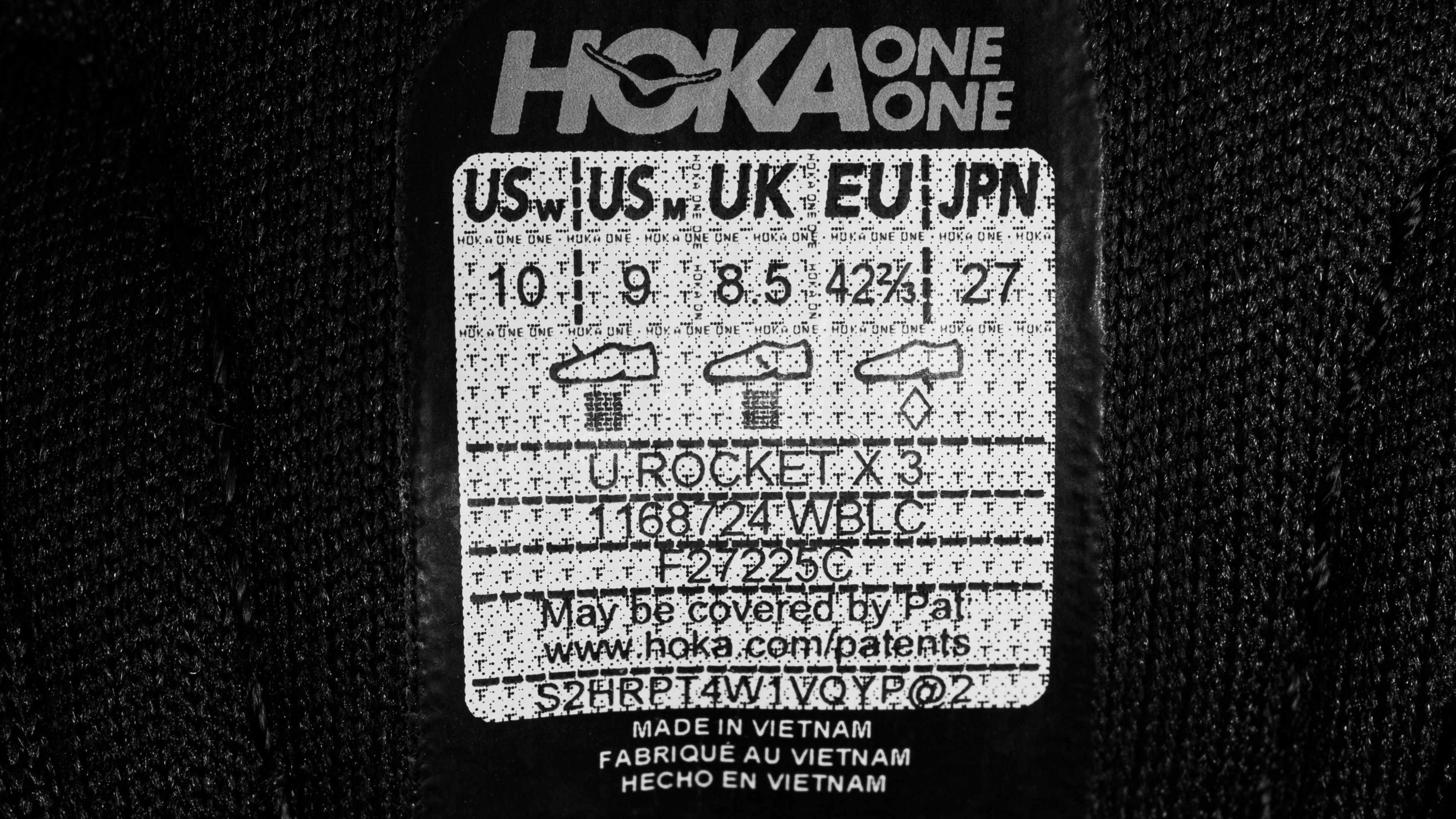
We bought and tested the HOKA Rocket X 3 in men's US size 9 as noted on the label for our pair. The pair we purchased is the White/Black colorway, which is the only option currently offered. This model is sold as unisex with corresponding men's and women's equivalents listed. No wide widths are available. The design section applies only to the exact pair we tested, but we expect other sizes to perform similarly.