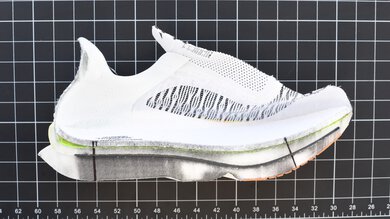
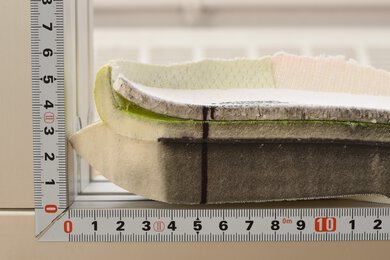
The Saucony Endorphin Elite 2 is the second iteration of Saucony's most aggressive carbon-plated racing shoe, positioned at the very top of their super shoe lineup. Designed specifically for long-distance road racing, it features a full-length carbon plate embedded in a thick layer of TPEE-based IncrediRun foam for maximum bounciness and softness. With a steep forefoot rocker and aggressive geometry, the Endorphin Elite 2 is purpose-built for efficiency over the marathon distance.
Our Verdict
The Saucony Endorphin Elite 2 performs amazingly for marathon racing. Its soft yet energetic TPEE-based foam offers excellent shock absorption and rebound, helping reduce muscle fatigue during longer efforts. Combined with a high stack height, lightweight build, and a propulsive carbon plate, it excels at maintaining cruising speed over the full distance. However, the lack of lateral stability may pose issues when form starts to break down late in the race, especially for heel strikers or those with less stable mechanics.
Midsole offers a very plush experience.
Lightweight.
Carbon plate
Not very stable.
The Saucony Endorphin Elite 2 is an excellent choice for shorter races, with its relatively lightweight construction and excellent energy return. The snappy forefoot also helps to maintain high turnover as the pace picks up.
Lightweight.
Carbon plate
Foam is super soft and wobbly.
Changelog
- Updated Jun 17, 2026: We've converted this review to Test Bench 0.12, which fixes how we measure firmness, a component of the Stability and 5K/10K Racing usages. There may be inconsistencies between the text and the scores for these usages, but the scores should still be considered valid. We've also brought back the Energy Return score and added two new usages: Daily Training and Long Run. To read more about the changes, see the changelog.
-
Updated Apr 15, 2026:
We've replaced the Energy Return usage box with Responsiveness, which incorporates four additional tests, and updated the text accordingly.
- Updated Apr 15, 2026: We've converted this review to Test Bench 0.11, adding two new rocker measurements to the Design section, and three new responsiveness tests to the Performance section. The Energy Return usage score has been replaced with Responsiveness. Check out the details in our changelog.
-
Updated Feb 27, 2026:
We updated the review to include text for the new Fit usage box, which was recently added to our test bench.
-
Updated Feb 26, 2026:
We updated the Popular Running Shoe Comparisons section of the review to include the most recent iteration of the Saucony Endorphin Pro.
-
Updated Feb 24, 2026:
We updated the Popular Running Shoe Comparisons section to mention the newly released Saucony Endorphin Azura in Saucony's lineup.
- Updated Feb 20, 2026: We've converted this review to Test Bench 0.10, adding a new set of fit tests to the Design section and an overall fit performance usage. Check out the details in our changelog.
- Updated Oct 28, 2025: We've converted this review to Test Bench 0.9, which adds a Forefoot Long Run Cushioning test to our performance section. Read more in our changelog.
-
Updated Oct 22, 2025:
We've adjusted this review's writing to align with the new test bench, including updates to all usage scores and test boxes for Cushioning, Firmness, and Energy Return. We've updated the side-by-side comparisons with other shoes accordingly.
- Updated Oct 20, 2025: We've converted this review to Test Bench 0.8.2, which updates our methodology for the impact force range used in our compression tests to improve their accuracy. This also affects all usage and performance usage boxes using those compression tests as score components.
-
Updated Sep 03, 2025:
In the Popular Running Shoe Comparisons section, we've added a comparison to the recently reviewed Brooks Hyperion Elite 5.
-
Updated Aug 11, 2025:
We updated the Compared To Other Running Shoes box with the inclusion of the Saucony Endorphin Speed 5.
-
Updated Jul 30, 2025:
We revised the phrasing in the Marathon Racing, Lateral Stability, and Forefoot Cushioning boxes to reflect the changes in the latest test bench.
- Updated Jul 30, 2025: We've converted this review to Test Bench 0.8.1, which mainly updates the score components for the Marathon Racing and Lateral Stability usage boxes to improve accuracy.
- Updated Apr 23, 2025: Review published.
- Updated Apr 14, 2025: Early access published.
We've bought and tested more than 250 running shoes. Every pair purchased with our own money, never supplied or sponsored by brands. Our data-driven tests are designed to go beyond marketing claims, and since every shoe goes through the exact same methodology, you can directly compare results to find the right pair for your needs.
Test Results
Energy Return
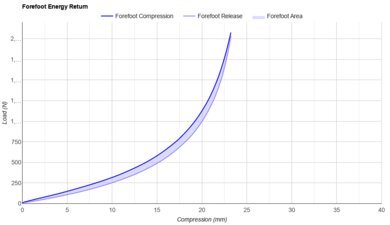
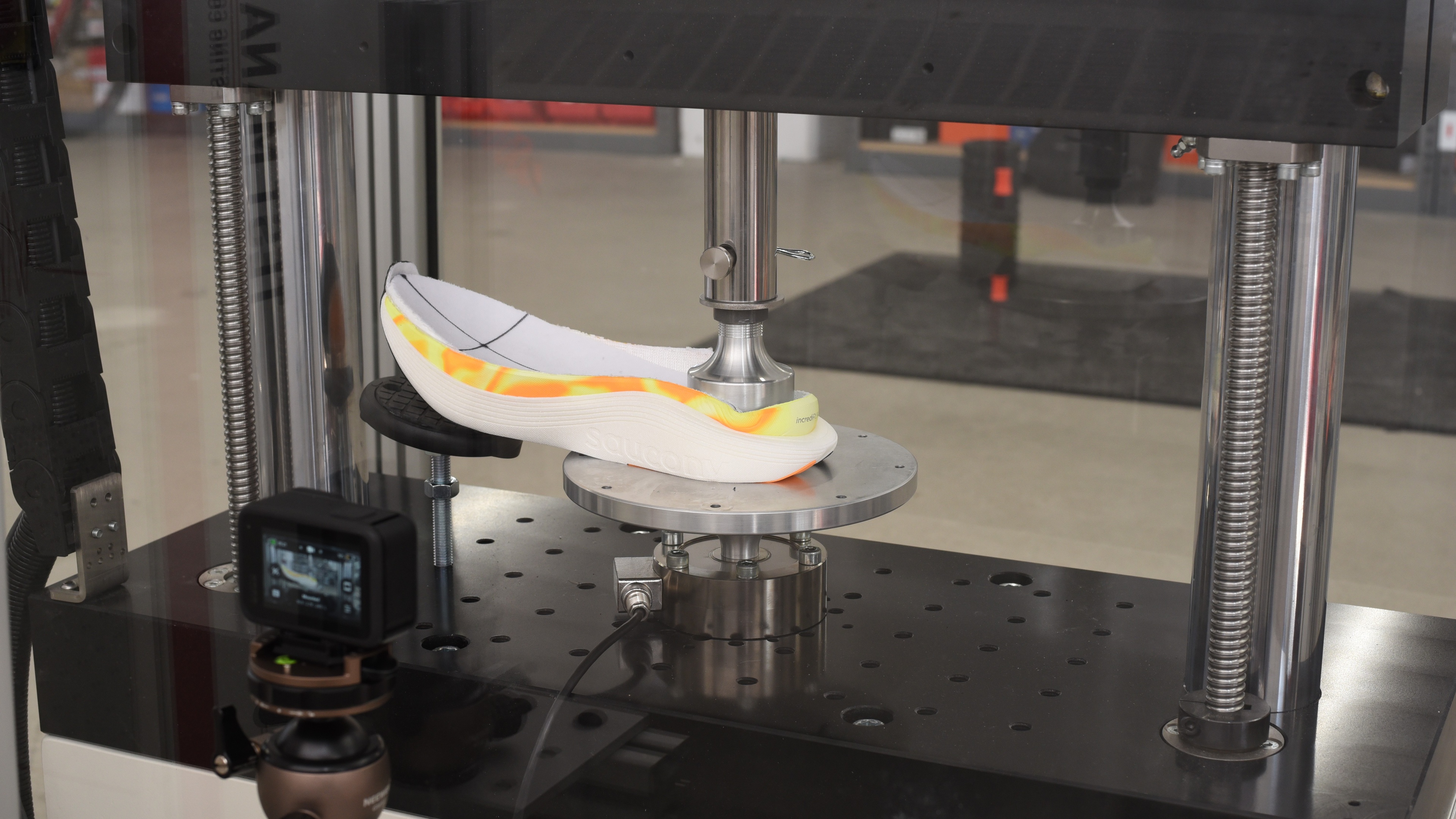
The forefoot energy return is equally excellent, giving the shoe a smooth, rolling ride when cruising at steady paces. It doesn't feel overly explosive or aggressive, offering a noticeable rebound across a wide range of efforts, particularly during tempo and marathon efforts.
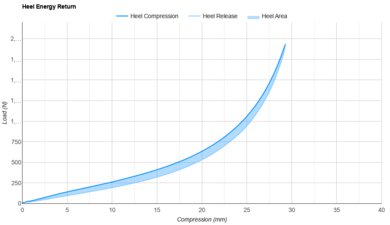
The energy return from the heel is amazing, with the TPEE-based foam decompressing quickly enough to keep the ride feeling dynamic. While the shoe's geometry encourages midfoot and forefoot landings, the heel midsole offers aid in heel-to-toe transition, thanks to this rebound.
Stability
The Saucony Endorphin Elite 2 isn't the most stable shoe, especially at slower paces. Despite having a carbon plate, the soft and deeply compressive foam undermines stability. Its narrow arch, combined with a very high stack height, contributes to a wobbly ride that's typical of most super shoes. This may be a dealbreaker for those needing more stability.
Relatively wide base.
Not very stable.
Foam is super soft and wobbly.
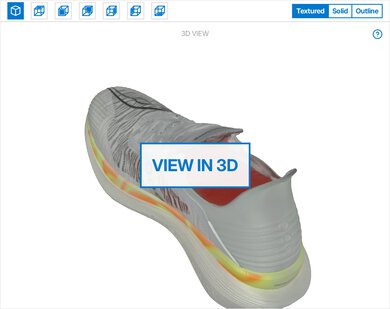
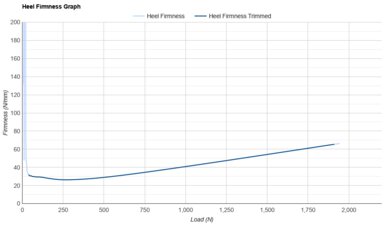
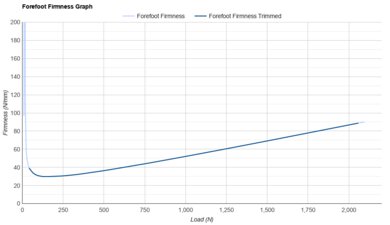
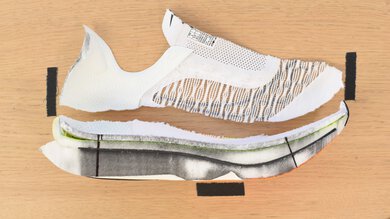
The heel is very soft when you step in, but it does firm up considerably as force is applied. This overall softness helps with comfort but comes at the cost of stability, especially under fatigue. Runners who rely on rearfoot structure may find the ride less controlled during long efforts or on tired legs.
Cushioning
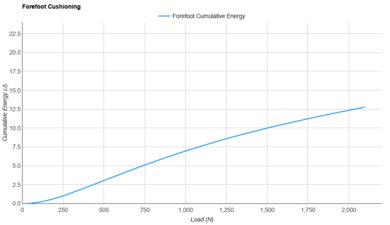
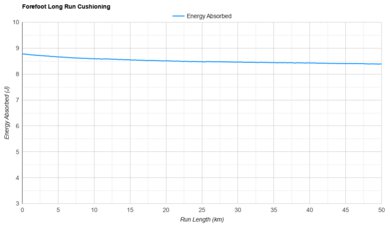
The Saucony Endorphin Elite 2 delivers amazing cushioning, especially at the heel. The forefoot also offers ample protection, giving runners a plush ride that helps reduce impact forces. The midsole compresses generously, making it a solid option for runners who value comfort on race day.
Midsole offers a very plush experience.
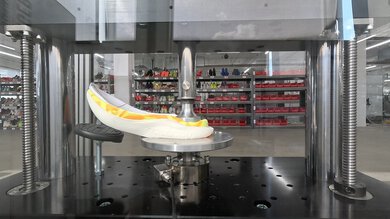
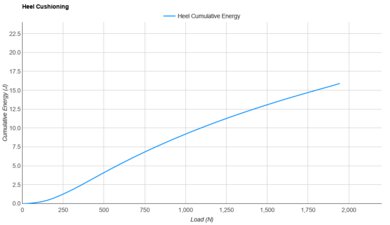
The heel cushioning is impressive. The IncrediRun foam compresses easily and absorbs impact well, even at higher forces, helping reduce fatigue for heel strikers and runners who need a bit more rearfoot protection when their form starts to break down. This makes the shoe more forgiving for long-distance efforts.
Responsiveness
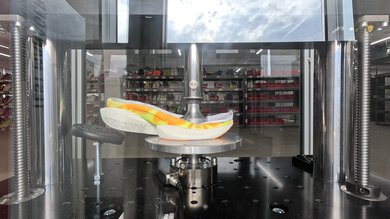
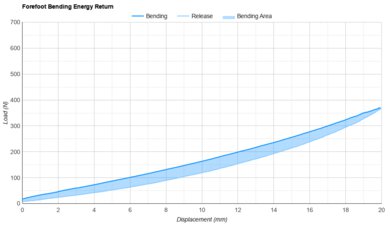
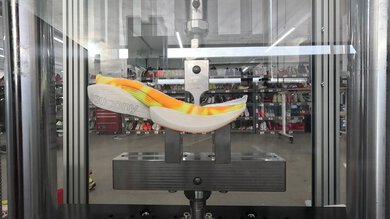
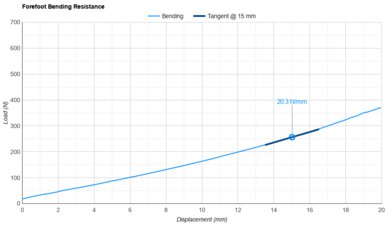
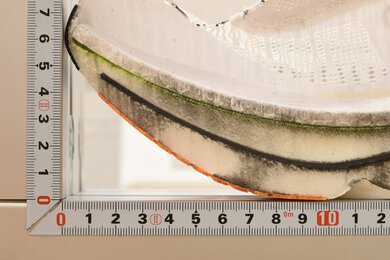
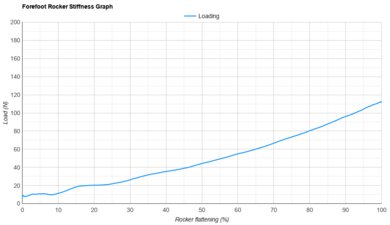
The Saucony Endorphin Elite 2 is an impressively responsive shoe. The TPEE-based IncrediRun midsole compresses deeply and rebounds quickly, helping runners feel a continuous sense of forward motion, especially at marathon and threshold paces. The forefoot is not the snappiest among racing shoes, but the carbon plate does help the aggressive rocker maintain its shape and keep your foot rolling forward.
TPEE-foam decompresses well to give a propulsive feel.
Great rockered geometry.
True To Size
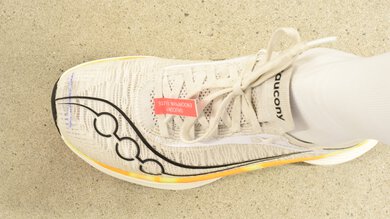
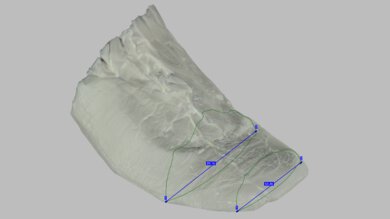
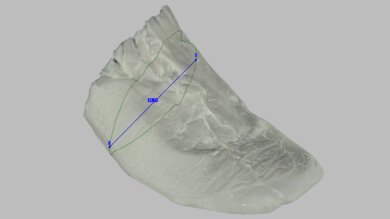
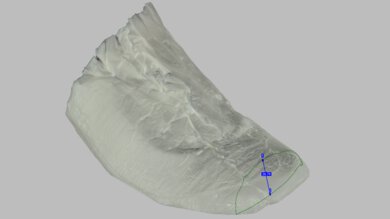
The Saucony Endorphin Elite 2 has a snug fit, typical of racing shoes. The upper is rather minimal, but has enough volume in the forefoot. The length runs a bit short, so runners whose feet are between two sizes should opt for the smaller one.
Upper is snug but minimal.
Length is on the shorter side.
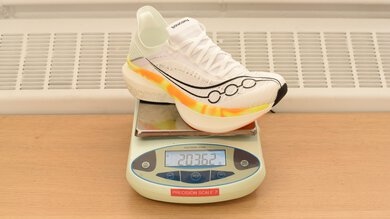
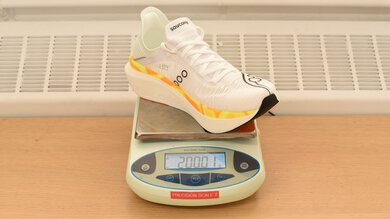
The Saucony Endorphin Elite 2 is lightweight, comparable with other top-tier marathon super shoes like the Nike Alphafly 3 and adidas Adizero Adios Pro 4. While it doesn't push boundaries, it maintains an efficient race-day feel.
Popular Running Shoe Comparisons
The Saucony Endorphin Elite 2 is one of the softest and most deeply cushioned super shoes on the market. Despite the plush feel, its midsole remains impressively energetic and holds itself together well at marathon pace, making it a compelling option for long-distance racing where protection and comfort become crucial, but efficiency is still paramount. However, that same softness can work against it in shorter events; it lacks the snappiness and precision found in options like the Brooks Hyperion Elite 5 or Nike Vaporfly 4, which are more dialed-in for 5K to half-marathon efforts. The Elite 2's focus on softness and underfoot protection brings it closer in spirit to the Mizuno Wave Rebellion Pro 3, though without that shoe's aggressive and unique rocker geometry.
Within Saucony's premium Endorphin lineup, the Endorphin Elite 2 sits at the very top as their lightest, marathon-optimized racing shoe. Just below it is the more accessible Saucony Endorphin Pro 5, which is another carbon-plated super shoe but with a firmer, more versatile ride that performs well in shorter races and structured workouts. Further down in the lineup, the Saucony Endorphin Speed 5 serves as a plated super trainer ideal for intervals and faster training sessions. There's also the Saucony Endorphin Azura, an unplated trainer that's both cushioned and bouncy.
For more options, check out our recommendations for the best running shoes to find the perfect pair.
The adidas Adizero Adios Pro 4 and the Saucony Endorphin Elite 2 are both high-end super shoes that strike an impressive balance between cushioning and energy return, and they weigh about the same. The adidas offers a slightly more cushioned underfoot feel that's great for protecting legs over long distances. The Saucony, while still well-cushioned, offers a firmer, more stable ride. Both are optimized for marathon efforts, but if you had to race a 5K in one of them, the firmer platform of the Saucony would better support quick turnover and a snappy toe-off.
The Nike Alphafly 3 and the Saucony Endorphin Elite 2 are both marathon-optimized super shoes with similar weights, but they deliver very different ride experiences. The Alphafly 3 has a firmer forefoot thanks to its Zoom Air pods, creating a more mechanical, highly efficient feel that many runners find propulsive. The Elite 2, by contrast, is softer and more cushioned underfoot, offering excellent protection and bounciness over long distances, but its ultra-plush feel may come across as overly mushy for some. While neither shoe is particularly stable, the Alphafly 3 holds the edge in that regard, making it feel a bit more controlled at high speeds.
The Saucony Endorphin Elite 2 and the Saucony Endorphin Pro 4 are both carbon-plated super shoes, but they serve slightly different purposes. The Elite 2 is lighter, softer, and more deeply cushioned, offering a highly energetic ride that excels in the marathon, where protection and efficiency are key. However, its ultra-soft midsole can feel overly mushy for shorter events, lacking the snappiness some runners appreciate. The Endorphin Pro 4, while slightly heavier and firmer, is more stable and versatile; it performs well across a wider range of distances, including shorter races and even track workouts. For runners chasing maximum performance and comfort over long distances, the Elite 2 is the superior tool. But for most, the Pro 4 offers a more practical and well-rounded experience.
The Saucony Endorphin Elite 2 and the HOKA Cielo X1 2.0 are both soft, lightweight super shoes designed for long-distance racing, but they prioritize different aspects of the ride. The Elite 2 delivers a bouncier, more energetic feel thanks to its responsive midsole, giving runners a lively toe-off and efficient return of force. While it starts off plush, the Saucony firms up under higher impact forces, making it more versatile across a range of paces and distances. The Cielo X1 2.0 leans even more into softness and compliance, with a rolling rocker and an aggressive feel that favors midfoot and forefoot strikers. It's a bit less energetic but delivers an even more forgiving experience throughout.
The Li-Ning Feidian 6 Elite and Saucony Endorphin Elite 2 are two plush super shoes with very similar weight, but they achieve efficiency in slightly different ways. On one end, the Saucony uses a plate that extends further into the toe-off phase, creating a more aggressive rolling sensation. That said, the Li-Ning feels marginally more responsive and propulsive overall, while also delivering greater impact absorption in its midsole, giving it a more protective ride over longer distances.
The Brooks Hyperion Elite 5 and Saucony Endorphin Elite 2 are almost identical in weight, and each is its respective brand's most aggressive carbon-plated racing shoe. The similarities end there, however. The Endorphin Elite 2 is much softer and more cushioned, making it a more logical choice for marathons. With its firmer, snappier ride, the Hyperion Elite 5 is better suited to middle-distance racing, like a 5K or 10K.
The ASICS METASPEED RAY and Saucony Endorphin Elite 2 are both exceptionally soft, high-stack racing shoes, but they take different paths to deliver speed. The RAY is dramatically lighter and feels more cushioned and bouncy overall, prioritizing maximum rebound and a highly energetic forefoot feel. The Endorphin Elite 2, while still soft, is firmer and more controlled under load (it compresses smoothly at lower forces but firms up as the pace increases), giving it a crisper, snappier toe-off and greater stability at marathon effort. Runners seeking the lightest, most cushioned option will gravitate toward the RAY, while those who prefer a more structured, balanced feel with better control may favor the Saucony.
The Saucony Endorphin Elite 2 and the Mizuno Wave Rebellion Pro 3 are both long-distance super shoes that emphasize soft cushioning and energetic midsoles, but they differ notably in design and feel. The Saucony is lighter and more adaptable across a variety of footstrike patterns, making it a better fit for a wider range of runners. In contrast, the Mizuno features an aggressive rocker and dramatic heel bevel, which can create a strong rolling sensation but limits its practicality to midfoot strikers.
The HOKA Rocket X 3 and Saucony Endorphin Elite 2 are both soft, carbon-plated super shoes built for long-distance racing, but they take different approaches to achieving speed and comfort. The Endorphin Elite 2 is slightly lighter and features an even softer, more compressive midsole, making it feel extremely plush underfoot. That said, it does firm up when pushing harder, making it feel more balanced overall. The Rocket X 3, while not quite as light, offers a ride that blends cushioning with structure. Fit is another key difference: Saucony's upper runs narrower and more performance-oriented, which may be limiting for wider-footed runners, whereas HOKA's roomier fit makes the Rocket X 3 more accommodating.
Differences Between Sizes And Variants
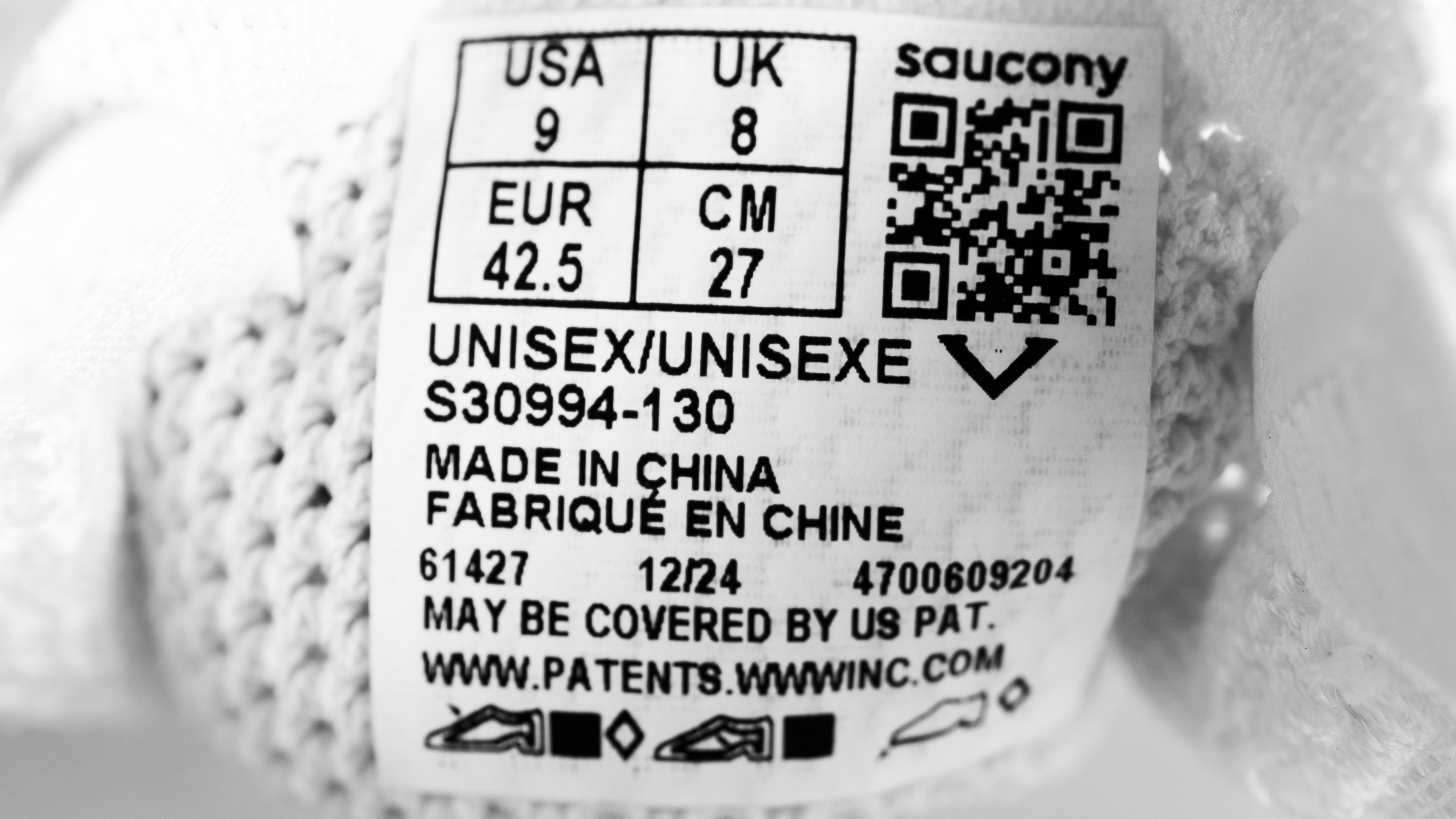
We tested the Saucony Endorphin Elite 2 in men's US size 9, as indicated on the label of our unit. The shoe pictured here is in the White/Peel colorway. This model is available in several other colors, including Fog/Cinder and Citron/Black. Wide versions are not available for this shoe. The design section refers specifically to the model we tested, but we expect other size and gender variants to perform similarly.