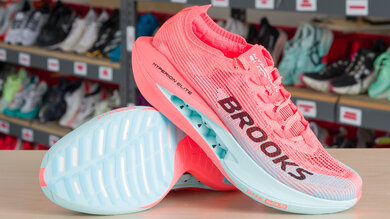
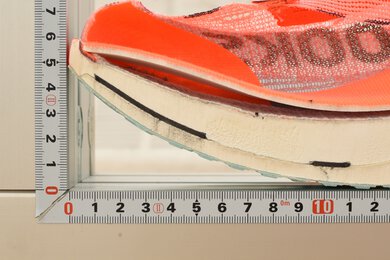
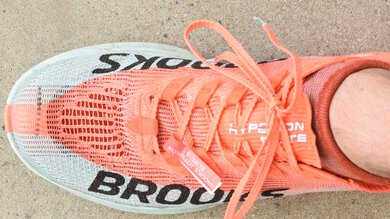
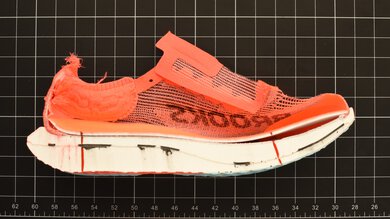
The Brooks Hyperion Elite 5 is the flagship racing shoe of a brand that is more often associated with everyday comfort and reliability than high-end speed. And indeed, the Hyperion Elite 5 incorporates the set-and-forget, step-in comfort for which Brooks is known into a carbon-plated racing shoe. The minimalist, sock-like upper practically disappears on foot, and the shoe feels much more stable than other super shoes. The Hyperion Elite 5's very responsive midsole features PEBA-based DNA Gold foam and a carbon plate. The side cutouts (which call to mind Cookie Monster) appear to be a weight-saving measure and replace the bottom cutout of the Brooks Hyperion Elite 4 PB. The result is a more stable ride but with a less cushioned feel under the heel. The shoe's geometry is not overly aggressive, with a slight rocker that aids leg turnover without significantly altering your normal biomechanics.
Our Verdict
The Brooks Hyperion Elite 5 is very comfortable for a super shoe, making it a great option for a marathon. Although it's not as lightweight as some other super shoes, it has impressive energy return, and the flexible, sock-like upper accommodates the inevitable swelling of the foot during long races.
PEBA-based 'DNA Gold" midsole is very responsive
Lightweight, stretchy upper
Premium "DNA Gold" foam offers good protection
The Brooks Hyperion Elite 5 is a great shoe for shorter races, allowing you to push the pace without getting in your way. The PEBA-based DNA Gold foam and carbon plate in the midsole create a snappy ride that lets you quickly get up to speed, and the firmer forefoot helps keep your feet turning over quickly.
PEBA-based 'DNA Gold" midsole is very responsive
Lightweight, stretchy upper
Changelog
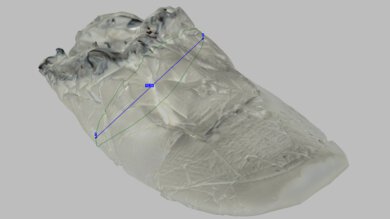
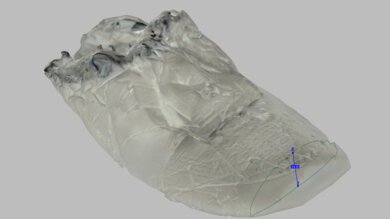
- Updated Jul 03, 2026: We've converted this review to Test Bench 0.13, which identifies the different foams used in the shoe's midsole. We've included a microscopic image of the foam cells to give you an idea of what the microstructure looks like. To read more about the changes, see the changelog.
- Updated Jun 30, 2026: We've converted this review to Test Bench 0.12, which fixes how we measure firmness, a component of the Stability and 5K/10K Racing usages. There may be inconsistencies between the text and the scores for these usages, but the scores should still be considered valid. We've also brought back the Energy Return score and added two new usages: Daily Training and Long Run. To read more about the changes, see the changelog.
- Updated Jun 30, 2026: We've converted this review to Test Bench 0.11, adding two new rocker measurements to the Design section, and three new responsiveness tests to the Performance section. The Energy Return usage score has been replaced with Responsiveness. Check out the details in our changelog.
- Updated Jun 17, 2026: We've converted this review to Test Bench 0.10, adding a new set of fit tests to the Design section and an overall fit performance usage. Check out the details in our changelog.
- Updated Oct 28, 2025: We've converted this review to Test Bench 0.9, which adds a Forefoot Long Run Cushioning test to our performance section. Read more in our changelog.
-
Updated Oct 20, 2025:
We updated the Pros & Cons, Cushioning, Heel Cushioning, Forefoot Cushioning, and Forefoot Energy Return boxes to align with the latest test bench and refreshed the Popular Running Shoe Comparisons section to keep the review accurate.
- Updated Oct 20, 2025: We've converted this review to Test Bench 0.8.2, which updates our methodology for the impact force range used in our compression tests to improve their accuracy. This also affects all usage and performance usage boxes using those compression tests as score components.
- Updated Sep 03, 2025: Review published.
- Updated Aug 21, 2025: Early access published.
- Updated Aug 08, 2025: Our testers have started testing this product.
- Updated Jul 21, 2025: The product has arrived in our lab, and our testers will start evaluating it soon.
- Updated Jul 04, 2025: We've purchased the product and are waiting for it to arrive in our lab.

We've bought and tested more than 250 running shoes. Every pair purchased with our own money, never supplied or sponsored by brands. Our data-driven tests are designed to go beyond marketing claims, and since every shoe goes through the exact same methodology, you can directly compare results to find the right pair for your needs.
Test Results
Energy Return
Stability
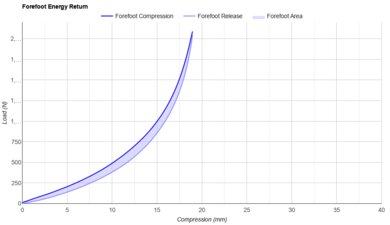
The Brooks Hyperion Elite 5 is decently stable, although not without a few wobbles. The heel in particular feels unsteady around tight turns, and the lack of a gusseted tongue trims some weight at the expense of solid lockdown.
Lack of gusseted tongue can compromise heel lockdown.
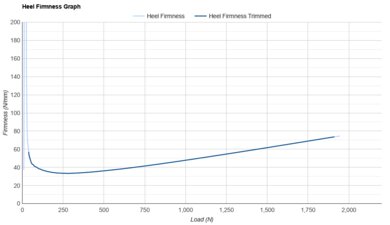
The heel is not particularly firm, which contributes to soft landings, but can cause instability, especially around tight corners or on tired legs.
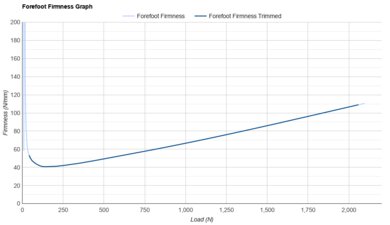
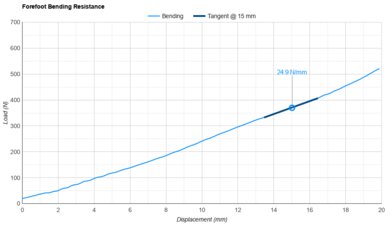
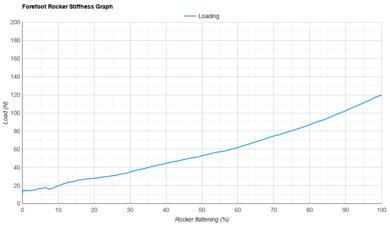
The forefoot of the Brooks Hyperion Elite 5 is quite firm, providing a solid foundation for powerful toe-offs during races. The rigidity of the forefoot puts it at the stiffer end of the spectrum among racing shoes, suggesting it might not be the most comfortable over long distances for most runners.
Cushioning
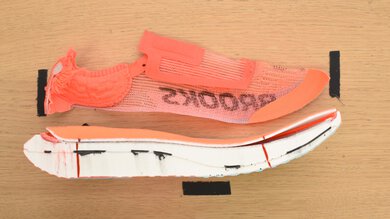
The Brooks Hyperion Elite 5's cushioning is satisfactory. Heel strikers looking for a fast shoe will especially appreciate the very good cushioning in the rear foot. The side cutouts in the midfoot, a weight-saving measure, still allow for decent compression without creating any 'plate feel' underfoot.
Premium "DNA Gold" foam offers good protection
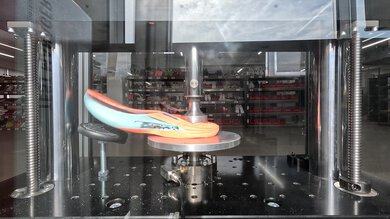
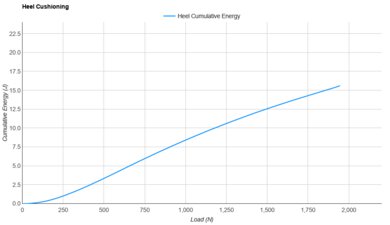
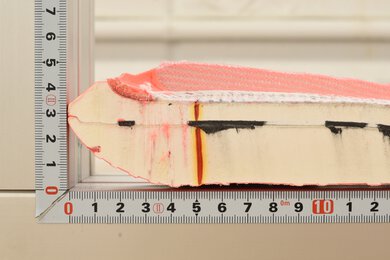
The cushioning under the heel is very good, with forgiving landings for heel strikers that keep legs protected even through intense efforts. The side cutouts that run from the front heel to the midfoot don't collapse or bottom out under pressure, but runners who apply a lot of force upon each strike won't find it quite as plush.
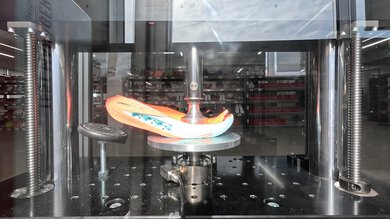
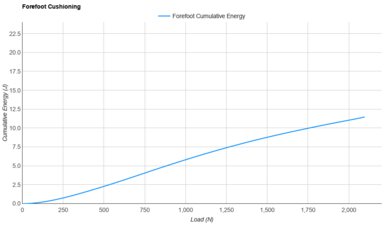
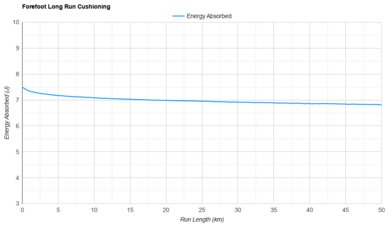
Although the forefoot is less well-cushioned than the heel, it still provides good protection. This discrepancy between the heel and forefoot cushioning has earned comparisons to the Vaporflys. Runners who apply less forces (such as lighter and/or slower runners) will find it really protective, but when the forces applied rise, the shoe feels a bit harsher. Forefoot strikers looking for more cushioning up front might prefer the ASICS METASPEED EDGE TOKYO or the Saucony Endorphin Elite 2.
Responsiveness
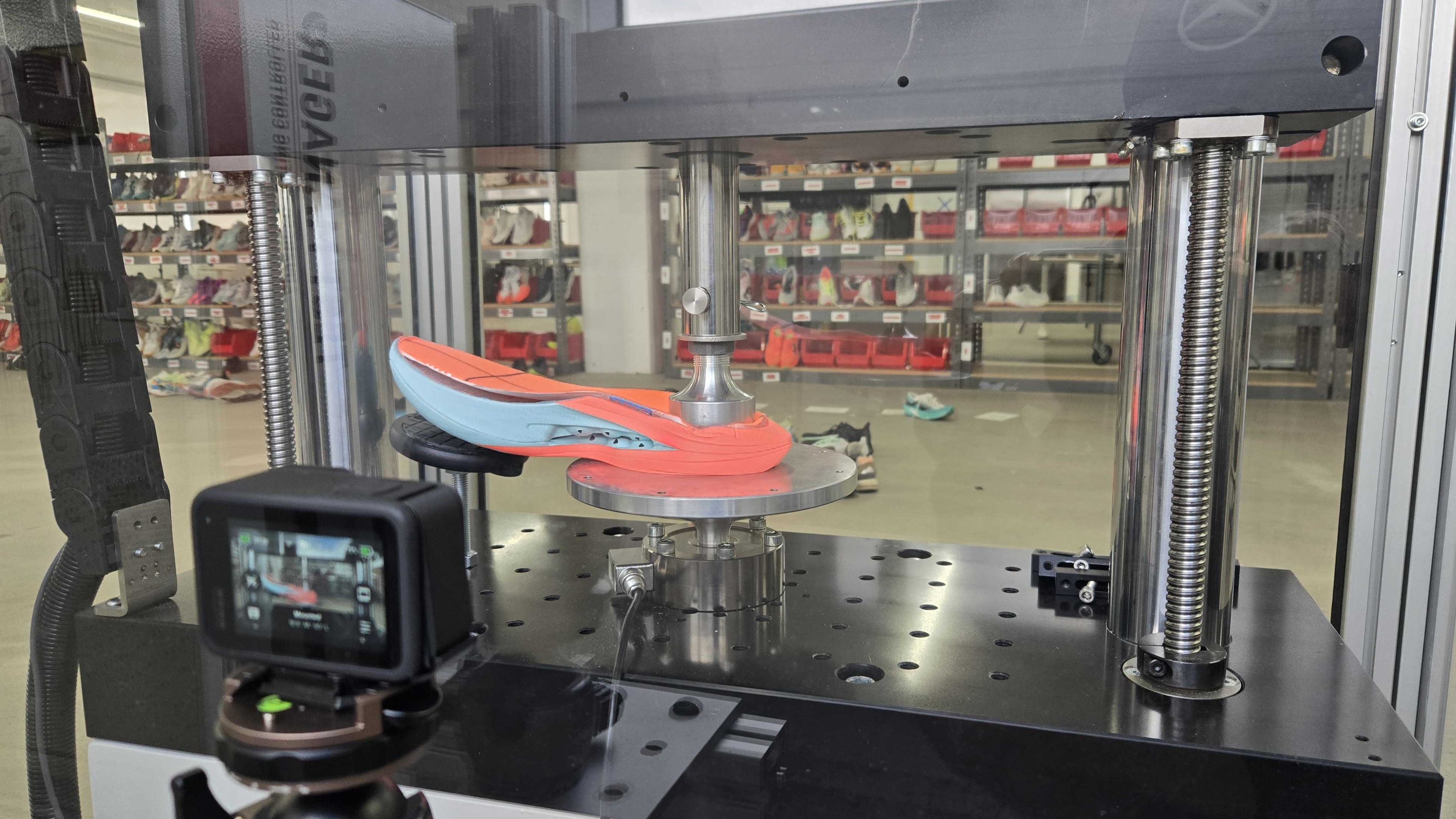
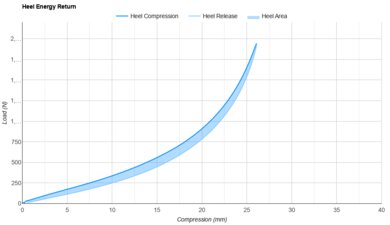
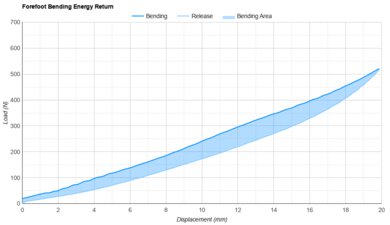
The Brooks Hyperion Elite 5's impressive energy return puts it among the true super shoes. Brooks' DNA Gold foam (a Nitrogen-infused PEBA-based compound) anchors a solid midsole that features a carbon plate that join together to bounce back most of the energy from your stride.
PEBA-based 'DNA Gold" midsole is very responsive
True To Size
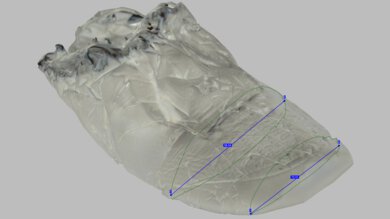
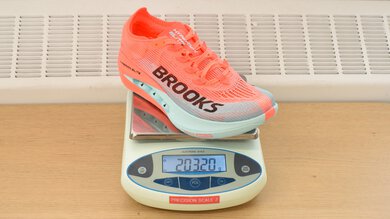
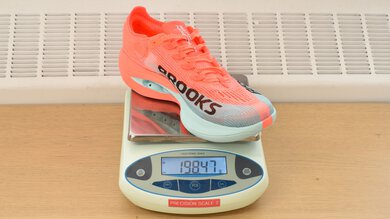
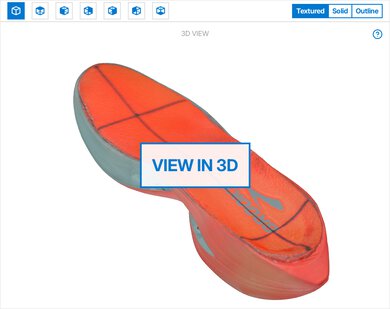
The Brooks Hyperion Elite 5 is not the lightest racing shoe, weighing a touch more than its predecessor, the Brooks Hyperion Elite 4 PB. The 5 does away with the cutout on the bottom that caused some stability issues and opts for side cutouts.

Popular Running Shoe Comparisons
The Brooks Hyperion Elite 5 is a lightweight racing shoe that incorporates the brand's comfort-focused design principles into a streamlined super shoe. Brooks has lagged behind some of its rivals in creating a race-worthy super shoe, but the Hyperion Elite 5 closes that gap. The Hyperion Elite 5 still doesn't represent the cutting edge of super shoe technology: it's noticeably heavier than the adidas Adizero Adios Pro Evo 2 or the Nike Vaporfly 4. And while the PEBA-based DNA Gold midsole foam in the Hyperion Elite 5 is impressive, PEBA is now being outclassed by Aliphatic TPU foams, such as those found in the PUMA Fast-R NITRO Elite 3, and the ASICS METASPEED SKY TOKYO, and by TPEE foams such as those in the Saucony Endorphin Elite 2 and the adidas Adizero Adios Pro 4. Still, the Hyperion Elite 5 is a legitimate race-day contender that can hold its own across various distances.
The Hyperion Elite 5 is the top-speed racing shoe within Brooks' Hyperion series, which in turn is the most uptempo-focused segment of Brooks' overall lineup. The Brooks Hyperion 3 is a more versatile, everyday training companion to the Elite 5, with a similar fit and geometry, but a less streamlined design and less bouncy DNA Flash v2 foam. Sitting at the top of the Hyperion range in both weight and height is the Brooks Hyperion Max 3, a max-cushioned super trainer that has a layer of DNA Gold foam, sitting atop a nylon plate, and a layer of DNA Flash v2.
For more options, check out our recommendations for the best running shoes, as well as the best long-distance running shoes and the best shoes for running a marathon.
The Nike Vaporfly 4 and Brooks Hyperion Elite 5 almost feel like long-lost cousins that might share a common ancestor in the early Vaporflys. In some ways, the Brooks feels closer to those early Vaporflys, with its snug, sock-like fit, while the Nike shoe's upper has undergone a significant makeover since the Nike Vaporfly 3. The more streamlined design and significantly lower weight also make this shoe seem like the more highly evolved super shoe. In its quest for greater efficiency, the Nike shoe has arguably become more specialized, but less versatile. It's a standout choice for shorter races, but it's less optimal for marathons. The Brooks might be a step behind the Nike in a 10k to half-marathon, but thanks to better stability and cushioning, the Brooks shoe could overtake the Nike one in the marathon.
The Brooks Hyperion Elite 6 has undergone several major changes that make it a very different shoe than the Brooks Hyperion Elite 5. The 6th edition is lighter, more aggressively rockered, bouncier, and more energetic. One potentially off-putting change is the heel padding, which consists of three separate pads in the 6, as opposed to the smoother, wrap-around padding on the heel collar of the 5. If you liked the 5 because it disappeared on foot and didn't get in the way of your normal biomechanics, you might not like the upgrade. If you're chasing a new PR and are willing to take some risks to squeeze out more advantage, the 6 is worth it.
The Brooks Hyperion Elite 5 and Saucony Endorphin Elite 2 are almost identical in weight, and each is its respective brand's most aggressive carbon-plated racing shoe. The similarities end there, however. The Endorphin Elite 2 is much softer and more cushioned, making it a more logical choice for marathons. With its firmer, snappier ride, the Hyperion Elite 5 is better suited to middle-distance racing, like a 5K or 10K.
The ASICS METASPEED EDGE TOKYO is significantly lighter than the Brooks Hyperion Elite 5, with a softer and bouncier ride that better suits cadence-driven racing. The Brooks is firmer underfoot and more stable, which gives it broader appeal for runners who prefer a more controlled racer. Get the ASICS if low weight plus bounce matter most; get the Brooks if you prioritize stability or a firmer ride.
The Brooks Hyperion 3 and the Brooks Hyperion Elite 5 are companion shoes within Brooks' roster, designed for different uses. The Hyperion 3 is a daily trainer, but with a lighter build and more aggressive geometry than the brand's other daily trainers. The Hyperion Elite 5 goes further still, dropping more weight and adding a carbon plate to the midsole. Runners who like the fit and feel of the Hyperion 3, but who want an edge on race day, will feel comfortable (and fast) lacing up the Hyperion Elite 5.
The XTEP 160X 7.0 PRO and Brooks Hyperion Elite 5 are both carbon-plated marathon racers, but they suit different runners. The XTEP is the heavier shoe, with a stiffer rocker and more protective forefoot, delivering a more propulsive ride through toe-off. The Brooks is the lighter option, with a much higher heel-to-toe drop and firmer forefoot, making it a better racer for heel strikers.
Differences Between Sizes And Variants
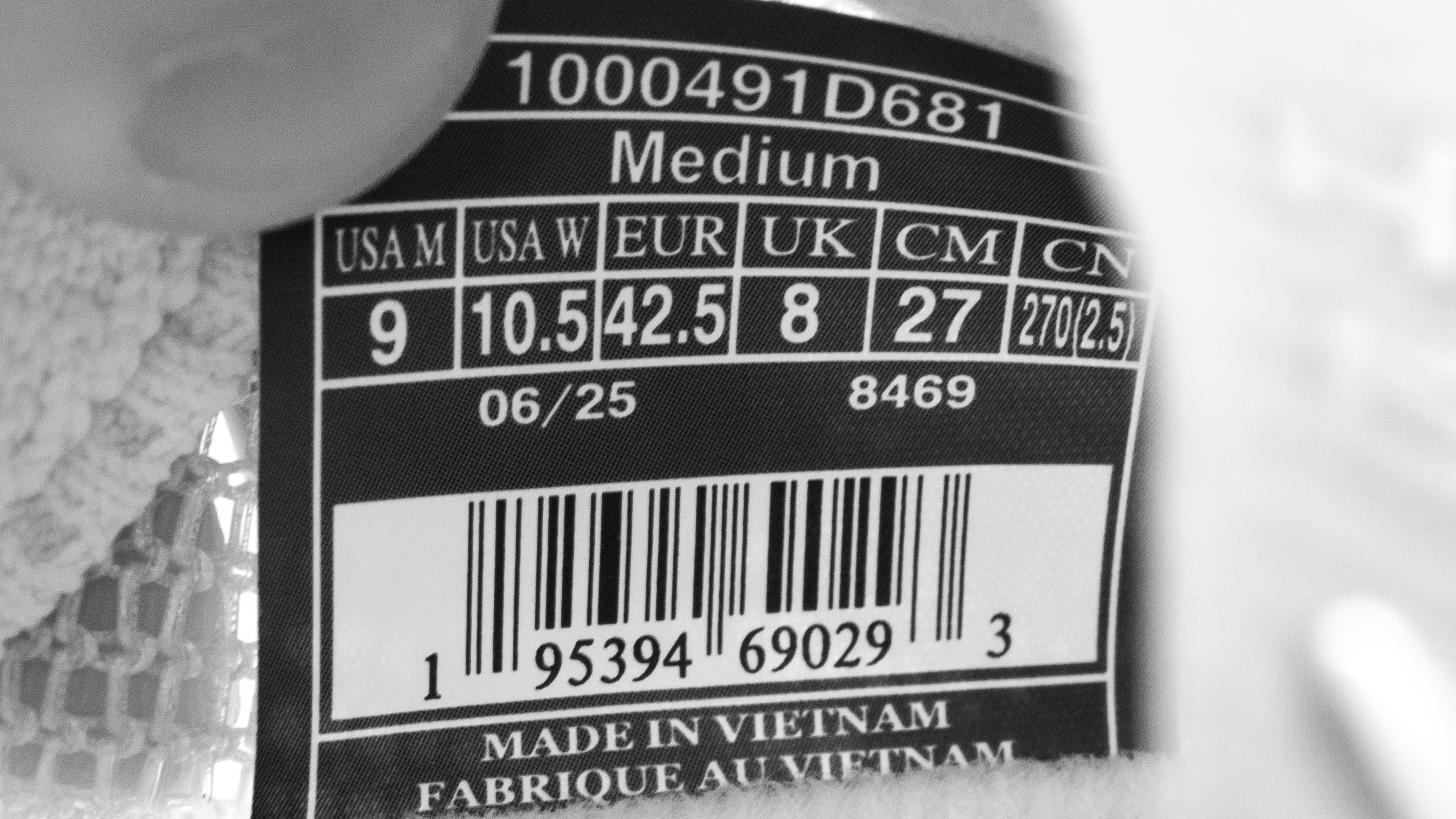
We bought and tested the Brooks Hyperion Elite 5 in US men's size 9/women's size 10.5, as indicated on the label for our pair. The specific colorway shown here is Pink Clay/Atomizer Blue. This model is available in only this one colorway, in unisex sizing; no wide or special editions are currently offered.