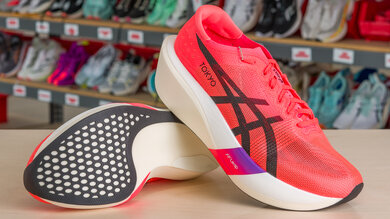
The ASICS METASPEED EDGE TOKYO is an ultralight, carbon-plated racer designed for runners who speed up by taking quicker steps. It's the cadence-driven counterpart to the METASPEED SKY TOKYO in the brand's racing lineup, and a more approachable option than the lighter, less stable METASPEED RAY. The great cushioning pairs with an impressively energetic midsole, providing a deeply protective, lively ride that makes sustaining race pace a breeze. However, the soft, very narrow heel makes landings unsteady, especially on technical courses or when you're tired, and it's far too aggressive for daily training.
| ✅ Buy If: | ❌ Skip If: |
|
|
Our Verdict
The ASICS METASPEED EDGE TOKYO is an amazing marathon racer. Its low weight keeps turnover quick, while the midsole stays highly protective deep into the race. Great energy return at both ends of the shoe makes finding and sustaining race pace very efficient, while the stiff rocker helps carry you smoothly through the stride. However, the soft platform and narrow heel can become harder to control as fatigue builds.
Exceptionally low weight keeps turnover quick.
Great cushioning stays amazingly protective deep into marathon efforts.
Great energy return keeps sustained race pace efficient.
Stiff rocker helps smooth transitions through the stride.
Soft platform and narrow heel can become harder to control as fatigue builds.
Poor heel abrasion resistance causes faster wear for heel strikers.
The ASICS METASPEED EDGE TOKYO is a great short-distance racer. Its low weight makes fast turnover easy, while the firm forefoot provides a secure base to push from. The forefoot takes plenty of force to bend, too, providing good leverage at toe-off, while it returns a lot of energy stored when bent as it unbends, keeping push-off efficient.
Low weight makes fast turnover easy.
Firm forefoot provides a secure base at toe-off.
Forefoot stiffness provides good leverage through push-off.
Not the snappiest or most aggressive option for short-distance racing.
Poor heel abrasion resistance causes faster wear for heel strikers.
The ASICS METASPEED EDGE TOKYO is a good long-run shoe for progressive efforts or sessions with marathon-paced sections. The great cushioning keeps legs amazingly protected as distance builds, while the great energy return makes quicker sections lively and efficient. The low weight also stops the shoe from becoming cumbersome at the back end of extended efforts. However, the soft platform and narrow heel demand more control as fatigue builds, while the poor heel rocker provides little assistance into midstance.
Great cushioning stays amazingly protective over longer efforts.
Great energy return suits progressive runs and marathon-paced sections.
Low weight stays easy to turn over deep into runs.
Soft platform and narrow heel become harder to control as fatigue builds.
Not the shoe for slow, steady miles.
Poor heel abrasion resistance causes faster wear for heel strikers.
The ASICS METASPEED EDGE TOKYO isn't a good option for daily training. Despite its deep cushioning, low weight, and lively ride, the shoe is much too aggressive for daily training duties. Its narrow heel makes the ride less stable, while the poor heel rocker offers little assistance into midstance. The aggressive forefoot rocker and stiff-plated ride suit racing far better than relaxed daily mileage.
Great cushioning keeps regular mileage well protected.
Narrow heel makes relaxed running less secure.
Poor heel rocker offers little assistance into midstance.
Stiff plated ride proves too aggressive for easy daily mileage.
Poor heel abrasion resistance causes faster wear for heel strikers.
Changelog
- Updated Oct 26, 2026: We've converted this review to Test Bench 1.0! This update adds Traction and Outsole Durability verdict scores to the review, making it easier to make a buying decision. Read the changelog for a full list of changes.
- Updated Sep 23, 2026: We've updated this review to Test Bench 0.16, expanding our coverage with new tests for breathability, water absorption, and drying time. For more details, see the changelog.
- Updated Sep 17, 2026: We've converted this review to Test Bench 0.15, which replaces Responsiveness with three specific performance usages: Bounciness, Snappiness, and Roll. To read more about the changes, see the changelog.
- Updated Aug 27, 2026: We've converted this review to Test Bench 0.14, which adds new lace-specific results. We've included a close-up photo of the laces, as well as details including lace type, width, thickness, and stretch. To read more about the changes, see the changelog.
- Updated Aug 26, 2026: We've converted this review to Test Bench 0.13, which identifies the different foams used in the shoe's midsole. We've included a microscopic image of the foam cells to give you an idea of what the microstructure looks like. To read more about the changes, see the changelog.
- Updated Jun 22, 2026: We've converted this review to Test Bench 0.12, which fixes how we measure firmness, a component of the Stability and 5K/10K Racing usages. There may be inconsistencies between the text and the scores for these usages, but the scores should still be considered valid. We've also brought back the Energy Return score and added two new usages: Daily Training and Long Run. To read more about the changes, see the changelog.
- Updated Jun 22, 2026: We've converted this review to Test Bench 0.11, adding two new rocker measurements to the Design section, and three new responsiveness tests to the Performance section. The Energy Return usage score has been replaced with Responsiveness. Check out the details in our changelog.
-
Updated Feb 16, 2026:
We updated the Fit usage box to include relevant sizing recommendations.
-
Updated Feb 16, 2026:
We updated the review to include text for the full set of new fit tests and the corresponding usage box recently added to our test bench.
- Updated Feb 16, 2026: We've converted this review to Test Bench 0.10, adding a new set of fit tests to the Design section and an overall fit performance usage. Check out the details in our changelog.
-
Updated Oct 31, 2025:
We added the full text to the review.
- Updated Oct 28, 2025: We've converted this review to Test Bench 0.9, which adds a Forefoot Long Run Cushioning test to our performance section. Read more in our changelog.
- Updated Oct 24, 2025: We've converted this review to Test Bench 0.8.2, which updates our methodology for the impact force range used in our compression tests to improve their accuracy. This also affects all usage and performance usage boxes using those compression tests as score components.
- Updated Oct 24, 2025: Review published.
- Updated Oct 23, 2025: Early access published.
- Updated Jun 26, 2025: Our testers have started testing this product.
- Updated Jun 20, 2025: The product has arrived in our lab, and our testers will start evaluating it soon.
- Updated Jun 20, 2025: We've purchased the product and are waiting for it to arrive in our lab.
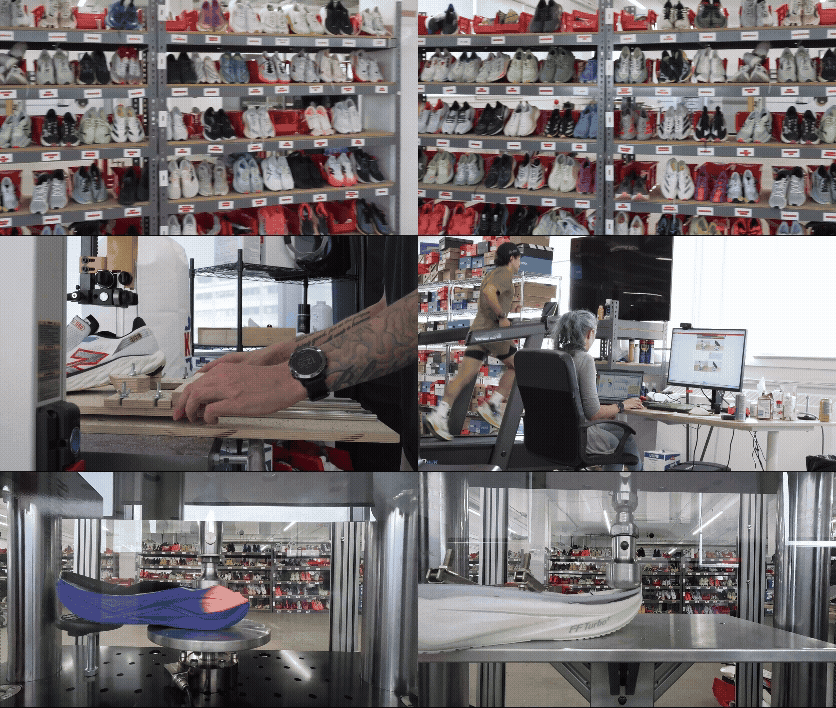
We've bought and tested more than 300 running shoes. Every pair purchased with our own money, never supplied or sponsored by brands. Our data-driven tests are designed to go beyond marketing claims, and since every shoe goes through the exact same methodology, you can directly compare results to find the right pair for your needs.
Test Results
Design
Poor heel abrasion resistance causes faster wear for heel strikers.
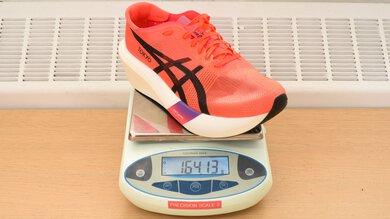
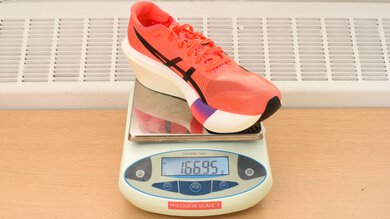
The ASICS METASPEED EDGE TOKYO is extremely light for a plated racer, helping you to keep a high cadence effortlessly, though it's a touch heavier than the ASICS METASPEED RAY and feels a bit less efficient as a result.
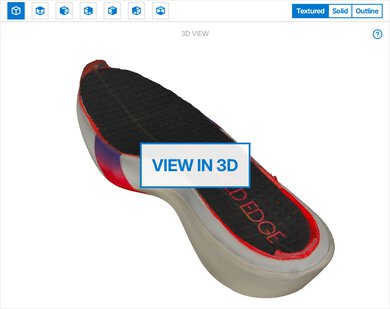


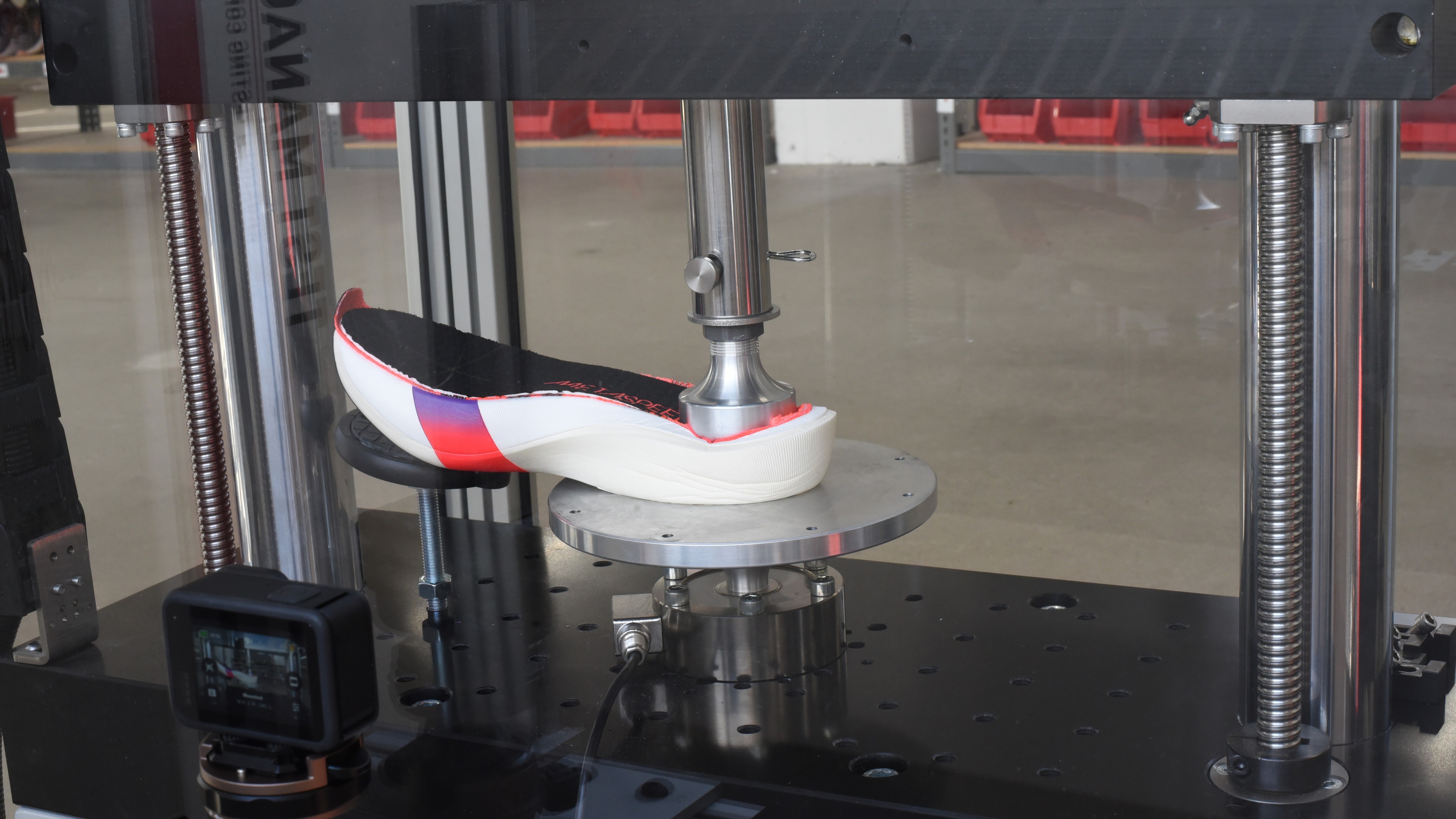
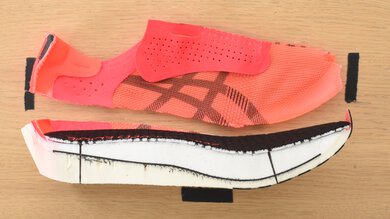
The ASICS METASPEED EDGE TOKYO uses two top-tier modern foams. The ultra-soft layer sits above the plate and makes up more of the forefoot, while the firmer layer sits closer to the ground and provides extra structure through the heel. This modern, dual-density setup is what gives the shoe its deep cushioning and lively ride while keeping weight down.

Energy Return
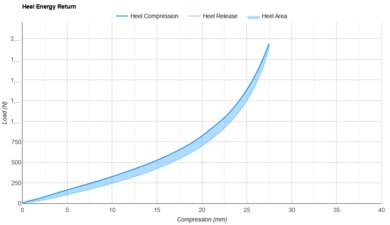
The ASICS METASPEED EDGE TOKYO has great energy return overall. The heel rebounds excellently after landing, helping runners who contact farther back maintain race pace efficiently. The forefoot also gives back a great amount of energy through toe-off, keeping cadence-driven running lively at speed.
Excellent heel rebound helps maintain sustained race pace.
Great forefoot rebound keeps toe-off lively.
Energetic ride rewards quicker turnover.
Forefoot less lively than heel.
Poor heel abrasion resistance causes faster wear for heel strikers.
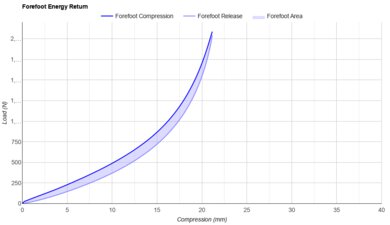
The ASICS METASPEED EDGE TOKYO provides a strong forefoot rebound that feels lively, albeit not as much as the ASICS METASPEED RAY or ASICS METASPEED SKY TOKYO. Placing the PEBA-based FF TURBO+ layer as the bottom foam layer under the plate results in a less energetic ride in the forefoot.
Stability
The ASICS METASPEED EDGE TOKYO has mediocre stability overall. Its reasonably wide arch gives the midfoot a decent base, while the firm forefoot keeps toe-off controlled. However, the heel is soft and extremely narrow for such a tall shoe, making rearfoot landings less secure. As such, technical courses can be tricky, especially when fatigued.
Firm forefoot keeps toe-off controlled.
Soft heel makes rearfoot landings less secure.
Exceptionally narrow heel can become tricky on technical courses.
Poor heel abrasion resistance causes faster wear for heel strikers.
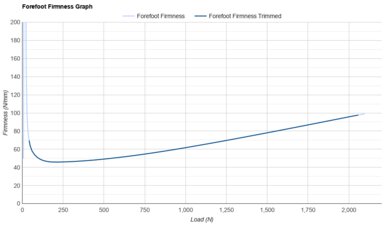
The ASICS METASPEED EDGE TOKYO is moderately firm up front, giving a controlled toe-off, but it's not as snappy as super shoes optimized for shorter distances like the Nike Vaporfly 4.
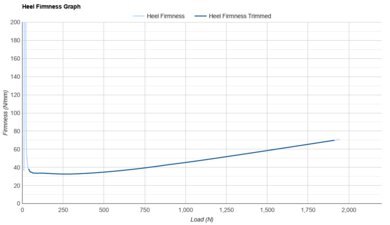
The ASICS METASPEED EDGE TOKYO feels soft at the heel, but the substantial quantity of foam underneath the heel adds structure, making it a safer choice than the ASICS METASPEED RAY for runners who drift toward the heel as their form fades late in a marathon.
The ASICS METASPEED EDGE TOKYO sits on a broader base than the ASICS METASPEED RAY, which makes it heavier but also more stable.
Cushioning
The ASICS METASPEED EDGE TOKYO has great cushioning overall. The heel absorbs impact very well at lighter and moderate forces, with protection dropping under the highest loads but remaining good enough overall. The forefoot follows a similar pattern, offering excellent protection at lighter forces before becoming slightly less protective as more force hits the shoe. The cushioning holds up amazingly over the marathon distance, too.
Heel provides very good impact protection across different forces.
Forefoot cushioning remains highly protective even under heavy loads.
Cushioning holds up amazingly over marathon distance.
Impact protection drops under the highest forces.
Poor heel abrasion resistance causes faster wear for heel strikers.
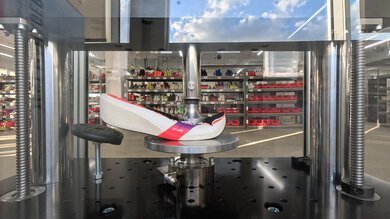
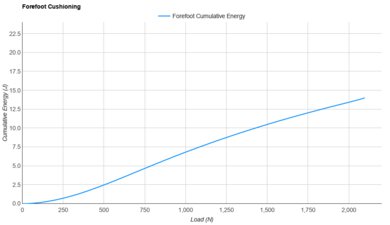
The ASICS METASPEED EDGE TOKYO is generously cushioned at the forefoot, keeping landings comfortable. Because the heel uses a larger quantity of firmer FF TURBO+ as a carrier, the ride can feel like it has more drop than measured. The big chunk of softer FF LEAP up front compresses under force, while the heel is less compliant, creating a sensation of a taller heel stack during hard efforts. That behavior makes this the better pick for heel strikers between the two METASPEED TOKYOS. Also, it feels a bit less plush overall than their prodigy sibling, the ASICS METASPEED RAY.
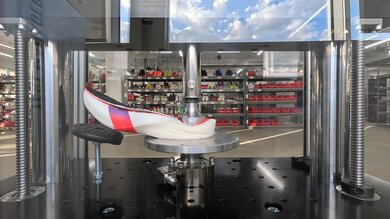
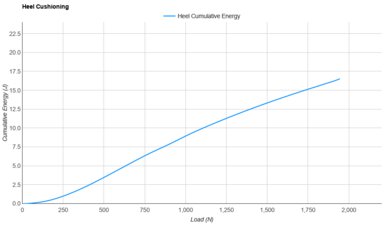
The ASICS METASPEED EDGE TOKYO offers well-cushioned protection at the heel, soaking up impacts reliably and staying consistent as pace and forces applied vary.
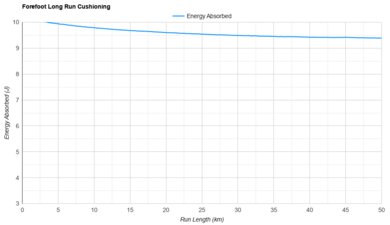
The ASICS METASPEED EDGE TOKYO excels in forefoot cushioning capabilities over long distances, with the FF LEAP layer directly underfoot absorbing impacts effectively, even as the distance piles up. Putting the A-TPU layer close to the foot allows the shoe to keep its protective qualities deep into long runs, more so than the ASICS METASPEED SKY TOKYO, which layers the two midsole compounds in the opposite way.
Traction
The ASICS METASPEED EDGE TOKYO has acceptable traction overall. It provides decent grip on both dry and wet concrete, giving you secure footing when pushing off on roads or sidewalks, even in the rain. However, its grip on wet aluminum is only okay, so you'll need to be careful on slippery drain covers or wet road markings when racing. It also performs terribly on gravel and poorly on mud, making it a bad choice for races with unpaved or muddy sections.
Decent dry concrete grip provides secure footing on roads.
Wet concrete grip makes running in the rain secure enough.
Wet drain covers and road markings require more care.
Terrible gravel and poor mud grip make unpaved race sections dicey.
Poor heel abrasion resistance causes faster wear for heel strikers.


Outsole Durability
The ASICS METASPEED EDGE TOKYO has inadequate outsole durability overall. Its forefoot has great abrasion resistance and relatively little exposed foam, so it holds up well against repeated push-offs. However, the heel has poor abrasion resistance and a considerable amount of exposed foam, leaving much of the midsole vulnerable to damage from road contact. As a result, heel strikers will experience much faster wear.
Forefoot holds up impressively to repeated push-offs.
Poor heel abrasion resistance causes faster wear for heel strikers.
Exposed foam leaves the heel even more vulnerable to damage.

The ASICS METASPEED EDGE TOKYO has mediocre abrasion resistance overall, though there's a considerable difference between the heel and forefoot. The forefoot rubber has great resistance to wear, so it holds up impressively against repeated push-offs. However, the heel wears down much more easily, making it a poor choice for heel strikers.

The ASICS METASPEED EDGE TOKYO has poor outsole coverage overall. Most of the foam beneath the forefoot is protected by rubber, limiting direct contact with the road when pushing off. However, a large portion of the heel is exposed, leaving the midsole particularly vulnerable to damage if you land farther back.
Wet & Warm Weather
The ASICS METASPEED EDGE TOKYO is an excellent choice for wet and warm weather. Its exceptional ventilation helps limit heat buildup during warm races, and its low water uptake keeps extra weight manageable in the rain. It also dries especially quickly after getting soaked.
Poor heel abrasion resistance causes faster wear for heel strikers.


The ASICS METASPEED EDGE TOKYO is exceptionally breathable. Its upper allows air to move through easily, helping reduce heat buildup when you're racing hard or running in warm conditions.


Bounciness
The ASICS METASPEED EDGE TOKYO has a decent amount of bounce. The heel returns an excellent amount of energy after landing, while the forefoot gives plenty back through toe-off. However, neither end compresses particularly deeply, especially the forefoot, limiting how much spring you get underfoot. Turnover stays quick without the deep trampoline-like sensation of bouncier racers.
Great forefoot rebound keeps toe-off lively.
Excellent heel rebound makes landings efficient.
Heel doesn't compress deeply enough for a truly pronounced bounce.
Shallow forefoot compression limits spring sensation through toe-off.
Poor heel abrasion resistance causes faster wear for heel strikers.


Snappiness
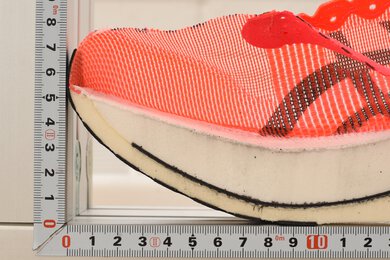
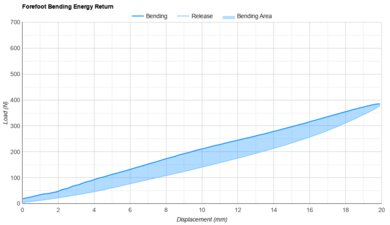
The ASICS METASPEED EDGE TOKYO has good snap. The forefoot takes a lot of force to bend, giving you plenty of leverage at toe-off. It also returns a great amount of the energy stored as it unbends, keeping push-off efficient. However, the forefoot rocker angle is comparatively tame, so it doesn't move you onto your toes as aggressively as the score suggests.
Forefoot takes plenty of force to bend, providing good leverage at toe-off.
Great bending energy return keeps push-off efficient.
Firm forefoot provides a secure base to push from.
Rocker angle offers limited assistance through toe-off.
Poor heel abrasion resistance causes faster wear for heel strikers.
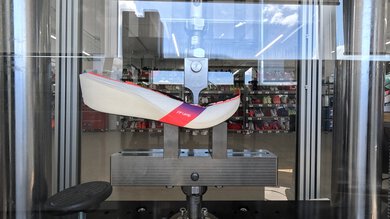
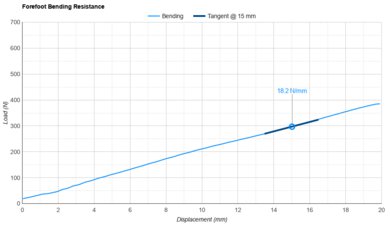
It takes plenty of force to bend the forefoot, giving you good leverage at toe-off without making the shoe excessively rigid.
Roll
The ASICS METASPEED EDGE TOKYO rolls well through the stride. Its stiff rocker carries you smoothly through late stance, while the forefoot geometry helps move you onto your toes. The forefoot also provides good leverage at push-off. However, the poor heel rocker offers very little assistance after landing, so heel strikers get a less fluid transition into midstance.
Stiff rocker carries you smoothly through late stance.
Forefoot stiffness provides good leverage at push-off.
Heel rocker offers little assistance into midstance.
Poor heel abrasion resistance causes faster wear for heel strikers.
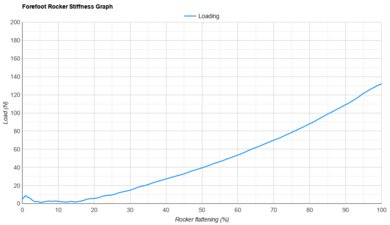
The rocker is impressively stiff. It resists flattening under load, helping the shoe carry you smoothly through late stance instead of collapsing under load.
True To Size
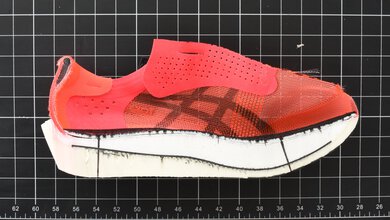
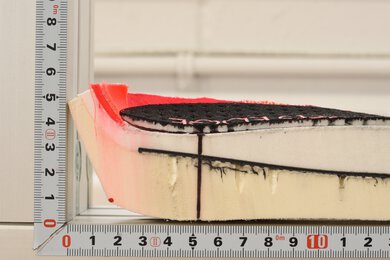
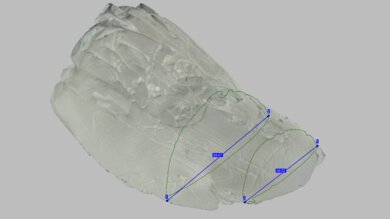
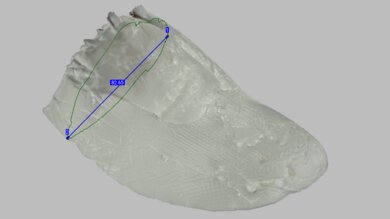
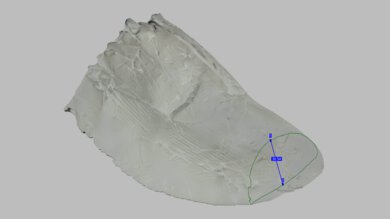
The ASICS METASPEED EDGE TOKYO has a decent, race-focused fit. The length runs slightly short, while the forefoot and arch fit snugly to keep the foot secure at speed. There's plenty of vertical room in the toe box, though runners with wider or higher-volume feet may find the overall fit restrictive, especially with foot swelling towards the end of a marathon. That said, if you're after a performance fit, most runners can stick with their usual size for racing.
Snug forefoot provides secure race-day lockdown.
Tall toe box leaves plenty of vertical room.
Might be too tight if you have a preference for a roomier shoe when feet swell.
Poor heel abrasion resistance causes faster wear for heel strikers.

This shoe feels a bit short in length, and ideally, you'd get a touch more toe clearance up front. It can be perfectly fine for racing if you prefer a locked-in feel, but over longer distances, especially a marathon, your feet tend to swell, and your big toe can end up sitting uncomfortably close to the front of the shoe. It won't bother everyone, but runners who prefer more breathing room will likely be happier if they go up half a size.
Popular Running Shoe Comparisons
The ASICS METASPEED EDGE TOKYO is the cadence-driven alternative to the ASICS METASPEED SKY TOKYO, which better suits runners who gain speed by lengthening their stride. Compared with the previous ASICS METASPEED EDGE PARIS, the EDGE TOKYO cuts weight while adding cushioning plus energy return. Elsewhere, the PUMA Fast-R NITRO Elite 3 offers a more aggressive, snappier ride, while the New Balance FuelCell SuperComp Elite v5 puts more emphasis on comfort over longer races.
Within ASICS' racing lineup, the SKY TOKYO better suits stride-driven runners plus mid-to-forefoot strikers, while the ASICS METASPEED RAY goes even lighter with more cushioning at the expense of stability. The EDGE TOKYO remains the more approachable option for cadence-driven runners.
For more options, check out our recommendations for the best ASICS running shoes or the best shoes for running a marathon.
The ASICS METASPEED EDGE TOKYO is a better long-distance racing choice than the PUMA Deviate NITRO Elite 4 if maintaining cushioning over distance matters most. It preserves more forefoot impact protection during extended efforts while remaining slightly lighter and more stable. Its firmer forefoot also suits runners who prefer less give underfoot. The PUMA is a better alternative if fit is the deciding factor. It offers more width around the toes and through the arch, whereas the ASICS is short and narrow. The PUMA also provides stronger initial heel cushioning.
The ASICS METASPEED EDGE TOKYO is a better racing shoe than the adidas Adizero Adios Pro 4. It's significantly lighter, more cushioned, and a bit more stable, so it's easier to hold race pace over longer distances. Its cushioning also holds up much better over the course of a marathon. The adidas returns a bit more energy and is bouncier, but it's heavier, less stable, and doesn't protect your legs as well over the full distance.
The ASICS METASPEED EDGE TOKYO and Nike Alphafly 3 are both marathon racers, but the ASICS is considerably lighter and more cushioned. The Nike shoe is more stable and gives you a firmer platform to push against through toe-off. Get the ASICS if you want the lighter, softer racer; get the Nike if you prioritize stability and a more forceful forefoot response.
The ASICS METASPEED EDGE TOKYO is a better marathon racer than the ASICS METASPEED SKY TOKYO if you land on your heels or run with quick, short steps. It's more stable and works particularly well over the marathon. The SKY TOKYO is bouncier and suits runners who land farther forward and speed up by lengthening their stride.
The ASICS METASPEED EDGE TOKYO is a better choice for racing than the adidas Adizero Adios Pro 5, particularly for shorter races. It's slightly lighter, returns more energy at the heel, and runners who prefer a firm, direct forefoot will find it appealing. Its forefoot cushioning also holds up better over longer efforts. The adidas is a good alternative if you want a softer landing and a slightly more stable feel, thanks to its wider platform.
The ASICS METASPEED RAY is lighter than the ASICS METASPEED EDGE TOKYO and offers more bounce at faster paces, making it the better pick for mid-to-forefoot strikers chasing maximum race-day efficiency. The EDGE TOKYO is more stable and better suited to longer races, especially for cadence-driven runners or those who land farther back. Get the RAY for maximum speed; get the EDGE TOKYO for the more approachable marathon racer.
The ASICS METASPEED EDGE TOKYO is a significant upgrade over the ASICS METASPEED EDGE PARIS. The TOKYO is lighter, softer, and bouncier, while also providing better cushioning plus greater stability. The PARIS has a firmer ride with slightly more outright snap. Most runners should get the EDGE TOKYO; choose the EDGE PARIS if you specifically prefer the firmer ride or find it at a steep discount.
The ASICS METASPEED EDGE TOKYO is a much more aggressive racing shoe than the ASICS YOGIRI SPEED. Get the EDGE TOKYO if you're aiming for a marathon time around three hours; consider the YOGIRI SPEED if you anticipate a finish time closer to four hours or longer.
The ASICS METASPEED EDGE TOKYO is significantly lighter than the Brooks Hyperion Elite 5, with a softer and bouncier ride that better suits cadence-driven racing. The Brooks is firmer underfoot and more stable, which gives it broader appeal for runners who prefer a more controlled racer. Get the ASICS if low weight plus bounce matter most; get the Brooks if you prioritize stability or a firmer ride.
Differences Between Sizes And Variants
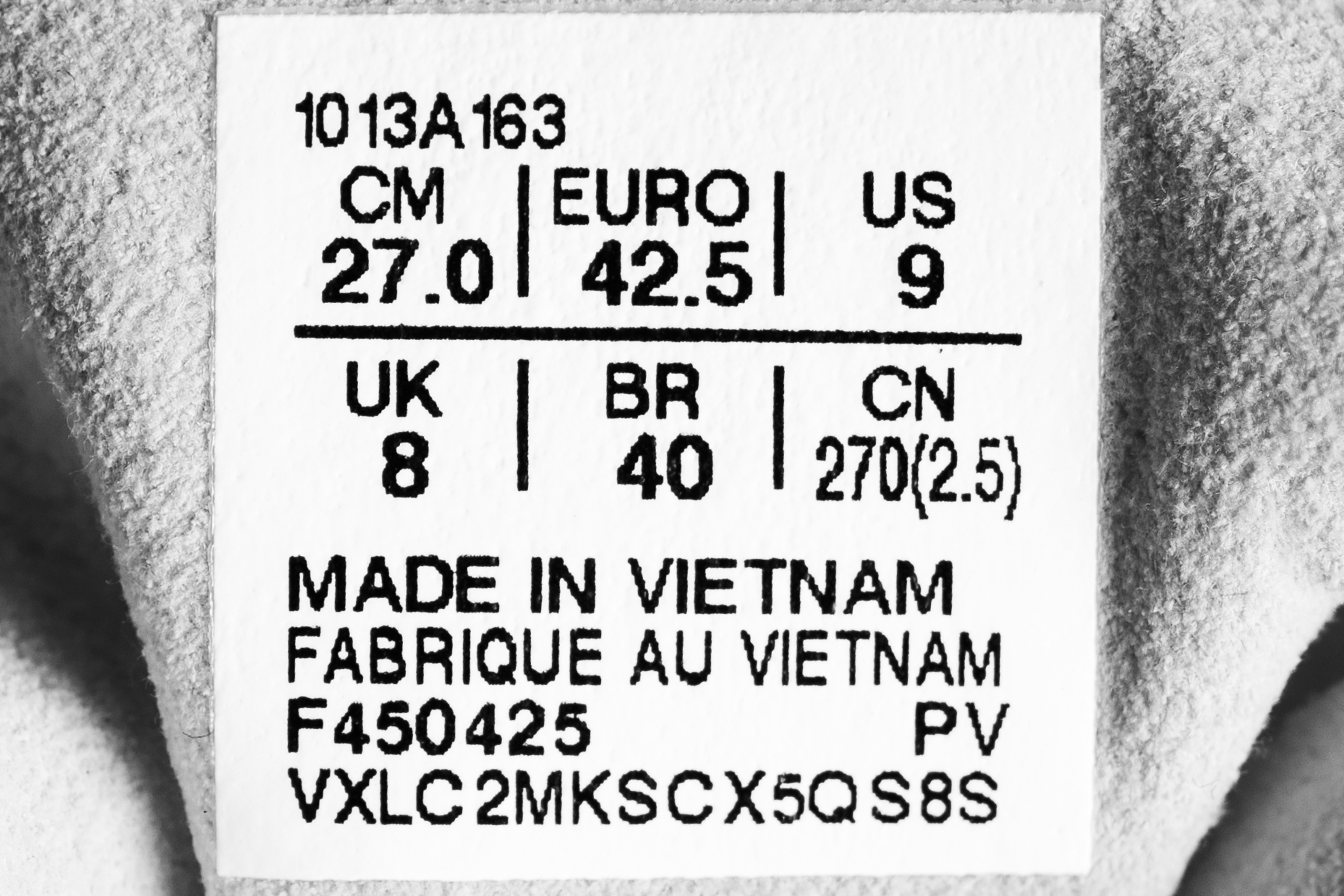
We bought and tested the ASICS METASPEED EDGE TOKYO in men's US size 9, as noted on the label for our pair. The pair we purchased is the Flash Red/Black colorway. At the time of testing, no wide variants are available. The design section applies only to the exact model we tested, but we expect other sizes and gender variants to perform similarly.