The New Balance FuelCell SuperComp Elite v5 is an approachable racing shoe that incorporates many of the standard super shoe elements (including a carbon plate and full PEBA midsole) into a relatively accommodating shoe that maintains the brand's focus on comfort. New Balance has significantly streamlined the design of its predecessor, the New Balance FuelCell SuperComp Elite v4, shaving off over 30g and dramatically narrowing the outsole platform. Where the v4 offered more "safety net" stability, the v5's firmer midsole reduces some of the ankle instability common in higher-stacked shoes. While the narrower platform makes the Elite v5 somewhat less accommodating of wider feet than its predecessor, it is still one of the few racing shoes that is available in both standard and wide versions.
Our Verdict
The New Balance FuelCell SuperComp Elite v5 is an impressive marathon shoe, with its PEBA-based midsole providing excellent energy return and enough cushioning to go the distance. The geometry is sufficiently rockered to assist with turnover on tired legs, but gentle enough to comply with normal biomechanics.
Nice bounce from PEBA-based midsole.
The New Balance FuelCell SuperComp Elite v5 is a great shoe for shorter races. With its excellent energy return and firm forefoot, the Elite v5 has the necessary pop and snap to maintain an aggressive pace.
Nice bounce from PEBA-based midsole.
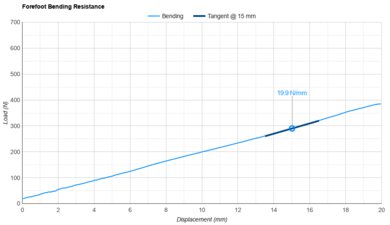
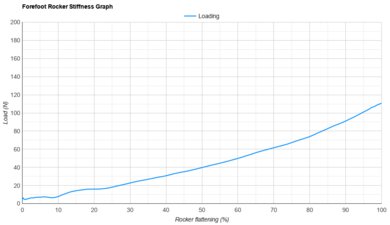
Firm forefoot, especially at higher force levels.
Changelog
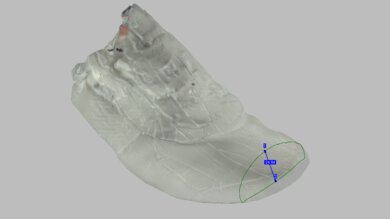
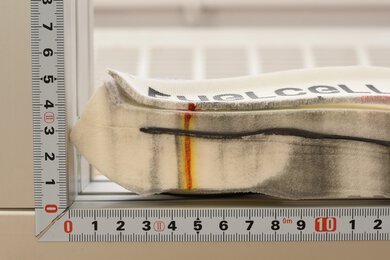
- Updated Jun 30, 2026: We've converted this review to Test Bench 0.13, which identifies the different foams used in the shoe's midsole. We've included a microscopic image of the foam cells to give you an idea of what the microstructure looks like. To read more about the changes, see the changelog.
- Updated Jun 17, 2026: We've converted this review to Test Bench 0.12, which fixes how we measure firmness, a component of the Stability and 5K/10K Racing usages. There may be inconsistencies between the text and the scores for these usages, but the scores should still be considered valid. We've also brought back the Energy Return score and added two new usages: Daily Training and Long Run. To read more about the changes, see the changelog.
-
Updated Jun 12, 2026:
We recalculated the results of the Heel Rocker Geometry test after noticing inaccuracies.
-
Updated Apr 15, 2026:
We've replaced the Energy Return usage box with Responsiveness, which incorporates four additional tests, and updated the text accordingly.
- Updated Apr 15, 2026: We've converted this review to Test Bench 0.11, adding two new rocker measurements to the Design section, and three new responsiveness tests to the Performance section. The Energy Return usage score has been replaced with Responsiveness. Check out the details in our changelog.
-
Updated Feb 16, 2026:
We updated the review to include text for the full set of new fit tests and the corresponding usage box, which were recently added to our test bench.
- Updated Feb 16, 2026: We've converted this review to Test Bench 0.10, adding a new set of fit tests to the Design section and an overall fit performance usage. Check out the details in our changelog.
- Updated Oct 30, 2025: Review published.
- Updated Oct 06, 2025: Early access published.
- Updated Aug 12, 2025: Our testers have started testing this product.
- Updated Jul 21, 2025: The product has arrived in our lab, and our testers will start evaluating it soon.
- Updated Jul 14, 2025: We've purchased the product and are waiting for it to arrive in our lab.

We've bought and tested more than 250 running shoes. Every pair purchased with our own money, never supplied or sponsored by brands. Our data-driven tests are designed to go beyond marketing claims, and since every shoe goes through the exact same methodology, you can directly compare results to find the right pair for your needs.
Test Results
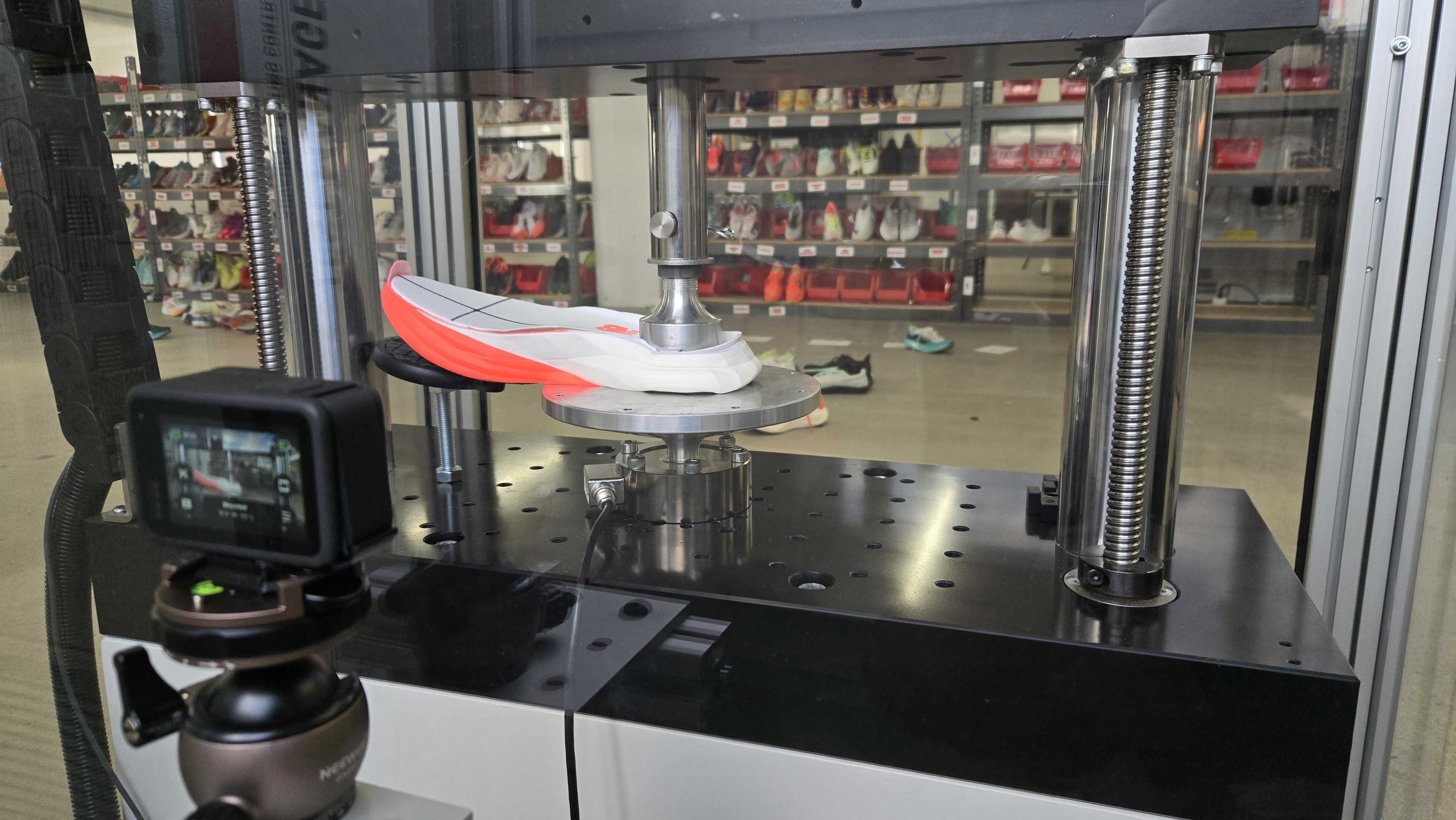
Energy Return
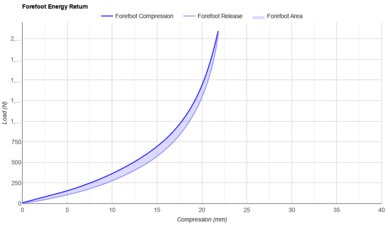
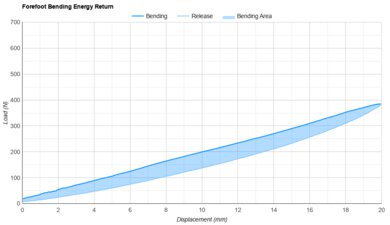
Energy return in the forefront is also excellent, putting it ahead of similar racing shoes like the Brooks Hyperion Elite 5, On Cloudboom Strike, or HOKA Rocket X 3.
Stability
The New Balance FuelCell SuperComp Elite v5 has okay lateral stability. The narrower outsole platform means a less solid foundation for take-off and landing. The now semi-gusseted tongue does improve lockdown, though, and the carbon plate adds stiffness to the midsole.
Firm forefoot, especially at higher force levels.
Narrower platform means less stable foundation.
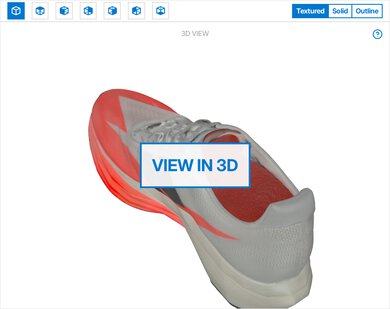
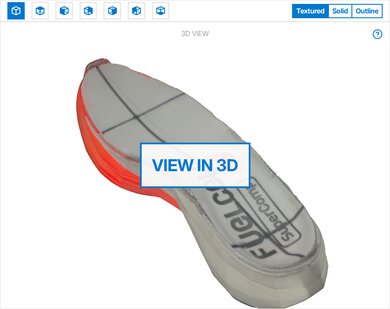
The New Balance FuelCell SuperComp Elite v5 features a significantly narrower platform compared to the prior New Balance FuelCell SuperComp Elite v4. This is most visible around the heel, where the flare of the v4 has been shaved off, and in the midfoot, which is now much more streamlined.
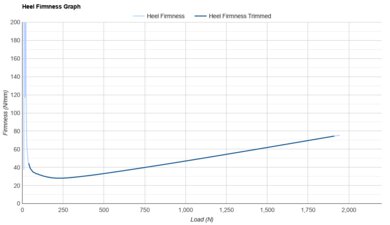
The heel of the New Balance FuelCell SuperComp Elite v5 maintains a consistent firmness, which partially offsets the shoe's narrower heel platform to provide some lateral stability.
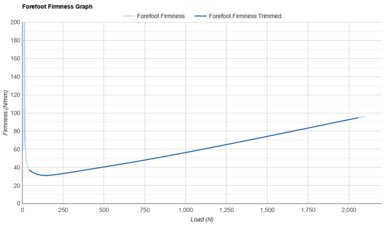
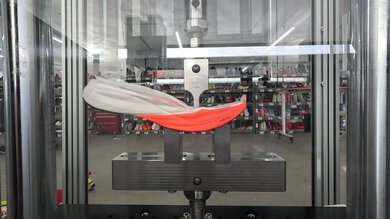
The firmer forefoot, especially at higher force levels, helps to give the shoe a snappy sensation at toe-off.
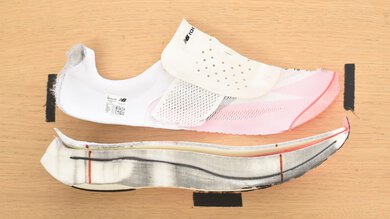
The upper of the New Balance FuelCell SuperComp Elite v5 has been reworked since its v4 predecessor, now featuring a semi-gusseted tongue to improve lockdown and a cushioned heel collar designed to prevent the slippage and chafing that were common in the v4. While the foot is more secure, the overall ride is not necessarily more stable, due to other changes in the midsole.
The carbon plate is also more angled in the v5, bringing it closer to more aggressive super shoes like the Nike Vaporfly 4 or ASICS METASPEED EDGE TOKYO.
Cushioning
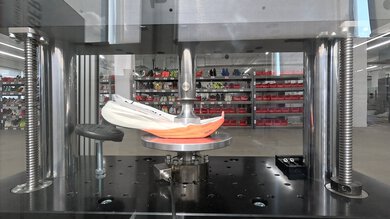
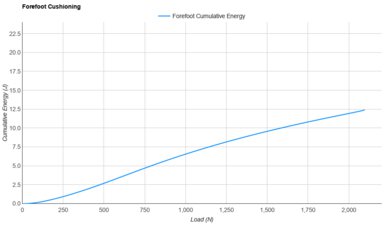
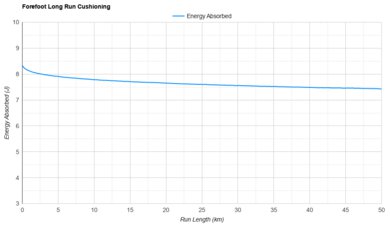
The New Balance FuelCell SuperComp Elite v5 has good cushioning, although it is comparatively less absorbent at higher paces, an unfortunate characteristic for a race shoe. The cushioning under the heel is not as protective as the forefoot, but the overall cushioning is still in line with similar racing shoes.
Overall good cushioning.
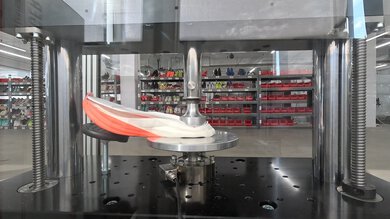
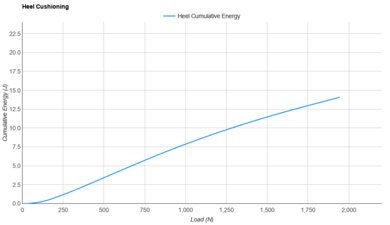
The heel cushioning of the New Balance FuelCell SuperComp Elite v5 is decent, but much less absorbent at higher forces than its racing competitors, like the Brooks Hyperion Elite 5, On Cloudboom Strike, or HOKA Rocket X 3, so faster heel strikers might prefer one of these competitor shoes.
Responsiveness
The New Balance FuelCell SuperComp Elite v5 has impressive responsiveness, thanks largely to the excellent energy return of its PEBA-based midsole. The rocker is just pronounced enough to keep foot turnover fluid, and the carbon plate gives some good snap in the forefoot.
Nice bounce from PEBA-based midsole.
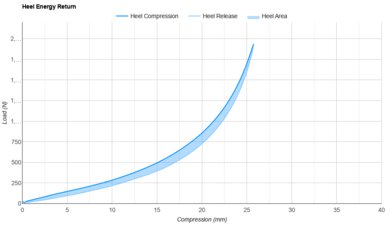
Energy return is very even from heel to forefoot.
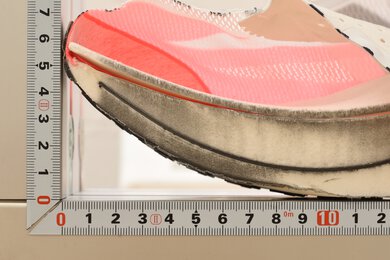
Good rockered geometry.
True To Size
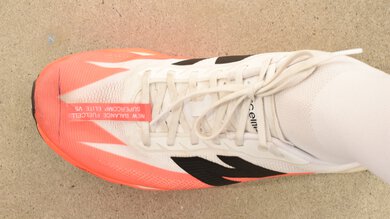
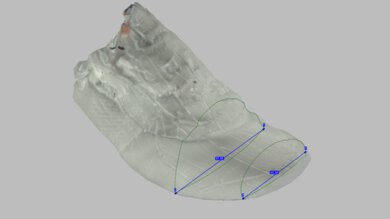
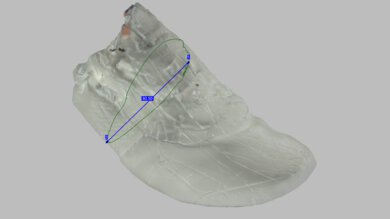
The New Balance FuelCell SuperComp Elite v5 delivers an excellent fit for a super shoe, with a true-to-size length and a toe box that feels refreshingly accommodating for the category. Up front, there's plenty of room in both width and vertical space, so it stays comfortable as your feet swell on longer efforts without losing that race-ready security. The one real caveat is the arch, which runs noticeably narrower than average and can feel a bit pinched for runners with a wider midfoot.
True to size in length.
Great amount of room in the forefoot.
Tighter around the arch.
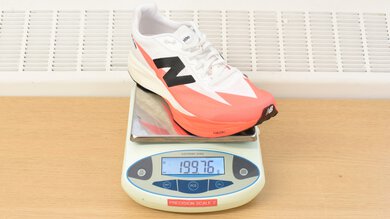
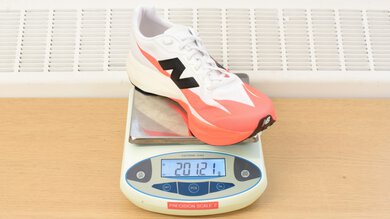
The New Balance FuelCell SuperComp Elite v5 has shaved off almost 40g compared to the New Balance FuelCell SuperComp Elite v4, mostly by narrowing the outsole platform.
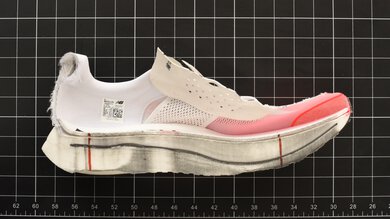
The heel drop is noticeably steeper than in the New Balance FuelCell SuperComp Elite v4, making this a friendlier shoe for heel strikers.

Popular Running Shoe Comparisons
The New Balance FuelCell SuperComp Elite v5 is an approachable racing shoe, despite being much more streamlined and aggressive than its predecessor, the New Balance FuelCell SuperComp Elite v4. As super shoe technology has rapidly proliferated in recent years, a space has opened for middle-of-the-pack super shoes that are not on the cutting edge of innovation, but still incorporate many high-performance elements that were cutting-edge only a few years ago. The SuperComp Elite series has thus far hung with this class of comfortable racers like the Brooks Hyperion Elite 5, On Cloudboom Strike, and HOKA Rocket X 3; these shoes all have carbon plates in PEBA-based midsoles that deliver great energy return, but they sit behind feather-light, ultra-streamlined super shoes like the ASICS METASPEED SKY TOKYO, ASICS METASPEED RAY, or PUMA Fast-R NITRO Elite 3. With the fifth iteration of the SuperComp Elite series, New Balance appears to be making a move away from the middle pack of approachable super shoes toward the leading group, but without fully committing, leaving the v5 in an awkward middle ground.
The SuperComp Elite v5 sits at the top of New Balance's lineup as its premium race-day shoe. The similarly named New Balance FuelCell SuperComp Trainer v3 is a plated trainer that's positioned as a companion shoe to the SuperComp Elite v5. Further down the line is the New Balance FuelCell Propel v5, a versatile trainer featuring a plastic plate that provides more stability than propulsion. And rounding out the FuelCell family is the New Balance FuelCell Rebel v5, a lightweight trainer that still manages to pack a decent amount of cushioning.
For more options, check out our recommendations for the best running shoes, as well as the best running shoes for men and the best running shoes for women.
The Nike Alphafly 3 and New Balance FuelCell SuperComp Elite v5 are two popular racing shoes built around different principles. The Alphafly 3 is purpose-built for the marathon, featuring cushioning that holds up better over long distances and a broader platform that provides more stability when form breaks down late in the marathon. Whereas Nike has three different racing shoes, each built for different distances, the Elite v5 is New Balance's only super shoe, meant to be a do-it-all racer for everything from 5ks up to marathons. As such, it has lots of tradeoffs: its cushioning isn't as protective over long distances, but its firmness helps maintain higher turnover in shorter races. It returns energy more efficiently than the Alphafly 3, but is less stable, meaning that stabiliser muscles will be recruited earlier in the race.
The adidas Adizero Adios Pro 4 and New Balance FuelCell SuperComp Elite v5 are two racing shoes that are in the same literal weight class (both tipping the scales at around 200g), but the Adios Pro 4 outclasses the Elite v5 in almost all performance metrics, from cushioning to energy return to stability. That said, the New Balance shoe has a slightly more accommodating fit and is also available in a wide version, making it accessible to a wider range of runners.
The Saucony Endorphin Pro 5 and New Balance FuelCell SuperComp Elite v5 are both "people's super shoe" options that prioritize practicality over extreme, aggressive designs. The New Balance stands out for being available in wide versions, which is rare in this category, and it pairs that with a lighter, bouncier, more cushioned ride that feels more well-rounded for a wider range of races. The Saucony leans more toward stability and control, making it a better fit if you want extra confidence from the platform when you're pushing hard. It also delivers a more traditional snappy sensation, with a firmer, more reactive forefoot.
The New Balance SuperComp Elite v6 has several important updates that make it a rather different shoe than the New Balance FuelCell SuperComp Elite v5. The new Infinion foam in the Elite v6 has better energy return, but absorbs less impact. If you liked the cushioning of the Elite v5, try to find it on sale before it disappears, as the v6 might be disappointing. Runners who want a snappier, more energetic shoe will appreciate the newer model.
The New Balance SuperComp Rebel and New Balance FuelCell SuperComp Elite v5 are both energetic plated shoes, but the Elite v5 is more specialized for racing. Get the Elite v5 if you want a lighter, carbon-plated option for 5K and 10K races. Both can cover a marathon well, but the Rebel’s deeper cushioning and greater stability make it more versatile for long runs and the training leading up to race day.
The New Balance FuelCell SuperComp Elite v5 and HOKA Rocket X 3 are two race shoes that deliver some high-performance elements while maintaining their respective brand's comfort-forward designs. The shoes are very similar in weight and energy return, but the HOKA shoe has better cushioning, especially over long distances.
The New Balance FuelCell SuperComp Elite v5 is the successor to the New Balance FuelCell SuperComp Elite v4, yet in many ways, it marks a significant departure. While still a relatively accommodating race shoe, the v5 has a considerably narrower platform, making it a less stable option. But by whittling down the platform, New Balance managed to trim off nearly 40g of weight, resulting in a much nimbler and livelier shoe than the v4.
The New Balance FuelCell SuperComp Trainer v3 and the New Balance FuelCell SuperComp Elite v5 are marketed as companion shoes, with the Elite v5 being for races, and the Trainer v3 being, as the name suggests, a shoe for training runs leading up to race day. As befits a racing shoe, the Elite v5 has a more aggressive rocker, much better energy return, and is over 60 g lighter than the Trainer v3. The main advantage of the Trainer v3 is its superior lateral stability, anchored by a wider outsole platform that provides a more solid base than the streamlined Elite v5.
The Li-Ning Feidian 6 Elite and New Balance FuelCell SuperComp Elite v5 are both marathon super shoes, but the Li-Ning is the more performance-focused option. The Li-Ning is significantly more cushioned and uses a more energetic midsole, giving it a more protective and efficient ride for runners chasing top-end race-day performance. The New Balance feels firmer and more approachable underfoot, with a more controlled platform that’s easier to manage. It’s also available in multiple widths, which is rare for a super shoe and gives it a practical fit advantage.
The New Balance FuelCell SuperComp Elite v5 and Diadora Gara Carbon 3 are both super shoes with a reputation for being more approachable and stable than the most aggressive racers, and they also land in a similar weight range. The New Balance feels a bit less stable, but it offers more cushioning and a higher stack height that sits closer to what you'd expect from a modern super shoe, giving it a more protective long-distance feel. The Diadora uses a more moderate stack and a firmer forefoot, which makes it feel more grounded and direct, with a slight edge for shorter races where you want a strong toe-off.
The New Balance FuelCell SuperComp Elite v5 and Kiprun Kipstorm Elite are both super shoes that deliver a similar level of marathon performance, but they get there through different strengths. The Kiprun is the more cushioned option and does a better job maintaining that protection deep into long races, with less tendency to bottom out. The New Balance is lighter, which helps make it more efficient overall, and its midsole feels a bit bouncier underfoot. It also stands out by being available in multiple widths, a rare feature in the super shoe category that can make a significant difference for some runners.
The New Balance FuelCell SuperComp Elite v5 and On Cloudboom Max are two marathon shoes designed for the masses, although they approach their appeal in different ways. The New Balance shoe has a footbed that is on the wider side for a super shoe, but still has a fairly streamlined outsole platform. Its midsole has a carbon fiber plate and a very lively PEBA-based foam that can bounce with the best in the business. If the New Balance shoe is on the wider side, the On Cloudboom Max is all the way overboard, with an exceptionally broad platform that is wider even than some dedicated stability shoes. The midsole has a plastic plate sandwiched between a layer of PEBA and a TPEE carrier foam, providing great cushioning but merely satisfactory energy return. Both of these shoes could be suitable for a 4-hour marathon; if you prioritise efficiency in chasing that goal, the New Balance shoe is the lighter, nimbler option. If comfort and stability are more important, the Cloudboom Max has the edge.
Differences Between Sizes And Variants
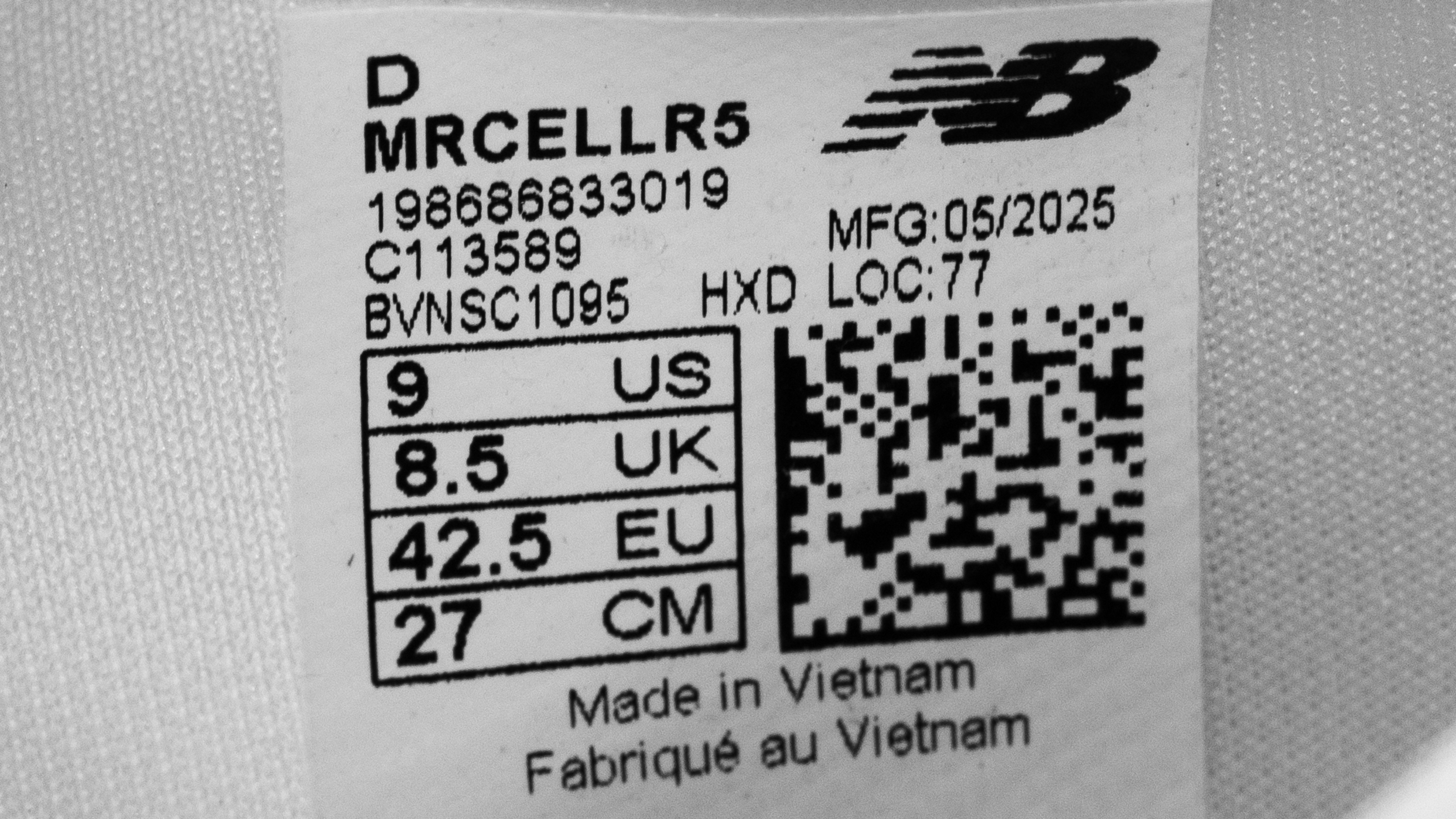
We tested the New Balance FuelCell SuperComp Elite v5 in men's U.S. size 9, as noted on the label for our pair. The color shown here is Urgent Red with White and Black. Other color options for this shoe are limited, but depending on the region, you can also find it in colorways like Linen with White and Gold Metallic for women and Linen with Sea Salt and Shipyard for men. Wide versions are available for both men (2E) and women (D). The design section applies only to the exact model we tested, but we expect other size and gender variants to perform similarly.