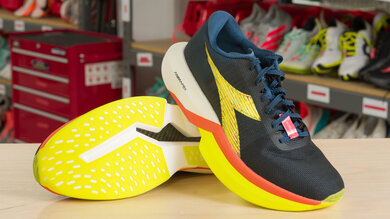
The Diadora Gara Carbon 3 is the Italian brand's take on an approachable, carbon-plated super shoe for racing. Compared to the previous version, the Diadora Gara Carbon 2, it has a tighter fit and a lower stack, a curious shift for a shoe still marketed toward the marathon, since it takes away some of the comfort and flair that made the Gara Carbon 2 a standout. It still offers a stable, controlled platform for steady race paces, but it no longer feels as cushioned underfoot. Instead, it now feels better suited to shorter races or faster workouts than true long-distance efforts. Since it still carries a premium price tag without delivering the premium performance of the best super shoes, this update leaves the shoe feeling less distinctive and a bit less sure of its identity in the super shoe category.
Our Verdict
The Diadora Gara Carbon 3 can be a great marathon racing shoe if you prioritize a stable, efficient platform for steady race paces rather than a plush, highly protective ride. Its energetic foam, light build, and full-length plate help it feel smooth and responsive, and it can still work well over longer races for elite or highly efficient runners who apply enough force to keep the shoe engaged. However, the lower heel stack and moderate cushioning make it less forgiving over the full distance, especially for heel strikers or runners whose form tends to fade late in races.
Energetic midsole returns energy well.
Carbon plate adds stiffness.
Very stable for a super shoe.
Lacks protection for longer efforts.
Lower stack height reduces comfort on long runs.
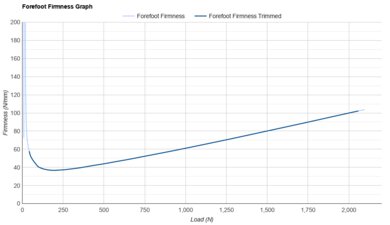
The Diadora Gara Carbon 3 is great for 5K and 10K racing, where its lighter build, energetic midsole, and plated forefoot feel more at home. The moderate stack and relatively firm forefoot give the ride a more direct feel over shorter distances, and the shoe feels most alive when you're moving fast enough to load the midsole and plate with more force. This also makes it feel especially good during hard strides and fast intervals. However, it still prioritizes stability over aggression, so it doesn't feel as cutting-edge as the best short-distance racing shoes.
Energetic midsole returns energy well.
Carbon plate adds stiffness.
Firm forefoot has some bite at faster paces.
The Diadora Gara Carbon 3 is a good option for long runs, though it is a carbon-plated racer at heart. Its amazing responsiveness provides excellent propulsion to keep the legs turning over at pace, while the rocker geometry makes it easy to hold that speed. However, the platform isn't the easiest to trust once fatigue builds, and though the midsole holds up decently over distance, the plated setup is still less comfortable than a dedicated long-run shoe, so it's not the pick for relaxed cruising. Its low heel stack also makes rearfoot landings less forgiving, especially for heel strikers.
Excellent propulsion keeps the legs turning over efficiently.
Rocker geometry makes it to hold faster paces.
Low heel stack makes rearfoot landings less forgiving for heel strikers.
Not the shoe for relaxed long runs.
The Diadora Gara Carbon 3 isn't a great pick for daily training. Though the ride is very propulsive and efficient when you want to pick up the pace, the plated setup is too aggressive for regular miles. The platform also takes more effort to trust when your form gets sloppy, so it's best left for race day efforts or long runs where you want to go fast.
Performs well at faster paces.
Too aggressive for everyday miles.
Platform is harder to trust when form breaks down.
Changelog
-
Updated Sep 10, 2026:
We've updated this review to add a link to the newly reviewed Diadora Corsa to the Popular Comparisons section.
-
Updated Aug 20, 2026:
We've updated this review to add text to the new usage boxes after updating the shoe's Test Bench. We've also updated the Popular Comparisons section to include a link to the newly reviewed Diadora Nucleo 2.
- Updated Jun 30, 2026: We've converted this review to Test Bench 0.12, which fixes how we measure firmness, a component of the Stability and 5K/10K Racing usages. There may be inconsistencies between the text and the scores for these usages, but the scores should still be considered valid. We've also brought back the Energy Return score and added two new usages: Daily Training and Long Run. To read more about the changes, see the changelog.
- Updated Jun 30, 2026: We've converted this review to Test Bench 0.11, adding two new rocker measurements to the Design section, and three new responsiveness tests to the Performance section. The Energy Return usage score has been replaced with Responsiveness. Check out the details in our changelog.
- Updated Jun 15, 2026: Review published.
- Updated Jun 10, 2026: Early access published.
- Updated Apr 16, 2026: Our testers have started testing this product.
- Updated Apr 14, 2026: The product has arrived in our lab, and our testers will start evaluating it soon.
- Updated Mar 30, 2026: We've purchased the product and are waiting for it to arrive in our lab.
We've bought and tested more than 250 running shoes. Every pair purchased with our own money, never supplied or sponsored by brands. Our data-driven tests are designed to go beyond marketing claims, and since every shoe goes through the exact same methodology, you can directly compare results to find the right pair for your needs.
Test Results
Energy Return
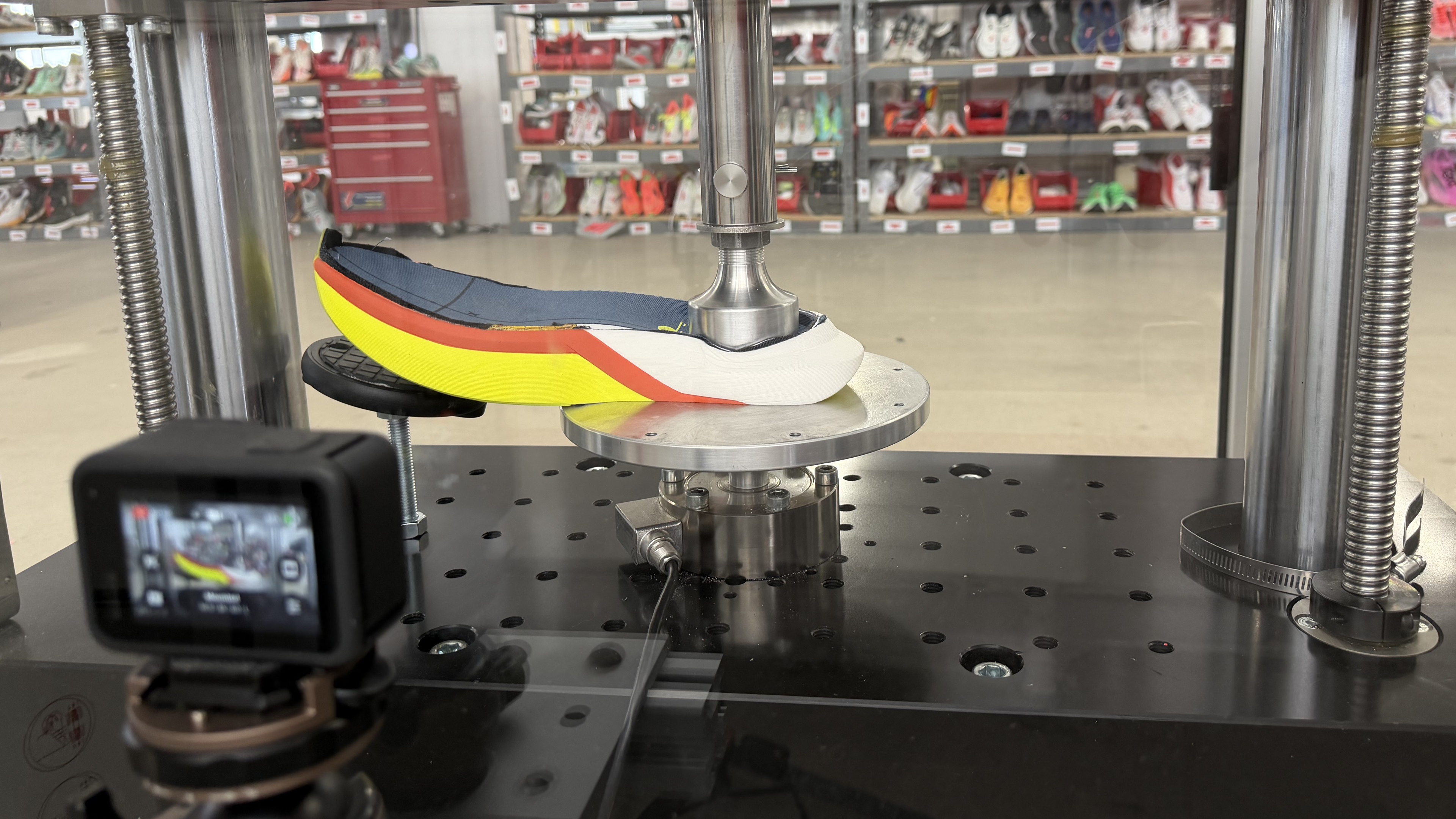
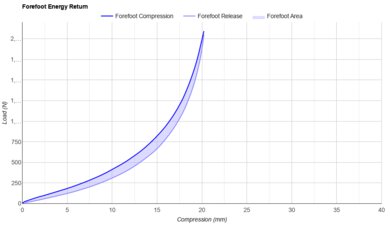
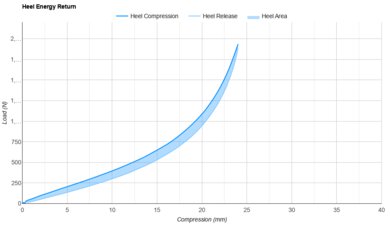
The Diadora Gara Carbon 3 has great energy return. The heel gives plenty back after landing, while the forefoot returns almost as much, so the shoe keeps the ride efficient no matter where you strike.
Heel provides plenty of rebound after landing.
Forefoot returns a lot of energy through toe-off.
Stability
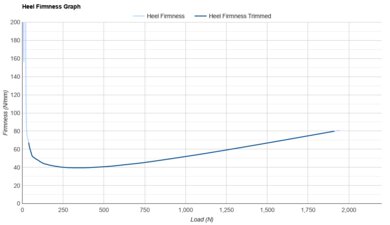
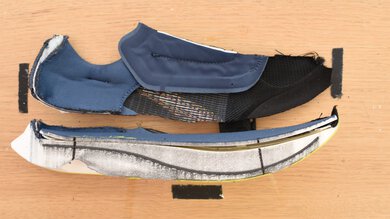
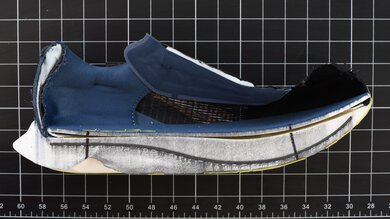
The Diadora Gara Carbon 3 has decent stability for a carbon-plated racing shoe. Its moderate stack and wide platform and plate help keep the ride controlled through steady efforts, and it feels more confidence-inspiring than many narrow, high-stack racers. This inherent stability helps it stand out in the racing shoe category, offering a more controlled ride than many competitors.
Carbon plate adds stiffness.
Very stable for a super shoe.
Cushioning
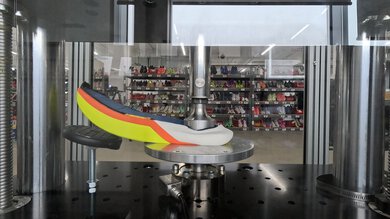
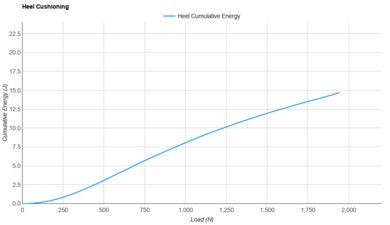
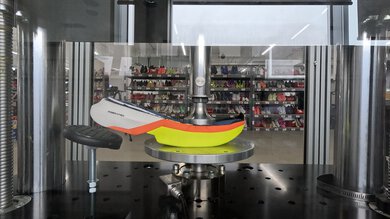
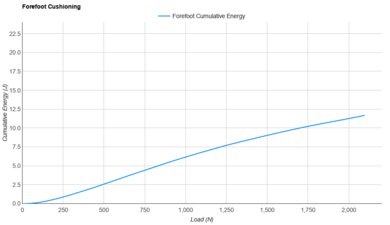
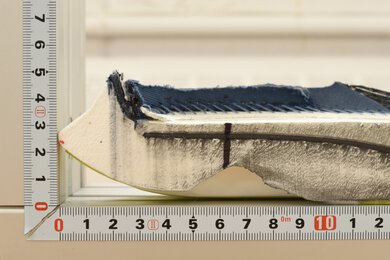
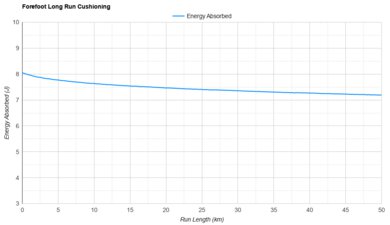
The Diadora Gara Carbon 3 has decent cushioning, but it doesn't deliver the deep, protective feel usually expected from a marathon-focused super shoe. The heel and forefoot absorb enough impacts to handle faster sessions and shorter races, but the reduced stack makes it feel less protective over long efforts.
Lacks protection for longer efforts.
Responsiveness
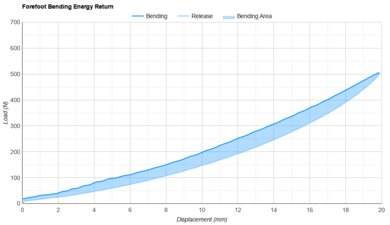
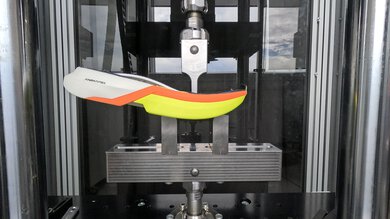
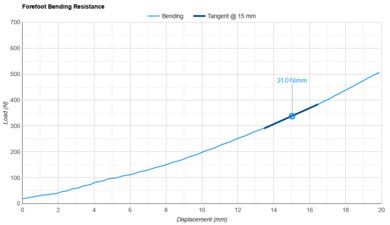
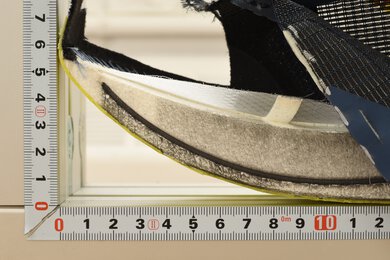
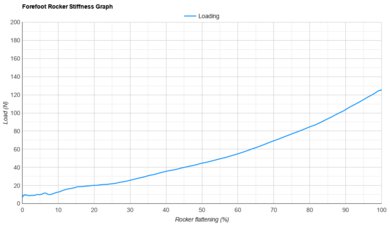
The Diadora Gara Carbon 3 is a great responsive shoe for racing. Its stiff forefoot stores plenty of energy when bent, then returns an excellent amount as it unbends, giving you strong propulsion through toe-off. The responsive midsole and rocker geometry keep the shoe efficient through the stride, making it well-suited to holding race pace over longer distances.
Excellent energy return gives toe-off strong propulsion.
Stiff forefoot stores plenty of energy for push-off.
Rocker geometry keeps the stride efficient at race pace.
True To Size
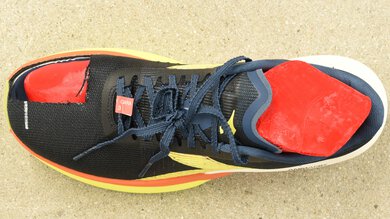
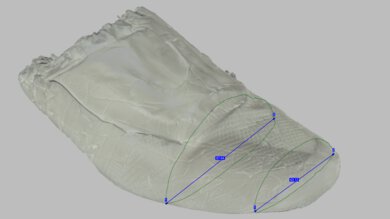
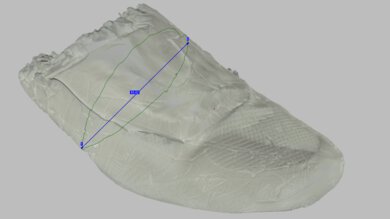
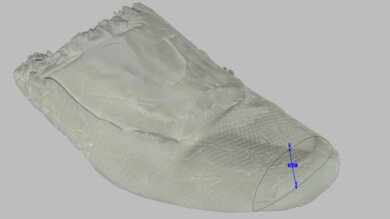
The Diadora Gara Carbon 3 doesn't fit exactly true to size, as the length runs quite short, and the forefoot height isn't especially accommodating either. The fit is clearly geared toward performance and turnover, which can work fine for shorter races, but if your feet tend to swell on longer runs, sizing up by half a size is the safer choice.
Wide platform helps keep the ride predictable.
Length runs short.
Enough room at the arch and forefoot.
Popular Running Shoe Comparisons
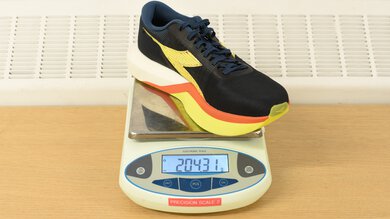
The Diadora Gara Carbon 3 is a carbon-plated racing shoe that's surprisingly stable for its category. The previous Diadora Gara Carbon 2 had a clearer identity as a premium yet approachable marathon racer: stable and straightforward, while still delivering strong performance with very few meaningful compromises. This update still feels stable and predictable, but the lower stack makes it less protective over long distances, which hurts its appeal as a true marathon shoe. That makes the Gara Carbon 3 more sensible for shorter races and faster workouts, but it also means it loses some of the niche that made the second iteration shine. It now feels closer to stable, less plush super shoes like the Saucony Endorphin Pro 5, but that model typically comes in as the better value, while the Diadora still carries the Italian brand markup. Another approachable super shoe with the added benefit of a broader size range is the New Balance FuelCell SuperComp Elite v5.
In Diadora's lineup, the Gara Carbon 3 is the brand's plated race-day option. The Diadora Atomo Star is the cushioned trainer built for daily mileage; the Diadora Corsa is a lightweight trainer; and the Diadora Nucleo 2 is a lifestyle shoe that can also handle some basic running.
For more options, check out our recommendations for the best running shoes, as well as the best long-distance running shoes and the best shoes for running a marathon.
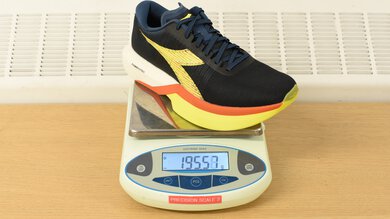
The New Balance FuelCell SuperComp Elite v5 and Diadora Gara Carbon 3 are both super shoes with a reputation for being more approachable and stable than the most aggressive racers, and they also land in a similar weight range. The New Balance feels a bit less stable, but it offers more cushioning and a higher stack height that sits closer to what you'd expect from a modern super shoe, giving it a more protective long-distance feel. The Diadora uses a more moderate stack and a firmer forefoot, which makes it feel more grounded and direct, with a slight edge for shorter races where you want a strong toe-off.
The Saucony Endorphin Pro 5 and Diadora Gara Carbon 3 are both approachable super shoes that lean more stable and controlled than the most aggressive marathon racers. The Saucony feels like the more refined execution of that idea, with a stable platform, a firm and snappy forefoot, and a more performance-oriented ride that works well for fast workouts and shorter races. The Diadora follows a similar direction with a moderate stack and a grounded feel, and it's a bit lighter, which helps it feel efficient on foot. However, the Saucony still feels more stable overall thanks to its wider platform relative to its stack height.
The Diadora Frequenza 2 and Diadora Gara Carbon 3 are two shoes from the same brand, but they’re built for different parts of a rotation. The Frequenza 2 is the more flexible and training-friendly option, with a lightweight build, plush cushioning, and enough versatility for daily miles and some uptempo work. The Gara Carbon 3 is the race-focused model, using a carbon plate, a firmer and more structured platform, and a lighter build to feel more aggressive and efficient at faster paces.
Differences Between Sizes And Variants
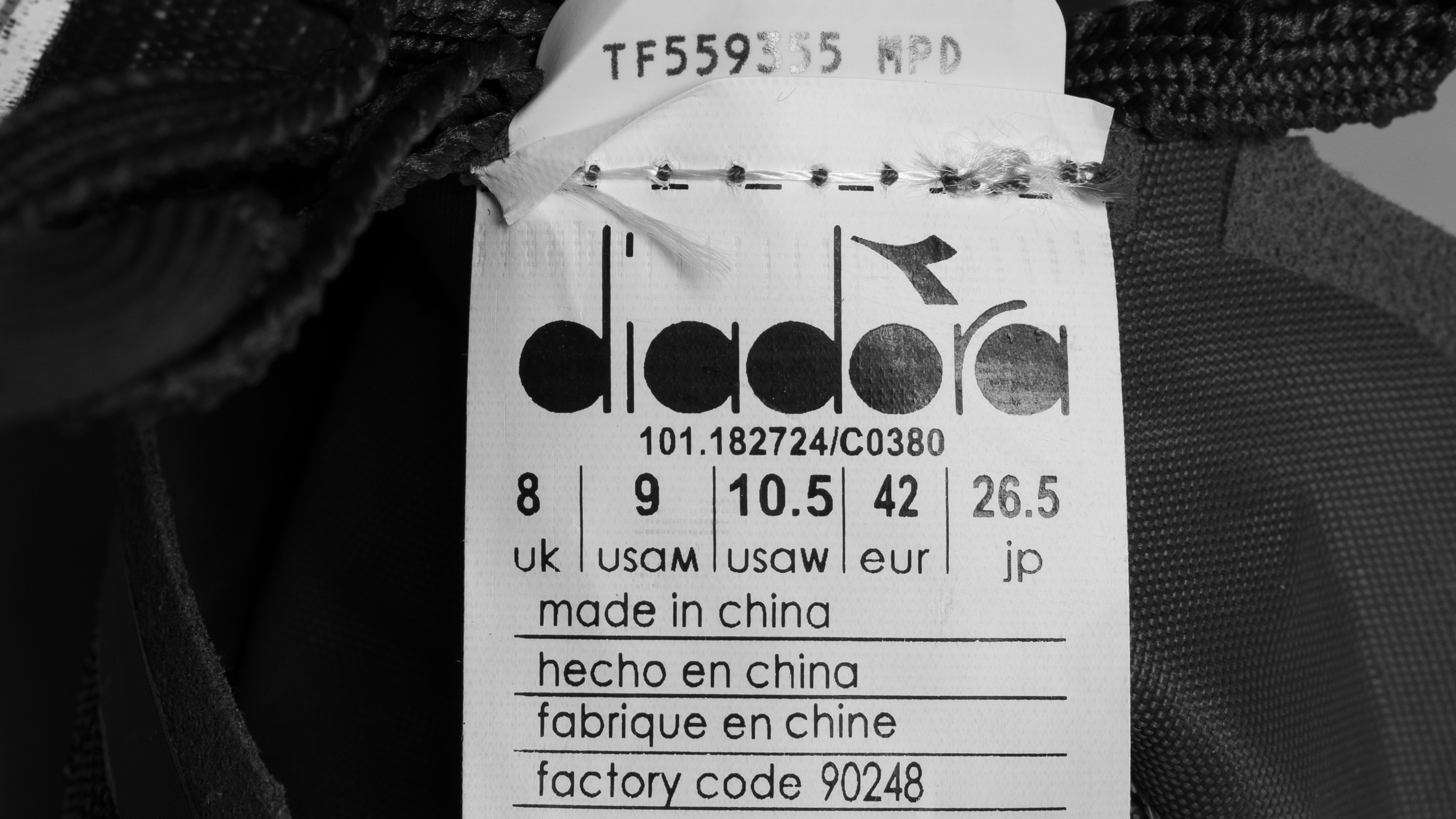
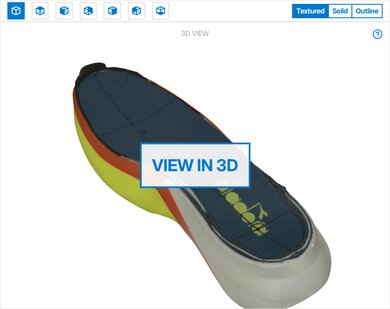
We tested the Diadora Gara Carbon 3 in men's U.S. size 9, as indicated on the label of our unit. We tested the Light Blue/Lapis Blue colorway. This model is sold in a full run of men's and women's sizes, but no wide-fit versions are offered. At launch, DK DENIM/SLPHR SPRG/SCLT IBIS was the only colorway available. The design section applies only to the exact model we tested, but we expect other sizes to perform similarly.