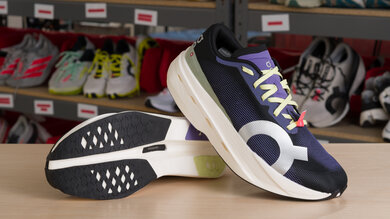
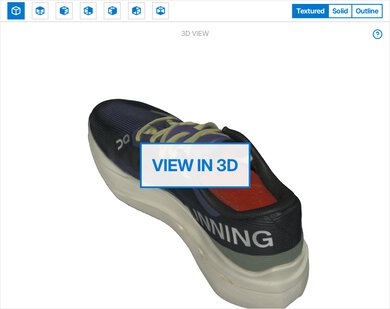
The On Cloudboom Volt is a super shoe On claims is intended for anything up to half-marathon effort. It's built around a dual layer of PEBA-based Helion HF racing foam and a full-length carbon Speedboard plate. Despite it lacking the full, Swiss-cheese midsole associated with the brand, it still delivers the trademark On ride, pairing impressive cushioning with a firm forefoot that performs best when picking up the pace. The heel rocker helps smooth out transitions, but the more laid-back forefoot geometry stops the ride from feeling especially propulsive at toe-off. As a result, while it has the setup of a super shoe, it lacks the mechanics of a true marathon machine, making it most suitable for runners who want a laid-back race-day option that remains unmistakably On.
Our Verdict
The On Cloudboom Volt is a good marathon racer on paper, pairing a highly cushioned PEBA-based midsole with a full-length carbon Speedboard plate. However, it's heavier than many shoes in its class, its cushioning doesn't hold up especially well over longer distances, and the forefoot bottoms out, which means it stops short of being a true long-distance specialist.
Highly protective PEBA-based midsole.
Full-length carbon Speedboard plate.
Impressive forefoot energy return.
Heavy in its class.
Soft forefoot limits snap.
The On Cloudboom Volt is a decent 5K/10K racer. Its full-length carbon Speedboard plate and good forefoot bending stiffness help create a reasonably efficient ride at faster paces, and the forefoot returns a good amount of energy when compressed. However, its forefoot is only mediocre in firmness, the rocker is quite compliant, and the shoe is heavier than many short-distance racers, so it lacks the aggressive toe-off of stronger 5K/10K options.
Full-length carbon Speedboard plate.
Impressive forefoot energy return.
Heavy in its class.
Soft forefoot limits snap.
The On Cloudboom Volt is a decent option for long runs. Its great cushioning provides plenty of impact protection, but the forefoot protection fades as the distance builds. Combined with its mediocre stability and compliant rocker, this means it doesn't maintain its efficiency particularly well.
Great cushioning provides plenty of impact protection.
Midsole offers decent protection over longer runs.
Compliant rocker hinders overall efficiency of turnover.
Mediocre stability means runners need good form as fatigue builds.
The On Cloudboom Volt isn't intended as a daily trainer. Despite its great cushioning, its carbon plate and aggressive geometry make it better suited to workouts and race-day efforts than easy daily mileage. Its mediocre stability also makes it less of a planted daily shoe.
Great cushioning provides plenty of impact protection.
Relatively lightweight.
Aggressive geometry is overkill for relaxed daily mileage.
Stability isn't decent enough for a daily trainer.
Changelog
-
Updated Aug 07, 2026:
We updated the Popular Running Shoe Comparisons box with the latest On releases.
-
Updated Jul 08, 2026:
We updated the review to match our new firmness scores. This includes changes to the Daily Training, Long Run, 5K/10K Racing, and Stability verdict boxes, along with tweaks to the pros and cons to keep them in line with the new scores. We also added text to the relevant test result boxes to reflect the updated firmness data.
-
Updated Jun 23, 2026:
We've updated the article to amend the Stability and 5K/10K Racing usages after converting the shoe to Test Bench 0.12. We also added text to the new boxes and tweaked the review to align with the Test Bench update.
- Updated Jun 19, 2026: Review published.
- Updated Jun 17, 2026: Early access published.
- Updated May 12, 2026: Our testers have started testing this product.
- Updated Mar 05, 2026: The product has arrived in our lab, and our testers will start evaluating it soon.
- Updated Mar 05, 2026: We've purchased the product and are waiting for it to arrive in our lab.

We've bought and tested more than 250 running shoes. Every pair purchased with our own money, never supplied or sponsored by brands. Our data-driven tests are designed to go beyond marketing claims, and since every shoe goes through the exact same methodology, you can directly compare results to find the right pair for your needs.
Test Results
Energy Return
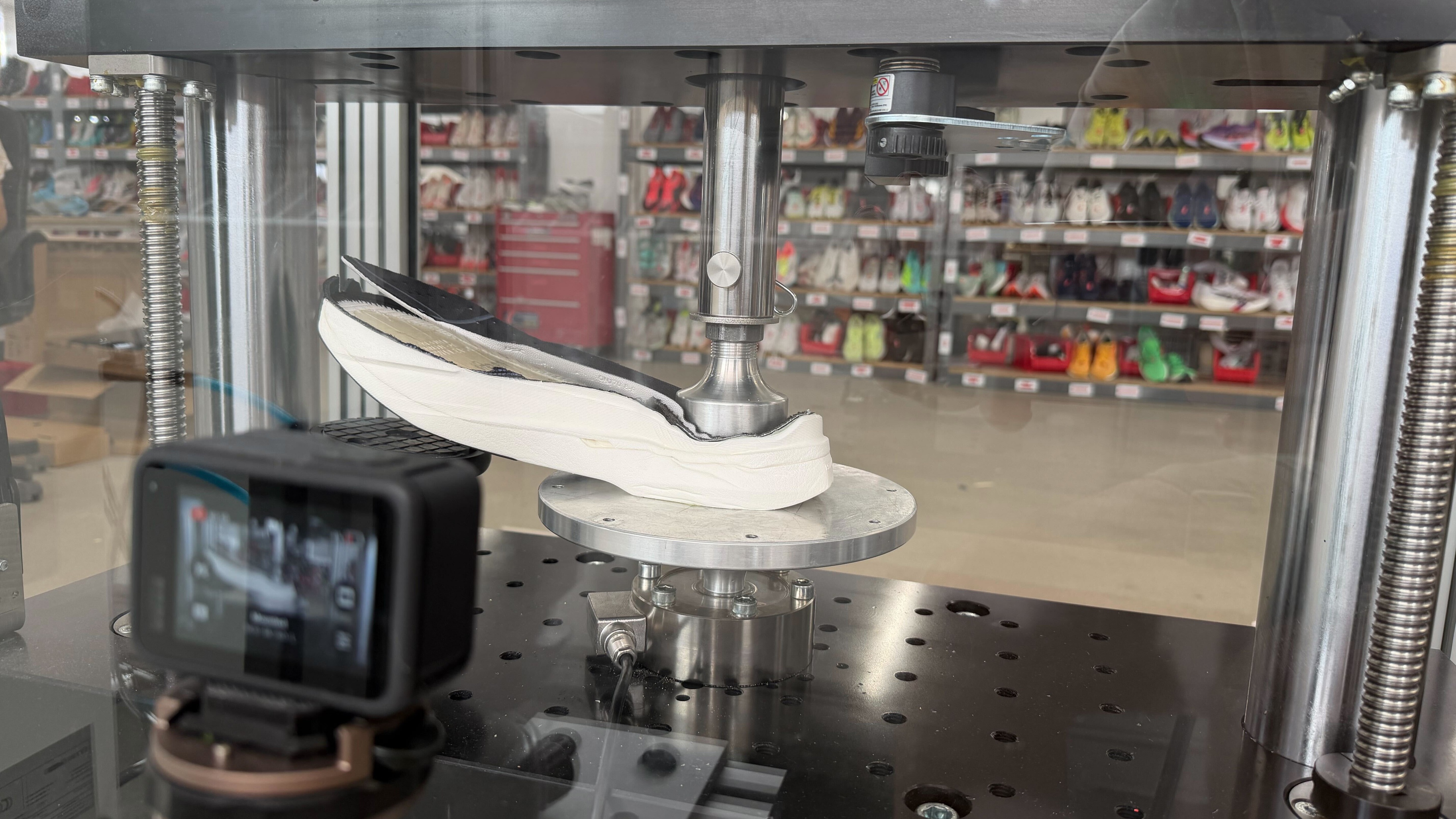
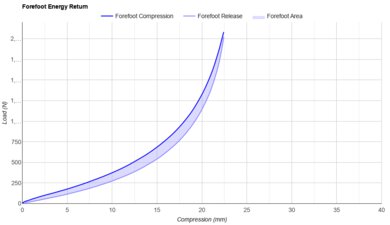
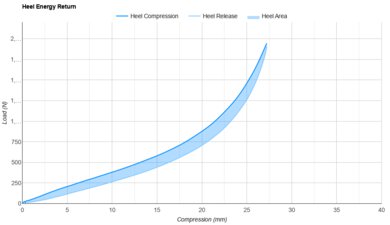
The On Cloudboom Volt delivers impressive energy return. Its PEBA-based midsole provides plenty of rebound under both the heel and forefoot, helping the shoe feel lively and efficient at faster paces.
PEBA midsole is energetic underfoot.
Ample rebound helps make turnover efficient enough.
Stability
The On Cloudboom Volt has mediocre stability. Its arch and forefoot outsole widths are adequate, but the narrow heel, soft forefoot, and modest heel width-to-stack ratio keep the platform from feeling very secure. That said, it’s stable enough for a racing shoe overall.
Adequate arch width helps support midfoot.
Forefoot outsole width provides a decent platform at toe-off.
Narrow heel outsole makes rearfoot landings less secure.
Soft forefoot and modest heel width-to-stack ratio limit better stability.
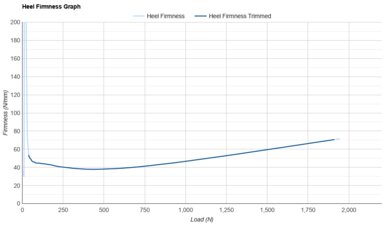
The heel has okay firmness across all force levels. It stays consistent as more force is applied, but it never becomes especially firm under load, meaning it's soft rather than planted.
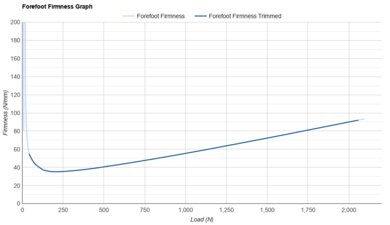
The forefoot has mediocre firmness across all force levels. It stays on the softer side even as more force is applied, so the front of the shoe doesn't provide the firm, snappy platform you get from racers like the ASICS MAGIC SPEED 5 or PUMA Deviate NITRO Elite 4. This also makes the forefoot less planted when loaded.
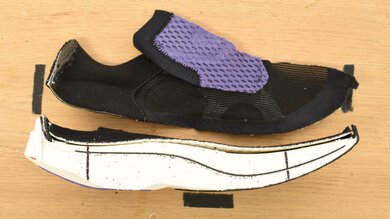
Cushioning
The On Cloudboom Volt provides impressive cushioning, with excellent heel protection and great forefoot cushioning to comfortably handle race-day efforts. However, there's a noticeable decline after the first 10km, so it's not the best pick for longer races.
Excellent heel protection.
Great forefoot cushioning.
Cushioning fades as the miles build.

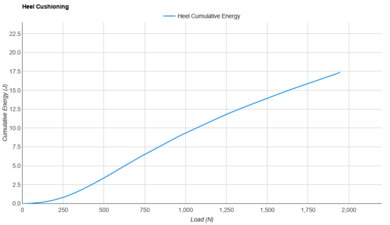
The heel offers excellent cushioning overall. It absorbs a great amount of energy at lower and moderate forces and remains very good under higher forces, providing reliable impact protection across a wide range of runners and paces.

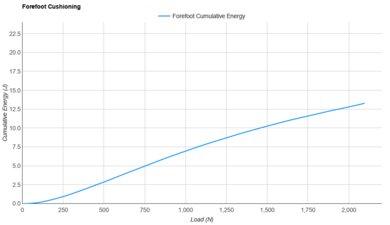
The forefoot of this shoe absorbs an outstanding amount of energy at lower forces, but sees a significant drop off as more force is applied. This means lighter forefoot landings get the most protection, while harder forefoot strikes are less cushioned but still well protected.
Responsiveness
The On Cloudboom Volt delivers decent responsiveness. The PEBA-based midsole and plate provide good energy return, but the soft and mild rocker keeps the ride from feeling propulsive.
Very good forefoot rebound.
Mild rocker lacks propulsion.
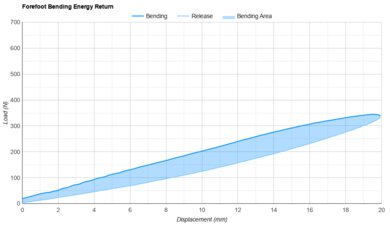
The forefoot gives back a good amount of energy when bent. This helps reduce energy loss through toe-off, though it's not as efficient as the PUMA Deviate NITRO Elite 4.
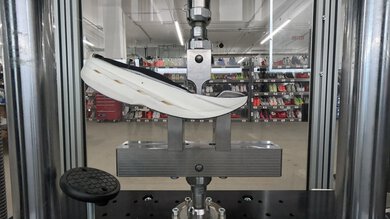
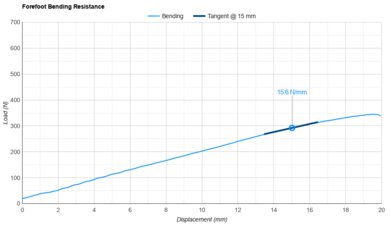
The forefoot has decent bending stiffness. It resists flexing enough to give the shoe some structure at toe-off, but it doesn't create a firm, snappy lever.

Though the rocker starts early, the low toe spring and shallow rocker angle mean it provides less assistance through push-off than shoes like the ASICS MAGIC SPEED 5 and PUMA Deviate NITRO Elite 4.
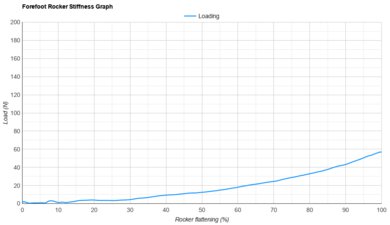
The rocker is very compliant and flattens easily under load. This means the shoe loses its guided rollover when you push harder, especially compared to stiffer racers like the ASICS MAGIC SPEED 5 and PUMA Deviate NITRO Elite 4.
True To Size
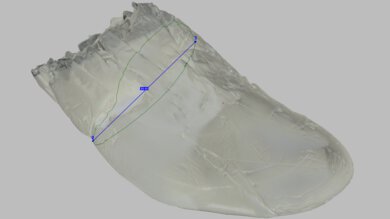
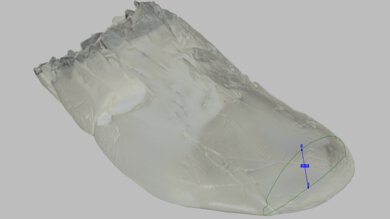
The On Cloudboom Volt fits true to size in length, so most runners can stick with their usual size. The forefoot is very accommodating for a performance shoe, while the arch fits a bit more snugly. That said, this is common for performance-oriented shoes and shouldn't be an issue for most runners, though it could bother those with higher-volume feet or wider arches.
True-to-size length.
Very accommodating forefoot for a race shoe.
Snugger arch may trouble wider feet.
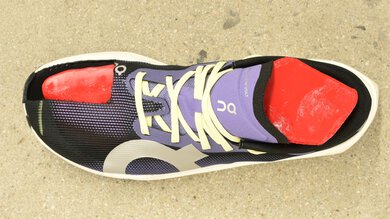
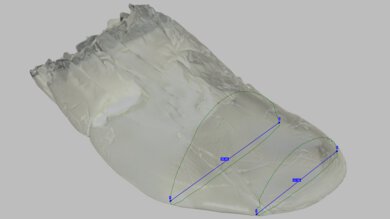
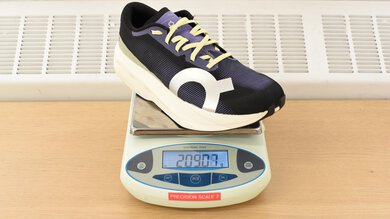
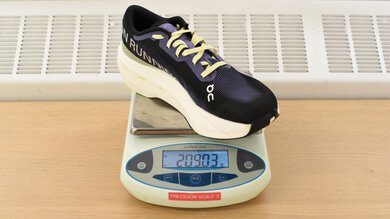
The On Cloudboom Volt is light overall, but it's on the heavier side for a marathon racer, weighing more than shoes like the ASICS MAGIC SPEED 5 and PUMA Deviate NITRO Elite 4.
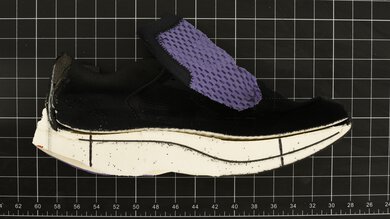
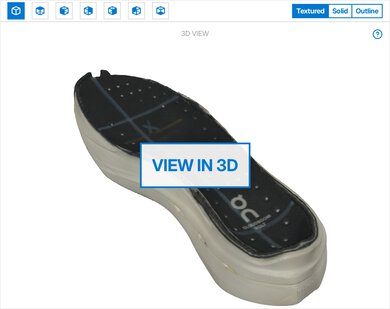
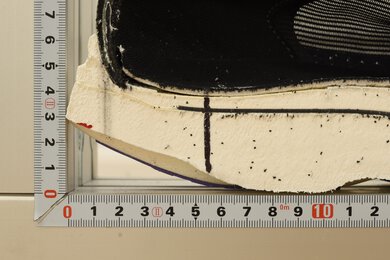
The high heel spring and early rocker help the shoe roll efficiently from heel strike into midstance, whilst also making the rear of the shoe assistive in transitions.
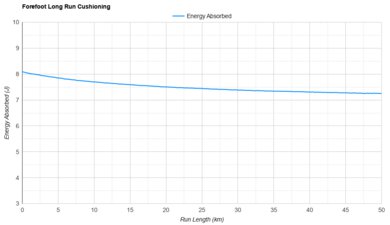
Though decent overall, the forefoot long-run protection lags behind more dedicated long-distance racers like the PUMA Deviate NITRO Elite 4, offering less protection late into long runs.
Popular Running Shoe Comparisons
The On Cloudboom Volt is On's take on a short-distance super shoe, built around a PEBA-based midsole and a full-length carbon Speedboard plate. However, despite having all the ingredients of a modern super shoe, it falls short compared to others in its class. Among similar plated super shoes, the ASICS MAGIC SPEED 5 offers a snappier ride with a more aggressive forefoot rocker, while the PUMA Deviate NITRO Elite 4 delivers much better responsiveness in a significantly lighter package. The result is a shoe that remains distinctly On but struggles to stand out from the competition.
Within On's performance lineup, the Cloudboom Volt sits as the brand's shorter-distance super shoe. The On Cloudboom Strike 2 is the flagship marathon racer, while the On Cloudboom Max offers a more forgiving alternative for longer races, targeting four-hour-plus marathoners.
If you're interested in other options from On, check out our recommendations for the best On running shoes. For more race-day options, have a look at our recommendations for the best running shoes and the best marathon running shoes.
The On Cloudboom Volt and ASICS MAGIC SPEED 5 are both plated super shoes that target faster training and shorter races. The ASICS is lighter and uses a more aggressive rocker geometry, making it quicker through toe-off and easier to turn over at speed. The On offers more cushioning with a more restrained geometry to make it less efficient when racing.
The On Cloudboom Strike 2 and On Cloudboom Volt are two race-day shoes from the same brand, but they feel very different. Get the Strike 2 if you want the more cushioned, energetic, and performance-focused option. Get the Volt if you prefer a firmer, steadier ride, especially if you're a heel striker or a slower runner who doesn’t need maximum efficiency.
The On Cloudboom Volt and PUMA Deviate NITRO Elite 4 are both carbon-plated race shoes, but they target different runners. The PUMA is significantly lighter and pairs a more responsive midsole with a more aggressive rocker geometry, making it quicker and more efficient across race distances. The Cloudboom Volt delivers a firmer, more recognizably On ride, but lacks the responsiveness and race-day efficiency of the PUMA.
The On Cloudboom Volt and On Cloudboom Strike are both plated super shoes that sit in On's Cloudboom lineup, but they target different race distances. The Strike combines slightly more cushioning with better responsiveness and long-run comfort, making it a more versatile option across distances. The Volt, meanwhile, is slightly more suited to shorter races as it bottoms out over longer distances.
Differences Between Sizes And Variants
We tested the On Cloudboom Volt in men's US size 9, as indicated on the label of our pair. The color featured on the shoe we tested is Black/Juniper, but you can also get the shoe in other colors, depending on the region. As of June 2026, no wide variants are available. The design section applies only to the exact model we tested, but we expect other sizes and gender variants to perform similarly.