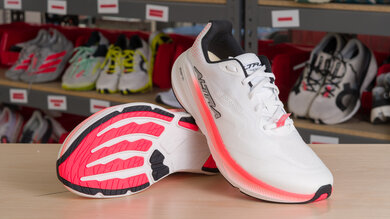
The Altra Experience Flow 3 is a low-drop daily trainer built around an accommodating fit, flexible ride, and natural underfoot feel. Altra’s core formula has long been a wide toe box, zero drop, and a foot-shaped platform, and this shoe keeps part of that DNA while using a more approachable 4 mm heel-to-toe drop. The wider forefoot and midfoot give the fit a welcome sense of freedom, with plenty of room for your toes to spread out instead of being packed into place. Underfoot, the EGO P35 midsole feels a bit softer and more protective than in the Experience Flow 2, but this is still very much an Altra: flexible and connected to the road rather than plush. It’s a comfortable, natural-feeling shoe for easy runs and everyday use, but its lack of energy return means it's not a shoe meant for faster runs.
Our Verdict
The Altra Experience Flow 3 is a poor choice for marathon racing, even though its accommodating fit and very stable platform are useful traits over longer distances. The main issue is that it lacks the protection and propulsion most runners will want for the full marathon distance. Its heel cushioning is especially limited, and the midsole doesn't return much energy, so the ride feels flat and unresponsive. It's better suited to easy daily mileage than trying to hold an efficient race pace for hours.
Midsole returns very little energy.
Heel cushioning feels very limited.
Cushioning holds up poorly under higher forces.
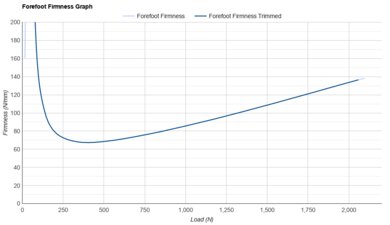
The Altra Experience Flow 3 is not designed for 5K and 10K racing. Its firm forefoot gives the ride a stable, grounded feel, but it doesn't translate into much pop, especially without midsole rebound or plated assistance. It can handle shorter, faster runs if you like a grounded, flexible Altra feel, but it won't feel efficient or race-ready in any meaningful way.
Midsole returns very little energy.
Lacks the pop needed for faster efforts.
The Altra Experience Flow 3 does reasonably well on long runs, mostly thanks to its incredibly stable platform. You don't get much cushioning, though, so your legs will feel a bit beat up if you're running long distances on paved surfaces.
Heel cushioning feels very limited.
The Altra Experience Flow 3 is a good daily trainer. The stable platform gives you a reliable, consistent ride, but you won't get much cushioning from the impact of landing.
Wide platform feels very stable.
Heel cushioning feels very limited.
Changelog
-
Updated Sep 10, 2026:
We've shortened the Popular Comparisons section to give clearer alternative options.
-
Updated Aug 06, 2026:
We've added text to the new usage boxes and the Heel and Forefoot Compression Energy Return test boxes.
-
Updated Jul 22, 2026:
We updated the Popular Running Shoe Comparisons to mention the latest Altra releases in the lineup section.
- Updated Jun 22, 2026: We've converted this review to Test Bench 0.12, which fixes how we measure firmness, a component of the Stability and 5K/10K Racing usages. There may be inconsistencies between the text and the scores for these usages, but the scores should still be considered valid. We've also brought back the Energy Return score and added two new usages: Daily Training and Long Run. To read more about the changes, see the changelog.
- Updated Jun 19, 2026: Review published.
- Updated Jun 16, 2026: Early access published.
- Updated May 05, 2026: Our testers have started testing this product.
- Updated Feb 24, 2026: The product has arrived in our lab, and our testers will start evaluating it soon.
- Updated Feb 23, 2026: We've purchased the product and are waiting for it to arrive in our lab.
We've bought and tested more than 250 running shoes. Every pair purchased with our own money, never supplied or sponsored by brands. Our data-driven tests are designed to go beyond marketing claims, and since every shoe goes through the exact same methodology, you can directly compare results to find the right pair for your needs.
Test Results
Energy Return
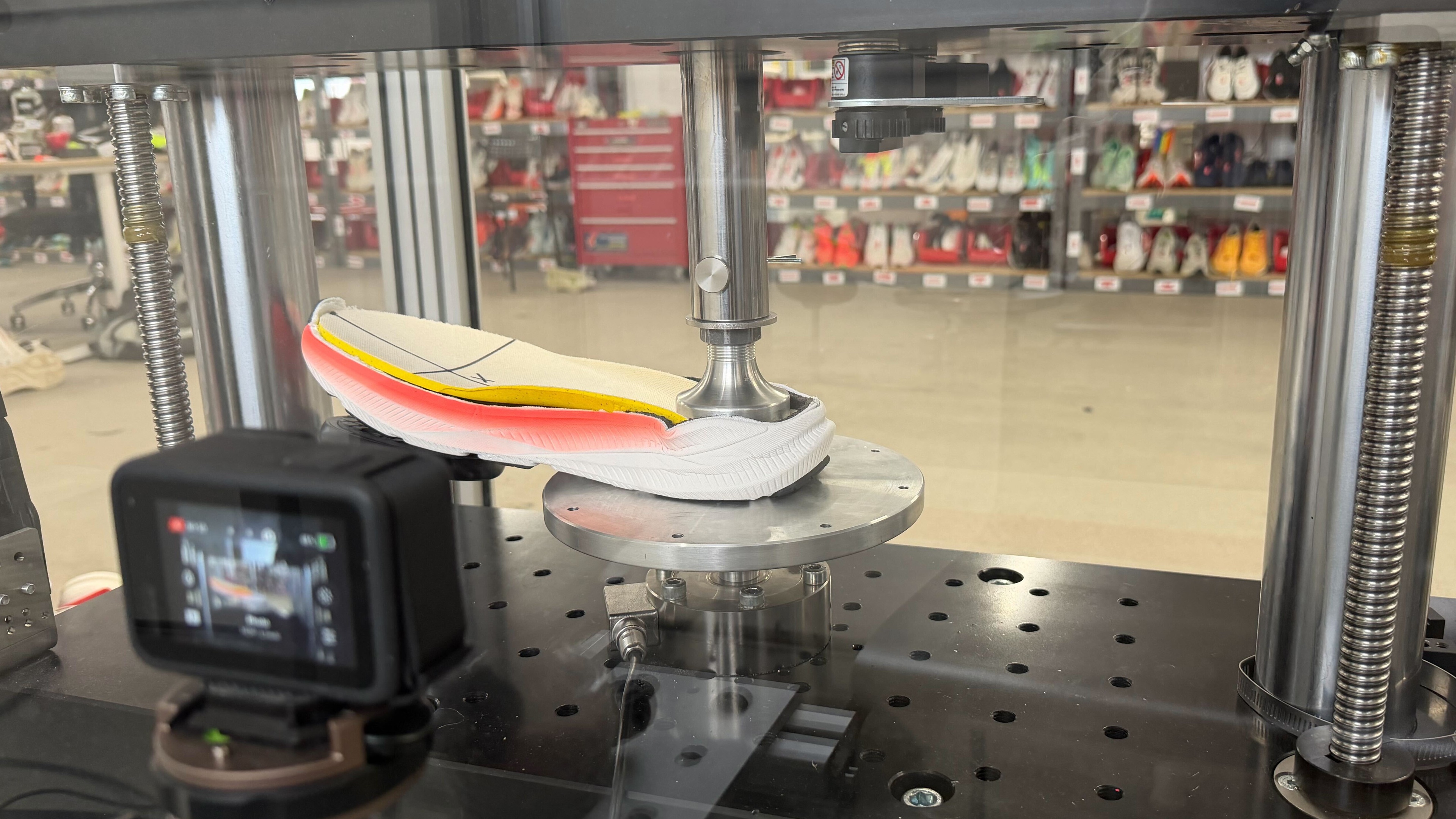
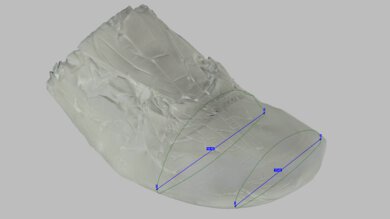
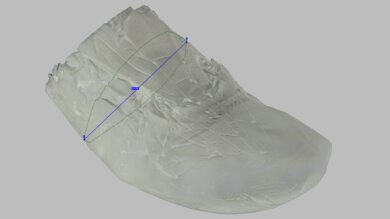
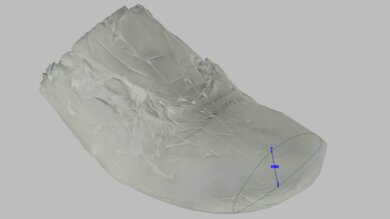
The Altra Experience Flow 3 has minimal energy return. This is not the shoe to reach for if you want a lively ride.
Midsole returns very little energy.
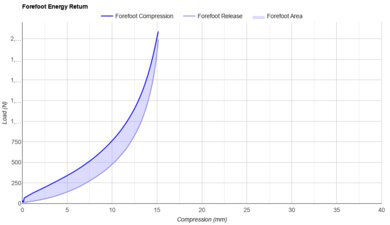
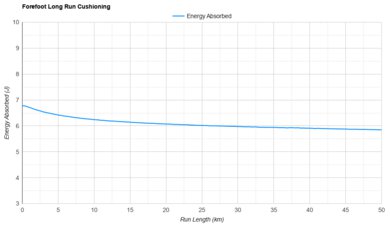
The forefoot gives very little energy back when you push off. Even compared to other Altra shoes, the ride feels very flat underfoot.
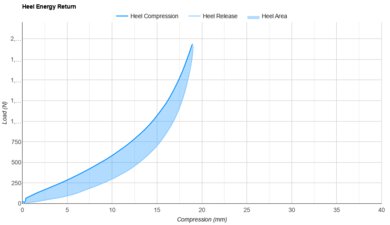
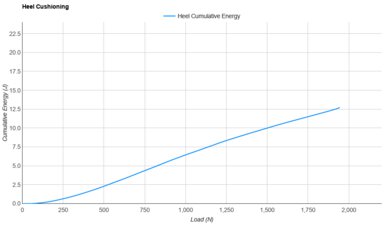
The heel of the Altra Experience Flow 3 returns very little energy. The only other shoe released in 2026 that scored lower on our heel energy return test is the Mizuno Wave Prophecy 15.
Stability
The Altra Experience Flow 3 has remarkable stability. Its wide platform and secure upper help keep landings controlled without relying on traditional stability features or a stiff plate. While this test doesn't directly measure the effects of toe splay, the accommodating forefoot lets your toes spread naturally, which can add to the shoe's planted, confident feel. The firmer, lower-profile ride also helps it feel steady underfoot, making it a good option if you like the freedom of a neutral shoe but still want a stable platform.
Wide platform feels very stable.
Firm forefoot makes for a grounded feel.
Cushioning
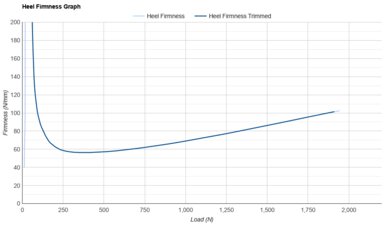
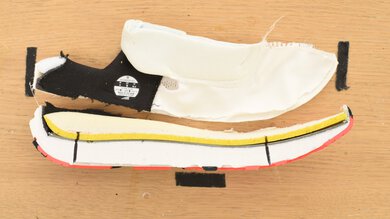
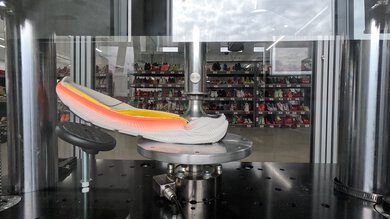
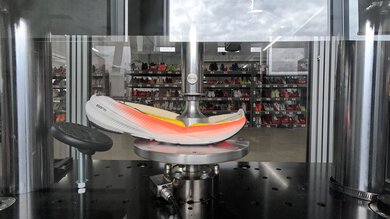
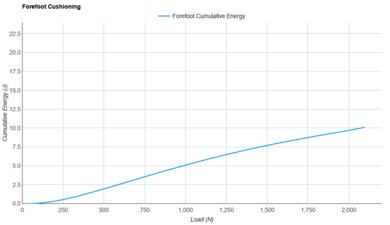
The Altra Experience Flow 3 has disappointing cushioning. It offers some ground feel for runners who like a lower, more connected ride, but there isn't much protection underfoot, especially in the heel. The cushioning also holds up poorly under higher forces, so heavier runners or faster runners who load the midsole with more power will find it even less forgiving.
Heel cushioning feels very limited.
Cushioning holds up poorly under higher forces.
Responsiveness
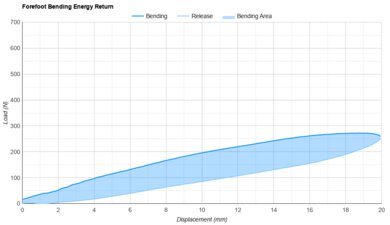
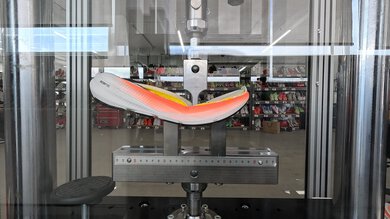
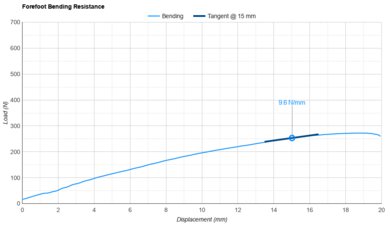
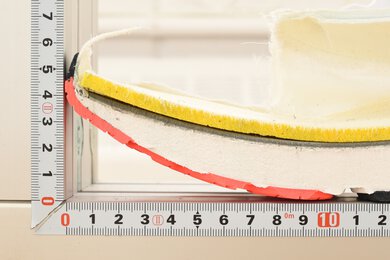
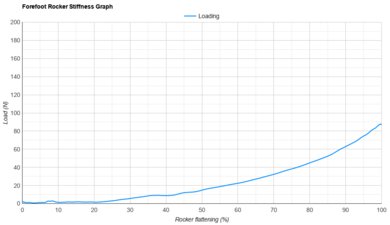
The Altra Experience Flow 3 has poor responsiveness, so it doesn't give you much bounce or snap when you start pushing the pace. The light rocker and stiffness keep the ride from feeling completely dead, but the midsole returns very little energy, especially compared to the livelier foams found in many modern daily trainers. Instead of helping you roll through faster efforts, the ride feels quite draining.
Midsole returns very little energy.
Lacks the pop needed for faster efforts.
True To Size
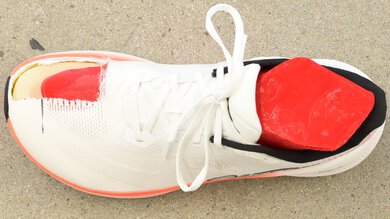
The Altra Experience Flow 3 fits true to size, with an especially accommodating shape through the forefoot and arch. The length is a bit long, while the wide, high-volume forefoot gives your toes plenty of room to spread naturally. It's a particularly good fit if you usually like Altra's foot-shaped design or need extra space up front, though runners with narrow feet may find the fit roomier than they prefer.
Roomy forefoot lets toes splay naturally.
Very accommodating fit overall.
Popular Running Shoe Comparisons
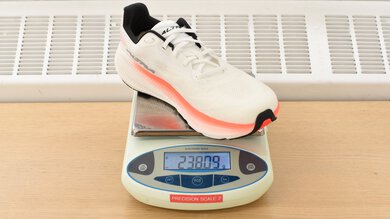
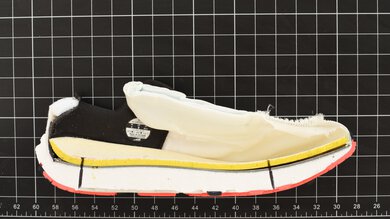
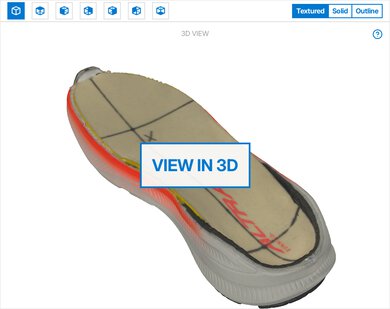
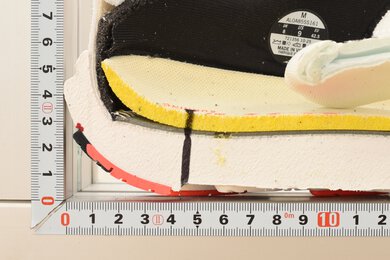
The Altra Experience Flow 3 is a low-drop daily trainer with a roomy, anatomical fit and a firm, grounded ride. In a market full of taller, softer, and bouncier daily trainers, it's deliberately stripped back, and that's part of the appeal. It's low-drop rather than zero-drop, which makes it more approachable than Altra's traditional models, but it's still clearly optimized for forefoot strikers. If you want a shoe with a similar anatomical toe box but that gives more cushioning and stack height, check out the Topo Phantom 4. For an alternative that's similarly low-stacked but much lighter than the Experience Flow, check out the ASICS HYPER SPEED 6. For a more conventional lightweight trainer that has more cushioning and a livelier ride, and is available in a wide version, see the New Balance FuelCell Rebel v5.
Within Altra's lineup, the Altra Escalante 5 is the lowest, most minimalist road option, while the Altra Torin 9 sits as a middle ground between the stripped-back Escalante and the higher-cushioning Altra VIA Olympus 2. The Altra FWD VIA 2 is another higher-stack option that has the same 4 mm drop as the Experience Flow 3.
For more options, check out our recommendations for the best running shoes and the best stability running shoes.
The Altra Experience Flow 3 and Altra FWD VIA 2 are two Altra models that use a 4 mm drop instead of the brand’s usual zero-drop platform, but they apply that more conventional geometry in different ways. The Experience Flow 3 is the lighter, more nimble option, with a more grounded and connected ride that feels easier to turn over for everyday miles. The FWD VIA 2 brings a higher stack to the table, which doesn’t make it plush, but it does create a bigger buffer between your legs and the road.
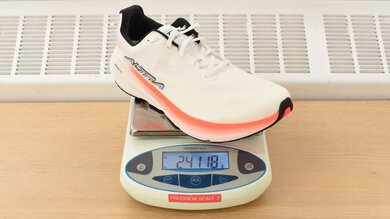
The Altra Experience Flow 3 and Altra Torin 8 are both foot-shaped daily trainers from Altra, but they deliver the brand’s natural and stable ride in different ways. The Torin 8 sticks to the classic zero-drop setup and feels a touch livelier underfoot. The Experience Flow 3 uses a low 4mm drop instead and manages to stay lighter despite its higher stack, but its midsole feels less bouncy and less responsive overall.
The Altra Torin 9 and Altra Experience Flow 3 are two daily trainers from the same brand, but the Experience Flow 3 is the stronger all-around option. Its low drop is easier to adapt to than the Torin's zero-drop platform, and its lighter weight, wider base, and gusseted tongue make it more stable and versatile for daily training. Get the Experience Flow 3 for the more capable everyday daily trainer. Stick with the Torin 9 only if you specifically want to stay with a full zero-drop platform.
The Altra Experience Flow 3 and Altra Experience Flow 2 are two iterations of Altra’s low-drop daily trainer, sitting as a middle ground between the brand’s more typical zero-drop shoes and more conventional road trainers. The Experience Flow 3 adds a little stack height and ends up slightly heavier, which gives it a bit more cushioning than before, but the midsole also feels less responsive and fairly dull underfoot. The Experience Flow 2 feels more grounded, and while its foam still isn’t especially lively, it comes across as a little less dead through the stride. Also, the second iteration had a snug arch that contrasted with the otherwise accommodating Altra shape, while the Experience Flow 3 fixes that and feels true to size at the arch.
Differences Between Sizes And Variants
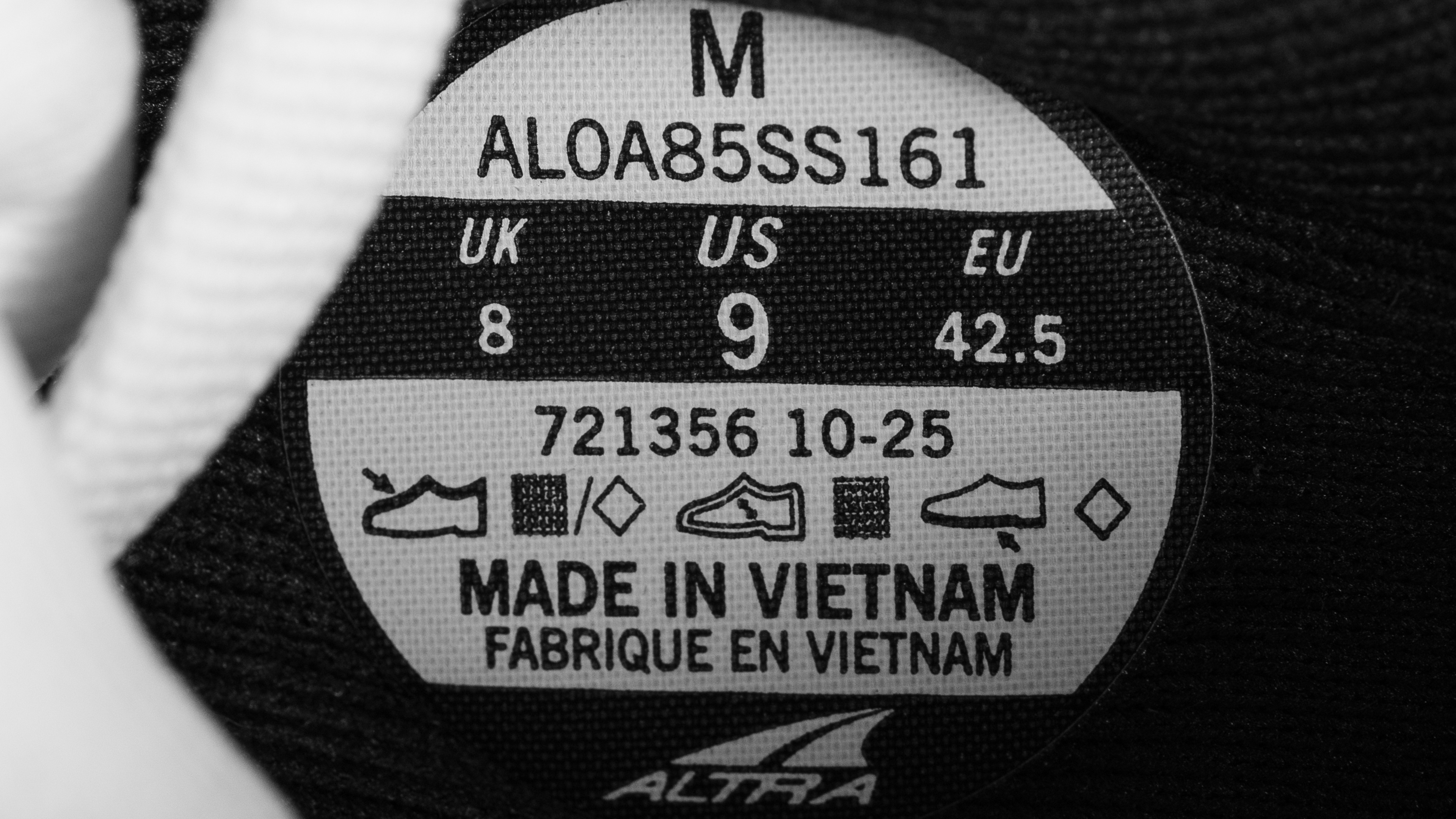
We bought and tested the Altra Experience Flow 3 in men's US size 9, as noted on the label for our pair. The pair we purchased is the White/Coral colorway, but you can also buy this shoe in other colors, depending on your region. The Experience Flow 3 is only available in standard width for both men and women. The design section applies only to the exact model we tested, but we expect other size variants to perform similarly. For the women's version of this shoe, the exact results may differ slightly because Altra uses its "Fit4Her" design, with a slightly narrower profile and female-specific shaping and geometry.