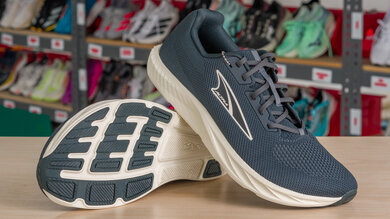
The Altra Escalante 4 is a zero-drop trainer that pairs the minimalist midsole design the brand is known for with its signature anatomical toe box. This version of the Esclante has a redesigned upper that also feels more minimalist than previous versions, now sporting a thin, sock-like upper that wraps around your foot. The outsole has less rubber coverage, which makes the shoe feel a bit more flexible than the Escalante 3. The thin midsole doesn't offer much cushioning or energy return, but this won't surprise long-time fans of the Escalante series. If you're new to zero-drop shoes, however, this shoe could feel very bare bones.
Our Verdict
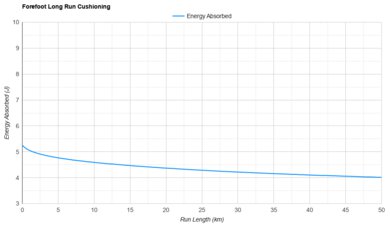
For most runners, the Altra Escalante 4 is a poor choice of shoe for a marathon. The thin midsole simply doesn't provide enough cushioning for the repeated pounding of a marathon, and you get back much less of the energy you put into each footstrike.
Thin midsole provides minimal cushioning.
Basic foam in midsole doesn't bounce back well.
The Altra Escalante 4 is a reasonable shoe to run a 5k or 10k. The very stiff forefoot helps you push off firmly with each stride, although the very wide toe box can feel a bit awkward when you're trying to pick up the pace. The minimalist midsole foam doesn't return much energy, so this is a shoe that will accompany rather than assist you in your race.
Very firm forefoot.
Basic foam in midsole doesn't bounce back well.
The Altra Escalante 4 isn't a very pleasant shoe for long runs. If you have been running in minimalist shoes for a long time, your calves and feet may have adjusted to the lack of cushioning, but if this is your first pair, plan on only doing shorter runs.
Thin midsole provides minimal cushioning.
The Altra Escalante 4 is an adequate daily trainer, especially if you want a very stable, grounded feel. You don't get much cushioning, so your legs will absorb most of the cumulative impact of repeatedly hitting the ground.
Wide platform is inherently stable.
Thin midsole provides minimal cushioning.
Changelog
-
Updated Aug 06, 2026:
We've added text to the new usage boxes and updated comparisons in the Heel Firmness test box.
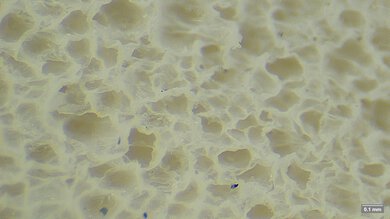
- Updated Jul 03, 2026: We've converted this review to Test Bench 0.13, which identifies the different foams used in the shoe's midsole. We've included a microscopic image of the foam cells to give you an idea of what the microstructure looks like. To read more about the changes, see the changelog.
-
Updated Jun 19, 2026:
We updated the Popular Running Shoe Comparisons section to include the latest iterations of Altra models in the lineup.
- Updated Jun 17, 2026: We've converted this review to Test Bench 0.12, which fixes how we measure firmness, a component of the Stability and 5K/10K Racing usages. There may be inconsistencies between the text and the scores for these usages, but the scores should still be considered valid. We've also brought back the Energy Return score and added two new usages: Daily Training and Long Run. To read more about the changes, see the changelog.
-
Updated Apr 15, 2026:
We've replaced the Energy Return usage box with Responsiveness, which incorporates four additional tests, and updated the text accordingly.
- Updated Apr 15, 2026: We've converted this review to Test Bench 0.11, adding two new rocker measurements to the Design section, and three new responsiveness tests to the Performance section. The Energy Return usage score has been replaced with Responsiveness. Check out the details in our changelog.
-
Updated Feb 26, 2026:
We updated the review to include text for the new Fit usage box, which was recently added to our test bench.
- Updated Feb 20, 2026: We've converted this review to Test Bench 0.10, adding a new set of fit tests to the Design section and an overall fit performance usage. Check out the details in our changelog.
- Updated Feb 09, 2026: We've converted this review to Test Bench 0.9, which adds a Forefoot Long Run Cushioning test to our performance section. Read more in our changelog.
- Updated Oct 27, 2025: Review published.
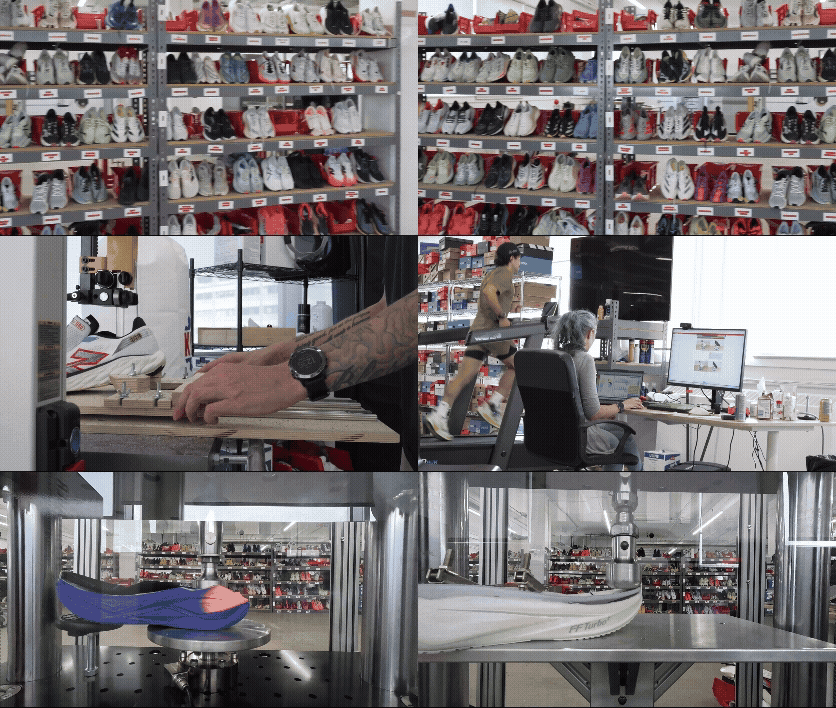
We've bought and tested more than 250 running shoes. Every pair purchased with our own money, never supplied or sponsored by brands. Our data-driven tests are designed to go beyond marketing claims, and since every shoe goes through the exact same methodology, you can directly compare results to find the right pair for your needs.
Test Results
Energy Return
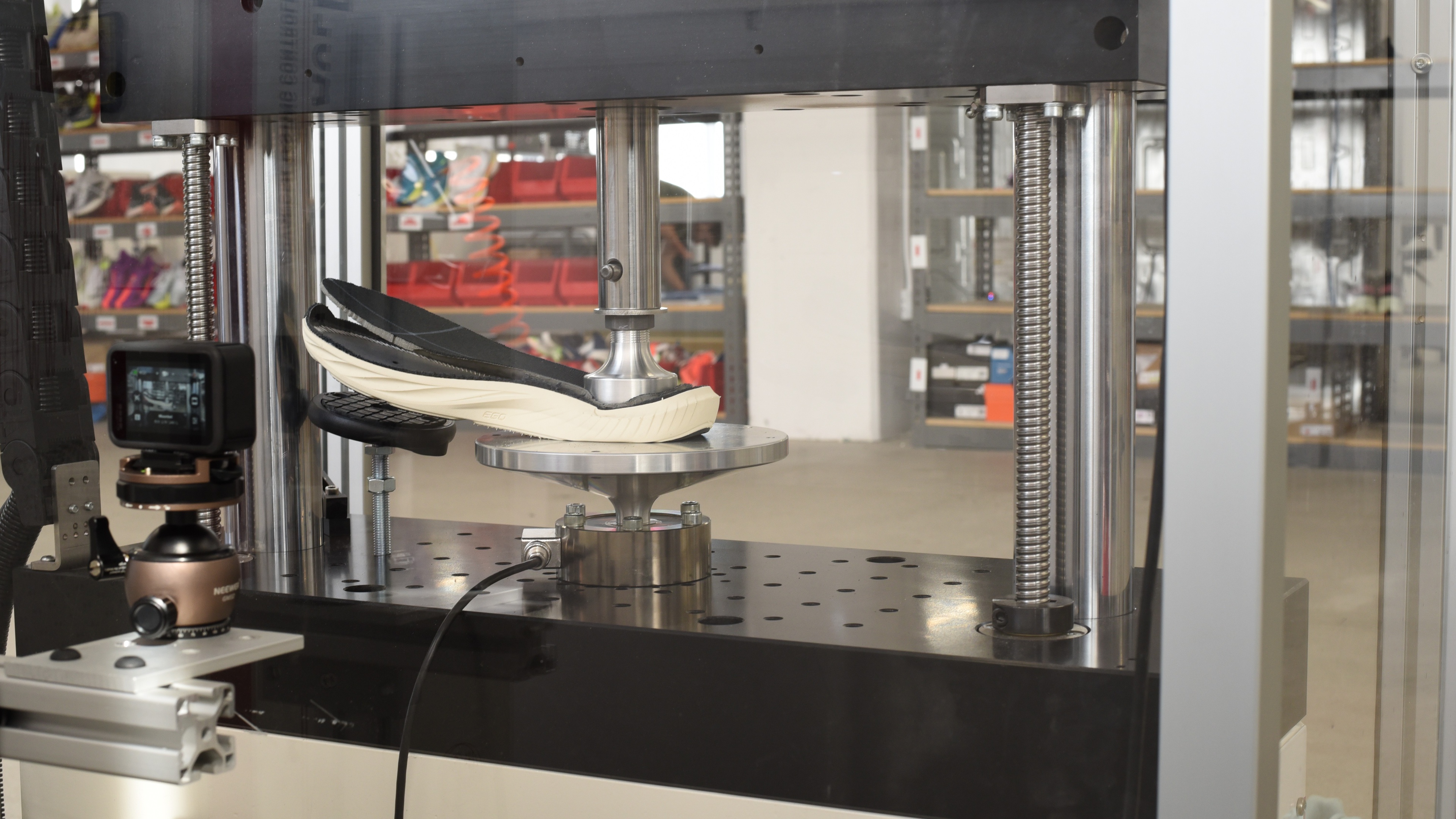
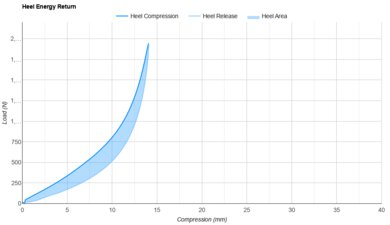
The thin midsole of the Altra Escalante 4 doesn't return much energy. The forefoot does a better job than the heel, but neither is very good.
Basic foam in midsole doesn't bounce back well.
Heel feels especially dull.
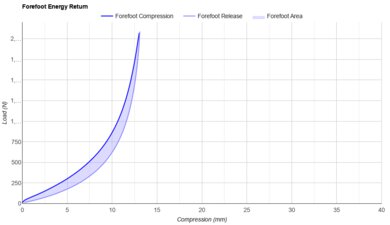
The forefoot of the Altra Escalante returns some of the energy you put into it, but the rebound is disappointing. The more advanced foams in the Altra Torin 8 and Altra Experience Flow 2 do a better job of bouncing back.
Stability
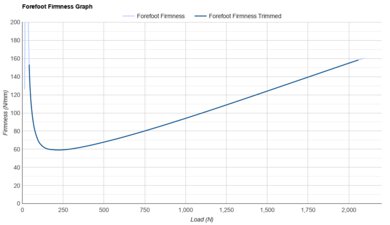
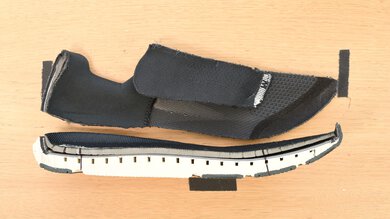
The Altra Escalante 4 has excellent lateral stability. The low stack height, coupled with a firm midsole, means that your foot maintains a solid connection to the ground. The wide toe box and platform also give you a good surface area for landings, push-offs, and turns.
Wide platform is inherently stable.
Very firm forefoot.
Low stack height reduces chance of wobbling.
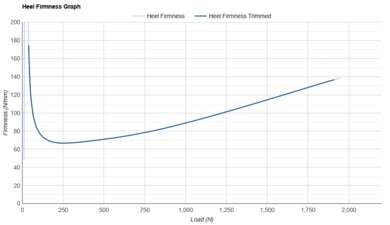
The Altra Escalante 4 has an exceptionally firm heel, even compared to other Altra shoes like the Altra Torin 8 or Altra Experience Flow 2. The only shoe we've tested with a firmer heel is the Mizuno Wave Prophecy 15. While this firmness can feel quite harsh for heel strikers, it does keep the shoe very stable.
Cushioning
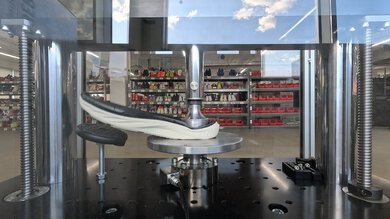
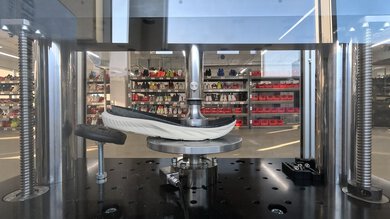
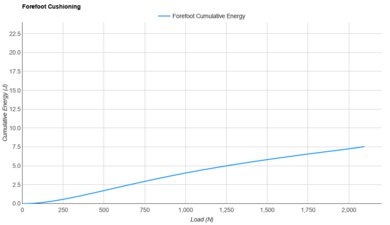
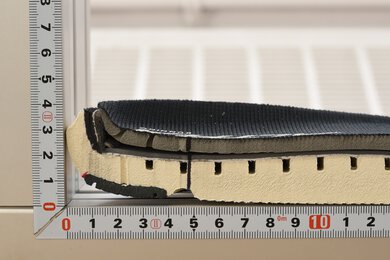
The Altra Escalante 4 has poor cushioning. The thin midsole offers more protection than if you were running barefoot or even compared to "barefoot shoes," but less than conventional running shoes.
Thin midsole provides minimal cushioning.
Altra EGO foam isn't very absorbent.
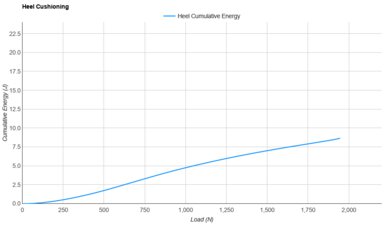
The Altra Escalante 4 offers very little cushioning in the heel, and isn't a good choice for heel strikers. If you want the anatomical toe box but naturally land on your heel, the Topo Phantom 4 is a safer option.
Responsiveness
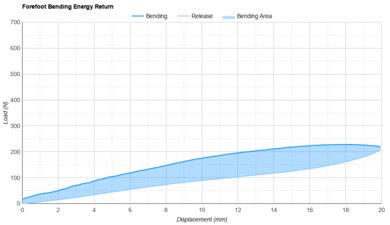
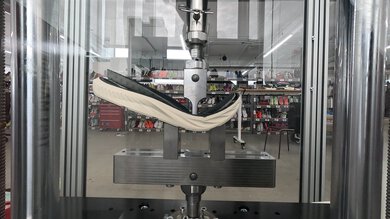
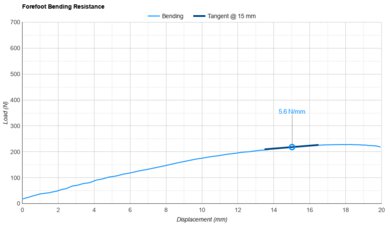
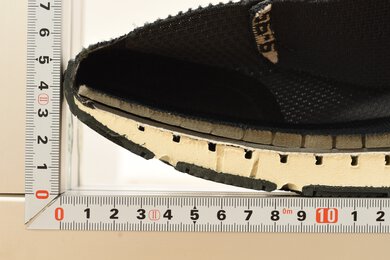
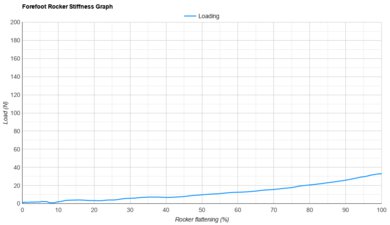
The Altra Escalante 4's midsole returns energy poorly, and the shoe is just not very responsive. The minimalist ethos of Altra's design means that there's very little bounce from the Altra EGO foam. The midsole isn't completely flat, but there isn't enough of a rocker to meaningfully contribute to foot turnover.
Basic foam in midsole doesn't bounce back well.
Heel feels especially dull.
True To Size
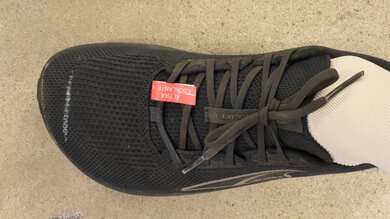
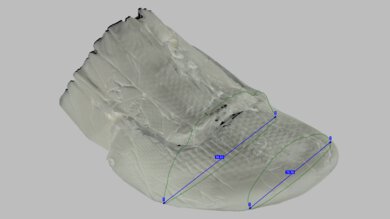
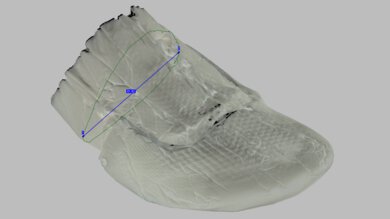
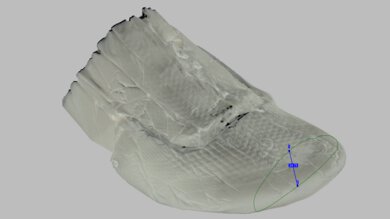
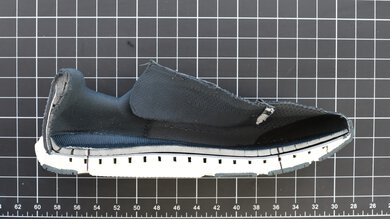
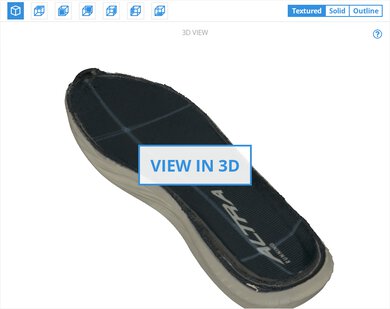
The Altra Escalante 4 has an unorthodox toe box that is much narrower in the arch but much wider in the forefoot than conventional running shoes. While this is to be expected from Altra's 'anatomical' toe box, the length is a bit short, so runners should try a half-size up from their usual.
Popular Running Shoe Comparisons
The Altra Escalante 4 is the torchbearer for one of the most popular zero-drop running shoe series, and a defiant counterpoint to the maximalist cushioning that characterizes the current era of running shoes. It's a popular shoe for recovering barefoot runners who find that their feet need at least some protection from the hard surfaces of modern life. For runners who like the anatomical toe box of this shoe but don't like the zero-drop design, the Topo Phantom 4 is a higher-stacked alternative that offers decent cushioning while still allowing your toes to fully splay. Compared to more mainstream daily trainers like the Nike Pegasus 41 or HOKA Clifton 10, this shoe is firmer and less cushioned, but also lighter and more stable.
Within the Altra lineup, this is the classic zero-drop trainer, while the Altra Torin 8 is a zero-drop shoe with a bit more cushioning. The Altra Experience Flow 3 is perhaps the most conventional shoe Altra makes, featuring a slight heel drop (still only 4mm) and a softer foam called EGO PWR. The Altra Escalante Racer 2 is similar to the Escalante 4, but even lighter, with a stripped-back upper and a slightly lower stack height.
For other options, check out the best running shoes we've tested.
The Altra Torin 8 and Altra Escalante 4 are both zero-drop running shoes that promote natural foot positioning and offer Altra's characteristically roomy toe box. They both suit runners who want a more natural stride, but the Torin 8 uses a higher stack and more cushioning for a more protective feel that works better for longer distances. The Escalante 4 sits closer to the ground, delivering a more direct, natural ride.
The Altra Escalante 4 and Altra Escalante 5 are very similar iterations with the same midsole and overall ride. The Escalante 4 is slightly lighter and more flexible, while the Escalante 5 adds more outsole rubber for durability. Both are similarly suited to shorter daily miles, so get whichever one you can find for cheaper.
The Altra Escalante 4 and Altra Escalante Racer 2 are two very similar running shoes, sharing a zero-drop midsole and an anatomical footbed geometry. Two features set them apart, though: The Racer has a lighter, more breathable upper and a slightly thinner, firmer midsole. Neither shoe offers plush cushioning or bouncy foam, but compared to the extremely stiff Racer, the Escalante 4 is a bit more forgiving.
The Altra Escalante 4 and Altra Experience Flow 2 look like two different stages in the evolution of barefoot running. The Escalante 4 is the no-frills, quasi-minimalist shoe for which the brand is known, with a very low stack height and no heel drop. Its heel platform is quite narrow, and this, combined with the thin, firm midsole, makes the shoe rather unpleasant for heel strikers. The Experience Flow 2 is slightly more developed, with a bit more cushioning and a 4 mm heel drop. Its heel platform has not only been built up but also extended outward, with a wider base that helps make it a more stable shoe. For minimalist runners who know they want the least shoe possible underfoot, the Escalante 4 is the obvious choice. For runners who are Altra-curious but hesitant to go full zero-drop, the Experience Flow 2 could be a good compromise.
The Altra Torin 7 and the Altra Escalante 4 are both zero-drop road running shoes that offer natural foot positioning and a roomy toe box. While both models cater to runners seeking a natural stride, the Torin 7 provides a higher stack height and a more protective ride, making it better suited for longer distances. In contrast, the Escalante 4 offers a closer-to-ground feel for an even more natural ride.
The Altra Escalante 4 and On Cloudsurfer 2 are both classic daily trainers that lean toward the firmer, more traditional end of the spectrum. Still, they differ significantly in design philosophy and underfoot feel. The Escalante 4 is far more minimalist, with a lower stack height, near-zero drop geometry, and a ride that offers a lot of ground feel. It's also lighter and has a more energetic midsole that delivers good rebound despite the shoe's firm profile, but it's also noticeably less protective than the Cloudsurfer. The Cloudsurfer 2, while still on the firmer side, offers more underfoot cushioning and a smoother rockered transition, making it a better pick for those who want a bit more structure and impact absorption.
Differences Between Sizes And Variants
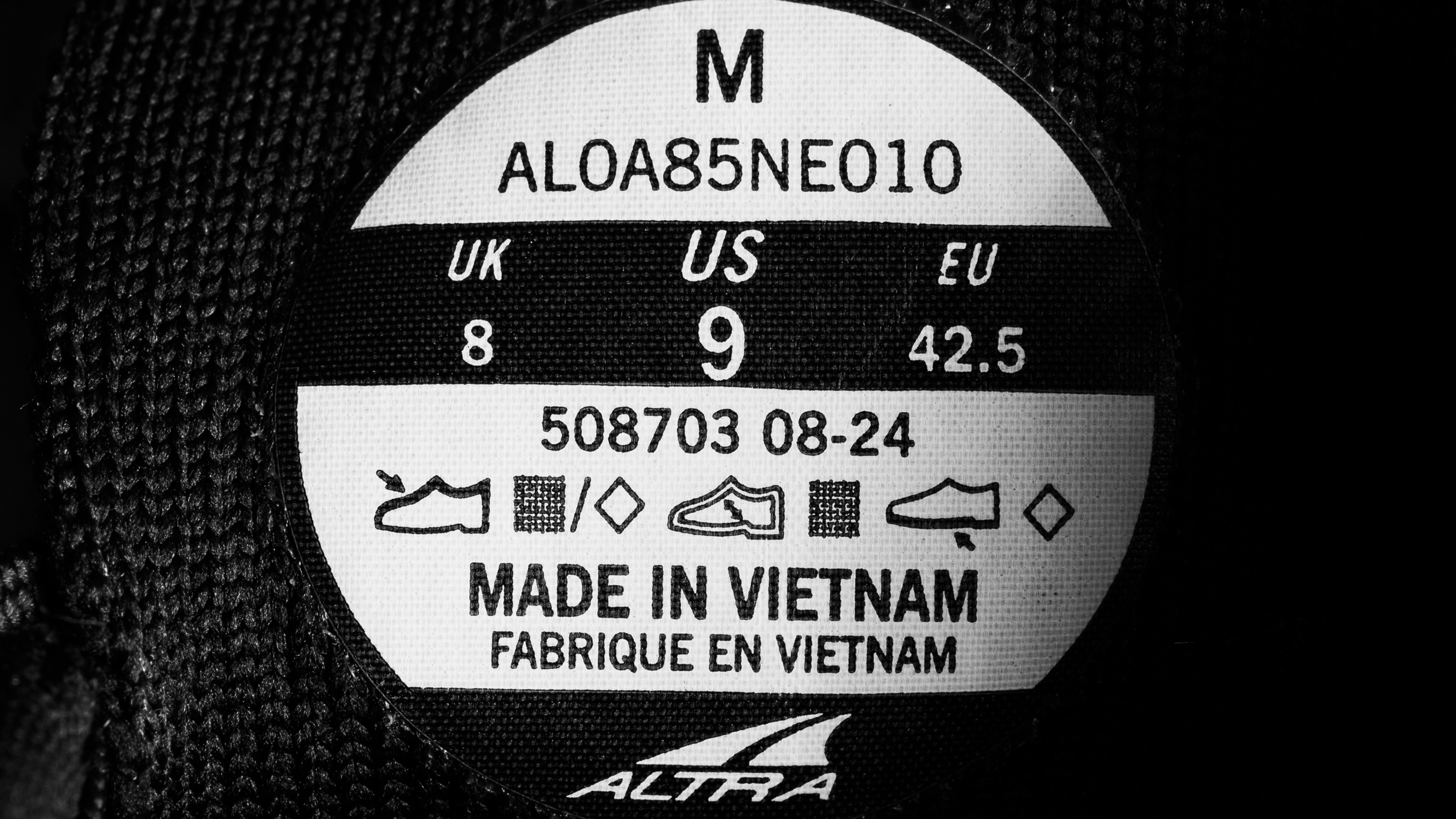
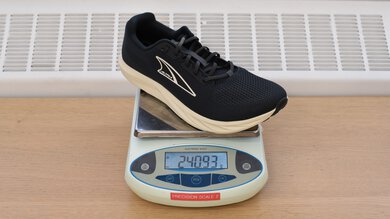
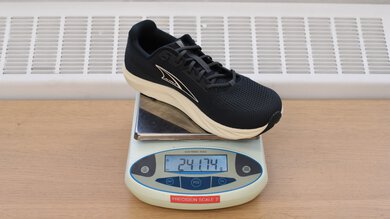
We bought and tested the Altra Escalante 4 in men's US size 9, as noted on the label for our pair. The pair we purchased is the Black/White colorway, but you can also buy this shoe in a wide range of colors for both men and women. There is also an "SW" version that features a Smartwool upper, though that model might have different weight and design results in our tests. For the women's version, the exact results may differ slightly because Altra uses its women-specific "Fit4Her" design, with a slightly narrower profile and female-specific shaping and geometry.