The On Cloudsurfer 2 is a neutral daily trainer that uses CloudTech Phase technology and a rockered profile to deliver a firmer, lower-stack ride. Despite being marketed as a soft and plush option within On's trainer lineup, it features a noticeably stiff midsole once the "Clouds" compress, revealing the underlying limits of its standard EVA-based Helion foam. This gives it some ground feel and stability, making it suitable for shorter daily runs. However, its unresponsive ride means it's not a comfortable option for higher impacts and faster efforts, where it tends to bottom out and feel too harsh, though it can still work for occasional runners or easier outings.
Our Verdict
The On Cloudsurfer 2 is poorly suited for marathon racing. While it offers decent stability thanks to its firm platform and wide base, its energy return is terrible, with both the heel and forefoot feeling flat and unresponsive over long distances. The shoe also tends to bottom out under sustained impact, making it uncomfortable for longer efforts. This model works for short casual jogs, but it lacks the protection and efficiency needed for comfortably racing a marathon.
Lacks protection at the forefoot.
The midsole is awful at returning energy.
Not lightweight enough.
The On Cloudsurfer 2 is a sub-par option for racing over shorter distances. On the plus side, its firm forefoot and rocker help runners generate speed through a higher turnover. Also, its relatively low weight and structured geometry contribute to a decent sense of control, especially at moderate paces. However, the underwhelming midsole bounce limits propulsion, making it feel harsh when pushing the pace. It can get you through a 5K or 10K, but there are far better options available if you are chasing performance.
Firm at the forefoot.
The midsole is awful at returning energy.
Not lightweight enough.
Changelog
- Updated Sep 15, 2026: We've converted this review to Test Bench 0.12, which fixes how we measure firmness, a component of the Stability and 5K/10K Racing usages. There may be inconsistencies between the text and the scores for these usages, but the scores should still be considered valid. We've also brought back the Energy Return score and added two new usages: Daily Training and Long Run. To read more about the changes, see the changelog.
- Updated Sep 02, 2026: We've converted this review to Test Bench 0.11, adding two new rocker measurements to the Design section, and three new responsiveness tests to the Performance section. The Energy Return usage score has been replaced with Responsiveness. Check out the details in our changelog.
-
Updated May 07, 2026:
We've updated the Popular Comparisons section to reference the newly reviewed On Cloudmonster 3 and to include a link to our newly published guide for the 'Best On Running Shoes.'
- Updated Apr 29, 2026: We've converted this review to Test Bench 0.10, adding a new set of fit tests to the Design section and an overall fit performance usage. Check out the details in our changelog.
-
Updated Apr 22, 2026:
We mentioned the On Cloudrunner 3 in the Popular Running Shoe Comparisons section of the review.
- Updated Apr 13, 2026: We've converted this review to Test Bench 0.9, which adds a Forefoot Long Run Cushioning test to our performance section. Read more in our changelog.
-
Updated Oct 24, 2025:
We updated the Introduction, Pros & Cons, Lateral Stability, Cushioning, Forefoot Cushioning, and Heel Firmness boxes to align with the latest test bench and to keep the review accurate.
- Updated Oct 20, 2025: We've converted this review to Test Bench 0.8.2, which updates our methodology for the impact force range used in our compression tests to improve their accuracy. This also affects all usage and performance usage boxes using those compression tests as score components.
-
Updated Jul 30, 2025:
We revised the phrasing in the Cushioning, Heel Cushioning, and Forefoot Cushioning boxes to reflect the changes in the latest test bench.
- Updated Jul 30, 2025: We've converted this review to Test Bench 0.8.1, which mainly updates the score components for the Marathon Racing and Lateral Stability usage boxes to improve accuracy.
- Updated Jun 12, 2025: Review published.
- Updated Jun 05, 2025: Early access published.
We've bought and tested more than 250 running shoes. Every pair purchased with our own money, never supplied or sponsored by brands. Our data-driven tests are designed to go beyond marketing claims, and since every shoe goes through the exact same methodology, you can directly compare results to find the right pair for your needs.
Test Results
Energy Return


Stability
The On Cloudsurfer 2 has good stability. Its broad heel platform, firm foam, and relatively low stack height help keep the foot centered, especially when fatigue sets in. This makes it a good option for runners who value balance and control over plush comfort.
Relatively close to the ground.
Firm at the forefoot.
Good lateral stability.
Unplated.
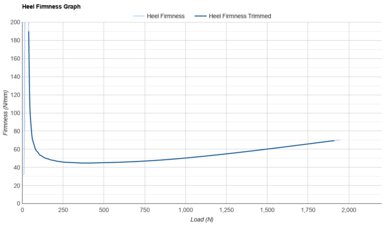
Despite being marketed as a soft shoe, the Cloudsurfer 2's heel is actually on the firmer end. While this contributes to some stability, it makes the shoe feel jarring for long-distance efforts or heavy heel strikers.
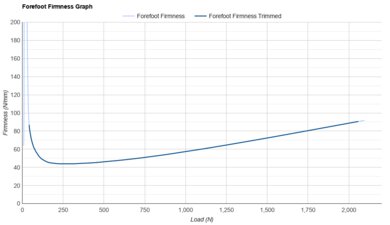
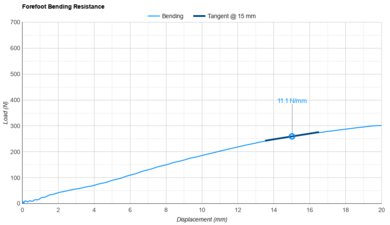
The forefoot is very firm overall, and even more so as forces increase. After the initial collapse of the CloudTec pods, the remaining structure relies on a rigid slab of foam. This results in a harsh ride: one that may appeal to runners seeking ground feel but feels overly punishing for those expecting cushion or bounce. For daily training, softer options like the HOKA Clifton 10 are usually a more forgiving option for most runners.
Cushioning
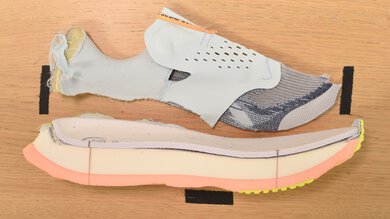
The cushioning in the On Cloudsurfer 2 is okay overall. The heel provides some protection for easy efforts, but the forefoot feels unforgiving when more force is applied, as the midsole offers minimal absorption once the initial CloudTec elements have compressed. This contributes to the shoe's harsher ride over longer runs or higher intensities. Despite being marketed as a super cushioned option, the shoe doesn't offer the plushness or protection runners might expect from its visual design.
Some protection at the heel.
Lacks protection at the forefoot.
The CloudTec technology makes impact absorption inconsistent.
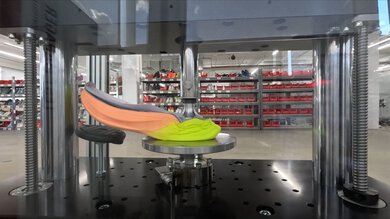
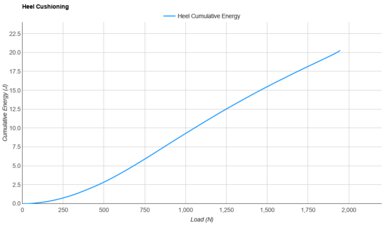
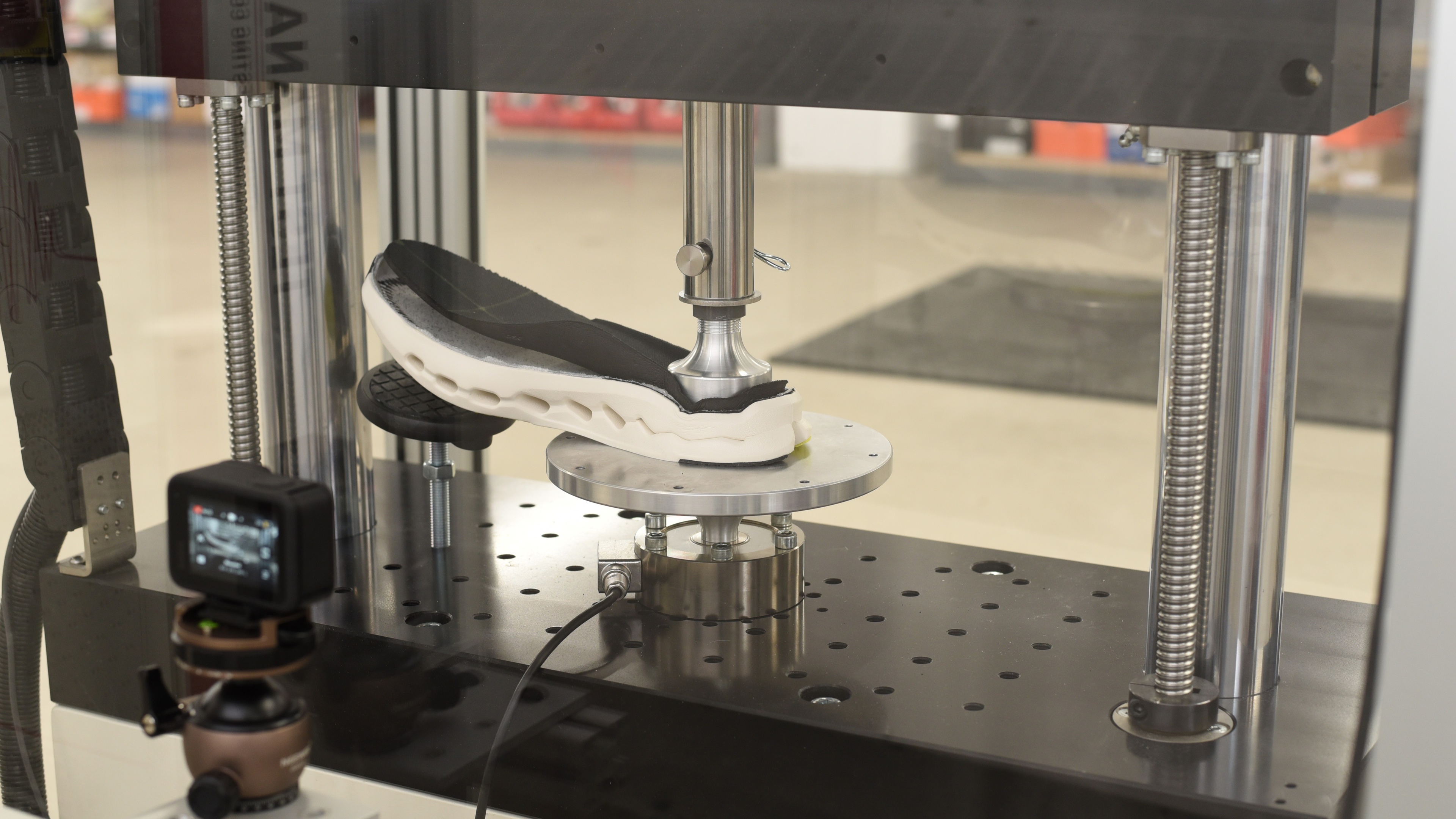
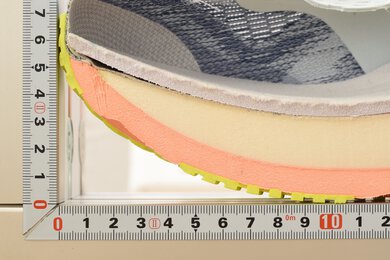
The heel cushioning in the Cloudsurfer 2 is inconsistent. At lower impact forces, the CloudTec Phase design works, allowing for visible compression and a somewhat forgiving landing. However, as forces increase into a moderate to high range, the Cloud elements bottom out, and the foam itself absorbs less energy than other trainers at similar forces. This underscores the drawback of depending on CloudTec for cushioning, rather than using a more capable foam in the first place.
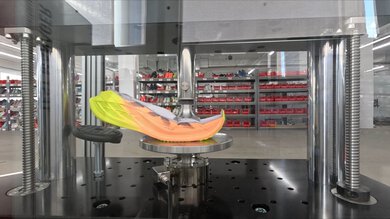
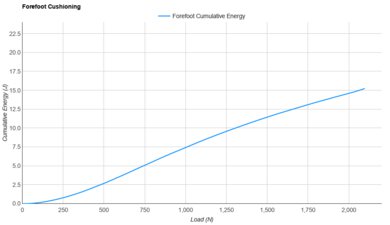
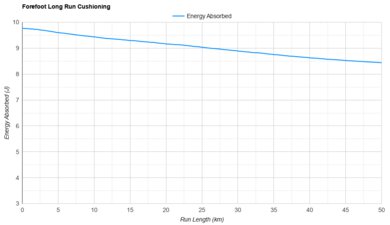
The forefoot is where the On Cloudsurfer 2 feels the harshest. It offers some initial give when pressure is light, but this quickly vanishes once the CloudTec structures are flattened. At higher forces, the EVA foam doesn't compress well at all, leading to a rigid, harsh sensation. Overall, the forefoot cushioning is mediocre, limiting the shoe's comfort over longer efforts, especially for midfoot and forefoot strikers.
Responsiveness
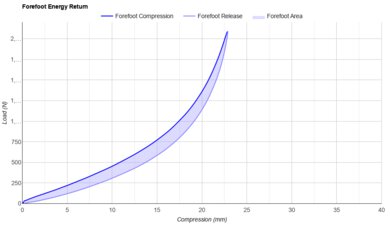
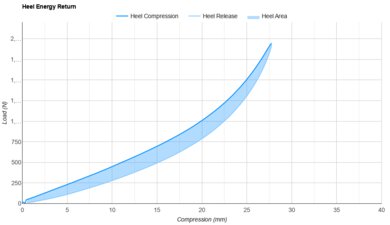
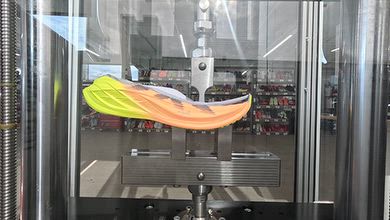
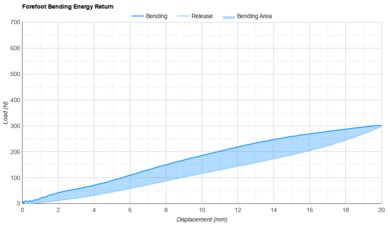
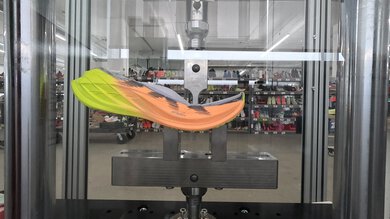
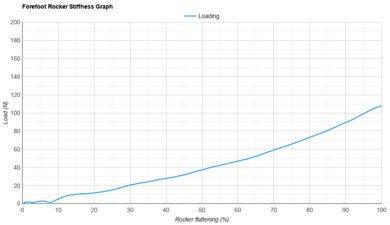
The On Cloudsurfer 2 has awful energy return, even for a daily trainer. This indicates that the Helion foam and CloudTec Phase setup fails to release much energy. Overall, the shoe feels flat and lifeless, lacking the responsiveness found in modern foams from other brands. While the rocker helps maintain forward momentum, the midsole does little to assist propulsion on its own.
The midsole is awful at returning energy.
True To Size
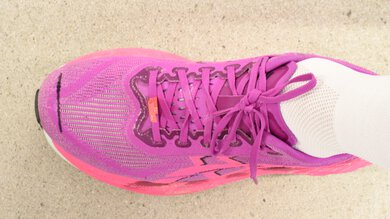
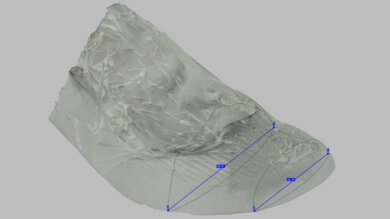
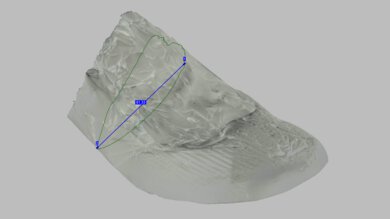
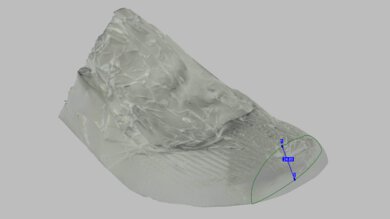
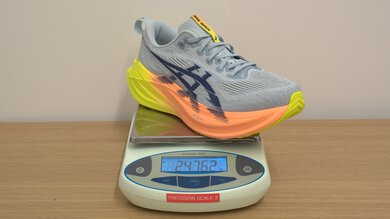
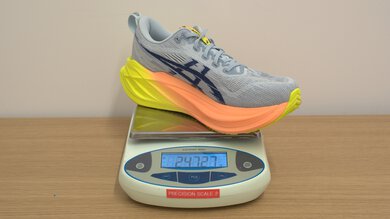
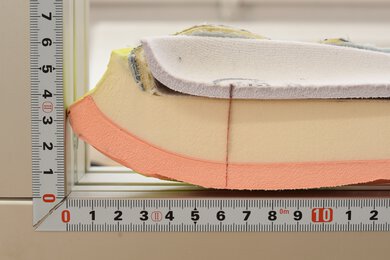
The On Cloudsurfer 2 isn't especially light, but it falls within a reasonable range for daily trainers. It won't feel bulky or overly heavy underfoot, especially compared to higher-stacked models. However, for runners looking for a truly lightweight feel, there are lighter options in the classic trainer category, such as the Altra Escalante 4.
Popular Running Shoe Comparisons
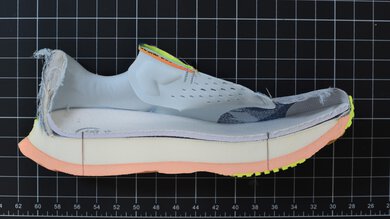
The On Cloudsurfer 2 lands in the daily trainer space but takes a different approach than many of its peers. While most modern daily trainers like the ASICS NOVABLAST 5 emphasize plush cushioning and energetic foams, the Cloudsurfer 2 offers a more classic ride experience: a firmer, lower-to-the-ground ride that leans into structure and ground feel over softness and bounce. It uses On's CloudTec Phase, a cavity-engineered midsole design, but the foam is still based on a traditional Helion EVA blend, which is firmer and less forgiving than other classic daily trainers like the HOKA Clifton 10. While the rocker helps maintain a fluid stride, the ride is harsh and lacking in energy return, especially compared to the more responsive foams found in the competition. On the plus side, it's relatively lightweight and slightly less firm than similar options like the Nike Pegasus 41, so if you're set on picking up a classic daily trainer, you could do worse.
Within On's own lineup, the Cloudsurfer 2 serves as the brand's classic daily trainer, replacing the original Cloudsurfer, a very popular model with a softer feel. This model sits below the higher-stacked On Cloudmonster 3. The Swiss brand also makes a stability shoe in the On Cloudrunner 3. They also offer more performance-oriented models like the Cloudmonster Hyper 3 and the On Cloudboom Zone, with higher-end midsoles. In the end, the Cloudsurfer 2 may appeal to fans of a more stable, low-stack ride, but for runners prioritizing cushioning or energy return for their daily runs, there are stronger alternatives across the market, and even within On's lineup.
For more options, check out our recommendations for the best running shoes from On, or if you're interested in other brands, our overall recommendations for best running shoes. If you're after shoes that are well-adapted for long runs, look at our recommendations for the best long-distance running shoes.
The On Cloudsurfer 2 and the On Cloudsurfer Max share the same family name, but they have a few differences. The Cloudsurfer 2 is a lower-stacked, lighter daily trainer that emphasizes smooth transitions and a controlled ride rather than cushioning or energy return. Its Helion foam and CloudTec Phase geometry deliver a firm, stable, and predictable feel that works best for easy to moderate daily mileage, especially if you value guidance and a clean rocker over bounce. The Cloudsurfer Max takes that same concept and stretches it by adding significantly more stack (and weight in the process). While it's marketed as a maximalist shoe, it doesn't deliver an ultra-plush ride either, prioritizing smooth roll-through and stability over softness or rebound.
The On Cloudsurfer 2 and the On Cloudmonster 2 offer two distinct experiences within On's daily training lineup. The Cloudsurfer 2 is a classic daily trainer, with a moderate stack height, lighter weight, and an early-stage rocker that promotes smooth transitions at easier paces. Its firm underfoot emphasizes ground feel and control over plushness or bounce. The Cloudmonster 2, on the other hand, is On's maximalist option: higher stacked, more cushioned, and noticeably more energetic thanks to a more responsive midsole. While both shoes are on the firmer side overall, the Cloudmonster 2 feels slightly softer and more forgiving.
The Altra Escalante 4 and On Cloudsurfer 2 are both classic daily trainers that lean toward the firmer, more traditional end of the spectrum. Still, they differ significantly in design philosophy and underfoot feel. The Escalante 4 is far more minimalist, with a lower stack height, near-zero drop geometry, and a ride that offers a lot of ground feel. It's also lighter and has a more energetic midsole that delivers good rebound despite the shoe's firm profile, but it's also noticeably less protective than the Cloudsurfer. The Cloudsurfer 2, while still on the firmer side, offers more underfoot cushioning and a smoother rockered transition, making it a better pick for those who want a bit more structure and impact absorption.
The On Cloudsurfer 2 and the New Balance FuelCell Rebel v4 are both firmer shoes, but they occupy different subcategories of daily trainers. The Cloudsurfer 2 is a more traditional daily trainer, offering a rockered ride with moderate stack height and a Helion midsole. In contrast, the Rebel v4 is a lightweight daily trainer that sits much lower to the ground, features a lower heel-to-toe drop, and uses a more energetic FuelCell midsole that delivers a livelier underfoot feel for your daily mileage. The New Balance is also more stable laterally.
The On Cloudsurfer 2 and the Nike Pegasus 41 are both classic daily trainers, but they offer notably different ride experiences. The Pegasus 41 is heavier and firmer overall, with a snugger fit. While its ReactX foam provides a livelier feel, it also results in a less cushioned, more ground-connected ride compared to the Cloudsurfer. The Cloudsurfer 2 is lighter and slightly more forgiving underfoot, offering a smoother, more rockered transition and better impact absorption.
Differences Between Sizes And Variants
We tested the On Cloudsurfer 2 in men's US size 9, as noted on the label for our pair. The colorway shown here is Glacier | Limelight. This model is also available in other colorways, including Ivory | Ivory, Black | Black, and Tangerine | Ivory. Wide versions aren't currently offered. The design section applies only to the exact model we tested, but we expect other sizes and gender variants to perform similarly.