The New Balance FuelCell Rebel v4 brings some serious updates to an already well-loved running shoe. A wide base underfoot and a relatively low stack provide amazing stability, while the lightweight design keeps things nimble—though not quite race-day fast. Now featuring a PEBA-EVA blend midsole, the shoe offers some responsiveness, but it's really ideal for daily training, from easy miles to moderately paced runs. The upper strikes a balance between breathability and structure, making the Rebel v4 a comfortable and reliable option for daily training.
Our Verdict
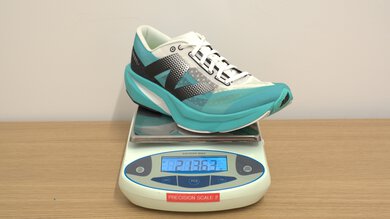
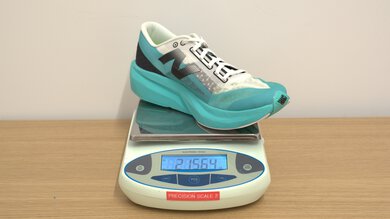
The New Balance FuelCell Rebel v4 isn't made for marathon racing. The shoe's lower energy return and insufficient underfoot protection significantly lower its efficiency and suitability for long-distance performances. It's far from a dedicated racing machine, but given its low weight and great stability, there are certainly even less capable options out there.
Excellent stability.
Lightweight.
The New Balance FuelCell Rebel v4 performs decently for shorter distances thanks to its relatively lightweight build. While the shoe's firm forefoot helps, the responsiveness is still too low to help you push off efficiently during faster, shorter races.
Lightweight.
Energy return is too low for racing.
Changelog
- Updated Sep 15, 2026: We've converted this review to Test Bench 0.12, which fixes how we measure firmness, a component of the Stability and 5K/10K Racing usages. There may be inconsistencies between the text and the scores for these usages, but the scores should still be considered valid. We've also brought back the Energy Return score and added two new usages: Daily Training and Long Run. To read more about the changes, see the changelog.
- Updated Sep 02, 2026: We've converted this review to Test Bench 0.11, adding two new rocker measurements to the Design section, and three new responsiveness tests to the Performance section. The Energy Return usage score has been replaced with Responsiveness. Check out the details in our changelog.
-
Updated Apr 30, 2026:
We've updated this review to add text for the new True To Size usage box and made minor phrasing adjustments throughout the review for consistency.
- Updated Mar 25, 2026: We've converted this review to Test Bench 0.10, adding a new set of fit tests to the Design section and an overall fit performance usage. Check out the details in our changelog.
-
Updated Dec 08, 2025:
We updated the Popular Running Shoe Comparisons to include some new releases like the ASICS GT-2000 14 and the ASICS GEL-KAYANO 32.
- Updated Oct 28, 2025: We've converted this review to Test Bench 0.9, which adds a Forefoot Long Run Cushioning test to our performance section. Read more in our changelog.
-
Updated Oct 21, 2025:
We've adjusted this review's writing to align with the new test bench, including updates to all usage scores and test boxes for Cushioning, Firmness, and Energy Return.
- Updated Oct 20, 2025: We've converted this review to Test Bench 0.8.2, which updates our methodology for the impact force range used in our compression tests to improve their accuracy. This also affects all usage and performance usage boxes using those compression tests as score components.
-
Updated Jul 30, 2025:
We revised the phrasing in the Marathon Racing, Lateral Stability and Cushioning boxes to better align with the latest test bench scores., We also updated the side-by-side comparisons with the Brooks Hyperion 2 and New Balance FuelCell Rebel v4 to ensure they are as accurate as possible with regards to cushioning.
- Updated Jul 30, 2025: We've converted this review to Test Bench 0.8.1, which mainly updates the score components for the Marathon Racing and Lateral Stability usage boxes to improve accuracy.
-
Updated Jun 19, 2025:
We updated the Compared To Other Running Shoes box with a comparison with the New Balance FuelCell Rebel v5.
-
Updated May 21, 2025:
We updated the Compared to Running Shoes box to include links to some of our other articles.
- Updated Apr 02, 2025: Converted to Test Bench 0.8.
- Updated Apr 02, 2025: Review published.

We've bought and tested more than 250 running shoes. Every pair purchased with our own money, never supplied or sponsored by brands. Our data-driven tests are designed to go beyond marketing claims, and since every shoe goes through the exact same methodology, you can directly compare results to find the right pair for your needs.
Test Results
Energy Return

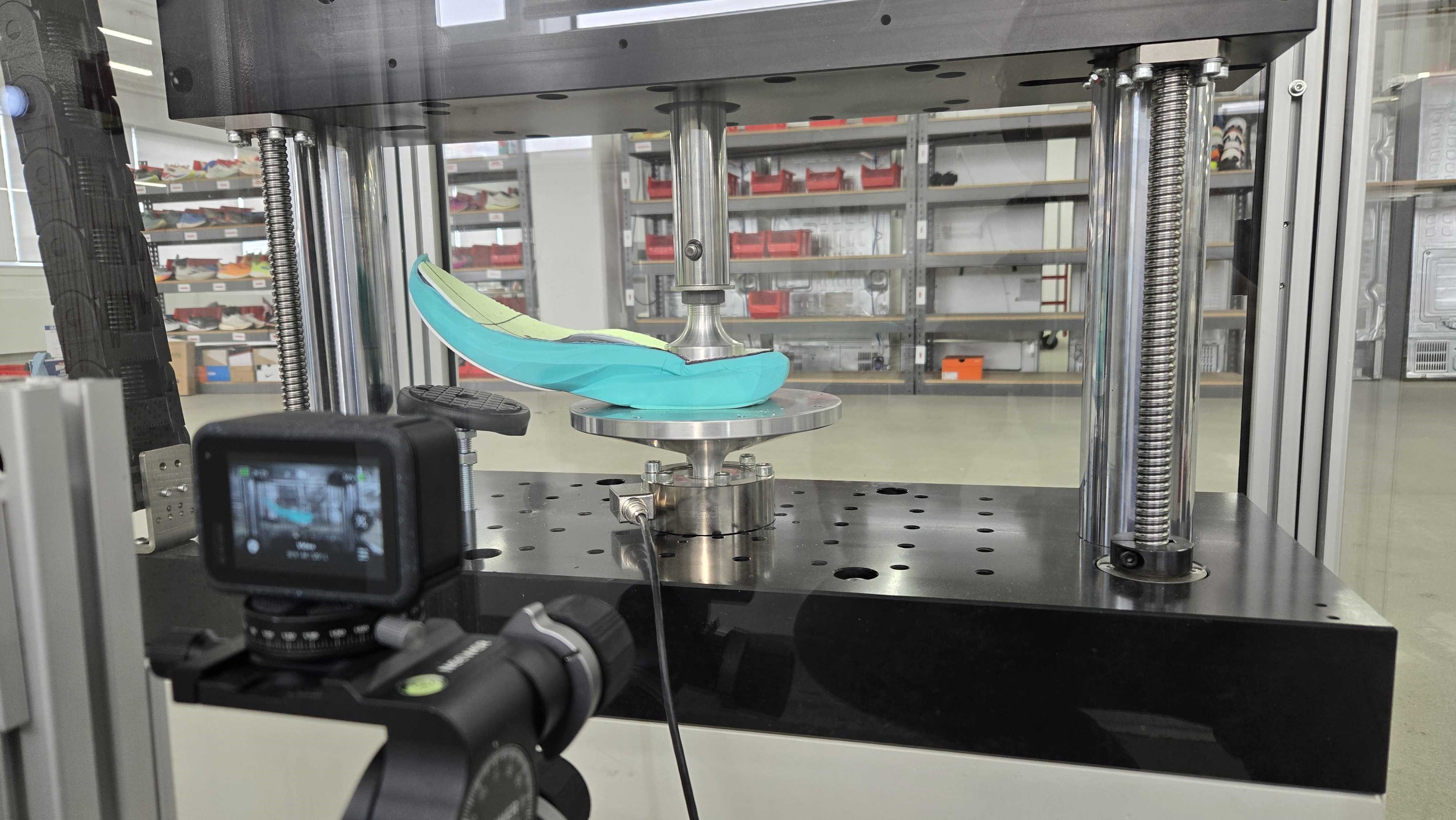
Similarly, the forefoot energy return in this shoe remains mediocre, providing only moderate responsiveness upon toe-off. While there's some bounce for a daily trainer, the model lacks the dynamic pop sought by competitive runners in faster, more aggressive workouts or races.

The New Balance FuelCell Rebel v4's heel energy return is middling, offering only a modest sense of bounce and responsiveness. Runners won't experience a particularly energetic ride at heel strike, meaning the shoe doesn't significantly aid propulsion from the heel. This makes it better suited for runners who rely less on pronounced heel-to-toe transitions.
Stability
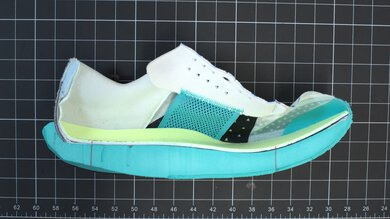
The New Balance FuelCell Rebel v4 offers amazing lateral stability, making it an excellent choice for runners needing confidence and security. Its very wide outsole platform and lower stack height provide great ground contact, helping the shoe maintain a steady balance for runners who prioritize stability.
Super wide base makes for a stable platform.
Lower stack makes for a grounded ride.
Midsole is firm.

The midsole is on the firmer side, but it's not overly stiff, either. This balance helps maintain steady and efficient landings, which is especially useful on longer or uneven routes where consistent stability matters.

The forefoot foam of this shoe is very firm, delivering a highly stable and consistent feel across various intensities and paces. This contributes notably to excellent ground feedback and enhanced stability. However, this model might feel overly firm for runners who prefer a softer feel in the forefoot.
Cushioning
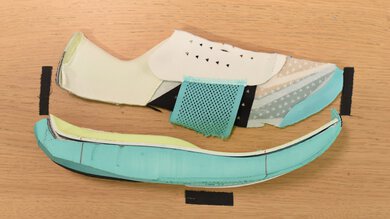
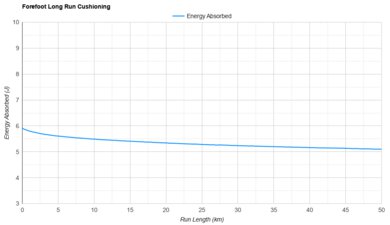
The New Balance FuelCell Rebel v4 delivers sub-par cushioning. While there is some protection in the heel, the forefoot cushioning is disappointing, making it less suitable for runners who prefer plush landings during extended training sessions. Because it's lower stacked, it will bottom out faster than more protective alternatives.
Heel cushioning is okay.
Not enough underfoot protection, especially in the forefoot.
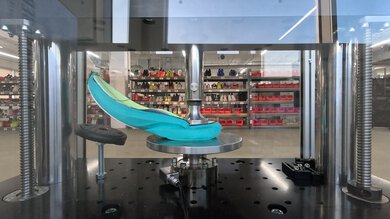

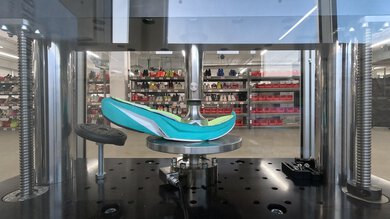
The shoe initially feels acceptably cushioned at the heel, dampening the road effects, especially during shorter to moderate runs. However, hands-on testing revealed issues over extended distances. Due to its softer midsole compound, the cushioning noticeably compresses after roughly nine miles (15 km), partially bottoming out and significantly reducing its effectiveness. Consequently, runners looking to tackle longer distances or sustained mileage may find it disappointingly insufficient over time.

Responsiveness
The New Balance FuelCell Rebel v4's midsole offers middling energy return. While you'll still get some bounce, it lacks the dynamic propulsion offered by top-tier racing shoes.
Energy return is too low for racing.


True To Size
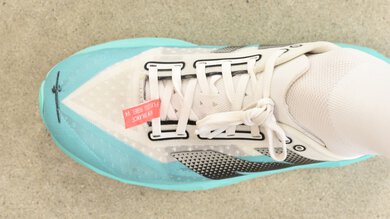
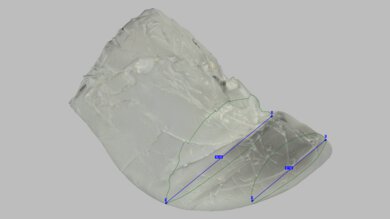
The New Balance FuelCell Rebel v4 runs a bit short in length and has a snug fit through the arch. The toe box is reasonably accommodating, with decent width and enough vertical room for most runners. Most runners can still achieve a decent fit by sticking to their usual size, but going with the wide versions makes sense if you want more room.
Toebox is quite wide.
Could use a bit more space upfront.



Popular Running Shoe Comparisons
The New Balance FuelCell Rebel v4 is a lightweight daily trainer designed for runners who appreciate a wide platform that's close to the ground. It caters well to those who need extra stability on their shorter daily mileage. However, runners seeking maximum cushioning and comfort for their daily training might find alternatives like the Mizuno Neo Zen more enjoyable for long-distance comfort. If your priority is shaving grams, the Brooks Hyperion 2 is a lighter daily trainer, but this comes at a cost: less cushioning and less stability than the Rebel v4. If you require structural lateral stability and are after more support to correct overpronation, shoes like the ASICS GEL-KAYANO 32 and the ASICS GT-2000 14 will be more appropriate.
Within New Balance's performance-oriented FuelCell lineup, the Rebel v4 is positioned above the New Balance FuelCell Pvlse v1, which serves as their minimalist trainer, but below the more cushioned and plated New Balance FuelCell SuperComp Elite v4, which is their racing super shoe. Also, note that New Balance has updated the Rebel line with the New Balance FuelCell Rebel v5, which shifts the model toward a softer, higher-stacked, and more comfort-focused design. While it broadens the shoe's appeal for daily training, it also moves away from the lightweight feel that defined the Rebel v4.
For more options, check out our recommendations for the best running shoes, as well as the best running shoes for men and the best running shoes for women.
The New Balance FuelCell Rebel v4 and the ASICS NOVABLAST 5 are both daily trainers, but they cater to different running preferences. The New Balance offers a classic daily trainer feel with a firmer midsole and a more grounded, stable ride. On the other hand, the ASICS is significantly more cushioned, providing better underfoot protection, which is especially beneficial during longer runs or for those who prioritize softness and comfort. While both shoes are reliable choices for daily training, choose the Rebel v4 if you prefer a stable, firm feel and the NOVABLAST 5 if you want maximum cushioning and comfort over extended distances.
The HOKA Mach 6 and New Balance FuelCell Rebel v4 are both lightweight daily trainers, ideal for runners who prefer a more nimble feel. The Rebel v4 is the lighter of the two, offering a more grounded and stable ride that feels secure underfoot. The Mach 6, while slightly heavier, delivers a more dynamic experience with more bounce, making it feel livelier during runs.
The New Balance FuelCell Rebel v4 and New Balance FuelCell Rebel v5 share the same lineage, but the v5 marks a clear shift toward a more cushioned, mainstream daily trainer feel. The Rebel v4 is lower to the ground, firmer, and more responsive, making it a go-to option for runners who want a stripped-down, exciting ride when training. The Rebel v5, on the other hand, adds more stack, a softer midsole feel, and greater upper padding, making it plusher and more forgiving, especially on easy or recovery days. On the other side, it's about 20 grams heavier. For runners who love the v4's raw, fun feel, the update might feel like a step away from its original intent. For those looking for a more comfortable, cushioned version of a (relatively) lightweight trainer, the v5 broadens its appeal.
The Brooks Hyperion 2 and the New Balance FuelCell Rebel v4 are both relatively lightweight, low-stack daily trainers. They perform very similarly overall, but the New Balance offers more efficient energy return, while the Brooks has better cushioning.
For most runners, the New Balance FuelCell Rebel v4 has some advantages over the ASICS GEL-KAYANO 31. It's a significantly lighter shoe that offers some ground feel thanks to its much lower stack height compared to the GEL-KAYANO. Thanks to its more responsive foam, the New Balance is a bit more efficient and better at picking up the pace. The GEL-KAYANO is still a better fit for runners who prefer higher stacks or need a stability shoe.
The New Balance FuelCell Rebel v4 and On Cloudmonster 2 are both daily trainers, but each appeal to different tastes. The Rebel v4 offers a lighter, firmer, and closer to the ground experience. In contrast, the Cloudmonster 2 provides more substantial cushioning, making it a better choice if you prioritize protection on slower runs.
The New Balance FuelCell Rebel v4 and the Saucony Triumph 22 both cater to daily training needs, but their focus differs. The New Balance offers greater lateral stability, which benefits runners seeking a more grounded ride. The Saucony delivers a more cushioned ride, making it an option for those prioritizing impact absorption.
The New Balance FuelCell Rebel v4 and New Balance FuelCell SuperComp Elite v4 share similar names and designs—but don't let that fool you, as they're fundamentally different shoes. The Rebel v4 is a versatile low-stack daily trainer, offering stability ideal for everyday miles. The SuperComp Elite v4, however, is a specialized racing shoe featuring a carbon plate and higher energy return, providing a more aggressive ride for peak performance on race day.
The On Cloudsurfer 2 and the New Balance FuelCell Rebel v4 are both firmer shoes, but they occupy different subcategories of daily trainers. The Cloudsurfer 2 is a more traditional daily trainer, offering a rockered ride with moderate stack height and a Helion midsole. In contrast, the Rebel v4 is a lightweight daily trainer that sits much lower to the ground, features a lower heel-to-toe drop, and uses a more energetic FuelCell midsole that delivers a livelier underfoot feel for your daily mileage. The New Balance is also more stable laterally.
Differences Between Sizes And Variants
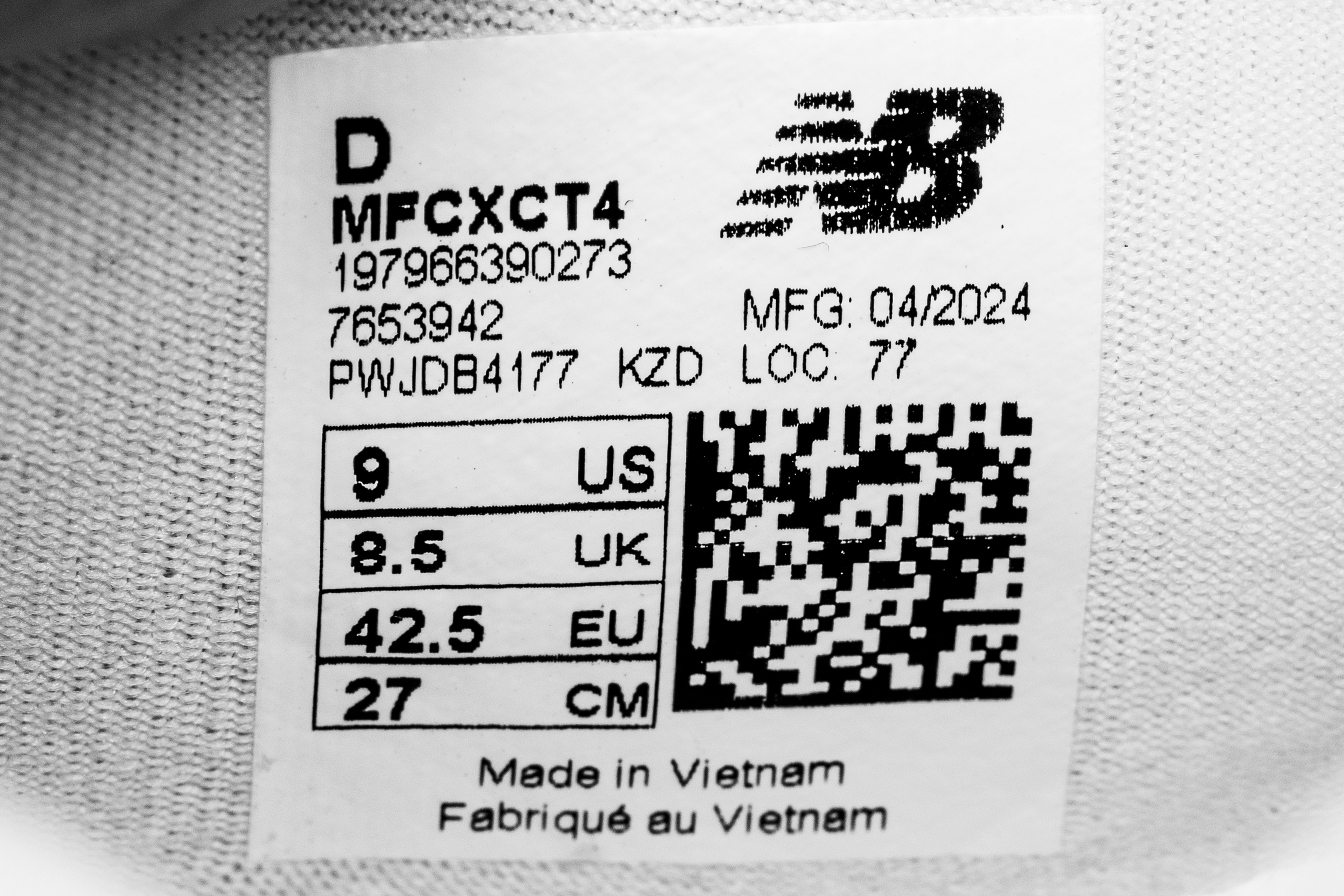
We tested the New Balance FuelCell Rebel v4 in men's US size 9, as indicated on the label. The color shown here is Cyber Jade with White and Black, but the shoe is available in other colorways, including White with Bleached Lime Glo and Hot Mango, White with Linen and Sea Salt, and Black with Graphite and White. Wide versions are offered separately for both men (2E) and women (D).