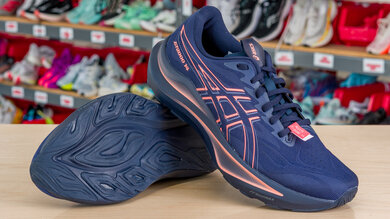
The ASICS GT-2000 14 is a traditional support trainer that prioritizes predictability and guidance over flash or excitement. Its moderate stack height and updated midsole with FF BLAST MAX provide enough protection for daily runs and walks, but without the plush feel of max-cushioned models. The platform offers geometry-based stability through its 3D GUIDANCE SYSTEM, which helps guide the foot, making it a straightforward option for runners, such as overpronators, who need extra support features. It isn't an efficient shoe, so it suits runners who value stability and control for a mix of walking and running more than anything else.
Our Verdict
The ASICS GT-2000 14 isn't made for marathon racing, and runners who choose it for long distances will have to accept clear compromises. On the plus side, the relatively high stack gives fair initial protection, and the platform feels reassuringly stable when fatigue sets in late in the race. However, the midsole foam doesn't return much energy and bottoms out quite quickly. Also, this model carries noticeably more weight than most other shoes. It can still get cautious marathoners through the finish line who don't want anything new on race day and already use it as a daily trainer and want a familiar, supportive shoe for race day. That said, most runners chasing fast times will be better off in a lighter, more energetic racer.
Very wide outsole dimensions provides a secure base.
Heavier than most running shoes.
Midsole returns very little energy and feels flat.
Cushioning is insufficient for more powerful runners and longer outings.
The ASICS GT-2000 14 isn't the best choice for 5K and 10K racing, where light weight and responsiveness matter a lot for running efficiency. While it does feature a firm forefoot, the shoe's overall geometry, subtle rocker, and heavier build make it feel more focused on support than on quick, snappy toe-offs. At the same time, the midsole foam doesn't provide much rebound, making it harder to accelerate or maintain a quick cadence compared to dedicated super trainers. It's the kind of model you can still race in if you already own it and prioritize stability, but it won't provide the performance-focused runners with the pop and agility they expect for fast 5Ks or 10Ks.
Firm forefoot keeps the platform from feeling wobbly at toe-off.
Heavier than most running shoes.
Midsole returns very little energy and feels flat.
Changelog
- Updated Jul 16, 2026: We've converted this review to Test Bench 0.15, which replaces Responsiveness with three specific performance usages: Bounciness, Snappiness, and Roll. To read more about the changes, see the changelog.
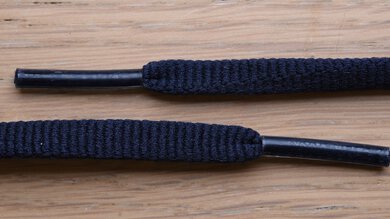
- Updated Jul 09, 2026: We've converted this review to Test Bench 0.14, which adds new lace-specific results. We've included a close-up photo of the laces, as well as details including lace type, width, thickness, and stretch. To read more about the changes, see the changelog.
- Updated Jul 07, 2026: We've converted this review to Test Bench 0.13, which identifies the different foams used in the shoe's midsole. We've included a microscopic image of the foam cells to give you an idea of what the microstructure looks like. To read more about the changes, see the changelog.
-
Updated Jun 29, 2026:
We've updated the Popular Comparisons section to include a link to the newly reviewed ASICS GEL-KAYANO 33.
- Updated Jun 17, 2026: We've converted this review to Test Bench 0.12, which fixes how we measure firmness, a component of the Stability and 5K/10K Racing usages. There may be inconsistencies between the text and the scores for these usages, but the scores should still be considered valid. We've also brought back the Energy Return score and added two new usages: Daily Training and Long Run. To read more about the changes, see the changelog.
-
Updated Jun 11, 2026:
We've updated the Popular Comparisons section to include a link to the newly reviewed Saucony Guide 19.
-
Updated Jun 08, 2026:
We modified the writing due to the new test bench and have updated the Responsiveness box text to reflect the new scores.
- Updated May 26, 2026: We've converted this review to Test Bench 0.11, adding two new rocker measurements to the Design section, and three new responsiveness tests to the Performance section. The Energy Return usage score has been replaced with Responsiveness. Check out the details in our changelog.
-
Updated Feb 16, 2026:
We updated the Fit usage box to be more relevant to users by adding context and a clear sizing recommendation.
-
Updated Feb 16, 2026:
We updated the review to include text for the full set of new fit tests and the corresponding usage box, which were recently added to our test bench.
- Updated Feb 16, 2026: We've converted this review to Test Bench 0.10, adding a new set of fit tests to the Design section and an overall fit performance usage. Check out the details in our changelog.
- Updated Dec 08, 2025: Review published.
- Updated Dec 02, 2025: Early access published.
- Updated Sep 22, 2025: Our testers have started testing this product.
- Updated Aug 26, 2025: The product has arrived in our lab, and our testers will start evaluating it soon.
- Updated Aug 26, 2025: We've purchased the product and are waiting for it to arrive in our lab.
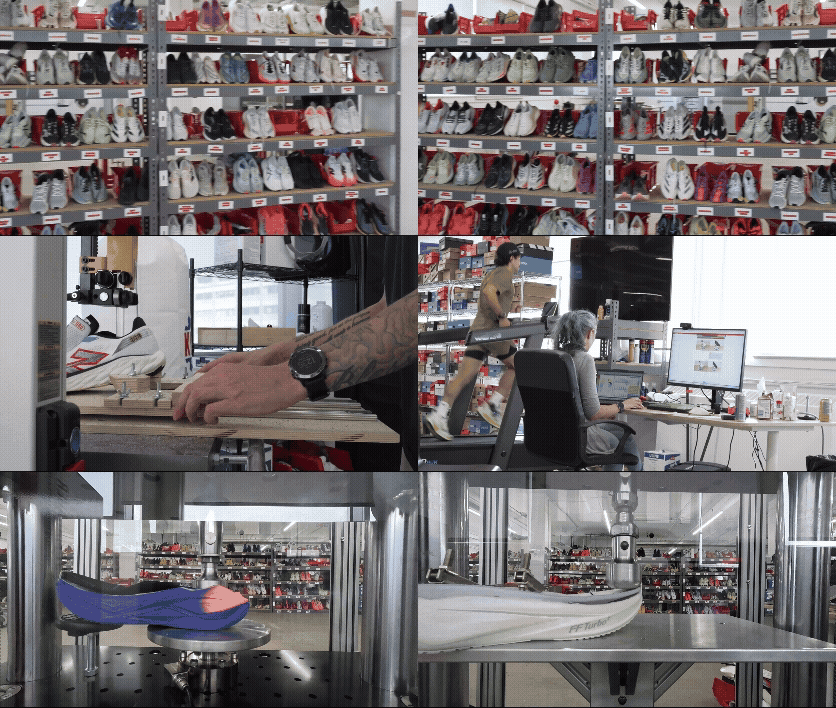
We've bought and tested more than 250 running shoes. Every pair purchased with our own money, never supplied or sponsored by brands. Our data-driven tests are designed to go beyond marketing claims, and since every shoe goes through the exact same methodology, you can directly compare results to find the right pair for your needs.
Test Results
Energy Return
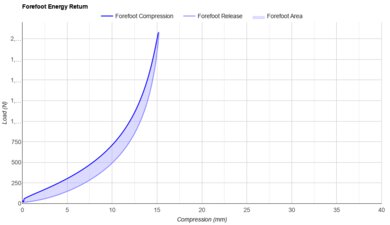
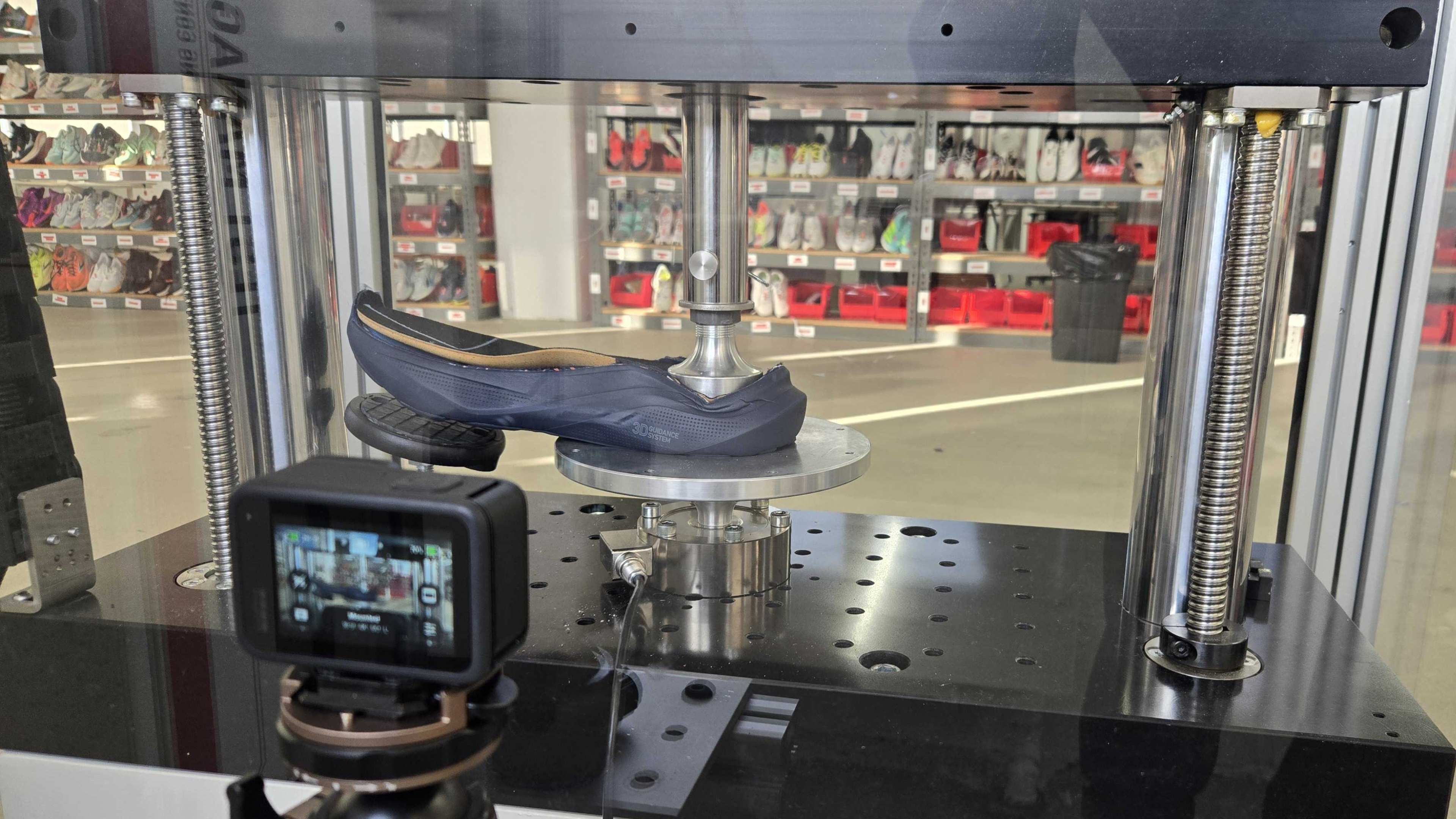
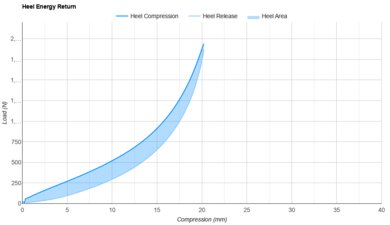
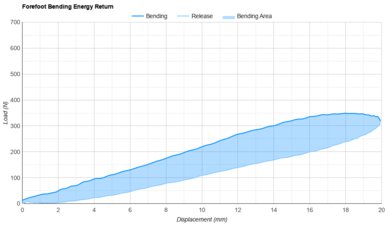
The forefoot energy return is slightly better thanks to the updated FF BLAST MAX foam that feels less lifeless than the previous ASICS GT-2000 13. The addition of a trampoline outsole pod in this area, inspired by lively trainers like the ASICS NOVABLAST 5, also helps. Push-off still feels muted compared to modern performance trainers, but there is enough resilience up front to avoid a completely dead sensation, especially at slow paces.
Stability
The ASICS GT-2000 14 offers excellent lateral stability, making it one of the most secure shoes on the market. A firm forefoot and moderate stack height work together to keep the platform planted, while the gusseted tongue holds the foot firmly in place. As a dedicated support trainer, it features the 3D GUIDANCE SYSTEM, which consists of a very wide base paired with a beveled heel and forefoot designed to guide you through your transition. Those features combine to resist rolling or wobbling when you corner, run on uneven paths, or fatigue late in a run, which is particularly helpful for runners who overpronate or simply want extra support.
Very wide outsole dimensions provides a secure base.
Firm forefoot keeps the platform from feeling wobbly at toe-off.
Gusseted tongue and structured upper help secure the foot.
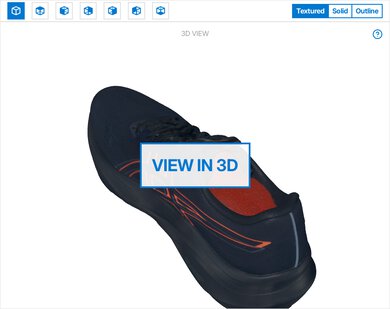
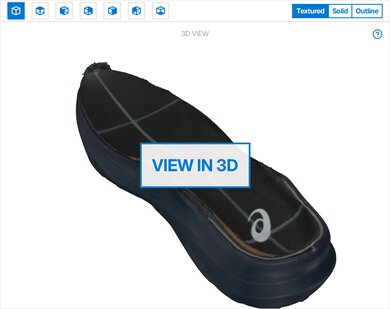
The ASICS GT-2000 14 has a very wide base from heel to forefoot, which is immediately noticeable when viewed from below. This footprint helps the shoe stay planted, but it also makes the GT-2000 14 feel a bit blocky and less nimble than narrower, more agile trainers.
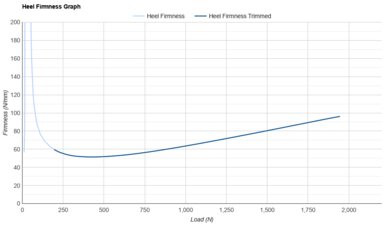
The ASICS GT-2000 14 has quite a firm heel that clearly favors stability and support. This character is reassuring for runners who want their shoe to keep the rearfoot in check, but it can come across as stiff if you are used to very plush trainers or if you mainly run easy, low-impact miles.
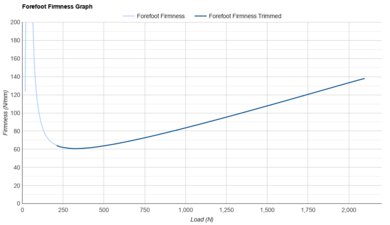
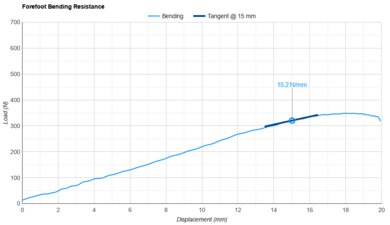
This shoe has a notably firm forefoot, which is one of the key contributors to its strong lateral stability. The front of the shoe resists compression more than most daily trainers, helping the platform stay level and supportive. This firmness gives it a solid, planted feel that many overpronators or stability-seeking runners will appreciate, though it also makes the shoe feel less forgiving and can reduce comfort for long runs if you prefer a softer, more flexible forefoot.
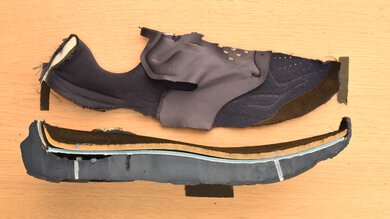
Cushioning
The ASICS GT-2000 14 delivers cushioning that is serviceable for daily training but far from luxurious. Both the heel and forefoot feel similarly protected, providing a balanced platform that partially dampens impacts from the ground without ever feeling overly soft or pillowy. This level of impact protection may be sufficient for shorter runs, especially if you prefer to feel some connection to the road. However, runners expecting a very soft landing or accustomed to max-cushioned shoes will find it a bit firm and unappealing.
Cushioning is insufficient for more powerful runners and longer outings.
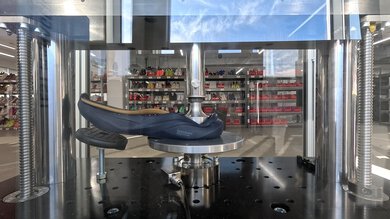
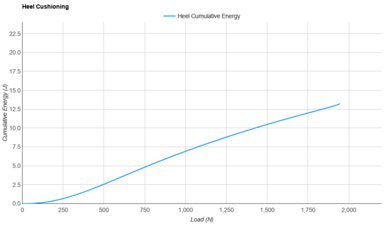
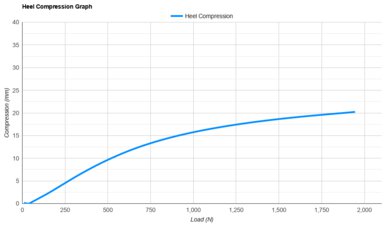
The ASICS GT-2000 14 offers acceptable heel cushioning that softens impacts without ever feeling plush. The lower-quality foam absorbs a reasonable amount of energy at low and medium forces but becomes less protective as loading gets very high, so heavier heel-strikers will feel diminished protection compared to other runners.
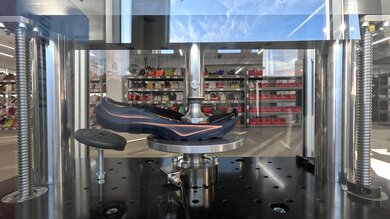
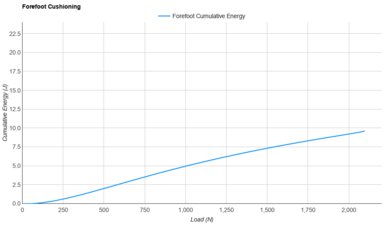
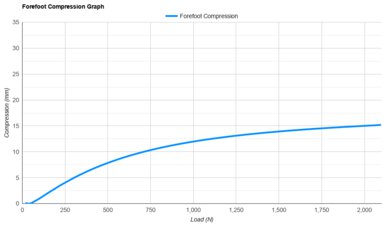
The ASICS GT-2000 14 has adequate forefoot cushioning overall, but that only tells part of the story. There's enough foam to decently protect lighter and/or slower runners, but as impact forces increase, the shoe doesn't do as good a job of absorbing shocks. This means that runners who require significant cushioning upfront (such as heavier and/or faster runners) will bottom out the foam more easily and find it thin and unappealing.
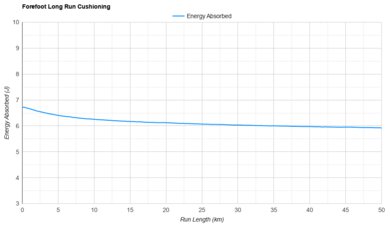
The ASICS GT-2000 14 exhibits poor forefoot cushioning performance over long distances, and its comfort drops off relatively quickly within the first 15 km (a little over nine miles), making the shoe feel progressively less protective as the miles accumulate. Runners who prioritize forefoot comfort for longer efforts may be better served by a more cushioned support shoe, such as the ASICS GEL-KAYANO 32 or Saucony Hurricane 25. Although the GT-2000 14 still feels more protective than some other models in its class, such as the Nike Structure 26 or Brooks Adrenaline GTS 25.
Bounciness
The ASICS GT-2000 14 has poor responsiveness. The midsole doesn't bounce back much, so push-off won't feel very lively. The heel is even less responsive, with a noticeable dullness that makes trying to pick up the pace very energy-consuming. As a result, the shoe feels okay for easy paces, but runners looking for a lively, propulsive ride will find it flat and tiring when they try to run fast.
Midsole returns very little energy and feels flat.
Snappiness
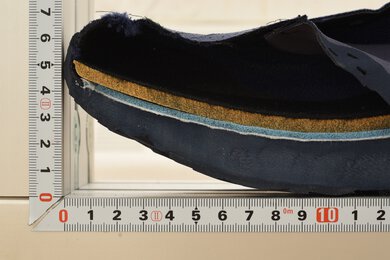
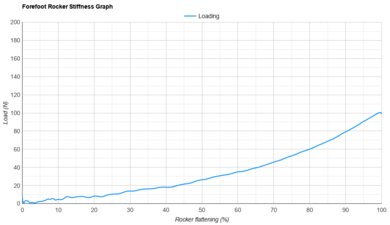
Roll
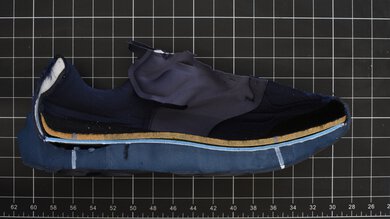
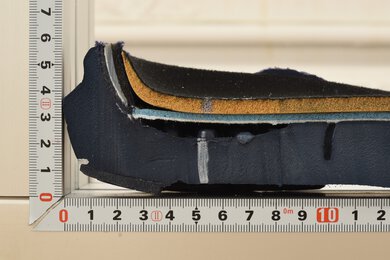
True To Size
The ASICS GT-2000 14 fits a bit inconsistently across the foot, so it works best if your foot shape matches its shape. The length runs long, which can leave extra space in front of the toes. However, the upper feels lower volume than true to size through both the arch and the forefoot height. On the plus side, the forefoot width is very close to true to size and accommodates most average-width feet without issue. As a result, most runners won't need to size down, as the extra room at the front is unlikely to cause issues, while sizing down could make the fit feel too narrow.
True-to-size forefoot width.
Runs long.
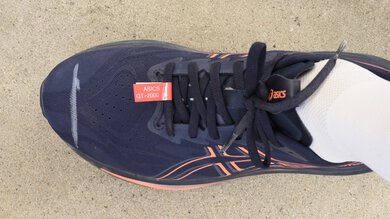
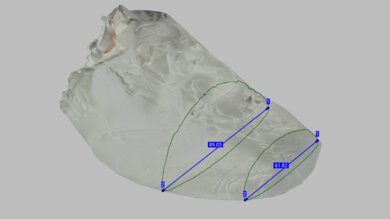
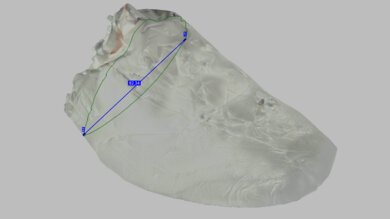
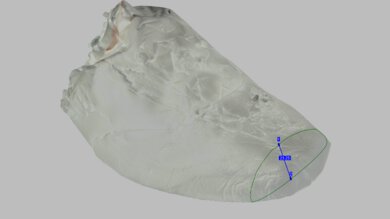
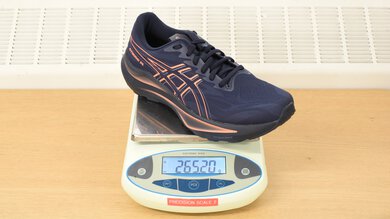
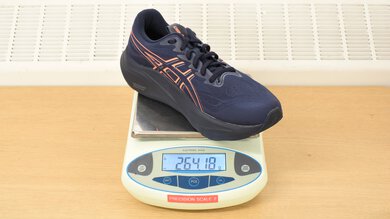
The ASICS GT-2000 14 has a standard weight for a stability trainer, sitting close to the previous ASICS GT-2000 13 and many traditional support shoes. It doesn't feel especially light underfoot, especially if you are used to modern tempo or super shoes. For everyday training and walking, the weight won't be too bothersome, although runners focused on speed or racing will likely want something lighter.

Popular Running Shoe Comparisons
The ASICS GT-2000 14 is one of the leaders of the traditional support trainer category. It's a shoe that prioritizes control, with a moderate stack, a predictable geometry that guides you through your stride, and very strong lateral stability. It feels more laterally secure than other support trainers such as the Nike Structure 26 and Brooks Adrenaline GTS 25, helped by its very wide base and firm forefoot, although it's worth noting that all of these models use different features to guide overpronation (guiderails, medial posts, etc) and our lateral stability test doesn't directly measure how well each one controls inward rolling. Also, the FFBLAST MAX foam delivers more forefoot bounce than you'd typically expect from a support trainer, resulting in a smoother ride. That said, it's not as cushioned as models like the Saucony Guide 19, and if you do not need specific guidance features but still want a wide, naturally stable platform, a neutral model like the New Balance FuelCell Rebel v4 offers a more energetic, softer ride. Runners who dislike tall stacks and prefer even more firmness and ground feel might be happier in zero-drop options such as the Altra Escalante 4 or Altra Torin 8.
Within ASICS' own lineup, the GT-2000 sits between the ASICS GT-1000 and ASICS GEL-KAYANO 32 on the support spectrum: the GT-1000 is the simpler stability shoe with fewer structural elements, the GT-2000 adds more guidance features without feeling overly intrusive, and the ASICS GEL-KAYANO 33 is the plush, fully loaded stability option with a higher stack and more pronounced support features for runners who want maximum protection. On the neutral side of their daily trainer lineup, the ASICS GEL-CUMULUS 27 is the classic, no-nonsense daily trainer with a similar overall geometry to the GT-2000 but without the guidance system, while the ASICS GEL-NIMBUS 27 and ASICS GLIDERIDE MAX are the tall, premium cruisers that offer more cushioning. Overall, the GT-2000 14 is best suited for runners who prefer a firm, low-drama support shoe with a wide, confidence-inspiring platform and don't need much cushioning.
If you're looking for more options, check out our recommendations for the best running shoes, the best long-distance running shoes, and the best shoes for running a marathon.
The ASICS GEL-KAYANO 32 and ASICS GT-2000 14 are both stability daily trainers, but they sit at different points in ASICS' lineup. The Kayano is the premium option with more cushioning, more structure, and a plusher upper, while the GT-2000 is the mid-tier model that keeps things firmer, lower, and simpler. Both use geometry and a wide base to guide your stride, but the level of intervention and softness you feel on the run is not the same. On foot, the Kayano feels softer, while the 4D Guidance system provides more noticeable support as you roll through each step. The GT-2000 feels firmer and closer to the ground, while the 3D guidance system offers a very planted, laterally stable platform and a front half that gives more ground feel than plushness.
The ASICS GT-2000 14 and the Brooks Adrenaline GTS 25 present two different approaches for a stability trainer to correct stride patterns. The Brooks shoe is a bit more intrusive in its approach, with a firm medial post that guides your foot back into a neutral position if you over-pronate. The GT-2000 14 takes a softer approach, with a pod of springier foam on the medial side that is meant to bounce your foot back to neutral if it rolls inward. Neither shoe does much to bounce your foot forward, although the ASICS shoe does have better energy return.
The ASICS NOVABLAST 5 and ASICS GT-2000 14 are both daily trainers, but they serve very different purposes: the NOVABLAST 5 is a modern, neutral trainer focused on fun cushioning and bounce, while the GT-2000 14 is a traditional support trainer designed with overpronation control in mind. The GT-2000 14 has a wider base, firmer foam, and stronger lateral stability, so it feels more planted, especially if you roll inward or simply like a very controlled ride. In contrast, the NOVABLAST 5 is lighter, softer, and noticeably more energetic, with a higher, plusher stack and a more rockered feel that makes easy runs and uptempo efforts feel livelier and smoother.
The ASICS GT-2000 13 and GT-2000 14 are both moderate stability daily trainers of the same series with very similar weight, but the 14 tweaks the midsole and geometry to feel slightly more cushioned and a bit less harsh. The 13 uses a firmer foam and a more old-school stability feel, while the 14 switches to a new compound, FF BLAST MAX, that softens the ride a touch and raises the forefoot stack slightly, giving a bit more protection and bounce up front.
The ASICS GT-2000 15 and ASICS GT-2000 14 are two iterations of the same support trainer, but the newer model is the better running shoe overall. It's lighter, more cushioned, and considerably more energetic while remaining impressively stable. The GT-2000 14 is firmer and slightly more stable, so it's worth considering if you prefer a rigid and corrective support shoe or find it for substantially less.
Differences Between Sizes And Variants
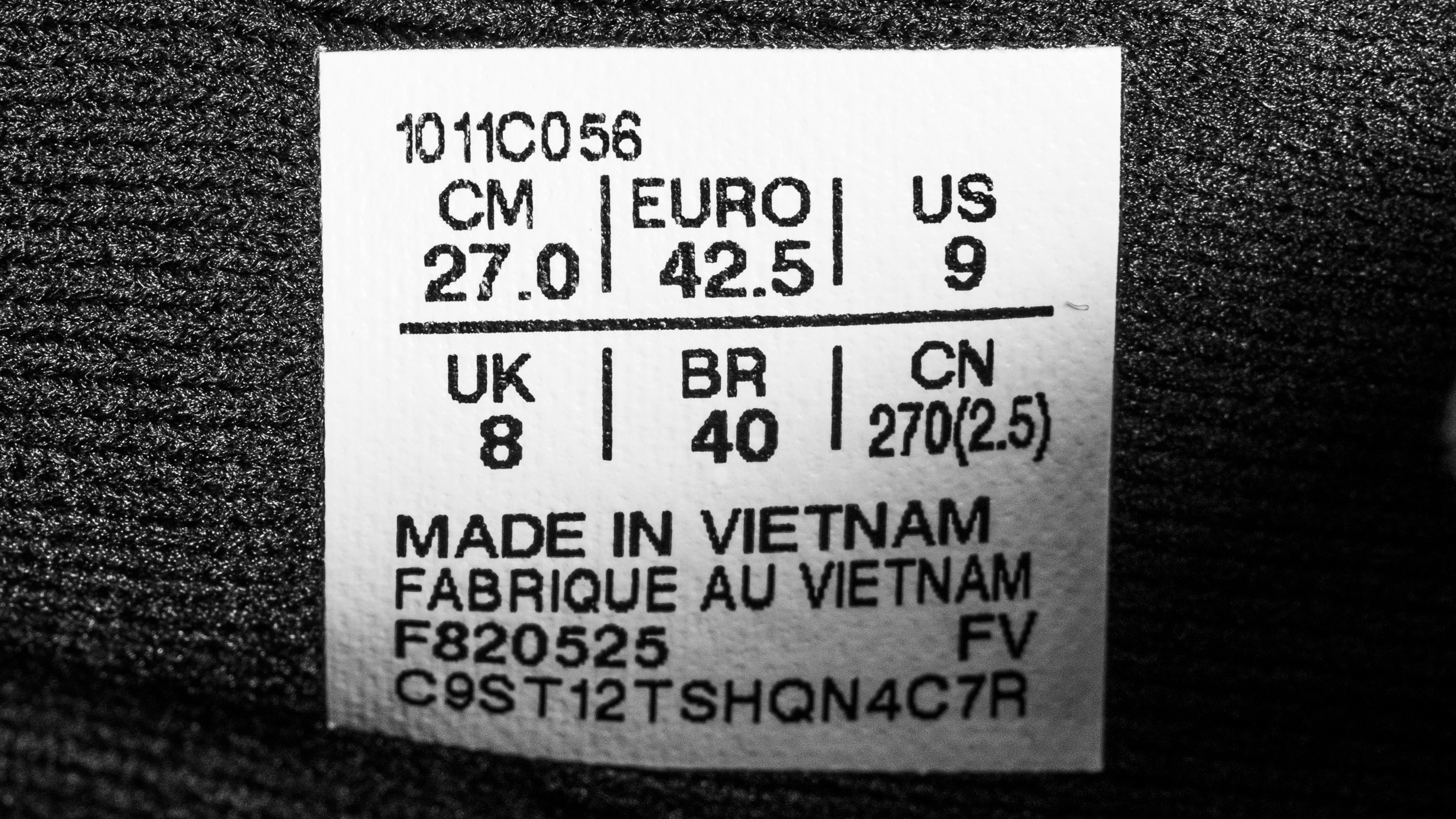
We bought and tested the ASICS GT-2000 14 in men's US size 9, as noted on the label for our pair. The pair we purchased is the Midnight/Vivid Coral colorway, but you can also buy this shoe in a wide range of colors, depending on the region. Other men's and women's options include Blue Fade/Tranquil Teal, Black/White, Gravel/White, Monument/White, Bluebell/White, Whisper Green/Monument Blue, as well as a special TOKYO colorway and a LITE-SHOW version with reflective elements to improve visibility. The women's model is available in narrow, regular, and wide widths, while the men's version comes in regular, wide, and extra-wide. ASICS also sells a GTX waterproof version and a grade school GT-2000, but these use different materials, and we haven't tested their performance.