
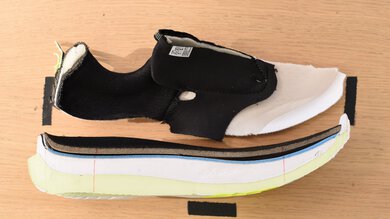
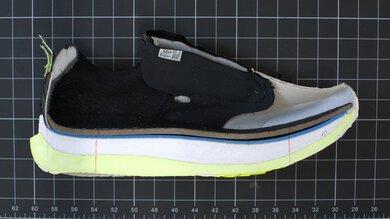
The ASICS GLIDERIDE MAX is a cushioned daily trainer designed for maximum comfort during longer-distance efforts. With a very high stack and a moderately pronounced rocker for smoother transitions, it offers a good balance of cushioning and efficiency for its class. For added stability, it's also fitted with a 3/4 EVA plate in the mid and forefoot that's sandwiched between layers of FF BLAST MAX and FF BLAST PLUS ECO foams.
Our Verdict
While the ASICS GLIDERIDE MAX isn't made for marathon racing, it's not a bad option either. It isn't ideal for faster efforts, as the limited energy return and heavier weight can get cumbersome over the full marathon distance. However, its cushioned midsole and structural elements, like an EVA plate and pronounced rocker, make it a bit more dynamic than other shoes in its category.
Dual-layer midsole foam provides good cushioning.
Feels relatively stable.
Limited energy return.
Fairly heavy.
The ASICS GLIDERIDE MAX is sub-par for 5K/10K racing. It's mainly designed for longer distances and slower paces, with a max-cushioned design and relatively heavy weight that makes it inefficient for racing. While its rockered geometry and firm forefoot make for smooth transitions, it lacks the energy return needed for up-tempo efforts.
3/4-length EVA plate adds rigidity in the forefoot.
Limited energy return.
Fairly heavy.
Changelog
- Updated Apr 29, 2026: We've converted this review to Test Bench 0.10, adding a new set of fit tests to the Design section and an overall fit performance usage. Check out the details in our changelog.
- Updated Apr 13, 2026: We've converted this review to Test Bench 0.9, which adds a Forefoot Long Run Cushioning test to our performance section. Read more in our changelog.
-
Updated Jan 27, 2026:
We updated the review to include the latest iteration of the ASICS GEL-NIMBUS in the Popular Running Shoe Comparisons section.
-
Updated Oct 27, 2025:
We updated the Pros & Cons, Cushioning, 5K/10K Racing, Heel Energy Return, Heel Cushioning, Forefoot Cushioning, Heel Firmness, Forefoot Firmness, and Forefoot Energy Return boxes to align with the latest test bench and revised the side-by-side comparisons to keep the review accurate.
- Updated Oct 20, 2025: We've converted this review to Test Bench 0.8.2, which updates our methodology for the impact force range used in our compression tests to improve their accuracy. This also affects all usage and performance usage boxes using those compression tests as score components.
-
Updated Aug 28, 2025:
We've updated the Popular Running Shoe Comparisons section to include a reference to the recently reviewed PUMA MagMax NITRO.
-
Updated Aug 11, 2025:
We updated the Compared To Other Running Shoes box to mention the ASICS GEL-NIMBUS 27.
-
Updated Jul 30, 2025:
We revised the phrasing in the Marathon Racing and Forefoot Cushioning boxes to reflect the changes in the latest test bench and revised the side-by-side comparison with the ASICS NOVABLAST 4.
- Updated Jul 30, 2025: We've converted this review to Test Bench 0.8.1, which mainly updates the score components for the Marathon Racing and Lateral Stability usage boxes to improve accuracy.
- Updated Apr 02, 2025: Converted to Test Bench 0.8.
- Updated Apr 02, 2025: Review published.

We've bought and tested more than 250 running shoes. Every pair purchased with our own money, never supplied or sponsored by brands. Our data-driven tests are designed to go beyond marketing claims, and since every shoe goes through the exact same methodology, you can directly compare results to find the right pair for your needs.
Test Results
Energy Return
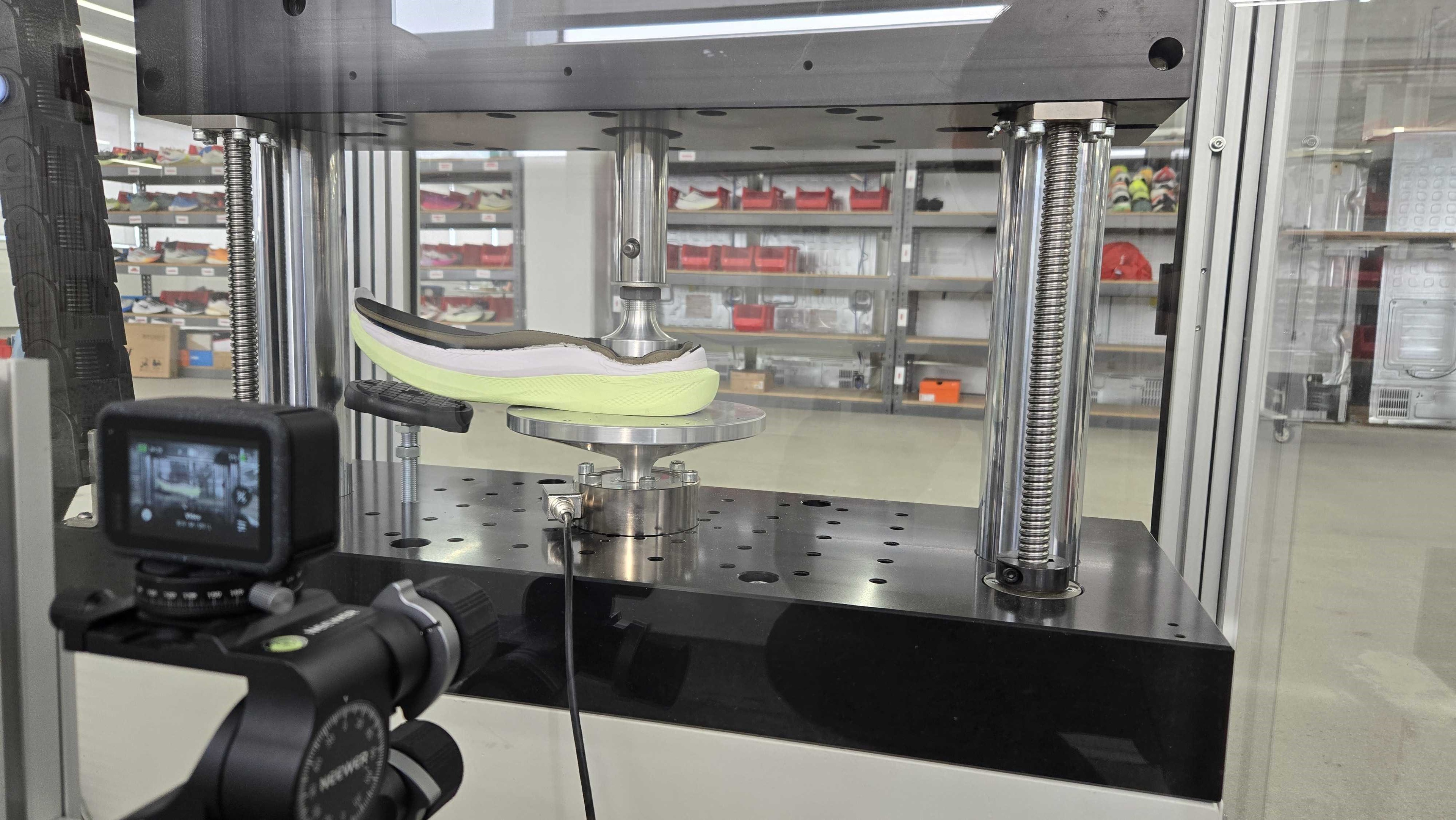
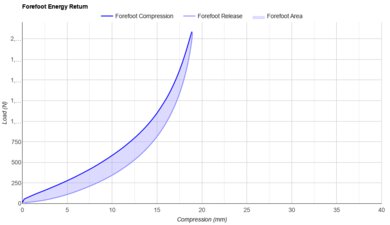
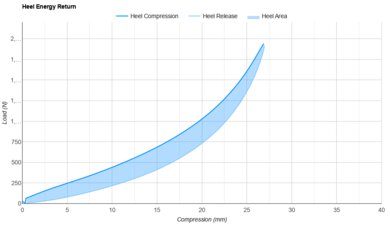
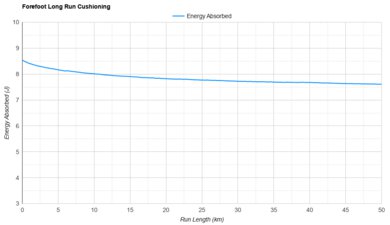
The ASICS GLIDERIDE MAX delivers very bad energy return. The energy loss in both the heel and forefoot makes it less suited to fast-paced runs.
Limited energy return.
Cushioning
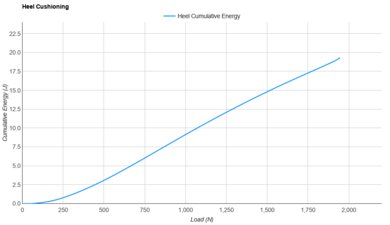
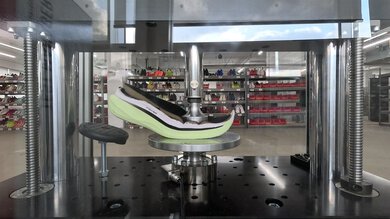
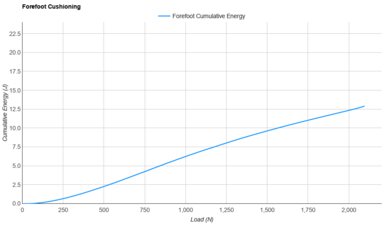
The ASICS GLIDERIDE MAX is well-cushioned and offers a very good amount of protection underfoot, which is especially important for reducing fatigue at longer distances.
Dual-layer midsole foam provides good cushioning.
Lateral Stability
The ASICS GLIDERIDE MAX has decent lateral stability. Its fully gusseted tongue and relatively wide outsole create a stable platform with good lockdown. The combination of different foams, with an EVA plate in between for a bit more rigidity, also makes for a relatively firm and controlled forefoot. That said, the heel is notably softer and, therefore, less stable, and the shoe's towering stack height gives a sensation of being lifted off the ground.
Wide outsole.
3/4-length EVA plate adds rigidity in the forefoot.
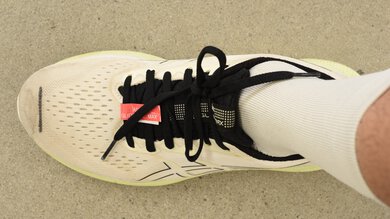
Fully gusseted tongue for better lockdown.
Very high stack height.
Foam at the heel is quite soft.
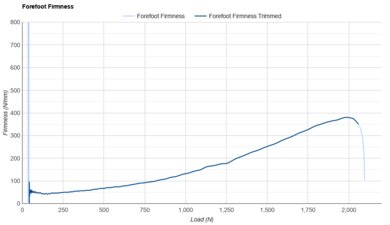
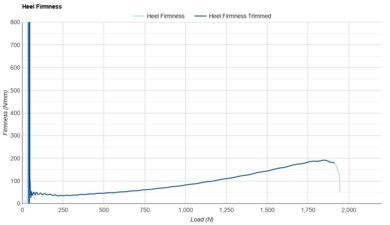
The shoe's forefoot is significantly more firm than the heel, providing a bit more stability when transitioning from heel to toe. The EVA plate adds some rigidity in the forefoot but not as much as carbon-plated racers like the Saucony Endorphin Pro 4.
True To Size
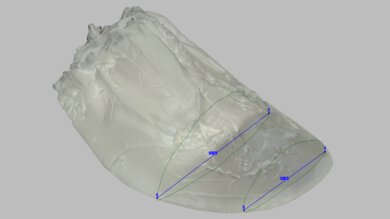
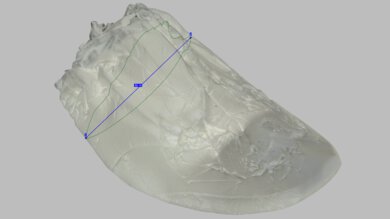
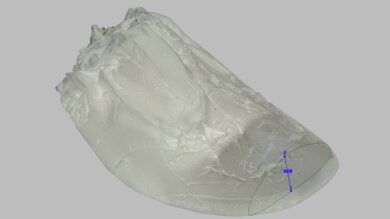
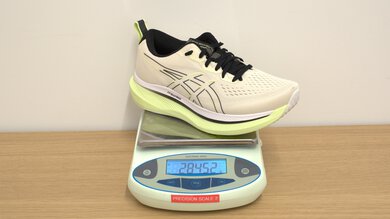
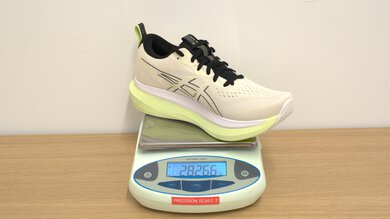
The shoe is on the heavier side, especially compared to more agile trainers like the ASICS NOVABLAST 4, but it's far from the heaviest shoe in its class.
Popular Running Shoe Comparisons
The ASICS GLIDERIDE MAX is a max-cushioned daily trainer built for casual paces. As a higher-stack revitalization of the previously discontinued ASICS GLIDERIDE series, the GLIDERIDE MAX occupies a liminal space in the ASICS lineup, with some high-tech features like a hybrid foam midsole, pronounced rocker, and 3/4 plastic plate that make it stand out as a daily trainer. However, it lacks the agility and versatility of models like the ASICS NOVABLAST 4 and ASICS SUPERBLAST 2, while its qualities slightly overlap with the mainstay ASICS GEL-NIMBUS 28, which offers a more cushioned ride anyway. If you are looking for a similarly cushioned shoe that offers a similarly protective and stable ride without a plated midsole, consider the PUMA MagMax NITRO.
See our recommendations for the best running shoes we've tested for other options.
The ASICS NOVABLAST 5 is better overall than the ASICS GLIDERIDE MAX, but each shoe has its strong suit. The NOVABLAST 5 is better for picking up the pace, with significantly better energy return and a more lightweight design. The GLIDERIDE MAX, by contrast, has better cushioning, especially in the heel, and is better suited for longer, easier miles.
The ASICS SUPERBLAST 2 is better overall than the ASICS GLIDERIDE MAX, though it's also a more premium trainer. Its PEBA-based hybrid foam significantly improves its energy return while maintaining good cushioning for longer runs.
The ASICS GLIDERIDE MAX and the Brooks Glycerin Max are both highly cushioned daily trainers that perform very similarly overall. Neither has much bounce or pop, and both have ample cushioning overall, but the Glycerin Max is much more absorbent in the forefoot. The GLIDERIDE MAX is the more stable of the two shoes, due to its firmer forefoot and slightly lower stack height.
The ASICS NOVABLAST 4 is more versatile than the ASICS GLIDERIDE MAX. It's lighter and offers better energy return, making for a more dynamic ride for tempo work and faster paces. With similar stability and cushioning, the GLIDERIDE MAX can be a good option if you don't highly value bounciness and just need a reliable companion for your daily miles.
The ASICS GLIDERIDE MAX is like a slightly more elevated (literally and figuratively) ASICS GEL-NIMBUS 26. While both are designed with high-stack, max comfort in mind, the GLIDERIDE MAX is a bit lighter and has some added features, like a rocker and a partial EVA plate, that give it a slightly smoother ride. It's also got a more premium foam, which is softer in the heel.
The Brooks Hyperion Max 3 and the ASICS GLIDERIDE MAX have some similarities in design, as maximally cushioned trainers with a plastic plate to stabilise their tall stack heights. Both shoes have a dual-density midsole, but while the Brooks includes a layer of their premium racing foam (DNA Gold) to balance performance and stability, the ASICS combines two different training foams (FF BLAST MAX and FF BLAST PLUS ECO) for increased stability. This, combined with a more aggressive rocker, makes the Brooks a much more lively and propulsive shoe, while the ASICS offers a less springy but more stable ride.
Differences Between Sizes And Variants
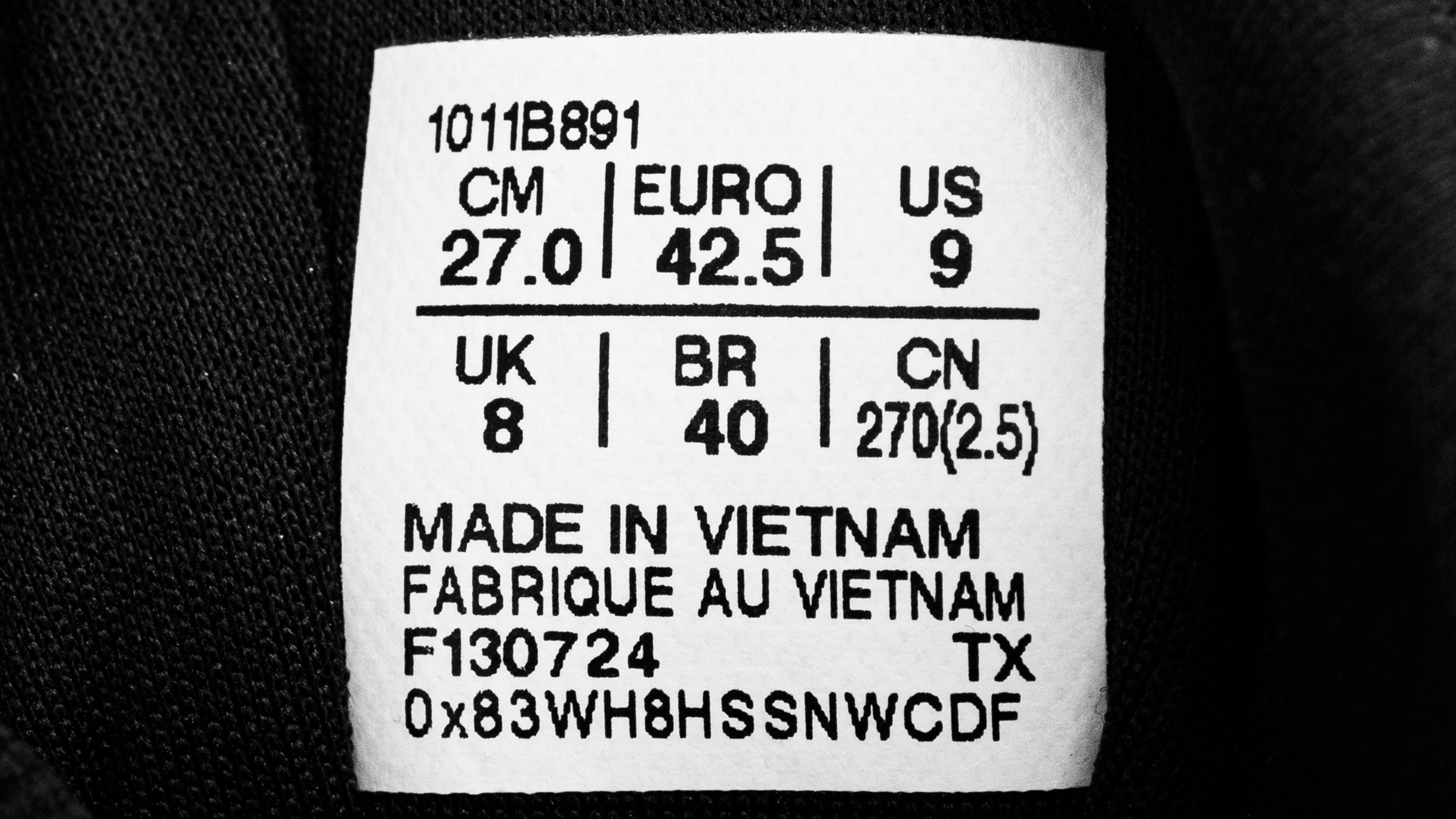
We purchased and tested the ASICS GLIDERIDE MAX in men's US size 9 in the Birch/Black colorway. Here's the label for our pair. Depending on the region, the shoe also comes in a range of other colorways, including Black/Oatmeal, Soothing Sea/Wave Teal, and Digital Aqua/New Leaf, with additional colorways like Black/Pale Pink and Bold Magenta/Soothing Sea in women's sizing.
The shoe is available in standard and wide widths.