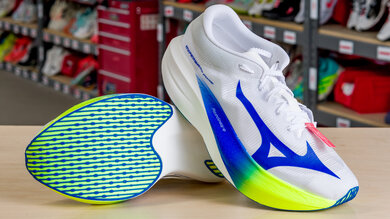
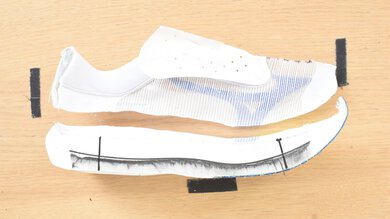
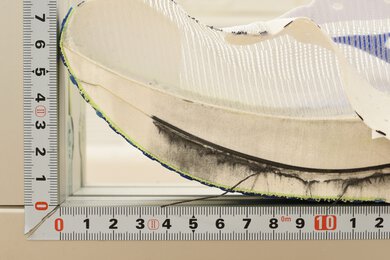
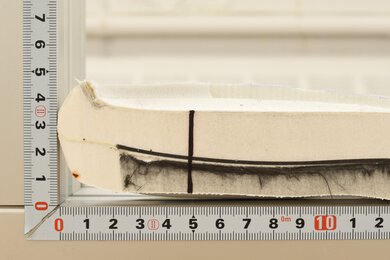
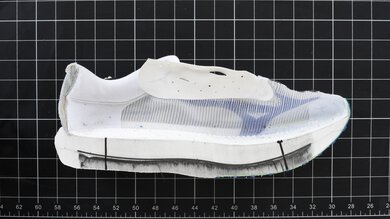
The Mizuno Hyperwarp Pure is the lightest and leanest of the three racing shoes launched by the Osaka-based brand as part of its new Hyperwarp series. Mizuno experimented with several new compounds in the development of this new lineup, but stuck with a 100% PEBA-based foam in the MizunoEnerzy XP midsole of this shoe. That midsole does have a carbon fiber plate, although it's not quite full length, stopping just short of the toe. With its lower stack height and barely-there construction, the Pure is somewhere between an old school racing flat and a modern super shoe. As such, it seems best suited to shorter races like a 5K or 10K, although lighter runners might find it sufficiently cushioned for a half-marathon or longer.
Our Verdict
The Mizuno Hyperwarp Pure has many elements of a great marathon racing shoe: it's incredibly lightweight, the MizunoEnerzy XP foam gives excellent energy return, and the shoe has enough lateral stability to stay steady when running form starts to break down late in the race. The shoe's main weakness is its lower stack height, which means less foam to cushion 26.2 miles' worth of pavement pounding.
MizunoEnerzy XP midsole returns energy amazingly well.
One of the lightest racing shoes of its generation.
Thin midsole can feel harsh compared to high-stack super shoes.
The Mizuno Hyperwarp Pure is an amazing shoe for shorter races. With its featherweight construction and excellent energy return, the Pure is all about speed and efficiency. The forefoot firms up significantly once you start applying force, so the ride becomes more controlled at faster paces. The carbon fiber plate adds a lot of snap to each step, but it ends near the ball of the foot, so push-offs could feel mushy if you apply most force on the tips of your toes.
MizunoEnerzy XP midsole returns energy amazingly well.
One of the lightest racing shoes of its generation.
Changelog
- Updated Jun 22, 2026: We've converted this review to Test Bench 0.12, which fixes how we measure firmness, a component of the Stability and 5K/10K Racing usages. There may be inconsistencies between the text and the scores for these usages, but the scores should still be considered valid. We've also brought back the Energy Return score and added two new usages: Daily Training and Long Run. To read more about the changes, see the changelog.
- Updated Jun 22, 2026: We've converted this review to Test Bench 0.11, adding two new rocker measurements to the Design section, and three new responsiveness tests to the Performance section. The Energy Return usage score has been replaced with Responsiveness. Check out the details in our changelog.
- Updated Mar 25, 2026: We've converted this review to Test Bench 0.10, adding a new set of fit tests to the Design section and an overall fit performance usage. Check out the details in our changelog.
- Updated Jan 22, 2026: Review published.
- Updated Jan 15, 2026: Early access published.
- Updated Jan 07, 2026: Our testers have started testing this product.
- Updated Dec 09, 2025: We've purchased the product and are waiting for it to arrive in our lab.
- Updated Dec 09, 2025: The product has arrived in our lab, and our testers will start evaluating it soon.

We've bought and tested more than 300 running shoes. Every pair purchased with our own money, never supplied or sponsored by brands. Our data-driven tests are designed to go beyond marketing claims, and since every shoe goes through the exact same methodology, you can directly compare results to find the right pair for your needs.
Test Results
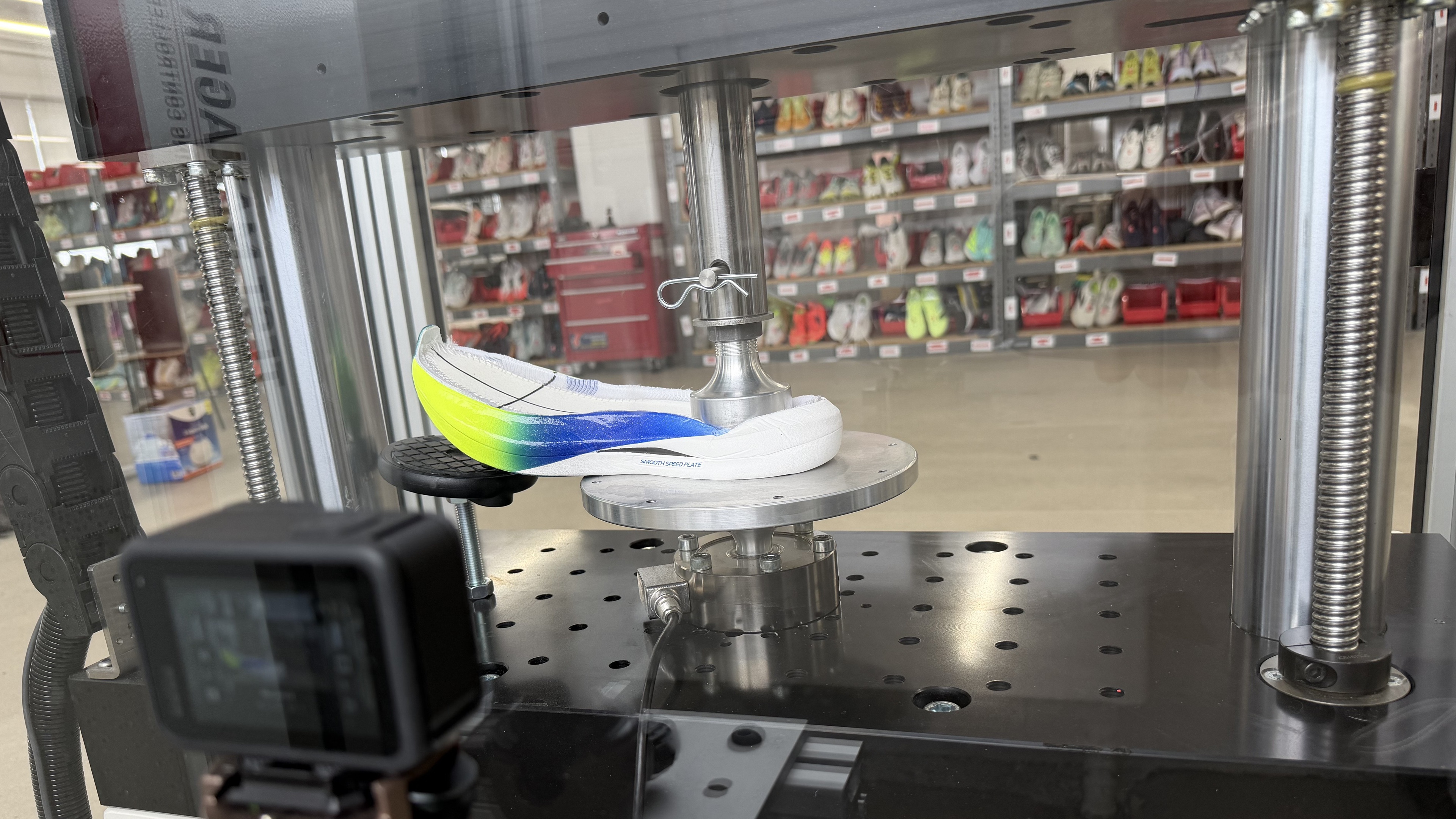
Energy Return
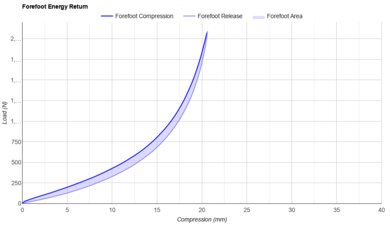
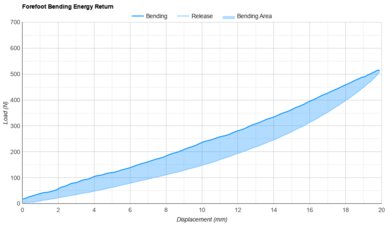
The forefoot of the Mizuno Hyperwarp Pure is also very lively, with an amazing bounce at push-off. It bounces back better than the Nike Vaporfly 4 or the adidas Adizero Adios Pro Evo 2, although it's not quite as bouncy as the ASICS METASPEED RAY or Saucony Endorphin Elite 2.
Stability
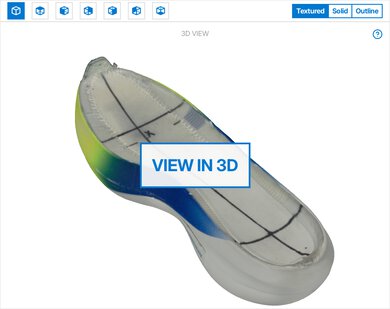
The Mizuno Hyperwarp Pure has very good lateral stability. The lower stack height helps keep you relatively grounded, and the platform is actually wider than many higher-stacked racing shoes, especially through the arch. The malleability of the foam under the heel could cause some wobbles for heel strikers, but overall, this is one of the more stable racing shoes currently available.
Low stack height keeps shoe very stable.
Wide platform for a racing shoe.
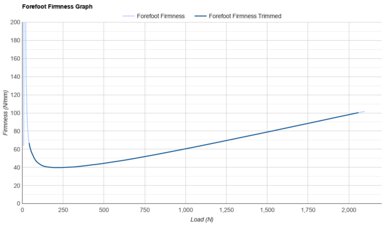
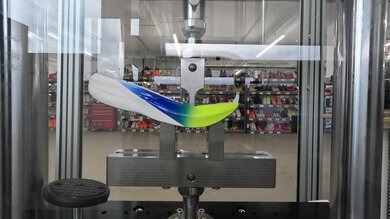
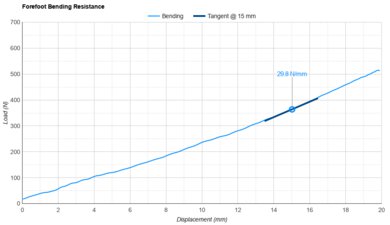
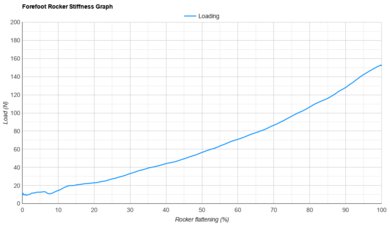
The forefoot of the Mizuno Hyperwarp Pure starts out decently firm when you step in, but becomes significantly more so when even moderate pressure is applied. It's worth noting, though, that the carbon plate stops just before the toes, so this section of the shoe can feel mushy.
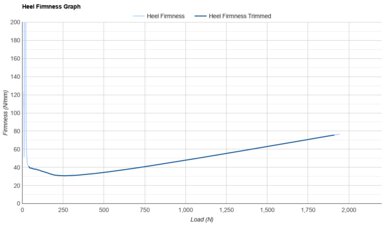
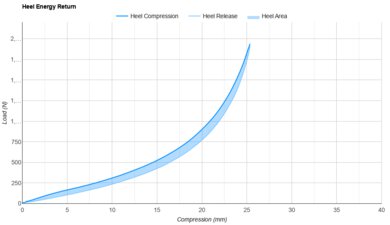
The Mizuno Hyperwarp Pure's heel is reasonably firm. With the exception of the Nike Vaporfly 4 and Nike Streakfly 2, it's firmer than most other racing shoes, which contributes to its overall very good stability.
Cushioning
The cushioning in the Mizuno Hyperwarp Pure is good enough for shorter races or for runners who don't apply as much force with each stride: for example, lighter runners or those with high cadence. For heavier runners or for longer runs, the relatively thin midsole is this shoe's biggest liability.
Full PEBA midsole does a good job overall of absorbing impact.
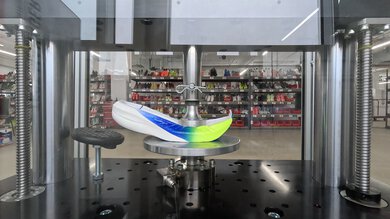
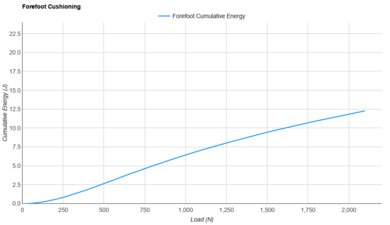
The forefoot cushioning in the Mizuno Hyperwarp Pure is good, although once again, the relatively low stack height means it has less foam underfoot to absorb impact than better cushioned racing shoes. Unfortunately, the deficit in protection compared to the METASPEED series becomes more pronounced the more force you apply.
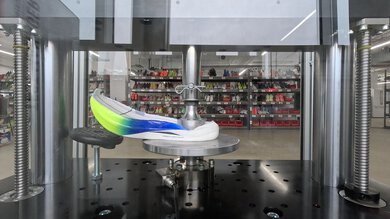
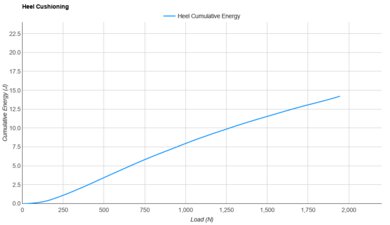
The heel cushioning in the Mizuno Hyperwarp Pure is satisfactory, although it's only as good as its low stack height allows. Unsurprisingly, the taller ASICS METASPEED RAY, ASICS METASPEED SKY TOKYO, and ASICS METASPEED EDGE TOKYO all have better impact protection in the heel.
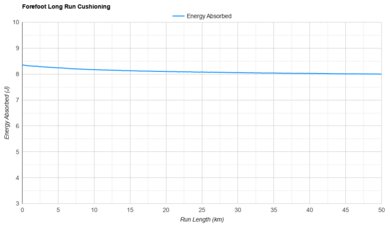
Although the forefoot of the Mizuno Hyperwarp Pure doesn't have as much cushioning due to its low stack height, it loses comparatively little of its impact protection over the course of a long run. For comparison, the ASICS METASPEED SKY TOKYO starts out more absorbent than the Hyperwarp Pure, and remains so for the first 10K. After 20K, the shoes demonstrate similar impact absorption, and from there on out, the Hyperwarp Pure has the edge.
Responsiveness
The Mizuno Hyperwarp Pure has amazing energy return. The PEBA-based MizunoEnerzy XP foam compresses and decompresses very quickly, which makes for a lively ride. This is definitely a shoe that wants you to run fast.
MizunoEnerzy XP midsole returns energy amazingly well.
Very consistent rebound in heel and forefoot.
True To Size
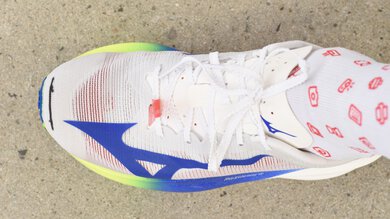
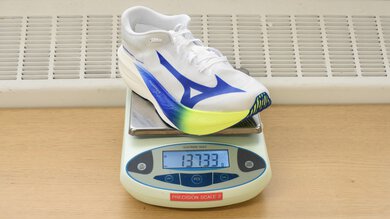
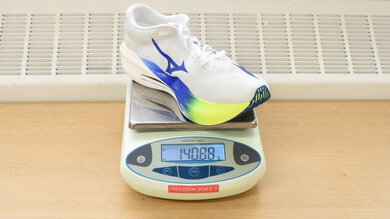
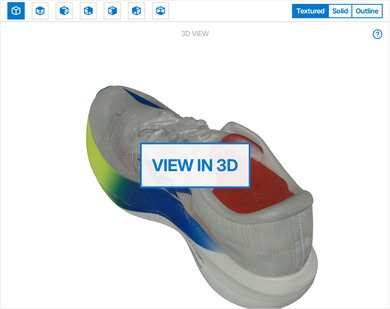
The Mizuno Hyperwarp Pure is the lightest of the three racing shoes in the Hyperwarp lineup, and one of the lightest road-running shoes, period. Everything from the outsole to the upper looks and feels highly engineered and optimised.
Popular Running Shoe Comparisons
The Mizuno Hyperwarp Pure is the Japanese brand's first serious entry into the featherweight racing shoe category. It joins a very small, select group of commercially available road running shoes that weigh less than 150g. The others are the Nike Streakfly 2 (which uses a track spike mold and is designed for shorter distances), the adidas Adizero Adios Pro Evo 2 (which is explicitly marketed as a single-use marathon racer), and the ASICS METASPEED RAY (which is a much taller, but significantly softer shoe). None of these is directly comparable to the Hyperwarp Pure, and indeed, Mizuno have carved out a unique niche with this shoe: it has the energy return and cushioning of a marathon shoe like the New Balance FuelCell SuperComp Elite v5; the stack height of a short-distance specialist like the adidas Adizero Takumi Sen 11; and the stability of a daily trainer like the PUMA Magnify NITRO 3 or the Brooks Ghost 17.
With the Hyperwarp series, Mizuno has taken a big step toward establishing itself on the super-shoe scene. The Hyperwarp Pure is also joined by the Hyperwarp Pro and Hyperwarp Elite. The Pro uses a more stable TPEE foam in the midsole, while the Elite uses that TPEE foam as a carrier under a layer of the same PEBA-based foam that's in the Hyperwarp Pure. Before the launch of the Hyperwarp series, the brand's primary racing shoe was the Mizuno Wave Rebellion Pro 3, which had an unorthodox heel geometry that was too wild for many runners. Compared to the Wave Rebellion series, the Hyperwarp shoes feature a much less aggressive geometry in the back of the shoe, with more emphasis now on the front geometry.
For more options of shoes suitable for racing, check out our recommendations for the best shoes for running a marathon. If you're looking for a broader view of the top models on the market, check out our recommendations for the best running shoes.
The Mizuno Hyperwarp Elite and Mizuno Hyperwarp Pure are both built for efficient forefoot strikers with a low-drop platform, but they target different race distances. The Pure is the lower-stacked, lighter option, optimized for shorter distances where quick turnover matter most. It feels more direct and snappy underfoot, with less cushioning overall, making it better suited to fast 5K and 10K efforts. The Elite sits higher, though still only moderately stacked for a super shoe, and offers more cushioning for longer distances while offering a propulsive feel that can naturally lengthen your strides. If you want the most stripped-down feel for short racing (up to 10K), the Pure makes more sense, but if you're stretching toward longer events (half-marathon to marathon), the Elite is the more appropriate choice.
The Mizuno Hyperwarp Pure and the ASICS METASPEED RAY are two of the lightest super shoes available to the masses, but they will best serve different runners for different races. Despite its featherweight, the ASICS has substantial cushioning that holds up impressively well over long distances. Its higher stack height and soft foam do make it less stable, though, so it can become very wobbly late in the race if your form is fading. The Mizuno is a more stable shoe, thanks to its lower stack height and significantly firmer midsole, which also makes it feel much more tuned for shorter races like a 5K or 10K.
The Nike Vaporfly 4 is the torchbearer for the oldest super shoe lineage, while the Mizuno Hyperwarp Pure is a relative newcomer to the game. The Nike feels about as old-school as a modern super shoe can, with a steeper heel-to-toe drop and a ZoomX midsole that stands out for its firmness in this era of superfoams. That rigidity, plus the full-length carbon plate, does give the Nike shoe a lot of snap, although that can start to feel more like bite over long distances. The Mizuno, despite being lower stacked, has better cushioning throughout, and its carbon plate ends just before the toes, leaving a noticeably soft spot in the midsole. Both shoes feel optimized for distances from 5K to 10K, but could go up to a half-marathon. The Nike shoe has a much narrower platform, so runners who are concerned about lateral stability would feel more sure-footed in the Mizuno.
The Nike Streakfly 2 and the Mizuno Hyperwarp Pure are two featherweight racing shoes that are optimized for short-distance racing, but they arrive in a similar niche from opposite directions. The Streakfly 2 is made using a track shoe mold, and it looks and feels like a track spike without the spikes. It has the narrowest of platforms, and its midsole is just barely cushioned enough to get you through a 5K. Conversely, the Hyperwarp Pure is unmistakably a road racing shoe, but one that has been significantly pared down. Its base is still wider than the Streakfly 2, adding more lateral stability, and although its stack height is low by modern super-shoe standards, it has enough cushioning to get through a 10K or even half-marathon.
The Mizuno Hyperwarp Pro and Mizuno Hyperwarp Pure sit in the same Hyperwarp family but target very different race-day priorities. The Pure is the more minimal short-distance racer, sitting lower to the ground and feeling much lighter with a more energetic midsole that makes turnover feel fast, though it's noticeably less protective over longer efforts. The Pro adds more cushioning and a more substantial stack, leaning into a more stable, more controlled super-shoe feel that's easier to manage when the pace is high and the distance starts to add up. Interestingly, despite the Pro's stability-focused positioning, the Pure can actually feel a bit more laterally stable simply because it's so much closer to the ground, while the Pro stands out for being very stable for a higher-stacked super shoe.
The HOKA Clifton 10 and Mizuno Hyperwarp Pure target completely different uses. The HOKA is a daily trainer built around reliable protection and durability, giving you a predictable, comfort-first ride for everyday mileage, with the trade-off being a heavier feel and a midsole that isn't especially lively. The Mizuno is a racing tool, sitting lower to the ground and feeling extremely lightweight with a very bouncy, snappy ride that works best when you're running hard, especially in shorter races. It also stays surprisingly stable for such a minimal racer, but it isn't meant to shuffle through easy miles.
Differences Between Sizes And Variants
We tested the Mizuno Hyperwarp Pure in men's US size 9, as indicated on the label for our pair. This shoe is currently only available in the White-Lightning Yellow colourway. Mizuno uses unisex sizing for this model, and wide versions aren't currently available.