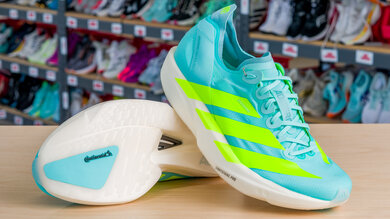
We've tested these running shoes to expand our database and allow users to compare results to help with their buying decisions. We don't expect to write a full review, but if you have any questions about this product, please let us know.
Changelog
- Updated Nov 27, 2025: Review published.
- Updated Nov 24, 2025: Early access published.
- Updated Aug 15, 2025: Our testers have started testing this product.
- Updated Aug 06, 2025: The product has arrived in our lab, and our testers will start evaluating it soon.
- Updated Jul 04, 2025: We've purchased the product and are waiting for it to arrive in our lab.
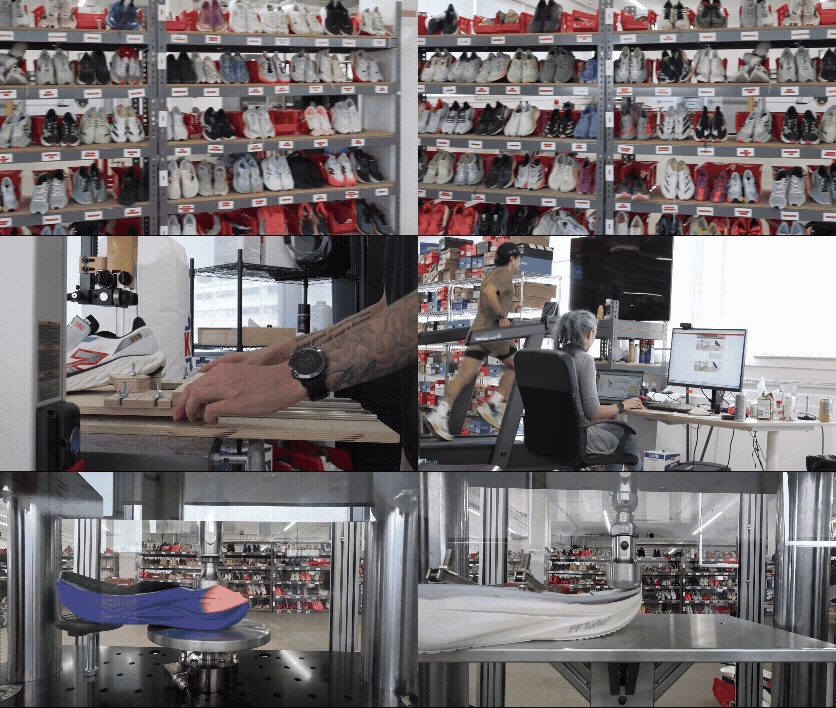
We've bought and tested more than 250 running shoes. Every pair purchased with our own money, never supplied or sponsored by brands. Our data-driven tests are designed to go beyond marketing claims, and since every shoe goes through the exact same methodology, you can directly compare results to find the right pair for your needs.
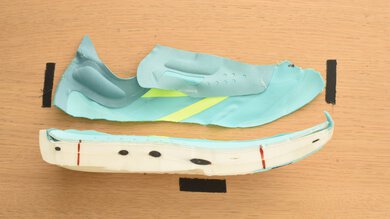
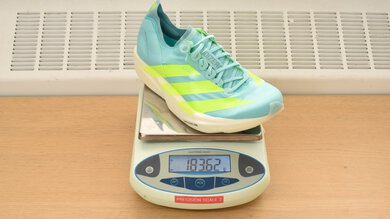
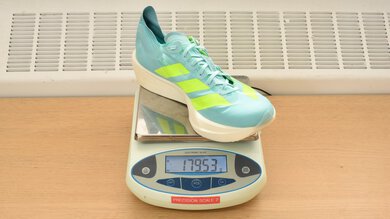
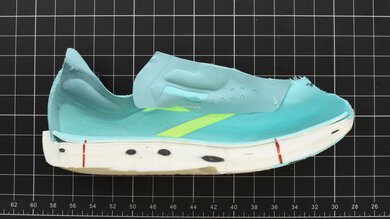
Popular Running Shoe Comparisons
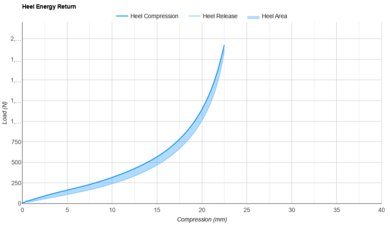
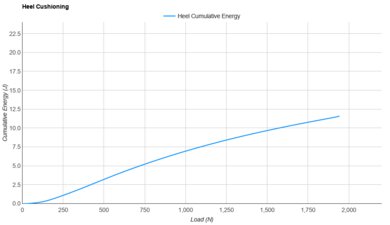
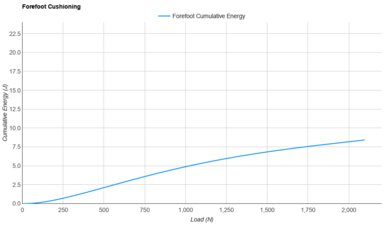
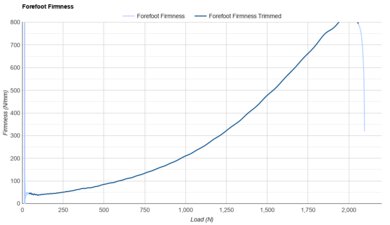
The adidas Adizero Takumi Sen 11 and the Nike Streakfly 2 are both built for shorter races and fast sessions, but they take different paths. The Takumi Sen 11 carries a bit more weight and sits on a higher stack, offering a touch more cushioning. Its EnergyRods add some stiffness, and in terms of raw midsole energy return, it actually has an edge. The Streakfly 2, however, is in a class of its own when it comes to efficiency at short distances. Its ultra-light build, firm forefoot, and full-length carbon plate make it incredibly snappy and efficient at higher paces, feeling closer to a track spike for the road. If you want a little more substance and protection, the adidas may suit you better, but for pure speed and efficiency over 5K to 10K, the Nike is unmatched.
The adidas Adizero Adios 9 and the adidas Adizero Takumi Sen 11 are both lightweight speed options, but they serve slightly different purposes. The Adios 9 is the lighter of the two, with a very low stack that emphasizes ground feel and quick turnover. It uses a partial plastic shank to add a touch of stiffness while keeping the ride stripped down and minimal. The Takumi Sen 11, on the other hand, has a bit more stack and cushioning underfoot, making it more protective for slightly longer efforts. It replaces the shank with carbon fiber rods, which provide a stiffer feel but also make the shoe a bit less connected to the ground.
The adidas Adizero Takumi Sen 11 and Nike Vaporfly 4 are both snappy racers built for shorter-distance speed, but they deliver that speed with a different feel underfoot. The Nike comes in lighter while still keeping a moderate stack, giving it a very quick, responsive sensation that works especially well for 5K and 10K efforts when you want a fast turnover without feeling overly tall. The adidas sits even closer to the ground and uses rods instead of a plate. Both feel very snappy, but the adidas tends to feel more stable and slightly more energetic in how it returns effort.