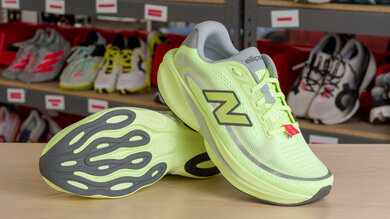
The New Balance Ellipse is a good daily trainer for runners who want a dependable shoe for easy miles. Its impressively trustworthy platform offers decent impact protection underfoot, and the ride strikes a good balance between liveliness and comfort. However, it feels harsh over longer efforts, offers little assistance through the stride, and isn't a great pick for racing. It performs best when you want a dependable shoe for daily training that is also fashionable enough for lifestyle wear.
| ✅ Buy If: | ❌ Skip If: |
|
|
Our Verdict
The New Balance Ellipse isn't a good pick for marathon racing, though it can get you to the finish line in a pinch. Its great stability keeps the ride secure as fatigue builds, though the cushioning becomes harsher over distance. The shoe is also too heavy to turn over efficiently, while the ride offers too little assistance to help you hold race pace.
Stable, controlled platform keeps ride secure.
Cushioning becomes harsher as the miles build.
Heavy, unassistive ride makes race pace harder to sustain.
The New Balance Ellipse isn't a good pick for 5K or 10K racing. Its firm forefoot gives you a secure base to push from, but the shoe is too heavy to turn over quickly. The ride also offers too little assistance through toe-off, so faster running is tiring and inefficient.
Firm forefoot provides a secure base at toe-off.
Heavy, unassistive ride makes race pace harder to sustain.
Ride offers little assistance through toe-off.
The New Balance Ellipse does an okay job on long runs. Its stability keeps the ride secure as fatigue builds, and though the cushioning holds up well enough up to 10K, once you get into the heart of the distance, the forefoot protection drops significantly, so the shoe becomes harsher underfoot. Its heel rocker helps heel strikers move into midstance well, too, but the heavy build and limited responsiveness make it tiring to keep the legs turning over.
Stability keeps the ride secure when fatigued.
Heel rocker helps heel strikers move into midstance.
Forefoot protection drops significantly beyond 10K.
Heavy build makes it cumbersome.
The New Balance Ellipse is a good daily trainer. Its stability keeps the ride secure, while the cushioning provides decent protection for regular mileage. The heel rocker also helps heel strikers move smoothly into midstance. However, the shoe is heavy, and its limited responsiveness makes it cumbersome when you try to pick up the pace.
Stable, controlled platform keeps ride secure.
Sufficiently cushioned for short, easy miles.
Heel rocker helps heel strikers move into midstance.
Changelog
- Updated Sep 16, 2026: We've converted this review to Test Bench 0.15, which replaces Responsiveness with three specific performance usages: Bounciness, Snappiness, and Roll. To read more about the changes, see the changelog.
- Updated Sep 02, 2026: We've converted this review to Test Bench 0.14, which adds new lace-specific results. We've included a close-up photo of the laces, as well as details including lace type, width, thickness, and stretch. To read more about the changes, see the changelog.
- Updated Sep 02, 2026: We've converted this review to Test Bench 0.13, which identifies the different foams used in the shoe's midsole. We've included a microscopic image of the foam cells to give you an idea of what the microstructure looks like. To read more about the changes, see the changelog.
-
Updated Aug 20, 2026:
We've updated this review to add text to the new usage boxes after updating the shoe's Test Bench. We've also updated the Popular Comparisons section to include a link to the newly reviewed Diadora Nucleo 2.
- Updated Jun 17, 2026: We've converted this review to Test Bench 0.12, which fixes how we measure firmness, a component of the Stability and 5K/10K Racing usages. There may be inconsistencies between the text and the scores for these usages, but the scores should still be considered valid. We've also brought back the Energy Return score and added two new usages: Daily Training and Long Run. To read more about the changes, see the changelog.
-
Updated Jun 08, 2026:
We modified the writing due to the new test bench and have updated the Responsiveness box text to reflect the new scores.
- Updated May 26, 2026: We've converted this review to Test Bench 0.11, adding two new rocker measurements to the Design section, and three new responsiveness tests to the Performance section. The Energy Return usage score has been replaced with Responsiveness. Check out the details in our changelog.
- Updated Apr 15, 2026: Review published.
- Updated Apr 03, 2026: Early access published.
- Updated Mar 10, 2026: Our testers have started testing this product.
- Updated Feb 27, 2026: The product has arrived in our lab, and our testers will start evaluating it soon.
- Updated Feb 27, 2026: We've purchased the product and are waiting for it to arrive in our lab.
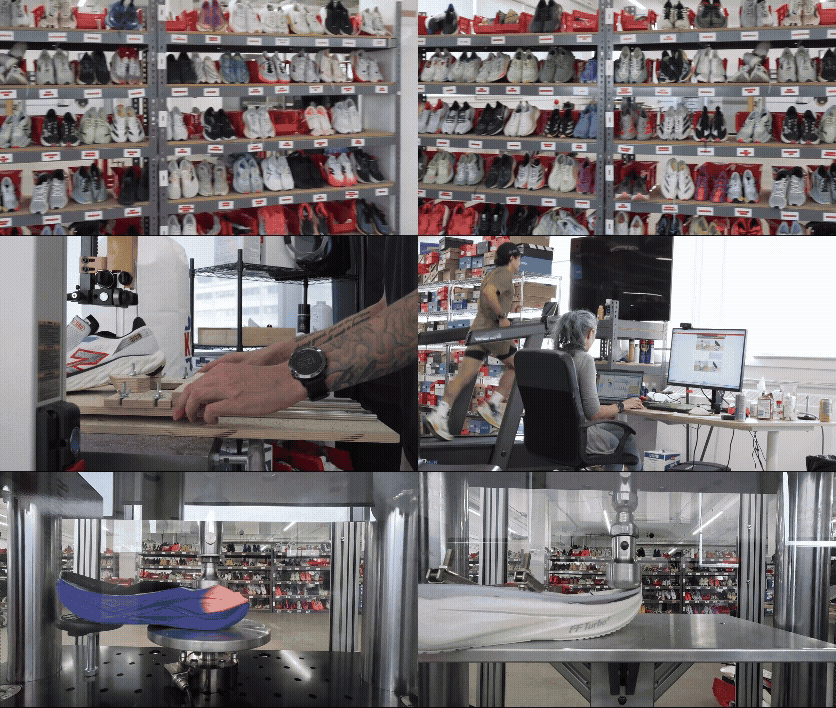
We've bought and tested more than 300 running shoes. Every pair purchased with our own money, never supplied or sponsored by brands. Our data-driven tests are designed to go beyond marketing claims, and since every shoe goes through the exact same methodology, you can directly compare results to find the right pair for your needs.
Test Results
Energy Return
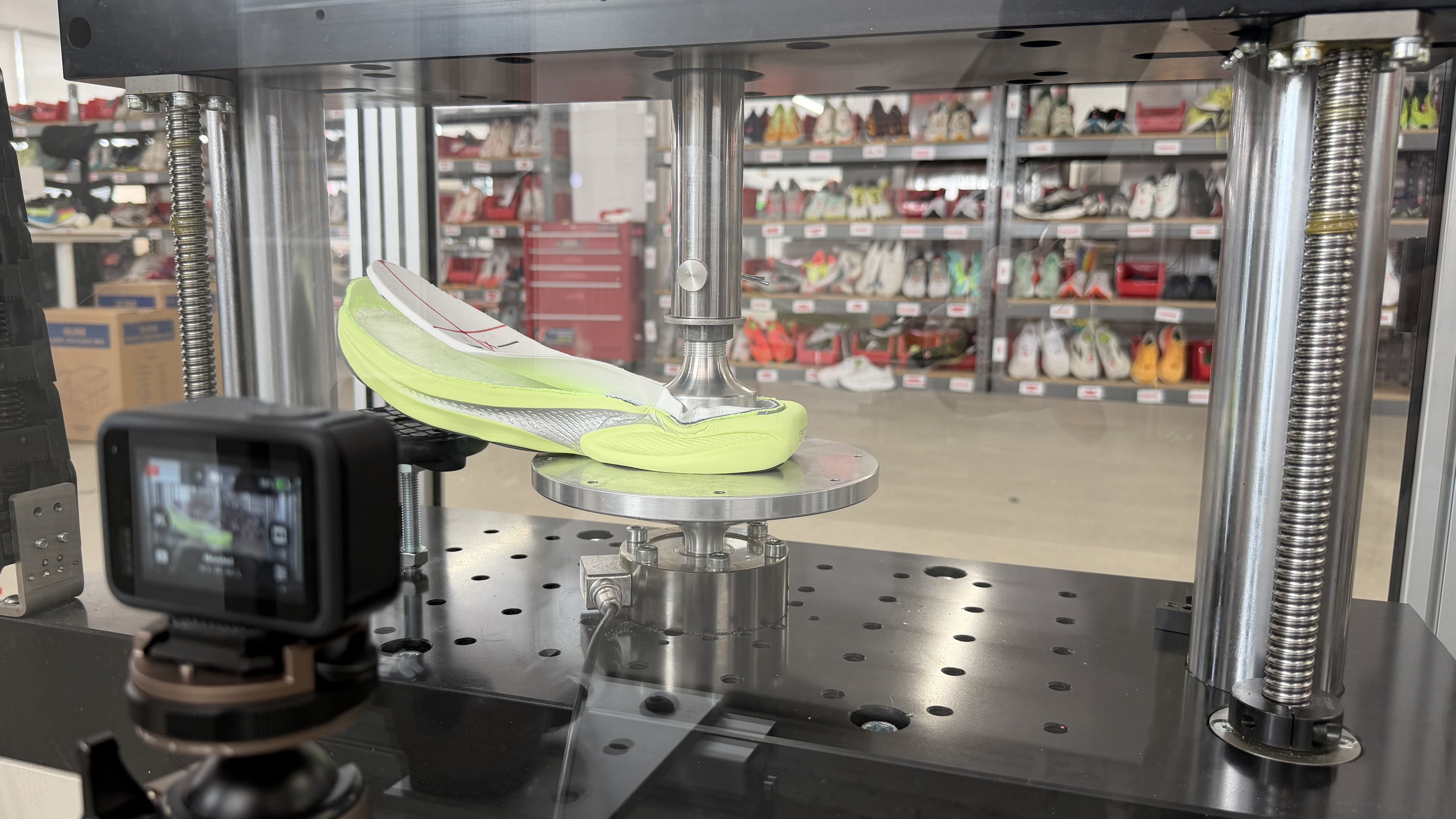
The New Balance Ellipse has decent energy return overall. The forefoot gives a satisfactory amount back through toe-off, but the heel returns less energy after landing, so heel strikers get less rebound assistance through the stride.
Forefoot provides decent rebound.
Heel rebound isn't great.


Stability
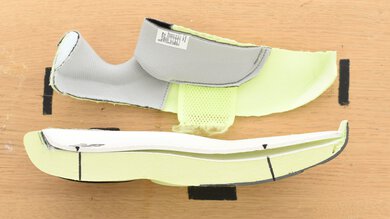
The New Balance Ellipse has great stability, which is especially impressive for a neutral trainer without dedicated support features. The firmer midsole, wide outsole platform, and moderate stack make it stay controlled and predictable. This makes the Ellipse an approachable option for casual mileage, though it isn't a true support shoe for runners who need pronounced guidance.
Stable, controlled platform keeps ride secure.

The heel starts relatively soft under lighter loads, then firms up considerably as more force is applied. That helps rearfoot landings become more controlled for heavier runners or harder impacts.

Cushioning
The New Balance Ellipse feels decently cushioned overall. Under lower forces, the midsole absorbs energy really well, so it works for easy jogging, short runs, and walking. However, if you're a more powerful runner or start pushing the pace, the lower-stack midsole compresses and bottoms out, especially under the forefoot. That makes the ride feel a lot harsher than its plush step-in feel suggests, which limits its appeal for harder efforts or longer runs.
Sufficiently cushioned for short, easy miles.
Cushioning becomes harsher as the miles build.
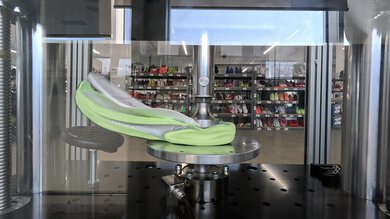

The heel cushioning is decent overall. It provides good protection for lighter runners plus most moderate loads, though heavier runners moving quickly will find the ride harsher as more force hits the shoe.
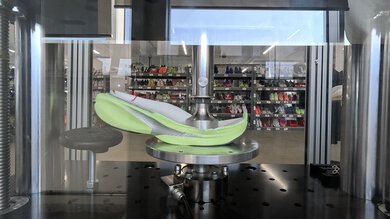

The forefoot cushioning is decent overall, too. Protection is decent enough for easy mileage, though heavier runners at faster paces will find the forefoot noticeably harsher underfoot.
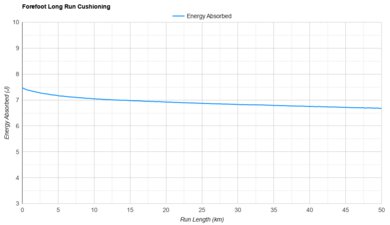
The forefoot cushioning holds up adequately over longer efforts and doesn't completely bottom out, though protection wavers as mileage builds. The New Balance 1080v15 offers better protection overall.
Bounciness
The New Balance Ellipse has mediocre bounce. The heel compresses reasonably deeply after landing, but returns only an adequate amount of energy. The forefoot gives more energy back, though its shallow compression limits how much spring you get at toe-off.
Forefoot rebound adds some liveliness at toe-off.
Shallow compression limits spring through the stride.


Snappiness
The New Balance Ellipse has okay snap. The firm forefoot provides a secure base to push from, but the forefoot bends too easily to provide much leverage. It returns a decent amount of stored energy as it unbends, though the tame rocker angle offers little assistance onto the toes.
Firm forefoot provides a secure base at toe-off.
Soft forefoot plus tame rocker provide little assistance through push-off.
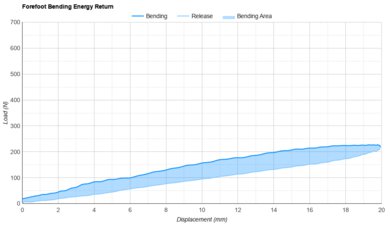
The forefoot has decent bending energy return. It gives back a satisfactory amount of the energy stored as it bends, adding some efficiency through toe-off.
Roll
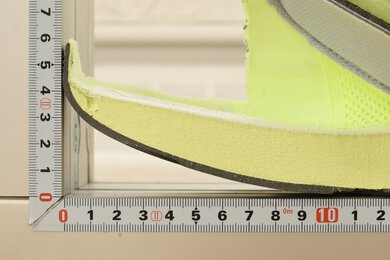
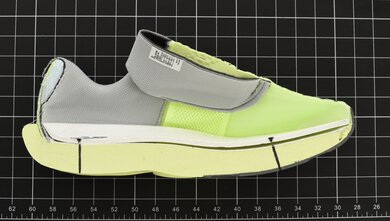
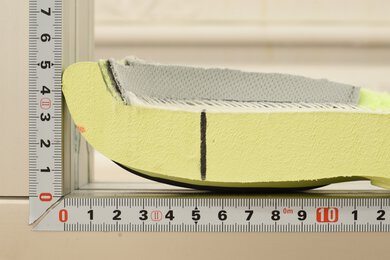
The New Balance Ellipse has sub-par roll. Its great heel rocker helps heel strikers move smoothly into midstance, but assistance drops considerably farther forward. The forefoot sits low to the ground, while the compliant rocker flattens too easily under load. The tame forefoot rocker also moves you onto your toes slowly.
Heel rocker does a very good job transitioning you smoothly into midstance.
Compliant forefoot rocker reduces assistance through the stride.
Tame forefoot rocker makes the transition through toe-off slow.
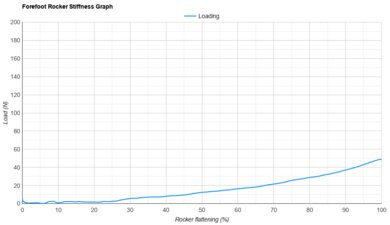
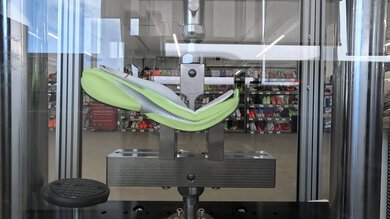
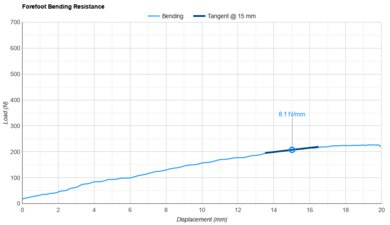
The rocker of this shoe is very soft. It flattens too easily under load, reducing assistance through the stride and limiting how smoothly the shoe carries you forward.
True To Size
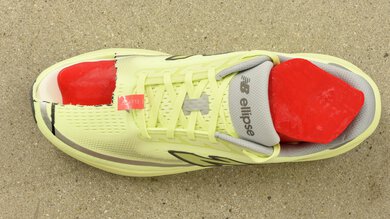
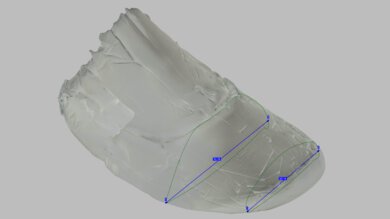
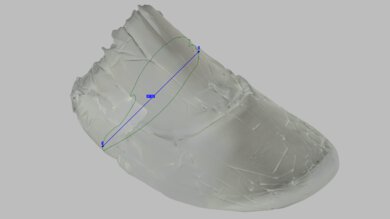
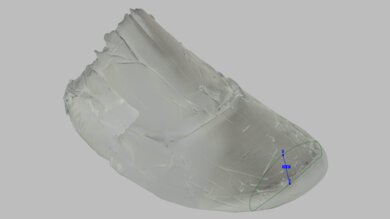
The New Balance Ellipse fits true to size overall, so most runners should feel comfortable going with their usual running shoe size. Lengthwise, the fit is spot on. At the forefoot, there is enough room laterally, but not so much vertically. As a result, it should work well for most runners, but those who prefer a very roomy toe box will find it a bit more snug up front.
Fits true to size overall.
Toe box is a bit shallow.
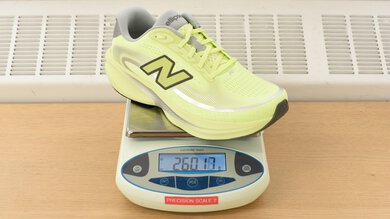
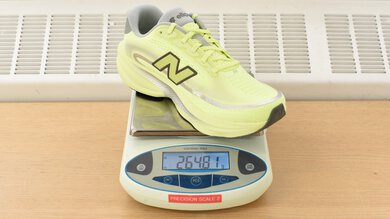
The New Balance Ellipse has an average weight for a daily trainer. It's not lightweight like the adidas Adizero Evo SL, but it avoids the bulk of heavier shoes such as the Brooks Glycerin 23 or Brooks Ghost 18.


Popular Running Shoe Comparisons
The New Balance Ellipse is a lifestyle-friendly daily trainer that still performs well for easy running. The similarly positioned Diadora Nucleo 2 puts even more emphasis on walking and casual wear, though it costs considerably more. If running matters more than lifestyle use, the adidas Adizero Evo SL is the better pick for faster efforts, while the Saucony Endorphin Azura offers more versatility, and the PUMA Magnify NITRO 3 provides a bouncier ride.
Within New Balance's lineup, the Ellipse sits alongside more dedicated running shoes such as the New Balance 1080v15 and New Balance Fresh Foam X 880v15. The New Balance Fresh Foam X More v6 offers more protection for longer easy runs, while the New Balance FuelCell Rebel v5 better suits faster running. The New Balance Fresh Foam X Balos v1 provides another livelier option, but the Ellipse remains a good pick if you want one stylish shoe for easy daily mileage that also works for walking.
If you're looking for more options, check out our recommendations for the best New Balance running shoes and the best running shoes overall.
The New Balance Fresh Foam X 1080v14 is a better choice than the New Balance Ellipse for most runners. It's more cushioned, especially under the forefoot, making it a comfortable pick for daily training and long runs. The Ellipse is lighter and has much more energy return, so it's the better option for runners who want a livelier shoe for faster runs. It's also more accommodating through the arch, whereas the 1080v14 runs narrow, although it is available in Wide versions.
The New Balance Ellipse and New Balance 1080v15 both sit in the cushioned daily trainer category, but they deliver that comfort in different ways. The 1080v15 uses a higher stack and a more premium midsole, giving it a more cushioned and protective ride, though it feels less stable overall. The Ellipse relies on a midsole that offers a similar level of bounce but with less overall cushioning and a more stable, grounded platform. In terms of fit, both are generally true to size, but the 1080 feels a bit snugger through the arch.
The New Balance Ellipse and ASICS NOVABLAST 5 are both daily trainers, but they behave differently underfoot. The ASICS is lighter and higher-stacked, combining good cushioning with noticeable bounce, which makes it feel more dynamic but also a bit less stable overall. The Ellipse offers some bounce as well, but with less overall cushioning and a lower, more grounded feel that translates into better stability and more connection to the road.
The New Balance Ellipse and adidas Adizero Evo SL are two popular shoes, but they serve different parts of a rotation. The New Balance is better suited for easy running, with a more comfort-focused ride, though it can feel a bit cumbersome and less agile when you try to pick up the pace. The adidas is much lighter and feels more efficient and responsive, helped by its plastic shank and more energetic ride, which makes it far more at home during uptempo efforts. The trade-off is that the adidas feels less stable overall, while the New Balance offers a more grounded experience.
The Saucony Endorphin Azura is a better trainer than the New Balance Ellipse. It's lighter and more energetic, giving it more range for faster running while still providing plenty of protection for regular mileage. The New Balance is more stable and better suited to runners who mainly want a predictable shoe for easy miles.
Differences Between Sizes And Variants
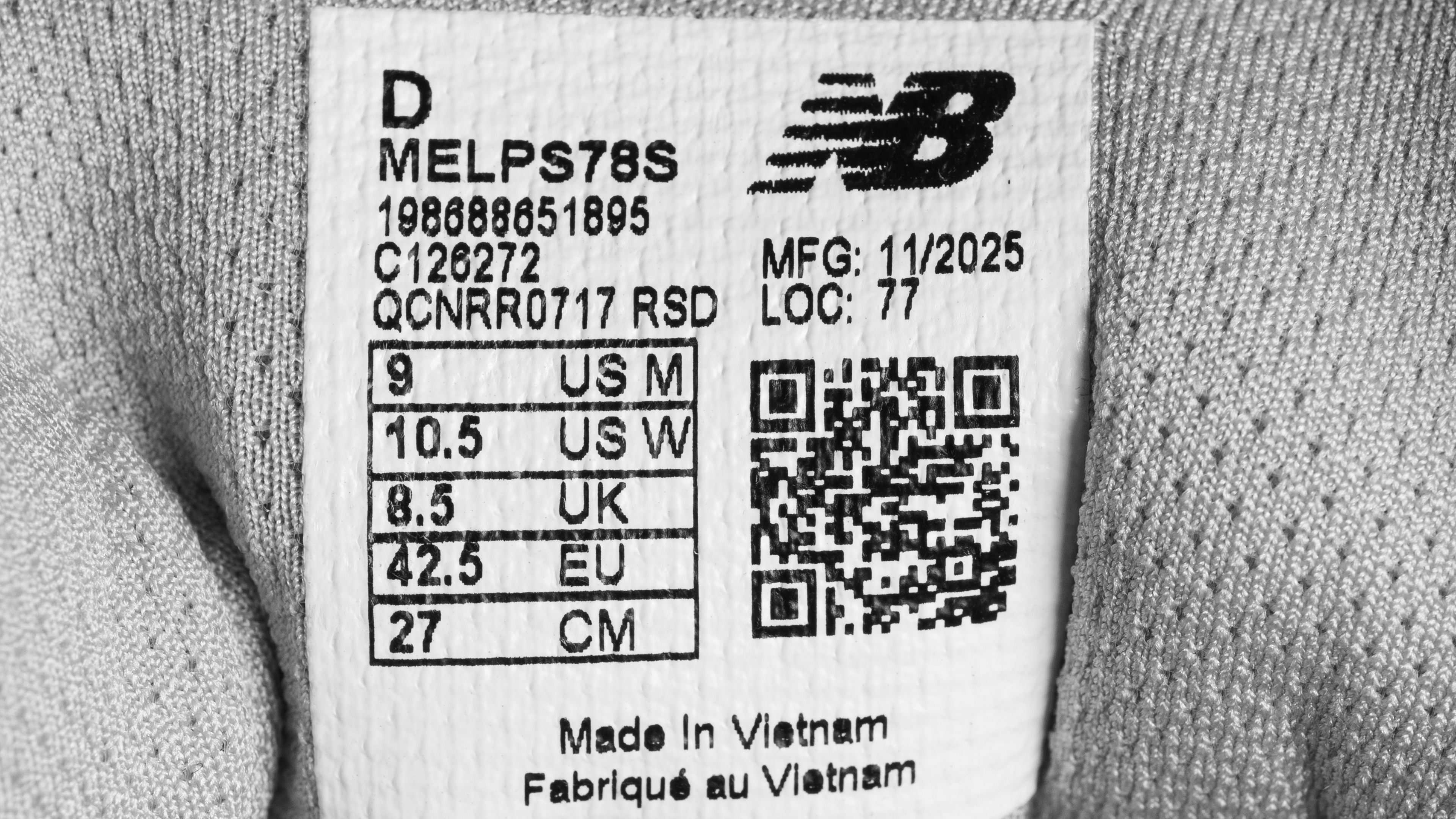
We tested the New Balance Ellipse in men's U.S. size 9, as noted on the label for our pair. The color shown here is Afterglow with Lone Star Grey and Silver Metallic, but the shoe is available in a variety of additional colorways depending on your region. The Ellipse is available in a whole range of widths, from Standard (B for women, D for men) to Wide (D for women, 2E for men), as well as Extra Wide for men (4E). The design section applies only to the exact model we tested, but we expect other variants to perform similarly.