
We've tested these running shoes to expand our database and allow users to compare results to help with their buying decisions. We don't expect to write a full review, but if you have any questions about this product, please let us know.
Our Verdict
Changelog
- Updated Jun 17, 2026: We've converted this review to Test Bench 0.12, which fixes how we measure firmness, a component of the Stability and 5K/10K Racing usages. There may be inconsistencies between the text and the scores for these usages, but the scores should still be considered valid. We've also brought back the Energy Return score and added two new usages: Daily Training and Long Run. To read more about the changes, see the changelog.
- Updated May 26, 2026: We've converted this review to Test Bench 0.11, adding two new rocker measurements to the Design section, and three new responsiveness tests to the Performance section. The Energy Return usage score has been replaced with Responsiveness. Check out the details in our changelog.
- Updated Mar 25, 2026: We've converted this review to Test Bench 0.10, adding a new set of fit tests to the Design section and an overall fit performance usage. Check out the details in our changelog.
- Updated Jan 05, 2026: Review published.
- Updated May 22, 2025: Our testers have started testing this product.
- Updated May 06, 2025: The product has arrived in our lab, and our testers will start evaluating it soon.
- Updated May 05, 2025: We've purchased the product and are waiting for it to arrive in our lab.
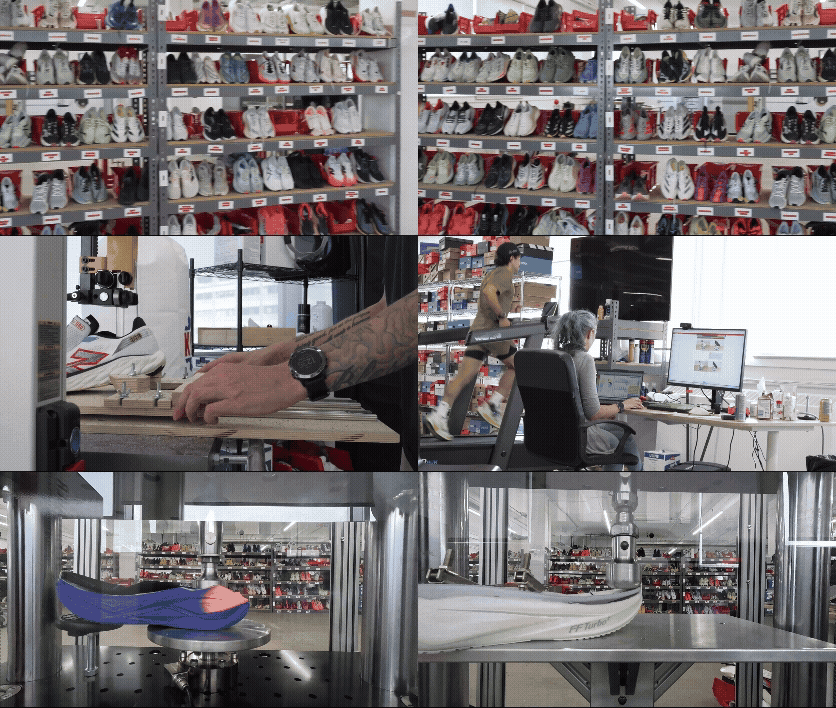
We've bought and tested more than 300 running shoes. Every pair purchased with our own money, never supplied or sponsored by brands. Our data-driven tests are designed to go beyond marketing claims, and since every shoe goes through the exact same methodology, you can directly compare results to find the right pair for your needs.
Test Results
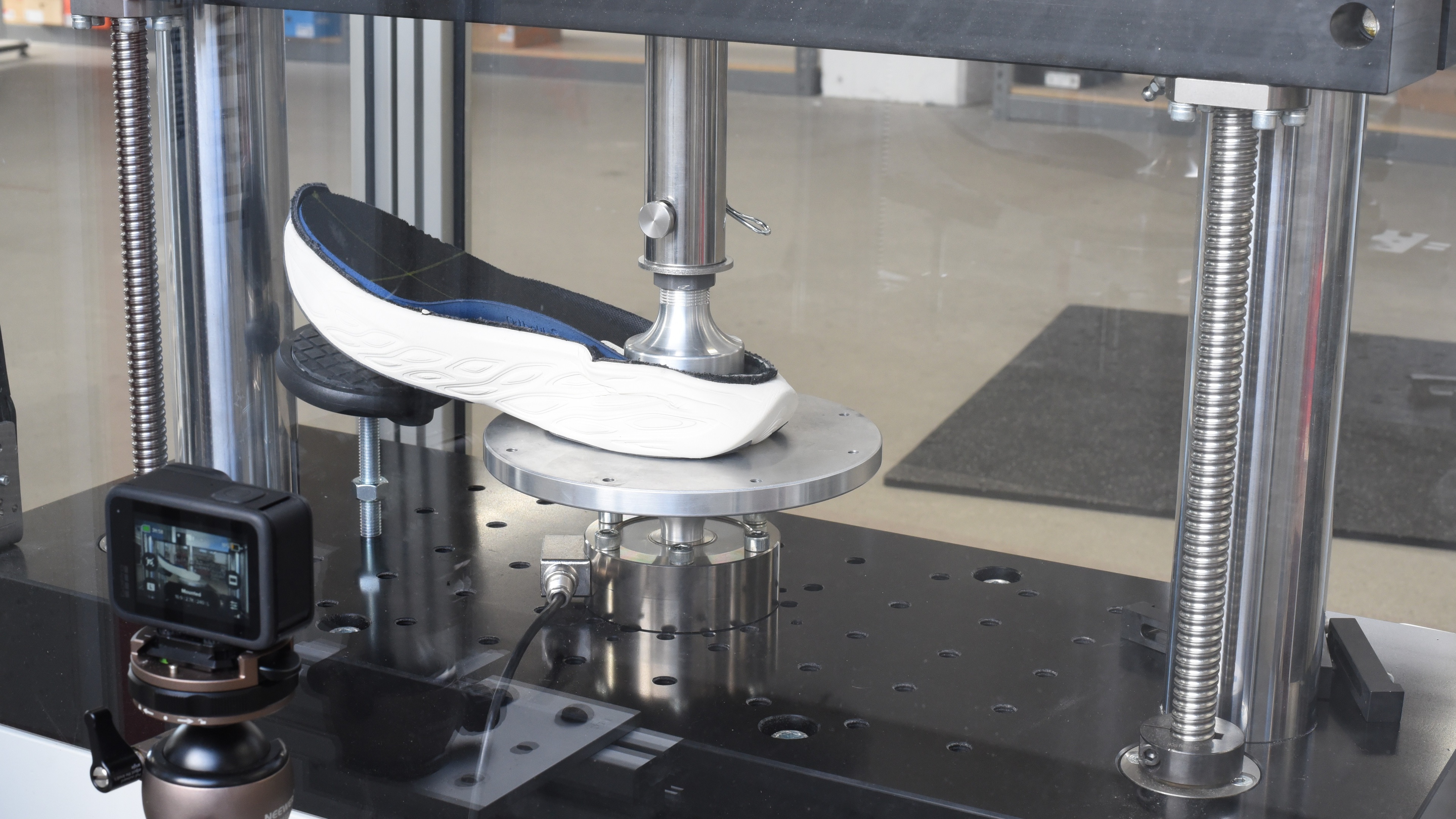
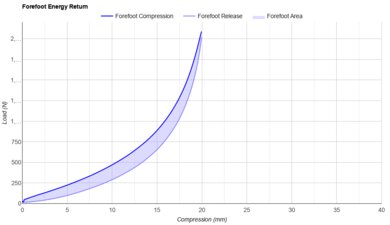
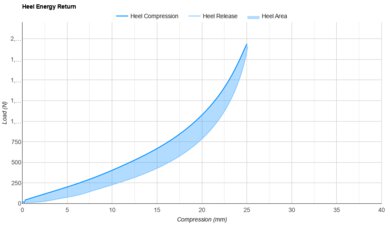
Energy Return
Stability
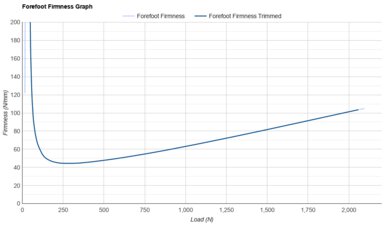
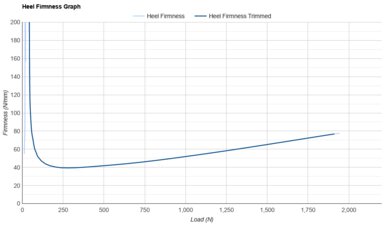
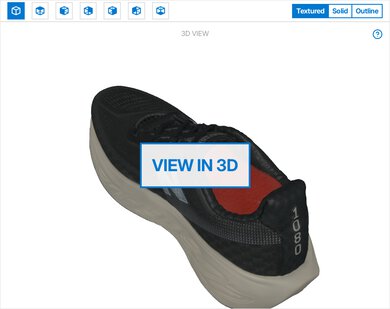
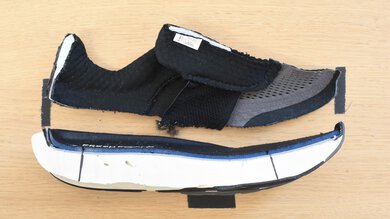
Cushioning
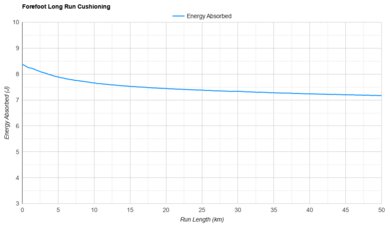
Responsiveness
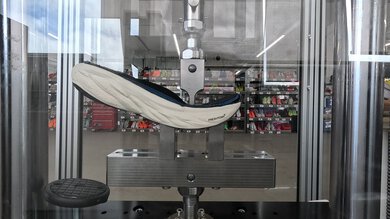
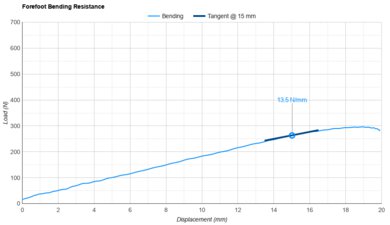
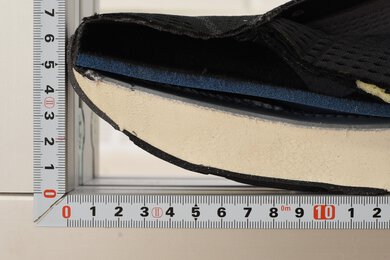
True To Size
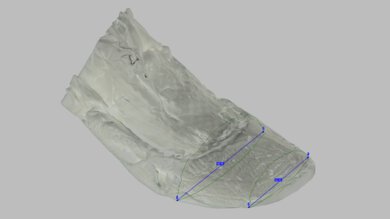
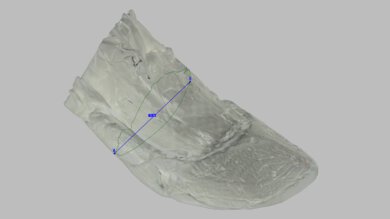
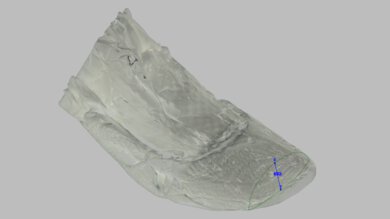
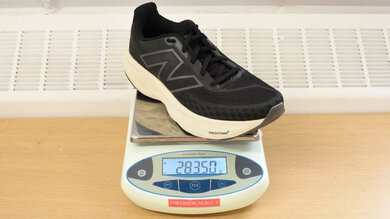
Popular Running Shoe Comparisons
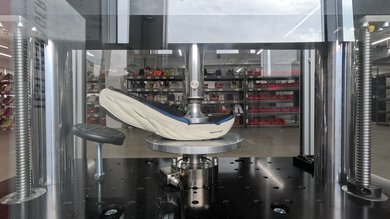
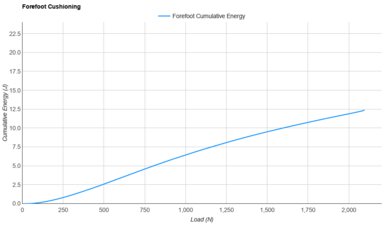
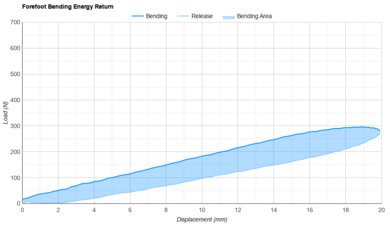
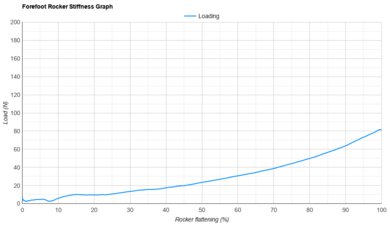
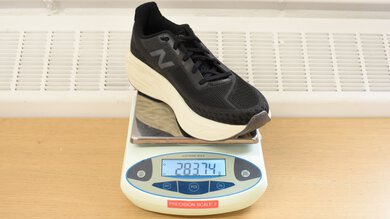
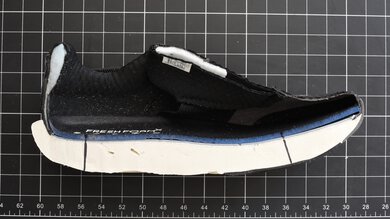
The New Balance Fresh Foam X 1080v14 is a better choice than the New Balance Ellipse for most runners. It's more cushioned, especially under the forefoot, making it a comfortable pick for daily training and long runs. The Ellipse is lighter and has much more energy return, so it's the better option for runners who want a livelier shoe for faster runs. It's also more accommodating through the arch, whereas the 1080v14 runs narrow, although it is available in Wide versions.
The New Balance Fresh Foam X 1080v14 and HOKA Bondi 9 are two comfort-focused daily trainers, each built rather differently. The Fresh Foam in the New Balance is very soft, but it can feel like running on sand, as it gives back much less of the energy you put into it. The HOKA has even more cushioning than the New Balance, but its foam bounces back much better. The standard version of the New Balance fits a bit more snugly than the HOKA, but both shoes are available in Wide versions.
The New Balance Fresh Foam X 1080v14 and ASICS NOVABLAST 5 are both cushioned daily trainers, but they deliver that comfort in very different ways. The ASICS feels like the more modern option, pairing generous cushioning with noticeable bounce to create a fun, protective ride that stays lively for daily miles and steady efforts. The New Balance comes in heavier with a lower drop and focuses more squarely on cushioning and reliability, offering a stable, predictable platform that prioritizes comfort over energy return.
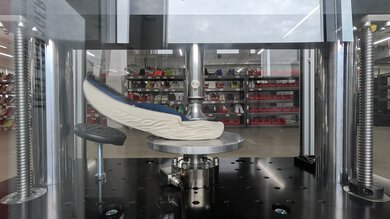
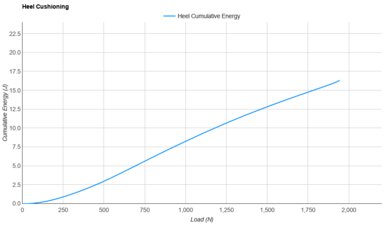
The New Balance 1080v15 is a major update to the New Balance Fresh Foam X 1080v14. After several years of relatively minor updates, the 15th iteration of the 1080 series replaced the entire midsole, getting rid of the actual Fresh Foam and replacing it with a bouncier, supercritical component that New Balance calls Infinion. This makes the v15 a much livelier daily trainer, with more cushioning in the heel. While it's a worthwhile upgrade over the v14, it's not without tradeoffs: the softer foam of the v15 bottoms out a bit faster during long runs, and the forefoot doesn't provide as much protection against heavy impacts.