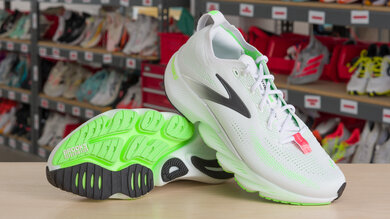
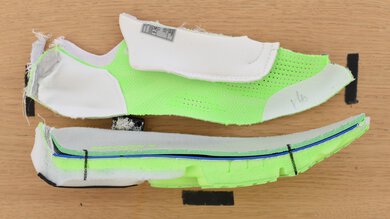
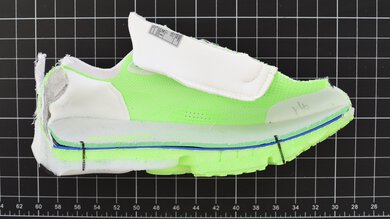
The Brooks Glycerin Flex takes the DNA Tuned cushioning of the Glycerin line and reshapes it into a far more flexible, free-moving daily trainer. Instead of leaning into the rockered geometry of max-cushion shoes, it attempts to offer an antidote to that trend by carving a diagonal flex groove and splitting the forefoot into multiple articulating foam pods, all while keeping a flat, minimal rocker. This design lets the platform bend much more than other trainers, while still maintaining a relatively high stack. The result is a natural ride with some ground feel, but it comes across as rather firm and dull overall. The midsole segmentation also creates a noticeable separation between the heel and forefoot. As a result, transitions feel fluid, but forefoot landings can feel slightly irritating due to noticeable friction at the split. On the plus side, a knit upper with generous padding delivers a premium step-in experience. Overall, it stands out for its unique flexibility, but unless that distinctive feel genuinely appeals to you, there's little else going on here.
Our Verdict
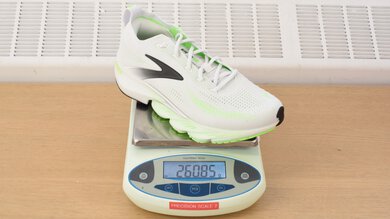
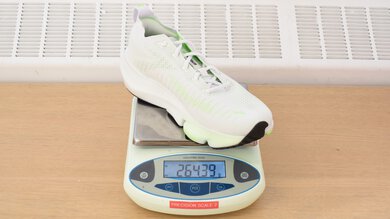
The Brooks Glycerin Flex isn't built for racing long distances at speed. Its very low energy return and unplated design make it feel flat and inefficient when you're trying to hold marathon pace, and its hefty weight doesn't help its case either. While it offers decent cushioning and solid lateral stability, it lacks the propulsion and snappy turnover that racers expect. It's better suited to training than actually lining up on race day.
Good heel cushioning.
Modest amount of protection at the forefoot, especially at higher forces.
Midsole returns very little energy, so the ride feels dull.
High weight makes the shoe feel less efficient.
The Brooks Glycerin Flex struggles for short and fast efforts. Although its firm forefoot can provide a stable platform for toe-off, the extremely limited rebound, high weight, and absence of a plate leave it feeling dull when trying to accelerate. Overall, it's capable of covering the distance, but it doesn't add any real speed advantage.
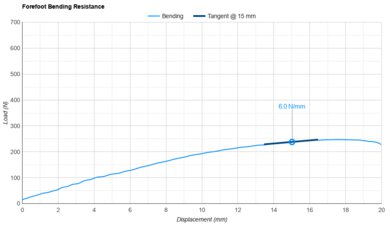
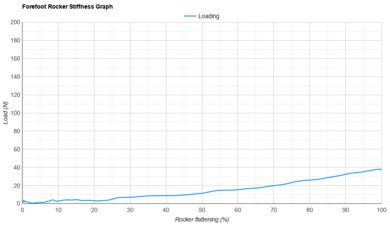
The forefoot is quite firm, despite the articulating pods.
Midsole returns very little energy, so the ride feels dull.
High weight makes the shoe feel less efficient.
Changelog
- Updated Jun 17, 2026: We've converted this review to Test Bench 0.12, which fixes how we measure firmness, a component of the Stability and 5K/10K Racing usages. There may be inconsistencies between the text and the scores for these usages, but the scores should still be considered valid. We've also brought back the Energy Return score and added two new usages: Daily Training and Long Run. To read more about the changes, see the changelog.
-
Updated Jun 08, 2026:
We modified the writing due to the new test bench and have updated the Responsiveness box text to reflect the new scores.
- Updated May 26, 2026: We've converted this review to Test Bench 0.11, adding two new rocker measurements to the Design section, and three new responsiveness tests to the Performance section. The Energy Return usage score has been replaced with Responsiveness. Check out the details in our changelog.
-
Updated Apr 08, 2026:
We've updated the Popular Comparisons section, following our review of the Brooks Glycerin 23.
-
Updated Mar 24, 2026:
We updated the Popular Running Shoe Comparisons section to mention the Brooks Launch 12 in the brand's lineup.
- Updated Mar 02, 2026: Review published.
- Updated Feb 26, 2026: Early access published.
- Updated Feb 12, 2026: Our testers have started testing this product.
- Updated Jan 28, 2026: The product has arrived in our lab, and our testers will start evaluating it soon.
- Updated Jan 23, 2026: We've purchased the product and are waiting for it to arrive in our lab.

We've bought and tested more than 300 running shoes. Every pair purchased with our own money, never supplied or sponsored by brands. Our data-driven tests are designed to go beyond marketing claims, and since every shoe goes through the exact same methodology, you can directly compare results to find the right pair for your needs.
Test Results
Energy Return
Stability
The Brooks Glycerin Flex offers very good side-to-side stability. Its wide platform and firm forefoot help keep the ride feeling planted, even though it doesn't have a plate. The minimal rocker and flexible groove don't actively guide your stride, so the flat geometry keeps the platform feeling natural and predictable underfoot, making it a reliable choice for neutral runners who value inherent platform stability.
The forefoot is quite firm, despite the articulating pods.
Wide platform helps with confidence.
Cushioning
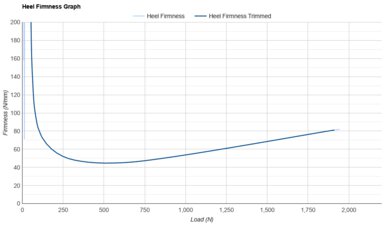
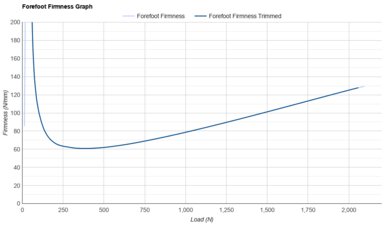
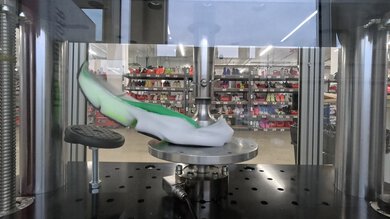
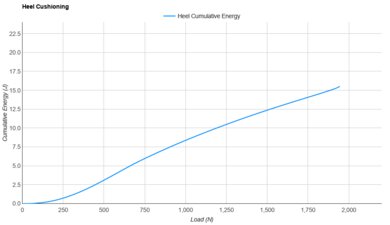
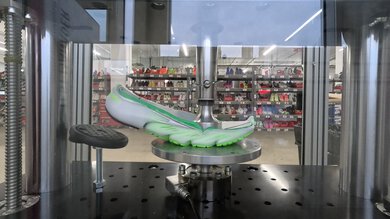
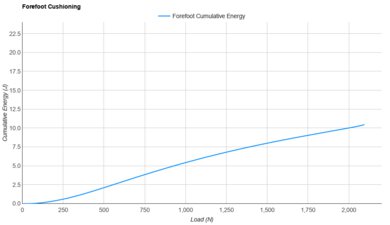
The Brooks Glycerin Flex provides decent overall protection, especially at the heel, where it feels well cushioned. The decoupled forefoot is slightly less cushioned, offering a more grounded sensation. Powerful runners will find the forefoot particularly harsh, since the midsole tends to bottom out when applying a lot of force, and some forefoot strikers might even feel some uncomfortable friction created by the split midsole. It's protective enough for short and easy training, but it doesn't deliver the plush, pillowy sensation of true max-cushion shoes.
Good heel cushioning.
Modest amount of protection at the forefoot, especially at higher forces.
Responsiveness
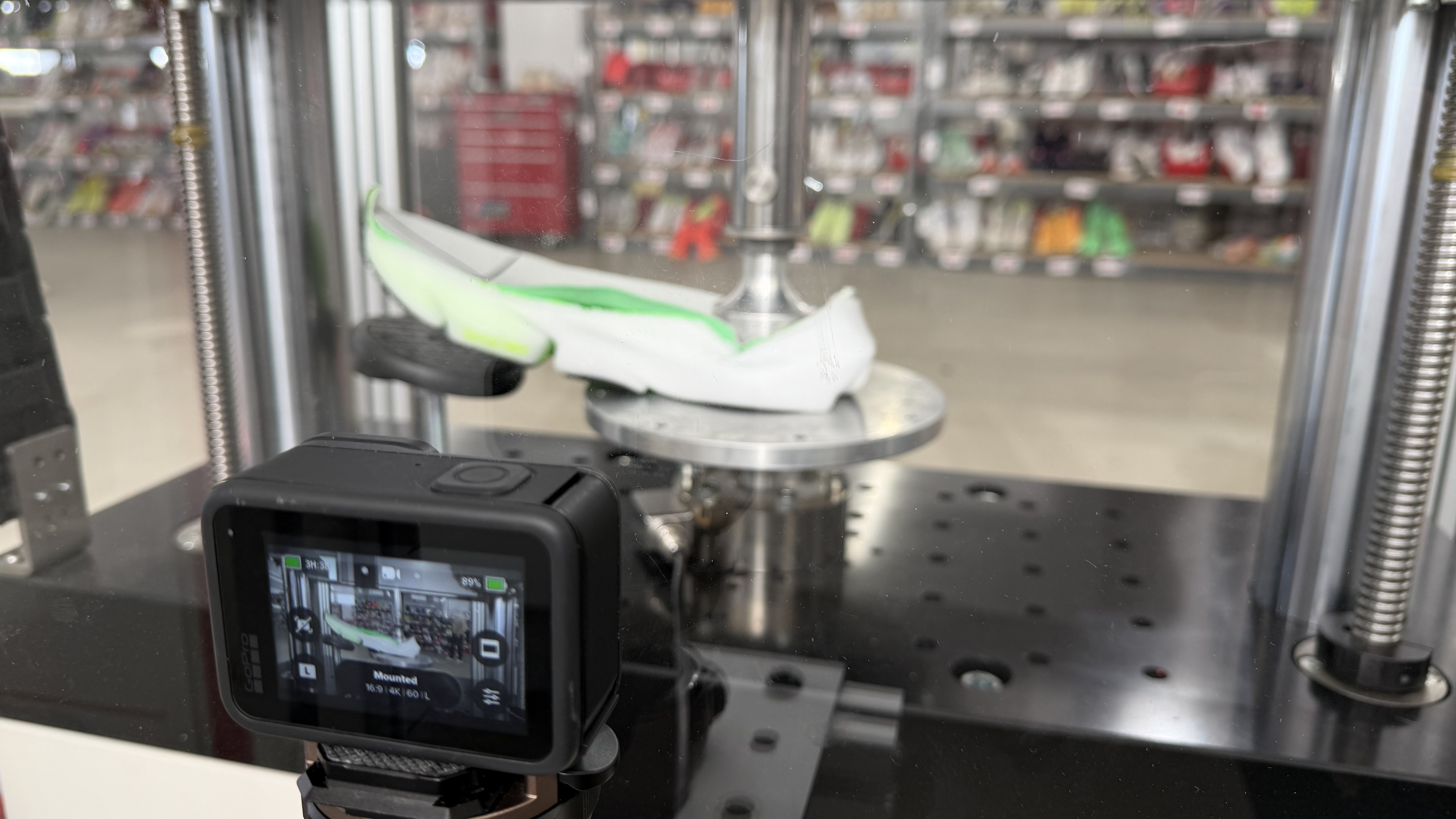
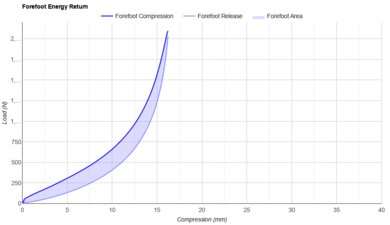
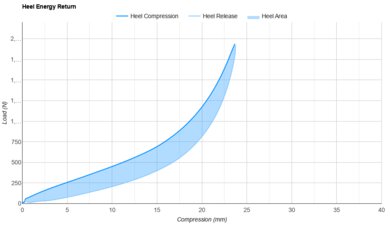
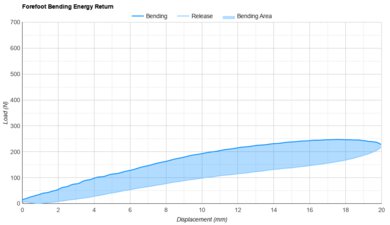
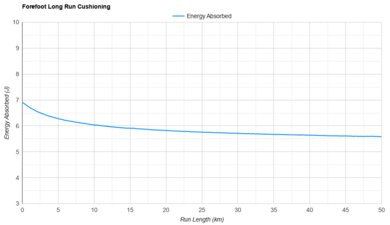
The Brooks Glycerin Flex delivers very little responsiveness. Both the heel and forefoot have very muted energy return. The ride comes across as dense and energy-sinking rather than lively, and the decoupled midsole makes it hard to get much snap or pop when pushing off.
Midsole returns very little energy, so the ride feels dull.
True To Size
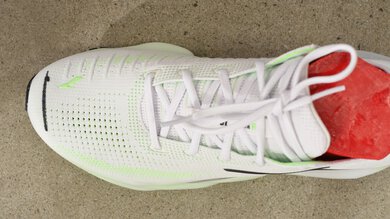
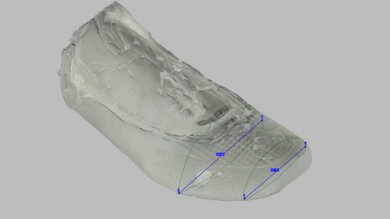
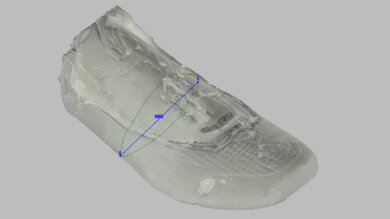
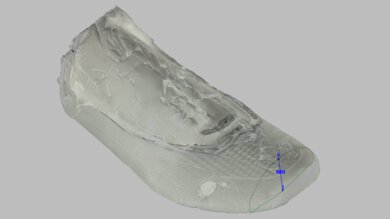
The Brooks Glycerin Flex fits true to size in length and forefoot volume. However, the arch area runs a bit narrower, but the amount of room in this region will still be very manageable for most runners. Therefore, most runners should go with their normal size when picking this model.
Good length.
True to size toe-box.
The upper can feel a bit restrictive for wider arches.
Popular Running Shoe Comparisons
The Brooks Glycerin Flex is a cushioned daily trainer that deliberately goes against the grain of today's rockered max-cushion shoes. It stays decently protective, but instead of relying on a stiff rocker to create forward roll, it uses a flexible segmented platform that's meant to let your foot bend. It brings something genuinely different to the table, and it makes the most sense for runners who prioritize a natural feel above all else but do not want to go into lower-stack, minimalist-style options like the Altra Torin 8. That said, the ride changes depending on how you land: heel strikers can benefit from smooth heel-to-toe transitions that help you roll forward, while forefoot strikers can end up landing right on the flex grooves, where the lack of rocker-driven propulsion can make the ride feel sluggish. If you dislike aggressive rockers, that preference is totally valid, but many runners will get the same flat, straightforward experience from a simpler trainer like the PUMA Velocity NITRO 4, which keeps a conventional platform while feeling lighter and livelier.
Within Brooks' lineup, the Glycerin Flex sits at the lighter end of the spectrum, while the Brooks Glycerin Max 2, at the other end, is a taller, more rockered cruiser that feels more protective for easy mileage. In the middle sits the standard Brooks Glycerin 23, a standard cushioned daily trainer without the segmented midsole and bendiness of the Flex. The Brooks Launch 12 is a simple, no-frills trainer with some ground feel. If you want support and active guidance rather than freedom and flexibility, the Brooks Adrenaline GTS 25 is a better choice, as it offers a corrective feel that the Glycerin Flex intentionally avoids.
For more options, check out our recommendations for the best running shoes, as well as our picks for the best long-distance running shoes and the best shoes for running a marathon.
The Brooks Glycerin 23 and Brooks Glycerin Flex share a name and the same DNA Tuned foam, but have very different ride profiles. The Glycerin 23 is a rather orthodox cushioned daily trainer with a smooth and predictable ride. The Glycerin Flex has a deep groove in its midsole and articulated foam pods that allow the foot more freedom of movement. The lower stack height of the Glycerin Flex does help keep it more stable than the Glycerin 23, but it also means less cushioning, which is especially noticeable in the forefoot.
The Brooks Glycerin Flex and Brooks Adrenaline GTS 25 sit on opposite ends of the daily-trainer spectrum, targeting runners who want very different things from their shoe. The Adrenaline is a stability trainer designed for guidance and correction, using support features that help manage overpronation and keep your stride aligned. The Brooks Glycerin Flex is built for the opposite philosophy, prioritizing freedom and a more natural, uninhibited transition, using a highly flexible, decoupled midsole design that bends easily and feels less corrective. Despite those different intents, both can feel similarly stable laterally, but the Adrenaline adds corrective support while the Flex relies more on its inherent geometry. The Flex also feels more cushioned overall and has a bit of a lower drop, even if both shoes feature very high drops.
The Brooks Glycerin Flex and Brooks Glycerin 22 are very different shoes despite having similar names. The Brooks Glycerin 22 is a more conventional premium trainer, using its geometry and rocker to create smooth transitions and a plush, protective ride for everyday miles. The Brooks Glycerin Flex keeps a similar cushioned intent and high drop, but instead of leaning on a rocker, it builds flexibility directly into the midsole through a deep decoupling groove and segmented forefoot pods that allow the platform to articulate and bend more naturally with your stride. That design creates a more fluid, ground-connected feel. Outside of that flexibility-focused construction, both shoes end up offering a comparable level of cushioning and overall stability, though the Flex weighs less.
The Brooks Glycerin Flex and PUMA Velocity NITRO 4 both push back against the ultra-plush, ultra-rockered trend, but they do it in very different ways. The PUMA takes the simpler route, keeping the platform relatively flat and straightforward, yet it still feels lively and well executed, balancing light weight, stability, and a fun bounce without relying on dramatic geometry. The Brooks goes after the same natural goal by using a decoupled construction with flex grooves and segmented forefoot pods that let the shoe bend and articulate more freely. As a result, even though the Brooks has more rocker built into its shape than the PUMA, that rocker effectively disappears underfoot because the platform flexes so easily. In practice, the PUMA achieves a similar smooth, non-rockered feel with fewer moving parts, while also coming in lighter and feeling bouncier.
The Brooks Glycerin Flex and Brooks Glycerin Max 2 sit in the same extended Glycerin family, and both use versions of Brooks' DNA Tuned midsole, but they deliver two completely different rides. The Glycerin Max 2 is built around an ultra-high stack and lower drop with a much softer, more cushioned ride and a pronounced rocker that keeps transitions rolling forward, making it a great option for easy days. The Brooks Glycerin Flex takes a very different approach: it weighs less, with a higher drop and a decoupled midsole design that uses a diagonal groove and multiple articulating pods in the forefoot to create a noticeably more flexible, free-moving ride. It’s still cushioned, but not to the same degree as the Max 2, and that more grounded, segmented platform tends to feel naturally more stable despite not relying on explicit guidance features.
Differences Between Sizes And Variants
We bought and tested the Brooks Glycerin Flex in men's US size 9, as noted on the label for our pair. The pair we purchased is the White/Green Gecko/Phantom colorway, but you can also buy this shoe in other colors, depending on the region. Additional color options include Coconut/Starfish/Chateau, White/Black/Gum, Grey/Coconut/Metallic, White/Cyber Pink/Argyle, and Spellbound/Starfish/Coconut. Unlike most other daily trainers made by Brooks, there are currently no wide versions available. The design section applies only to the exact model we tested, but we expect other sizes and gender variants to perform similarly.