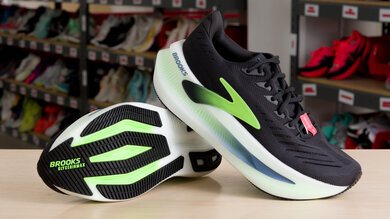
The Brooks Glycerin Max 2 is a big and tall cruiser that focuses on providing solid protection and comfort for easy miles. It's more of an update to the original Brooks Glycerin Max than a clear-cut upgrade, retaining the key ingredients that made the first version work so well: a towering stack height, similar geometry, and Brooks' DNA Tuned midsole foam. Overall, it comes across as a slightly firmer, more rockered take on the same formula, but it doesn't feel like a major leap forward. Its cushioning sits on the firmer side for a max-cushioned shoe, yet it delivers a crisp, controlled feel that stays very protective underfoot instead of harsh, making it a standout option for runners who put a lot of pressure into the midsole, including heavier runners who want something reliable and not too sluggish for their daily miles. A heavily padded upper, wide base, and generous rubber coverage make it a confidence-inspiring companion for longer runs and high-mileage training blocks, though its substantial weight and low energy return keep it firmly in the camp of shorter base run specialists rather than a lively, do-it-all daily trainer.
Our Verdict
The Brooks Glycerin Max 2 is a weak option for marathon racing, as its strengths sit almost entirely on the comfort side rather than on performance. While the towering stack and generous cushioning keep your legs well protected, the shoe's heavy build and low energy return make it feel slow and tiring to push during a marathon, especially if you try to hold a steady race pace. The wide, steady platform can help you stay upright when form fades, but it does not compensate for the ride's heaviness and unresponsiveness. In practice, it is far better suited to easy long runs that prepare you for a marathon than to the race itself.
Very high stack height.
Deep and protective cushioning in both heel and forefoot.
Heavy and bulky.
Midsole returns very little energy.
The Brooks Glycerin Max 2 feels out of its element for 5K and 10K racing, where light weight and snappy turnover matter much more than maximum cushioning. While the forefoot isn't too mushy, it's also far from being truly firm and snappy. Additionally, the combination of high mass and muted rebound requires significant effort to accelerate, and there is no plate to add extra stiffness. All in all, runners will find it sluggish and unwieldy compared with modern plated super trainers.
Heavy and bulky.
Midsole returns very little energy.
Changelog
-
Updated Oct 05, 2026:
We've edited this review to update the text in the Stability Usage box and Heel Firmness box.
-
Updated Aug 06, 2026:
We've updated the Popular Comparisons section to include a link to the newly reviewed Brooks Ghost Max 4.
- Updated Jul 16, 2026: We've converted this review to Test Bench 0.15, which replaces Responsiveness with three specific performance usages: Bounciness, Snappiness, and Roll. To read more about the changes, see the changelog.
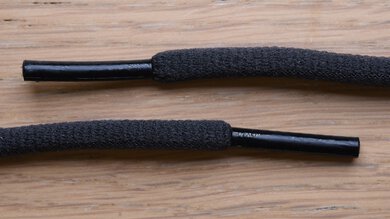
- Updated Jul 09, 2026: We've converted this review to Test Bench 0.14, which adds new lace-specific results. We've included a close-up photo of the laces, as well as details including lace type, width, thickness, and stretch. To read more about the changes, see the changelog.
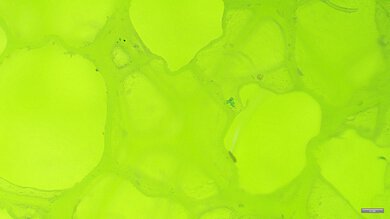
- Updated Jun 30, 2026: We've converted this review to Test Bench 0.13, which identifies the different foams used in the shoe's midsole. We've included a microscopic image of the foam cells to give you an idea of what the microstructure looks like. To read more about the changes, see the changelog.
-
Updated Jun 22, 2026:
We've updated the Popular Comparisons section to include a link to the newly reviewed Brooks Ghost 18.
- Updated Jun 17, 2026: We've converted this review to Test Bench 0.12, which fixes how we measure firmness, a component of the Stability and 5K/10K Racing usages. There may be inconsistencies between the text and the scores for these usages, but the scores should still be considered valid. We've also brought back the Energy Return score and added two new usages: Daily Training and Long Run. To read more about the changes, see the changelog.
-
Updated Apr 30, 2026:
We've updated this review to add text for the new Responsiveness usage box and made minor phrasing adjustments throughout the review for consistency.
- Updated Apr 28, 2026: We've converted this review to Test Bench 0.11, adding two new rocker measurements to the Design section, and three new responsiveness tests to the Performance section. The Energy Return usage score has been replaced with Responsiveness. Check out the details in our changelog.
-
Updated Apr 08, 2026:
We've updated the Popular Comparisons section, following our review of the Brooks Glycerin 23.
- Updated Mar 25, 2026: We've converted this review to Test Bench 0.10, adding a new set of fit tests to the Design section and an overall fit performance usage. Check out the details in our changelog.
-
Updated Mar 02, 2026:
We included the Brooks Glycerin Flex in Brooks' lineup within the Popular Running Shoe Comparisons section of the review.
- Updated Dec 03, 2025: Review published.
- Updated Dec 01, 2025: Early access published.
- Updated Nov 28, 2025: Our testers have started testing this product.
- Updated Nov 25, 2025: The product has arrived in our lab, and our testers will start evaluating it soon.
- Updated Nov 25, 2025: We've purchased the product and are waiting for it to arrive in our lab.

We've bought and tested more than 300 running shoes. Every pair purchased with our own money, never supplied or sponsored by brands. Our data-driven tests are designed to go beyond marketing claims, and since every shoe goes through the exact same methodology, you can directly compare results to find the right pair for your needs.
Test Results
Energy Return
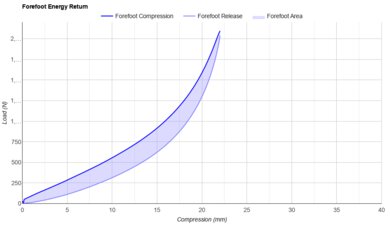
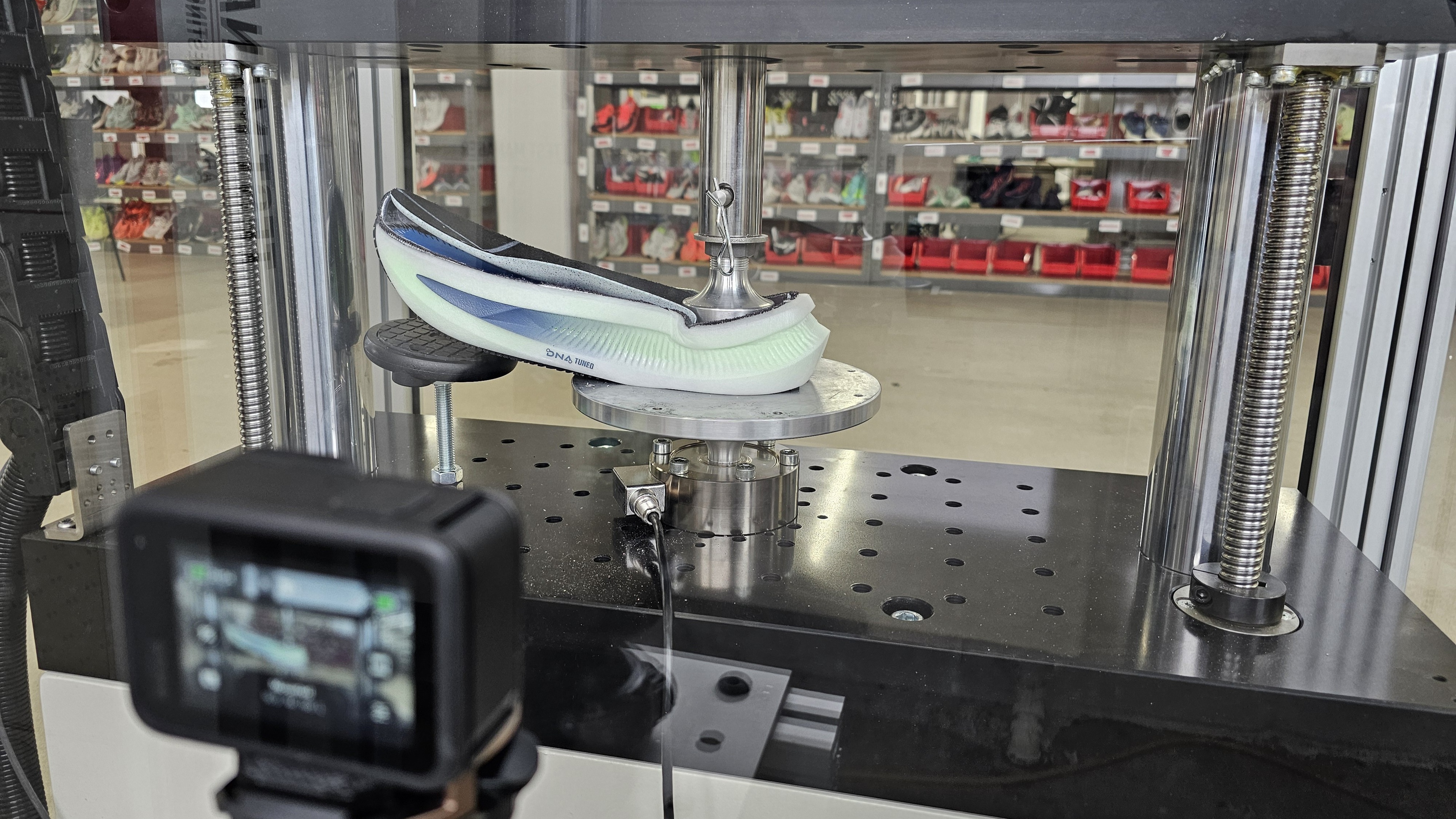
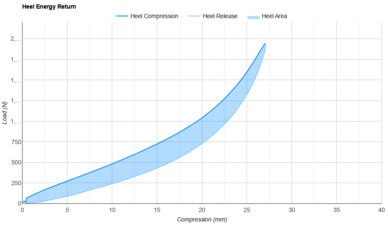
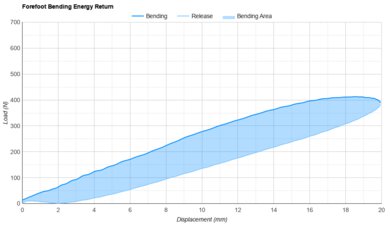
The forefoot energy return is also very weak, though it is slightly better than the heel. When you load the front of the shoe, you don't get much spring back, so you rely on the rocker to do most of the work in helping you move along. As a result, the forefoot lacks the pop that runners will get if they choose a modern trainer like the ASICS MEGABLAST instead.
Stability
The Brooks Glycerin Max 2 delivers decent stability, especially for such a tall shoe. Its very wide outsole and a firm platform keep it from feeling wobbly. This broad base gives you a secure platform to land on when your running economy is negatively affected, which is important for a shoe that sits so high above the ground. However, the heel width-to-stack ratio isn't great, so the shoe can feel unsteady when cornering or on uneven ground.
Generous outsole width.
The forefoot is firm enough to add some light stability.
Very high stack height can make the shoe feel less stable.
Not the most trustworthy when cornering.
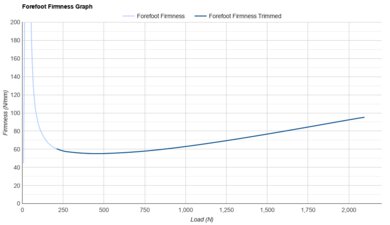
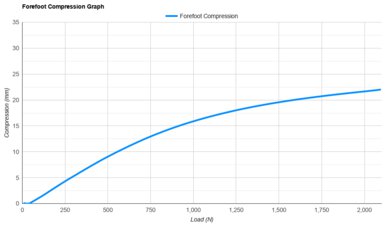
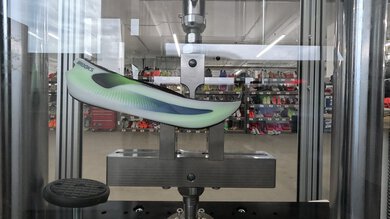
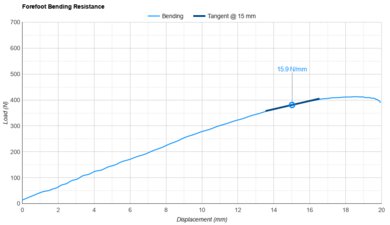
The Brooks Glycerin Max 2 has a moderately firm forefoot that feels crisper than you might expect from such a maximalist shoe, giving it a more balanced character than full-on plushness. The front of the shoe partially holds its shape and works with the rocker to provide a smooth roll and decent toe off, without ever feeling harsh or overly stiff either. This Goldilocks firmness helps prevent the shoe from feeling too sluggish at easy paces, but it's still far from being super firm either.
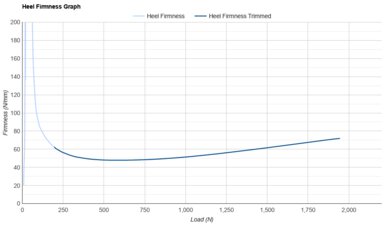
The heel strikes a good balance between firm and soft on this model, so landings feel secure without being overly harsh. It softens up somewhat under the highest loads, so heavier runners going quickly may notice it feels plusher underfoot.
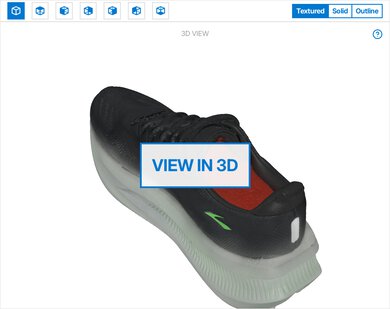
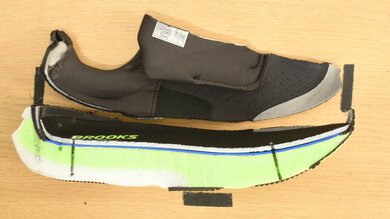
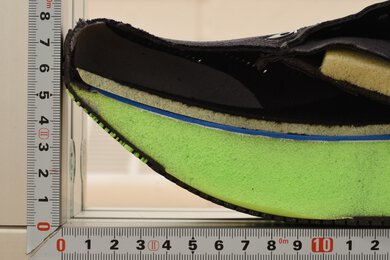
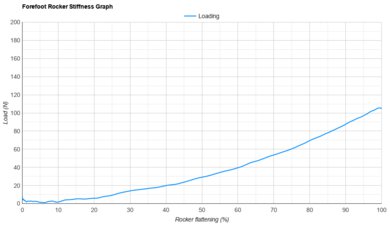
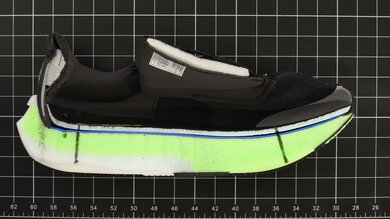
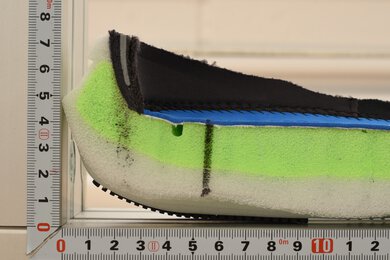
The Brooks Glycerin Max 2 has a pronounced rocker geometry that feels a touch more aggressive than the original Glycerin Max and gives the forefoot a surprisingly rolling sensation for such a bulky shoe. The rocker holds its shape well when you load it, and once you are moving, it encourages a smooth forward roll. This makes the ride feel more efficient at easy paces than the low-energy foam would suggest. All in all, the rocker is more pronounced than what you typically see in the max-cushioned category, as in shoes like the Mizuno Neo Vista 2. However, in the broader shoe market, it still isn't especially aggressive.
Cushioning
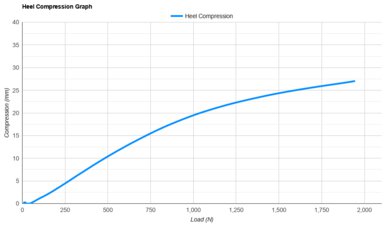
The Brooks Glycerin Max 2 really stands out for its cushioning, delivering a deep layer of protection that keeps both heel and forefoot well isolated from the ground. This substantial shock absorption is consistent across all force levels, making it a great option for heavier runners or anyone who places a lot of force into the shoe and wants reliable protection that doesn't bottom out on long runs. It's the perfect shoe for your easy mileage and recovery days, where comfort and support are the priority.
Very high stack height.
Deep and protective cushioning in both heel and forefoot.
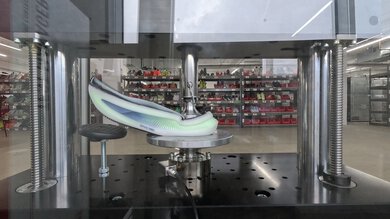
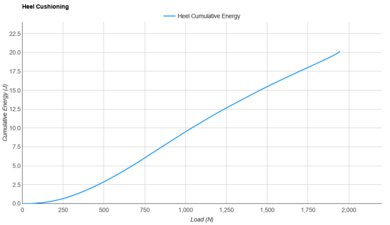
This shoe provides amazing heel cushioning, absorbing a large amount of impact across all force levels. Even at very high impact forces (which represent heavier runners or very powerful heel strikers), the rearfoot foam keeps delivering stellar protection without bottoming out, which helps reduce fatigue on long outings. This makes the shoe a particularly attractive option for runners who load the heel heavily and want a forgiving landing zone they can consistently rely on.
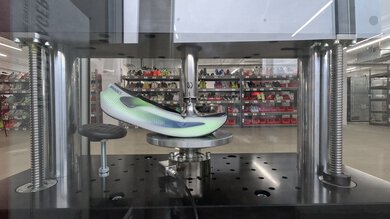
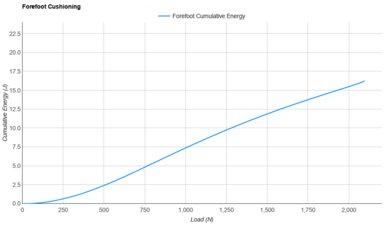
The Brooks Glycerin Max 2 offers fantastic cushioning under the forefoot, with a remarkable amount of impact energy absorbed. This DNA-tuned midsole keeps the ball of your foot well protected, making it a good option for days when your legs are already screaming, but you still need to log some miles. Still, it does not quite match the extreme shock absorption of the Nike Vomero Premium, but this level of cushioning should be sufficient for most people.
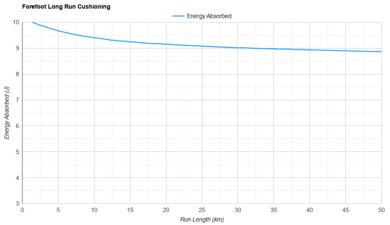
The Brooks Glycerin Max 2 maintains very good forefoot cushioning over longer distances, though it loses a noticeable chunk of its initial shock absorption over the first 20 km (about 13 miles) of a simulated run. The good news is that it starts from such a high level of protection that even after this drop-off, the front of the shoe still feels well-cushioned, and far from bottoming out, so your legs stay protected on big mileage days.
Bounciness
The Brooks Glycerin Max 2 has sub-par responsiveness. The DNA Tuned midsole compresses well on impact but doesn't decompress especially quickly or dynamically, resulting in very poor energy return. That said, the rockered geometry of the midsole does a good job of keeping your foot rolling forward through your stride. Runners seeking a lively, springy ride will likely prefer more modern foams that offer a stronger rebound.
Midsole returns very little energy.
Snappiness
Roll
True To Size
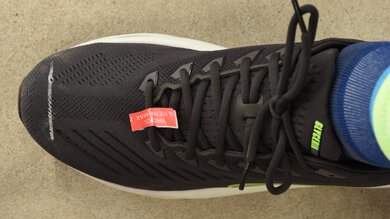
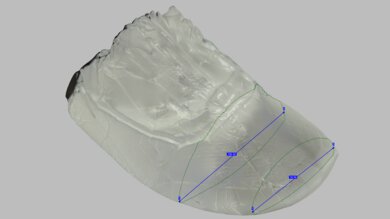
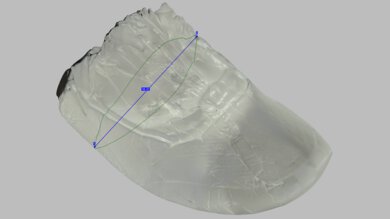
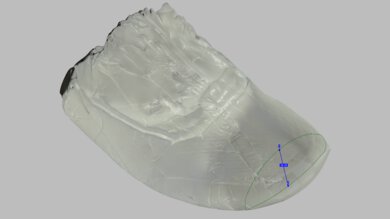
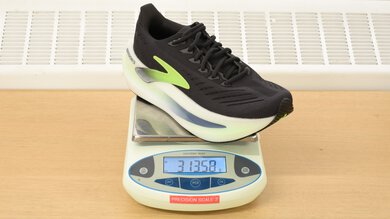
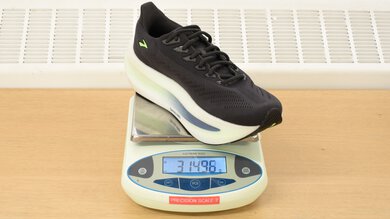
The Brooks Glycerin Max 2 is a very heavy shoe, even more so than the original version, largely because of its even more substantial upper with thick padding that adds noticeable mass. You feel that weight if you try to pick up the pace or stay out for a very long session, and it could become particularly cumbersome if the upper gets soaked and waterlogged. For its intended use at easier paces, though, the weight is less of a deal breaker, and it still comes in lighter than some extreme mastodons like the Nike Vomero Premium.
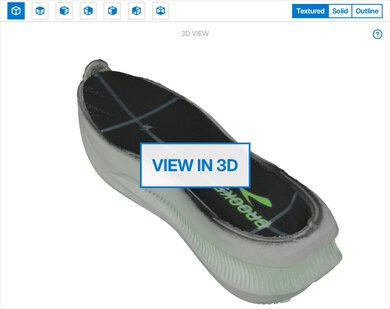
Popular Running Shoe Comparisons
Compared to other running shoes, the Brooks Glycerin Max 2 is a great take on what most people actually need for their daily miles: lots of cushioning and a comfortable upper for all things easy, such as weekly jogs, recovery runs, or long slow days. Many shoes in the broader market can better balance cushioning, weight, and responsiveness to be more versatile, and if you want a single shoe that can handle tempo workouts as well as easy days, something like an ASICS MEGABLAST or a Mizuno Neo Zen will feel lighter, livelier, and more fun. That said, if you want one shoe in your rotation to reach for on easy days because it's protective, reliable, and relatively stable, this model is excellent, especially for heavier runners or anyone who puts a lot of force into the ground and wants a platform that won't bottom out.
Within Brooks' lineup, the Glycerin Max 2 is the most cushioned cruiser, packing more foam underfoot than the standard Brooks Glycerin 23. Then there's the Brooks Glycerin Flex, a lower-stack daily trainer with a flexible platform that allows more natural foot movement. The Brooks Ghost Max 4 lives in the protective daily-trainer space, but is lower stacked and firmer than the Glycerin Max 2. The brand's classic daily trainer is the Brooks Ghost 18, while the Brooks Adrenaline GTS 25 is designed for runners who require overt support and guidance.
If you're looking for more options, check out our recommendations for the best running shoes, the best long-distance running shoes, and the best shoes for running a marathon.
The Brooks Glycerin Max 2 and Brooks Glycerin 23 may both be Glycerin by name, but they're noticeably different by nature. The Glycerin Max 2 is the max-cushion option, a colossal cruiser best suited for runners who want maximum comfort and protection on easy, long, and recovery runs. The Glycerin 23, on the other hand, is the more classic daily trainer, with decent cushioning and stability; it's more suited to runners who want a traditional, stable workhorse that can soak up weekly volume without the extra stack height.
The Brooks Ghost Max 3 and Brooks Glycerin Max 2 are both oversized, comfort-first Brooks trainers, but despite sharing the same "Max" moniker, they perform different functions. The Ghost Max 3 is the lower-stack, more stable option, with a broad base and plush upper that make it feel secure for walking, easy efforts, and slow daily mileage. However, its midsole feels flat, with very little rebound when you try to pick up the pace. The Glycerin Max 2 adds much deeper cushioning, a stronger rocker, and better responsiveness, making it better suited to long runs and heavier runners who want reliable protection underfoot. It's heavier and less stable than the Ghost Max 3, but it gives you a more complete max-cushion ride.
The HOKA Bondi 9 and Brooks Glycerin Max 2 are two cushioned cruisers best suited to easy, long, and recovery runs, where picking up the pace isn't the priority. Both offer truly amazing cushioning and protection, with the Brooks being the heavier option (though the HOKA shoe is no feather). Runners looking for maximum long-run comfort can't go far wrong. Still, a key distinction is that the Brooks is best suited to wider-footed runners (or those who want extra stack height). In contrast, the HOKA is better for those with a narrower forefoot (or those who want a more traditional max-cushion experience).
The Brooks Glycerin Max and Brooks Glycerin Max 2 are both tall, protective cruisers aimed at slow daily miles, with a few tweaks. The original Glycerin Max feels soft and cushioned underfoot, with a forgiving ride that makes recovery runs and relaxed long runs feel very gentle. The Max 2 retains the same towering stack but firms the foam slightly, adding a more assertive rocker. As a result, the ride feels a bit crisper, especially for heavier runners or those who tend to collapse the midsole in softer, max-cushioned shoes. The downside is that the Max 2 is heavier than it needs to be, with an even more padded triple-mesh upper, which can make your foot very warm. If you want maximum protection and don't mind the extra heft, the Max 2 is the more cushioned option. If you prefer a softer feel or can find the original Glycerin Max discounted, it's a better all-around pick, and there is little reason to upgrade.
The ASICS SUPERBLAST 3 is a better shoe than the Brooks Glycerin Max 2. It's significantly more cushioned, with a softer, lighter build and much better energy return, and can be used for pretty much all of your running. The Brooks only makes sense if you want a more stable shoe for easy miles and don't mind an even taller, bulkier shoe.
The Brooks Glycerin Max 2 is a better shoe for most runners than the Brooks Ghost Max 4. Its taller stack delivers superior impact protection and rolls much more smoothly, delivering the true, luxurious max-cushion experience that's missing from the Ghost Max 4. However, the Ghost Max 4 is much lighter, lower to the ground, and far more stable, so it's the more approachable pick for beginners or those with stricter support needs who still want decent protection underfoot.
The Nike Vomero Premium and the Brooks Glycerin Max 2 are both massive, comfort-focused trainers, but they deliver very different sensations underfoot. The Nike is heavier overall, with an ultra-high stack that requires a very wide platform to stay somewhat stable, so it feels noticeably more cumbersome and bulky than the Brooks. In return, the Nike's ZoomX foam and Air Zoom units create a much bouncier, more cushioned ride. The Brooks still offers plenty of cushioning for daily miles and long runs, but it's firmer, so it feels more solid underfoot, even if it's not as exciting or energetic. If you want maximum protection and a plush, springy feel and don't mind carrying extra weight and bulk, the Nike is the more luxurious choice; if you prefer a slightly more grounded, straightforward max-cushion trainer that's less chaotic, the Brooks is the better fit.
The Nike Vomero Plus is a better running shoe than the Brooks Glycerin Max 2. It's lighter and returns significantly more energy, so it takes less effort to run in and can handle a bit of faster running too. It also has great cushioning without feeling bulky. The Brooks is a bit more cushioned, though, so it's the better choice for slow, easy runs of any distance where comfort matters most. That said, its heavier build and much lower energy return make it unsuitable for anything else.
The Brooks Glycerin Max 2 is like the Brooks Glycerin 22 on steroids: both are premium neutral trainers from the same brand, but they differ a lot in execution and capabilities. The Glycerin 22 is lighter, with a more traditional, lower-profile build that feels more stable underfoot. In contrast, the Max 2 utilizes its extra weight to support a much taller stack, offering noticeably better cushioning, especially as the distance increases. Even though they share DNA-Tuned foam, stack height also matters for impact absorption, and the Max 2 simply keeps your legs more protected late in long runs. It also features a more pronounced rocker, allowing for a smoother ride and helping you cruise along.
The ASICS GLIDERIDE MAX 2 and the Brooks Glycerin Max 2 may share a similar name, but they represent two very different interpretations of what a high-stack daily trainer should be. The Glycerin Max 2 is much heavier and sits higher off the ground, leaning fully into cushioning volume and impact absorption. It delivers a softer, more forgiving ride overall, with noticeably more forefoot cushioning that prioritizes shock reduction. The GLIDERIDE MAX 2, by contrast, with its lower weight, pronounced rocker, and partial plastic plate, creates a smoother, more rolling transition. While it's still highly protective, it doesn't feel as plush or sink-in soft as the Glycerin Max 2, especially up front.
The Brooks Glycerin Max 2 and HOKA Skyward X are both towering max-cushion trainers built for comfort on easy miles, but they feel very different on the run. The Skyward X is slightly lighter, despite packing a higher stack and a carbon plate, and its midsole returns significantly more energy, making it feel livelier and more responsive overall. The Max 2, by contrast, uses DNA Tuned foam without a plate and still comes across noticeably firmer overall, but in a crisp way that pairs nicely with its pronounced rocker and makes the transition feel more rolling than you would expect from such a bulky max-cushion shoe. It's clearly heavier and much less bouncy, yet also more straightforward for runners who just want a protective, predictable cruiser for relaxed daily runs.
The Brooks Glycerin Flex and Brooks Glycerin Max 2 sit in the same extended Glycerin family, and both use versions of Brooks' DNA Tuned midsole, but they deliver two completely different rides. The Glycerin Max 2 is built around an ultra-high stack and lower drop with a much softer, more cushioned ride and a pronounced rocker that keeps transitions rolling forward, making it a great option for easy days. The Brooks Glycerin Flex takes a very different approach: it weighs less, with a higher drop and a decoupled midsole design that uses a diagonal groove and multiple articulating pods in the forefoot to create a noticeably more flexible, free-moving ride. It’s still cushioned, but not to the same degree as the Max 2, and that more grounded, segmented platform tends to feel naturally more stable despite not relying on explicit guidance features.
The Mizuno Neo Zen 2 and Brooks Glycerin Max 2 are both protective shoes for daily miles, and they have the same heel-to-toe drop, but they feel quite different on foot. The Brooks is the more cushioned option, with a higher stack and a softer, more comfort-first ride, but it also feels heavier and less stable, and its upper is more conventional. The Mizuno is lighter (which makes it feel more nimble) and more stable.
Differences Between Sizes And Variants
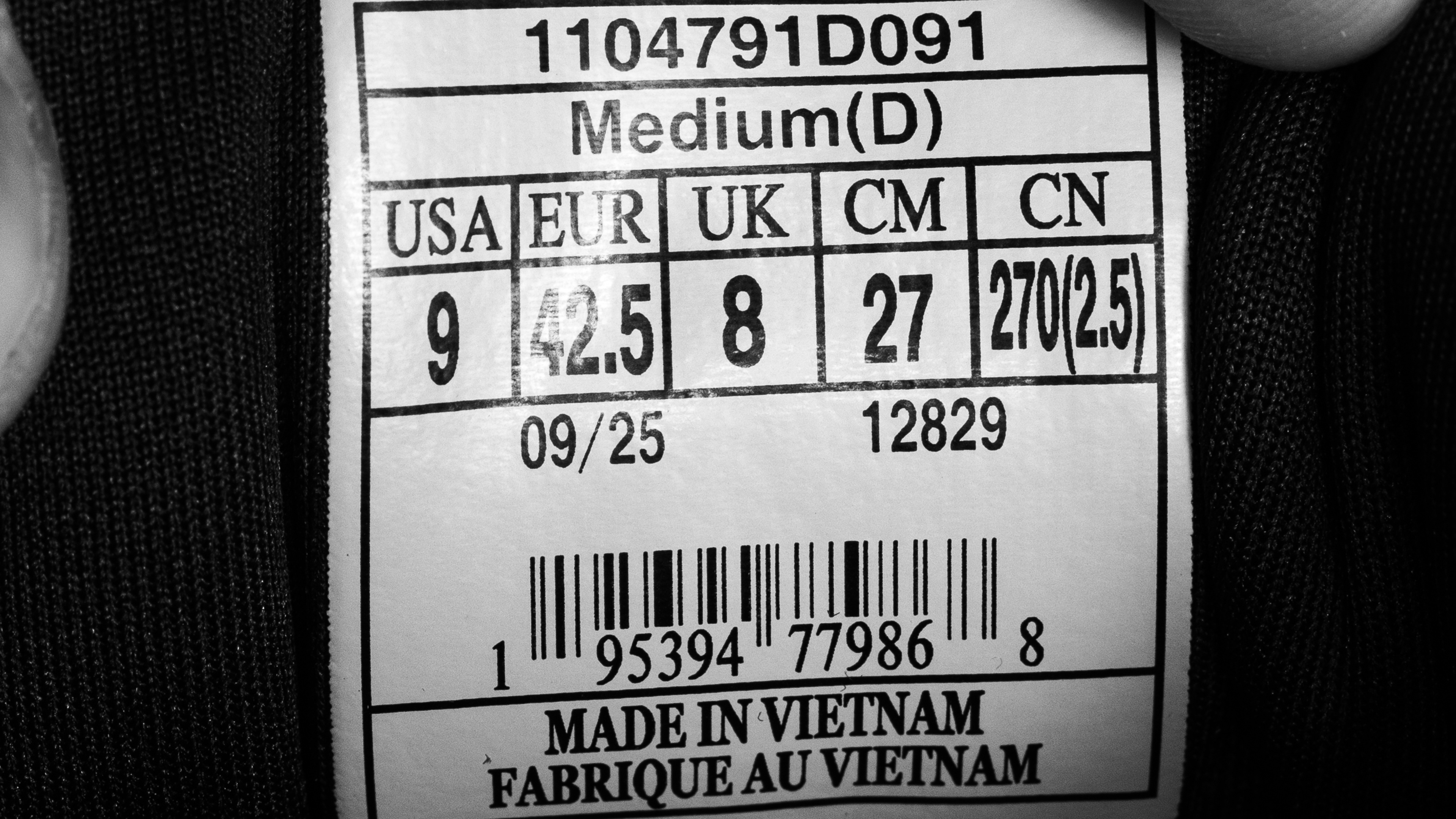
We bought and tested the Brooks Glycerin Max 2 in men's US size 9, as noted on the label for our pair. The pair we purchased is the Phantom/White/Green Gecko colorway, but you can also buy this shoe in other colors, depending on the region. Additional color options include White/Black/Chateau Gray, Oyster/Argyle/Cyber Pink, Grey/Coconut/Metallic, and Orange/Beacon Blue/Nightlife. There are currently no wide versions available. The design section applies only to the exact model we tested, but we expect other sizes and gender variants to perform similarly.