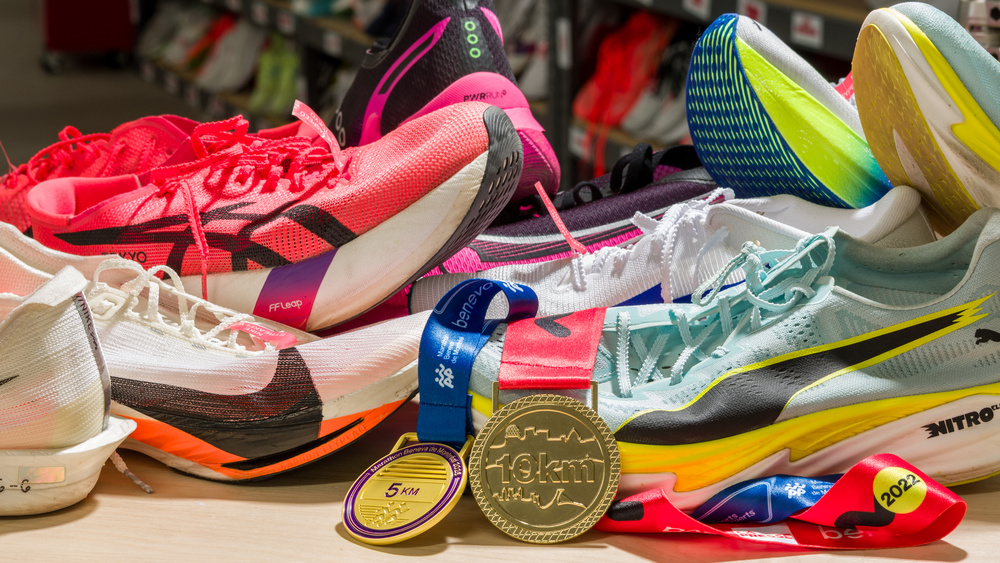
Whether you've just signed up for your first 5K or you're a seasoned veteran chasing a new personal record (PR), your choice of running shoes makes a big difference in how you'll feel on race day. Here are the factors we consider most important when choosing a shoe to run a 5K or 10K:
- Weight: The more a shoe weighs, the more effort you'll have to put into each step to keep your legs turning over. If you're trying to shave time off your PR, a lighter shoe will be more efficient. Under 220 grams is a good weight for a racing shoe, but a lightweight shoe usually comes with trade-offs: the weight savings might come from reduced cushioning underfoot, or from a streamlined design that makes the shoe less stable. If comfort is more important than speed, a shoe that weighs up to 260 grams is still not bad.
- Firmness: For shorter-distance events like the 5K and 10K, a firm platform, especially under the forefoot, will allow you to exert more force without the shoe becoming wobbly. For runners trying to push the pace, a firm forefoot gives you more powerful toe-offs. Even for more casual runners, a firm forefoot means a more stable stride, allowing you to run your race with confidence. A score between 7.5 and 8 is good. Much lower than that range will feel softer and more comfortable, but you'll have a less direct response as you push off; much higher than that range will mean a very direct response, but it could feel harsh.
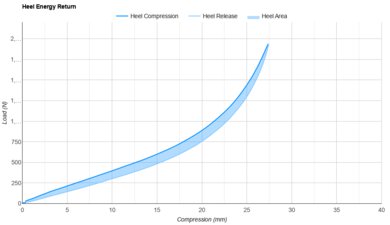
- Energy Return: As you run, a certain amount of the energy you exert will be absorbed by the shoe, but an efficient midsole will be able to return a significant percentage of that energy into your next stride, creating a springy rebound that helps you run faster and conserve more energy over the course of the race. A score of 8 or higher is impressive, and 8.5 or better is downright amazing.
We've tested over 300 running shoes, and below are our picks for the best shoes for running 5K to 10K races. If you're just starting out running and you're trying to build up to a 5K or 10K, check out our recommendations for the best running shoes for beginners. If you're running longer distances, there are different factors to consider, so we recommend checking out our article on the best long-distance running shoes. If you're inspired after your 10K to sign up for a marathon, see our recommendations for the best shoes for running a marathon.
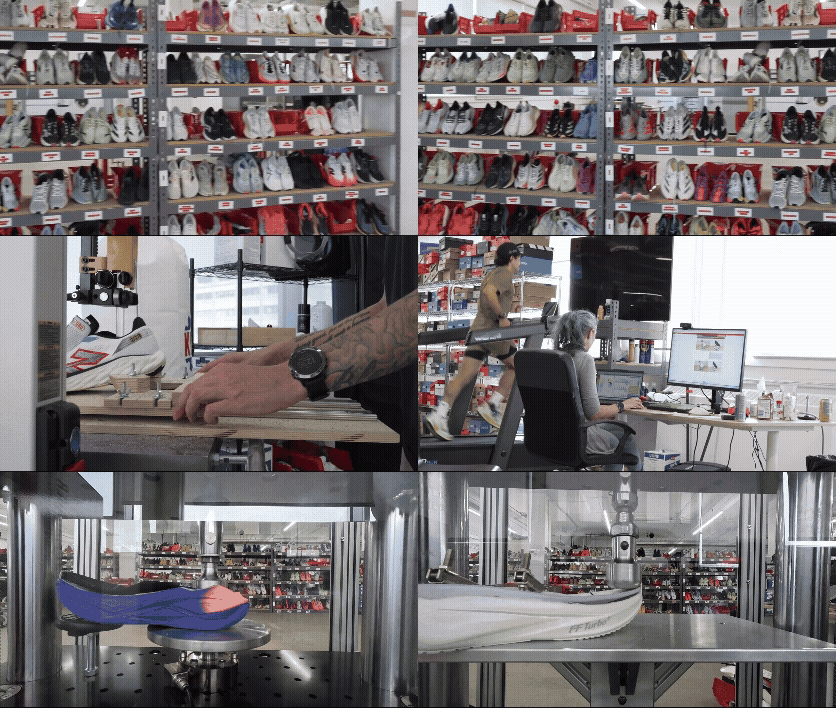
We've bought and tested more than 300 running shoes. Every pair purchased with our own money, never supplied or sponsored by brands. Our data-driven tests are designed to go beyond marketing claims, and since every shoe goes through the exact same methodology, you can directly compare results to find the right pair for your needs.
-
Best Running Shoe For Racing A 5K Or 10K
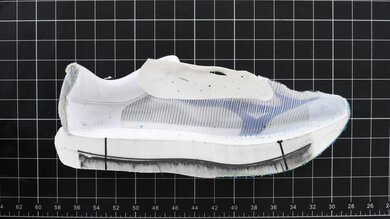
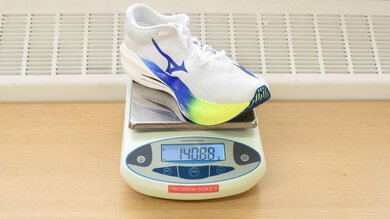
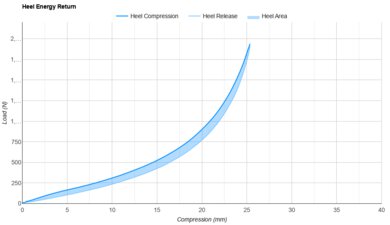
 5K/10K Racing8.7Energy Return8.6Weight:139.1 g (4.91 oz)See all our test resultsForefoot Firmness:
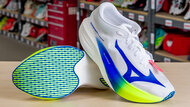
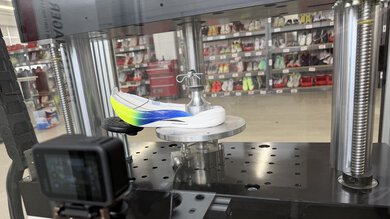
The Mizuno Hyperwarp Pure is the best running shoe for 5K and 10K racing that we've tested for most runners. Its lightweight, efficient design makes it a very capable short-distance racer, and each stride requires less effort, helping you save more energy for late-race surges. The shoe's midsole is amazing at returning the energy you put into it, in both the heel and forefoot, and giving you a lively rebound that helps carry you into your next step. The forefoot starts out decently firm but gets much firmer as you push harder, so you get a stable platform that feels more controlled the faster you go. It's also surprisingly steady for such an aggressively streamlined racer. It sits fairly low to the ground and has a wider base than many racing shoes, so you can dial up the intensity with confidence.
This shoe isn't for everyone, though. Its carbon plate stops just short of the toes, so if you push off mostly from the tips of your toes, that part of the shoe could feel mushy. The low heel-to-toe drop and thin heel cushioning work best for runners who land on their midfoot or forefoot. Heel strikers or runners who land with a lot of force would be better suited by a more cushioned shoe.
-
Best Budget Running Shoe For A 5K Or 10K
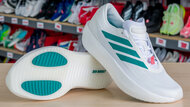
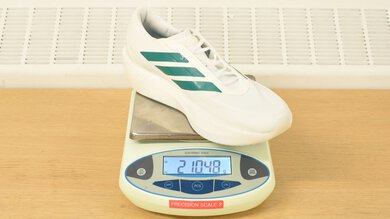
 5K/10K Racing7.5Energy Return7.9Weight:209.0 g (7.37 oz)See all our test resultsForefoot Firmness:
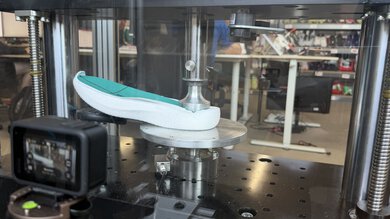
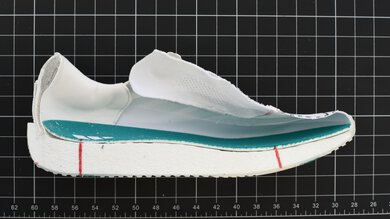
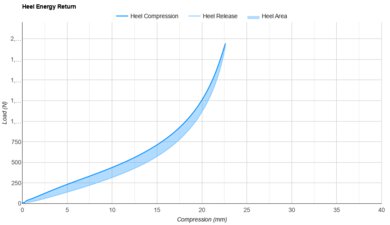
If your goal is just to finish your 5K or 10K without investing too much, we recommend the adidas Zenboost. Compared to the Mizuno Hyperwarp Pure, this budget trainer is heavier and less efficient, but it's also much more stable underfoot. That, plus its affordable price, makes it a better option for runners on a couch-to-5K plan than competitive racers. Still, this shoe is no slouch, and it does a very good job of rewarding the energy you put into it, making it easier to hold whatever pace is fast for you.
Since this shoe isn't hyper-optimized for racing, it's also a more comfortable shoe to wear for training runs leading up to your race. It's important to be aware of this shoe's limitations, though: the firm midsole does give a very direct connection to the ground, but it can feel harsh if you land with a lot of force. Heavier runners in particular might prefer a better-cushioned shoe, like our next pick.
-
Best Cushioned Running Shoe For Racing A 5K Or 10K
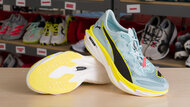
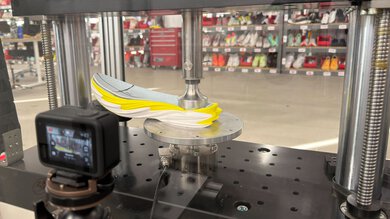
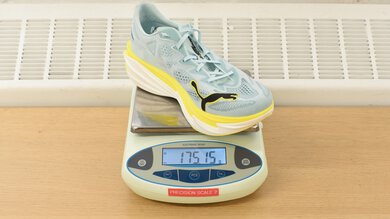
 5K/10K Racing8.2Energy Return8.4Weight:169.1 g (5.96 oz)See all our test resultsForefoot Firmness:
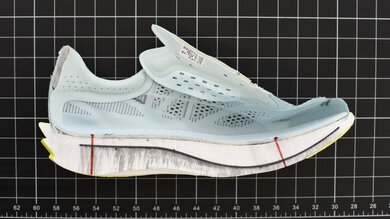
If you want more protection underfoot on race day, the PUMA Deviate NITRO Elite 4 is the best cushioned shoe for racing a 5K or 10K that we've tested. It's 30 grams heavier than the Mizuno Hyperwarp Pure, but that extra weight comes with a lot more foam under the heel, so it absorbs impact better, especially for heel strikers and runners who land with a lot of force. The overall geometry of the shoe is more accommodating of different landing patterns, and will give you smoother transitions if you land near the back of the shoe. The midsole returns energy almost as well as the Mizuno shoe's midsole, and the forefoot firms up as you push harder, so it still responds well at faster paces. The fit is also roomier than most racing shoes, with plenty of space in the arch and toe box, so it's an all-around more comfortable experience on race day.
The trade-offs with our top pick are pretty straightforward: the slightly heavier weight means it doesn't feel as nimble if you're trying to hit top speed. The softer foam and taller stack height also make the shoe less stable, so it can feel wobbly around any tight corners on the course. Still, this is a very capable racing shoe, and if your foot feels comfortable, that means one less thing to think about when the race gets tough.
-
Best Running Shoe For Racing A 5K Or 10K For Wide Feet
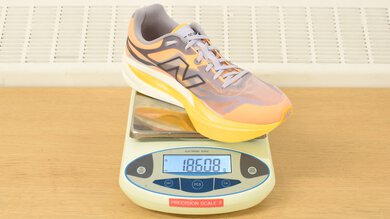
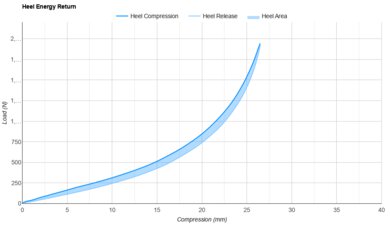 5K/10K Racing8.3Energy Return8.8Weight:187.1 g (6.60 oz)See all our test resultsForefoot Firmness:
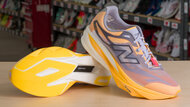
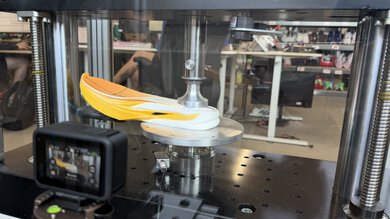
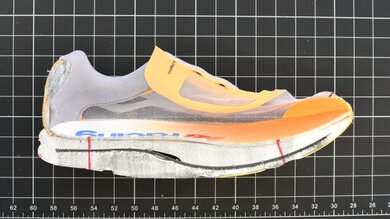
If you have wide feet, the New Balance SuperComp Elite v6 is the best shoe for racing a 5K or 10K that we've tested. It's one of the few carbon-plated racing shoes that come in a wide version, so you can get a racing shoe that fits without cramming your feet into a narrow upper. It doesn't give up much on race-day performance, either, as its forefoot is even firmer than the Mizuno Hyperwarp Pure's, and the carbon plate keeps it very stiff, so you get a solid platform from which to push off when you pick up the pace. The midsole does an excellent job returning the energy you apply, so the ride feels lively and efficient at faster paces. Its higher heel-to-toe drop also makes it a bit friendlier for heel strikers.
While this shoe doesn't sacrifice too much in terms of race-day performance, its heavier weight is a factor: at 187 grams in a US men's size 9, it's almost 50 grams heavier than the Mizuno, so it doesn't feel as light and quick on your feet. Still, this is a perfectly respectable weight for a road racing shoe, and a worthwhile trade-off for runners whose feet don't fit standard widths.
-
Lightest Running Shoe For Racing A 5K Or 10K
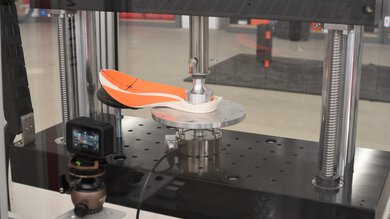
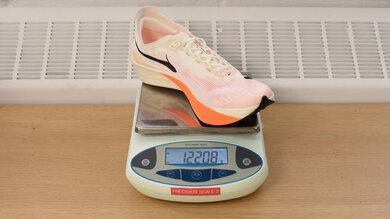
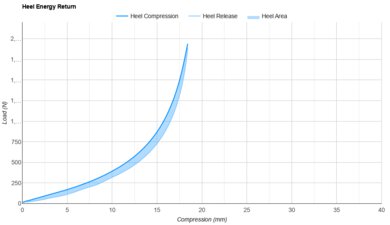 5K/10K Racing9.0Energy Return8.4Weight:121.5 g (4.28 oz)See all our test resultsForefoot Firmness:
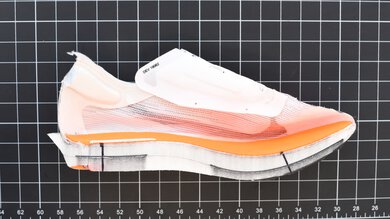
If you're chasing ultimate efficiency, the Nike Streakfly 2 is the lightest shoe we've tested for short-distance racing. At only 121 grams, it's even lighter than our top pick, the Mizuno Hyperwarp Pure, with a thin yet firm midsole that feels like a track spike that's been resoled for the road. The streamlined design keeps you close to the ground and gives you a very direct connection to the road, but the minimal midsole foam still does an impressive job returning the energy you put into it.
This shoe's single-minded focus on speed comes at the expense of comfort. There's very little foam between you and the road, and the fit is very snug. The platform is one of the narrowest we've seen, so it's much less stable than the Mizuno shoe, meaning you'll need a steady running form to keep it under control. If you're just running a 5K or 10K for fun, this shoe is overkill. However, if you're racing to win, and you consider any discomfort a small price to pay for glory, this is the shoe for you.
Notable Mentions
-
Nike Vaporfly 4:
The Nike Vaporfly 4 is a good compromise for runners who still want an efficient racing shoe but need a bit more padding underfoot than the Nike Streakfly 2. The Vaporfly is still incredibly lightweight and highly responsive when you push the pace, but it feels more comfortable over the 10K distance.
See our review -
Saucony Endorphin Pro 5:
The Saucony Endorphin Pro 5 is a fast but practical alternative to runners who want a better balance between speed and stability than the Mizuno Hyperwarp Pure offers. The Saucony shoe still has a pretty lightweight construction and a carbon-plated midsole, so it has some of the feel of a racing shoe, but with a wider platform that's a bit more forgiving if you can't maintain perfect running form.
See our review
All Reviews
Our recommendations above are what we currently consider the best running shoes for 5K and 10K races, tailored to a variety of needs and priorities. We factor in performance, comfort, price (a less expensive shoe may win out if the difference isn't worth it), and availability; we don't include models that are hard to find or nearly sold out.
If you'd prefer to explore on your own, check out our full list of running shoe reviews. Remember, no shoe is perfect for everyone; your running style, goals, and personal preferences will always play the biggest role in finding the right pair for race day.